AudioFu Chart · October 2026
Best Microphones for Toms for Advanced 2026
The top pick is Audix D2 Hypercardioid Dynamic Drum / Instrument Microphone ($449). Shure Nexadyne NXN6 Tom Supercardioid Dynamic Microphone gives you the most for the money at $259. Ranked by the AudioFu Index from 22 models across 12 brands, prices checked every night.
Last updated: October 19, 2026
Top 10
Full detail for the 10 highest AudioFu Index scores. Every other model is listed below.
-
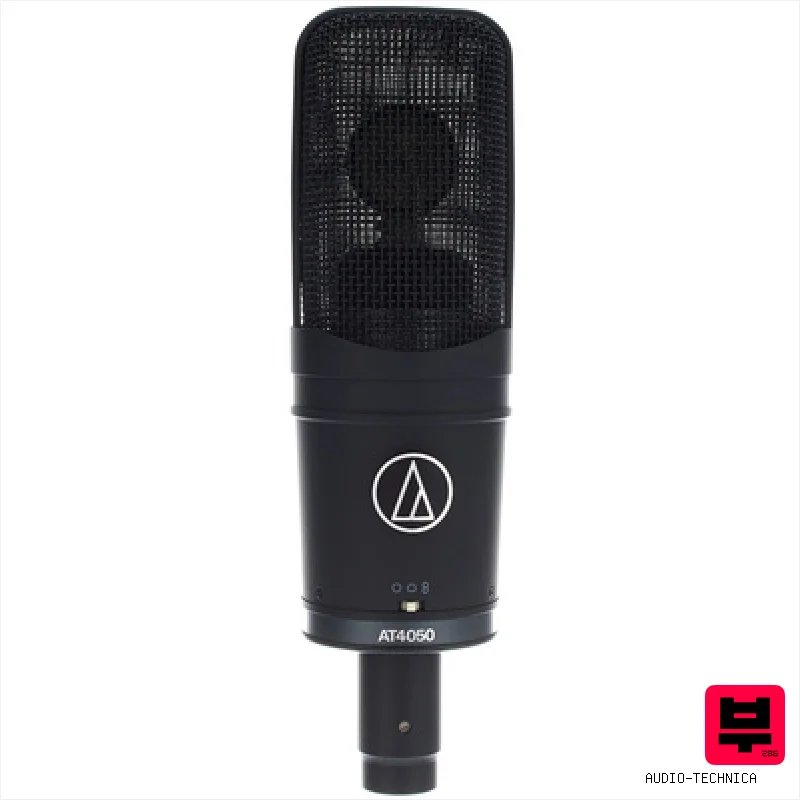
Audix D2 Hypercardioid Dynamic Drum / Instrument Microphone
D2-Trio · Audix
20 for sale on Reverb2 finishes at Thomann
The Audix D2-Trio is a surprisingly capable little mic pack, especially for toms. They offer a tight, focused sound that cuts through the mix, and the included mounts are a huge convenience. This is a great, affordable option for gigging drummers or anyone needing focused percussion mics who wants a clear, punchy sound.
Pros
- Hypercardioid pattern isolates toms exceptionally well, minimizing bleed.
- Robust construction with a zinc die-cast body handles gigging abuse.
- The D-vice mounts are genuinely useful and secure, a real bonus.
Cons
- Hypercardioid pattern demands precise mic placement; unforgiving of errors.
- Limited versatility – truly specialized for toms and similar percussion.
68AudioFu
IndexStableno change since Aug 17Aug 17$449 now$449€399 at Thomann · in stockCheck price ↗ -
Audio-Technica ATM350PL Cardioid Small Diaphragm Condenser Microphone
ATM350D · Audio-Technica
7 for sale on Reverb1 finish at Thomann
The ATM350D is a brilliant little mic for serious tom tracking, especially in a live or studio setting where bleed is a concern. Its modularity is a huge plus, letting you adapt it to different drum sizes and mounting situations. This is a great choice for drummers and engineers who want a focused, detailed tom sound without the bulk of a larger microphone.
Pros
- Modular design allows for capsule swapping and bracket customization.
- Cardioid pattern effectively isolates the tom sound from bleed.
- Lightweight capsule minimizes drum dampening and resonance.
Cons
- Requires phantom power, limiting use with some older interfaces.
- The 200-ohm impedance can be a load for some preamps.
51AudioFu
IndexStableno change since Aug 17Aug 17$393 now$393€349 at Thomann · in stockCheck price ↗ -
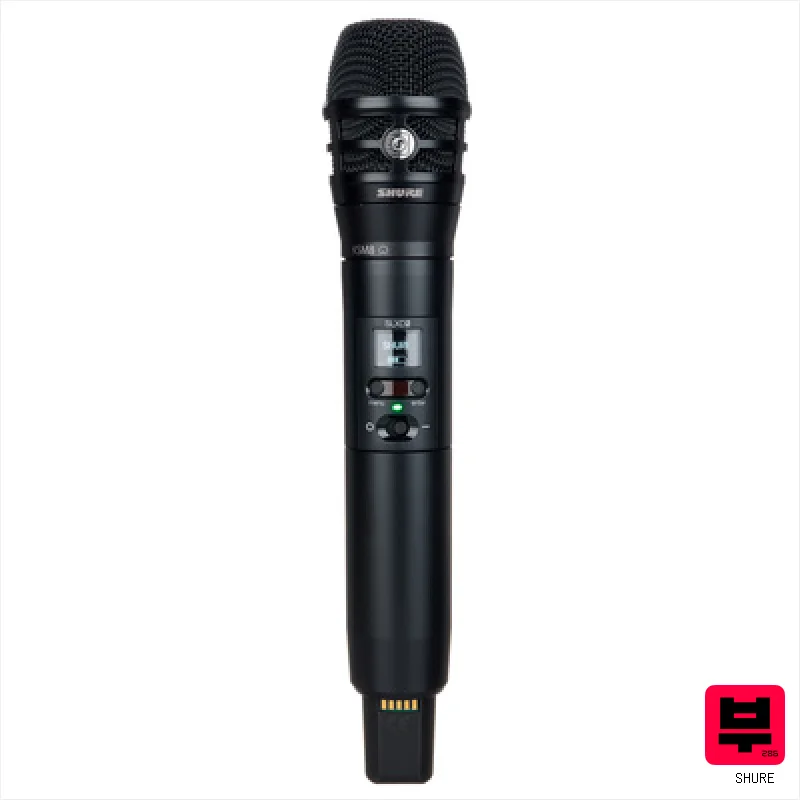
The Nexadyne 6 pack is a serious upgrade for drummers wanting pristine tom and snare sounds live. Shure's Revonic tech really shines, offering incredible detail and punch without the harshness you sometimes get. These are perfect for pros or serious hobbyists chasing a polished, professional drum sound.
Pros
- Revonic dual-engine delivers exceptional clarity and transient response.
- Supercardioid pattern excels in live, loud environments minimizing bleed.
- Robust build quality suggests long-term reliability and gigging durability.
Cons
- High-end price point might be prohibitive for budget-conscious drummers.
- Supercardioid pattern demands precise mic placement for optimal results.
39AudioFu
IndexStableno change since Aug 17Aug 17$753 now$753€669 at Thomann · in stockCheck price ↗ -
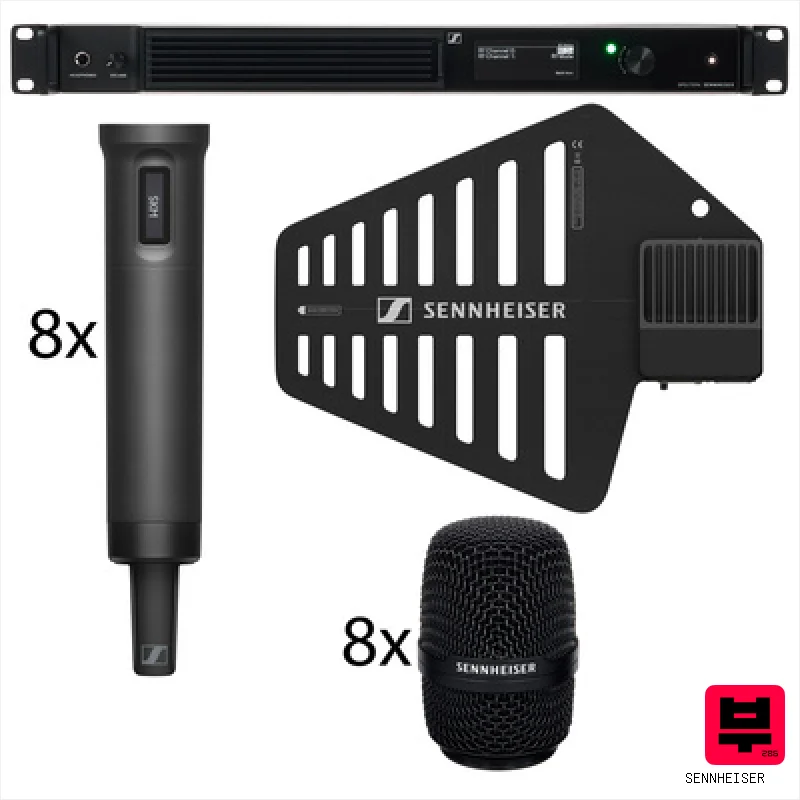
The DM20 Gen2 is a serious upgrade for any drummer chasing a detailed, impactful tom sound. Its gooseneck design really shines in live or studio settings where isolation is key – especially for those struggling with drum bleed. It’s a premium-priced option, but the clarity and focused sound are worth it for dedicated recording engineers and serious gigging musicians.
Pros
- Exceptional transient response captures tom attack with clarity
- Gooseneck design isolates tom sound, minimizes bleed
- Robust build quality; feels durable despite its size
Cons
- Gooseneck can be unwieldy in tight spaces, requires careful placement
- Cardioid pattern limits stereo imaging options for toms
36AudioFu
IndexStableno change since Aug 17Aug 17$483 now$483€429 at Thomann · in stockCheck price ↗ -
This mic is great for drummers who want clear highs without picking up too much room noise. The built-in boost helps cut through the mix, and the supercardioid pattern keeps side sounds down. It's a solid choice for live gigs, though the short cable might be a hassle on big stages.
Pros
- Supercardioid pattern rejects side noise for clean drum sound
- Built-in boost at 10-12 kHz adds crisp high-end detail
- 145 dB max SPL handles loud toms without distortion
Cons
- No weight listed makes it hard to judge balance on stage
- Supercardioid pattern may reject some front-side kick energy
36AudioFu
IndexStableno change since Aug 17Aug 17$708 now$708€629 at Thomann · in stockCheck price ↗ -
- Weight0.21 kg
This mic cuts through the mix with its tight pattern and huge SPL headroom. It's light enough to carry everywhere but lacks EQ knobs, so you need your preamp set right. Great for players who want reliable sound without extra tweaking.
Pros
- Super-cardioid pattern isolates drums from room noise effectively
- Handles loud SPL up to over 135 dB without distortion
- Wide frequency range from 30 Hz to 18 kHz captures deep tones
Cons
- No on-mic EQ or gain controls for real-time adjustments
- Small diameter of 48 mm may feel cramped on some toms
51AudioFu
IndexStableno change since Aug 25Aug 25$336 now$336€299 at Thomann · in stockCheck price ↗ -
Universal Audio SD-3 Cardioid Dynamic Modeling Microphone
SD-3 Set · Universal Audio
25 for sale on Reverb2 finishes at Thomann
The UA SD-3 set is a clever little package for drummers on a budget. The Hemisphere modeling is a neat trick for shaping your tom sounds, and the robust build means these mics can take a beating. Ideal for gigging musicians or home studios looking for a versatile and affordable tom mic solution.
Pros
- Solid all-metal build feels incredibly robust for the price.
- Hemisphere modeling offers surprising tonal flexibility post-recording.
- Cardioid pattern provides excellent isolation on toms, minimizing bleed.
Cons
- The 58dB sensitivity might require a preamp with decent gain.
- While versatile, the modeled sounds aren't perfect replicas of the originals.
-
The Lauten Audio Tom Mic is a fantastic choice for drummers seeking a focused, powerful tom sound. Its aggressive character cuts through the mix beautifully, especially in rock and metal. This mic is ideal for those wanting a dedicated tom mic that delivers a real punch without needing a huge studio budget.
Pros
- FET design delivers a punchy, aggressive transient response.
- Supercardioid pattern excels at isolation in dense drum setups.
- Robust construction with a solid metal body feels very durable.
Cons
- Supercardioid pattern can be tricky to position consistently.
- Lauten's character might be too aggressive for very subtle, nuanced tom sounds.
36AudioFu
IndexStableno change since Aug 17Aug 17$415 now$415€369 at Thomann · in stockCheck price ↗ -
Shure Nexadyne NXN6 Tom Supercardioid Dynamic Microphone
Nexadyne 6 · Shure
15 for sale on Reverb1 finish at Thomann
The Nexadyne 6 is a solid, dependable tom mic – a real workhorse for gigging drummers. Its focused pattern and tight low-end really help cut through a dense drum mix, especially in smaller venues. It's a great value for drummers needing reliable, focused tom sounds without the premium price tag.
Pros
- Revonic dual-engine delivers surprisingly tight, controlled low-end response.
- Supercardioid pattern effectively rejects bleed from overheads and other drums.
- Robust build quality; feels solid and durable for stage use.
Cons
- Supercardioid pattern demands precise mic placement for optimal results.
- Sensitivity is lower than some competitors, might require more preamp gain.
56AudioFu
IndexStableno change since Aug 17Aug 17$259 now$259€230 at Thomann · in stockCheck price ↗ -
Audio-Technica AE3000 Large-Diaphragm Cardioid Condenser Mic
AE 3000 Cable Bundle · Audio-Technica
17 for sale on Reverb1 finish at Thomann
This mic handles very loud toms thanks to its built-in pad switch. It captures a full range from deep lows to crisp highs, and comes with a sturdy cable and bag. It fits both studio setups and live gigs where volume is high.
Pros
- Wide frequency range captures full drum sound
- 10 dB pad handles loud toms safely
- Heavy-duty Neutrik connectors for reliability
Cons
- No specific low-end response details given
- Bass roll-off reduces sub-bass clarity
35AudioFu
IndexStableno change since Aug 17Aug 17$336 now$336€299 at Thomann · in stockCheck price ↗
All 22 microphones for toms
Same index, same nightly prices — compact. Colour options of one model share a row. Tap a photo to zoom.
- 11
Sennheiser e604 Cardioid Dynamic Drum MicrophoneE604 · Sennheiser73↓ 5.3%$141€125$141€125Check ↗
- 12
sE Electronics V Beat Supercardioid Dynamic Drum MicrophoneV Beat · SE Electronics · 2 finishes71Stable$209€186$209€186Check ↗
- 13
Universal Audio SD-7 Standard Hypercardioid Dynamic Modeling…SD-7 · Universal Audio69↑ 9.2%$134€119$134€119Check ↗
- 14
Sennheiser e906 Supercardioid Dynamic Instrument MicrophoneE 906 · Sennheiser69Stable$181€161$181€161Check ↗
- 15
Audix i5 Cardioid Dynamic Instrument Microphonei-5 · Audix64Stable$106€94$106€94Check ↗
- 16
Sennheiser e904 Cardioid Dynamic Drum Microphone with Rim ClipE 904 · Sennheiser57↑ 16.4%$208€185$208€185Check ↗
- 17
the t.bone CD 56 betathe t.bone54Stable$50€44$50€44Check ↗
- 18
Audio-Technica ATM230PK Dynamic Instrument Microphone (3-Pack)ATM230 · Audio-Technica52Stable$186€165$186€165Check ↗
- 19
Sennheiser e608 Dynamic Supercardioid Gooseneck Clip-On MicrophoneE608 · Sennheiser52Stable$210€187$210€187Check ↗
- 20
the t.bone CD 55the t.bone39Stable$28€25$28€25Check ↗
- 21
EV PL 35EV39Stable$110€98$110€98Check ↗
- 22
EV ND44EV39↓ 0.7%$152€135$152€135Check ↗
Microphones for Toms by the numbers
Measured across all 25 models we track, not a sample.
Median $209 — half of all microphones for toms here cost less.
How to choose the best microphones for toms
Transient Response
This is critical. Sloppy transient response turns your toms into muddy blobs. We're looking for mics that can accurately capture the attack and decay - that initial 'thwack' and the sustain that follows - especially important for nuanced ghost notes and intricate patterns.
Off-Axis Response
Too many mics get harsh or nasal when you move even slightly off-center. Advanced players often adjust mic placement to find the sweet spot, so a consistent, usable tone regardless of angle is vital. We want a smooth roll-off, not a sudden spike in unpleasant frequencies.
Low-End Extension & Control
It's not just about the low end being there, it's about how it behaves. You want that fundamental thump, but it needs to be controlled so it doesn't swamp the kick drum or muddy the overall kit sound. Mics that allow for precise EQ adjustments are a huge plus.
Sensitivity & Noise Floor
Let's be honest, a mic that's overly sensitive can pick up every rattle and hiss in your studio, and a noisy mic just sounds unprofessional. For advanced players, the ability to capture subtle dynamics without introducing unwanted noise is non-negotiable.
Polar Pattern Versatility
Cardioid is great, but having options - like a pad, or the ability to experiment with hypercardioid or figure-8 patterns - unlocks a ton of creative possibilities for isolating toms and minimizing bleed. This gives you more control in complex recording situations.
Buying guide
Alright, so you're past the 'one mic on the whole kit' phase and actually want to dial in some serious tom tone? That's a good sign. Getting your tom sound right isn't just about slapping a mic on it; it's about capturing that low-end thump with enough articulation to cut through a dense mix, and that's where the right mic makes all the difference. Let's talk about what advanced players need and the mics that deliver - no BS.
Don't fall for the 'more expensive = better' trap. Some mics just cost more because of branding. Look for mics with a reputation for accurate transient response and a smooth off-axis response.
Dynamic mics are often a safer bet for live gigs due to their ruggedness, but condensers offer more detail for studio work - just be mindful of headroom and potential for feedback. Spending a little more on a quality shock mount and cable is also a worthwhile investment; a great mic sounds like garbage through a cheap cable.
How the AudioFu Index works
Five measured signals and nothing else — no stars from strangers, no “tested by experts” we didn’t do. The weights are fixed and public. We don’t play these instruments; we measure the market around them.
This chart covers 25 microphones for toms from the Thomann catalogue. Before you buy, read hands-on reviews and, where you can, play it. Full methodology.
AudioFu earns a commission when you buy through our Thomann links. It never changes the order — the index does.
- Demand40%
How many of this exact model are for sale on Reverb right now — what musicians actually buy and resell.
- Lineup20%
How many finishes Thomann stocks — makers expand the models that sell.
- Price15%
Where the price has moved since we started tracking in August.
- Specs15%
How completely the maker documents it.
- Maker10%
How deep the brand’s range is in this category.
Questions
What's the deal with ribbon mics on toms? Are they worth the hype?
Ribbons can sound amazing, especially for taming harsh high frequencies and adding warmth. However, they're generally less sensitive and require a preamp with plenty of clean gain. Not ideal for a beginner.
I'm recording a loud kit. Do I need a pad on my tom mics?
Absolutely. Clipping is the enemy of a good drum sound. A pad (-10dB or -20dB) gives you some breathing room and prevents distortion, especially with dynamic mics.
How close should I place a tom mic?
It's a balancing act. Closer mics capture more detail and low-end, but can also become boomy. Start around 6-12 inches and experiment - listen carefully for that sweet spot where the attack is crisp and the low end is controlled.
Are condenser mics better for live drums?
Generally no. Condensers are more fragile and prone to feedback on stage. Dynamics are more robust and handle higher SPLs better. A good dynamic mic will get you 90% of the way there.
What's the difference between a hypercardioid and a cardioid mic for toms?
Hypercardioids have a tighter pickup pattern, which can be great for isolating a tom in a loud band rehearsal, but they're also more sensitive to mic placement - a slight shift can drastically change the sound.