
Best Microphones for Toms for Live Sound 2026
Alright, so you're hunting for tom mics for live sound? Forget the pristine studio sound - we're talking about cutting through a wall of guitars and a thumping bassline. A good tom mic needs to be punchy, articulate, and have some serious headroom to handle those dynamic hits without turning into a digital mess. Let's dial in some mics that'll give you that satisfying thwack and help your drums sit right in the mix.
Last updated: July 22, 2026 • Next update: July 29, 2026

Universal Audio SD-3 Set
- • Solid all-metal build feels incredibly robust for the price.
- • Hemisphere modeling offers surprising tonal flexibility post-recording.
- • Cardioid pattern provides excellent isolation on toms, minimizing bleed.
- • Includes essential mounting hardware and a practical storage bag.
- • The 58dB sensitivity might require a preamp with decent gain.
- • While versatile, the modeled sounds aren't perfect replicas of the originals.
- • 214g per mic is a bit heavy for extended handling during live performances.
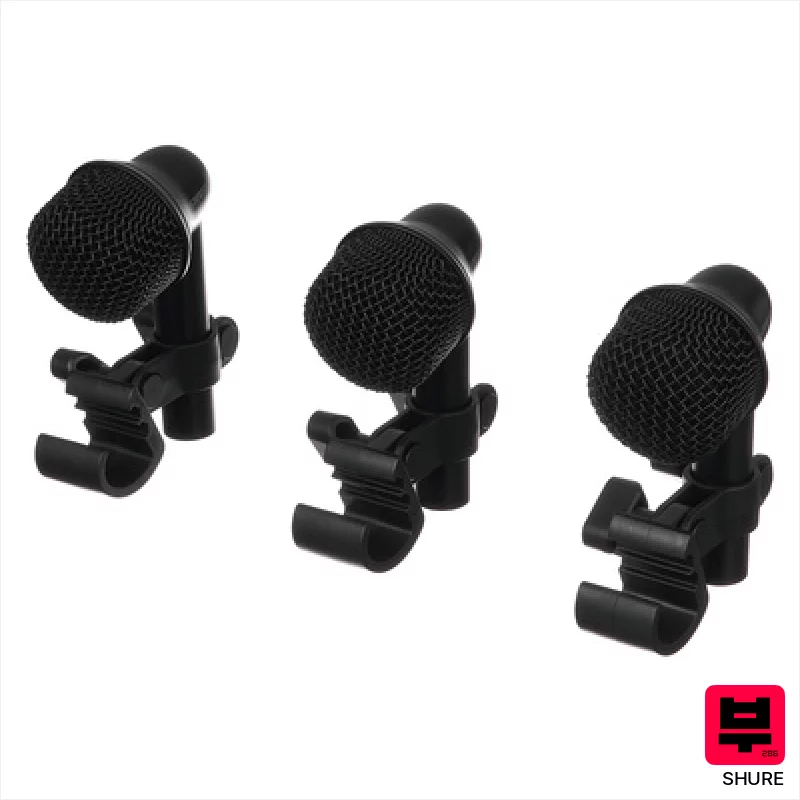
Shure Nexadyne 6 3Pack
- • Revonic dual-engine delivers exceptional clarity and transient response.
- • Supercardioid pattern excels in live, loud environments minimizing bleed.
- • Robust build quality suggests long-term reliability and gigging durability.
- • Clip holders are well-engineered and provide secure mic placement.
- • High-end price point might be prohibitive for budget-conscious drummers.
- • Supercardioid pattern demands precise mic placement for optimal results.
- • Limited versatility; primarily designed for toms and snare drums.
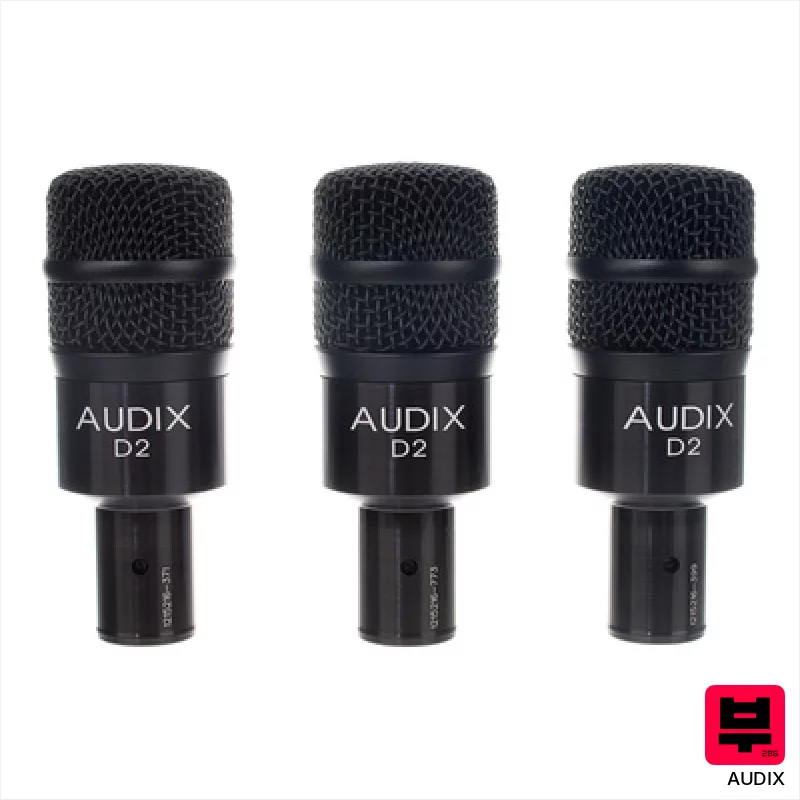
Audix D2-Trio
- • Hypercardioid pattern isolates toms exceptionally well, minimizing bleed.
- • Robust construction with a zinc die-cast body handles gigging abuse.
- • The D-vice mounts are genuinely useful and secure, a real bonus.
- • Surprisingly full, warm low-end response for a dynamic mic.
- • Hypercardioid pattern demands precise mic placement; unforgiving of errors.
- • Limited versatility – truly specialized for toms and similar percussion.
- • Can sound slightly boxy if not EQ’d properly, especially on lower toms.
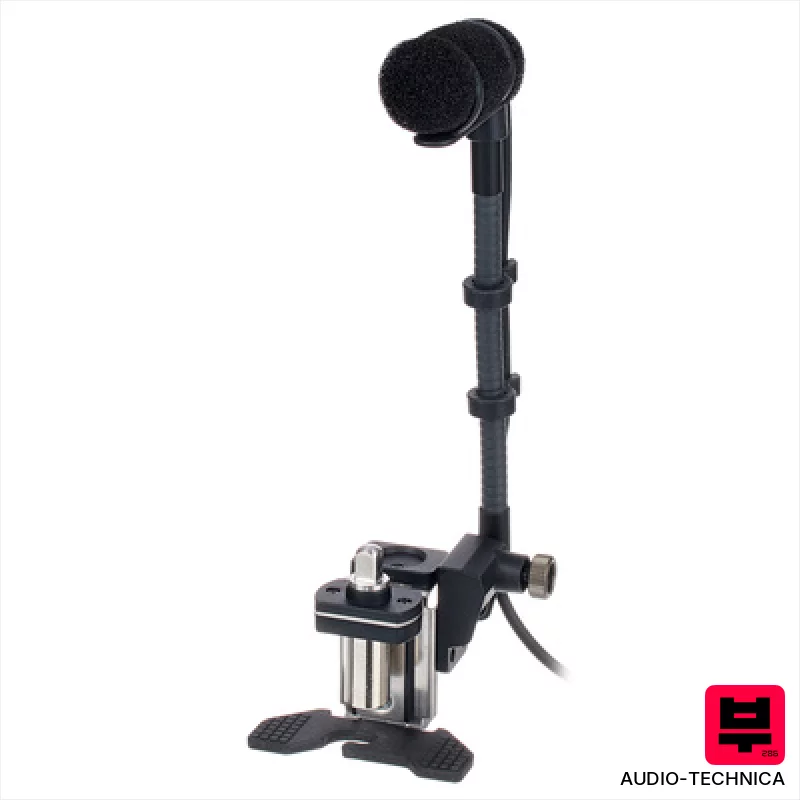
Audio-Technica ATM350D
- • Modular design allows for capsule swapping and bracket customization.
- • Cardioid pattern effectively isolates the tom sound from bleed.
- • Lightweight capsule minimizes drum dampening and resonance.
- • The included mounting accessories provide secure and versatile placement.
- • Requires phantom power, limiting use with some older interfaces.
- • The 200-ohm impedance can be a load for some preamps.
- • The capsule’s small size might make it less forgiving with very boomy toms.
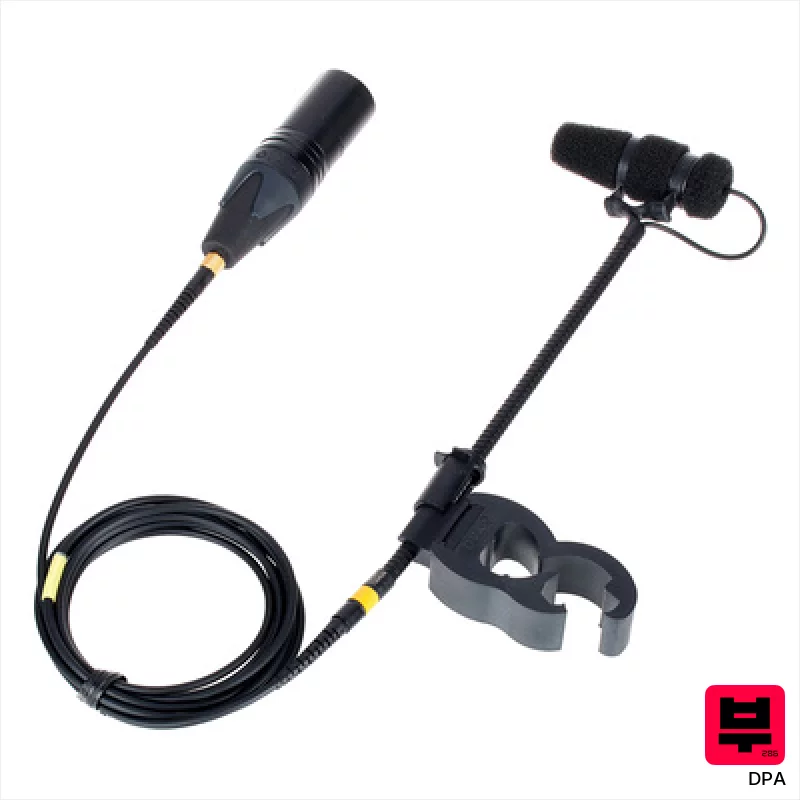
DPA 4099 Core Drum
- • Exceptional transient response captures drum detail brilliantly
- • DPA’s Core technology delivers a remarkably natural, uncolored sound
- • Robust B+K connector ensures reliable signal transfer and durability
- • Clip design minimizes handling noise and provides secure attachment
- • High-end price point makes it a significant investment
- • Supercardioid pattern demands precise mic placement for optimal results
- • Limited versatility; primarily suited for tom applications
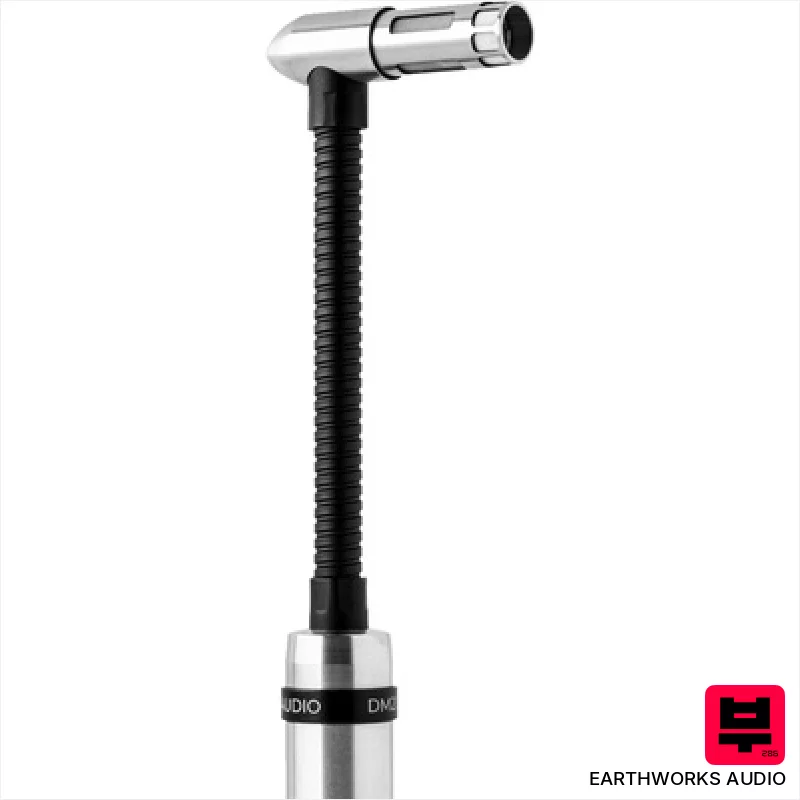
Earthworks Audio DM20 Gen2
- • Exceptional transient response captures tom attack with clarity
- • Gooseneck design isolates tom sound, minimizes bleed
- • Robust build quality; feels durable despite its size
- • Low phantom power requirement eases power supply concerns
- • Gooseneck can be unwieldy in tight spaces, requires careful placement
- • Cardioid pattern limits stereo imaging options for toms
- • Higher price point compared to basic tom microphones
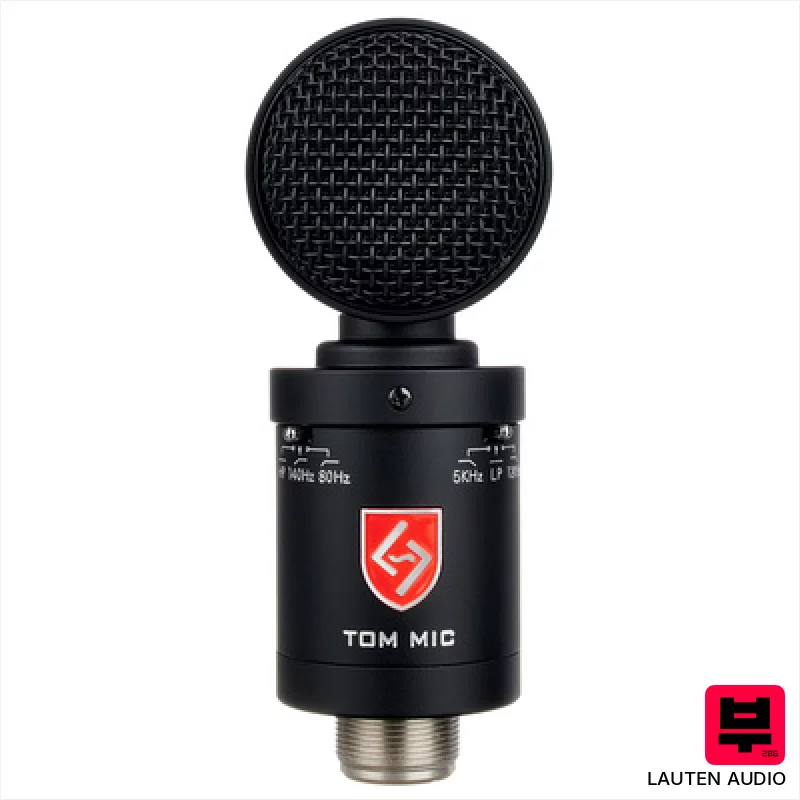
Lauten Audio Tom Mic
- • FET design delivers a punchy, aggressive transient response.
- • Supercardioid pattern excels at isolation in dense drum setups.
- • Robust construction with a solid metal body feels very durable.
- • Switchable filters offer precise control over low-end rumble and harsh highs.
- • Supercardioid pattern can be tricky to position consistently.
- • Lauten's character might be too aggressive for very subtle, nuanced tom sounds.
- • Limited versatility – primarily a tom mic, not a general-purpose option.
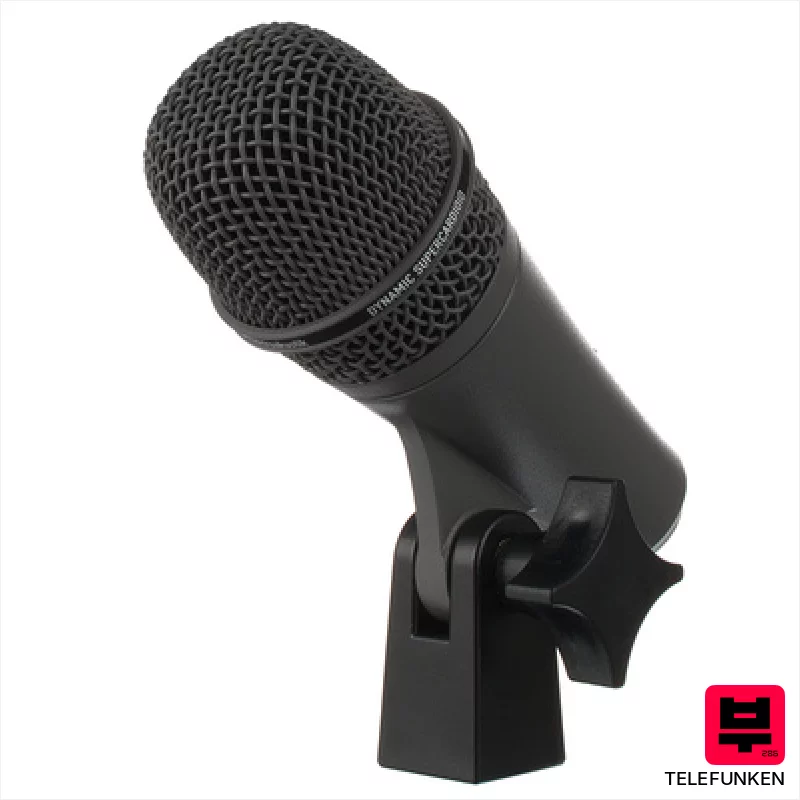
Telefunken M81 SH
- • Robust, all-steel construction ensures durability on demanding gigs.
- • Supercardioid pattern aggressively rejects bleed from other drums.
- • Dynamic element handles high SPLs without distortion or flanging.
- • Provides a tight, punchy tom sound with excellent attack.
- • Supercardioid pattern can be tricky to position consistently.
- • Limited frequency response compared to condenser tom mics.
- • Relatively heavy, which can stress drum mounting hardware.
- • Not ideal for capturing nuanced, detailed tom sounds.
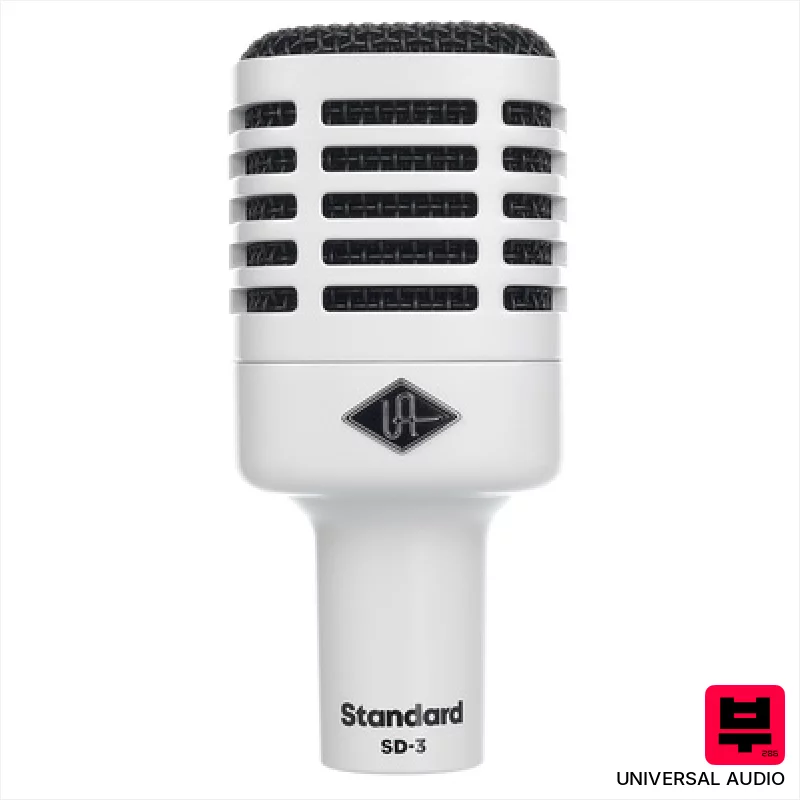
Universal Audio SD-3
- • Robust all-metal construction provides excellent durability for demanding stage use.
- • Hemisphere modelling offers surprising flexibility in shaping tom sounds post-recording.
- • Cardioid pattern effectively isolates the tom from bleed and room noise.
- • Relatively lightweight compared to many traditional tom mics; easy on stand stability.
- • 250-ohm output impedance may require a preamp with ample clean gain.
- • Modelling, while clever, won’t fully replicate the nuances of genuine vintage mics.
- • Frequency response, while adequate, lacks the extended highs of some premium options.
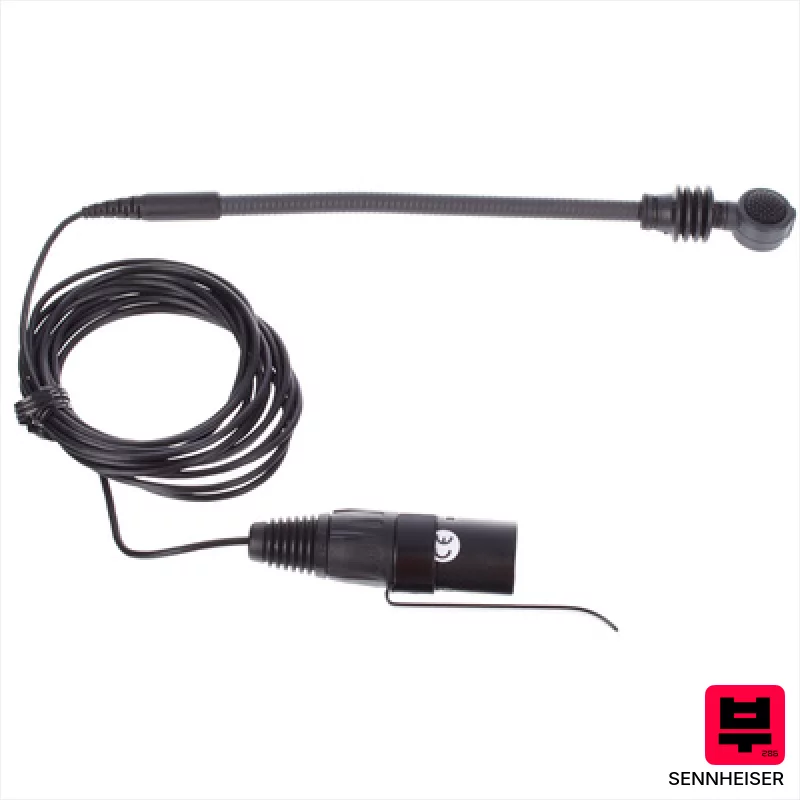
Sennheiser E608
- • Robust gooseneck provides precise tom aiming and stability.
- • Supercardioid pattern effectively rejects bleed from other drums.
- • Dynamic capsule handles high SPLs without distortion, great for loud playing.
- • Compact size and clip design minimize interference with drummer’s playing.
- • Supercardioid pattern demands precise mic placement for optimal results.
- • Limited frequency response might lack subtle nuances for detailed recordings.
- • Gooseneck can be prone to accidental bumps and repositioning.
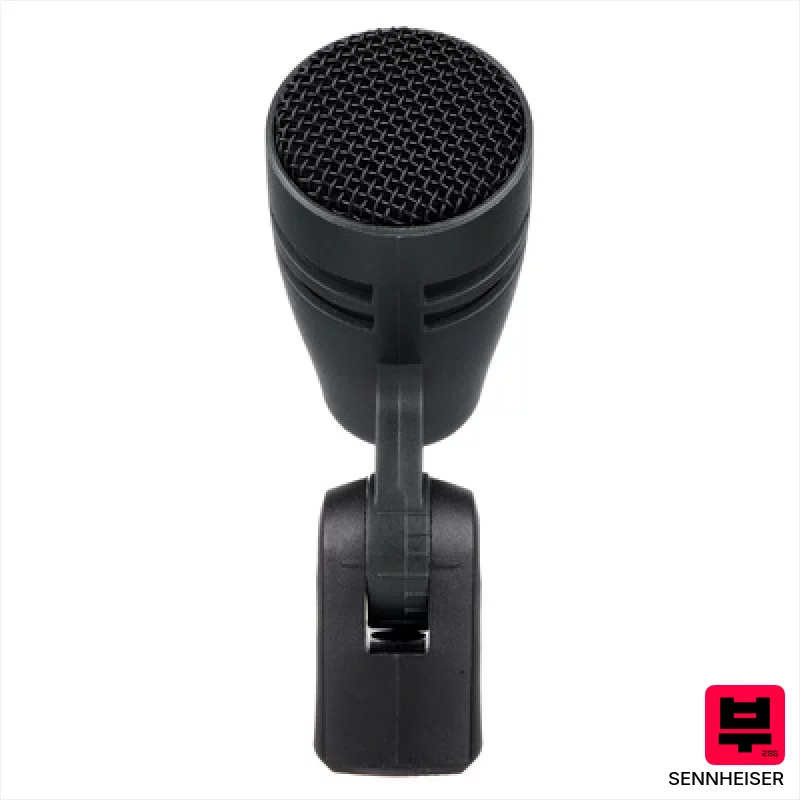
Sennheiser E604
- • Robust glass-fibre housing shrugs off stage abuse
- • Cardioid pattern isolates toms well in busy mixes
- • Compact size allows for tight mic placement
- • Integrated tripod mount simplifies quick setup and positioning
- • Lacks the detail of condenser mics for nuanced tones
- • Cardioid pattern can be problematic with bleed if not careful
- • Lower sensitivity requires a decent preamp for best results
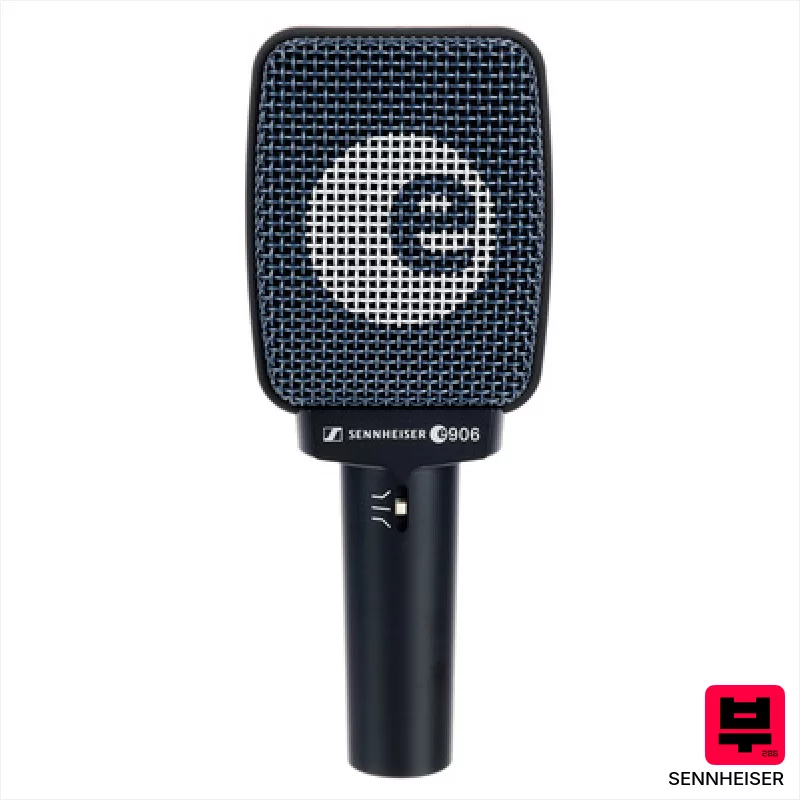
Sennheiser E 906
- • Tight, focused sound ideal for snare and toms
- • Supercardioid pattern minimizes bleed from other drums
- • Robust metal construction feels built to withstand gigging
- • Hi-cut switch tames harsh frequencies on brass instruments
- • Supercardioid pattern requires precise mic placement
- • Can be a bit harsh on lower-mid frequencies with some sources
- • Lacks the warmth of some more expensive tom mics
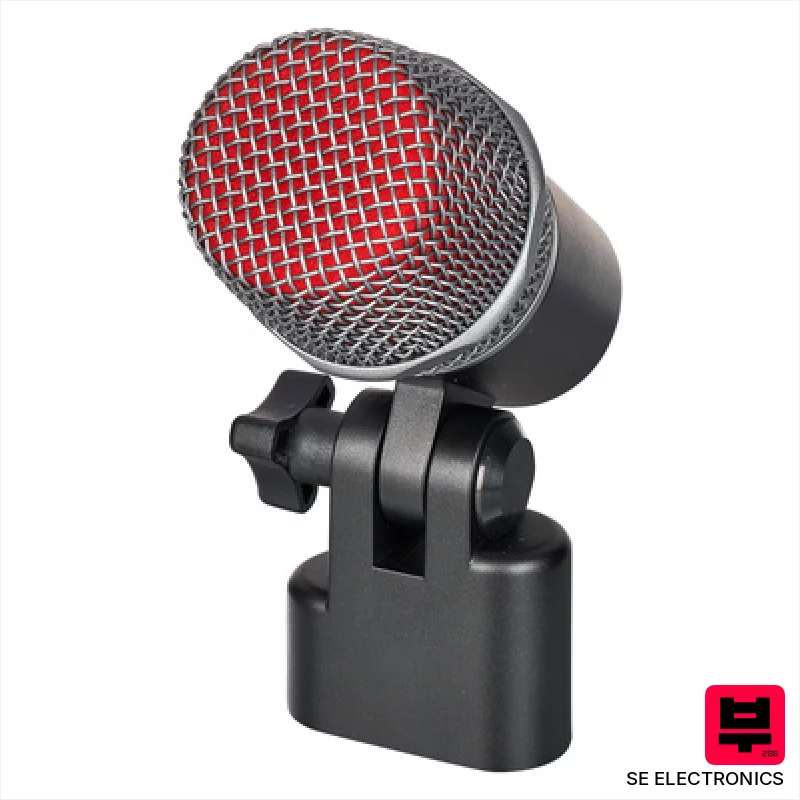
SE Electronics V Beat
- • Robust all-metal construction inspires confidence and durability.
- • Supercardioid pattern excels at isolating tom sounds in busy mixes.
- • Integrated shock mount minimizes unwanted resonance and handling noise.
- • Draft shield reduces proximity effect, maintaining consistent tone.
- • Supercardioid pattern demands precise mic placement for optimal results.
- • Lacks the extended frequency response of higher-end tom microphones.
- • While versatile, it’s truly optimized for percussion – less ideal for vocals.
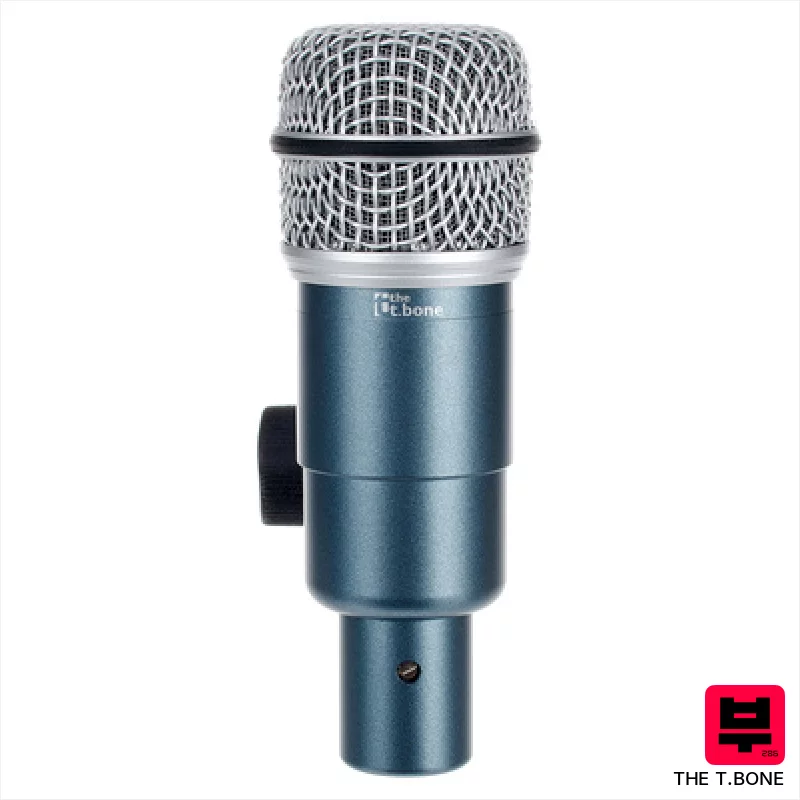
the t.bone CD 56 beta
- • Tight, focused sound ideal for cutting through dense drum mixes
- • Supercardioid pattern effectively rejects bleed from other drums
- • Robust, all-metal construction feels surprisingly durable for the price
- • Handles high SPLs well, suitable for louder tom hits and snare
- • Lacks the refined detail of higher-end tom microphones
- • Supercardioid pattern can be tricky to position consistently
- • 300Ω impedance might require a preamp with sufficient gain
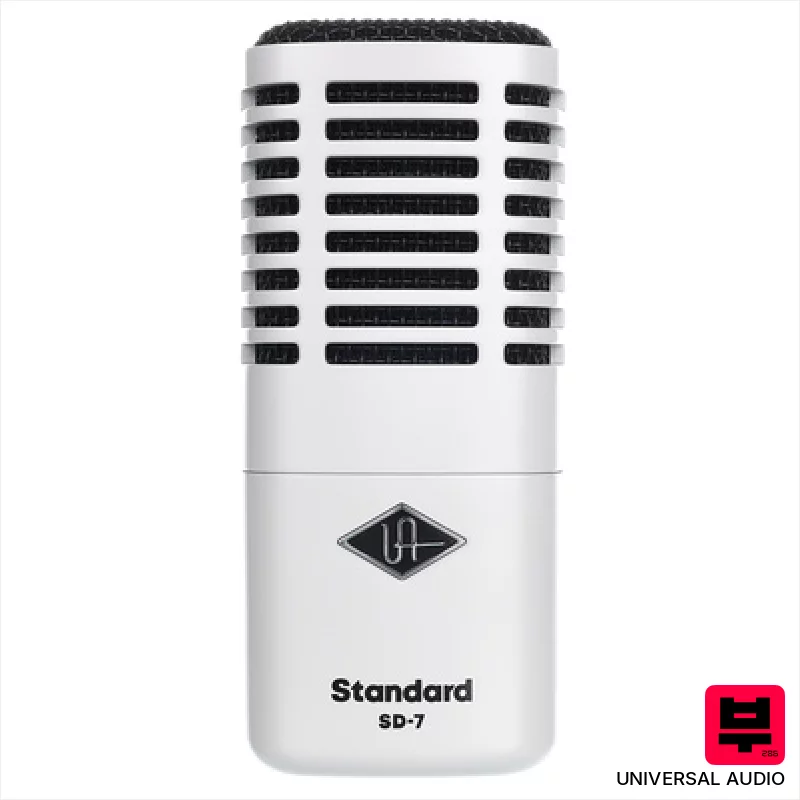
Universal Audio SD-7
- • Solid all-metal build inspires confidence and long-term durability.
- • Hypercardioid pattern excels at isolating toms in busy mixes.
- • Hemisphere modeling offers surprising flexibility for tonal shaping.
- • Integrated stand mount simplifies setup and reduces additional costs.
- • 600-ohm impedance requires a preamp with adequate gain and impedance matching.
- • Hypercardioid pattern demands precise mic placement to avoid feedback.
- • While versatile, it's not a 'one-mic-does-all' solution.
How to Choose the Best Microphones for Toms
Transient Response
Live drums are all about those initial attacks. A mic with a fast transient response captures that snap and impact, giving you a more defined tom sound that cuts through the chaos. Sloppy transients just muddy things up.
Pattern Selection
Cardioid is your bread and butter for toms, minimizing bleed from the snare and cymbals. Supercardioid can be useful for isolating the tom even further, but be aware of the narrower pickup pattern and potential phase issues.
Headroom
Seriously, headroom is king. Live drums can get loud, and a mic that clips easily is useless. Look for mics with a high maximum SPL handling capability - you don't want distortion on those crucial rimshots.
Low-End Response
That low-end thump from the floor tom is essential for the groove. A mic that lacks low-end definition will leave your kit sounding thin and lifeless. Don't get a mic that's all sizzle and no substance.
Durability
Let's be real, these mics are going to get tossed around, bumped into, and generally abused. A robust build quality is crucial for surviving the rigors of live sound. Cheap plastic parts aren't gonna last.
Buying Guide
Don't fall for the hype - a fancy price tag doesn't always equal a great tom mic. Many 'studio' mics are too delicate and lack the headroom needed for live use. You can find excellent options in the $150-$300 range that'll deliver a solid, punchy sound. Watch out for mics that promise 'warmth' - that often translates to muddy low-mids that will bury your toms. Spend a little more for a mic with a good reputation for durability and a clear, defined sound.
Our Methodology
We don't just look at spec sheets here. We've spent countless hours A/B-ing mics on actual drum kits in rehearsal spaces and on stage, putting them through the wringer with different genres and playing styles. Our evaluations are based on how they sound in a real-world live sound scenario - how they translate through a PA, how they handle bleed, and how easy they are to work with under pressure.

