Best The Loar Mandolins 2026

Premium The Loar mandolins - legendary tone and craftsmanship

Last updated: September 17, 2026

The best mandolins in 2026 are The Loar LM-590-MS (top pick), The Loar LM-110 Honey Creek BRB for tighter budgets, and The Loar LM-310F-BRB for pros — selected from 7 options, priced $310–$1,152, ranked by brand, price and popularity.
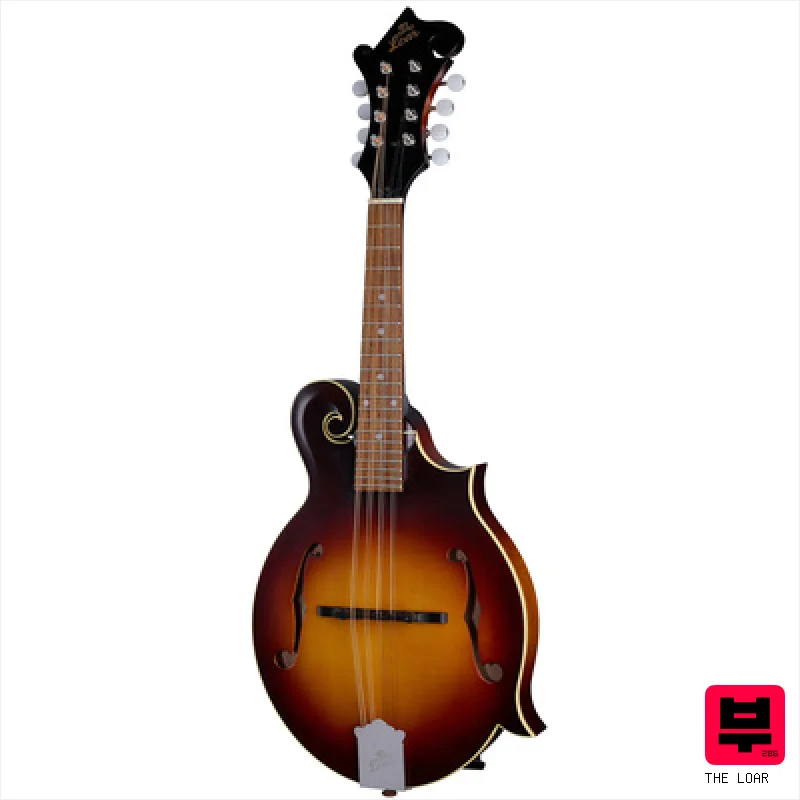
The Loar LM-590-MS - Professional Music Instrument Photo
#1

The Loar LM-590-MS

Scale 349 mm (13.74") Frets 20 frets
Folk Country Traditional Music
Key Feature:
This mandolin sounds great with its bright spruce top and solid maple body. The extra frets help you play harder, but it needs no electricity to work. It fits well in bluegrass groups where acoustic presence matters most.
PROS
  • • Solid spruce top delivers bright, clear top-end response for bluegrass cutting
  • • Solid maple back and sides provide strong projection and sustain
  • • 20 frets offer extended reach for complex fingerstyle patterns
  • • Grover hardware ensures smooth tuning stability during long sessions
CONS
  • • Full-size body may feel heavy for smaller players on the road
  • • Lacks electronic outputs or pickup systems for amplification needs
  • • No adjustable truss rod mentioned for custom neck relief work
4.5/5 AudioFu Score
Specs:
4/10
Detail:
6/10
Value:
7/10
Art. 335208
$633
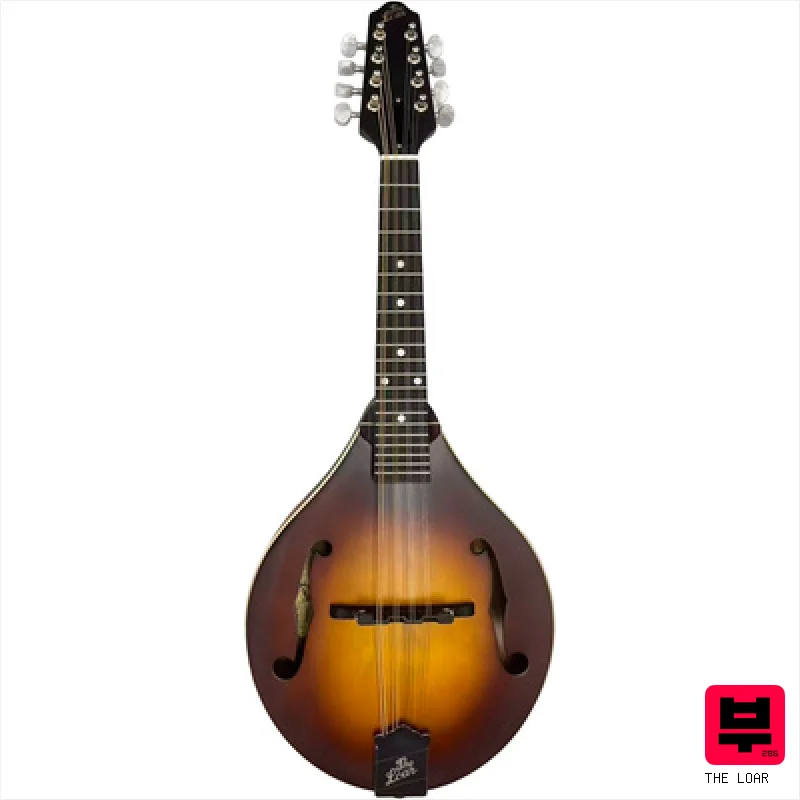
The Loar LM-110 Honey Creek BRB - Professional Music Instrument Photo
#2

The Loar LM-110 Honey Creek BRB

Scale 353 mm (13.9") Frets 20 frets
Celtic Bluegrass Traditional Music
Key Feature:
This mandolin plays like a 1920s instrument with a warm, resonant voice perfect for bluegrass ensembles. The solid spruce top and maple body deliver a punchy sound, while the thin V neck makes it easy to play. It suits traditional players who want classic tone without extra electronics.
PROS
  • • Hand-carved spruce top for authentic vintage resonance
  • • Thin V neck profile offers comfortable playability
  • • Solid maple back and sides for strong projection
  • • Ivoroid binding adds classic aesthetic detail
CONS
  • • No weight specification listed in description
  • • Lacks electronic pickups for amplified use
  • • No adjustable truss rod mentioned for setup
4.6/5 AudioFu Score
Specs:
4/10
Detail:
9/10
Value:
9/10
Art. 435130
$310
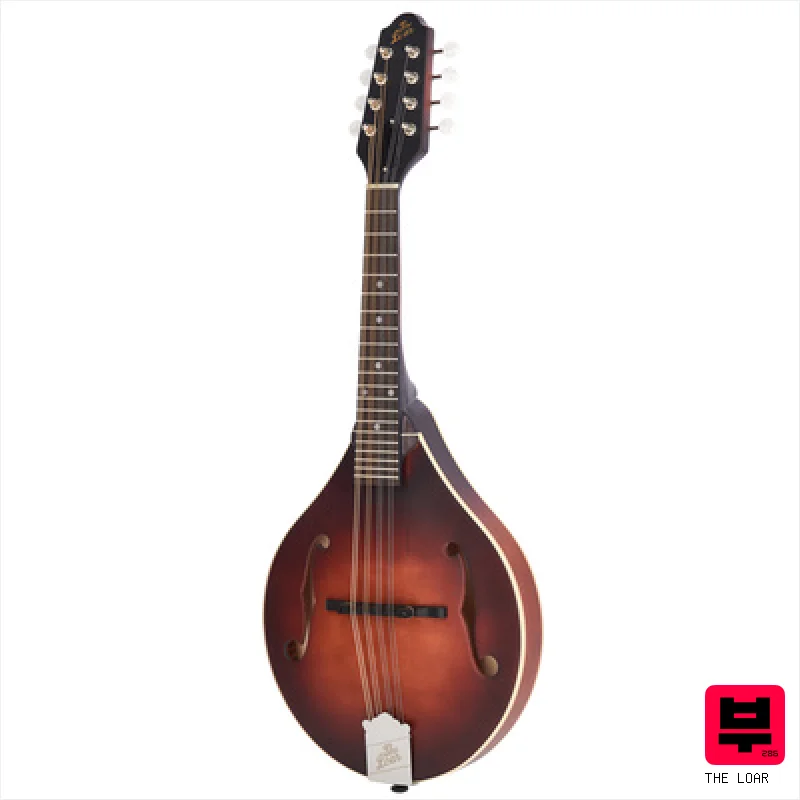
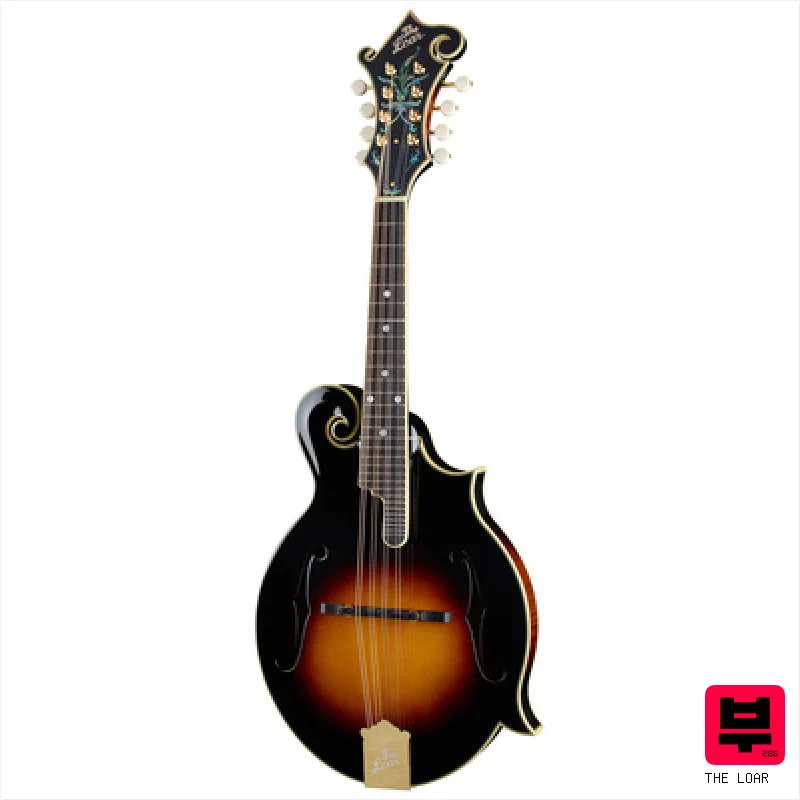
The Loar LM-310F-BRB - Professional Music Instrument Photo
#3

The Loar LM-310F-BRB

Scale 349 mm (13.74") Frets 20 frets
Bluegrass Traditional Music Country
Key Feature:
This Honey Creek mandolin sounds great for bluegrass because of its solid spruce top and maple body. The 20 frets make it easy to play fast solos without getting stuck. It is a classic choice for players who love traditional sound but misses out on modern electronics. Ideal for picking sessions, though heavy players might need to check the weight first.
PROS
  • • Solid spruce top delivers a bright, punchy attack for bluegrass picking.
  • • Maple body construction ensures a strong, resonant low-end response.
  • • Ebony bridge provides a solid foundation for clear string vibration.
  • • 20 frets give plenty of room for fast runs and higher positions.
CONS
  • • No specific weight listed makes handling unknown for larger players.
  • • F-Style shape is generally larger and bulkier than modern designs.
  • • Lacks modern electronics or preamp modules for recording or amps.
  • • Ivoroid binding is a basic finish choice compared to premium options.
  • • Ex-factory strings are standard, not custom-graded for tone.
4.6/5 AudioFu Score
Specs:
4/10
Detail:
8/10
Value:
8/10
Art. 427028
$414
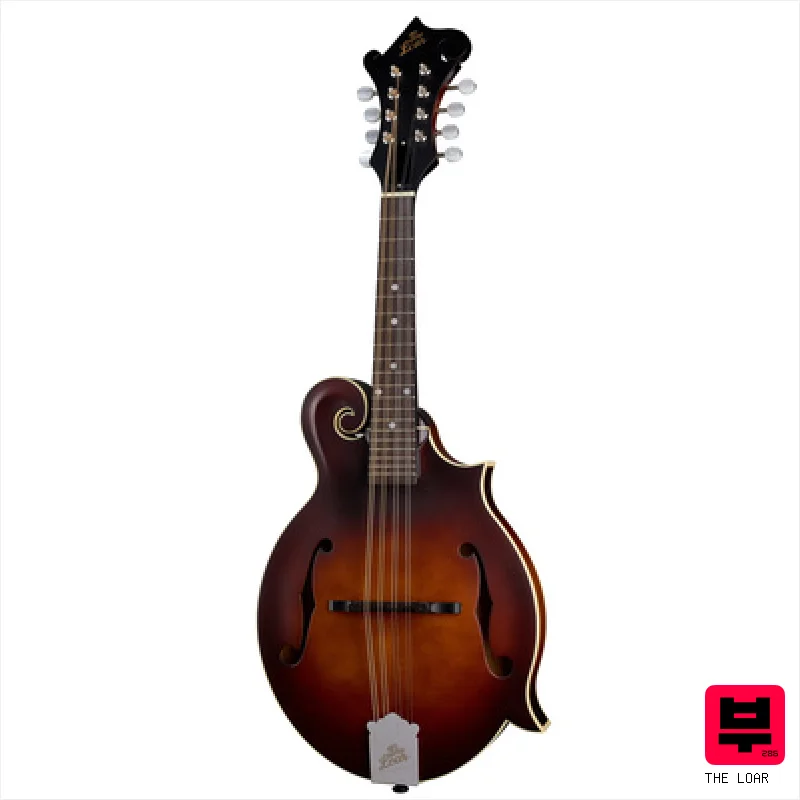
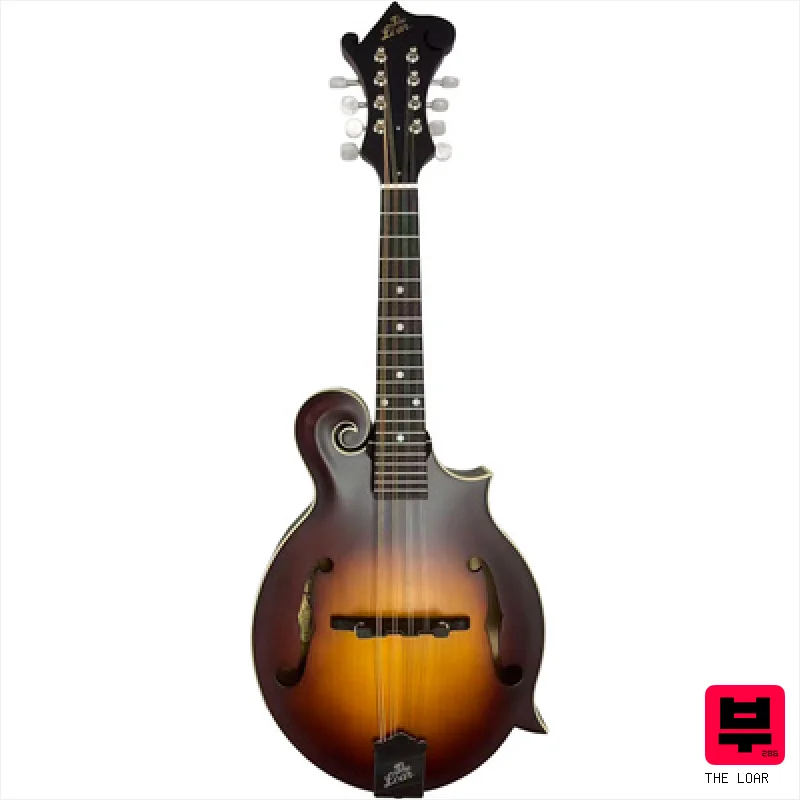
The Loar LM-700 F-Mandolin VS - Professional Music Instrument Photo
#4

The Loar LM-700 F-Mandolin VS

Scale 350 mm (13.78") Frets 29 frets
Folk Traditional Music Country
Key Feature:
This mandolin sounds bright and lively thanks to its solid spruce top and maple body. The vintage-style hardware keeps it looking classic while staying easy to tune. It's perfect for players who love traditional bluegrass and want a warm, resonant voice without extra electronics.
PROS
  • • AAA-grade spruce top for bright, responsive tone
  • • AAAA-grade flamed maple adds strong visual appeal
  • • Vintage brass machine heads ensure smooth tuning
  • • Nitrocellulose lacquer finish ages beautifully over time
CONS
  • • Floating bridge can be harder to adjust than fixed
  • • No electronic pickups for amplified playing options
  • • Solid wood body adds noticeable weight to carry
4.4/5 AudioFu Score
Specs:
4/10
Detail:
7/10
Value:
5/10
Art. 237870
$1,153
The Loar LM-310E-BRB - Professional Music Instrument Photo
#5

The Loar LM-310E-BRB

Scale 353 mm (13.9")
Bluegrass Traditional Music Celtic
Key Feature:
This mandolin has a warm, bright tone thanks to its solid spruce top and maple body. The Fishman pickup makes it easy to plug in, but there are no knobs to tweak the sound. It fits well in bluegrass settings where a clean, consistent tone is needed. Ideal for players who want a reliable workhorse without extra electronics.
PROS
  • • Solid hand-carved spruce top for warm tone
  • • Maple back and sides add bright clarity
  • • Fishman Nashville pickup ensures reliable output
  • • Rosewood bridge offers solid sustain and feel
CONS
  • • No electronic controls for tone shaping
  • • Weight may be heavy for small players
  • • Lacks volume knob or EQ adjustments
4.4/5 AudioFu Score
Specs:
2/10
Detail:
7/10
Value:
8/10
Art. 632193
$460
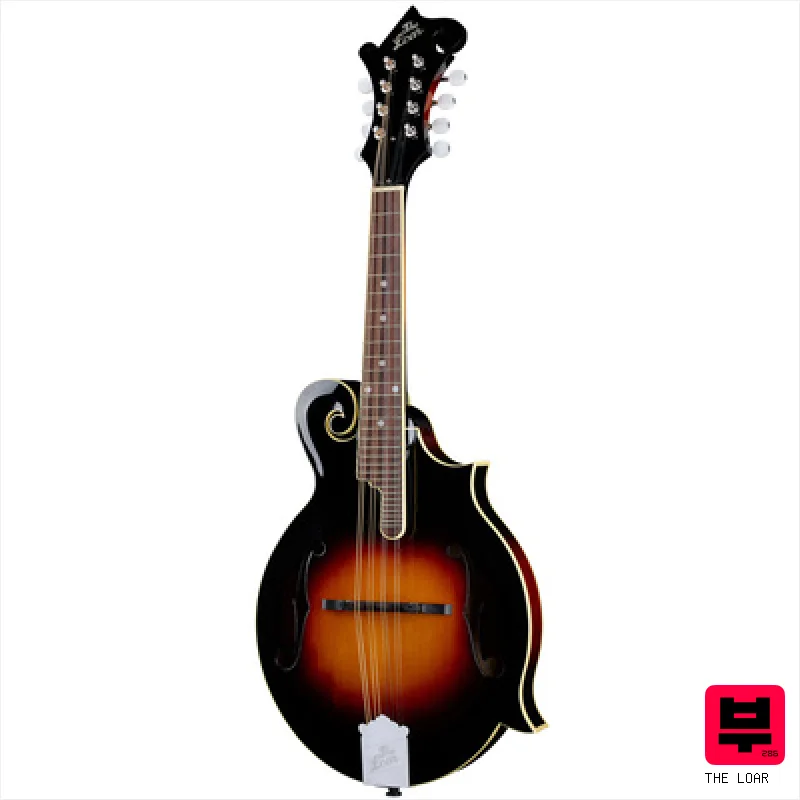
The Loar LM-110E-BRB - Professional Music Instrument Photo
#6

The Loar LM-110E-BRB

Scale 353 mm (13.9")
Bluegrass Classical Traditional Music
Key Feature:
This mandolin has a bright, cutting sound perfect for bluegrass players who want a clear tone. The hand-carved spruce top and Nashville pickup make it great for playing through an amp. It looks nice in its golden brown finish, but you won't find any knobs to adjust the sound.
PROS
  • • Hand-carved solid spruce top delivers bright, cutting bluegrass tone
  • • Fishman Nashville pickup provides clean, focused output for amps
  • • Rosewood fingerboard and bridge offer smooth playability and warmth
  • • Satin Golden Brown Burst finish looks classic and attractive
CONS
  • • No volume or tone control knobs on the front panel
  • • Steel tailpiece lacks the sustain of a brass or bone option
  • • Lacks internal electronics for battery-powered volume control
4.4/5 AudioFu Score
Specs:
2/10
Detail:
7/10
Value:
8/10
Art. 632189
$460
The Loar LM-520-VS - Professional Music Instrument Photo
#7

The Loar LM-520-VS

Scale 350 mm (13.78")
Traditional Music Folk Bluegrass
Key Feature:
This mandolin has a bright, cutting tone thanks to its solid spruce top and maple body. The V-Profile neck feels easy to play, but there are no built-in pickups or tuners. It suits players who want a traditional, acoustic instrument without extra electronics.
PROS
  • • Solid spruce top delivers bright, cutting bluegrass tone
  • • Arched back and sides provide strong resonance and projection
  • • V-Profile neck offers comfortable playability for fingers
  • • High gloss finish adds durability and classic aesthetic appeal
CONS
  • • No pickup installed requires external electronics for amplification
  • • Heavy solid wood construction may strain smaller hands
  • • Lacks modern electronics like built-in preamp or tuners
4.4/5 AudioFu Score
Specs:
2/10
Detail:
7/10
Value:
7/10
Art. 255660
$668

Mandolins by the numbers

Measured across all 63 models in this category, so «wide», «short» or «expensive» mean something you can check.

Price
median $437
from $82 to $1,418
Scale
median 350 mm (13.78")
from 345 mm (13.58") to 353.1 mm (13.9") · 61 models
Frets
median 20
from 20 to 24 · 52 models
Fingerboard
ebony, laurel, rosewood
most common · 30 models
Nut width
median 30 mm (1.18")
from 30 mm (1.18") to 44.4 mm (1.75") · 24 models
Body
basswood, alder, maple
most common · 17 models

How This List Is Built

We don't play these instruments — we're a catalog, not a review desk, and we'd rather say so than pretend otherwise. This page covers 7 of 63 mandolins from the Thomann catalogue, which is the largest single source of specification data in this category: 7 in detail, the rest listed with their specifications.

Position is computed, not curated. We parse the manufacturer's own description into actual values — nut width, scale, fret count, fingerboard radius, size, alloy — and rank on them: how many specifications a model has published, how many of them are measurable numbers, and how precisely it meets this page's criterion. A product image adds a little. Price is not a ranking signal: it tells you nothing about whether a neck fits your hand. The same inputs always produce the same order, so nothing here is shuffled to look fresh.

What this list is good for: narrowing a category down to a shortlist by spec and budget. What it isn't: a substitute for hearing an instrument. Before you buy, read hands-on reviews and, where you can, play it. Full methodology.

How to Choose the Best Mandolins

Budget Planning

  • • Under $200: Entry-level
  • • $200-$500: Intermediate
  • • $500-$1000: Advanced
  • • $1000+: Professional

Quality Check

  • • Sound clarity & tone
  • • Build materials & finish
  • • Hardware durability
  • • Overall craftsmanship

Key Features

  • • Your musical style
  • • Skill level match
  • • Intended use case
  • • Brand reputation

Frequently Asked Questions

Key factors include build quality, sound characteristics, playability, brand reputation, warranty coverage, and value for money. Consider your musical style, skill level, and intended use to find the best match.
Budget depends on your needs and experience level. Beginners can find quality options for $200-500, intermediate players should consider $500-1500 range, while professionals often invest $1500+ for premium features.
Higher-priced mandolins typically offer better materials, craftsmanship, and performance. They're worth it if you're serious about music, perform regularly, or need professional-grade features.
Top brands combine quality, innovation, and reliability. We evaluate brands based on build quality, sound performance, durability, and customer satisfaction to recommend the best options for different budgets.
Both have advantages. Online offers better prices and selection, while stores allow hands-on testing. We recommend researching online first, then testing in stores if possible. Many online retailers offer excellent return policies.

We use cookies to improve your experience. Learn more