
Best Richwood Mandolins 2026
Alright, so you're looking at Richwood mandolins? Smart move. They've quietly become a go-to for players who want that classic bluegrass voice without dropping a grand on a vintage Gibson. Richwood's got a heritage of making solid instruments, and they've really dialed in a sweet spot between affordability and serious tone. Let's break down what makes them tick.
Last updated: October 7, 2026
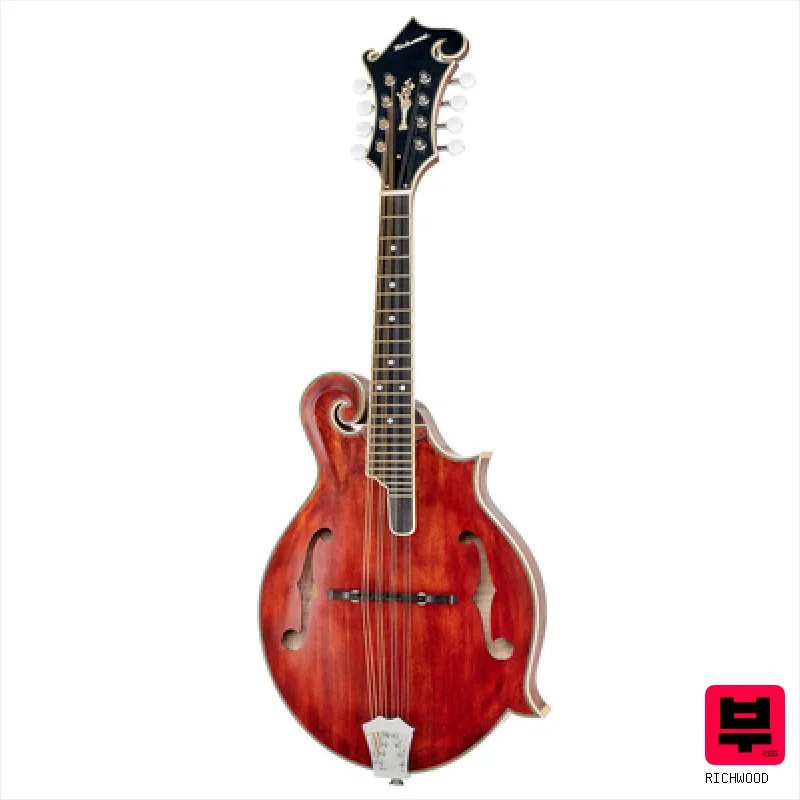
Richwood RMF-220-WN F-Style
- • Solid spruce top delivers bright, cutting bluegrass tone
- • Flamed maple back and sides add visual warmth
- • Ebony fingerboard provides smooth playability
- • 2-Way adjustable truss rod ensures stable tuning
- • Heavy solid wood construction may be difficult for beginners
- • Lacks onboard electronics or pickup options
- • Limited to standard 8-string G-D-A-E tuning

Richwood RMF-80-Nt Mandoline
- • Solid wood construction delivers a surprisingly resonant and warm tone.
- • Ebony fingerboard and bone nut enhance playability and sustain.
- • 2-way adjustable truss rod allows for precise neck relief adjustments.
- • Vintage-style tuners offer reliable tuning stability and a classic aesthetic.
- • The natural matte finish might feel a bit plain for some players.
- • Mahogany back and sides can limit the top-end sparkle compared to maple.
- • While playable, the 28.5mm nut width might feel a bit wide for smaller hands.
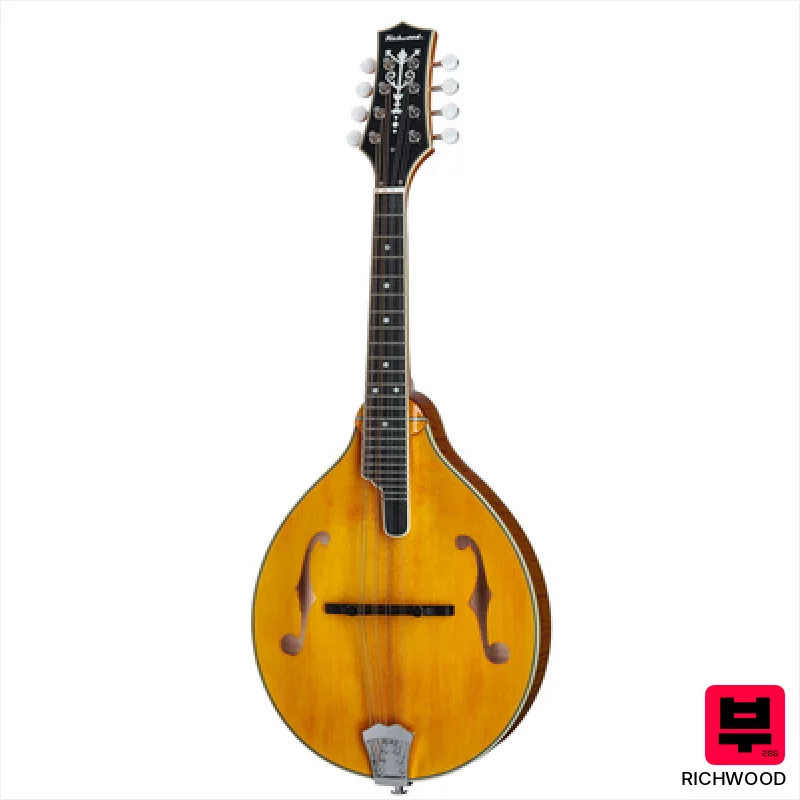
Richwood RMA-110-VS A-Style
- • Solid spruce top delivers a surprisingly bright, responsive tone.
- • Ebony fingerboard offers smooth playability and excellent note definition.
- • Flamed maple back and sides add visual appeal and warmth to the sound.
- • 2-way adjustable truss rod allows for easy neck relief adjustments.
- • Vintage style tuners can feel a bit soft and imprecise for advanced players.
- • Ivoride binding, while functional, isn’t quite the same as true ivory.
- • Solid maple construction can make it a little less forgiving of less-than-perfect technique.
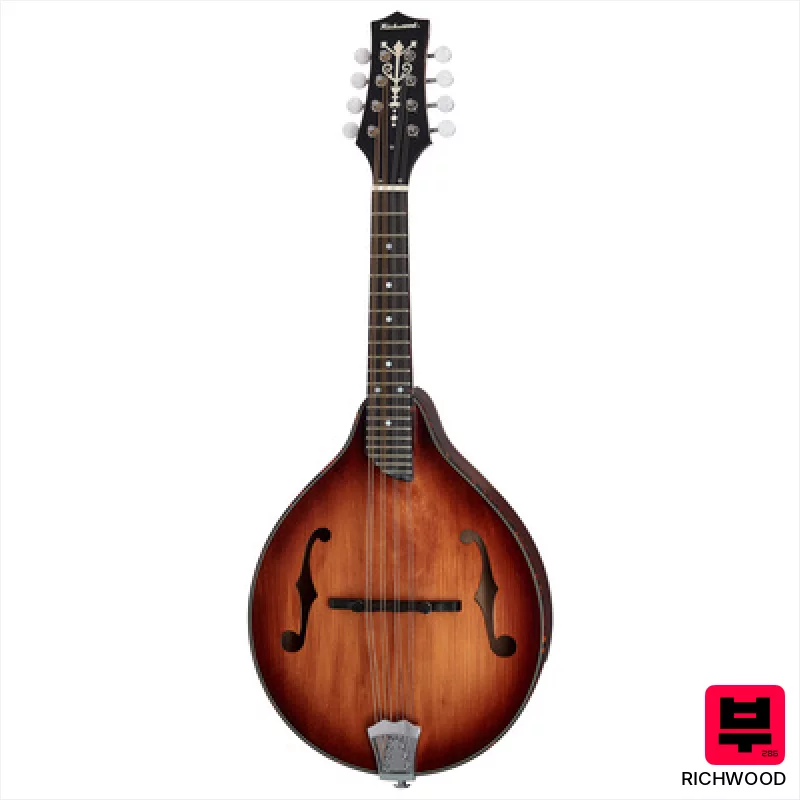
Richwood RMA-90-NT Mandoline
- • Solid spruce top delivers a bright, responsive, and clear tone.
- • Ebony fingerboard provides a smooth, fast playing experience.
- • Solid maple back and sides offer excellent projection and sustain.
- • Vintage-style machine heads allow for precise and stable tuning.
- • Walnut tint finish might be a bit too dark for some players' preferences.
- • Solid construction can make it slightly heavier than some A-style mandolins.
- • While versatile, it's primarily geared towards bluegrass and folk styles.
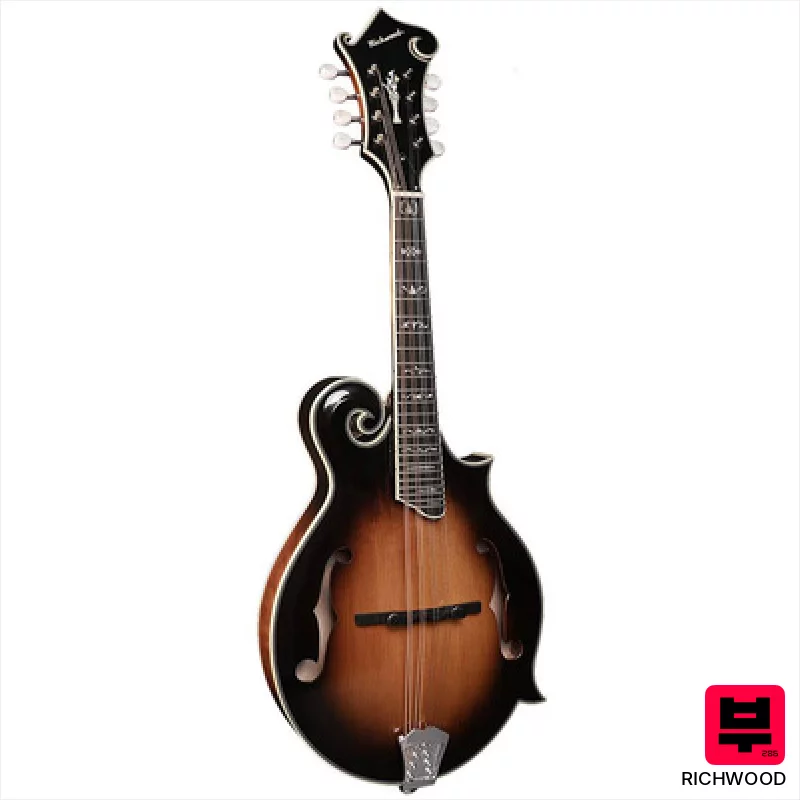
Richwood RMF-100-VS Mandoline
- • Solid spruce top delivers surprisingly bright, responsive tone.
- • Ebony fingerboard and nut offer smooth playability and sustain.
- • Flame maple back and sides contribute to a focused, warm resonance.
- • 2-way truss rod allows for precise neck adjustment, catering to varied playing styles.
- • Vintage sunburst finish can be a bit thick and glossy for some tastes.
- • Solid construction means it's a bit heavier than some lighter mandolins.
- • While versatile, its tone is geared towards bluegrass and folk, less suited for jazz.

Richwood RMA-60-VS A-Style Mandoline
- • Spruce top provides a bright, responsive tone suitable for bluegrass.
- • Mahogany back and sides offer warmth and balance the spruce's brightness.
- • 2-way adjustable truss rod allows for precise neck relief adjustment.
- • Walnut bridge contributes to sustain and accurate intonation.
- • Open tuners may lack precision compared to geared tuners.
- • Technical wood fretboard isn't as premium as rosewood or ebony.
- • Laminated construction limits the overall tonal complexity and resonance.
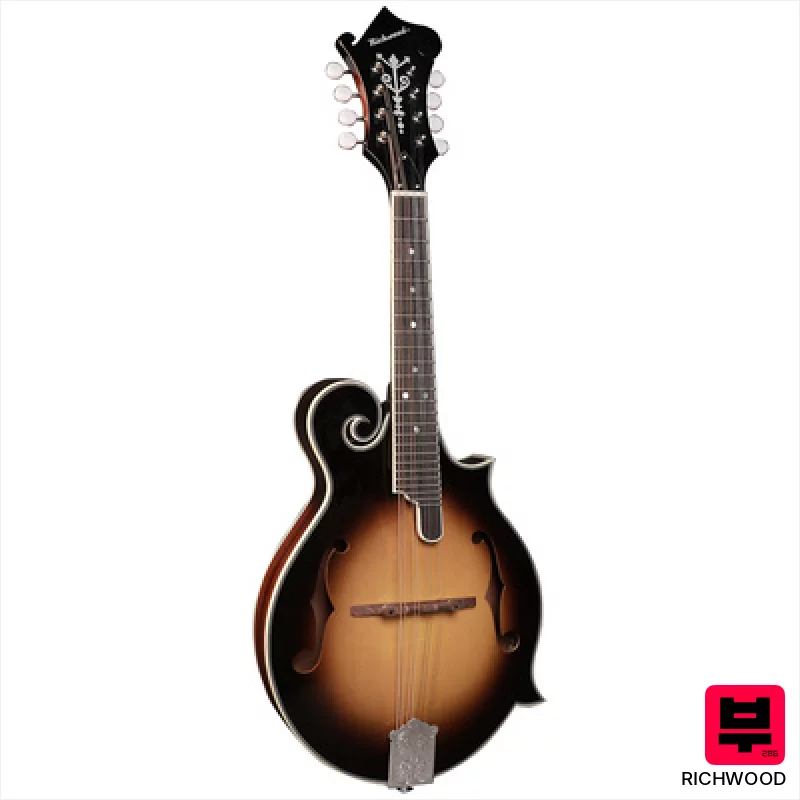
Richwood RMF-60-VS F-Style Mandoline
- • Spruce top delivers a bright, responsive tone suitable for bluegrass
- • Mahogany back & sides add warmth and sustain, balancing the top
- • Adjustable bridge and tension rod allow for easy setup and playability
- • Ivoroid binding provides a classy aesthetic touch at an affordable price
- • Technical wood fretboard may not offer the same feel as rosewood or ebony
- • Open tuners can be less precise than geared tuners, requiring more frequent adjustments
- • Laminated construction limits high-end complexity compared to solid-top instruments
Mandolins by the numbers
Measured across all 64 models in this category, so «wide», «short» or «expensive» mean something you can check.
How to Choose the Best Mandolins
Tone
Richwood's signature is that warm, woody tone with a clear, defined chop. It's not overly bright or sparkly; think more 'vintage bluegrass' - a really focused fundamental with just enough shimmer to avoid sounding muddy. It sits beautifully in a band setting, never fighting for headroom.
Build Quality
The construction is generally very solid. Dovetail necks are standard, and the binding and finish work are consistently good for the price point. You'll find some slight cosmetic imperfections on lower-end models, but the structural integrity is rarely an issue.
Neck Profile
Richwood's neck profiles are generally comfortable - not too thick, not too thin - making them accessible to a wide range of players. The action is usually set up pretty well from the factory, though a professional setup can always elevate the playability.
Pickup Voicing (for electrified models)
The pickups on Richwood's amplified mandolins are surprisingly decent. They don't try to be high-output shred machines; instead, they aim for a natural, acoustic-like response when plugged in. You'll still want a good preamp for stage use, but they're a good starting point.
Value
This is where Richwood really shines. You're getting an instrument that punches well above its price class. The quality of materials and craftsmanship is noticeably better than you'll find from some of the cheaper, mass-produced brands.
Buying Guide
Don't expect flawless perfection - these are mid-range instruments, and you might find a small finish blemish or a slightly uneven fret. Focus on the neck feel and overall tone; a quick check of the action and intonation is always a good idea. Spending a bit extra for a model with solid wood back and sides will noticeably improve the sustain and resonance, and it's worth it if you're serious about your playing.
How This List Is Built
We don't play these instruments — we're a catalog, not a review desk, and we'd rather say so than pretend otherwise. This page covers 7 of 64 mandolins from the Thomann catalogue, which is the largest single source of specification data in this category: 7 in detail, the rest listed with their specifications.
Position is computed, not curated. We parse the manufacturer's own description into actual values — nut width, scale, fret count, fingerboard radius, size, alloy — and rank on them: how many specifications a model has published, how many of them are measurable numbers, and how precisely it meets this page's criterion. A product image adds a little. Price is not a ranking signal: it tells you nothing about whether a neck fits your hand. The same inputs always produce the same order, so nothing here is shuffled to look fresh.
What this list is good for: narrowing a category down to a shortlist by spec and budget. What it isn't: a substitute for hearing an instrument. Before you buy, read hands-on reviews and, where you can, play it. Full methodology.

