
Best Ibanez Mandolins 2026
Alright, so you're looking at Ibanez mandolins? Good choice, they're often overlooked but offer a lot of bang for your buck. Most folks think of Ibanez for their shred guitars, but they've been quietly building surprisingly solid mandolins for decades, particularly for players needing something reliable and affordable for gigs or studio work. We'll break down what makes them tick, from the surprisingly versatile tones to the build quirks you need to know about.
Last updated: August 27, 2026
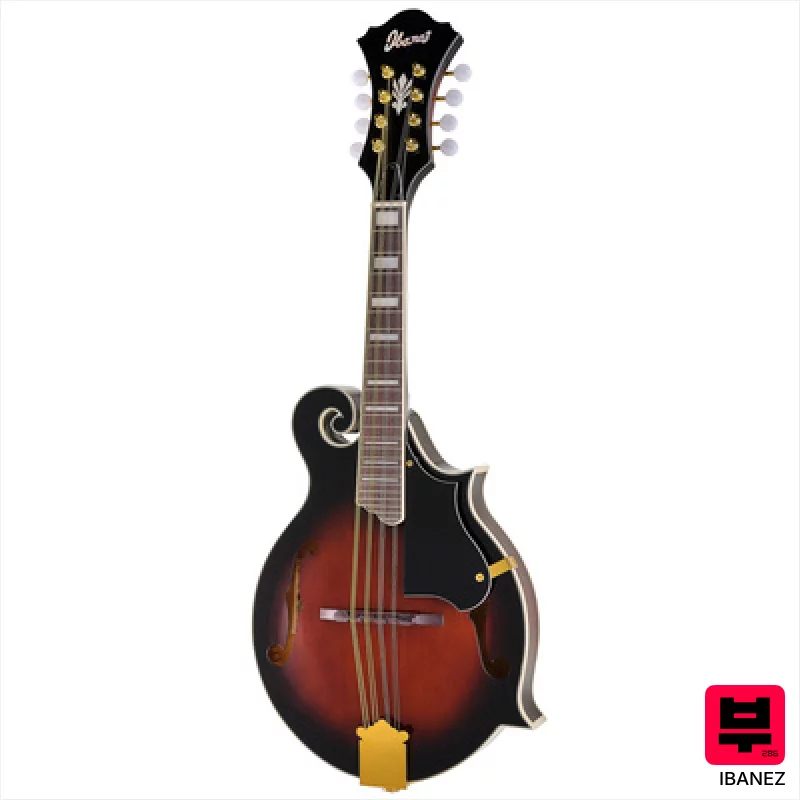
Ibanez M522S-DVS
- • Carved spruce top delivers a surprisingly resonant and articulate tone.
- • Mahogany neck provides a comfortable, warm feel and good sustain.
- • Laurel fingerboard is smooth, fast, and resists fret buzz well.
- • Golden machine heads offer stable tuning and a touch of visual flair.
- • Plastic nut is a cost-saving measure; upgrading improves sustain and tuning stability.
- • Scale length is shorter than traditional mandolins; limits low-end response slightly.
- • High-gloss finish can feel a bit thick and potentially hinder resonance compared to a satin finish.

Ibanez M522S-BS
- • Carved spruce top offers surprising resonance and projection for the price.
- • Mahogany neck provides a warm, comfortable feel with good sustain.
- • Laurel fingerboard is smooth and fast, a nice upgrade from basic rosewood.
- • Golden machine heads provide stable tuning and a touch of visual flair.
- • Plastic nut can be a limiting factor; upgrading is a common first step.
- • 30mm nut width might feel narrow for players accustomed to wider mandolin necks.
- • High-gloss finish can be a fingerprint magnet and potentially affect the acoustic tone.

Ibanez M510-DVS
- • Solid mahogany back and sides deliver a warm, resonant fundamental tone.
- • Spruce top provides good projection and responsiveness for developing players.
- • Laurel fingerboard is smooth and comfortable, easing initial learning curve.
- • Adjustable bridge allows for fine-tuning action and intonation for improved playability.
- • Plastic nut can contribute to tuning instability and may benefit from an upgrade.
- • Factory strings are basic and will likely need replacing for optimal tone and feel.
- • High-gloss finish, while attractive, can feel a bit slippery for some players.
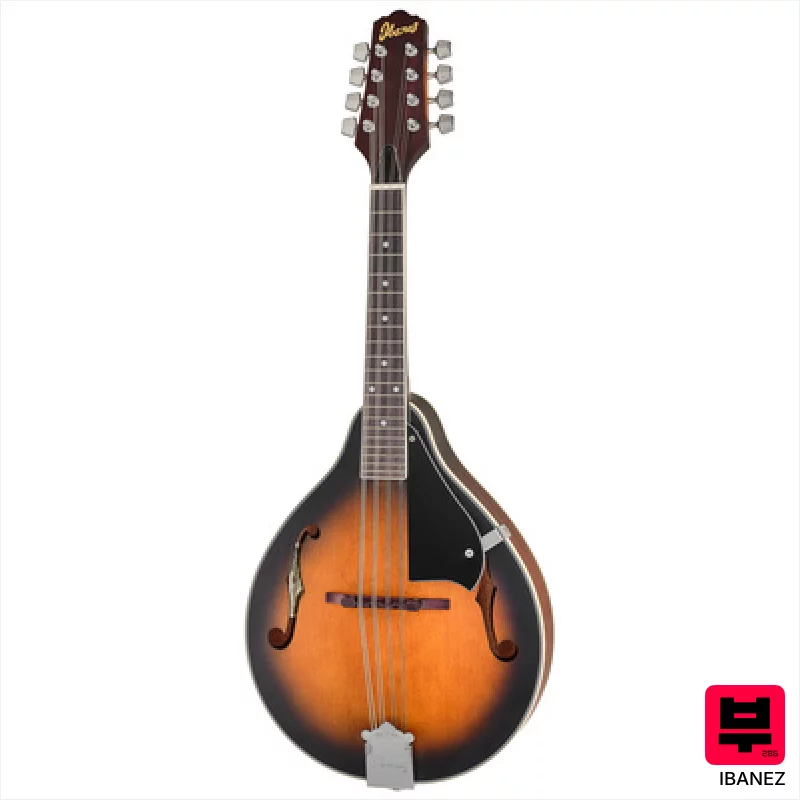
Ibanez M510-OVS
- • Mahogany back & sides offer a warm, balanced fundamental tone
- • Spruce top provides good projection and responsiveness
- • Laurel fingerboard is smooth, comfortable for playing
- • Chrome tuners ensure stable and accurate tuning
- • Plastic nut can impact sustain and tuning stability initially
- • Vintage Sunburst finish can be a bit thick, affecting resonance slightly
- • 30mm nut width might feel narrow for players used to wider necks
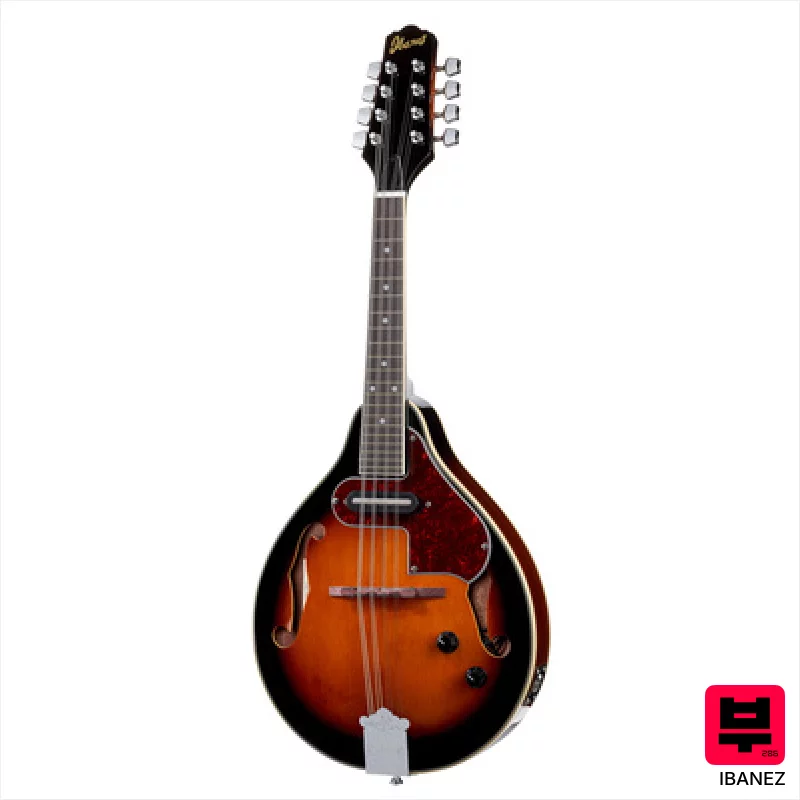
Ibanez M510E-BS
- • Spruce top provides bright, articulate tone ideal for bluegrass and folk.
- • Sapele back and sides add warmth and sustain, balancing the spruce.
- • Magnetic pickup delivers a strong, clear amplified signal, surprisingly robust.
- • Purpleheart fretboard offers a smooth playing experience and attractive aesthetic.
- • Sapele, while good, isn't the premium tonewood some players seek.
- • The magnetic pickup's tone can be a bit 'sterile' compared to acoustic mandolins.
- • A-style body shape might feel cramped for players with larger hands.
Mandolins by the numbers
Measured across all 57 models in this category, so «wide», «short» or «expensive» mean something you can check.
How to Choose the Best Mandolins
Neck Profile
Ibanez necks are generally slim and comfortable, often a C or D profile. This makes them easier to play for players accustomed to modern guitar necks, but some traditionalists might find it a little too easy, lacking that little bit of resistance that helps with control. It's a definite plus for faster playing, though.
Bracing Patterns
Ibanez often uses their own bracing patterns, which leans towards a brighter, more responsive tone. While this can be great for cutting through a bluegrass band, it can sometimes lack the warmth and complexity you'd find in a more traditional, hand-carved instrument. It's a trade-off for affordability.
Pickup Voicing (on electrified models)
The pickups on Ibanez mandolins aren't trying to be vintage. They're designed for a clear, amplified sound, leaning towards a more modern, 'clean' tone. They're excellent for studio recording where you want to shape the tone with effects, but might require some tweaking to get a truly authentic bluegrass vibe.
Hardware Quality
The hardware - tuners, bridges - is generally decent for the price point. You're not getting boutique-level components, but they'll hold tune reliably enough for most gigging situations. Upgrading the tuners is always a worthwhile investment if you're serious about precision.
Build Consistency
While Ibanez mandolins aren't hand-carved, they are consistently well-built. You're less likely to get a lemon than with some smaller, boutique builders. However, the finish can sometimes be a little thin or uneven - purely cosmetic, but something to be aware of.
Buying Guide
Don't expect a vintage Gibson tone out of an Ibanez mandolin. They're built for playability and reliability at a reasonable price. The electrified models are fantastic for studio work and live sound reinforcement, but you might need to dial in some EQ to get that classic bluegrass bite. Pay attention to the neck relief - Ibanez sometimes ships them a little flatter than ideal, requiring a setup.
How This List Is Built
We don't play these instruments — we're a catalog, not a review desk, and we'd rather say so than pretend otherwise. This page covers 5 of 57 mandolins from the Thomann catalogue, which is the largest single source of specification data in this category: 5 in detail, the rest listed with their specifications.
Position is computed, not curated. We parse the manufacturer's own description into actual values — nut width, scale, fret count, fingerboard radius, size, alloy — and rank on them: how many specifications a model has published, how many of them are measurable numbers, and how precisely it meets this page's criterion. A product image adds a little. Price is not a ranking signal: it tells you nothing about whether a neck fits your hand. The same inputs always produce the same order, so nothing here is shuffled to look fresh.
What this list is good for: narrowing a category down to a shortlist by spec and budget. What it isn't: a substitute for hearing an instrument. Before you buy, read hands-on reviews and, where you can, play it. Full methodology.

