
Best Mandolins for Folk 2026
So, you're looking for a mandolin for folk, huh? It's a different beast than bluegrass - you're not chasing that aggressive chop and breakneck speed. Folk mandolins need to be responsive, have a warm, balanced tone, and be versatile enough to handle everything from delicate fingerpicking to strumming with a band. Let's find you something that sings, not screams.
Last updated: July 8, 2026 • Next update: July 15, 2026
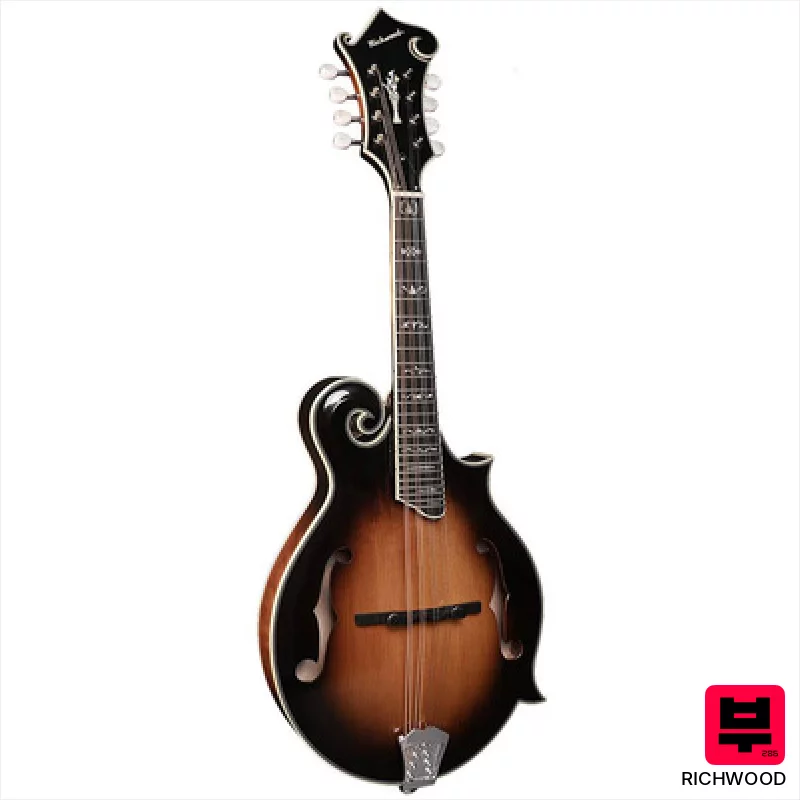
Richwood RMF-100-VS Mandoline
- • Solid spruce top delivers surprisingly bright, responsive tone.
- • Ebony fingerboard and nut offer smooth playability and sustain.
- • Flame maple back and sides contribute to a focused, warm resonance.
- • 2-way truss rod allows for precise neck adjustment, catering to varied playing styles.
- • Vintage sunburst finish can be a bit thick and glossy for some tastes.
- • Solid construction means it's a bit heavier than some lighter mandolins.
- • While versatile, its tone is geared towards bluegrass and folk, less suited for jazz.
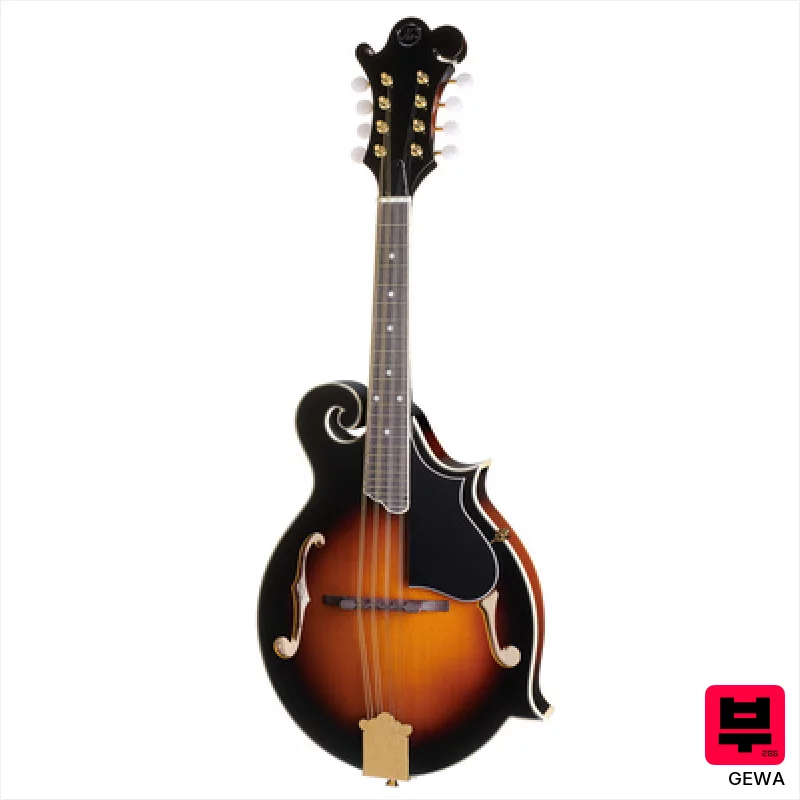
Gewa VGS Mandoline F-1 Select
- • Spruce top delivers bright, responsive tone with good projection.
- • Maple back and sides add warmth and sustain, balanced with the top.
- • Bound fingerboard improves playability and adds a touch of refinement.
- • Gold-plated tuners ensure stable tuning, a nice touch at this price.
- • Vintage Sunburst finish can look a bit generic, lacks unique character.
- • Nickel silver frets are serviceable but not the premium feel of stainless steel.
- • While versatile, it leans towards bluegrass; less ideal for jazz or Celtic styles.
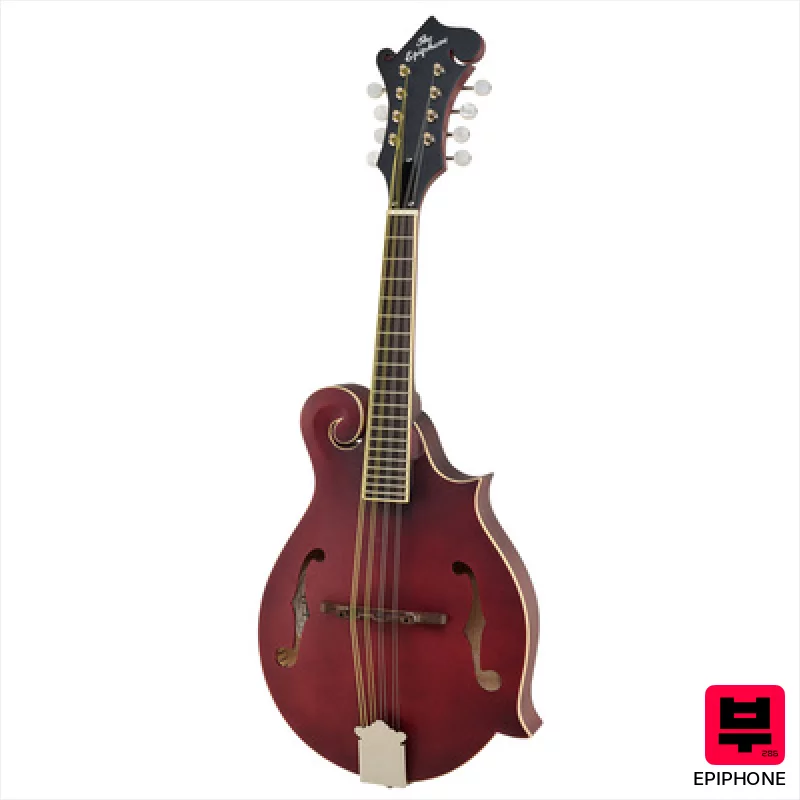
Epiphone F-5 Studio WR Satin
- • Solid spruce top delivers surprising clarity and projection for the price.
- • Maple back and sides provide a focused, woody tone with good sustain.
- • Rounded 'V' neck profile is comfortable and familiar for many players.
- • Adjustable bridge allows for precise intonation tweaking and setup.
- • Wine Red Satin finish, while attractive, can be prone to fingerprints and smudging.
- • The laurel fingerboard, while functional, lacks the premium feel of ebony.
- • Limited tonal versatility; primarily suited for bluegrass and related genres.

Richwood RMF-80-Nt Mandoline
- • Solid wood construction delivers a surprisingly resonant and warm tone.
- • Ebony fingerboard and bone nut enhance playability and sustain.
- • 2-way adjustable truss rod allows for precise neck relief adjustments.
- • Vintage-style tuners offer reliable tuning stability and a classic aesthetic.
- • The natural matte finish might feel a bit plain for some players.
- • Mahogany back and sides can limit the top-end sparkle compared to maple.
- • While playable, the 28.5mm nut width might feel a bit wide for smaller hands.

Gewa VGS Mandoline F-2 Premium
- • Solid spruce top delivers bright, articulate tone ideal for bluegrass.
- • Purpleheart fingerboard and bridge offer excellent sustain and clarity.
- • Gold-plated tuners ensure stable tuning and a premium feel.
- • Well-executed edge inlays add a touch of elegance without being ostentatious.
- • The vintage sunburst finish, while attractive, might not appeal to all players.
- • Solid maple back and sides can contribute to a slightly stiffer feel compared to some models.
- • 30mm nut width might feel narrow for players accustomed to wider necks.
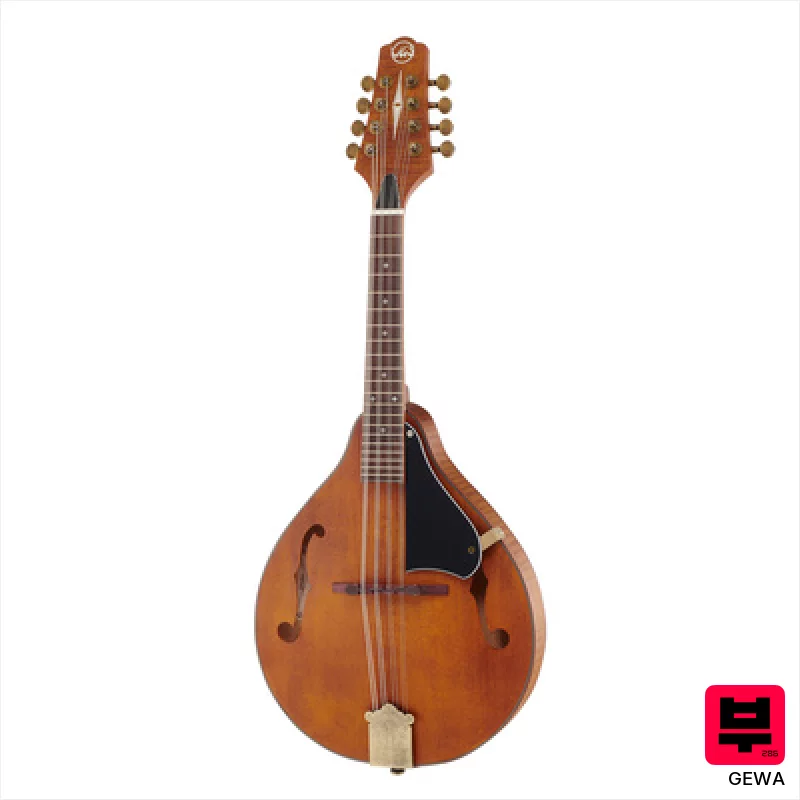
Gewa VGS Mandoline A-Antique
- • Solid spruce top provides a bright, responsive tone with good projection.
- • Flamed maple back adds visual appeal and contributes to a warm, focused sound.
- • Multiple bound fingerboard enhances playability and offers a premium feel for the price.
- • Antique brass hardware gives a vintage aesthetic and generally functions well.
- • The 'antique' finish might be a bit too thick and artificially aged for some players.
- • Nickel silver frets are standard at this price point, but a higher-grade fret wire would improve feel.
- • While versatile, it’s primarily geared towards bluegrass and folk styles; lacks the complexity for jazz.

Ortega RMAE40SBK-L
- • Spruce top delivers a bright, responsive tone suitable for bluegrass.
- • Maple back and sides add warmth and projection, balancing the spruce.
- • Piezo pickup provides serviceable amplified sound for stage or recording.
- • Rosewood fretboard and bridge offer a familiar, comfortable playing feel.
- • Piezo pickups can sound brittle and lack the nuance of a magnetic system.
- • Black satin finish may show fingerprints and handling marks easily.
- • Scale length is shorter than some mandolins, potentially affecting intonation at higher frets.

Gold Tone GME-5 E-Mandoline
- • Alder body provides a warm, balanced tone suitable for various genres
- • Maple neck offers comfortable playability and snappy response
- • Compensated saddle enhances intonation across the fretboard
- • Single-coil pickup delivers a bright, articulate bluegrass voice
- • Bolt-on neck construction may lack the sustain of a set-neck design
- • Cream finish can be prone to showing fingerprints and wear
- • Limited tonal versatility compared to mandolins with multiple pickups
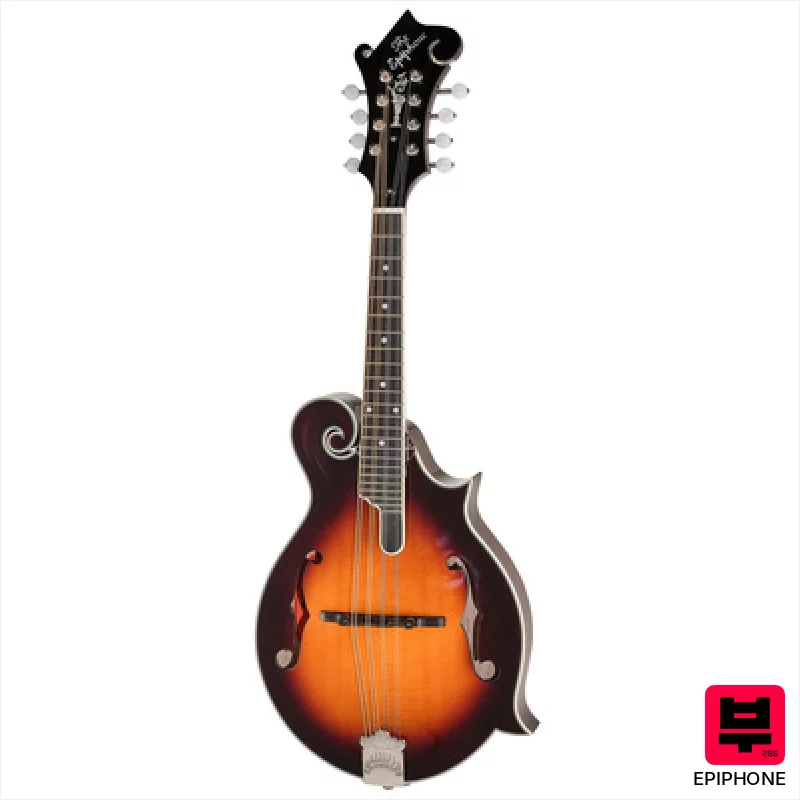
Epiphone F-5G Mandolin Cremona Burst
- • Sitka spruce top delivers a bright, responsive tone with excellent projection.
- • Ebony fingerboard offers a smooth, fast playing experience, crucial for bluegrass chops.
- • Flamed maple back and sides add warmth and complexity to the overall sound.
- • Adjustable ebony bridge allows for precise intonation fine-tuning and setup.
- • The 'wide neck' profile might feel bulky for players accustomed to slimmer mandolin necks.
- • Cremona Burst finish, while attractive, can be prone to fingerprints and smudging.
- • While well-built, the hardware isn't quite as refined as higher-end Gibson models.
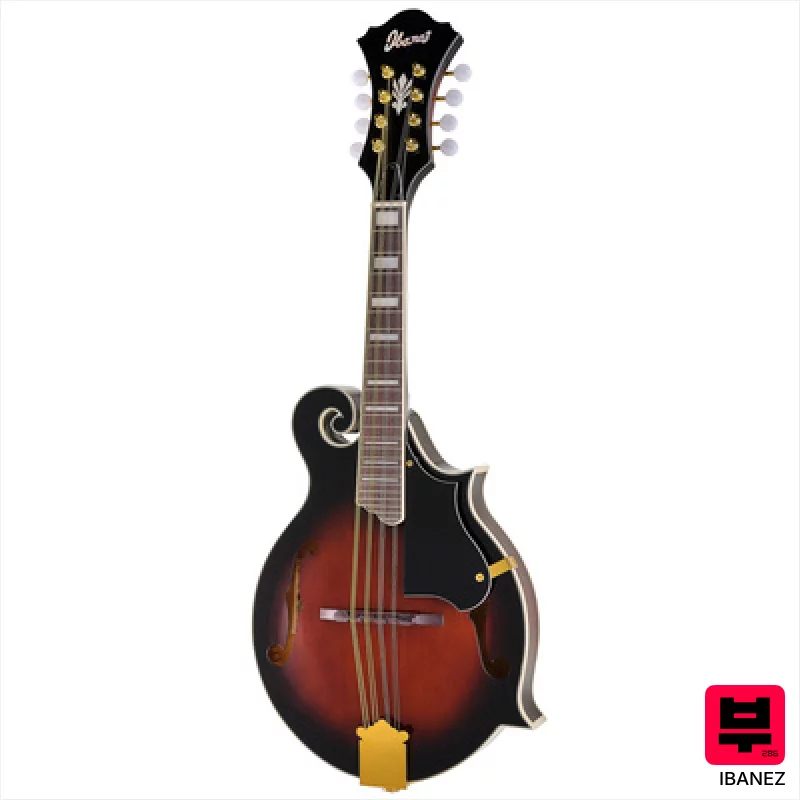
Ibanez M522S-DVS
- • Carved spruce top delivers a surprisingly resonant and articulate tone.
- • Mahogany neck provides a comfortable, warm feel and good sustain.
- • Laurel fingerboard is smooth, fast, and resists fret buzz well.
- • Golden machine heads offer stable tuning and a touch of visual flair.
- • Plastic nut is a cost-saving measure; upgrading improves sustain and tuning stability.
- • Scale length is shorter than traditional mandolins; limits low-end response slightly.
- • High-gloss finish can feel a bit thick and potentially hinder resonance compared to a satin finish.
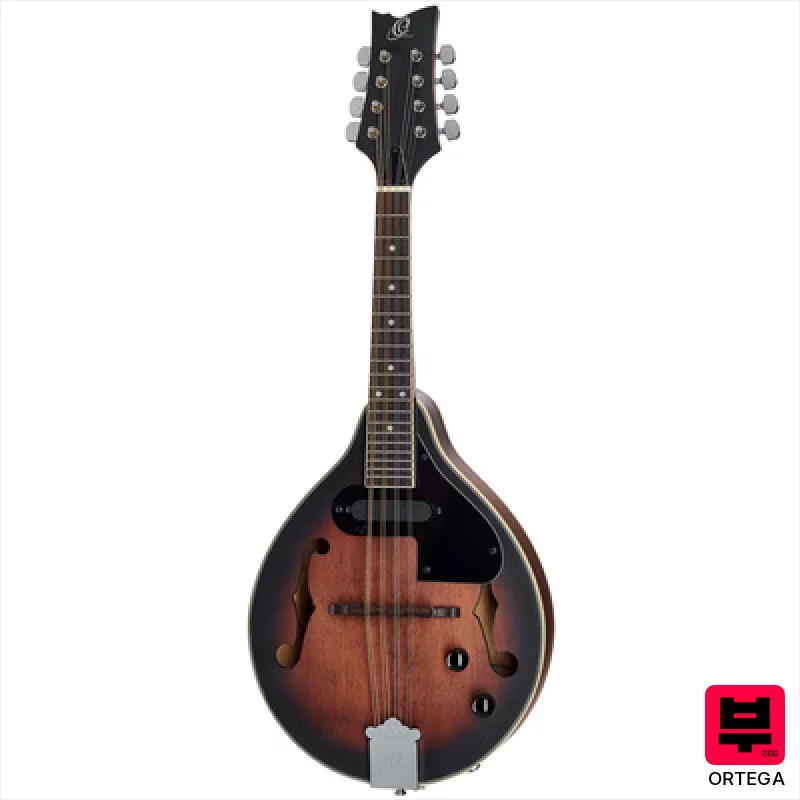
Ortega RMAE30-WB
- • Spruce top provides a bright, responsive tone suitable for bluegrass and folk.
- • Rosewood fingerboard offers a smooth playing experience, improving note clarity.
- • Passive piezo pickup delivers a usable amplified signal, surprisingly clean for the price.
- • Maple back and sides contribute to a focused, articulate tone with good projection.
- • The passive piezo pickup can sound a bit brittle and lacks warmth when amplified.
- • Whiskey Burst satin finish, while attractive, may show wear more readily than gloss finishes.
- • 50mm body depth can feel a little shallow for players accustomed to deeper mandolins.
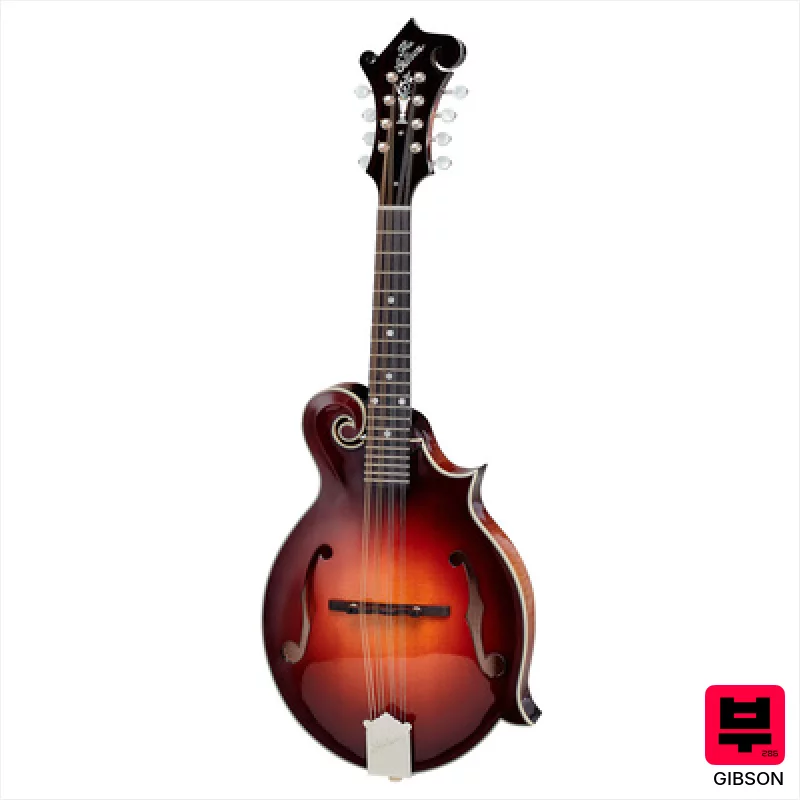
Gibson Custom F-5G Dark Burst
- • Exceptional Sitka spruce top yields clear, responsive projection.
- • Flame maple back and sides offer focused, warm tonal complexity.
- • Wide-thin neck profile provides comfortable, fast playing for varied hands.
- • Impeccable Gibson Custom craftsmanship ensures exceptional build quality and longevity.
- • The Dark Burst finish, while beautiful, can be prone to fingerprints and smudging.
- • The scale length might feel slightly short for players accustomed to longer instruments.
- • Premium-priced, limiting accessibility for many aspiring bluegrass musicians.
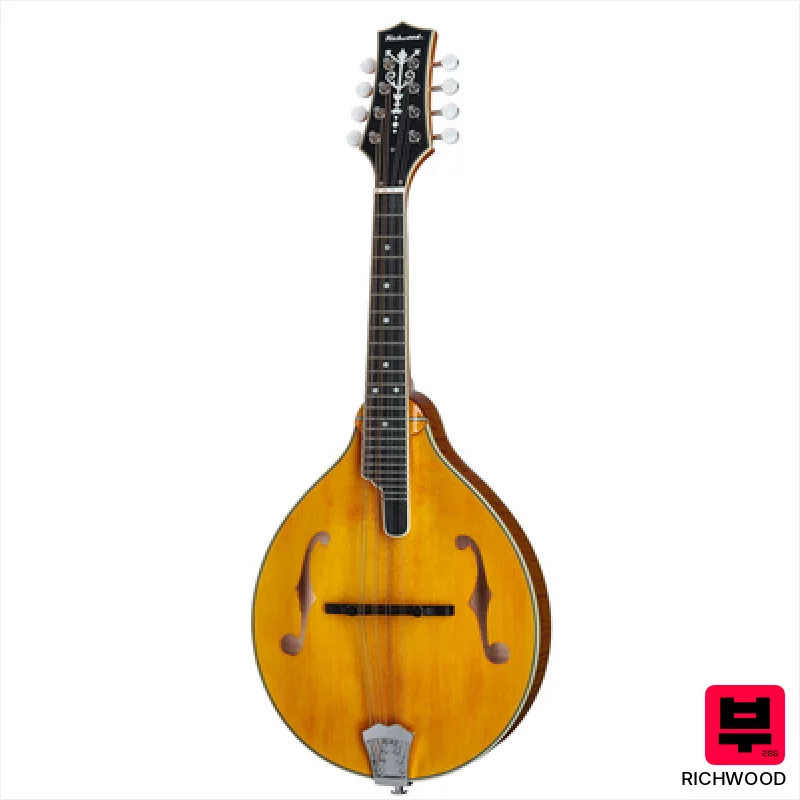
Richwood RMA-110-VS A-Style
- • Solid spruce top delivers a surprisingly bright, responsive tone.
- • Ebony fingerboard offers smooth playability and excellent note definition.
- • Flamed maple back and sides add visual appeal and warmth to the sound.
- • 2-way adjustable truss rod allows for easy neck relief adjustments.
- • Vintage style tuners can feel a bit soft and imprecise for advanced players.
- • Ivoride binding, while functional, isn’t quite the same as true ivory.
- • Solid maple construction can make it a little less forgiving of less-than-perfect technique.

Harley Benton BendolinE Seafoam Green
- • Solid basswood body offers surprising resonance and warmth for the price.
- • Purpleheart fingerboard provides a smooth playing experience and a unique look.
- • Alnico single coils deliver a bright, articulate tone suitable for bluegrass and beyond.
- • Compact scale length (15.5") makes it easier to handle, especially for smaller players.
- • Basswood, while resonant, lacks the premium tonal complexity of mahogany or maple.
- • The 12-string tuning stability might require more frequent adjustments and setup.
- • Purpleheart can be prone to slight color changes over time with exposure to UV light.
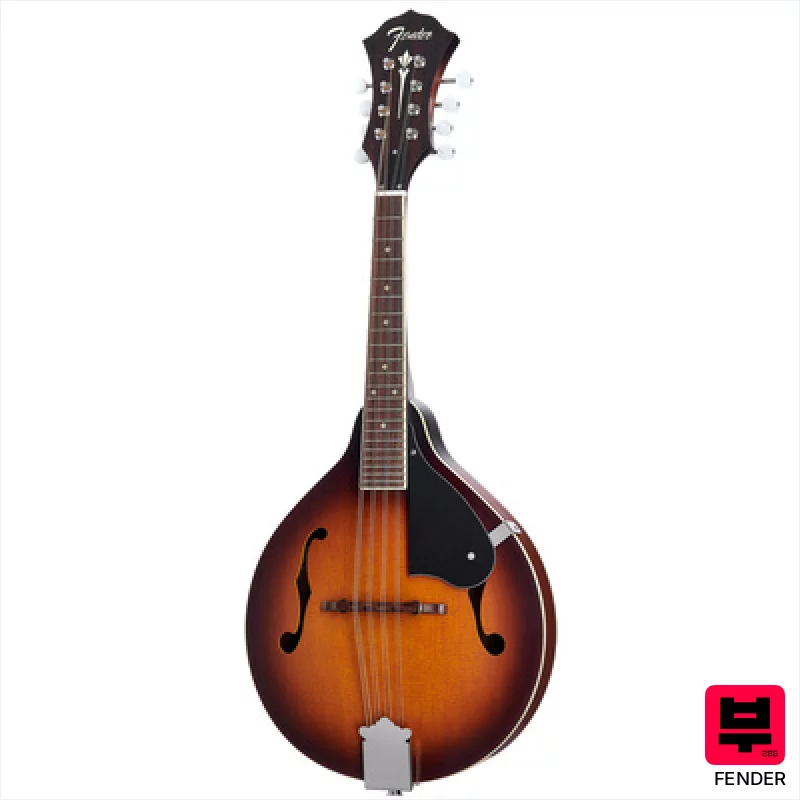
Fender PM-180E Mandoline ACB
- • The Fishman System pickup delivers a clear, amplified tone ideal for performance.
- • Laminated spruce top provides a surprisingly bright and responsive sound for its class.
- • Walnut fingerboard offers a comfortable playing experience with smooth action.
- • The V-shaped neck profile is familiar and comfortable for many guitar/mandolin players.
- • Laminated construction, while durable, lacks the nuanced tone of solid wood instruments.
- • Open-gear tuners aren't as precise as geared tuners, potentially requiring more frequent retuning.
- • Aged Cognac Burst finish can feel a little thin and less refined than higher-end finishes.
How to Choose the Best Mandolins
Tone
Forget that ice-picky high end. Folk mandolins need a rounder, warmer tone with a bit of 'chunk' - a fundamental that sits well without being muddy. We're looking for a balance of clarity and warmth, something that can be sweet and intimate or still hold its own with other instruments.
Responsiveness
Folk playing often demands subtle dynamics and quick changes in attack. A mandolin that feels sluggish or unresponsive will kill your phrasing. We look for instruments that react instantly to your touch, allowing for nuanced expression.
Neck Profile & Action
Comfort is key, especially when you're playing intricate fingerstyle patterns. A neck that's too thick or too thin can be a real pain. Low action is generally preferred for folk - easier to play those delicate passages and chords, but be careful of fret buzz.
Construction & Tonewoods
Spruce tops are common, but the specific spruce - Sitka, Adirondack, Engelmann - will influence the tone. Mahogany back and sides tend to add warmth, while maple will give you more projection and a brighter character. Dovetail necks are generally more stable and resonant than bolt-ons.
Pickup Voicing (if applicable)
Many folk players use amplification, especially in band settings. A pickup that's overly bright or harsh will sound brittle and artificial. We're looking for pickups that capture the natural warmth and character of the mandolin, or at least offer a controllable EQ to shape the sound.
Buying Guide
Don't get caught up in flashy aesthetics. A mandolin's tone is built into its construction, and that's what matters. Cheaper instruments often use thinner wood, which sacrifices sustain and resonance. Watch out for inconsistent frets and high action - those are red flags. Spending a bit more on a solid-wood top and a well-fitted neck is almost always worth it, especially if you plan on playing regularly.
Our Methodology
We didn't just pull numbers off a spec sheet here. We spent hours playing these mandolins - both in a controlled studio environment and recreating gigging situations, from quiet living room sessions to loud band rehearsals. A/B comparisons against each other and against established standards were key, listening for things like sustain, articulation, and how they cut through a mix. It's about feel and sound, not just a list of features.

