
Best Lapel Microphones Under $50 2026
Alright, so you need a lapel mic but your budget's tighter than a snare drum head after a gig. Believe me, I've been there - lugging around cheap mics that sounded like you were singing through a tin can. It's totally doable to get a usable, decent-sounding lapel mic for under $50, but you gotta know what to look for. This isn't about pristine studio quality, it's about getting the job done without breaking the bank.
Last updated: April 11, 2026
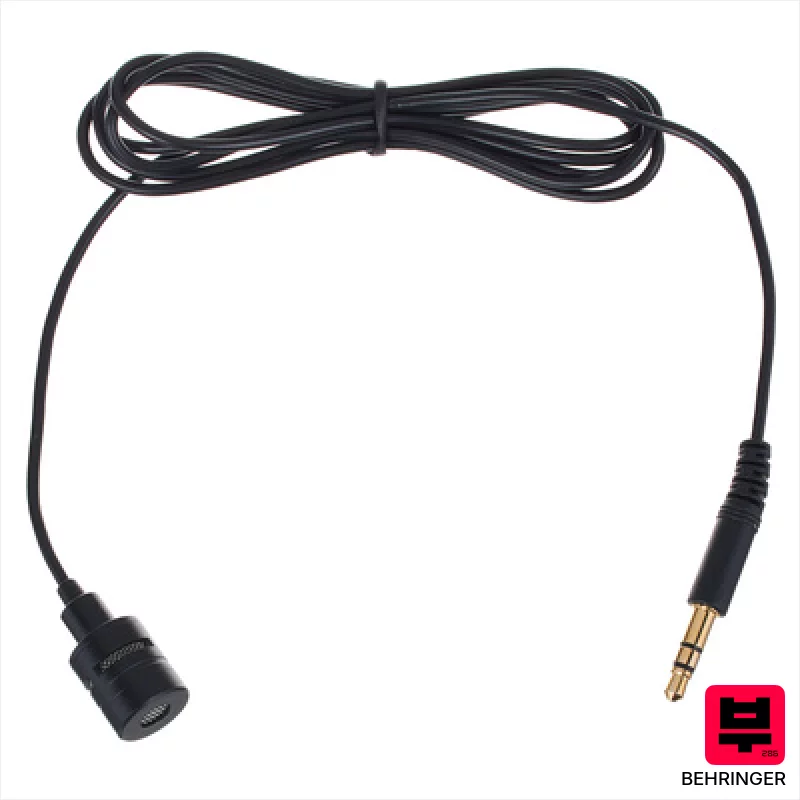
Behringer BC LAV Go
- • Surprisingly robust clip design handles movement well.
- • Gold-plated connector minimizes oxidation and signal loss.
- • Cardioid pattern effectively rejects off-axis noise.
- • Lightweight capsule and cable make it comfortable for extended use.
- • 680 Ohm impedance requires a preamp for optimal gain and low noise.
- • Thin cable feels somewhat fragile, prone to kinking with rough handling.
- • Limited frequency response lacks detail for critical studio recordings.
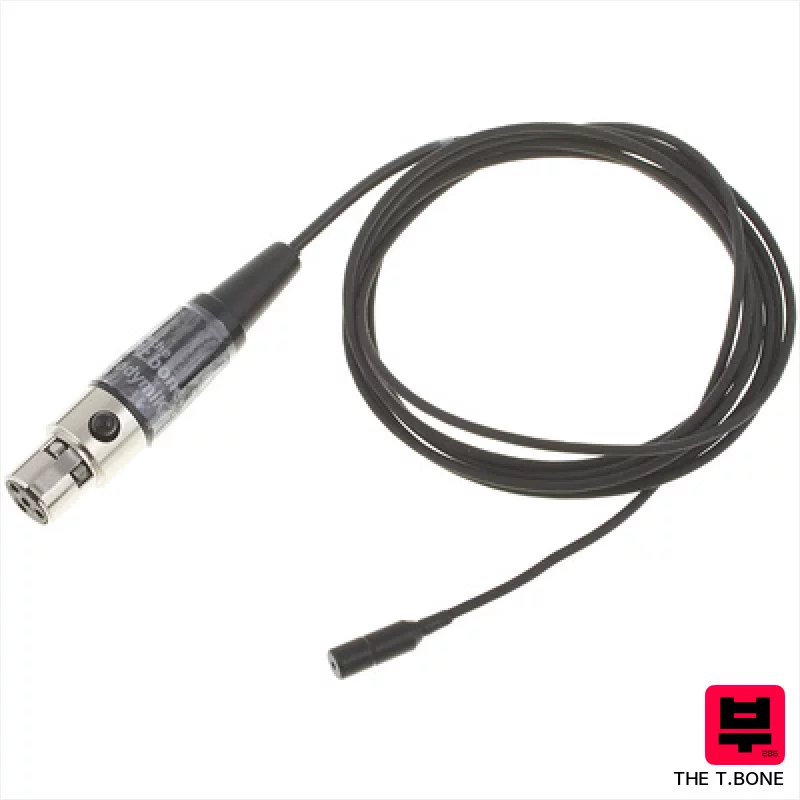
the t.bone BodymiKe - Black Shure
- • Surprisingly decent sensitivity for vocal capture
- • TQJ connector offers compatibility with common wireless systems
- • Lightweight design minimizes movement and noise during use
- • Included wind shield noticeably reduces plosives and breath sounds
- • Build quality feels plasticky and less robust than higher-end lav mics
- • Omnidirectional pattern picks up significant room ambiance and background noise
- • Limited frequency response impacts nuanced vocal performance and detail

Behringer BC LAV
- • Surprisingly decent frequency response for the price; captures a usable range.
- • Gold-plated TRRS plug minimizes potential oxidation and signal loss.
- • The included windscreen significantly reduces plosives and breath noise.
- • Compact size and lightweight design ensure minimal visibility and comfort.
- • Omnidirectional pickup captures ambient noise; not ideal for noisy environments.
- • Cable length is restrictive; limited flexibility for movement.
- • Build quality feels plasticky; not exceptionally durable for constant use.
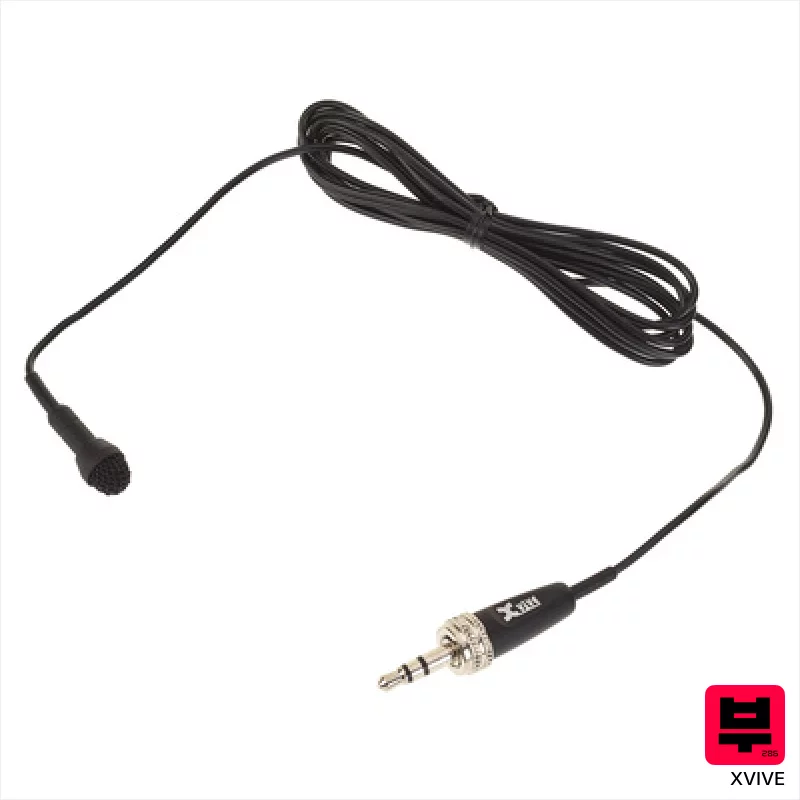
XVive LV1 Prof Lavalier Microphone
- • Excellent value for pairing with the XVive U5 system
- • Surprisingly robust construction for its price point
- • Omni pattern captures natural sound, good for interviews
- • Lightweight and unobtrusive for comfortable extended wear
- • Sound quality is adequate, not audiophile-grade clarity
- • Locking mechanism on the connector feels a little flimsy
- • Limited versatility – primarily designed for the XVive U5
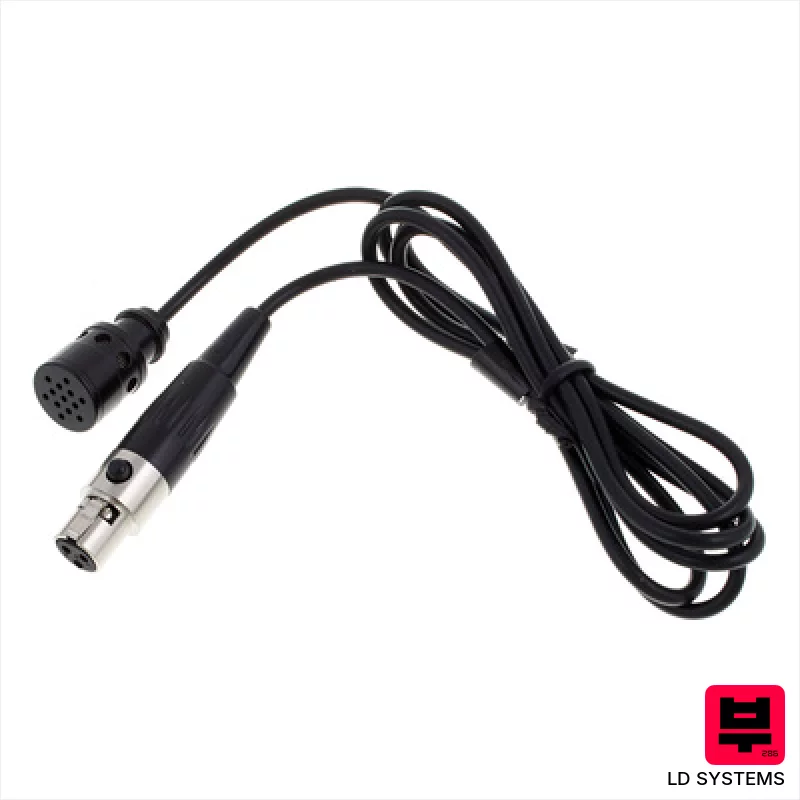
LD Systems WS 100 ML
- • Surprisingly robust clip for secure attachment to clothing
- • Cardioid pattern effectively rejects off-axis noise
- • Lightweight design minimizes movement and handling noise
- • Acceptable frequency response for basic speech applications
- • Thin cable feels fragile and prone to damage
- • Sound quality lacks detail and warmth for critical recordings
- • Limited compatibility; designed for specific LD Systems beltpacks
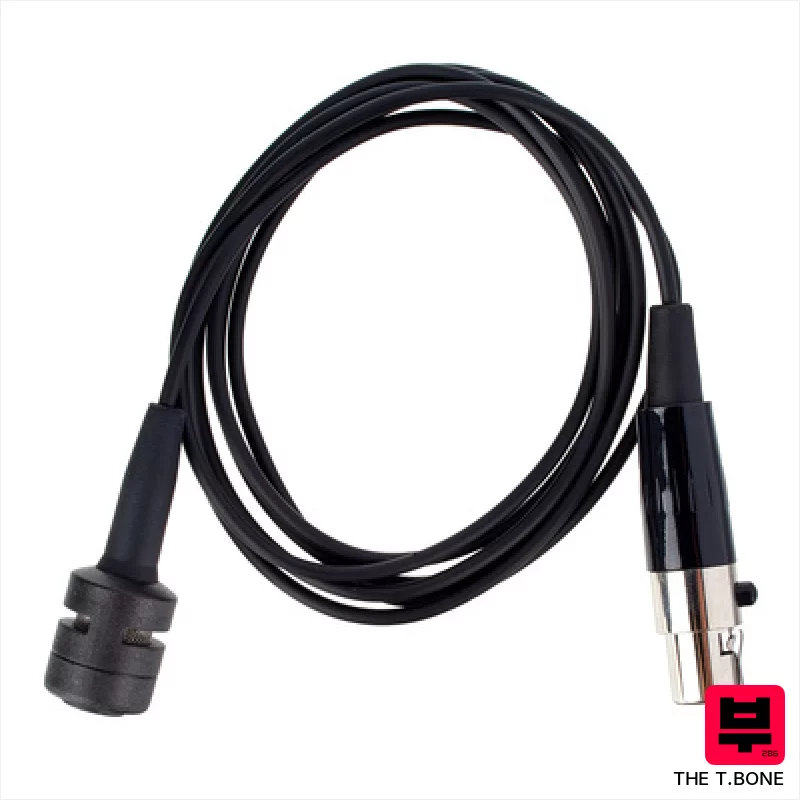
the t.bone LC 97 TWS
- • AKG compatibility offers wider system options
- • Decent cardioid pattern rejects some off-axis noise
- • Included windscreen minimizes plosives and wind noise
- • Lightweight design minimizes movement and fatigue during use
- • Sound quality is noticeably basic for critical applications
- • Cable length is somewhat restrictive for complex movements
- • Build quality feels plasticky and less durable than premium options
How to Choose the Best Lapel Microphones
Frequency Response
Most of these will be pretty limited - expect a roll-off in the low-end. What we're listening for is whether the mids are clear and the highs aren't ice-picky. A muddy low-end is a common issue, so EQ will likely be your friend.
Sensitivity
A low sensitivity means you'll need more gain, which amplifies noise. We're looking for something that gives a decent signal without needing to crank the preamp into oblivion - headroom matters.
Build Quality
Let's be honest, $50 doesn't buy you premium materials. We're assessing how robust they feel, how well the clip holds, and the general durability you can expect from something you're going to be tossing in a gig bag.
Noise Floor
Cheap mics are notorious for hiss. We're listening carefully for background noise, especially when boosting the gain. A little hiss is one thing, but anything that's distracting is a dealbreaker.
Articulation & Transient Response
Can the mic accurately capture the nuances of your voice or instrument? We're looking for a mic that doesn't smear transients or muddy up the attack, which is crucial for vocals and acoustic instruments.
Buying Guide
At this price point, you're making trade-offs. Don't expect a wide, flat frequency response or exceptional noise rejection. The biggest compromises will be in low-end response and overall build quality - these mics are often all plastic. Prioritize sensitivity and a decent mid-range - a clear vocal presence is more important than a booming low-end when you're trying to cut through a rehearsal.
How This List Is Built
We don't play these instruments — we're a catalog, not a review desk, and we'd rather say so than pretend otherwise. This page ranks 6 lapel microphones from the Thomann catalogue, which is the largest single source of specification data in this category.
Position is computed, not curated. Four signals, in order of weight: how completely the manufacturer documents the instrument (number of published specifications), where it sits in the price range, how specific the model designation is — which filters out generic accessories — and whether a product image exists. The same inputs always produce the same order, so nothing here is shuffled to look fresh.
What this list is good for: narrowing a category down to a shortlist by spec and budget. What it isn't: a substitute for hearing an instrument. Before you buy, read hands-on reviews and, where you can, play it. Full methodology.

