AudioFu Chart · October 2026
Best Lapel Microphones for Beginner 2026
The top pick is RODE Lavalier Go Microphone ($56). Behringer BC Lav GO Clip-on Cardioid Condenser Lavalier Microphone… gives you the most for the money at $12. Sennheiser XSW 1-ME2-A Lavalier Mic Wireless System - A Band (548-572… leads the high end. Ranked by the AudioFu Index from 78 models across 13 brands, prices checked every night.
Last updated: October 21, 2026
Top 10
Full detail for the 10 highest AudioFu Index scores. Every other model is listed below.
-
The Rode Lavalier GO White is a seriously handy little mic for anyone needing a clean, discreet audio capture – think interviewers, vloggers, or podcasters. The sound quality is surprisingly good for its size, and the build feels solid thanks to that Kevlar cable. Just be mindful of the omnidirectional pickup, as it'll grab everything in the room.
Pros
- Kevlar cable offers excellent durability, resisting wear and tear.
- Compact size and lightweight design make it discreet and comfortable.
- Gold-plated TRS connector ensures reliable signal transfer and minimizes noise.
Cons
- Limited cable length restricts placement options, especially for dynamic movement.
- Omnidirectional pickup captures unwanted background noise, requiring careful environment selection.
67AudioFu
Index↓ 15.3%since Aug 17 · lowest so far$66 · Aug 17$56 now$56€50 at Thomann · in stockCheck price ↗ -
Shure MOTIV MV5 Lightning / USB Condenser Microphone
Motiv MVL/A · Shure
56 for sale on Reverb1 finish at Thomann
The Shure MVL/A is a surprisingly capable little lav mic for the price. It's ideal for vloggers, podcasters, or anyone needing clear audio from a mobile device—the build quality is solid, and it's easy to use. Don't expect studio-grade performance, but for everyday recording, it’s a great value.
Pros
- Excellent signal-to-noise ratio minimizes background hum and hiss
- The included foam windscreen effectively reduces breath pops and wind noise
- Durable metal clip offers secure and stable attachment to clothing
Cons
- Cable length is somewhat limiting for more dynamic movement
- Sound quality, while good, lacks the nuanced detail of higher-end lav mics
-
Behringer BC Lav GO Clip-on Cardioid Condenser Lavalier Microphone…
BC LAV Go · Behringer
2 for sale on Reverb1 finish at Thomann
- Size8"
Okay, look, for $12, you can't really complain. This Behringer LAV Go is a surprisingly decent little lapel mic – great for vloggers, lecturers, or anyone who needs a basic, hands-free solution. Just be mindful of the impedance; it'll need a little juice to really shine, but it's a solid entry point for budget-conscious creators.
Pros
- Surprisingly robust clip design handles movement well.
- Gold-plated connector minimizes oxidation and signal loss.
- Cardioid pattern effectively rejects off-axis noise.
Cons
- 680 Ohm impedance requires a preamp for optimal gain and low noise.
- Thin cable feels somewhat fragile, prone to kinking with rough handling.
-
Audio-Technica AT829CW Mini-Cardioid Condenser Lavalier Microphone
AT829 W · Audio-Technica
21 for sale on Reverb1 finish at Thomann
This AT829W is a workhorse lavalier mic, plain and simple. It's incredibly reliable for broadcast, interviews, and presentations where you need clean, consistent audio without a lot of fuss. Perfect for production crews and anyone needing a dependable wireless mic solution.
Pros
- Excellent off-axis rejection minimizes room noise and handling sounds
- TQG connector ensures reliable connection with Audio-Technica wireless systems
- Small and unobtrusive design ideal for discreet placement on talent
Cons
- Limited frequency response compared to studio-grade microphones
- Cable can be prone to snagging and tangling with frequent use
-
- Weight0.026 kg
The WS 100 ML is a budget-friendly option for basic presentations or amateur theater where portability is key. Don’t expect studio-quality audio, but it gets the job done for straightforward vocal capture and is a good match for the WS 100/1616 beltpack systems. It's a workhorse, not a showstopper.
Pros
- Surprisingly robust clip for secure attachment to clothing
- Cardioid pattern effectively rejects off-axis noise
- Lightweight design minimizes movement and handling noise
Cons
- Thin cable feels fragile and prone to damage
- Sound quality lacks detail and warmth for critical recordings
-
The XS Lav Mobile is a surprisingly capable little mic for vloggers and mobile content creators on a budget. It's super easy to use, clips securely, and delivers clean vocal recordings when background noise isn’t a major concern. Don't expect studio-grade audio, but it's a solid starting point for basic mobile recording needs.
Pros
- Decent sensitivity for mobile recording, captures voice clearly
- Lightweight and unobtrusive for on-the-go use
- Simple TRRS connection is universally compatible
Cons
- Omnidirectional pickup grabs unwanted background noise easily
- Cable length is limiting for some shooting scenarios
-
Look, this t.bone LC 97 TWS is a surprisingly capable little mic for the price. It’s a solid choice for basic content creation, online meetings, or amateur podcasting where pristine audio isn't the absolute top priority. It's really aimed at users already invested in t.bone's wireless systems and needing a budget-friendly, functional lavalier.
Pros
- AKG compatibility offers wider system options
- Decent cardioid pattern rejects some off-axis noise
- Included windscreen minimizes plosives and wind noise
Cons
- Sound quality is noticeably basic for critical applications
- Cable length is somewhat restrictive for complex movements
-
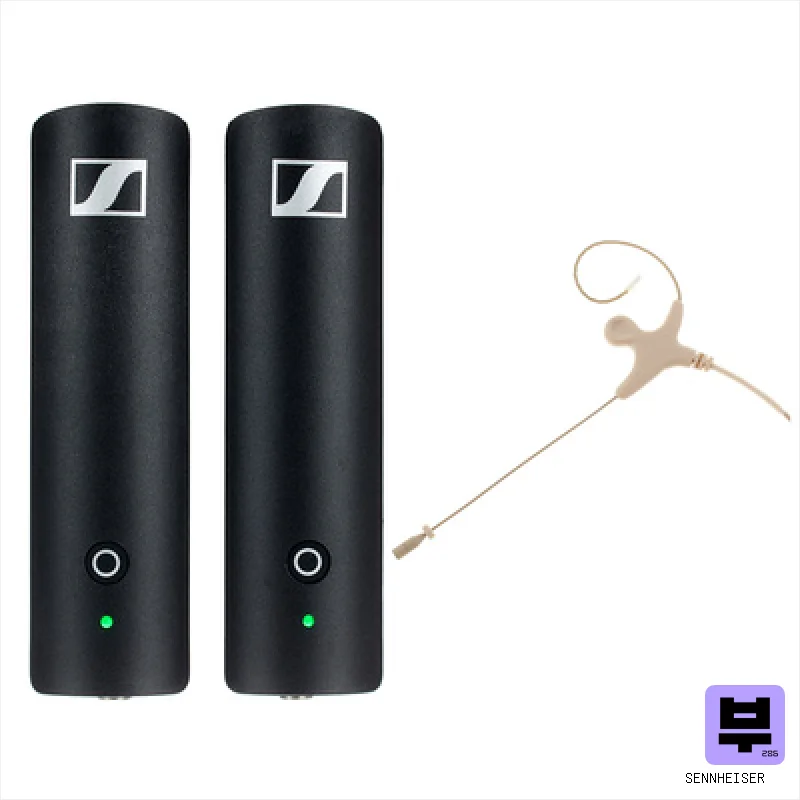
Sennheiser XSW 1-ME2-A Lavalier Mic Wireless System - A Band (548-572…
ME 2 · Sennheiser
40 for sale on Reverb1 finish at Thomann
The ME 2 is a solid, dependable lavalier mic, especially if you're already in the Sennheiser wireless ecosystem. It delivers surprisingly good clarity and a natural sound, making it ideal for interviews, presentations, and vloggers who need a reliable, compact solution without excessive background noise. It's a workhorse for content creators.
Pros
- Excellent off-axis rejection for clear dialogue recordings
- Durable Sennheiser build quality inspires confidence
- Compact size makes it unobtrusive for on-camera work
Cons
- Cable length is limiting for some applications
- Requires a compatible Sennheiser wireless system
60AudioFu
IndexStableno change since Aug 17Aug 17$140 now$140€125 at Thomann · in stockCheck price ↗ -
The XS Lav USB-C is a surprisingly capable little mic for content creators on the go. It’s fantastic for podcasters, vloggers, or anyone needing clean audio from a lavalier without a complex setup – especially if you’re already in the USB-C ecosystem. The audio quality is genuinely impressive for something in this price bracket.
Pros
- Excellent audio quality for the price, surprisingly clean recordings
- USB-C connectivity simplifies mobile recording workflows
- Lightweight and unobtrusive for comfortable extended wear
Cons
- Omnidirectional pickup can be problematic in noisy environments
- Cable length, while long, can be a tangle hazard
-
The t.bone BodymiKe is a surprisingly capable little mic if you’re on a tight budget and need wireless lavalier functionality. It's perfect for vloggers, presenters, or anyone needing basic speech capture without spending a fortune, just be mindful of its limitations in noisy environments.
Pros
- Surprisingly clear vocal reproduction for the price point
- Lightweight design minimizes movement and noise during use
- Sennheiser EW compatibility offers wireless flexibility
Cons
- Limited frequency response compared to higher-end lav mics
- Cable feels a bit fragile; handle with care
All 78 lapel microphones
Same index, same nightly prices — compact. Colour options of one model share a row. Tap a photo to zoom.
- 11
the t.bone BodymiKe - Tan EWthe t.bone · 2 finishes36Stable$55€49$55€49Check ↗
- 12
the t.bone BodymiKe - Black Shurethe t.bone32Stable$44€39$44€39Check ↗
- 13
the t.bone BodymiKe - Tan Shurethe t.bone32Stable$55€49$55€49Check ↗
- 14
XVive LV1 Prof Lavalier MicrophoneXVive29Stable$45€40$45€40Check ↗
- 15
Sennheiser ME 4 Cardioid Lavalier MicrophoneME 4 · Sennheiser47Stable$133€119$133€119Check ↗
- 16
AKG C417L Lavalier Microphone w/ Mini-XLR OutputC 417 L · AKG · 2 finishes46Stable$131€117$131€117Check ↗
- 17
Shure CVLShure34Stable$93€83$93€83Check ↗
- 18
XVive LV2 Prof Lavalier MicrophoneXVive29Stable$79€70$79€70Check ↗
- 19
RODE RODELink LAV Omnidirectional Lavalier MicrophoneRODELink LAV · Rode30Stable$93€83$93€83Check ↗
- 20
Tascam TM-10 LBTascam28Stable$89€79$89€79Check ↗
- 21
AKG CK 99 L BKAKG31Stable$108€96$108€96Check ↗
- 22
Shure SM11 Omnidirectional Dynamic Lavalier MicSM 11 · Shure43Stable$167€149$167€149Check ↗
- 23
Shure WL185M WhiteShure · 2 finishes38Stable$174€155$174€155Check ↗
- 24
Shure WL183M BlackShure34Stable$174€155$174€155Check ↗
- 25
Shure WL184M BlackShure34Stable$178€159$178€159Check ↗
- 26
AKG LC 617 MD TanAKG31Stable$174€155$174€155Check ↗
- 27
Sennheiser MKE 2 (Black EW)Sennheiser · 7 finishes49Stable$357€318$357€318Check ↗
- 28
Sennheiser MKE 1 (Brown 3-Pin)Sennheiser · 6 finishes49↓ 3.4%$481€429$481€429Check ↗
- 29
Shure MX185 Microflex Cardioid Condenser Lavelier MicMX185 · Shure46Stable$313€279$313€279Check ↗
- 30
Sennheiser MKE 40 (Black EW)Sennheiser · 2 finishes45↓ 13.6%$358€319$358€319Check ↗
- 31
Shure DL4C/O-MTQG-A DuraPlex LavShure · 4 finishes43Stable$324€289$324€289Check ↗
- 32
Sanken COS-11D-BE EWSanken · 4 finishes42↓ 5.3%$403€359$403€359Check ↗
- 33
Audio-Technica AT831B Mini Uni-Directional Condenser Lavelier…AT 831b · Audio-Technica39Stable$222€198$222€198Check ↗
- 34
Sennheiser MKE Essential Omnidirectional Lavalier MicrophoneMKE Essential (Black EW) · Sennheiser39Stable$268€239$268€239Check ↗
- 35
Shure TL46T/O-MTQG TwinPlex LavShure · 2 finishes38Stable$526€469$526€469Check ↗
- 36
DPA 4661-OP-H-F90DPA38↓ 3.8%$571€509$571€509Check ↗
- 37
DPA 6060-OC-U-B90DPA38↓ 3.7%$582€519$582€519Check ↗
- 38
DPA 4060-OP-C-F03DPA38↓ 3.6%$593€529$593€529Check ↗
- 39
DPA 4060-OP-C-F34DPA38↓ 3.6%$593€529$593€529Check ↗
- 40
DPA 6061-OC-U-F90DPA38↓ 3.6%$593€529$593€529Check ↗
- 41
DPA 6061-OC-U-B90DPA38↓ 3.6%$593€529$593€529Check ↗
- 42
DPA 6060-OC-U-F90DPA38↓ 3.6%$593€529$593€529Check ↗
- 43
DPA 4061-OP-C-F03DPA38↓ 3.6%$593€529$593€529Check ↗
- 44
DPA 4060-OP-C-B03DPA38↓ 3.6%$604€539$604€539Check ↗
- 45
DPA 4080-DP-D-B90DPA38↓ 3.2%$672€599$672€599Check ↗
- 46
Shure PGXD14/93 Wireless Microphone System with WL93 Lavalier (Band…WL93T · Shure · 2 finishes37Stable$196€175$196€175Check ↗
- 47
Audio-Technica AT803 Mini Omni-Directional Condenser Lavelier…AT803 b · Audio-Technica37Stable$212€189$212€189Check ↗
- 48
DPA 2061-OL-C-B34-AccDPA37↓ 2.6%$414€369$414€369Check ↗
- 49
DPA 2061-OL-C-B10-AccDPA37↓ 2.6%$425€379$425€379Check ↗
- 50
DPA 4060-OP-C-B34DPA37↓ 1.9%$593€529$593€529Check ↗
Lapel Microphones by the numbers
Measured across all 105 models we track, not a sample.
Median $391 — half of all lapel microphones here cost less.
How to choose the best lapel microphones
Playability
How much does the mic get in the way? A bulky mic that rattles against your chest while you're trying to nail a fast lick is useless. We're looking for something that's comfortable and stays put, even when you're moving around.
Signal-to-Noise Ratio
Beginners often have less-than-ideal recording environments. A higher SNR means less hiss and rumble creeping into your signal, making it easier to clean up later. Don't expect miracles, but a decent SNR is essential.
Ease of Use
Let's be honest, you're learning. Complicated menus and proprietary wireless systems are a nightmare. We're favoring mics that plug-and-play or have straightforward controls - less time fiddling, more time playing.
Durability
Gigs aren't gentle. A mic that falls apart after a few rehearsals is a waste of money. We're looking for something that can take a bit of abuse - a solid clip, a decent cable, and a build that feels reasonably robust.
Frequency Response & Articulation
You don't need a perfectly flat response, but you do need the mic to capture the nuances of your playing. A muddy low-end will bury your sound in a band setting, while a harsh top-end can be fatiguing. We want something that gives you a good representation of your instrument's character, even if it's not 'perfect'.
Buying guide
So, you're looking into a lapel mic? Smart move - they're surprisingly useful, especially for beginners getting their feet wet with recording or gigging. Forget the hype about pristine studio sound right off the bat; we're talking about getting a usable signal without wrestling with a mic stand and cable spaghetti. This isn't about chasing high-end clarity, it's about getting a decent representation of your sound without a ton of fuss.
For beginners, don't chase the boutique stuff. Most of those mics are designed for specific studio applications you're probably not using yet. A wired lapel mic in the $50-$100 range is a good starting point; expect some compromises - the low-end thump might be a little rolled off, and the high-end might lack that sparkle.
Wireless systems add convenience, but they also introduce potential for dropouts and latency; keep it simple to start.
How the AudioFu Index works
Five measured signals and nothing else — no stars from strangers, no “tested by experts” we didn’t do. The weights are fixed and public. We don’t play these instruments; we measure the market around them.
This chart covers 105 lapel microphones from the Thomann catalogue. Before you buy, read hands-on reviews and, where you can, play it. Full methodology.
AudioFu earns a commission when you buy through our Thomann links. It never changes the order — the index does.
- Demand40%
How many of this exact model are for sale on Reverb right now — what musicians actually buy and resell.
- Lineup20%
How many finishes Thomann stocks — makers expand the models that sell.
- Price15%
Where the price has moved since we started tracking in August.
- Specs15%
How completely the maker documents it.
- Maker10%
How deep the brand’s range is in this category.
Questions
Will a lapel mic sound as good as a studio condenser?
No, absolutely not. That's not their purpose. They're designed for convenience and portability, not pristine studio quality. Think of it as a good starting point, not a replacement for a dedicated mic.
Are wireless lapel mics worth the extra cost?
For beginners, probably not. The added complexity and potential for interference outweigh the convenience. Wired mics are more reliable and easier to troubleshoot.
What's the best way to minimize handling noise?
Keep the mic close to your mouth and try to minimize movement. A little bit of foam tape can help dampen vibrations, but it's more about technique than gear.
Can I use a lapel mic for vocals?
Sure, but be aware that they're usually optimized for instruments. You might need to EQ and compress the signal more aggressively to get a vocal sound you like. Expect a more 'present' and less natural tone.
What's the deal with different polar patterns?
Most lapel mics are omnidirectional, meaning they pick up sound from all around. Cardioid patterns are less common in this format, but can help reduce background noise - just be mindful of the off-axis coloration.