
Best Lapel Microphones for Theater 2026
Alright, so you're running sound for a play, or maybe you're an actor needing a reliable mic - lapel mics are your go-to. They need to be discreet, comfortable, and, crucially, sound decent without adding a ton of unwanted coloration. A bad lapel mic can bury a performance or make actors sound like they're talking through a cardboard box, so let's find you something that won't do that.
Last updated: July 15, 2026 • Next update: July 22, 2026
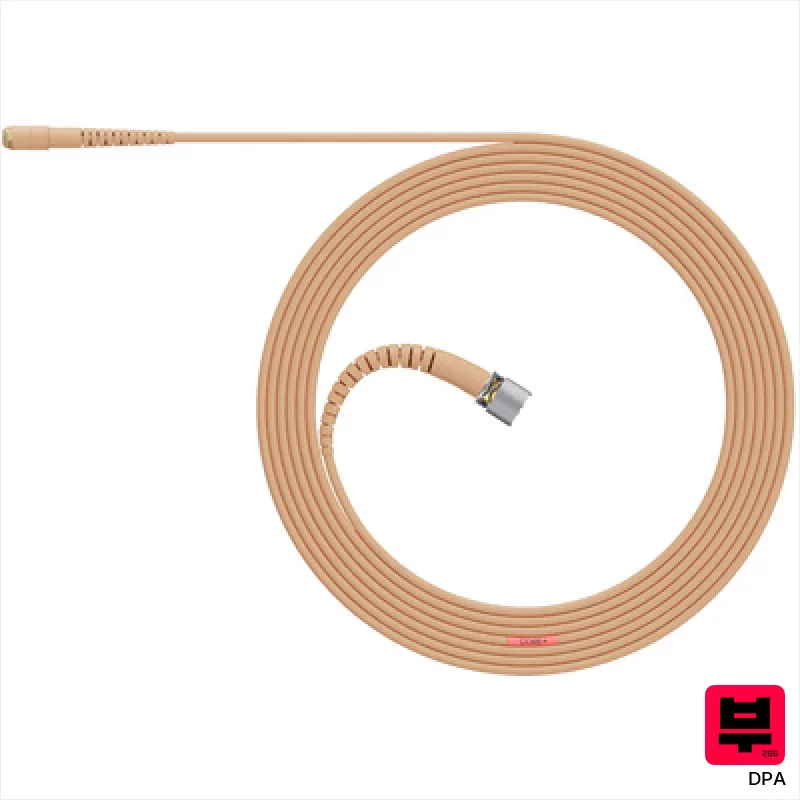
DPA 4661-OP-H-F90
- • Exceptional clarity and detail, even at high SPLs.
- • DPA's renowned build quality ensures lasting reliability.
- • Omnidirectional pickup captures natural, balanced sound.
- • Reduced sensitivity minimizes plosives and proximity effect.
- • MicroLock connector can be fiddly and isn't universally compatible.
- • Beige color isn't ideal for all visual applications; limited aesthetic options.
- • Premium-priced, representing a significant investment for many users.
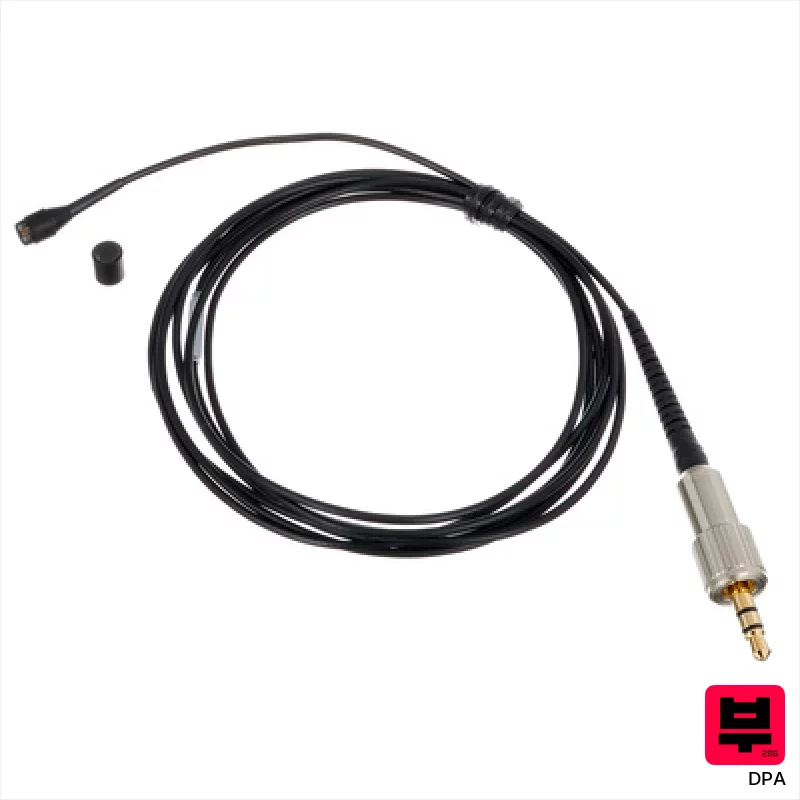
DPA 4060-OC-C-B34
- • Exceptional clarity and detail, even at high SPLs
- • Robust, all-metal construction ensures durability on stage
- • Seamless integration with Sennheiser EW wireless systems
- • Presence boost adds intelligibility to speech and vocals
- • Price point places it in the premium-priced category
- • Omnidirectional pattern picks up unwanted room noise
- • Requires additional accessories for optimal instrument miking
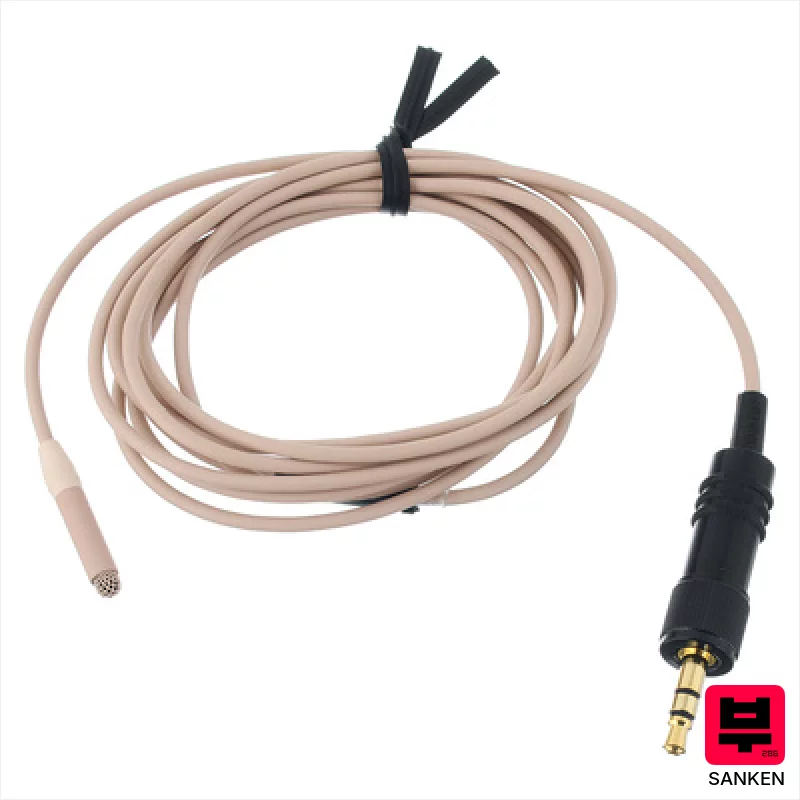
Sanken COS-11D-BE EW
- • Exceptional clarity, captures nuances often missed by cheaper lavs.
- • Robust construction; the beige finish is surprisingly durable.
- • Excellent RF shielding minimizes interference from wireless systems.
- • RM-11 mount isolates from clothing noise; a thoughtful inclusion.
- • The Sennheiser EW connector limits compatibility without an adapter.
- • Omnidirectional pattern picks up *everything* – requires careful placement.
- • Beige color is unusual and might not suit every aesthetic.
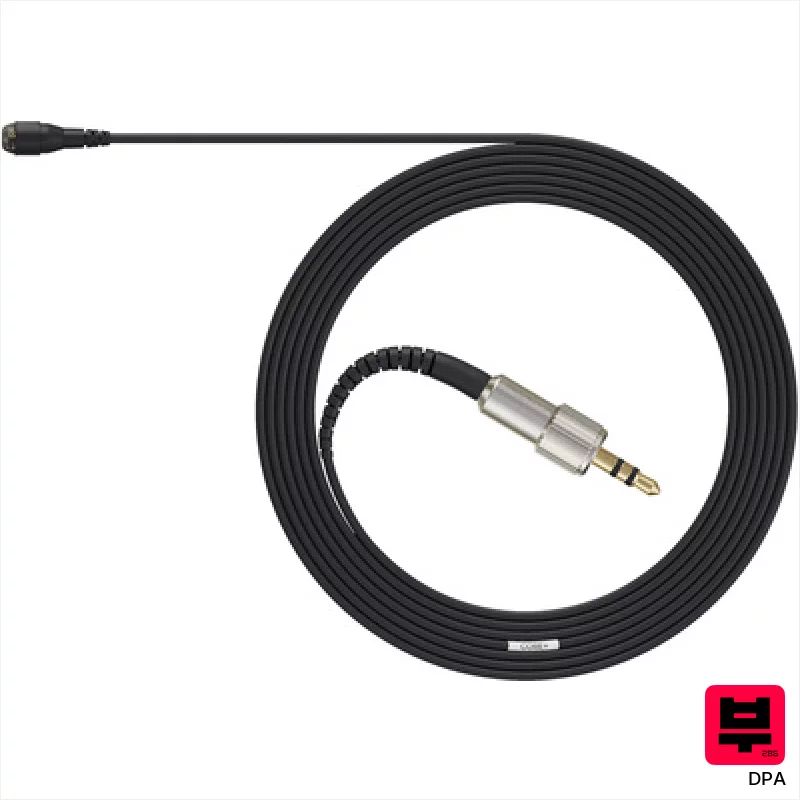
DPA 4060-OP-C-B34
- • Exceptional clarity and detail; captures nuances often lost in lav mics.
- • DPA's renowned robust build quality ensures reliability in demanding environments.
- • Omnidirectional pickup provides consistent sound regardless of speaker movement.
- • +3dB presence boost enhances speech intelligibility without harshness.
- • The EW Mini Jack connector limits compatibility without an adapter.
- • Premium-priced, making it a significant investment for budget-conscious users.
- • Omnidirectional nature can pick up unwanted background noise in loud spaces.
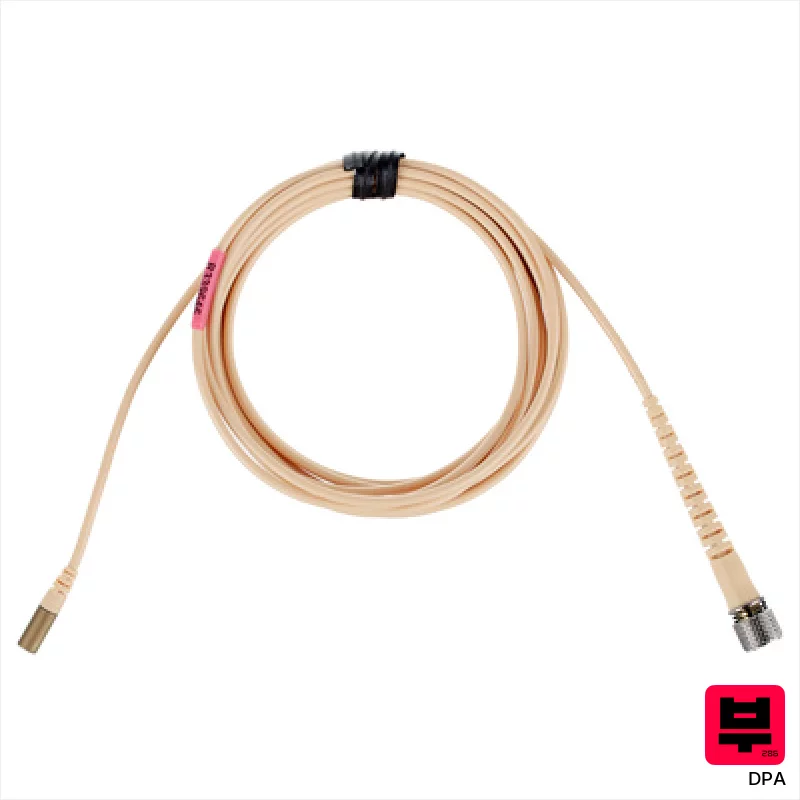
DPA 6061-OC-U-F90
- • Exceptional clarity and detail; captures nuance beautifully across the spectrum.
- • MicroLock mounting system is incredibly secure and minimizes handling noise.
- • Extremely lightweight design (8g) ensures comfortable wear for extended periods.
- • DPA's renowned build quality; robust enough for demanding professional use.
- • Omnidirectional pickup can be problematic in noisy environments; picks up everything.
- • Premium-priced, represents a significant investment for many users.
- • Limited versatility; primarily suited for speech and vocal applications.
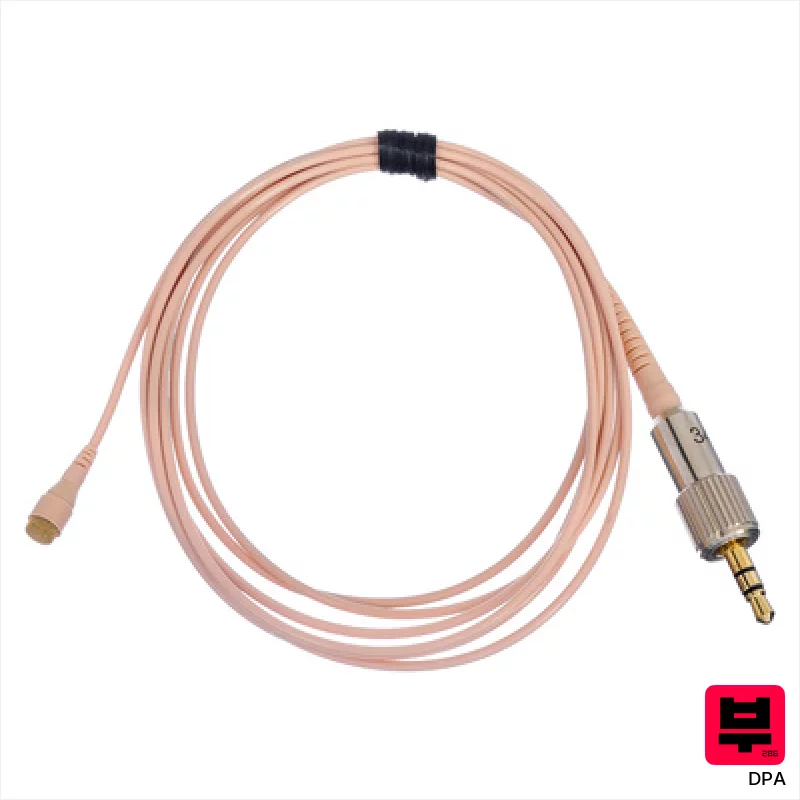
DPA 4061-OP-C-F34
- • DPA's Core+ technology delivers exceptionally clear, natural vocal reproduction.
- • The omnidirectional pattern captures a wide, consistent sound field with minimal proximity effect.
- • The integrated electronic tuner simplifies setup and ensures accurate pitch on location.
- • Robust, lightweight construction from aluminum and durable polymers ensures reliable field use.
- • Omnidirectional nature picks up ambient noise; requires careful environment consideration.
- • Premium-priced, making it a significant investment for budget-conscious users.
- • Limited versatility compared to cardioid mics; not ideal for isolating a single voice.
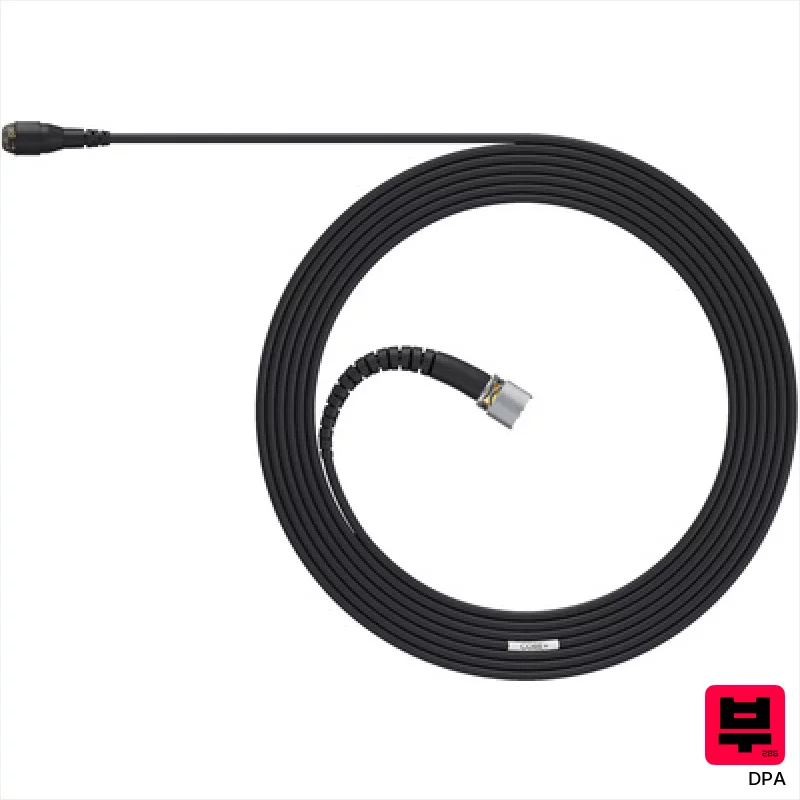
DPA 4060-OP-C-B90
- • Exceptional clarity and detail for nuanced vocal reproduction.
- • MicroLock connector offers secure, reliable connection and minimizes cable snagging.
- • Robust construction using high-quality materials ensures long-term durability.
- • Omnidirectional pickup accurately captures sound from all directions, natural sound.
- • Premium-priced, representing a significant investment for budget-conscious users.
- • Omnidirectional nature can pick up unwanted background noise in untreated environments.
- • MicroLock connector requires specific accessories and can be less universal.
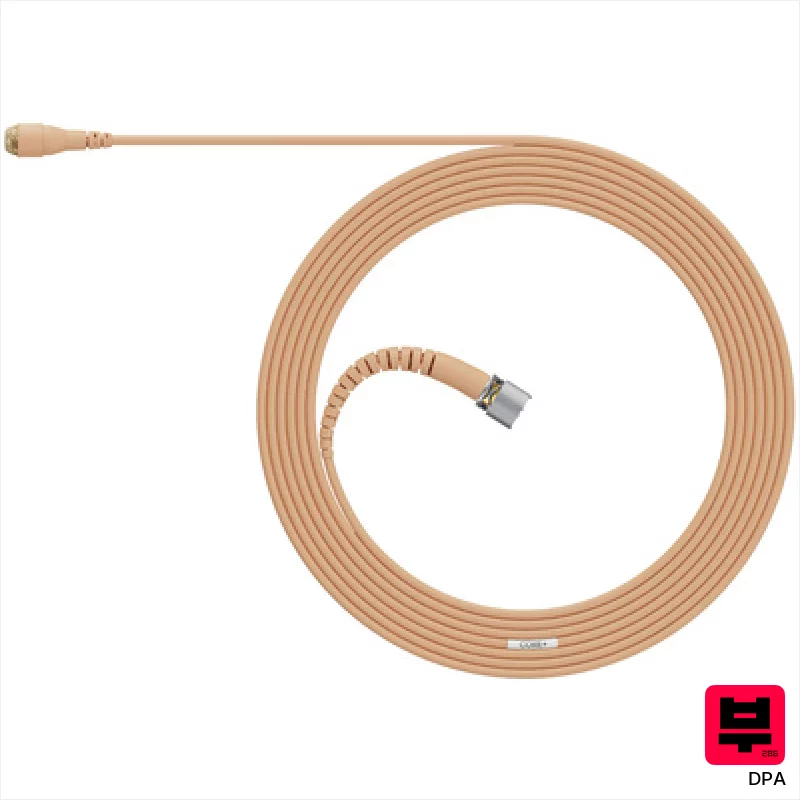
DPA 4060-OP-C-F90
- • Exceptional clarity and detail, revealing nuances in vocal performances.
- • DPA's renowned build quality ensures ruggedness and long-term reliability.
- • The omnidirectional pattern captures natural ambience without coloration.
- • MicroLock connector provides a secure and reliable connection, minimizing noise.
- • Omnidirectional pickup can be problematic in noisy environments.
- • Premium-priced, making it a significant investment for budget-conscious users.
- • Requires a compatible wireless system, adding to the overall cost.
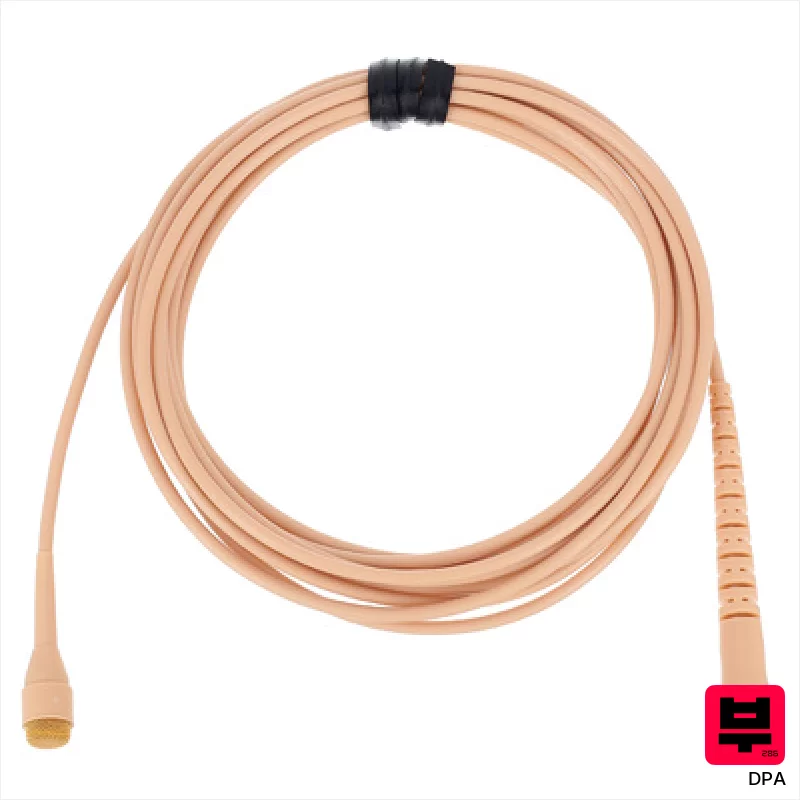
DPA 4063-OC-C-F00
- • Exceptional clarity and detail thanks to the FET preamp
- • DPA’s renowned capsule delivers natural, uncolored sound
- • Low sensitivity ideal for loud environments and dynamic performers
- • Robust construction ensures durability for stage and studio use
- • Premium-priced, a significant investment for budget-conscious users
- • Omnidirectional pickup can be problematic in noisy environments
- • Requires a B+K connector or adapter for most wireless systems
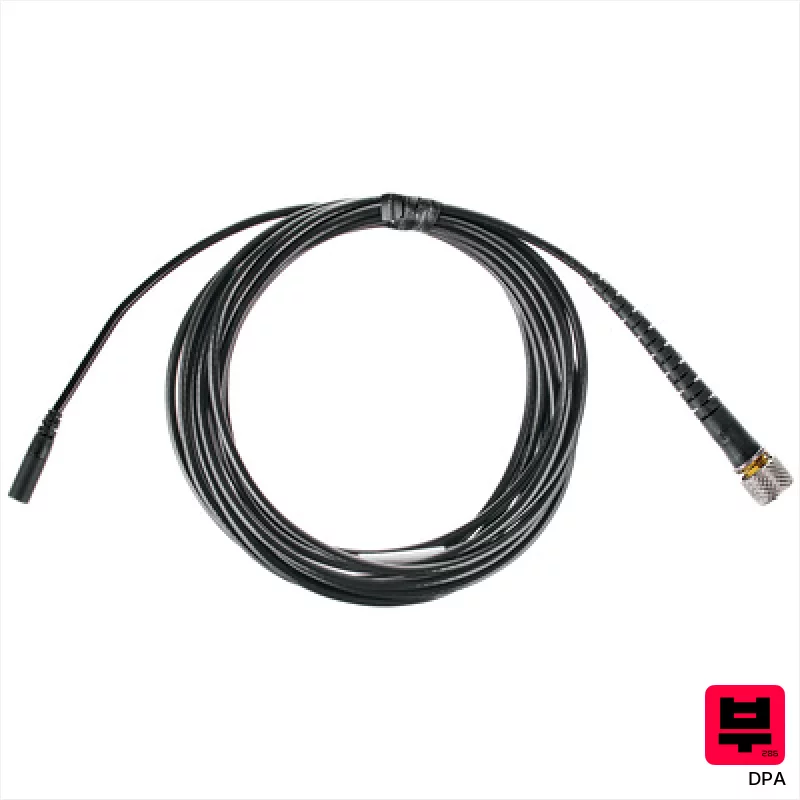
DPA 6060-OC-U-B90
- • Exceptional clarity and detail; captures nuance beautifully.
- • MicroLock system provides incredibly secure and stable attachment.
- • Extremely lightweight; virtually undetectable during use.
- • DPA’s renowned robust build quality; feels premium and durable.
- • Omnidirectional pickup can be problematic in noisy environments.
- • Premium-priced; a significant investment for many users.
- • Limited versatility; designed specifically for close-mic applications.
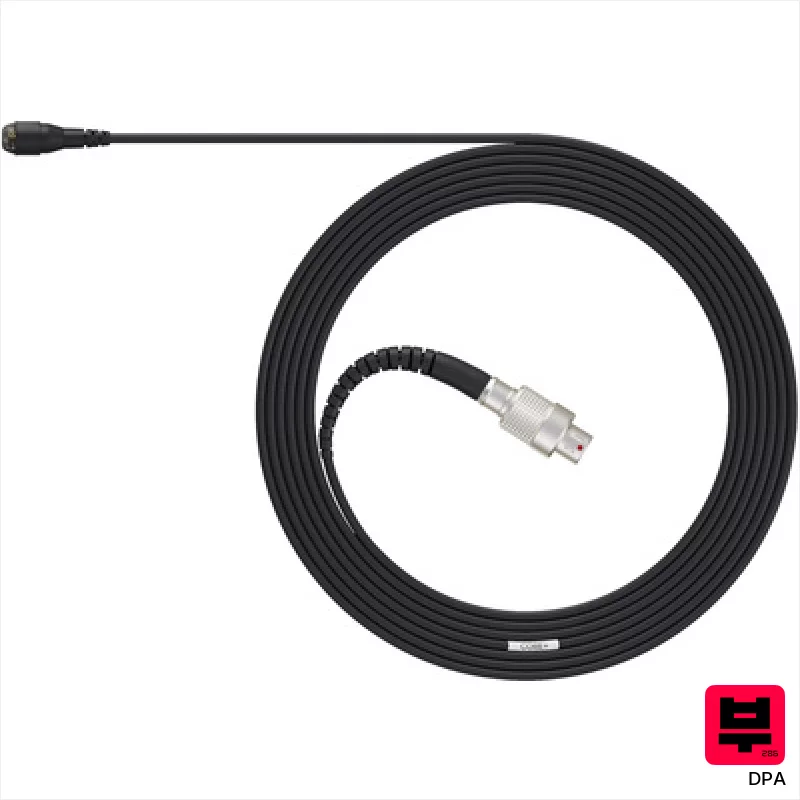
DPA 4060-OP-C-B03
- • Exceptional clarity and detail, even in demanding broadcast environments.
- • DPA's CORE+ technology minimizes distortion at high SPL levels.
- • Robust construction using high-quality materials ensures long-term reliability.
- • Omnidirectional pickup provides natural, consistent sound regardless of speaker position.
- • Premium-priced, representing a significant investment for budget-conscious users.
- • Lemo connector requires compatible wireless systems or adapters, limiting flexibility.
- • Omnidirectional nature can pick up unwanted room ambience or background noise.
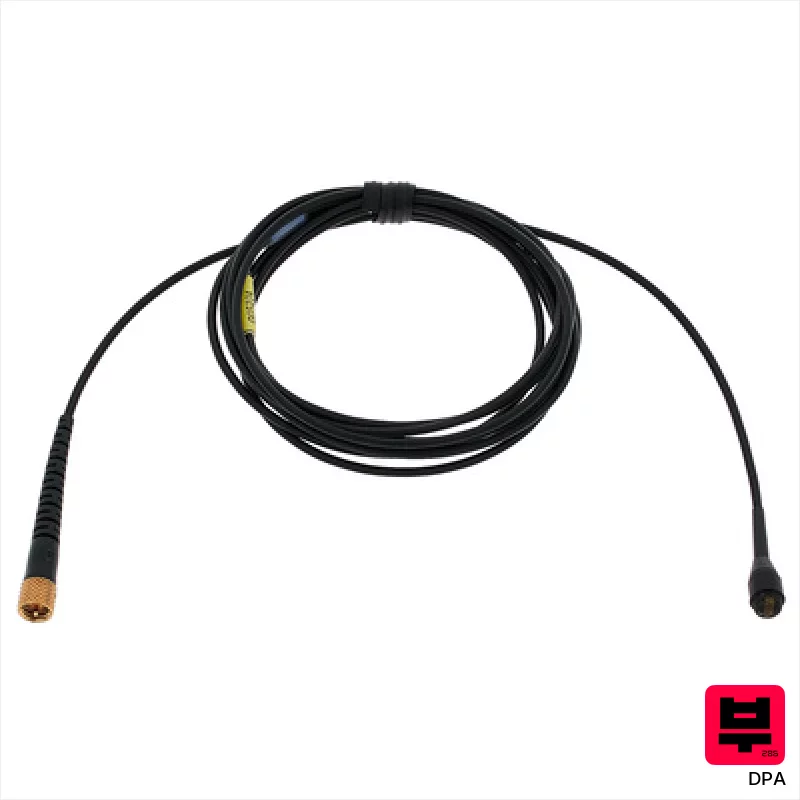
DPA 4062-OC-C-B00
- • Exceptional clarity, captures nuances in speech remarkably well
- • DPA’s renowned build quality – robust and reliable for stage use
- • Omnidirectional pickup handles movement without audio artifacts
- • Presence boost adds air and detail to vocals and instruments
- • Low sensitivity requires a powerful wireless transmitter
- • Premium-priced, a significant investment for many users
- • Omnidirectional nature picks up more room noise and background sounds
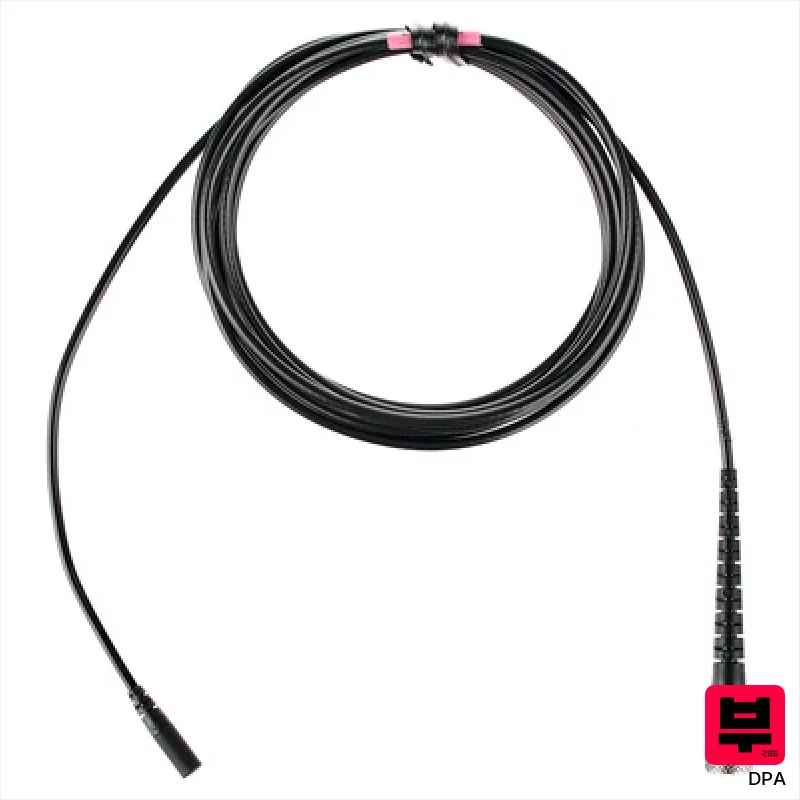
DPA 6061-OC-U-B90
- • Exceptional clarity and detail, even at high SPLs.
- • MicroLock system provides secure, reliable attachment.
- • Remarkably lightweight for extended wear and minimal interference.
- • DPA’s renowned acoustic design delivers a natural, balanced sound.
- • Premium-priced, a significant investment for many users.
- • Omnidirectional pickup can be problematic in noisy environments.
- • Limited flexibility; designed specifically for clip-on applications.
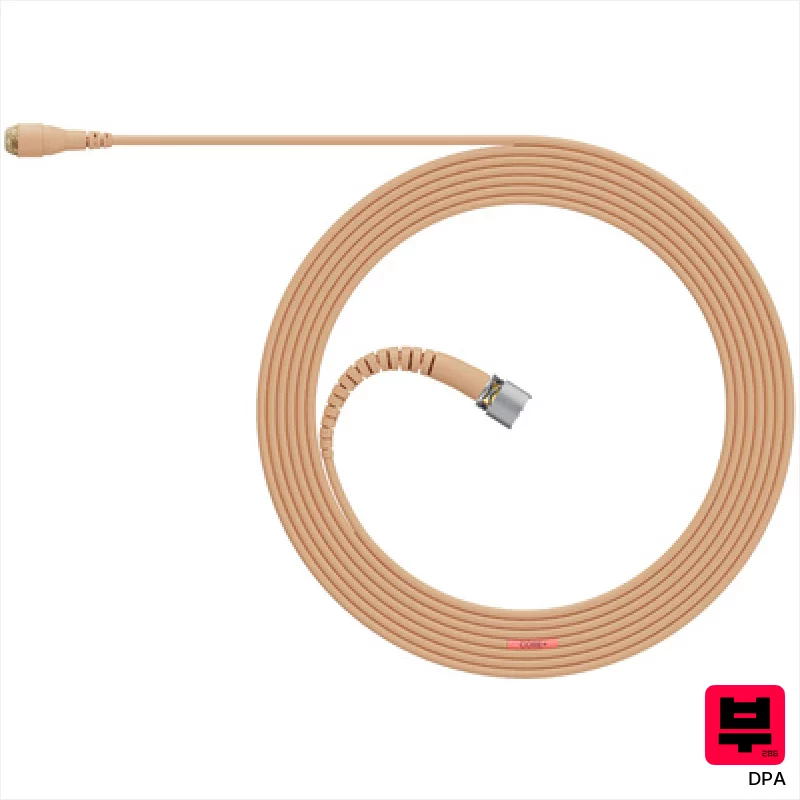
DPA 4061-OP-C-F90
- • Exceptional clarity and detail, even in noisy environments.
- • DPA's Core+ technology delivers remarkably low distortion.
- • The omnidirectional pattern captures natural room ambience effectively.
- • Robust construction; feels durable despite its small size.
- • Micro Lock connector can be fiddly and requires careful handling.
- • Beige color isn't universally appealing for all applications.
- • Reduced sensitivity necessitates a good preamp for optimal gain.
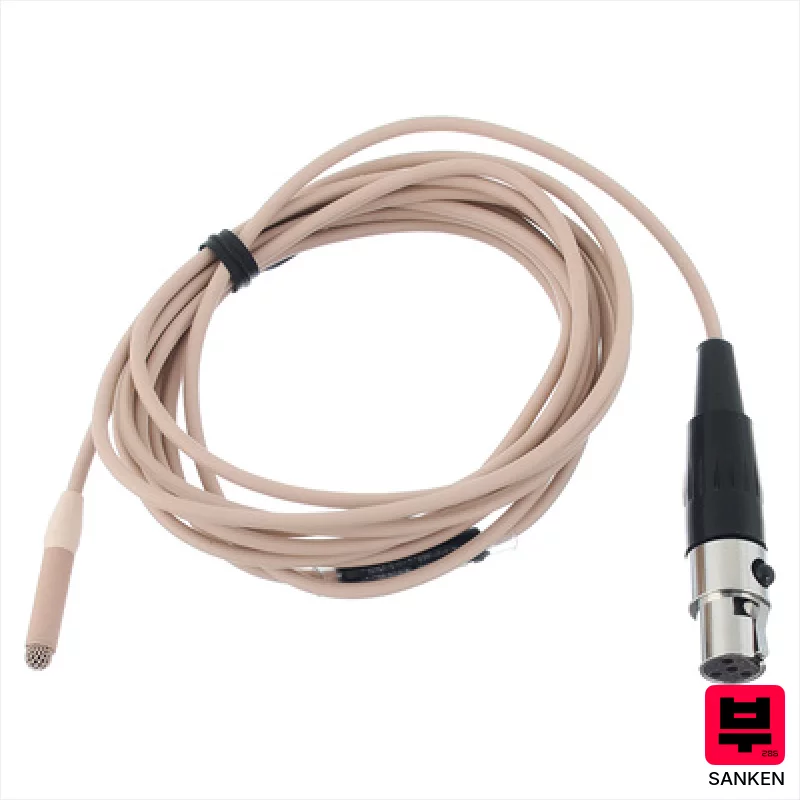
Sanken COS-11D-BE Shure
- • Exceptional clarity and detail, even in noisy environments.
- • The Shure TQG connector ensures robust and reliable connections.
- • Excellent splash resistance for on-location recording flexibility.
- • RM-11 mount minimizes handling noise and cable drag effectively.
- • Price point places it firmly in the professional, premium category.
- • Omnidirectional pattern isn't ideal for isolating a single voice.
- • Cable length, while adequate, might require extension for some setups.
How to Choose the Best Lapel Microphones
Tonal Balance
Theater needs clarity, but not harshness. We're looking for a mic that captures vocal nuances without a brittle high-end or a muddy low-end. That 'ice-picky' top end will fatigue the audience, while a lack of definition makes actors sound indistinct - especially when multiple people are speaking at once.
Sensitivity & Handling Noise
The quieter, the better. You don't want the mic itself to become a distraction with pops, clicks, or a constant hiss. This is especially crucial for quieter actors or those delivering emotional, subtle performances.
Durability & Comfort
These mics are getting tossed around on stage, clipped to costumes, and generally abused. They need to be able to take a beating and not dig into actors' skin. A flimsy clip or brittle cable is a recipe for disaster.
Feedback Rejection
This is critical in a theatrical setting with multiple microphones and PA speakers. A mic that's prone to feedback will make the sound engineer's life miserable and ruin the show.
Polar Pattern & Off-Axis Rejection
A tight cardioid pattern is ideal. It focuses on the actor's voice and minimizes bleed from other mics or stage noise. Poor off-axis rejection means you'll pick up everything - the rustling of costumes, the clatter of props - and that's just noise pollution.
Buying Guide
Don't cheap out completely. A $20 mic will sound like a $20 mic, and the build quality will reflect that. You'll often get a thin, brittle sound and a clip that falls off. Spending a bit more ($50-$150) gets you a mic with a more natural tone, better rejection, and a clip that won't fail mid-show. Consider a few extra to have backups, because stage life is rough on gear.
Our Methodology
We're not just looking at spec sheets here. We've put these mics through the wringer: live rehearsals with full casts, quiet solo lines, and even some basic recording tests to see how they handle dynamics. It's about how they feel on stage and how they translate to the audience - that's what matters.

