AudioFu Chart · October 2026
Best Lapel Microphones Under $100 2026
The top pick is RODE Lavalier Go Microphone ($56). Behringer BC Lav GO Clip-on Cardioid Condenser Lavalier Microphone… gives you the most for the money at $12. Shure MOTIV MV5 Lightning / USB Condenser Microphone leads the high end. Ranked by the AudioFu Index from 17 models across 9 brands, prices checked every night.
Last updated: October 21, 2026
Top 10
Full detail for the 10 highest AudioFu Index scores. Every other model is listed below.
-
The Rode Lavalier GO White is a seriously handy little mic for anyone needing a clean, discreet audio capture – think interviewers, vloggers, or podcasters. The sound quality is surprisingly good for its size, and the build feels solid thanks to that Kevlar cable. Just be mindful of the omnidirectional pickup, as it'll grab everything in the room.
Pros
- Kevlar cable offers excellent durability, resisting wear and tear.
- Compact size and lightweight design make it discreet and comfortable.
- Gold-plated TRS connector ensures reliable signal transfer and minimizes noise.
Cons
- Limited cable length restricts placement options, especially for dynamic movement.
- Omnidirectional pickup captures unwanted background noise, requiring careful environment selection.
67AudioFu
Index↓ 15.3%since Aug 17 · lowest so far$66 · Aug 17$56 now$56€50 at Thomann · in stockCheck price ↗ -
Shure MOTIV MV5 Lightning / USB Condenser Microphone
Motiv MVL/A · Shure
56 for sale on Reverb1 finish at Thomann
The Shure MVL/A is a surprisingly capable little lav mic for the price. It's ideal for vloggers, podcasters, or anyone needing clear audio from a mobile device—the build quality is solid, and it's easy to use. Don't expect studio-grade performance, but for everyday recording, it’s a great value.
Pros
- Excellent signal-to-noise ratio minimizes background hum and hiss
- The included foam windscreen effectively reduces breath pops and wind noise
- Durable metal clip offers secure and stable attachment to clothing
Cons
- Cable length is somewhat limiting for more dynamic movement
- Sound quality, while good, lacks the nuanced detail of higher-end lav mics
-
Audio-Technica AT829CW Mini-Cardioid Condenser Lavalier Microphone
AT829 W · Audio-Technica
21 for sale on Reverb1 finish at Thomann
This AT829W is a workhorse lavalier mic, plain and simple. It's incredibly reliable for broadcast, interviews, and presentations where you need clean, consistent audio without a lot of fuss. Perfect for production crews and anyone needing a dependable wireless mic solution.
Pros
- Excellent off-axis rejection minimizes room noise and handling sounds
- TQG connector ensures reliable connection with Audio-Technica wireless systems
- Small and unobtrusive design ideal for discreet placement on talent
Cons
- Limited frequency response compared to studio-grade microphones
- Cable can be prone to snagging and tangling with frequent use
-
- Weight0.026 kg
The WS 100 ML is a budget-friendly option for basic presentations or amateur theater where portability is key. Don’t expect studio-quality audio, but it gets the job done for straightforward vocal capture and is a good match for the WS 100/1616 beltpack systems. It's a workhorse, not a showstopper.
Pros
- Surprisingly robust clip for secure attachment to clothing
- Cardioid pattern effectively rejects off-axis noise
- Lightweight design minimizes movement and handling noise
Cons
- Thin cable feels fragile and prone to damage
- Sound quality lacks detail and warmth for critical recordings
-
Behringer BC Lav GO Clip-on Cardioid Condenser Lavalier Microphone…
BC LAV Go · Behringer
2 for sale on Reverb1 finish at Thomann
- Size8"
Okay, look, for $12, you can't really complain. This Behringer LAV Go is a surprisingly decent little lapel mic – great for vloggers, lecturers, or anyone who needs a basic, hands-free solution. Just be mindful of the impedance; it'll need a little juice to really shine, but it's a solid entry point for budget-conscious creators.
Pros
- Surprisingly robust clip design handles movement well.
- Gold-plated connector minimizes oxidation and signal loss.
- Cardioid pattern effectively rejects off-axis noise.
Cons
- 680 Ohm impedance requires a preamp for optimal gain and low noise.
- Thin cable feels somewhat fragile, prone to kinking with rough handling.
-
The XS Lav Mobile is a surprisingly capable little mic for vloggers and mobile content creators on a budget. It's super easy to use, clips securely, and delivers clean vocal recordings when background noise isn’t a major concern. Don't expect studio-grade audio, but it's a solid starting point for basic mobile recording needs.
Pros
- Decent sensitivity for mobile recording, captures voice clearly
- Lightweight and unobtrusive for on-the-go use
- Simple TRRS connection is universally compatible
Cons
- Omnidirectional pickup grabs unwanted background noise easily
- Cable length is limiting for some shooting scenarios
-
The XS Lav USB-C is a surprisingly capable little mic for content creators on the go. It’s fantastic for podcasters, vloggers, or anyone needing clean audio from a lavalier without a complex setup – especially if you’re already in the USB-C ecosystem. The audio quality is genuinely impressive for something in this price bracket.
Pros
- Excellent audio quality for the price, surprisingly clean recordings
- USB-C connectivity simplifies mobile recording workflows
- Lightweight and unobtrusive for comfortable extended wear
Cons
- Omnidirectional pickup can be problematic in noisy environments
- Cable length, while long, can be a tangle hazard
-
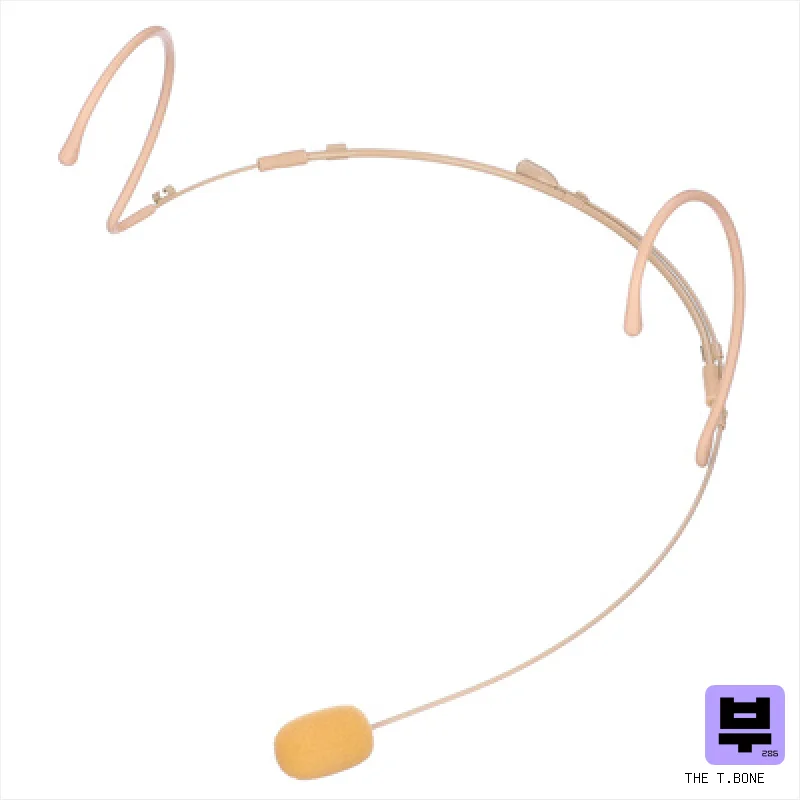
The t.bone BodymiKe is a surprisingly capable little lavalier, especially if you’re already in the AKG/t.bone wireless ecosystem. It’s ideal for spoken word, presentations, or even quieter vocal performances where you need a discreet and budget-friendly solution – just be mindful of the impedance and ensure you have adequate gain available.
Pros
- Lightweight design minimizes movement and noise during use
- Omnidirectional pickup captures clear audio from all directions
- TQG connector offers seamless integration with AKG/t.bone wireless systems
Cons
- The 300 Ohm impedance requires a preamp or microphone input for optimal gain
- The beige color might not suit all aesthetic preferences or stage lighting
-
The t.bone BodymiKe is a surprisingly capable little lavalier mic, especially if you're already in the AKG wireless ecosystem. It's a budget-friendly option for vloggers, presenters, or musicians needing discreet audio capture, but remember you’ll need phantom power for it to work – it's not a plug-and-play solution for everything.
Pros
- Lightweight design minimizes movement and fatigue during extended use
- TQG connector offers seamless integration with AKG wireless systems
- Omnidirectional pickup captures clear audio from all directions
Cons
- The 300 Ohm impedance requires a preamp or microphone interface
- Cable length could be limiting for some performance scenarios
-
The Shure CVL is a solid, budget-friendly lavalier, perfect for presenters, vloggers, or anyone needing clean, intelligible audio without a lot of fuss. It's not going to replace a broadcast-quality mic, but for the price, it delivers surprisingly good performance and Shure's reliability is always a plus.
Pros
- Excellent off-axis rejection minimizes background noise effectively
- TQG connector ensures seamless integration with Shure wireless systems
- Lightweight design provides comfortable wear for extended periods
Cons
- Cable is relatively short, limiting placement flexibility
- Sound quality leans slightly clinical, lacking warmth for some vocal styles
All 17 lapel microphones
Same index, same nightly prices — compact. Colour options of one model share a row. Tap a photo to zoom.
- 11
the t.bone LC 97 TWSthe t.bone32Stable$22€20$22€20Check ↗
- 12
the t.bone BodymiKe - Black Shurethe t.bone32Stable$44€39$44€39Check ↗
- 13
the t.bone BodymiKe - Tan Shurethe t.bone32Stable$55€49$55€49Check ↗
- 14
RODE RODELink LAV Omnidirectional Lavalier MicrophoneRODELink LAV · Rode30Stable$93€83$93€83Check ↗
- 15
XVive LV1 Prof Lavalier MicrophoneXVive29Stable$45€40$45€40Check ↗
- 16
XVive LV2 Prof Lavalier MicrophoneXVive29Stable$79€70$79€70Check ↗
- 17
Tascam TM-10 LBTascam28Stable$89€79$89€79Check ↗
Lapel Microphones by the numbers
Measured across all 21 models we track, not a sample.
Median $55 — half of all lapel microphones here cost less.
How to choose the best lapel microphones
Frequency Response
Most in this price range will be fairly limited - expect a slight mid-forward emphasis to help cut through a mix, but watch out for a rolled-off low end. You won't get that deep low-end thump you'd get from a studio condenser.
Sensitivity
Crucial for quiet sources. Lower sensitivity means you'll need more gain, which can introduce noise. Look for something that can handle a decent signal without needing to crank the preamp to eleven.
Noise Floor
This is the big one. Cheap mics often have noticeable hiss or hum. Listen closely to recordings - you want a clean signal, not extra artifacts you'll have to fight in post.
Durability
Let's be real, these are often clipped to clothing and subjected to abuse. Construction quality matters - a flimsy clip or brittle cable is a recipe for disaster.
Polar Pattern
Most will be omnidirectional, which is great for capturing a natural sound but also picks up a lot of room noise. Consider that if you're in a less-than-ideal recording environment.
Buying guide
Alright, so you need a lav mic for vocals, podcasting, or maybe even discreetly miking an acoustic guitar for practice? Spending hundreds on a Neumann lav isn't gonna happen, and frankly, you don't need it. We've hunted down the best lapel mics you can snag for under $100 - mics that'll actually give you usable results without sounding like you're recording through a tin can. Let's cut through the noise and find you a good option.
At this price point, you're making trade-offs. Don't expect pristine audio. The biggest corner that gets cut is in the capsule itself - you'll notice a lack of detail and dynamic range compared to higher-end options.
Prioritize a low noise floor over a super-wide frequency response; a clean signal is always better than a muddy one. If you need something for serious recording, save up a bit more - but for practice, podcasting, or basic vocal reinforcement, these can do the job.
How the AudioFu Index works
Five measured signals and nothing else — no stars from strangers, no “tested by experts” we didn’t do. The weights are fixed and public. We don’t play these instruments; we measure the market around them.
This chart covers 21 lapel microphones from the Thomann catalogue. Before you buy, read hands-on reviews and, where you can, play it. Full methodology.
AudioFu earns a commission when you buy through our Thomann links. It never changes the order — the index does.
- Demand40%
How many of this exact model are for sale on Reverb right now — what musicians actually buy and resell.
- Lineup20%
How many finishes Thomann stocks — makers expand the models that sell.
- Price15%
Where the price has moved since we started tracking in August.
- Specs15%
How completely the maker documents it.
- Maker10%
How deep the brand’s range is in this category.
Questions
Will this mic sound as good as a Shure SM58?
No, absolutely not. The SM58 is a legendary dynamic mic, and lav mics operate on a completely different principle. This is for close-miking, not stage performance.
Can I use this for recording a full band?
You can, but don't expect miracles. It'll be fine for vocals or acoustic guitar, but it won't capture the nuances of drums or amps. Think of it as a supplementary mic, not the main recording tool.
What does 'omni-directional' actually mean?
It picks up sound equally from all directions. That's great for capturing a natural sound, but also means it's very sensitive to room reflections and background noise.
How do I reduce noise when using a cheap lav mic?
Record in a quiet space, use a pop filter if possible, and be careful with your preamp gain - too much gain amplifies the noise floor too. Experiment with mic placement to minimize room reflections.
Are these mics compatible with my smartphone?
Most will be, but you'll likely need a TRRS to TRS adapter (the headphone jack kind). Check your phone's documentation to be sure. The audio quality through a phone's mic preamp isn't stellar either, so manage your expectations.