
Best Lapel Microphones Under $1,000 2026
So, you need a lav mic, huh? Whether it's for tracking vocals, livestreaming, or finally getting that podcast off the ground, a good lapel mic doesn't have to drain your bank account. We're focusing on the sub-$1000 range - enough to get genuinely usable quality without needing a second mortgage. Let's find you a mic that cuts through without breaking the bank.
Last updated: April 11, 2026
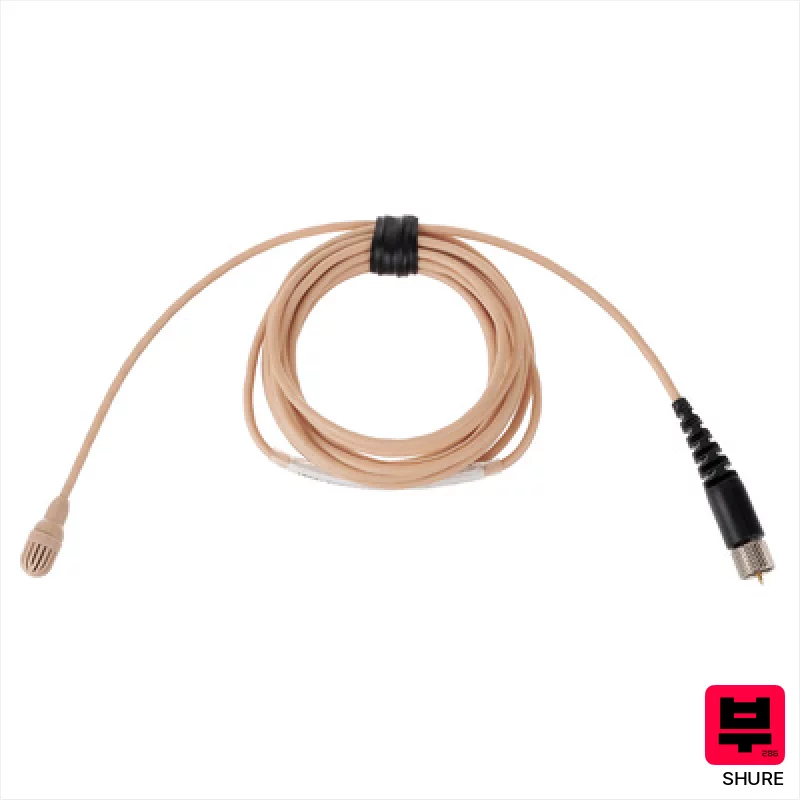
Shure TL47T/O-MDOT-A TwinPlex Lav
- • Excellent off-axis rejection minimizes background noise effectively
- • TwinPlex design offers improved cable management and durability
- • The neutral sound signature captures voices with clarity and detail
- • Water-repellent capsule protects against moisture and sweat
- • Microdot connector requires adapters for broader compatibility
- • Cable length is somewhat restrictive for certain applications
- • Premium-priced compared to basic lavalier microphone options
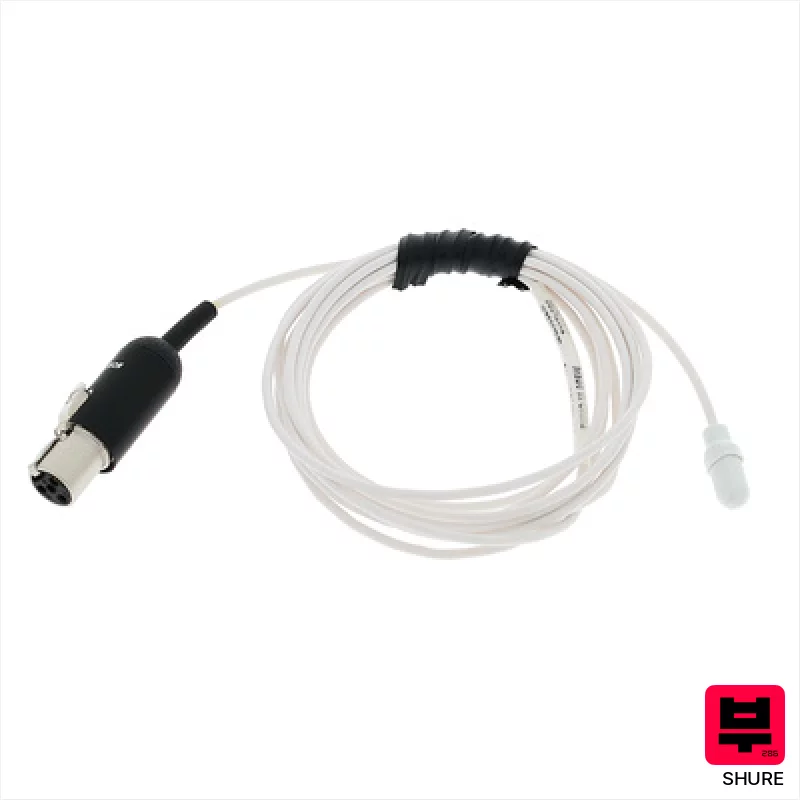
Shure DL4W/O-MTQG-A DuraPlex Lav
- • DuraPlex cable eliminates kinks, memory, and simplifies paint integration.
- • MEMS capsule delivers clean, natural audio with impressive dynamic range.
- • IP57 rating provides robust protection against dust and water exposure.
- • Presence Cap offers a simple tonal adjustment for enhanced vocal clarity.
- • Omnidirectional pickup can be problematic in noisy environments.
- • Limited versatility compared to switchable polar pattern mics.
- • The miniature capsule might be too small for some clothing types.
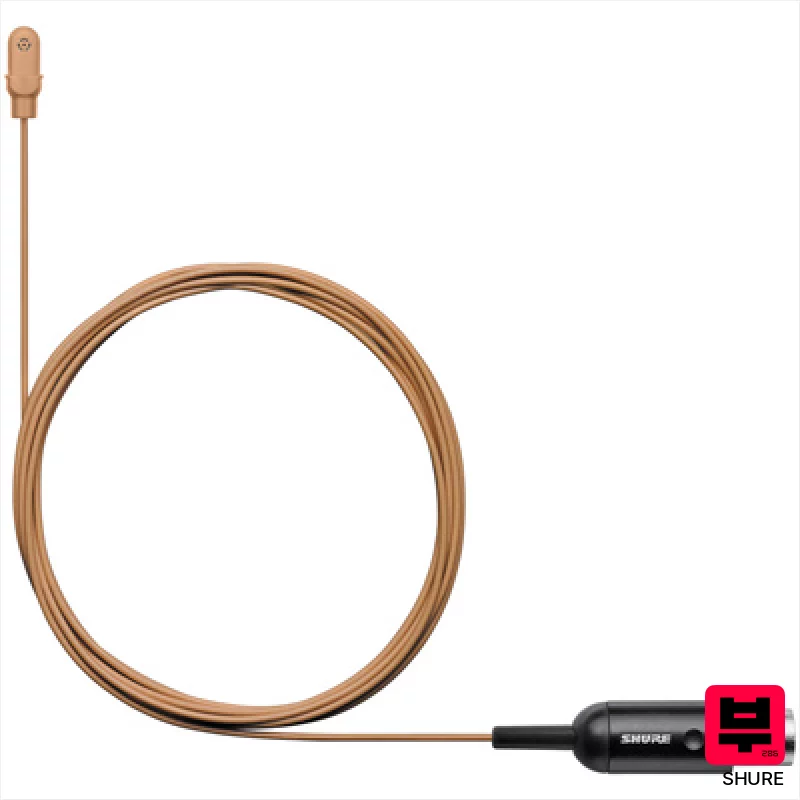
Shure DL4C/O-MTQG-A DuraPlex Lav
- • DuraPlex cable eliminates kinks and memory, a huge reliability boost.
- • MEMS capsule delivers impressively clean, natural vocal reproduction.
- • IP57 rating provides excellent protection against dust and water ingress.
- • Presence cap offers subtle vocal clarity enhancement for broadcast or stage.
- • Omnidirectional pickup can be problematic in noisy environments.
- • Cable, while durable, is not easily replaceable by the user.
- • Premium-priced, potentially limiting accessibility for budget-conscious users.
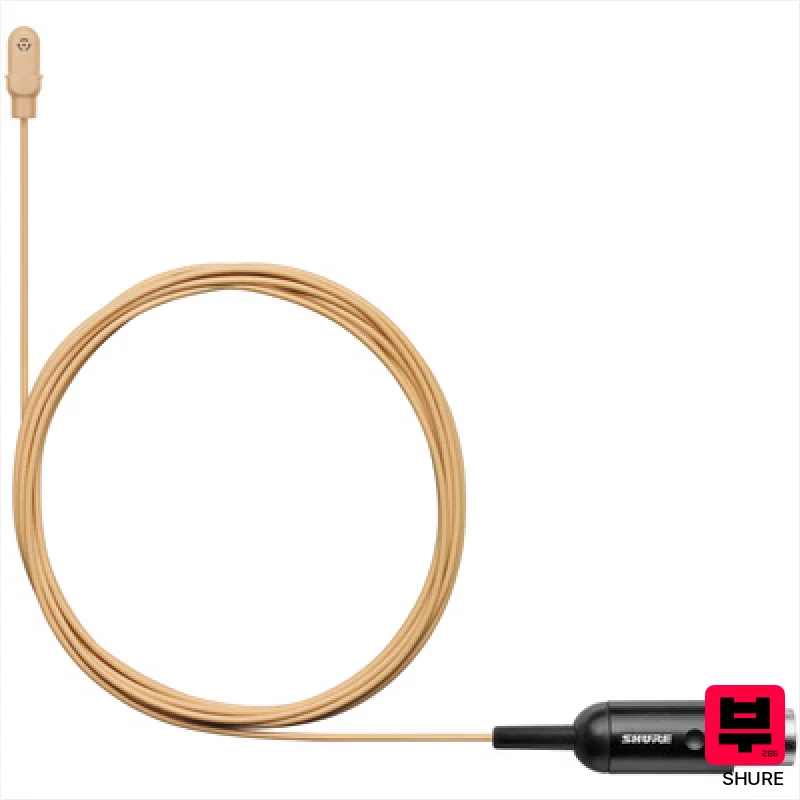
Shure DL4T/O-MTQG-A DuraPlex Lav
- • DuraPlex cable eliminates kinks and memory, a huge workflow boost.
- • MEMS capsule delivers remarkably clean, natural vocal reproduction.
- • IP57 rating provides robust protection against dust and moisture.
- • Presence Cap subtly enhances clarity for speech and performance.
- • Omnidirectional pickup can be challenging in noisy environments.
- • Limited frequency response compared to studio condenser mics.
- • The small capsule size might be fragile with rough handling.
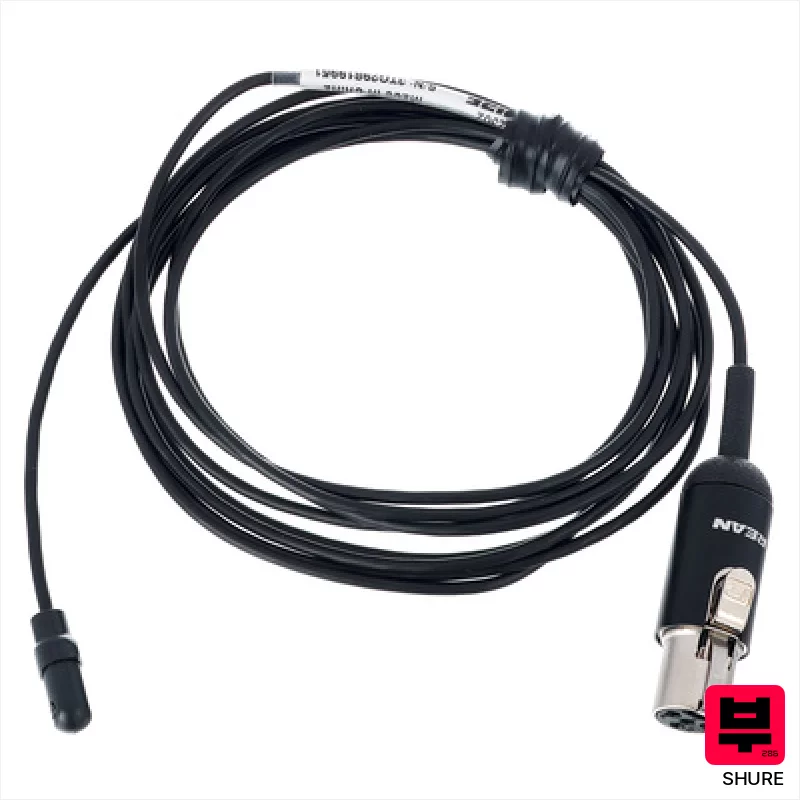
Shure DL4B/O-MTQG-A DuraPlex Lav
- • DuraPlex cable eliminates kinks, offering exceptional durability.
- • MEMS capsule delivers a surprisingly natural, full vocal reproduction.
- • IP57 rating ensures reliable performance in challenging environments.
- • Presence cap offers subtle vocal clarity boost for improved intelligibility.
- • Omnidirectional pickup is susceptible to background noise and room reflections.
- • The capsule's small size may require careful placement for optimal results.
- • Price point places it at the higher end of lavalier microphone options.
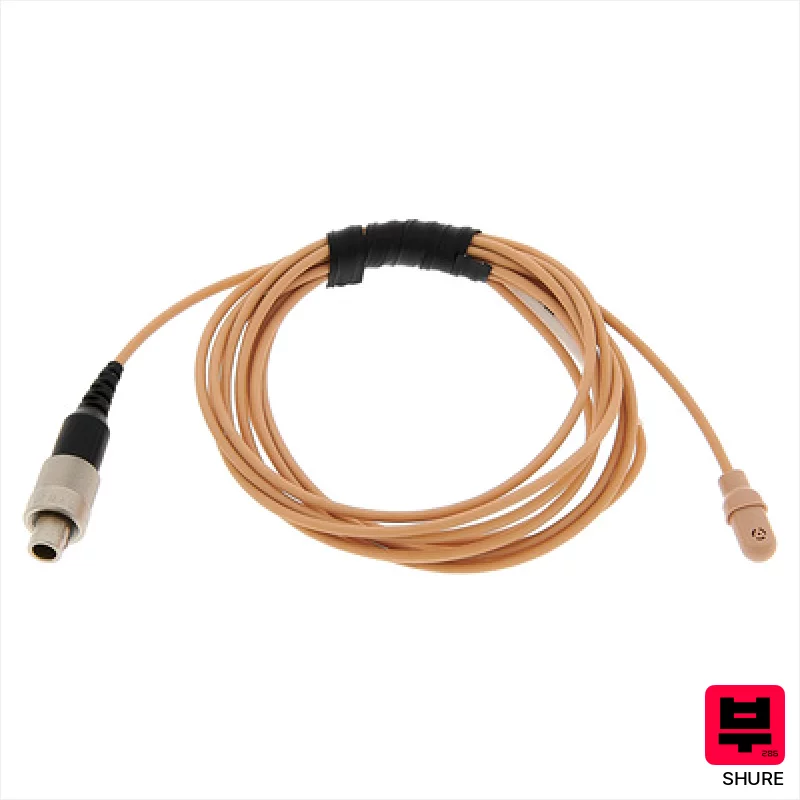
Shure DL4T/O-LM3-A DuraPlex Lav
- • Shure’s Plex cable resists kinks and memory, a huge workflow upgrade.
- • MEMS capsule delivers consistently clean, natural vocal reproduction.
- • IP57 rating provides robust protection against dust and water exposure.
- • Presence Cap subtly enhances clarity, useful for less-than-ideal acoustics.
- • Omnidirectional pickup can be challenging in noisy environments.
- • The diminutive size might make it difficult to locate for some users.
- • The price point puts it firmly in the professional, not hobbyist, category.
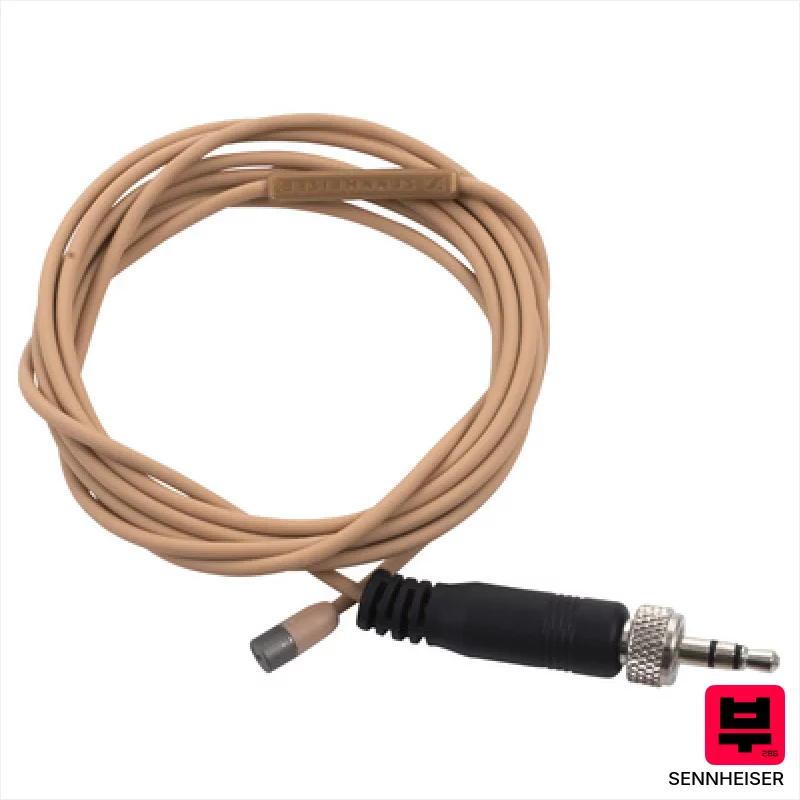
Sennheiser MKE 2 (Beige EW)
- • Excellent off-axis rejection minimizes room noise effectively.
- • The Sennheiser capsule delivers a surprisingly natural, detailed sound.
- • Robust construction with sweat-resistant materials inspires confidence.
- • Mini-jack EW connector provides reliable, secure connection to wireless systems.
- • Omnidirectional pickup can be challenging in noisy environments.
- • Higher impedance requires a preamp or compatible wireless system.
- • Cable length is somewhat limited for certain shooting scenarios.

Shure TL46T/O-MTQG TwinPlex Lav
- • Exceptional clarity for dialogue, minimizing post-production noise
- • TwinPlex design rejects clothing rustle effectively
- • Durable, water-repellent capsule protects against moisture
- • Cable paintability allows for discreet, custom integration
- • Omnidirectional pickup can be problematic in noisy environments
- • Relatively short cable length limits placement flexibility
- • Premium-priced compared to budget lavalier options
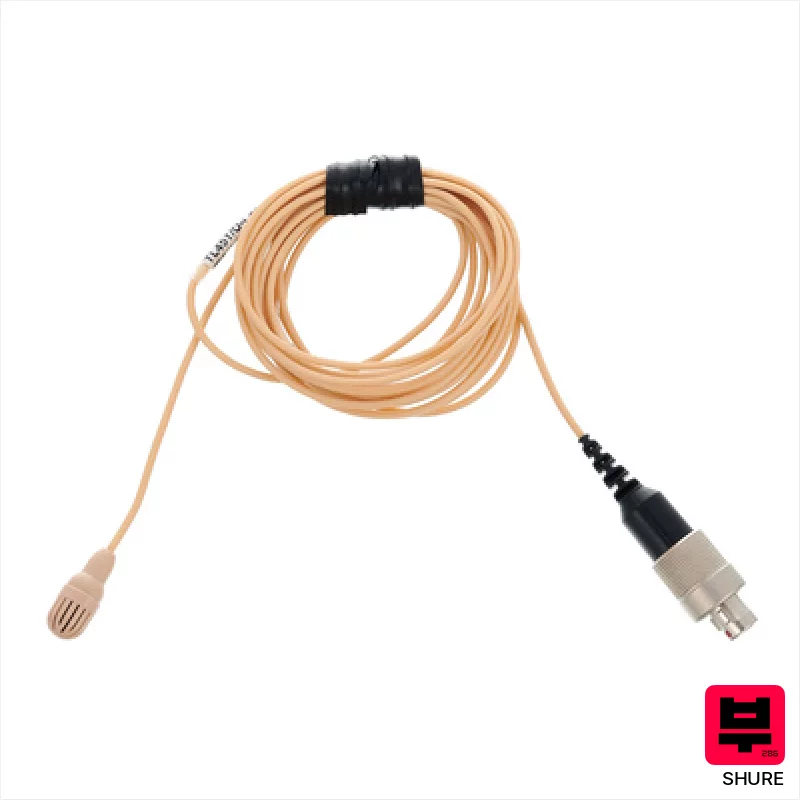
Shure TL45T/O-LEMO TwinPlex Lav
- • Exceptional clarity and natural vocal reproduction thanks to the double membrane capsule.
- • Lemo connector provides a robust and reliable connection, minimizing noise.
- • Cable can be painted for discreet integration into costumes or set designs.
- • Water-repellent capsule protects against moisture and sweat during performances.
- • The beige color might not suit all aesthetic preferences or blending requirements.
- • Premium-priced, making it a significant investment for casual users.
- • Omnidirectional pickup can be challenging in noisy environments, capturing unwanted sounds.
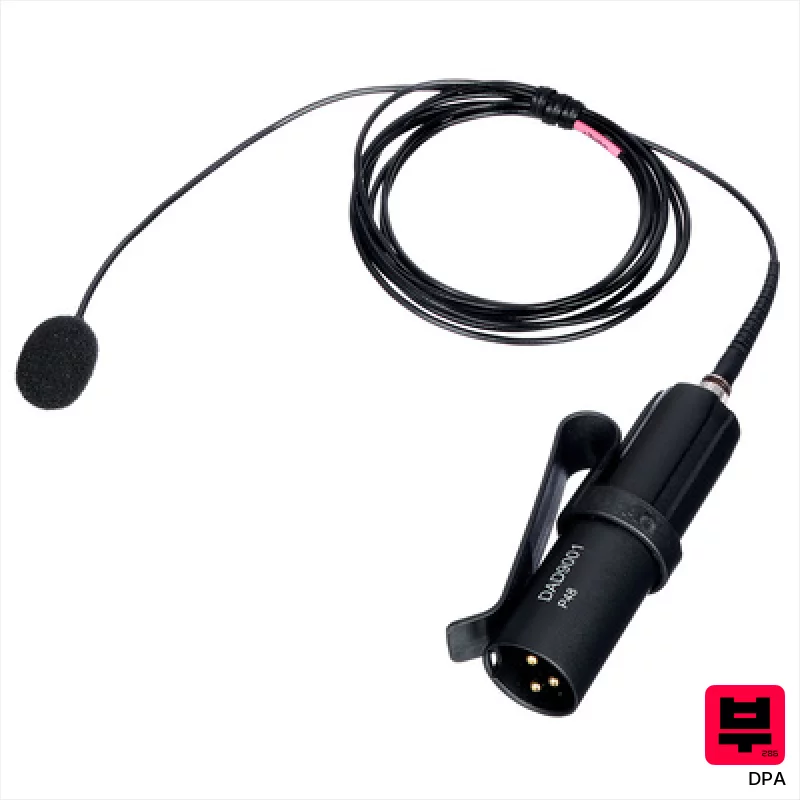
DPA KIT-4061-OP-IMK
- • Exceptional clarity and detail, true to the source signal.
- • DAD 6001 adapter provides flexible phantom or XLR power options.
- • Robust build quality; DPA’s known durability is evident.
- • Versatile mounting options cater to diverse instrument applications.
- • Premium-priced, represents a significant investment for many users.
- • Omnidirectional pickup can be problematic in noisy environments.
- • Limited cable length necessitates careful placement or extension.
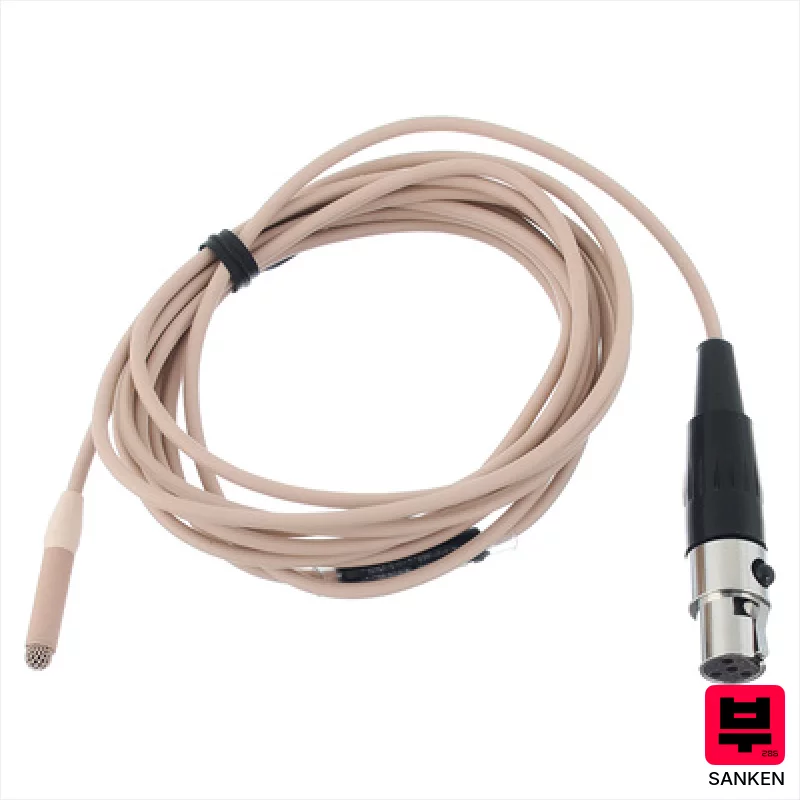
Sanken COS-11D-BE Shure
- • Exceptional clarity and detail, even in noisy environments.
- • The Shure TQG connector ensures robust and reliable connections.
- • Excellent splash resistance for on-location recording flexibility.
- • RM-11 mount minimizes handling noise and cable drag effectively.
- • Price point places it firmly in the professional, premium category.
- • Omnidirectional pattern isn't ideal for isolating a single voice.
- • Cable length, while adequate, might require extension for some setups.
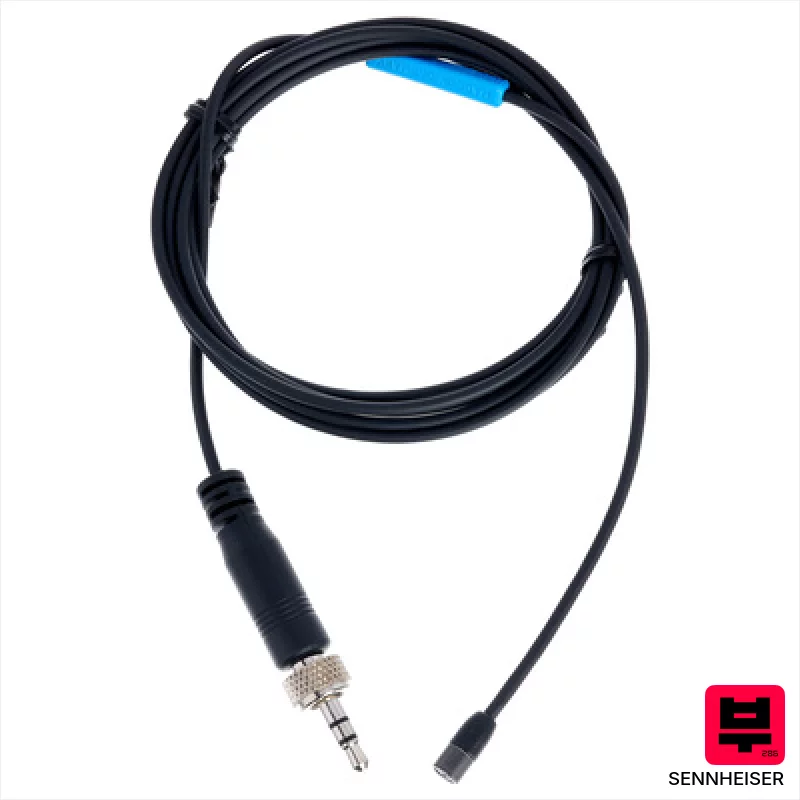
Sennheiser MKE 2 (Black EW)
- • Excellent off-axis rejection minimizes background noise effectively.
- • Robust, sweat-resistant design suitable for demanding on-location work.
- • The mini-jack EW connector simplifies integration with Sennheiser wireless systems.
- • Clear, natural vocal reproduction with a surprisingly full low-end for a lavalier.
- • High impedance requires a preamp or impedance matching device for optimal performance.
- • Omnidirectional pickup can be challenging in noisy environments.
- • Cable length is somewhat limited for certain filming situations.
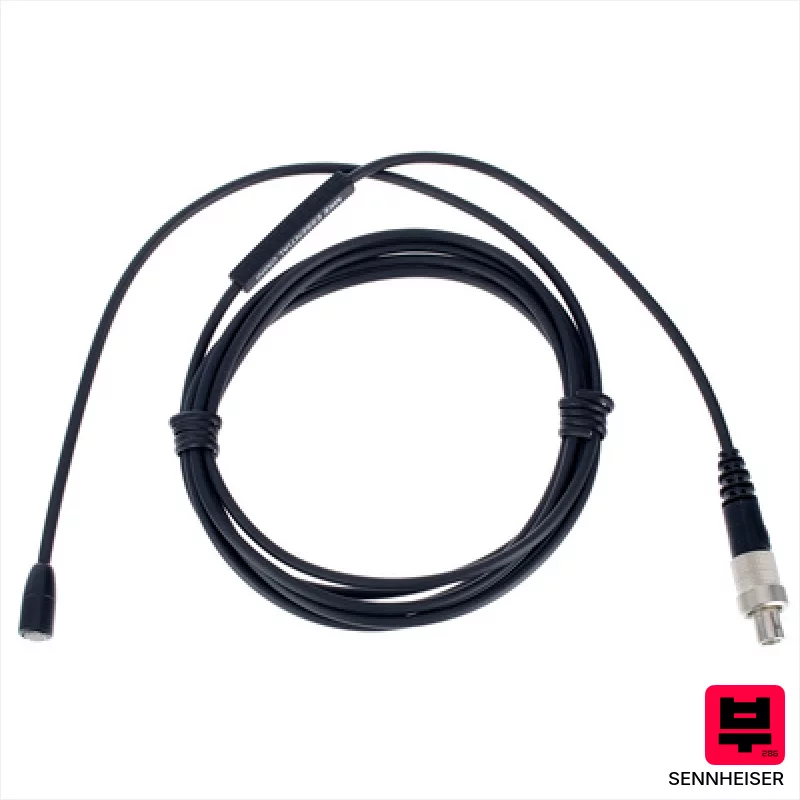
Sennheiser MKE Essential Omni-Black 3-Pin
- • Excellent omni response, captures room tone naturally
- • Lemo connector offers robust, reliable signal transfer
- • Lightweight design minimizes handling noise and fatigue
- • Sweat resistance is a thoughtful detail for demanding use
- • Lemo connector limits compatibility with standard audio gear
- • Frequency response lacks extreme high-end sparkle for some applications
- • Cable length may be restrictive for certain filming setups
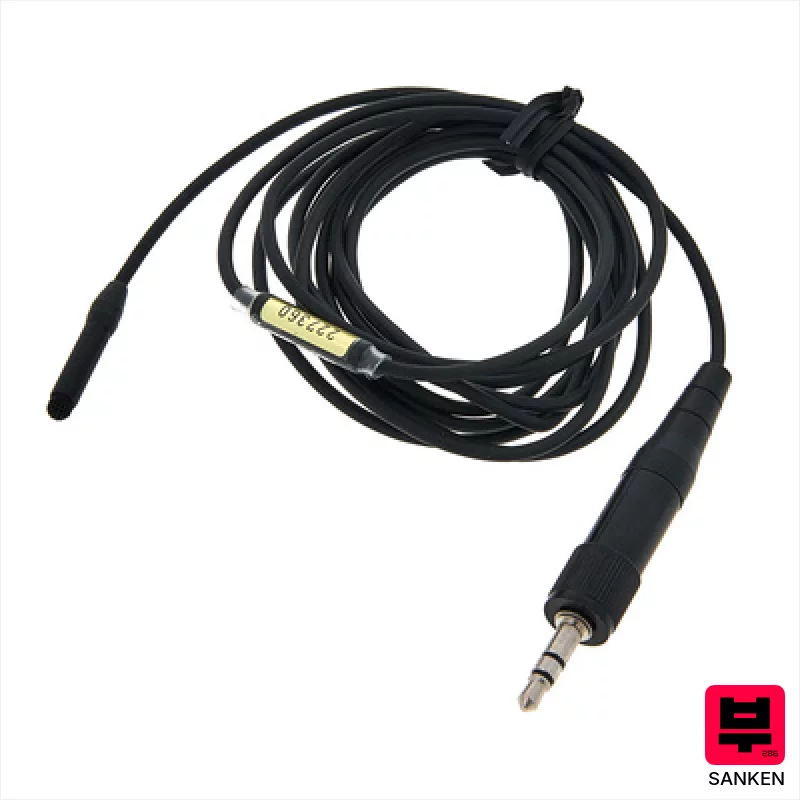
Sanken COS-11D-BK EW
- • Exceptional clarity and detail, even at high SPLs
- • Excellent RF shielding crucial for wireless environments
- • Robust construction with a durable, splash-proof design
- • RM-11 mount minimizes handling noise effectively
- • Sennheiser EW connector limits compatibility without adapters
- • Omnidirectional pickup can be challenging in noisy locations
- • Premium-priced compared to many other lavalier options
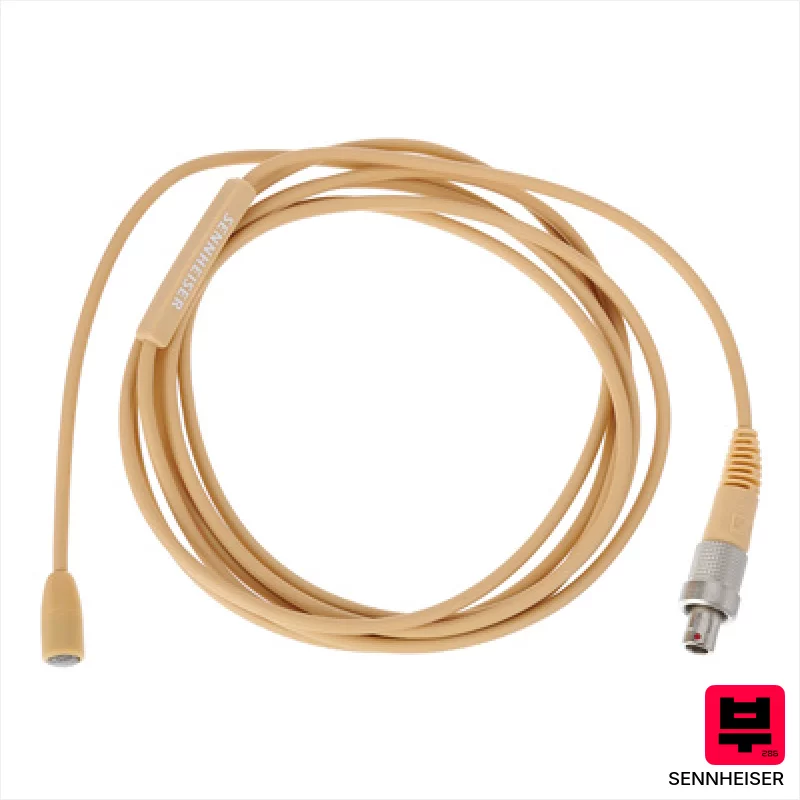
Sennheiser MKE Essential Omni-Beige 3-Pin
- • Excellent off-axis rejection minimizes room noise effectively
- • The beige color is subtle and blends well on-screen
- • Compact size and lightweight design ensure comfort during extended use
- • Sennheiser’s proven capsule delivers a clear, natural vocal reproduction
- • Lemo connector limits compatibility without an adapter
- • Omnidirectional pickup can be challenging in noisy environments
- • Cable length is somewhat restrictive for certain setups
How to Choose the Best Lapel Microphones
Frequency Response
A flat response is nice, but often you'll want a little warmth in the low-mids to avoid sounding thin and nasal. Watch out for mics that are overly hyped in the high-end - that can sound brittle and harsh, especially when you're moving around.
Sensitivity
This dictates how much gain you'll need from your preamp. A more sensitive mic needs less gain, which can lower noise floor. Low sensitivity means more preamp, and more preamp equals more potential for hiss.
Off-Axis Rejection
Crucial for live situations. You want the mic to reject background noise and focus on your voice. Poor off-axis rejection means every cough, every stage monitor bleed, is right in the recording.
Build Quality & Durability
Let's be real - these things get yanked, pulled, and generally abused. A robust cable and a secure clip are non-negotiable. Cheap plastic housings crack easily.
Artifacts & Distortion
Listen for any unwanted coloration or distortion, especially when you're pushing the mic a little harder. Some cheaper mics will start to sound crunchy or introduce a digital-like artifact when you get a little proximity effect or dynamic range going.
Buying Guide
Under $1000, you're not getting a studio-grade Neumann, but you can find some surprisingly good options. Expect trade-offs - some mics will prioritize warmth, others clarity. Pay attention to the capsule type; omnidirectional mics pick up more ambience (good for a natural sound, bad for noisy environments), while cardioid mics are more focused. Don't skimp on a decent windscreen - it'll make a huge difference in reducing plosives and wind noise.
How This List Is Built
We don't play these instruments — we're a catalog, not a review desk, and we'd rather say so than pretend otherwise. This page ranks 15 lapel microphones from the Thomann catalogue, which is the largest single source of specification data in this category.
Position is computed, not curated. Four signals, in order of weight: how completely the manufacturer documents the instrument (number of published specifications), where it sits in the price range, how specific the model designation is — which filters out generic accessories — and whether a product image exists. The same inputs always produce the same order, so nothing here is shuffled to look fresh.
What this list is good for: narrowing a category down to a shortlist by spec and budget. What it isn't: a substitute for hearing an instrument. Before you buy, read hands-on reviews and, where you can, play it. Full methodology.

