AudioFu
AudioFu Chart · October 2026
Best HiFi Headphones Under $200 2026
The top pick is Yamaha HPH-MT5 Closed-Back Monitor Headphones ($133). Behringer HPM1000 Multi-Purpose Headphones gives you the most for the money at $10. Ranked by the AudioFu Index from 43 models across 19 brands, prices checked every night.
Last updated: October 12, 2026
Top 10
Full detail for the 10 highest AudioFu Index scores. Every other model is listed below.
-
Yamaha HPH-MT5 Closed-Back Monitor Headphones
HPH-MT5W · Yamaha
27 for sale on Reverb2 finishes at Thomann
These Yamaha MT5Ws are a solid choice for budget-conscious producers and musicians needing reliable monitoring. The build quality is surprisingly good for the price, and the sound is clear and balanced – perfect for critical listening and tracking. They're not going to blow you away with a huge soundstage, but they’ll serve you well in a studio or home setup.
Pros
- Robust ABS and aluminum construction inspires confidence and durability
- CCAW voice coil delivers accurate, detailed audio reproduction
- Comfortable circumaural design allows for extended monitoring sessions
Cons
- Faux leather earcups might not be ideal for long-term heat buildup
- 51 Ohm impedance could be a slight challenge for lower-powered devices
69AudioFu
IndexStableno change since Aug 14Aug 14$133 now$133€119 at Thomann · in stockCheck price ↗ -
These Yamaha HPH-50Bs are a solid choice for budget-conscious musicians and audio enthusiasts needing reliable monitoring. The sound is surprisingly clean and neutral for the price, making them great for tracking, DJing, or casual listening – just don’t expect a super wide soundscape.
Pros
- Clear, balanced sound signature suitable for monitoring
- Comfortable clamping force for extended use
- Durable construction with robust swivel joints
Cons
- Plastic build feels budget-oriented, lacks premium refinement
- Soundstage is somewhat narrow for critical listening
65AudioFu
Index↓ 5.4%since Aug 14 · lowest so far$41 · Aug 14$39 now$39€35 at Thomann · in stockCheck price ↗ -
The AKG K-92 is a surprisingly capable budget-friendly option for casual listening or basic monitoring. They offer a reasonably neutral sound and decent isolation, making them suitable for students, travelers, or anyone needing a reliable pair of headphones without spending a fortune. Don't expect audiophile performance, but they’re a solid choice for the price.
Pros
- Surprisingly robust headband construction for the price point.
- Decent sound isolation due to the closed-back design.
- Relatively flat frequency response for accurate monitoring.
Cons
- Plastic construction feels a bit cheap, lacks premium feel.
- Bass response is somewhat lacking, can sound thin.
61AudioFu
Index↓ 2.2%since Aug 14 · lowest so far$50 · Aug 14$49 now$49€44 at Thomann · in stockCheck price ↗ -
These AKG K-72s are a solid choice for casual listeners or those needing a reliable, portable set of headphones. The sound is balanced and clear, making them good for podcasts, acoustic music, or general use. They're a surprisingly decent option for someone wanting a closed-back headphone on a budget.
Pros
- Surprisingly robust headband construction for the price point.
- Clear, crisp highs without harshness; pleasant for extended listening.
- Lightweight design minimizes fatigue during long sessions.
Cons
- Bass response is noticeably lacking for bass-heavy genres.
- Plastic construction feels budget-oriented; longevity a question mark.
-
These HD 400S are a solid entry into the hi-fi headphone world, offering a surprisingly balanced sound for the price. They're a great choice for students, commuters, or anyone wanting a reliable, closed-back option without spending a fortune – just be mindful of the low impedance if you're using them with a phone.
Pros
- Closed-back design effectively isolates external noise for focused listening
- Lightweight build (217g) makes them comfortable for extended use
- Clear, balanced sound signature suitable for a wide range of genres
Cons
- 18 Ohm impedance might require a dedicated amplifier for optimal volume
- Plastic construction feels less premium compared to higher-end Sennheiser models
57AudioFu
Index↓ 16.9%since Aug 14 · lowest so far$66 · Aug 14$55 now$55€49 at Thomann · in stockCheck price ↗ -
These Mackie headphones give you clear sound from the lowest kick drum to the highest notes. The soft padding lets you wear them for long studio sessions without pain. They fold up small, making them perfect for DJs or field recording on the go.
Pros
- Outstanding transparency across the full frequency spectrum
- Accurate low and very low frequency bass reproduction
- Soft padded adjustable headband for hours of comfort
Cons
- Sensitivity value is missing from the provided description
- Weight is not specified in the manufacturer text
-
Mackie MC-100 Closed Back Headphones - 32 Ohms
MC-100 · Mackie
17 for sale on Reverb1 finish at Thomann
This Mackie MC-100 sounds clear and detailed from bass to treble. Its sturdy build and foldable shape make it great for studios or field recording. It works well for DJs and anyone who needs accurate monitoring without distraction.
Pros
- Outstanding transparency across the full frequency spectrum
- Accurate bass response for distinct low-end reproduction
- Robust and durable construction for heavy use
Cons
- Very few features listed compared to typical headphones
- No Bluetooth or wireless connectivity mentioned
-
These Yamaha HPH-150Bs are solid all-around headphones for the price. They deliver a surprisingly neutral and detailed sound, making them great for beginner music producers, DJs, or anyone needing a reliable monitoring solution without spending a fortune. They're comfortable enough for long sessions, too.
Pros
- Clear, balanced soundstage suitable for mixing and monitoring
- Comfortable supra-aural design for extended listening sessions
- Durable construction with robust swivel joints and cable
Cons
- Plastic build feels somewhat budget-oriented, lacks premium feel
- Sound lacks significant 'wow' factor for critical audiophiles
-
Behringer HPM1000 Multi-Purpose Headphones
HPM1000-BK · Behringer
4 for sale on Reverb2 finishes at Thomann
Seriously, for twelve bucks, these are a steal. They're surprisingly decent for casual listening, monitoring basic tracks, or just needing a reliable pair of headphones for travel. Perfect for students, beginners, or anyone needing an affordable backup option – don’t expect audiophile performance, but the value is undeniable.
Pros
- Surprisingly balanced frequency response for the price point; clear mids and highs.
- Robust ABS plastic construction feels more durable than the price suggests.
- 32 Ohm impedance makes them easy to drive from phones and basic interfaces.
Cons
- Plastic earcups lack premium feel; some creaking under pressure.
- Bass response is present but lacks the impactful depth of higher-end models.
52AudioFu
Index↓ 18.3%since Aug 14 · lowest so far$12 · Aug 14$10 now$10€9 at Thomann · in stockCheck price ↗ -
The Roland RH-5 is a surprisingly competent option for monitoring or casual listening when you're on a tight budget. The sound is relatively clean and balanced, and the long cable is a real plus for studio use. These are perfect for keyboard players, podcasters, or anyone needing reliable, affordable closed-back headphones.
Pros
- Comfortable clamping force, surprisingly good for extended monitoring sessions
- Solid build quality for the price point; feels more robust than expected
- Clear and balanced sound signature; decent for critical listening
Cons
- Sound lacks deep bass extension; more mid-focused response
- Closed-back design can feel slightly claustrophobic during long use
All 43 hifi headphones
Same index, same nightly prices — compact. Colour options of one model share a row. Tap a photo to zoom.
- 11
Listen Technologies Listen LA-402Listen Technologies49↓ 8.0%$46€41$46€41Check ↗
- 12
Sennheiser CX 80SSennheiser · 3 finishes47Stable$33€29$33€29Check ↗
- 13
Superlux HD-651 RedSuperlux · 2 finishes46↓ 24.5%$13€12$13€12Check ↗
- 14
AKG K52 Closed-Back HeadphonesK-52 · AKG46↓ 2.9%$37€33$37€33Check ↗
- 15
Sennheiser HD599 Open Back Headphones - 50 OhmsHD 599 · Sennheiser46↓ 6.7%$156€139$156€139Check ↗
- 16
Yamaha HPH-100WH On-Ear HeadphonesHPH-100B · Yamaha · 2 finishes44↓ 5.2%$62€55$62€55Check ↗
- 17
Sennheiser HD-200 ProSennheiser41↓ 5.8%$73€65$73€65Check ↗
- 18
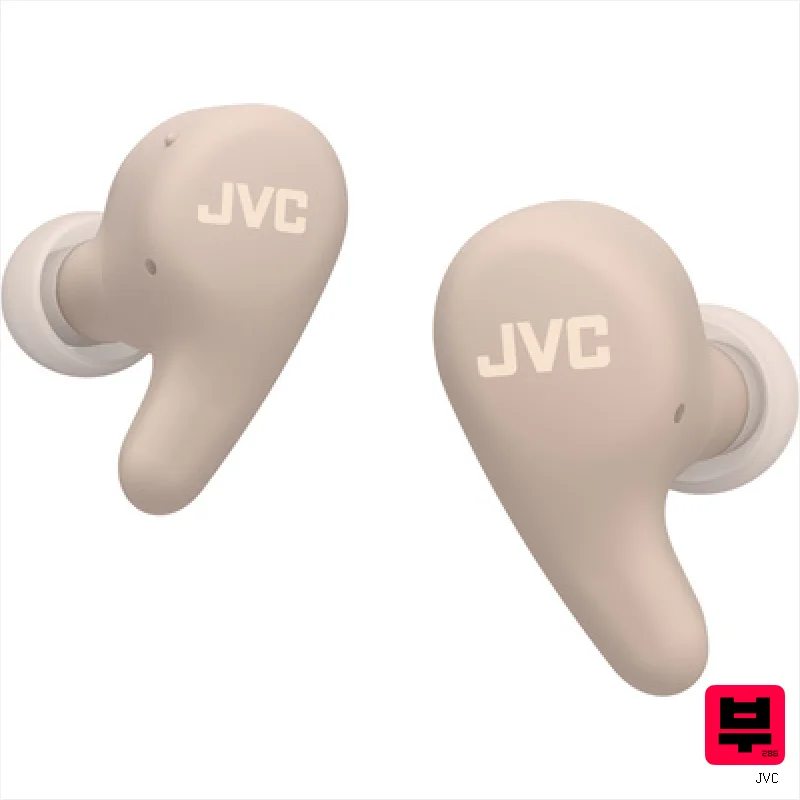
JVC HA-S95NJVC41↓ 19.8%$100€89$100€89Check ↗
- 19
Roland RH-200 Over-Ear HeadphonesRH-200 · Roland41Stable$106€95$106€95Check ↗
- 20
Meze Audio Alba SMeze Audio · 2 finishes41Stable$145€129$145€129Check ↗
- 21
JVC HA-S75NJVC40↓ 12.7%$77€69$77€69Check ↗
- 22
Sennheiser HD 569Sennheiser40↓ 5.2%$122€109$122€109Check ↗
- 23
Gewa HP SIX BlackGewa · 2 finishes38Stable$18€17$18€17Check ↗
- 24
Sennheiser HP 02-100 Single UnitSennheiser38Stable$28€25$28€25Check ↗
- 25
Sennheiser CX 80U SakuraSennheiser38Stable$44€39$44€39Check ↗
- 26
Sennheiser IE 200Sennheiser38Stable$145€129$145€129Check ↗
- 27
AIAIAI Tracks USB-C BlackAIAIAI · 2 finishes37Stable$66€59$66€59Check ↗
- 28
HIFIMAN SUNDARA Closed BackHIFIMAN37Stable$156€139$156€139Check ↗
- 29
JVC HA-S36W WhiteJVC36↓ 5.4%$39€35$39€35Check ↗
- 30
Superlux HD 572Superlux34Stable$14€13$14€13Check ↗
- 31
JVC HA-FR9UC WhiteJVC34Stable$19€17$19€17Check ↗
- 32
Superlux HD-387 BlackSuperlux34Stable$20€17$20€17Check ↗
- 33
JVC HA-RX330E BlackJVC34Stable$21€19$21€19Check ↗
- 34
Superlux HD-330Superlux34Stable$38€34$38€34Check ↗
- 35
Hama Shell II HeadphoneHama33↓ 6.3%$17€15$17€15Check ↗
- 36
Gewa HP EIGHTGewa33Stable$41€37$41€37Check ↗
- 37
Gewa HP NINE-XGewa33Stable$73€65$73€65Check ↗
- 38
the t.bone HD 200the t.bone32Stable$22€20$22€20Check ↗
- 39
Beyerdynamic TYGR 300 R Open Back HeadsetTYGR 300 R · beyerdynamic32Stable$178€159$178€159Check ↗
- 40
Kawai SH-9Kawai30Stable$111€99$111€99Check ↗
- 41
Dexibell DX HF7Dexibell30Stable$118€105$118€105Check ↗
- 42
Fun Generation HP-7Fun Generation28↑ 4.6%$26€23$26€23Check ↗
- 43
the t.bone HP 66the t.bone25↑ 14.5%$9€8$9€8Check ↗
HiFi Headphones by the numbers
Measured across all 55 models we track, not a sample.
Median $46 — half of all hifi headphones here cost less.
How the AudioFu Index works
Five measured signals and nothing else — no stars from strangers, no “tested by experts” we didn’t do. The weights are fixed and public. We don’t play these instruments; we measure the market around them.
This chart covers 55 hifi headphones from the Thomann catalogue. Before you buy, read hands-on reviews and, where you can, play it. Full methodology.
AudioFu earns a commission when you buy through our Thomann links. It never changes the order — the index does.
- Demand40%
How many of this exact model are for sale on Reverb right now — what musicians actually buy and resell.
- Lineup20%
How many finishes Thomann stocks — makers expand the models that sell.
- Price15%
Where the price has moved since we started tracking in August.
- Specs15%
How completely the maker documents it.
- Maker10%
How deep the brand’s range is in this category.
Questions
What should I look for when buying hifi headphones?
Key factors include build quality, sound characteristics, playability, brand reputation, warranty coverage, and value for money. Consider your musical style, skill level, and intended use to find the best match.
How much should I spend on hifi headphones?
Budget depends on your needs and experience level. Beginners can find quality options for $200-500, intermediate players should consider $500-1500 range, while professionals often invest $1500+ for premium features.
Are expensive hifi headphones worth the investment?
Higher-priced hifi headphones typically offer better materials, craftsmanship, and performance. They're worth it if you're serious about music, perform regularly, or need professional-grade features.
What are the best brands for hifi headphones?
Top brands combine quality, innovation, and reliability. We evaluate brands based on build quality, sound performance, durability, and customer satisfaction to recommend the best options for different budgets.
Should I buy hifi headphones online or in-store?
Both have advantages. Online offers better prices and selection, while stores allow hands-on testing. We recommend researching online first, then testing in stores if possible. Many online retailers offer excellent return policies.