
Best Behringer HiFi Headphones 2026
Look, we all know Behringer's reputation - they've been shaking things up in the gear world, often offering incredible value for the money. Their HiFi headphones are the latest example, and surprisingly, they're actually good. If you're tired of shelling out hundreds for headphones that sound marginally better than what you already have, and you need something reliable for tracking, mixing, or just serious practice, let's dive into what Behringer's got to offer.
Last updated: April 11, 2026

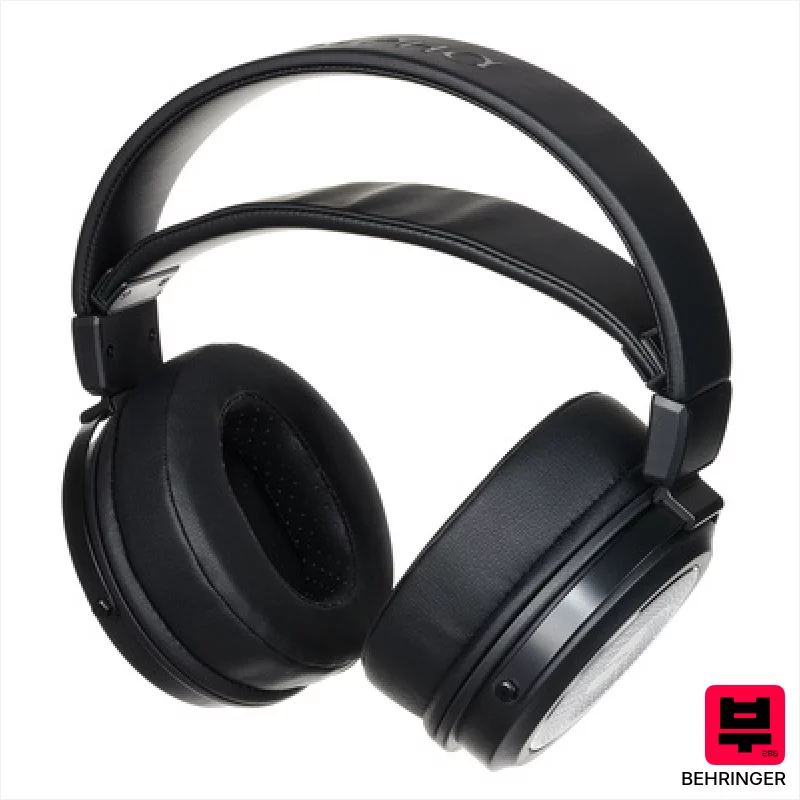
Behringer Omega
- • Surprisingly detailed soundstage for the price; reveals nuances in recordings.
- • Robust 53mm drivers deliver a wider frequency response than expected.
- • Included 3m cable and adapters offer flexibility for various setups.
- • Comfortable self-adjustable headband accommodates a wide range of head sizes.
- • Plastic construction feels somewhat cheap compared to higher-end alternatives.
- • Open-back design leaks sound, making them unsuitable for quiet environments.
- • Bass response lacks significant impact; more analytical than 'fun'.
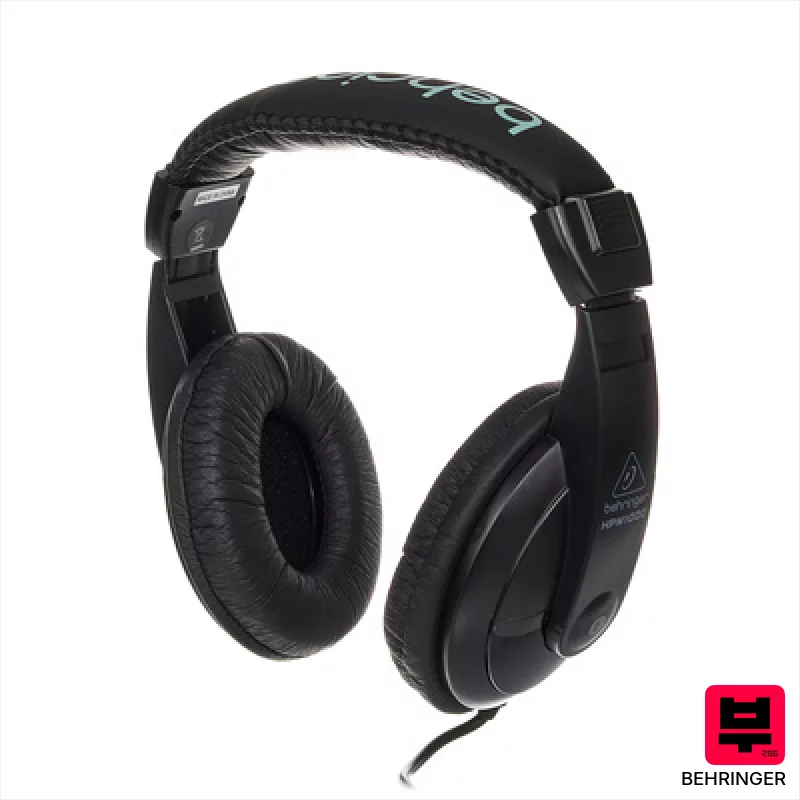
Behringer Alpha
- • Surprisingly open soundstage for a closed-back design; creates a wider perceived listening space.
- • Robust 50mm drivers deliver a reasonably balanced frequency response; decent detail retrieval.
- • Included 3m cable and adapters offer versatility for studio and mobile use.
- • Carrying case provides protection, a nice touch at this price point, showing attention to detail.
- • Build quality feels plasticky; headband adjustment feels somewhat flimsy and less durable.
- • Bass response lacks significant impact and depth; won't satisfy bassheads or electronic fans.
- • Comfort can be an issue for extended listening; clamping force is a bit high initially.
Behringer HPM1000-BK
- • Surprisingly balanced frequency response for the price point; clear mids and highs.
- • Robust ABS plastic construction feels more durable than the price suggests.
- • 32 Ohm impedance makes them easy to drive from phones and basic interfaces.
- • Comfortable clamping force; long listening sessions are surprisingly tolerable.
- • Plastic earcups lack premium feel; some creaking under pressure.
- • Bass response is present but lacks the impactful depth of higher-end models.
- • Cable, while long, is a basic PVC type and could benefit from better shielding.
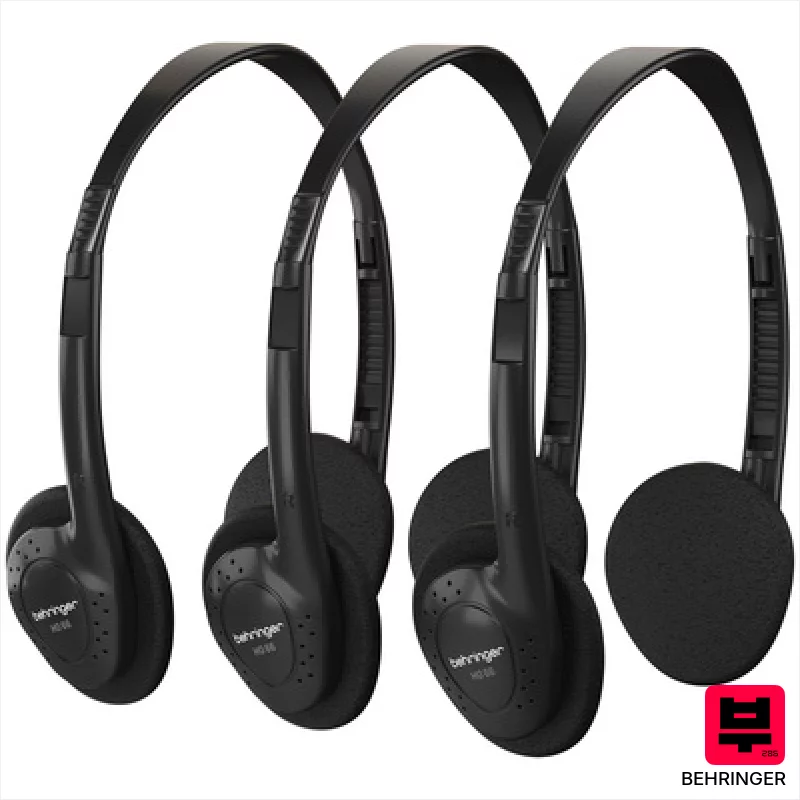
Behringer HO 66
- • Remarkably lightweight, minimizing fatigue during extended listening sessions
- • Surprisingly decent frequency response for the price point, offering passable clarity
- • Included 6.3mm adapter expands compatibility with studio gear
- • Three-pack provides redundancy or sharing options – great for classrooms/labs
- • Plastic construction feels noticeably cheap, lacks durability for frequent use
- • Attached cable is a potential point of failure, limiting repair options
- • Soundstage is narrow, lacking immersive spatial qualities typical of higher-end headphones
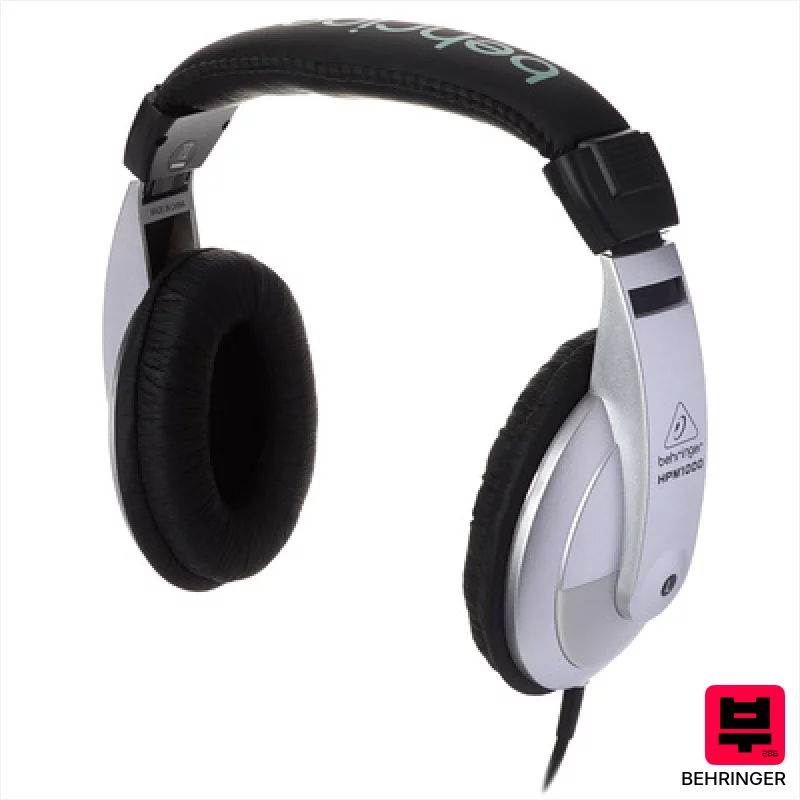
Behringer HPM1000
- • Surprisingly detailed and neutral sound signature for the price point.
- • Velvet earcups and headband provide comfortable extended listening sessions.
- • Robust 2-meter cable with both 3.5mm and 6.35mm connectors offers versatility.
- • Excellent transient response allows for accurate reproduction of percussive elements.
- • Plastic construction feels somewhat flimsy despite reasonable durability.
- • Soundstage is noticeably narrow, lacking spaciousness for critical listening.
- • Limited low-end extension; bass response is present but not impactful.
How to Choose the Best HiFi Headphones
Sound Signature
They lean towards a relatively neutral presentation, but with a slight emphasis on the low-mids. This isn't a scooped-out, analytical sound, but it's not overly warm either. It's surprisingly useful for identifying muddiness in a mix without being fatiguing.
Build Quality
Let's be real - they aren't built like a pair of $500 headphones. The plastic feels a little... plasticky. But for the price, the hinges feel solid enough to survive gigging, and the earpads are replaceable, which is a huge plus.
Isolation
The passive isolation is decent, but not amazing. You'll hear bleed-through in a loud band rehearsal, but they're perfectly fine for tracking vocals or amps in a semi-treated room. They won't block out a screaming toddler, though.
Comfort
The clamping force is a bit firm at first, but they soften up after a few hours of use. The earcups are adequately sized for most ears, but long sessions might lead to some fatigue - a common trade-off at this price point.
Value
This is the big one. You're getting a surprising amount of sonic performance for the price. They're a legitimately useful tool for musicians on a budget, and a great starting point for someone just getting into critical listening.
Buying Guide
Don't expect boutique-level refinement. These are workhorse headphones, not luxury items. The plastic construction means they're not indestructible, so handle them with a little care. Consider aftermarket earpads if you find the stock ones uncomfortable after extended use; that's an easy upgrade. Ultimately, if you need a reliable pair of headphones for tracking, mixing, or practice without breaking the bank, these are a solid choice.
How This List Is Built
We don't play these instruments — we're a catalog, not a review desk, and we'd rather say so than pretend otherwise. This page ranks 5 hifi headphones from the Thomann catalogue, which is the largest single source of specification data in this category.
Position is computed, not curated. Four signals, in order of weight: how completely the manufacturer documents the instrument (number of published specifications), where it sits in the price range, how specific the model designation is — which filters out generic accessories — and whether a product image exists. The same inputs always produce the same order, so nothing here is shuffled to look fresh.
What this list is good for: narrowing a category down to a shortlist by spec and budget. What it isn't: a substitute for hearing an instrument. Before you buy, read hands-on reviews and, where you can, play it. Full methodology.

