
Best Shure HiFi Headphones 2026
Alright, so you're looking at Shure headphones for critical listening - a solid choice. They've been around forever, not just slapping logos on plastic, but actually engineering quality gear for broadcast and recording since the 1920s. If you're tired of generic, hyped-up consumer headphones that sound like they're trying too hard, and want something that delivers a true, revealing signal, Shure's a brand to seriously consider. Let's break down what makes their hi-fi offerings tick.
Last updated: April 11, 2026
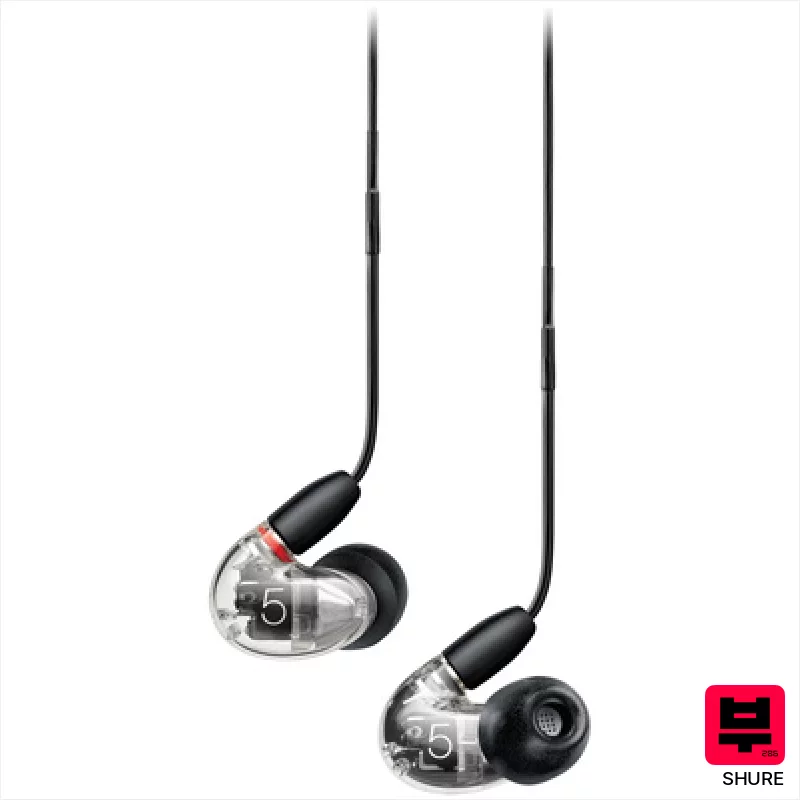
Shure AONIC 5-CL
- • Exceptional sound isolation, truly blocks out external noise.
- • RMCE-UNI cable provides noticeable improvement in clarity and detail.
- • Balanced armature drivers deliver a clean, articulate, and detailed sound.
- • Comprehensive eartip selection ensures a comfortable and personalized seal.
- • High price point puts them out of reach for many.
- • Transparency aesthetic might not appeal to everyone’s taste.
- • Sound signature leans analytical, lacking warmth for some listeners.
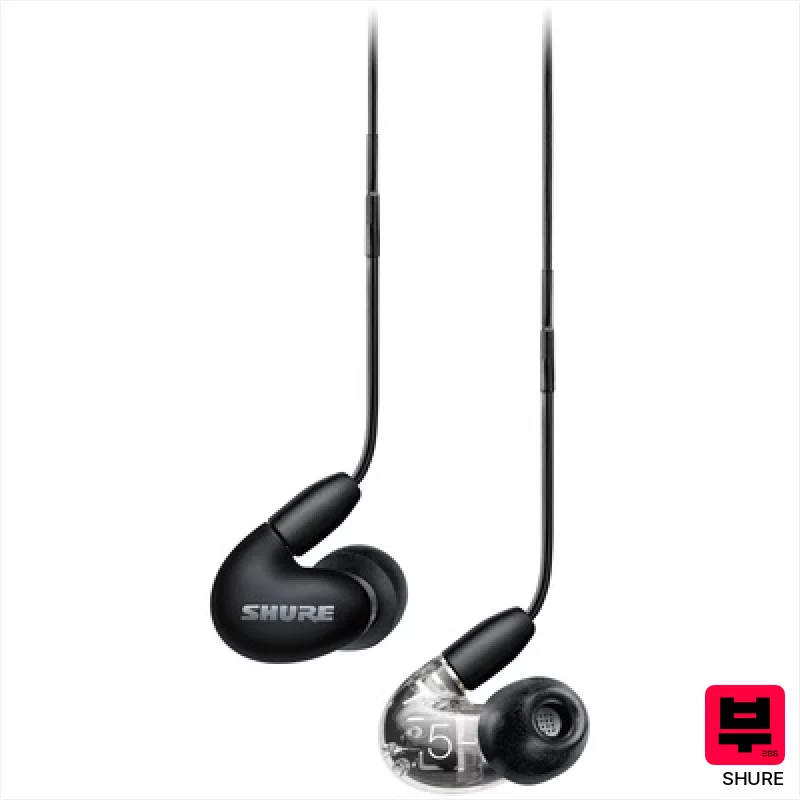
Shure AONIC 5-BK
- • Exceptional isolation rivals custom IEMs, truly immersive listening
- • RMCE-UNI cable provides a noticeable sonic upgrade over stock
- • Balanced armature drivers deliver clean, detailed, and articulate sound
- • Comprehensive eartip selection ensures a comfortable, secure, and optimal seal
- • High price point places it firmly in the premium in-ear market
- • 3.5mm TRRS connector limits compatibility with some professional gear
- • Sound signature, while clean, might lack warmth for bass-heavy preferences

Shure SRH1840
- • Exceptional detail retrieval across the frequency spectrum
- • Comfortable clamping force for extended monitoring sessions
- • Robust build quality with durable headband and earcups
- • Detachable cable provides convenience and future-proofing
- • Open-back design isn't suitable for noisy environments
- • Somewhat clinical sound signature may lack warmth for some
- • Relatively heavy compared to other reference headphones
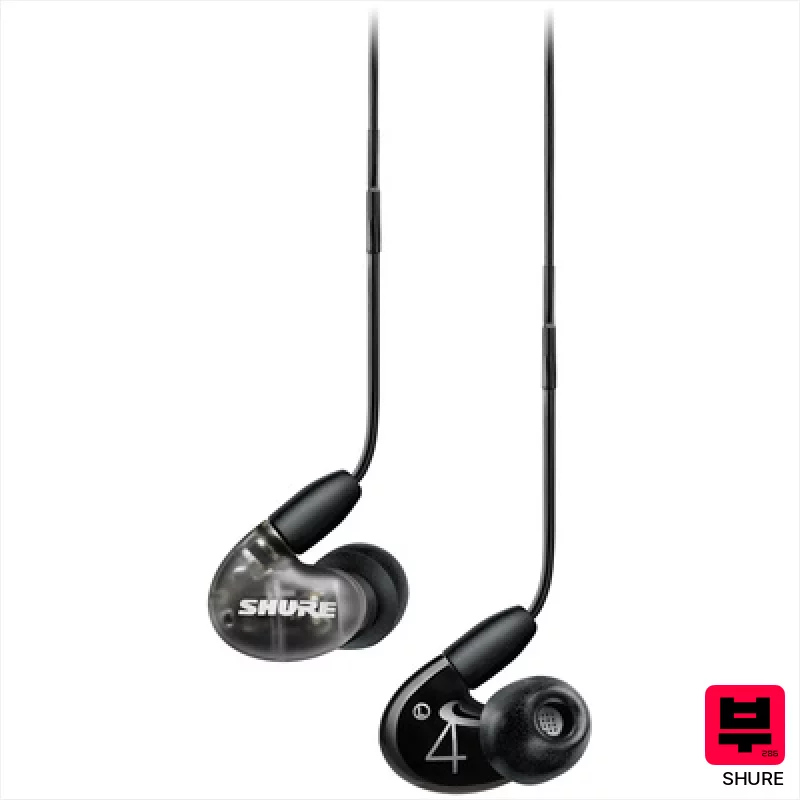
Shure AONIC 4-BK
- • Excellent passive isolation, truly blocks out external noise.
- • Hybrid driver design delivers balanced, detailed sound signature.
- • RMCE-UNI cable offers improved signal transfer and durability.
- • Comfortable fit with multiple ear tip options for extended listening.
- • Higher price point compared to many other in-ear options.
- • TRRS connector limits compatibility with some professional audio gear.
- • Sound signature might be slightly too neutral for bass-heavy music lovers.
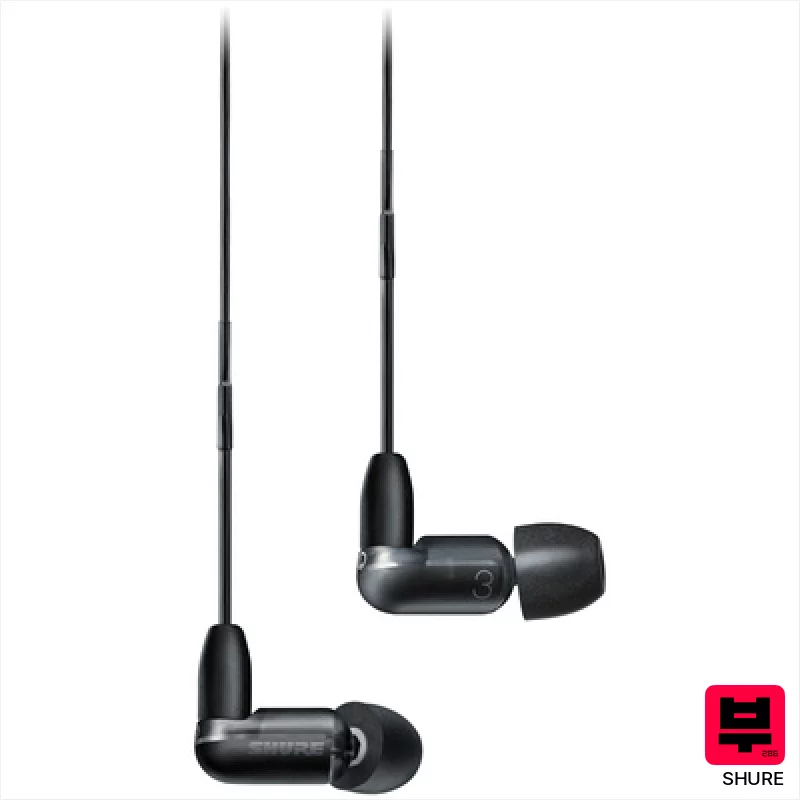
Shure AONIC 3-BK
- • Excellent passive isolation due to the custom-molded design.
- • RMCE-UNI cable offers a noticeable upgrade in clarity and detail.
- • Balanced armature delivers a clean, articulate, and detailed sound signature.
- • Soft Flex and foam eartips provide a comfortable and secure fit for extended listening.
- • The sound signature might lack warmth for bass-heavy genres like EDM.
- • Inline microphone quality is adequate, but not exceptional for critical recordings.
- • The TRRS connector limits compatibility with some professional audio gear.
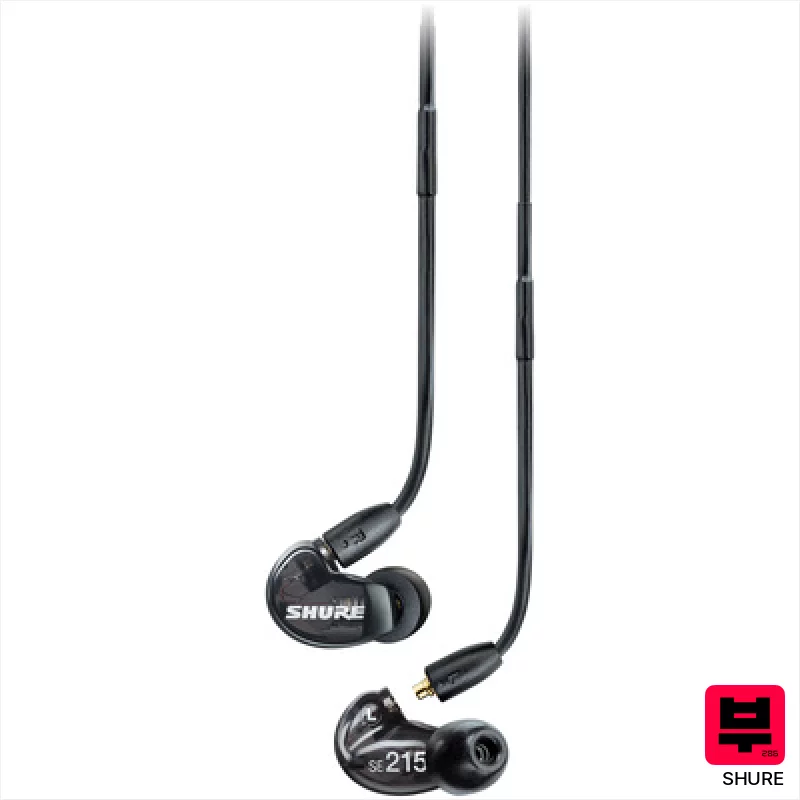
Shure AONIC 215-BK
- • Excellent sound isolation, great for noisy environments
- • Shure's signature balanced sound profile, clear and detailed
- • RMCE-UNI cable provides convenience and quality
- • Durable construction with a rotating cable for easy storage
- • 20 Ohm impedance requires a decent source for optimal volume
- • Bass response can be a bit lean for bass-heavy genres
- • Ear pad replacement can add to the overall cost over time
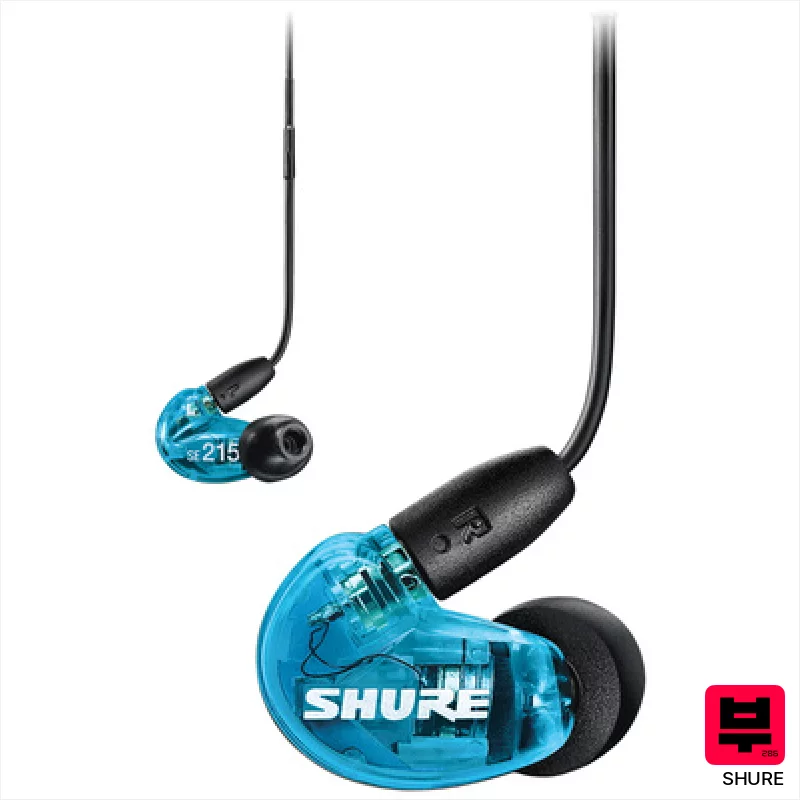
Shure AONIC 215-BL
- • Excellent isolation for stage or travel, noticeably better than most
- • Shure’s signature balanced and detailed sound signature shines through
- • RMCE-UNI cable is a noticeable upgrade in build and performance
- • Comfortable fit with included tips, secure for active use
- • 20 Ohm impedance requires a decent source for optimal volume and clarity
- • Sound signature might be a bit clinical for bass-heavy genres
- • Replacement earpads can add to the overall cost of ownership

Shure AONIC 215-CL
- • Excellent sound isolation for noisy environments
- • Shure's signature balanced sound, clear and detailed
- • Robust build quality with durable, detachable cable
- • RMCE-UNI cable adds convenience with remote/mic
- • 20 Ohm impedance requires a decent headphone amp for optimal volume
- • Transparent housing can be prone to scratches
- • Bass response, while present, isn't overwhelmingly powerful
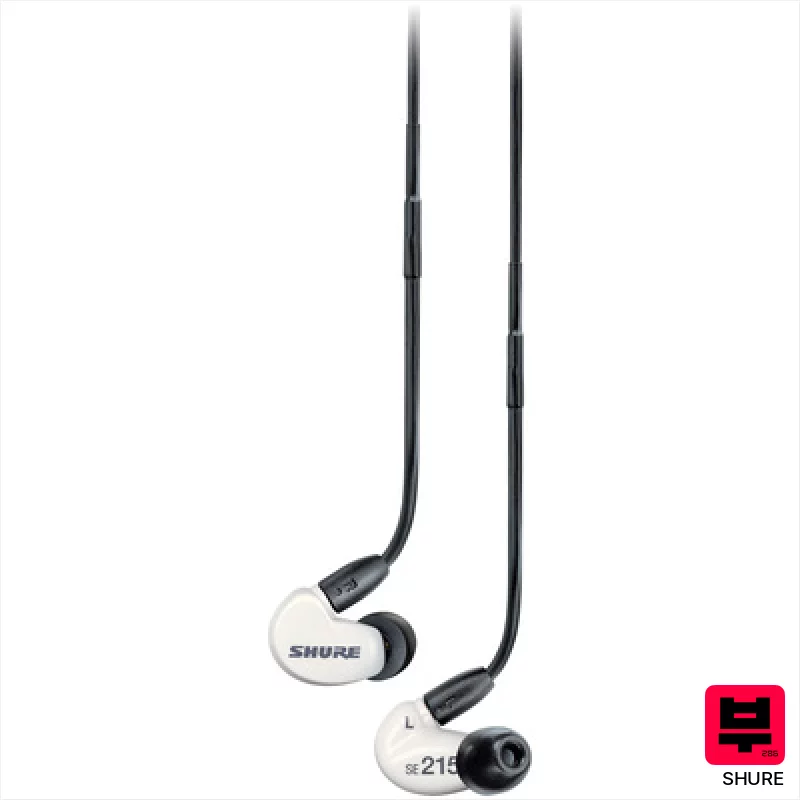
Shure AONIC 215-W
- • Excellent sound isolation for critical listening environments
- • Shure’s signature balanced, detailed sound signature shines through
- • RMCE-UNI cable offers convenience with inline controls and mic
- • Durable construction with a rotating cable minimizes wear and tear
- • 20 Ohm impedance requires a decent source for optimal volume and clarity
- • Sound signature might be too neutral for bass-heavy music lovers
- • Replacement ear pads can add to the overall cost of ownership
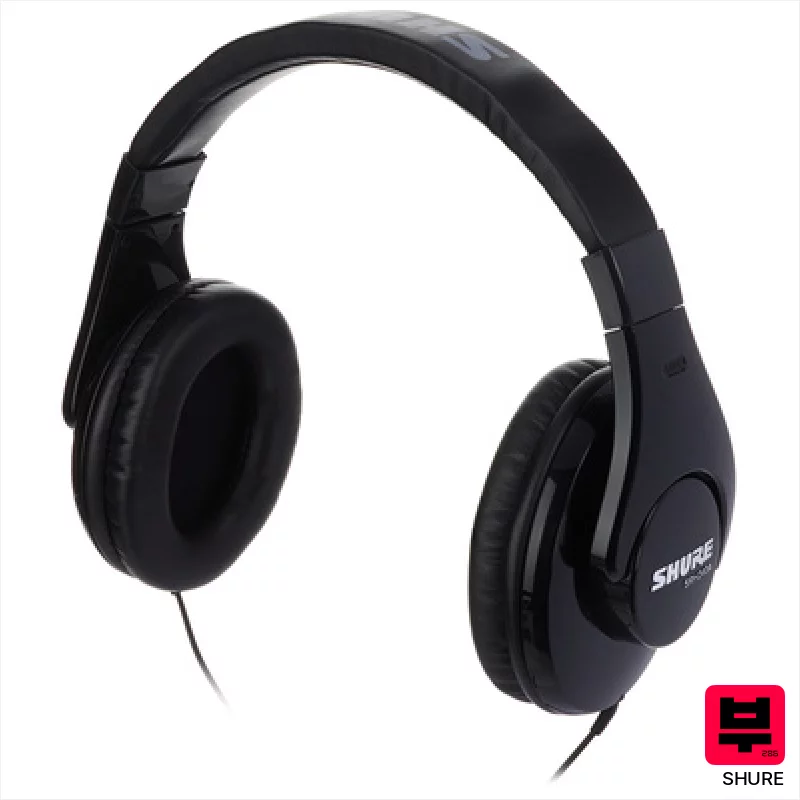
Shure SRH240
- • Well-balanced sound signature with clear mids and highs
- • Surprisingly robust headband clamping force for secure fit
- • Detachable cable minimizes potential for internal wire damage
- • Lightweight design enhances long listening sessions
- • Plastic build feels budget-conscious, lacks premium refinement
- • Bass response can be a little anemic for bass-heavy genres
- • Closed-back design introduces slight sound leakage at higher volumes
How to Choose the Best HiFi Headphones
Sound Signature
Shure tends to favor a neutral-to-slightly analytical presentation. It's not the warmest, most forgiving sound - you'll hear everything. This makes them fantastic for critical mixing and mastering where accuracy is key, but less forgiving for casual listening if you prefer a bass-heavy vibe. Expect excellent detail retrieval.
Transient Response & Articulation
Shure's drivers consistently deliver snappy transients and incredible articulation. This means drums hit with impact, individual guitar notes are clearly defined, and vocals have presence without sounding harsh. It's a huge advantage for tracking and layering instruments, as you can hear exactly how each element sits in the mix.
Build Quality & Durability
Shure doesn't mess around. Their headphones are built to last, often featuring robust metal housings and comfortable, replaceable earpads. This isn't some flimsy plastic thing that'll crack after a gig; these are designed to withstand the rigors of studio and stage use. The headband adjustment is usually rock solid, too.
Isolation & Soundstage
While not marketed as noise-canceling (most aren't), Shure headphones offer decent passive isolation, enough to hear yourself think in a moderately loud environment like a rehearsal space. The soundstage isn't massive - don't expect a concert hall - but it's surprisingly well-defined, allowing you to place instruments accurately within the stereo field.
Frequency Response Accuracy
This is where Shure shines. They prioritize a flat, accurate frequency response. While some might find it lacking 'excitement' compared to consumer headphones, it's invaluable for making informed mixing decisions and ensuring your music translates well across different playback systems. It's the difference between a mix that sounds great in your room and a mix that sounds professional everywhere.
Buying Guide
Don't go chasing the 'bass' - Shure isn't about that. If you need a fun, casual listening experience, look elsewhere. These are tools for the discerning ear - engineers, producers, serious musicians. The SR215 is a classic for a reason, but if you need more isolation for tracking or travel, step up to something like the SR4200 or Aonic 5. Pay attention to earpad material - velour pads will be comfier but leak more sound, while leather pads offer better isolation but can get warm.
How This List Is Built
We don't play these instruments — we're a catalog, not a review desk, and we'd rather say so than pretend otherwise. This page ranks 10 hifi headphones from the Thomann catalogue, which is the largest single source of specification data in this category.
Position is computed, not curated. Four signals, in order of weight: how completely the manufacturer documents the instrument (number of published specifications), where it sits in the price range, how specific the model designation is — which filters out generic accessories — and whether a product image exists. The same inputs always produce the same order, so nothing here is shuffled to look fresh.
What this list is good for: narrowing a category down to a shortlist by spec and budget. What it isn't: a substitute for hearing an instrument. Before you buy, read hands-on reviews and, where you can, play it. Full methodology.

