AudioFu
AudioFu Chart · October 2026
Best JVC HiFi Headphones 2026
The top pick is JVC HA-S95N ($100). JVC HA-FR9UC White gives you the most for the money at $19. Ranked by the AudioFu Index from 5 models, prices checked every night.
Last updated: October 12, 2026
Top 5
Full detail for the 5 highest AudioFu Index scores. Every other model is listed below.
-
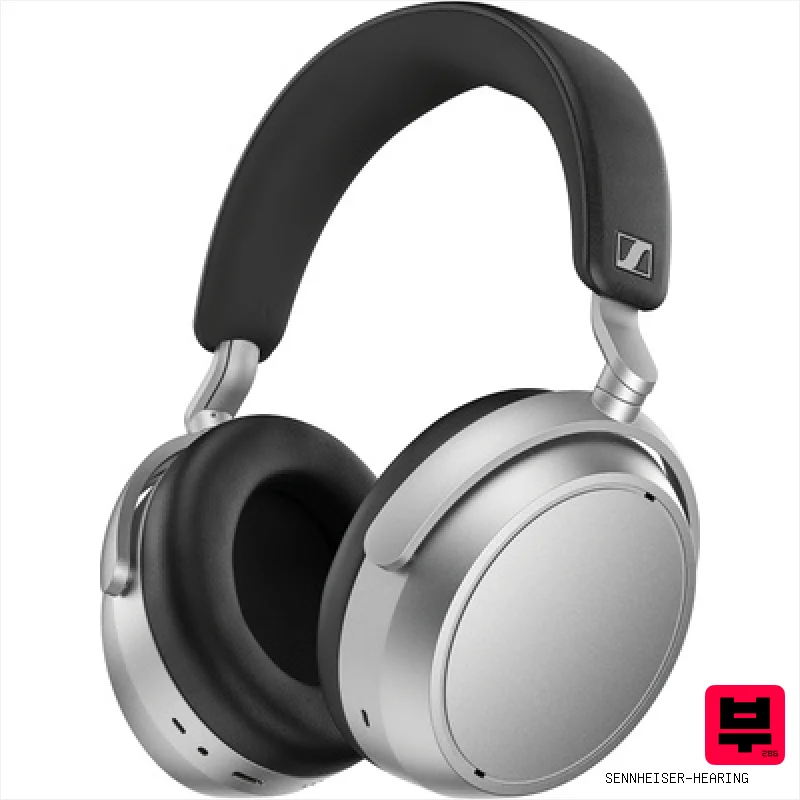
These JVCs are a solid choice for someone wanting wireless convenience and decent noise cancellation on a budget. The sound is a little rough around the edges – think energetic but not nuanced – so they’re great for podcasts, audiobooks, and casual music listening, but maybe not critical audiophiles. They're a good everyday option.
Pros
- Comfortable artificial leather earcups for extended listening sessions
- Respectable noise cancellation for everyday commutes and travel
- USB-C charging offers convenient and modern connectivity
Cons
- Sound lacks refinement; bass can be muddy and highs slightly harsh
- Build quality feels plasticky; not as robust as premium alternatives
41AudioFu
Index↓ 19.8%since Aug 14 · lowest so far$124 · Aug 14$100 now$100€89 at Thomann · in stockCheck price ↗ -
These JVCs are a surprisingly solid option for those needing wireless convenience and noise reduction on a budget. The sound is decent – a little bass-heavy, but not unpleasant – and the multi-point connection is a real time-saver. They're perfect for students, commuters, or anyone needing a reliable, affordable daily driver.
Pros
- Comfortable artificial leather earcups provide extended listening sessions.
- Decent noise cancellation for everyday commutes and office use.
- USB-C charging offers modern convenience and faster power-ups.
Cons
- Sound lacks detail and refinement compared to higher-end alternatives.
- Plastic build feels somewhat cheap, lacking premium durability.
40AudioFu
Index↓ 12.7%since Aug 14 · lowest so far$89 · Aug 14$77 now$77€69 at Thomann · in stockCheck price ↗ -
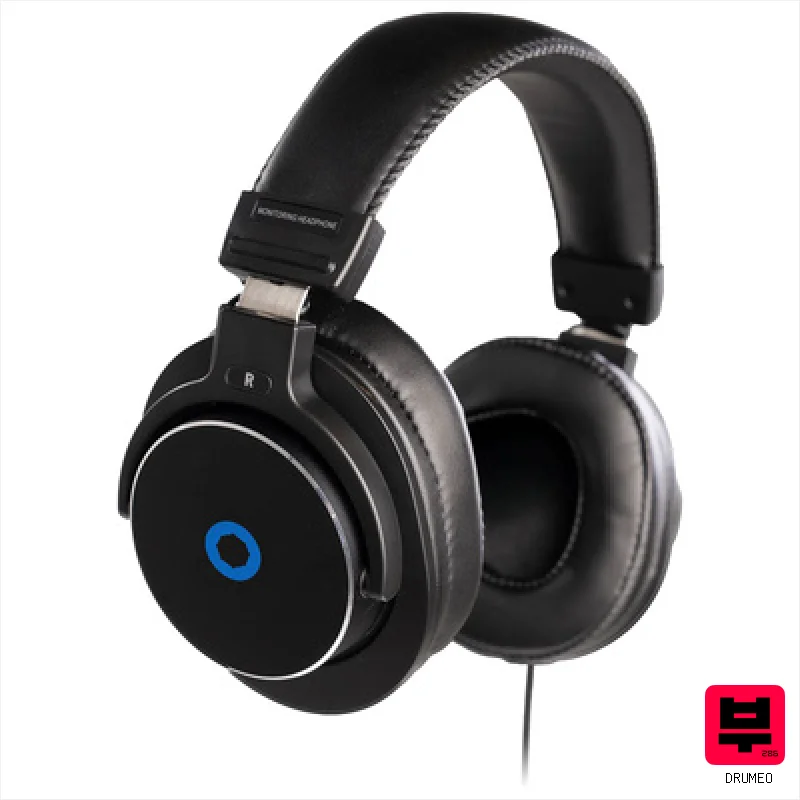
Look, for forty bucks, these JVCs are a solid find. They're surprisingly clean and balanced for budget wireless headphones – great for podcasts, audiobooks, or casual music listening on the go. If you need something lightweight and functional without spending a fortune, these are a really good bet.
Pros
- Surprisingly balanced sound for the price; decent clarity across frequencies.
- Lightweight design makes them comfortable for extended listening sessions.
- Bluetooth 5.2 offers a stable connection and low latency.
Cons
- Plastic build feels a little cheap; lacks premium materials and robustness.
- Soundstage is quite narrow; not ideal for immersive audio experiences.
36AudioFu
Index↓ 5.4%since Aug 14 · lowest so far$41 · Aug 14$39 now$39€35 at Thomann · in stockCheck price ↗ -
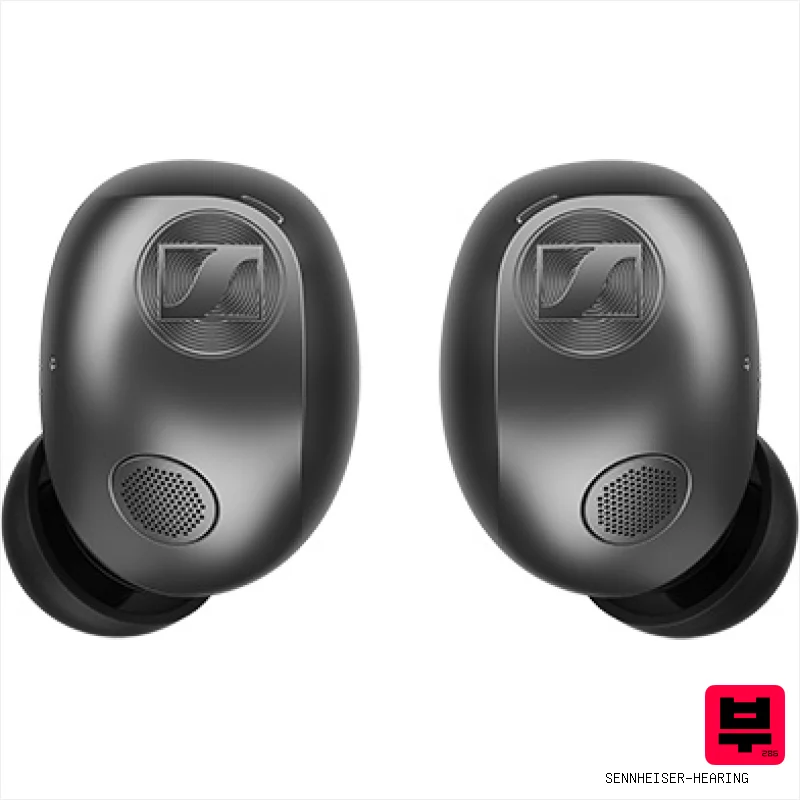
Okay, these JVCs are a bit of a quirky find. The integrated DAC is a genuinely useful feature, giving you a cleaner signal than most budget IEMs. They're a great option for someone who’s on a tight budget but wants a step up from basic smartphone earbuds, especially if they frequently use USB-C devices.
Pros
- Surprisingly robust build for the price, feels more premium than expected.
- The integrated DAC provides a noticeable clarity boost over standard mobile audio.
- Compact and lightweight design makes them comfortable for extended listening sessions.
Cons
- USB-C connection limits compatibility; requires a USB-C source device.
- Soundstage is relatively narrow, lacking the openness of higher-end headphones.
-
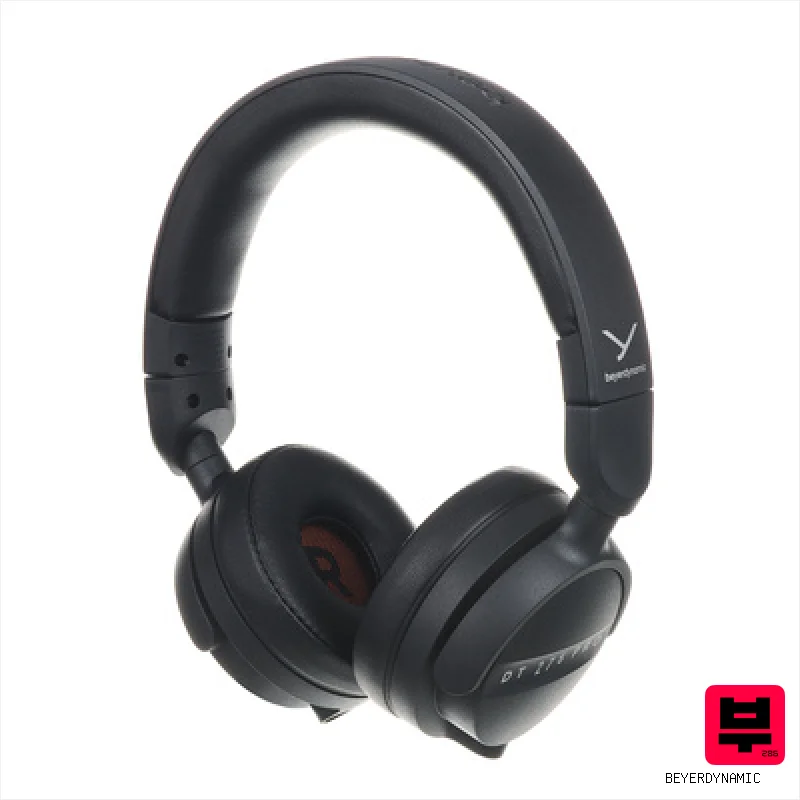
These JVCs are a genuinely interesting find for budget-conscious bass lovers. They deliver a surprising amount of low-end thump for their price, though the overall sound is a bit colored and the build quality isn't stellar. Great for casual listening or commuting where you want a bit of extra bass without spending a fortune.
Pros
- Surprisingly deep bass response given the price point.
- Circumaural design offers decent passive noise isolation.
- Lightweight build (202g) makes them comfortable for extended listening.
Cons
- Build quality feels noticeably cheap – primarily plastic construction.
- Soundstage is narrow; lacks a sense of spaciousness.
How the AudioFu Index works
Five measured signals and nothing else — no stars from strangers, no “tested by experts” we didn’t do. The weights are fixed and public. We don’t play these instruments; we measure the market around them.
This chart covers 5 hifi headphones from the Thomann catalogue (of 113 in the category). Before you buy, read hands-on reviews and, where you can, play it. Full methodology.
AudioFu earns a commission when you buy through our Thomann links. It never changes the order — the index does.
- Demand40%
How many of this exact model are for sale on Reverb right now — what musicians actually buy and resell.
- Lineup20%
How many finishes Thomann stocks — makers expand the models that sell.
- Price15%
Where the price has moved since we started tracking in August.
- Specs15%
How completely the maker documents it.
- Maker10%
How deep the brand’s range is in this category.
Questions
What should I look for when buying hifi headphones?
Key factors include build quality, sound characteristics, playability, brand reputation, warranty coverage, and value for money. Consider your musical style, skill level, and intended use to find the best match.
How much should I spend on hifi headphones?
Budget depends on your needs and experience level. Beginners can find quality options for $200-500, intermediate players should consider $500-1500 range, while professionals often invest $1500+ for premium features.
Are expensive hifi headphones worth the investment?
Higher-priced hifi headphones typically offer better materials, craftsmanship, and performance. They're worth it if you're serious about music, perform regularly, or need professional-grade features.
What are the best brands for hifi headphones?
Top brands combine quality, innovation, and reliability. We evaluate brands based on build quality, sound performance, durability, and customer satisfaction to recommend the best options for different budgets.
Should I buy hifi headphones online or in-store?
Both have advantages. Online offers better prices and selection, while stores allow hands-on testing. We recommend researching online first, then testing in stores if possible. Many online retailers offer excellent return policies.