AudioFu
AudioFu Chart · October 2026
Best Sennheiser HiFi Headphones 2026
The top pick is Sennheiser HD 400S ($55). Sennheiser CX 80S gives you the most for the money at $33. Sennheiser HD 660S2 leads the high end. Ranked by the AudioFu Index from 15 models, prices checked every night.
Last updated: October 12, 2026
Top 10
Full detail for the 10 highest AudioFu Index scores. Every other model is listed below.
-
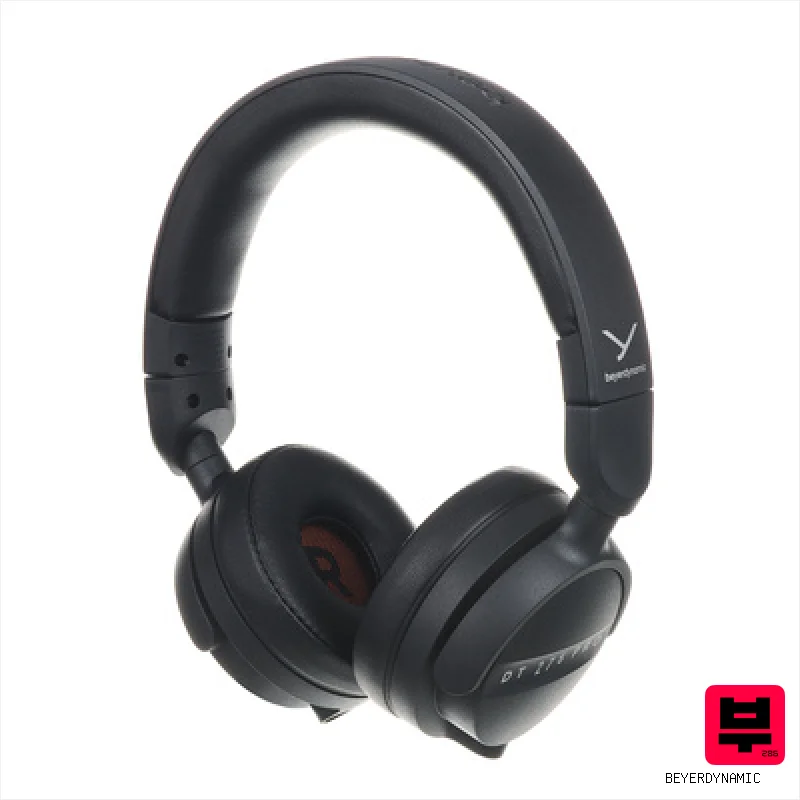
These HD 400S are a solid entry into the hi-fi headphone world, offering a surprisingly balanced sound for the price. They're a great choice for students, commuters, or anyone wanting a reliable, closed-back option without spending a fortune – just be mindful of the low impedance if you're using them with a phone.
Pros
- Closed-back design effectively isolates external noise for focused listening
- Lightweight build (217g) makes them comfortable for extended use
- Clear, balanced sound signature suitable for a wide range of genres
Cons
- 18 Ohm impedance might require a dedicated amplifier for optimal volume
- Plastic construction feels less premium compared to higher-end Sennheiser models
57AudioFu
Index↓ 16.9%since Aug 14 · lowest so far$66 · Aug 14$55 now$55€49 at Thomann · in stockCheck price ↗ -
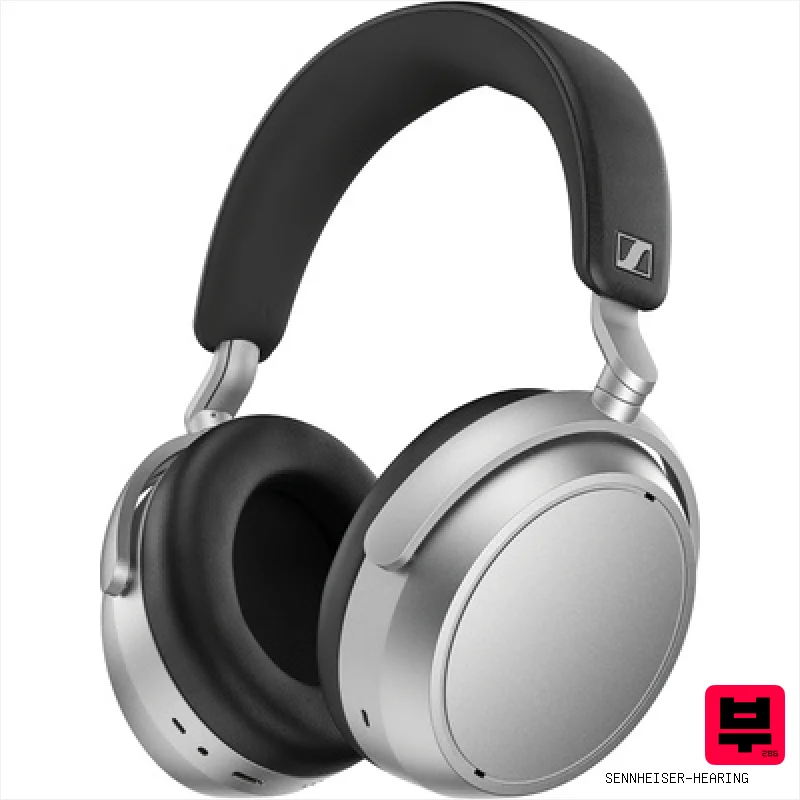
The HD 650s are a classic for a reason. They deliver a beautifully natural and detailed sound, making them perfect for critical listening, classical music, and acoustic recordings. If you value accuracy and a smooth, non-fatiguing listening experience, and have a decent amp to drive them, these are hard to beat.
Pros
- Exceptional detail retrieval across the frequency spectrum
- Natural, balanced sound signature favors acoustic music
- Comfortable for extended listening sessions with velour earpads
Cons
- 300-ohm impedance requires a dedicated headphone amplifier
- Bass response can feel slightly recessed for some listeners
-
The HD 550 is a solid choice for someone looking for an open-back experience without spending a fortune. It's a balanced, comfortable headphone, perfect for critical listening at home or in a quiet space – think classical, acoustic, or even well-produced electronic music. The soundstage is surprisingly wide for a closed-back design.
Pros
- Comfortable velour earpads offer extended listening sessions.
- Open-back design delivers a wide, natural soundstage.
- 150 Ohm impedance suits a wide range of amplifiers.
Cons
- Synthetic leather headband can get warm during long use.
- Lacks a truly premium, robust feel compared to higher-end models.
51AudioFu
Index↓ 28.7%since Aug 14 · lowest so far$313 · Aug 14$223 now$223€199 at Thomann · in stockCheck price ↗ -
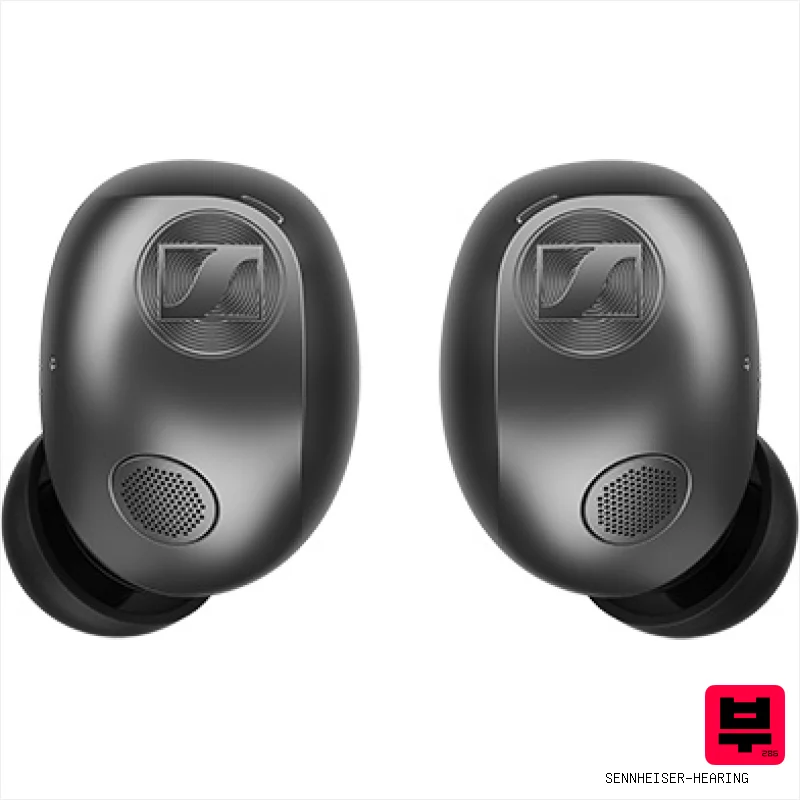
The CX 80S are a remarkable value. They deliver a surprisingly enjoyable listening experience with a decent amount of bass and clear mids, making them ideal for casual listening on the go or for someone just getting into better audio without spending a fortune.
Pros
- Surprisingly balanced sound for the price, decent bass response
- Compact and lightweight design, comfortable for extended wear
- Right-angled 3.5mm jack prevents cable strain and snagging
Cons
- Soundstage is quite narrow, lacks spatial separation
- Cable length is restrictive for some users
-
Sennheiser HD599 Open Back Headphones - 50 Ohms
HD 599 · Sennheiser
3 for sale on Reverb1 finish at Thomann
These Sennheisers are a fantastic value for anyone wanting a big, open sound without spending a fortune. The velour pads are a real comfort win, and the sound is detailed enough to pick up on subtle details in your favorite tracks. Perfect for home listening and critical evaluation, especially if you appreciate a balanced, non-fatiguing presentation.
Pros
- Excellent soundstage for open-back headphones, creating a spacious feel
- Comfortable velour earpads are forgiving for extended listening sessions
- Detailed and balanced sound signature, revealing nuances in recordings
Cons
- Cable is permanently attached, limiting portability and potential for damage
- Somewhat plain aesthetics might not appeal to everyone's taste
46AudioFu
Index↓ 6.7%since Aug 14 · lowest so far$167 · Aug 14$156 now$156€139 at Thomann · in stockCheck price ↗ -
The HD 600s are a classic for a reason. They offer a remarkably neutral and detailed soundstage – great for critical listening, mixing, or just enjoying well-recorded music. These are perfect for the discerning audiophile who values accuracy and isn't afraid to invest in a decent amplifier.
Pros
- Exceptional detail retrieval across the frequency spectrum
- Velvet-like midrange with natural vocal reproduction
- Comfortable for extended listening sessions due to balanced design
Cons
- Requires a powerful amplifier to achieve optimal volume and dynamics
- Open-back design leaks sound, not ideal for quiet environments
45AudioFu
Index↓ 5.1%since Aug 14 · lowest so far$353 · Aug 14$335 now$335€299 at Thomann · in stockCheck price ↗ -
The HD 660S2 is a refinement of an already excellent headphone. It's a real step up in bass presence while retaining the signature Sennheiser clarity. Ideal for audiophiles and music enthusiasts who appreciate a balanced, detailed sound and are willing to invest in a quality amplifier.
Pros
- Improved bass response over the original 660S, feels more impactful.
- Velour ear pads offer enhanced comfort for extended listening sessions.
- The dual cable setup (3.5mm/4.4mm) provides versatility for various setups.
Cons
- 300 Ohm impedance demands a decent headphone amplifier for optimal performance.
- The open-back design isn't ideal for noisy environments or private listening.
44AudioFu
Index↓ 12.0%since Aug 14 · lowest so far$559 · Aug 14$492 now$492€439 at Thomann · in stockCheck price ↗ -
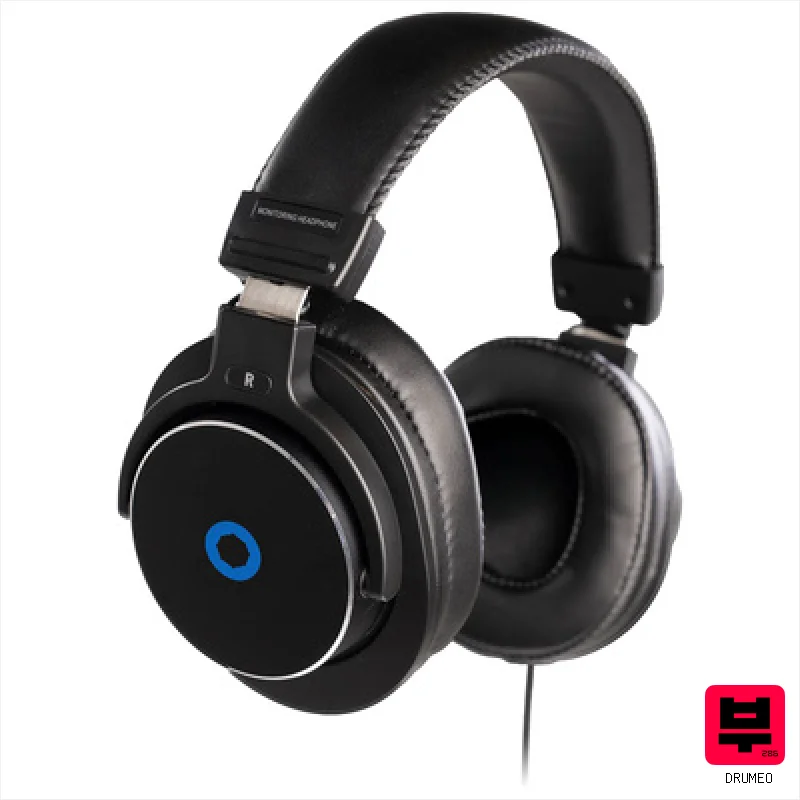
These Sennheisers are a solid choice if you need a reliable, affordable pair of closed-back headphones for monitoring or travel. They deliver a clean, neutral sound that won't color your audio, and the one-sided cable is a nice touch for organization. Perfect for podcasters, DJs, or anyone needing a no-fuss, portable solution.
Pros
- Surprisingly robust clamping force for a budget-friendly closed-back design.
- Clear, balanced sound signature suitable for monitoring and casual listening.
- 32-ohm impedance makes them easy to drive from phones and laptops.
Cons
- The plastic construction feels noticeably lightweight and less premium.
- Soundstage is quite narrow due to the closed-back design, lacking spaciousness.
41AudioFu
Index↓ 5.8%since Aug 14 · lowest so far$77 · Aug 14$73 now$73€65 at Thomann · in stockCheck price ↗ -
These Sennheisers are a solid choice if you prioritize comfort and portability. They deliver a clean, balanced sound, making them great for critical listening or casual enjoyment on the go – especially if you’re using a phone or tablet and don’t want a powerful amplifier. They're a dependable, easy-to-use option.
Pros
- Supraaural design offers good isolation without excessive clamping pressure.
- Lightweight build (70g) makes them comfortable for extended listening sessions.
- 32 Ohm impedance ensures compatibility with mobile devices and basic amplifiers.
Cons
- Lacks advanced features like noise cancellation or detachable cable.
- Cable length (1m) might be restrictive for some users.
41AudioFu
Index↓ 5.7%since Aug 14 · lowest so far$391 · Aug 14$369 now$369€329 at Thomann · in stockCheck price ↗ -
The HD 569 is a solid choice for someone looking for a comfortable, detailed listening experience without spending a fortune. They're great for acoustic music, classical, and anything with a strong vocal presence – not so much for electronic or bass-heavy genres. A real sweet spot for casual listeners and those starting to explore hi-fi audio.
Pros
- Excellent soundstage for the price, creates a wide and immersive listening experience
- Comfortable for extended listening sessions thanks to the velour earpads
- Surprisingly detailed mid-range, vocals shine with clarity and presence
Cons
- Build quality feels somewhat plasticky, not as robust as higher-end Sennheisers
- The attached cable can be a bit cumbersome, prone to tangling
40AudioFu
Index↓ 5.2%since Aug 14 · lowest so far$129 · Aug 14$122 now$122€109 at Thomann · in stockCheck price ↗
All 15 hifi headphones
Same index, same nightly prices — compact. Colour options of one model share a row. Tap a photo to zoom.
- 11
Sennheiser HD-490 PROSennheiser39↓ 2.9%$380€339$380€339Check ↗
- 12
Sennheiser HP 02-100 Single UnitSennheiser38Stable$28€25$28€25Check ↗
- 13
Sennheiser CX 80U SakuraSennheiser38Stable$44€39$44€39Check ↗
- 14
Sennheiser IE 200Sennheiser38Stable$145€129$145€129Check ↗
- 15
Sennheiser HD 620S Mic BundleSennheiser25↓ 8.8%$301€269$301€269Check ↗
HiFi Headphones by the numbers
Measured across all 113 models we track, not a sample.
Median $156 — half of all hifi headphones here cost less.
How the AudioFu Index works
Five measured signals and nothing else — no stars from strangers, no “tested by experts” we didn’t do. The weights are fixed and public. We don’t play these instruments; we measure the market around them.
This chart covers 21 hifi headphones from the Thomann catalogue (of 113 in the category). Before you buy, read hands-on reviews and, where you can, play it. Full methodology.
AudioFu earns a commission when you buy through our Thomann links. It never changes the order — the index does.
- Demand40%
How many of this exact model are for sale on Reverb right now — what musicians actually buy and resell.
- Lineup20%
How many finishes Thomann stocks — makers expand the models that sell.
- Price15%
Where the price has moved since we started tracking in August.
- Specs15%
How completely the maker documents it.
- Maker10%
How deep the brand’s range is in this category.
Questions
What should I look for when buying hifi headphones?
Key factors include build quality, sound characteristics, playability, brand reputation, warranty coverage, and value for money. Consider your musical style, skill level, and intended use to find the best match.
How much should I spend on hifi headphones?
Budget depends on your needs and experience level. Beginners can find quality options for $200-500, intermediate players should consider $500-1500 range, while professionals often invest $1500+ for premium features.
Are expensive hifi headphones worth the investment?
Higher-priced hifi headphones typically offer better materials, craftsmanship, and performance. They're worth it if you're serious about music, perform regularly, or need professional-grade features.
What are the best brands for hifi headphones?
Top brands combine quality, innovation, and reliability. We evaluate brands based on build quality, sound performance, durability, and customer satisfaction to recommend the best options for different budgets.
Should I buy hifi headphones online or in-store?
Both have advantages. Online offers better prices and selection, while stores allow hands-on testing. We recommend researching online first, then testing in stores if possible. Many online retailers offer excellent return policies.