
Best Headphone/Microphone Combinations Under $50 2026
Alright, so you need an intercom system for band rehearsals, monitoring on stage, or even just clear comms in the recording booth but your budget's tighter than a vintage Tele's neck pocket? Yeah, finding something decent under $50 is a challenge, but not impossible. We're not talking pristine studio quality here, but we can find some workable solutions that won't leave you pulling your hair out trying to hear each other.
Last updated: April 11, 2026
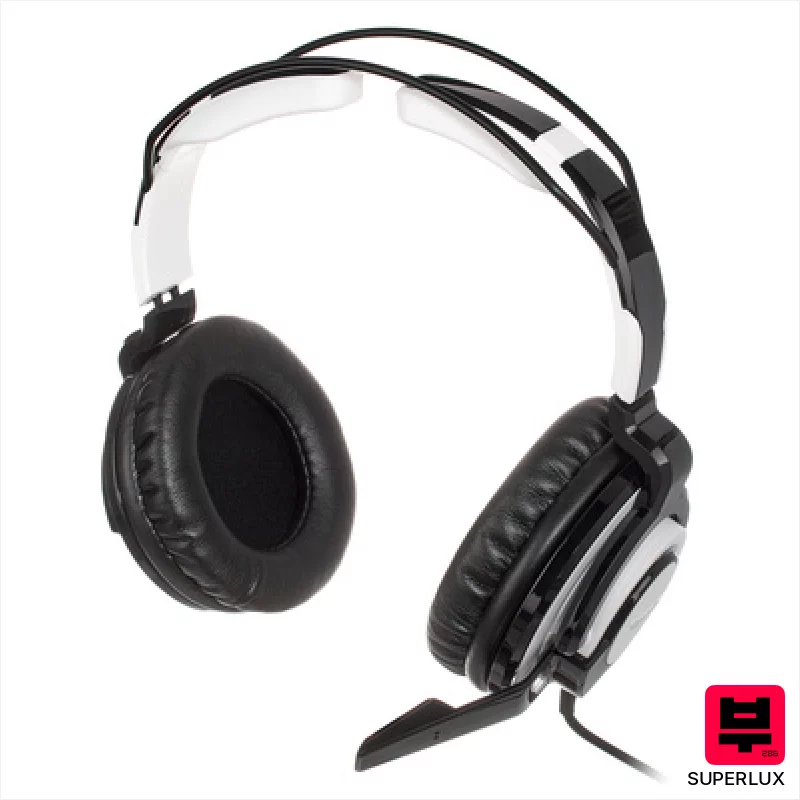
Superlux HMC-631 White
- • Neodymium magnets deliver surprisingly robust bass response.
- • Cardioid mic rejects background noise effectively for clear comms.
- • Circumaural design offers decent passive noise isolation for the price.
- • Lightweight and comfortable for extended wear, especially for monitoring.
- • Build quality feels noticeably cheap, mostly plastic construction.
- • Frequency response leans slightly recessed, lacking sparkle in highs.
- • 3.5mm connectors are a potential point of failure with heavy use.
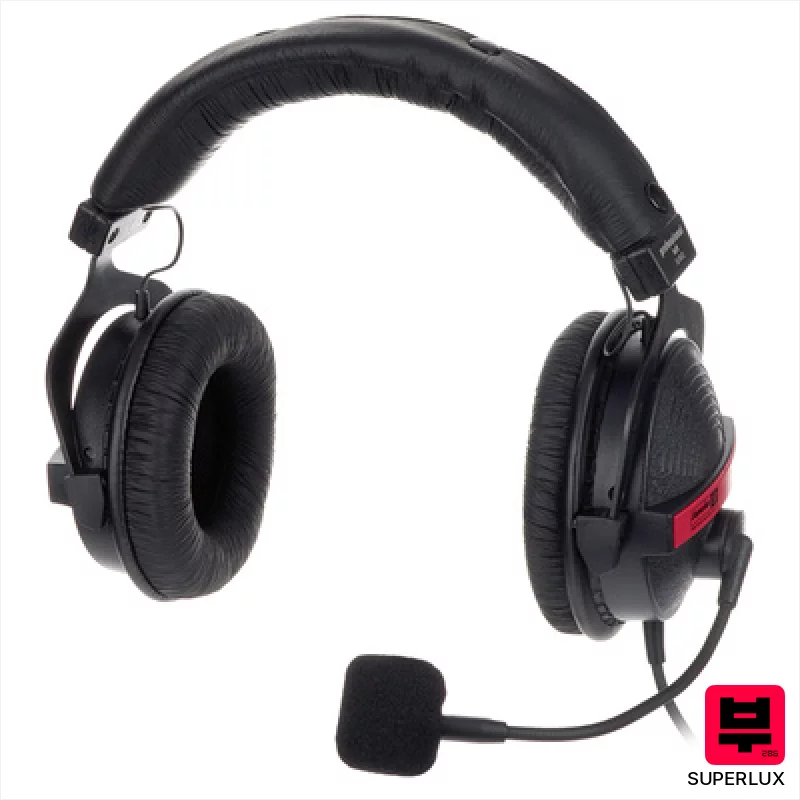
Superlux HMC 660 X
- • Surprisingly robust dynamic headphone drivers offer decent isolation
- • Condenser mic delivers clear vocals, good for basic recording
- • Included adapters offer flexibility for various interfaces
- • Lightweight design (without cable) is comfortable for extended use
- • Spiral cable can be prone to tangling and microphonics
- • Headphone sound lacks refinement, a 'budget' character
- • Condenser mic needs phantom power, limiting portability

Albrecht HS 02 A
- • Lightweight construction minimizes fatigue during extended use.
- • Gooseneck mic provides excellent positioning for clear voice transmission.
- • Versatile mounting options (ear, neckband) suit varied environments.
- • Simple VOX/PTT operation streamlines communication workflows.
- • Plastic construction feels budget-oriented; durability a potential concern.
- • Sound quality is functional, not audiophile-grade, for critical listening.
- • Limited compatibility beyond Albrecht/Midland radios restricts broader use.
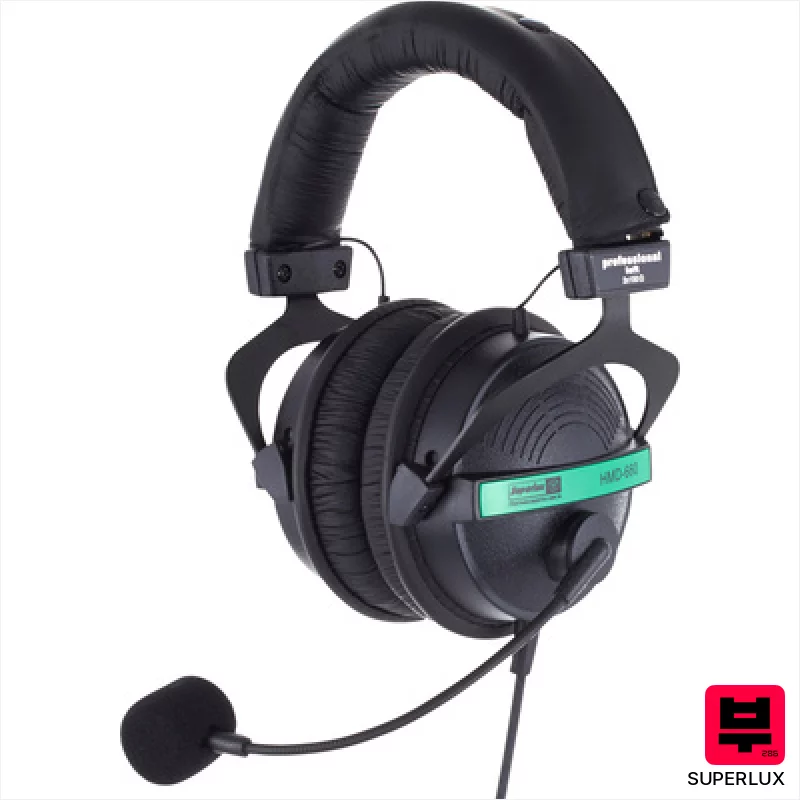
Superlux HMD-660X
- • Surprisingly robust headband and clamping force for the price.
- • Dynamic mic handles loud vocals and instruments without distortion.
- • Decent headphone isolation helps minimize background noise.
- • Spiral cable provides flexibility and reduces tangling issues.
- • Headphone frequency response lacks refinement, sounds slightly muddy.
- • Microphone’s frequency range is limited, lacks high-end clarity.
- • Cable is bulky and can be cumbersome during movement.

Behringer HS20
- • Surprisingly decent sound for the price; clear enough for voice
- • Lightweight and comfortable for extended use during calls
- • Convenient volume control and mute switch on the cable
- • Included pop filter helps reduce plosives in recordings
- • Plastic construction feels noticeably cheap and fragile
- • Microphone frequency response is heavily filtered; lacks high-end detail
- • Sound isolation is minimal; significant ambient noise bleed
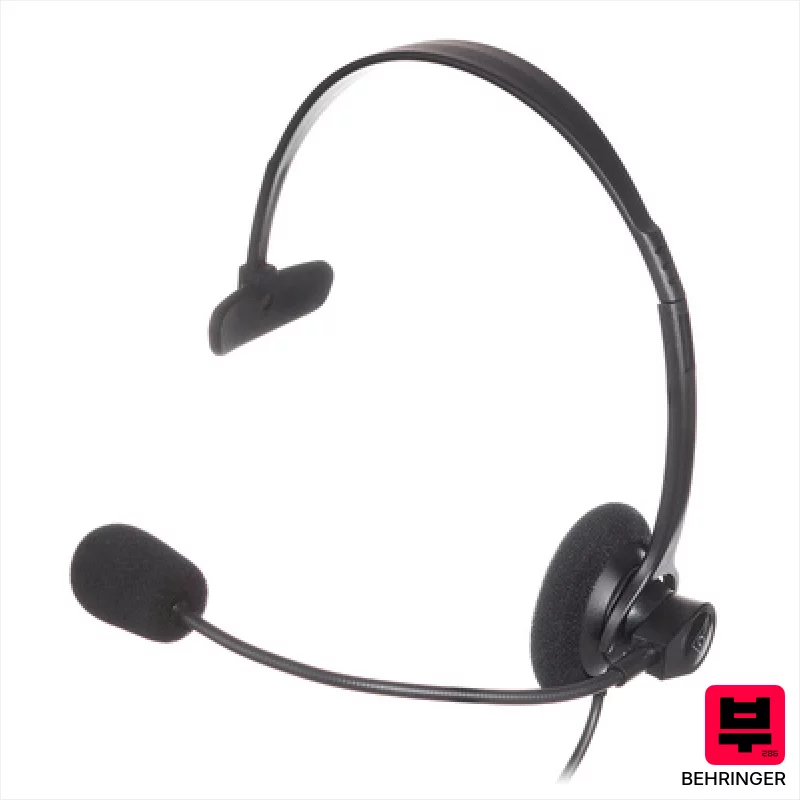
Behringer HS10
- • Surprisingly clear dynamic driver for the price point
- • Convenient volume control and mute switch on the cable
- • Lightweight design reduces fatigue during extended use
- • Included pop filter helps minimize plosives effectively
- • Plastic build quality feels noticeably cheap and fragile
- • Limited frequency response restricts high-end detail and clarity
- • One-ear design isn't ideal for critical listening or monitoring
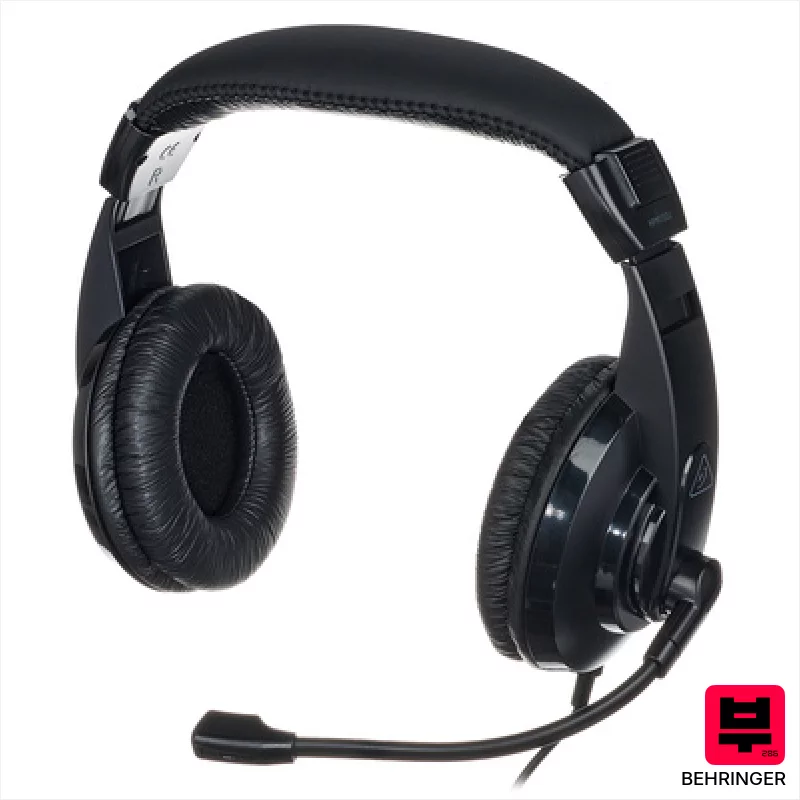
Behringer HPM1100U
- • Surprisingly robust plastic construction for the price point.
- • Decent frequency response for basic vocal recording or gaming.
- • Integrated cable controls simplify volume and mute functions.
- • Comfortable enough for extended use, given the budget constraints.
- • Sound quality lacks refinement; noticeably colored and lacks detail.
- • Dynamic mic exhibits limited sensitivity and a proximity effect.
- • Build quality feels plasticky and prone to cable strain over time.

Behringer BH470U
- • Surprisingly decent sound for the price; usable for basic vocal recording
- • Lightweight and comfortable for extended gaming or streaming sessions
- • Flexible USB/3.5mm connectivity offers broad compatibility
- • Detachable mic prevents cable tangles and allows headphone-only use
- • Dynamic mic lacks sensitivity for quiet sources; noisy in less-than-ideal environments
- • Plastic build feels flimsy; longevity is questionable with heavy use
- • Headphone sound lacks detail and bass extension for critical listening
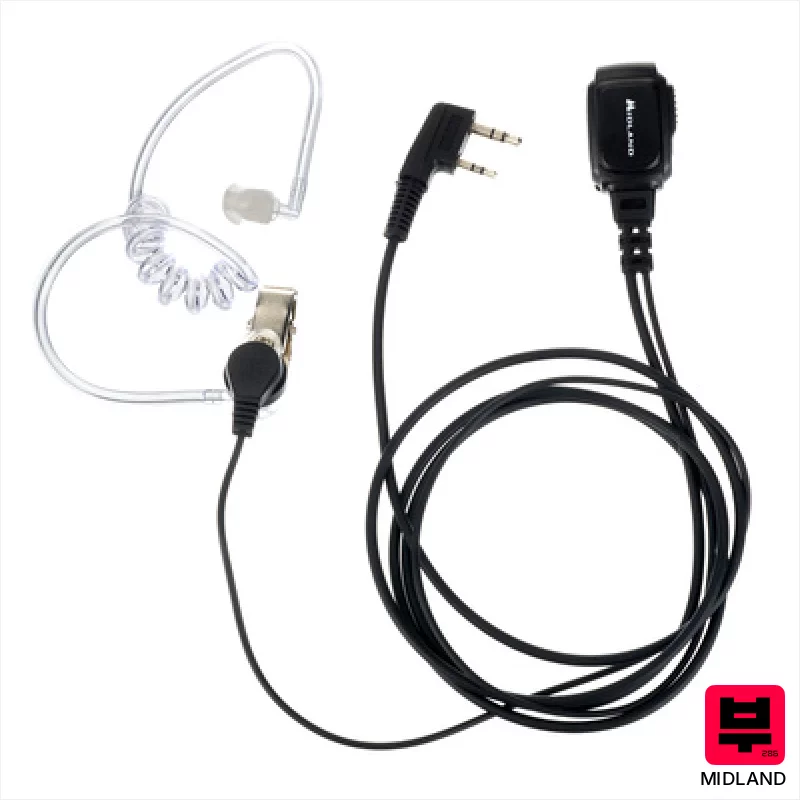
Midland MA-31 LK Pro
- • Robust construction: Likely utilizes reinforced polymers and metal components for durability.
- • Ergonomic design: The lightweight build (43g) ensures comfortable extended use.
- • Kenwood compatibility: Broad compatibility with popular two-way radio brands simplifies integration.
- • Clear microphone pickup: Expect decent voice clarity for professional communication needs.
- • Lacks VOX support: Manual transmission required, limiting hands-free operation.
- • Limited radio compatibility: Restricted to radios with a Kenwood circuit.
- • Basic audio fidelity: Don't expect high-fidelity audio reproduction for music listening.
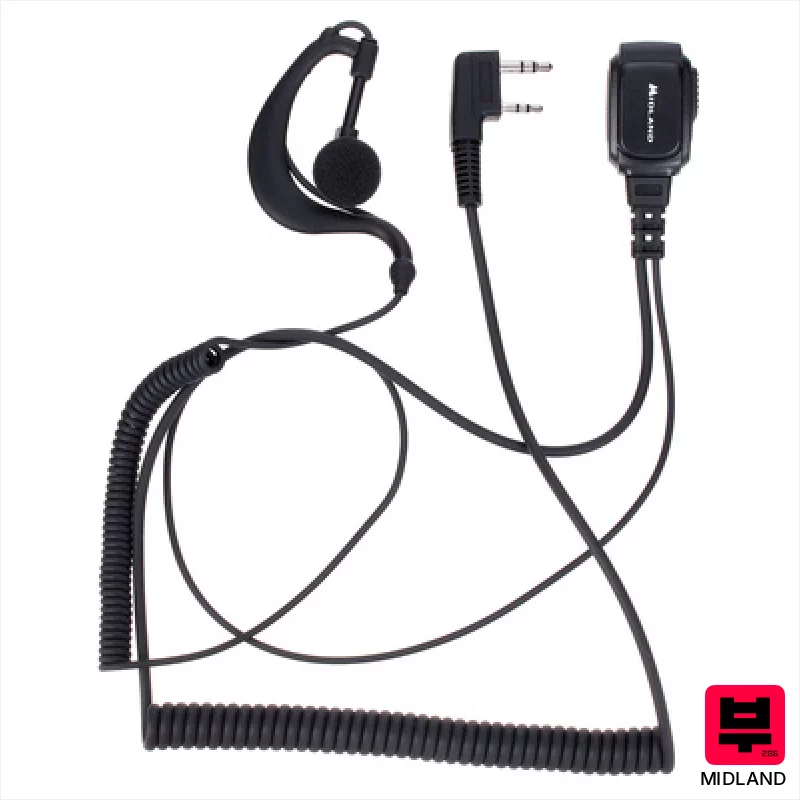
Midland MA 21-LK Pro
- • Robust, lightweight construction using durable ABS plastic and reinforced headband.
- • Ergonomic design distributes weight well, minimizing fatigue during extended use.
- • Kenwood compatibility ensures broad compatibility with popular two-way radio brands.
- • Clear microphone reproduction, minimizing background noise for effective communication.
- • Lacks VOX support, requiring manual transmission activation on compatible radios.
- • Limited adjustability restricts fit for users with exceptionally large or small heads.
- • Basic construction lacks advanced features like noise-canceling or Bluetooth connectivity.
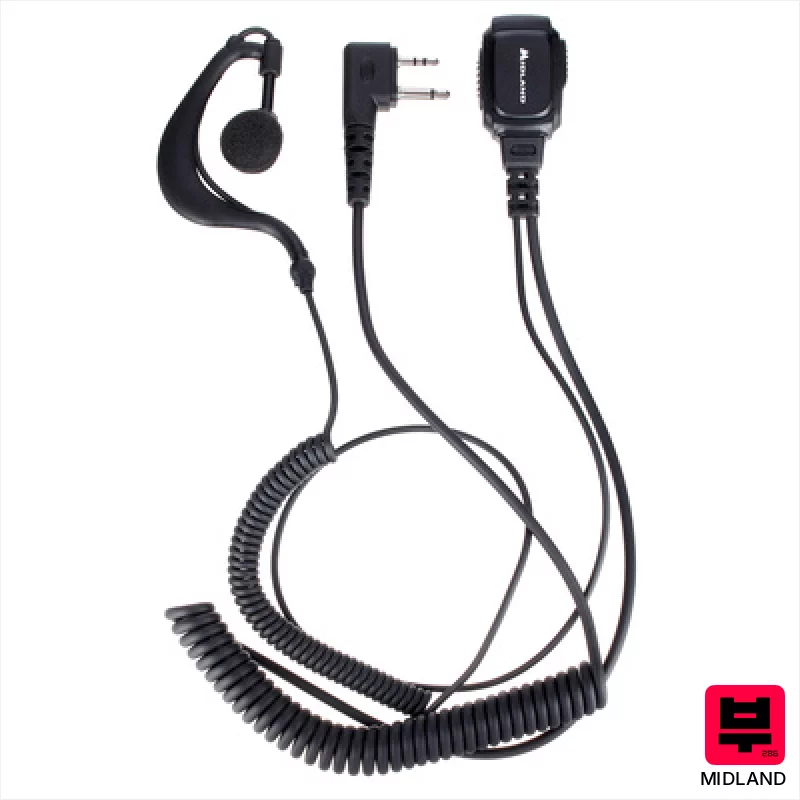
Midland MA 21-L Pro
- • Lightweight design minimizes fatigue during extended use.
- • 90-degree connector prevents cable strain and snagging.
- • Dual VOX/PTT operation offers flexible communication modes.
- • Clip microphone secures easily to clothing for hands-free operation.
- • Plastic construction feels budget-oriented, lacking premium durability.
- • Limited frequency response; not ideal for critical audio monitoring.
- • Single connector type restricts compatibility with some radios.
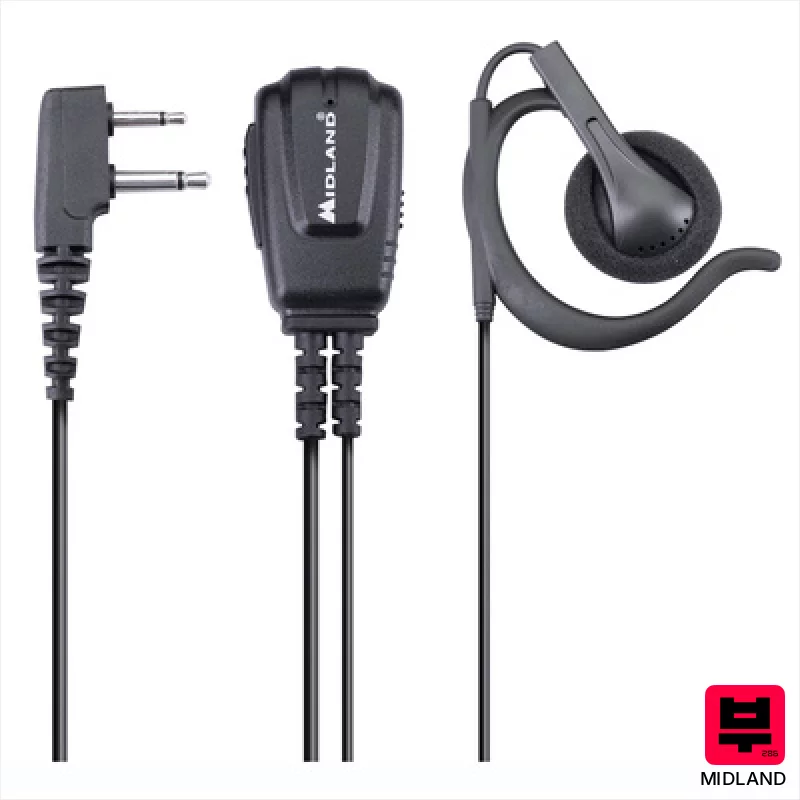
Midland MA 24-L Pro
- • Surprisingly robust plastic construction for its price point, feels durable.
- • Clear vocal reproduction; decent intelligibility for basic comms.
- • PTT button offers reliable, responsive push-to-talk functionality.
- • Lightweight design minimizes fatigue during extended use.
- • Audio quality is basic; lacks nuance for critical listening applications.
- • 90-degree plug, while convenient, is a potential weak point for breakage.
- • Limited frequency response restricts its use in higher-fidelity scenarios.
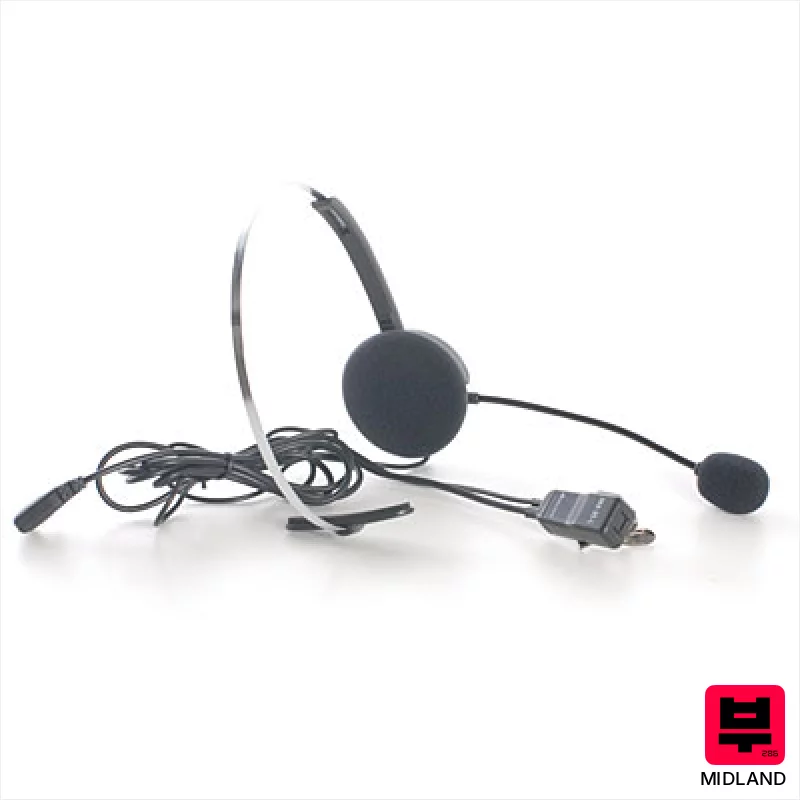
Midland MA 35
- • Lightweight design minimizes fatigue during extended use
- • Gooseneck mic offers flexible positioning for clear voice capture
- • Duo connector provides compatibility with a range of Midland radios
- • Simple, robust construction ideal for demanding field applications
- • Sound quality is functional, not studio-grade, for critical audio work
- • Plastic construction feels budget-oriented, potentially less durable long-term
- • Limited adjustability beyond microphone positioning
How to Choose the Best Headphone/Microphone Combinations
Clarity
At this price point, expect compromises. We're looking for the least amount of hiss, muddiness, or that brittle, tinny quality that makes communication a headache. It's about intelligibility, not pristine fidelity.
Durability
Plastic housings and flimsy cables are common. We're assessing how well these systems hold up to the inevitable bumps and jostles of gigging or even just being moved around a rehearsal space.
Comfort
Headphones need to be wearable for extended periods without causing fatigue. We're evaluating padding, weight distribution, and overall ergonomics. Nobody wants to spend a set battling uncomfortable cans.
Microphone Sensitivity
A mic that's too quiet gets lost in the mix. A mic that's too sensitive picks up every breath and noise. Finding a good balance is crucial for clear and concise communication.
Channel Separation
Intercom systems need to keep conversations separate. We're checking for bleed-through between channels, which can create a chaotic and frustrating experience.
Buying Guide
Let's be real, at this price, you're trading something. Expect basic functionality and limited features. Cable quality will likely be the first thing to suffer - a good idea to have some replacements on hand. Don't expect a wide frequency response or a ton of low-end thump; these are primarily for voice communication, not listening to music. If you need crystal-clear audio or serious durability, you'll need to spend more.
How This List Is Built
We don't play these instruments — we're a catalog, not a review desk, and we'd rather say so than pretend otherwise. This page ranks 13 headphone/microphone combinations from the Thomann catalogue, which is the largest single source of specification data in this category.
Position is computed, not curated. Four signals, in order of weight: how completely the manufacturer documents the instrument (number of published specifications), where it sits in the price range, how specific the model designation is — which filters out generic accessories — and whether a product image exists. The same inputs always produce the same order, so nothing here is shuffled to look fresh.
What this list is good for: narrowing a category down to a shortlist by spec and budget. What it isn't: a substitute for hearing an instrument. Before you buy, read hands-on reviews and, where you can, play it. Full methodology.

