
Best Headphone/Microphone Combinations for Broadcasting 2026
So, you're diving into broadcasting - podcasting, streaming, voiceover work, the whole shebang. A decent mic and headphones aren't just 'nice to haves,' they're the foundation of a professional sound. Forget those cheap plastic headset combos; we're talking about getting a setup that captures your nuances and lets you hear yourself accurately. Let's find the right mic/headphone pairings for your broadcast game.
Last updated: July 22, 2026 • Next update: July 29, 2026
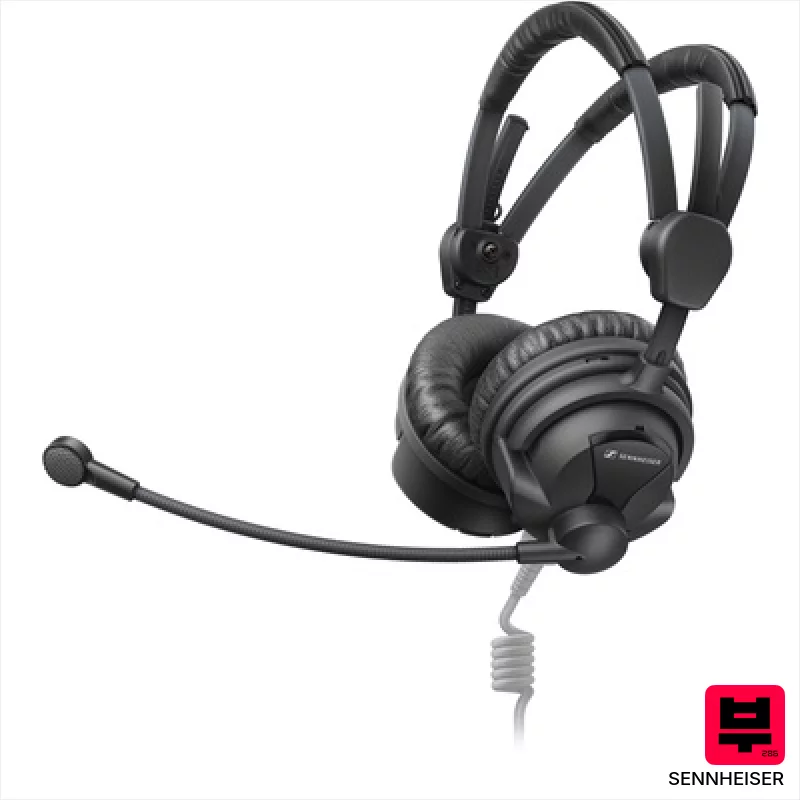
Sennheiser HME 26
- • Robust dynamic headphone drivers deliver clear, fatigue-resistant audio.
- • Integrated ActiveGuard protects hearing, crucial for long recording sessions.
- • Condenser mic captures detailed vocals with excellent transient response.
- • Comfortable on-ear design minimizes pressure during extended use.
- • Cable not included; a frustrating omission at this price point.
- • Closed-back design can feel isolating for some users.
- • Requires phantom power, limiting compatibility with some interfaces.
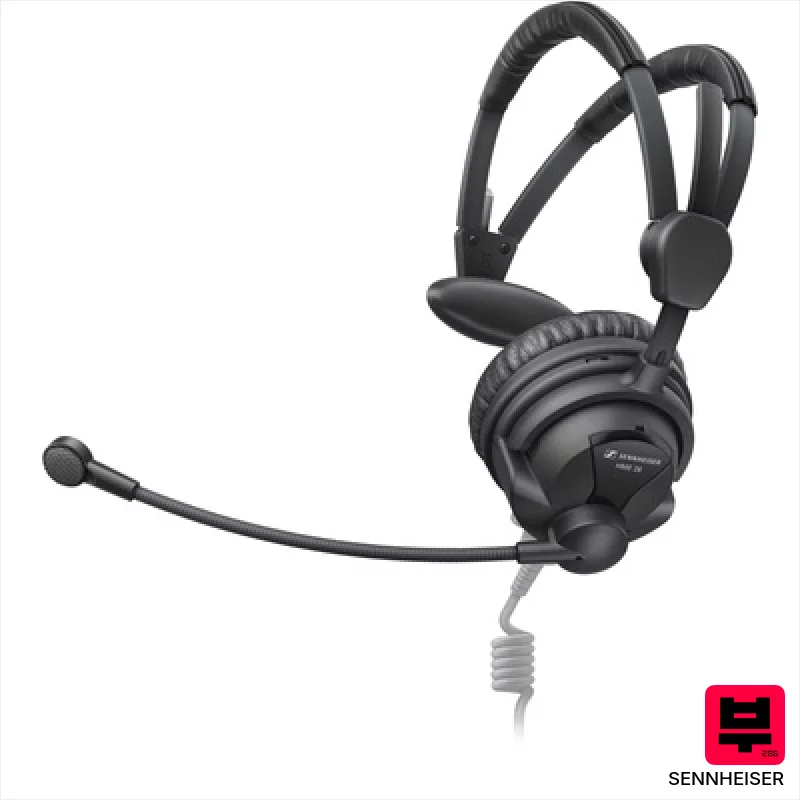
Sennheiser HME 26 S
- • Robust dynamic driver delivers clear, focused vocal capture.
- • ActiveGuard limiter protects hearing and equipment effectively.
- • Closed-back design provides excellent isolation for noisy environments.
- • Comfortable, one-ear design minimizes fatigue during extended use.
- • Cable not included; a significant omission at this price point.
- • Hyper-cardioid mic is sensitive; requires careful mic technique.
- • Limited headphone frequency response compared to dedicated audiophile headphones.
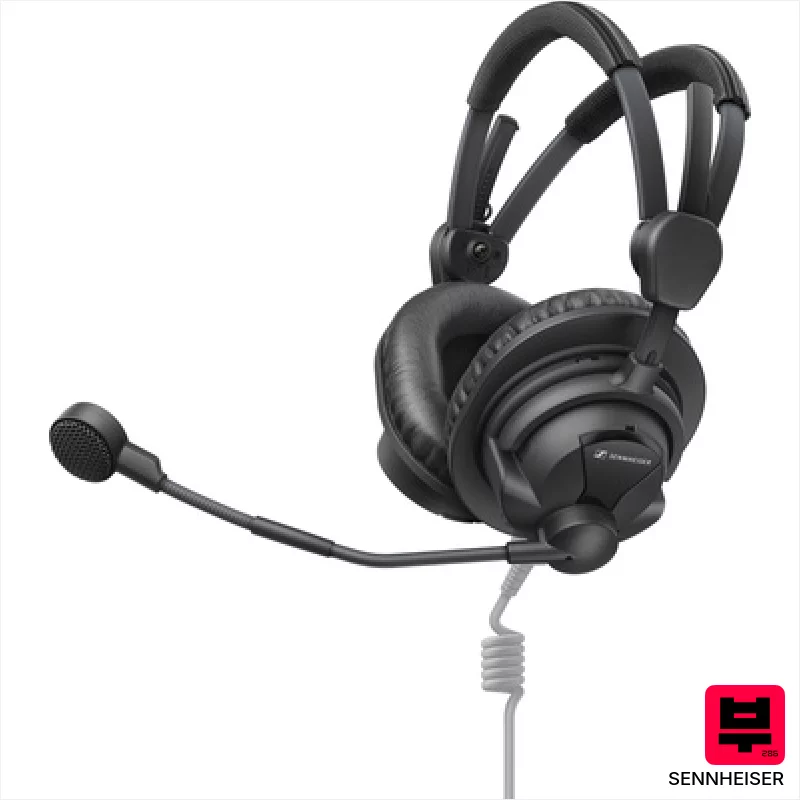
Sennheiser HMD 27
- • Robust build quality with durable headband and earcup materials.
- • Dynamic headphone drivers deliver a surprisingly detailed and balanced sound.
- • Hyper-cardioid mic excels at isolating vocals in noisy environments.
- • ActiveGuard limiter protects hearing and prevents sudden audio spikes.
- • Wired connection lacks the convenience of wireless options.
- • Significant weight may cause discomfort during extended use.
- • Limited versatility; primarily designed for professional communication, not casual listening.
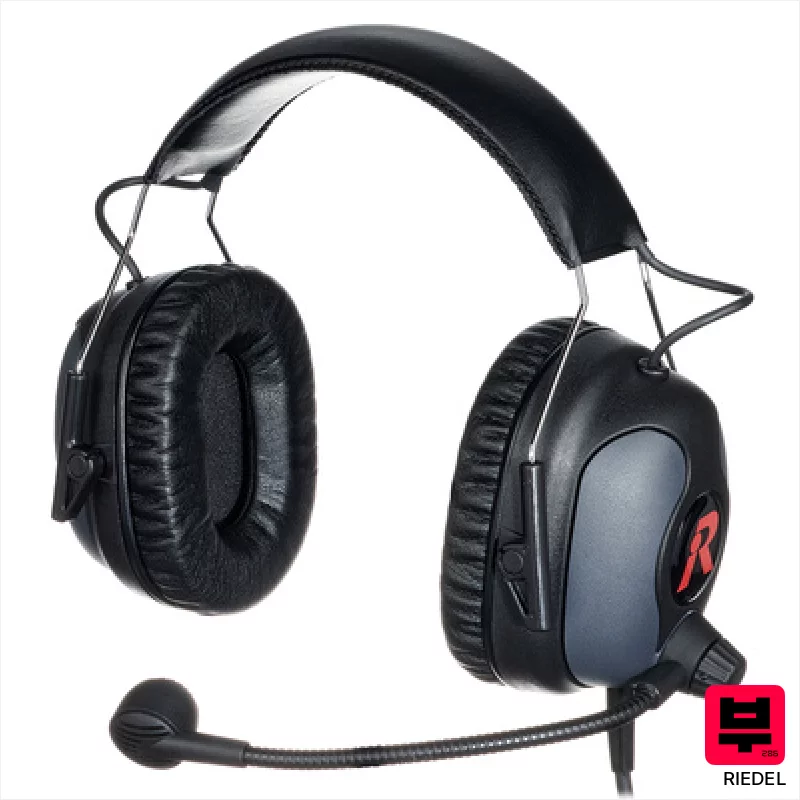
Riedel Max-D2 XLR4F
- • Robust German engineering ensures exceptional durability under demanding conditions.
- • Hypercardioid mic rejects off-axis noise, crucial for loud environments.
- • Effective hearing protection minimizes fatigue during extended use at events.
- • 270° rotating boom provides comfortable, adaptable positioning for all users.
- • The 400g weight can be fatiguing during prolonged wear, especially for smaller users.
- • 300 Ohm impedance requires a powerful headphone amplifier for optimal performance.
- • Hypercardioid pattern demands precise mic placement to avoid signal drop.
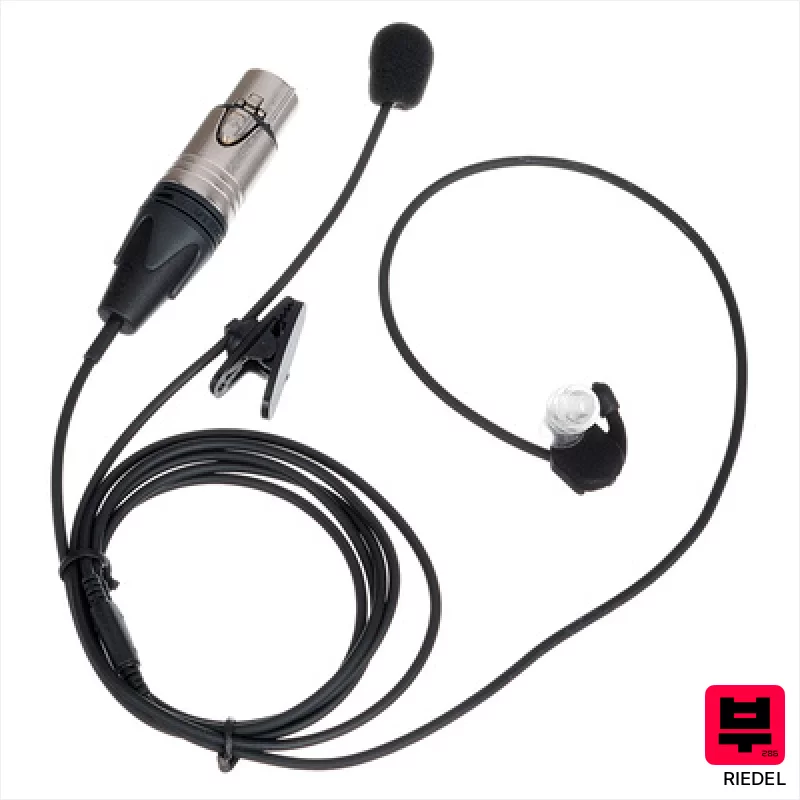
Riedel TAC-E1R XLR4F
- • Excellent noise reduction crucial for demanding broadcast environments.
- • Bolero system integration simplifies complex comms workflows considerably.
- • Lightweight design (53g) minimizes fatigue during extended use.
- • Flexible boom arm allows precise mic placement for clear voice capture.
- • Limited frequency response (200Hz-5000Hz) restricts audio fidelity for music applications.
- • 780/1450 Ohm impedance requires a powerful headphone amplifier.
- • Omnidirectional mic picks up background noise if not used carefully.
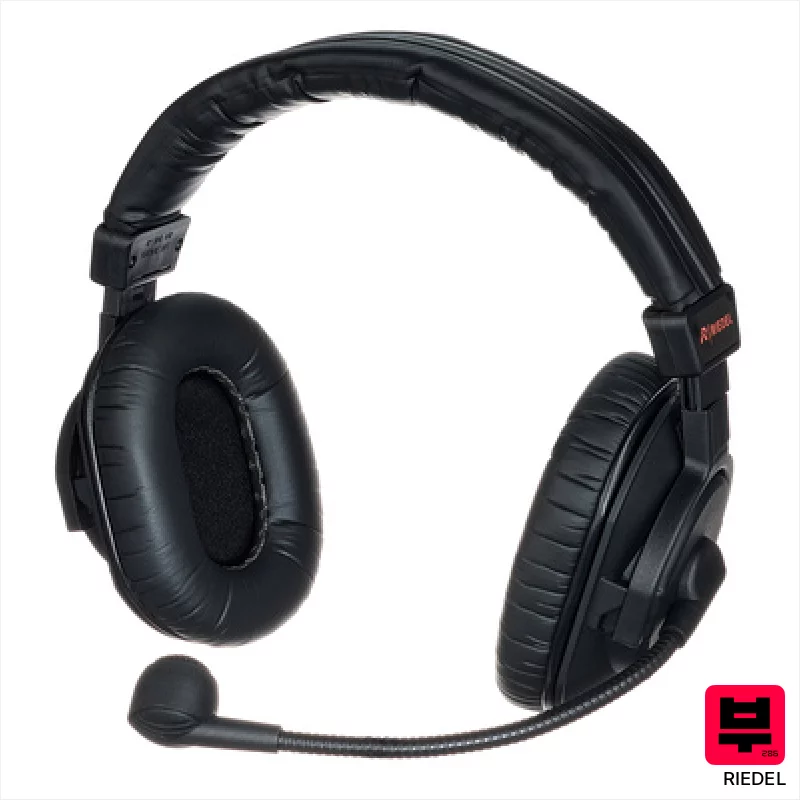
Riedel Pro-D2 XLR4F
- • Robust German engineering ensures exceptional durability and long-term reliability.
- • Neodymium magnets deliver powerful, clear audio reproduction across a wide frequency range.
- • Hypercardioid mic pattern minimizes background noise, ideal for noisy environments.
- • 270° rotating boom provides adaptable comfort and precise mic positioning.
- • The weight (286g) can cause fatigue during extended use, especially for smaller users.
- • Limited frequency response in the microphone range restricts nuanced vocal detail.
- • Premium-priced, placing it beyond the reach of budget-conscious users.

Sennheiser HMD 26 S
- • Robust, all-steel headband provides excellent long-term durability.
- • Dynamic mic delivers clear, focused vocal capture with good proximity effect.
- • ActiveGuard limiter protects hearing and equipment from sudden peaks.
- • Supra-aural design offers better isolation than full-ear headphones.
- • Wired connectivity lacks flexibility for modern, mobile workflows.
- • Single-sided design limits stereo monitoring capabilities.
- • Microphone's hyper-cardioid pattern demands careful mic technique.
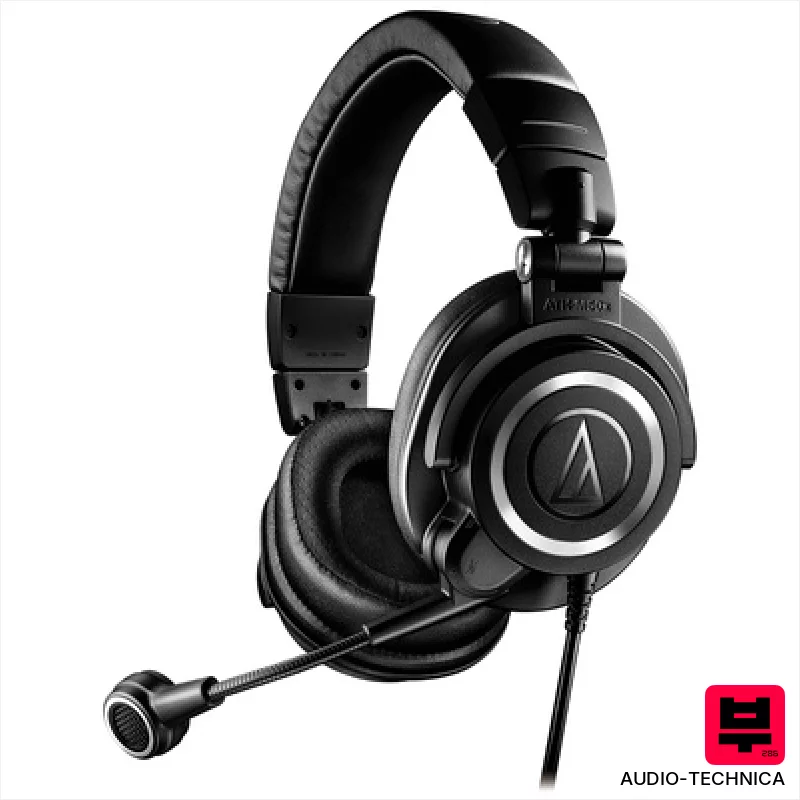
Audio-Technica ATH-M50xSTS USB
- • Excellent M50x headphone sound signature – balanced, detailed, and punchy.
- • Convenient single-cable USB setup simplifies streaming and recording.
- • Flip-up mic offers quick muting; practical for on-air personalities.
- • Built-in A/D converter delivers clean audio with minimal noise.
- • The closed-back design can feel isolating during extended use.
- • The weight, while manageable, can become noticeable over long sessions.
- • USB-A connector feels dated; USB-C adapter is a workaround.

Sennheiser HMD 300
- • Robust build quality with durable headband and earcup materials.
- • Dynamic headphone drivers deliver a surprisingly balanced and detailed sound.
- • Hyper-cardioid mic excels at isolating vocals in noisy environments.
- • ActiveGuard limiter protects hearing and prevents unwanted peaks effectively.
- • Wired-only design limits mobility and versatility in modern setups.
- • Heavier than many other headset options, potentially fatiguing during long sessions.
- • Hyper-cardioid mic is highly sensitive, requiring careful mic technique.
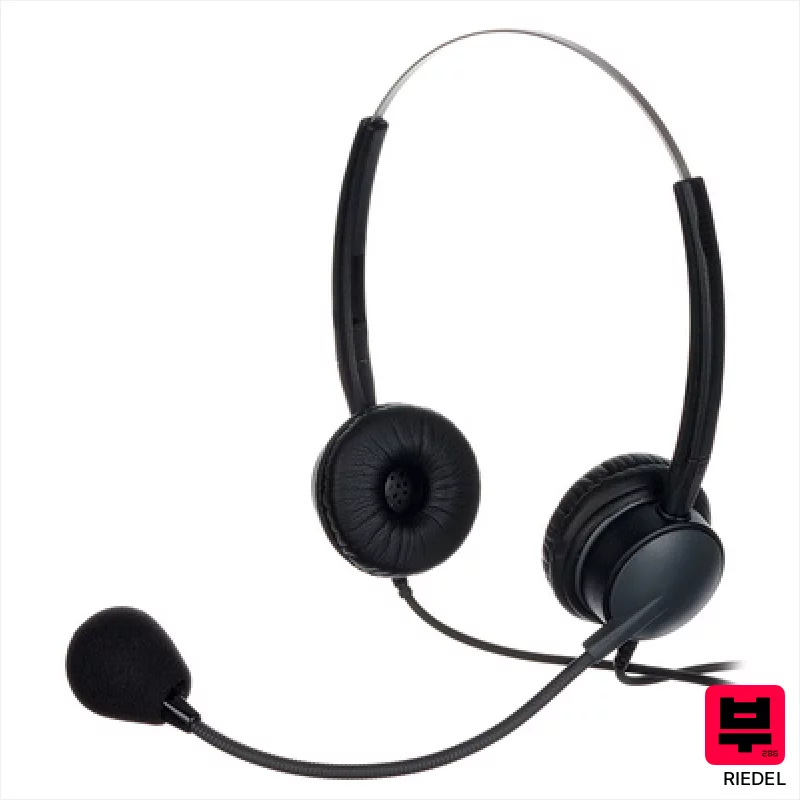
Riedel AIR-D2 XLR4F
- • Exceptional clarity and detail in both audio and mic signals.
- • Coolmax ear cushions offer extended comfort during long sessions.
- • Robust German engineering ensures long-term reliability and durability.
- • Hypercardioid mic rejects off-axis noise effectively for clean recordings.
- • Relatively heavy for extended wear, may fatigue some users.
- • Hypercardioid pattern demands precise mic placement for optimal results.
- • Limited frequency response for microphone, impacting nuanced vocal capture.

AKG HSC 271 PC Set
- • Dynamic headphones deliver clear audio isolation for focused recording sessions.
- • Condenser mic captures detailed vocals and instruments with surprising clarity.
- • Swiveling mic arm allows for precise positioning and comfortable use.
- • PC cable provides convenient parallel powering for easy computer connectivity.
- • The headset design might feel bulky and less comfortable for extended wear.
- • Lack of microphone muting via the included cable is a notable omission.
- • The 300g weight can become noticeable during longer recording periods.
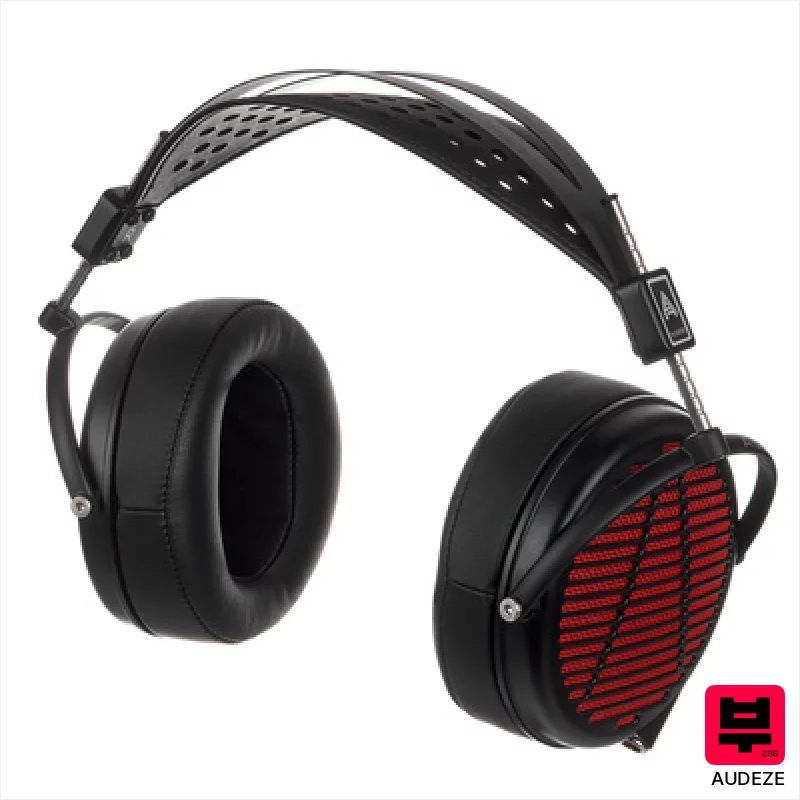
Audeze LCD-GX
- • Planar drivers deliver exceptional detail and transient response.
- • Magnesium housing provides a lightweight yet rigid and durable build.
- • Detachable mic offers flexibility for studio and gaming use.
- • Open-back design creates a wide, natural soundstage for monitoring.
- • The open-back design isn't ideal for noise isolation or casual listening.
- • 20 Ohm impedance requires a decent headphone amplifier for optimal performance.
- • Premium-priced, representing a significant investment for many users.
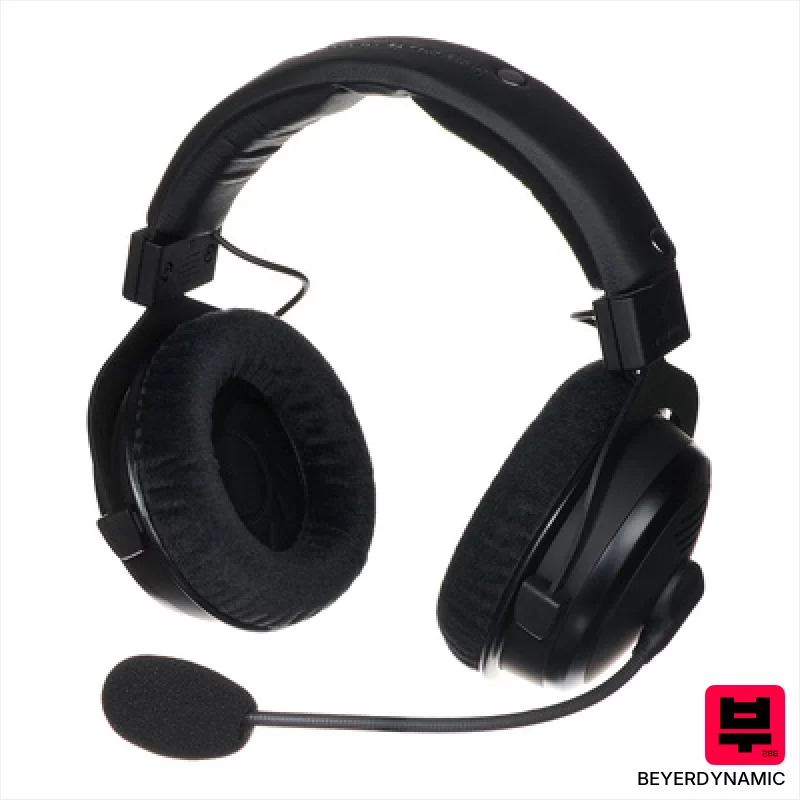
beyerdynamic MMX 330 Pro
- • Velour ear pads offer exceptional comfort for extended gaming sessions.
- • Open-back design delivers a surprisingly wide and natural soundstage.
- • Cardioid mic effectively isolates voice, minimizing background noise.
- • Solid build quality with Beyerdynamic’s signature robustness and attention to detail.
- • The 318g weight can feel fatiguing during very long use.
- • Open-back design leaks audio, not ideal for shared spaces.
- • Limited versatility beyond gaming and multimedia applications.
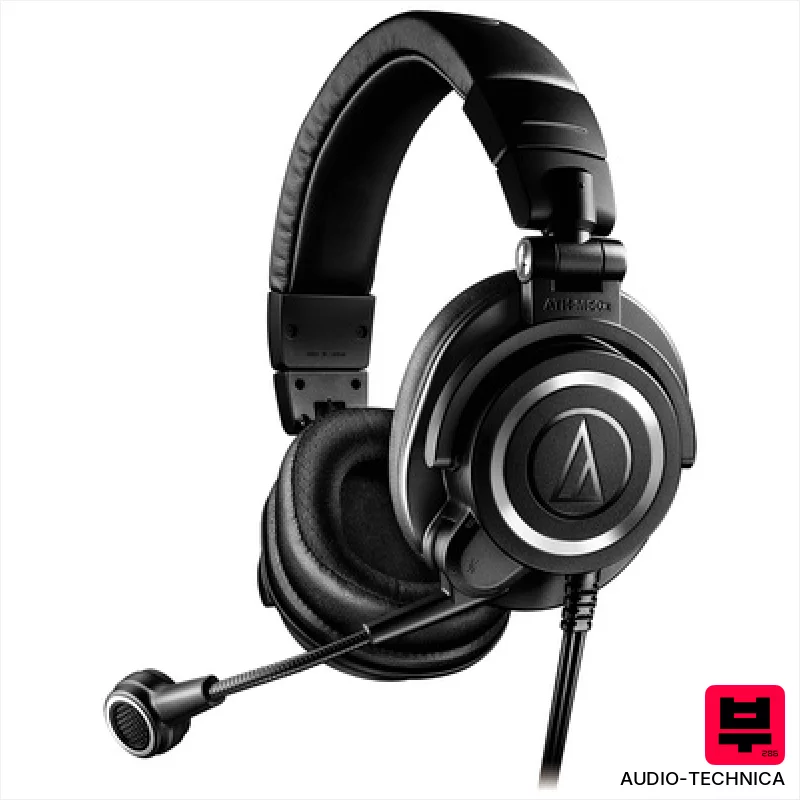
Audio-Technica ATH-M50xSTS XLR
- • Excellent M50x headphone sound signature – balanced, detailed, and punchy.
- • Convenient single-cable design simplifies setup for streaming and recording.
- • Flip-up mic clamp offers quick muting and repositioning during use.
- • Cardioid mic rejects room noise, providing clear vocal recordings.
- • The weight can become fatiguing during extended recording sessions.
- • 3.5mm headphone jack limits compatibility with some professional audio interfaces.
- • XLR mic requires phantom power, adding complexity for some users.
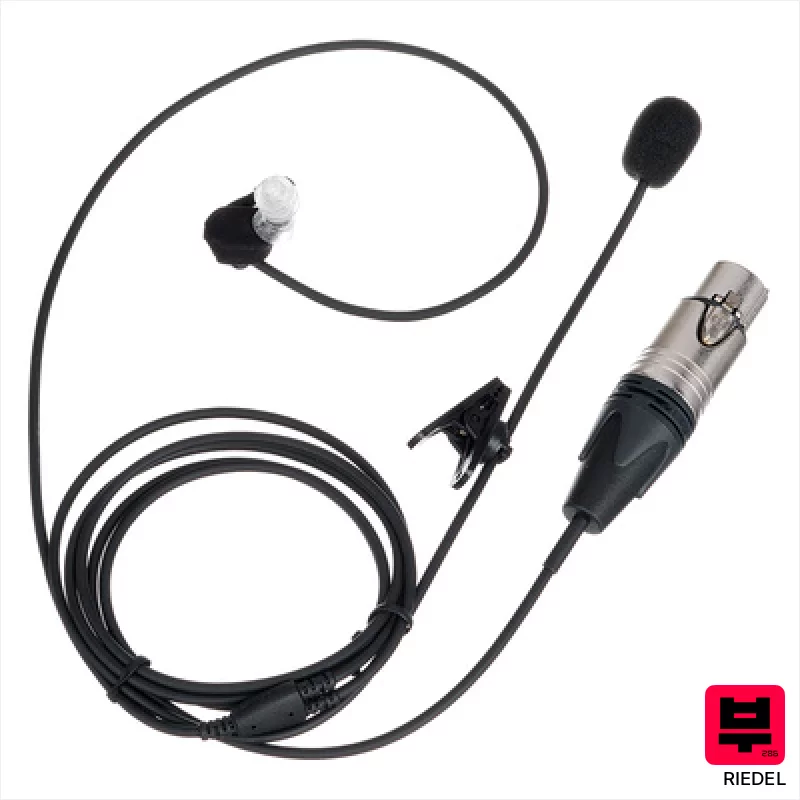
Riedel TAC-E1L XLR4F
- • Robust construction with durable materials for demanding environments.
- • Clear vocal reproduction thanks to the tailored 200-5000Hz earpiece frequency range.
- • Effective noise cancellation excels in loud, professional settings.
- • Flexible boom arm allows for precise mic placement and comfortable wear.
- • Limited frequency response in earpiece restricts broader audio fidelity.
- • 780/1450 Ohm impedance requires a powerful amplifier for optimal performance.
- • Left-sided design limits versatility for users needing a right-ear configuration.
How to Choose the Best Headphone/Microphone Combinations
Tonal Character
Broadcasting demands clarity, but also warmth. A mic that's overly bright can sound harsh, while one that's too dark can bury your voice. We're looking for a balanced response with a slight emphasis on the upper mids for articulation, but without that ice-picky top end that fatiguing to listen to for hours.
Headphone Accuracy
You need to hear what you're actually putting out. Flat-response headphones are ideal for critical monitoring, but closed-back designs are crucial for isolation - you don't want your mic picking up headphone bleed, especially if you're adding backing tracks or effects.
Comfort & Durability
Broadcasting often means long sessions. Headphones that clamp down like a vise or a mic that feels flimsy won't last. We're prioritizing gear that can handle the daily grind, and won't leave you with a headache after a two-hour stream.
Gain Handling & Noise Floor
A mic with good gain handling means you can get a strong signal without clipping, which is vital if you're in a less-than-ideal acoustic environment. A low noise floor is equally important - you don't want to be fighting background hiss and hum.
Versatility
While a specialized broadcast mic might be amazing, having a mic that can also handle voiceover or even some instrument recording is a bonus. The same goes for headphones - a pair that's good for monitoring can also be used for casual listening.
Buying Guide
Don't fall for the 'cheap and cheerful' trap. Those ultra-budget headset mics often sound like you're talking through a tin can. Spending a little more on a decent condenser mic (like an AT2020 or Rode NT-USB+) and a pair of comfortable, closed-back headphones (Audio-Technica M50x are a solid starting point) will drastically improve your audio quality. Look for a mic with a pop filter and shock mount - they're not just accessories, they're essential for minimizing plosives and vibrations.
Our Methodology
We're not relying on manufacturer claims here. We've spent years in studios, on stages, and in countless rehearsal rooms, and we've A/B'd gear until our ears bled. Our evaluations are based on real-world performance - how a mic sounds on different voices, how comfortable headphones are during long sessions, and how they cut through a mix. It's about what you hear, not what a spec sheet says.

