
Best Headphone/Microphone Combinations for Communication 2026
So, you need to communicate clearly - whether you're tracking vocals, doing remote lessons, streaming, or just coordinating with your bandmates in a noisy rehearsal space. A decent mic and headphones are the starting point, but pairing them right makes a world of difference. It's not just about "good" sound; it's about intelligibility and minimizing frustration, especially when latency and bandwidth are factors. Let's dial in some solid combinations.
Last updated: July 22, 2026 • Next update: July 29, 2026
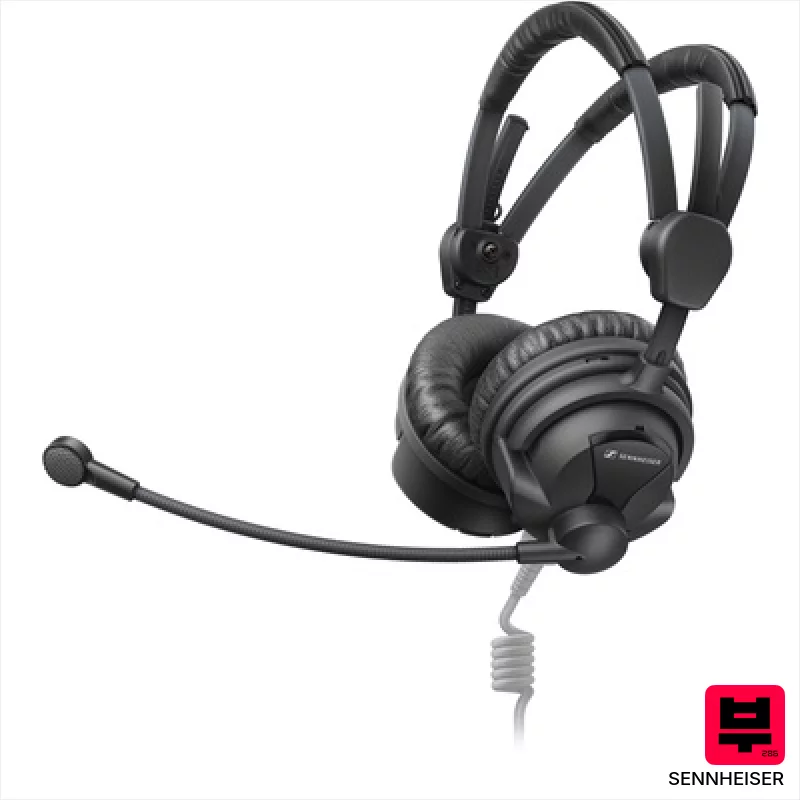
Sennheiser HME 26
- • Robust dynamic headphone drivers deliver clear, fatigue-resistant audio.
- • Integrated ActiveGuard protects hearing, crucial for long recording sessions.
- • Condenser mic captures detailed vocals with excellent transient response.
- • Comfortable on-ear design minimizes pressure during extended use.
- • Cable not included; a frustrating omission at this price point.
- • Closed-back design can feel isolating for some users.
- • Requires phantom power, limiting compatibility with some interfaces.
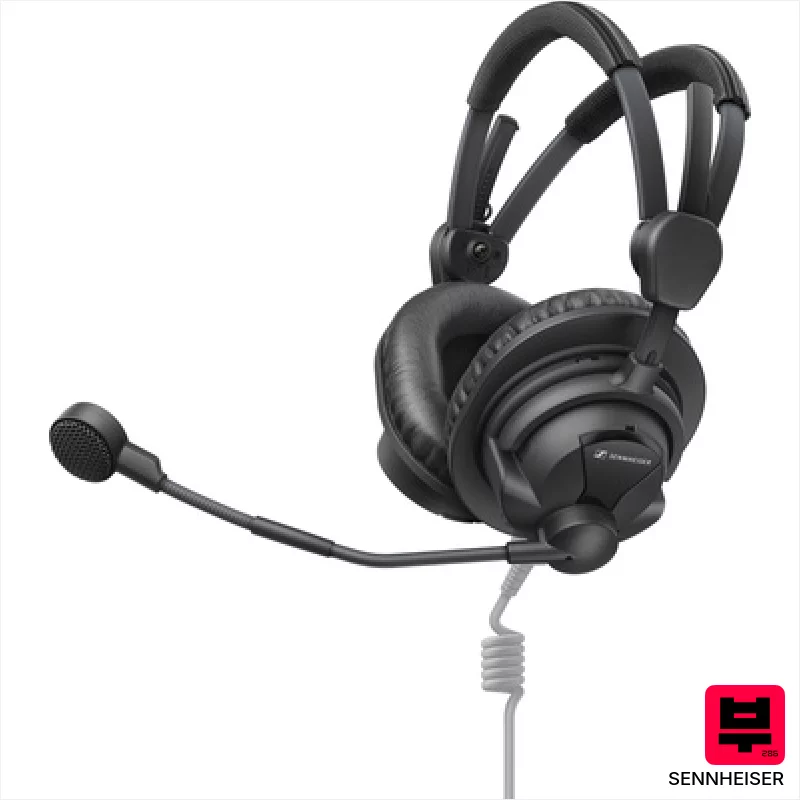
Sennheiser HMD 27
- • Robust build quality with durable headband and earcup materials.
- • Dynamic headphone drivers deliver a surprisingly detailed and balanced sound.
- • Hyper-cardioid mic excels at isolating vocals in noisy environments.
- • ActiveGuard limiter protects hearing and prevents sudden audio spikes.
- • Wired connection lacks the convenience of wireless options.
- • Significant weight may cause discomfort during extended use.
- • Limited versatility; primarily designed for professional communication, not casual listening.
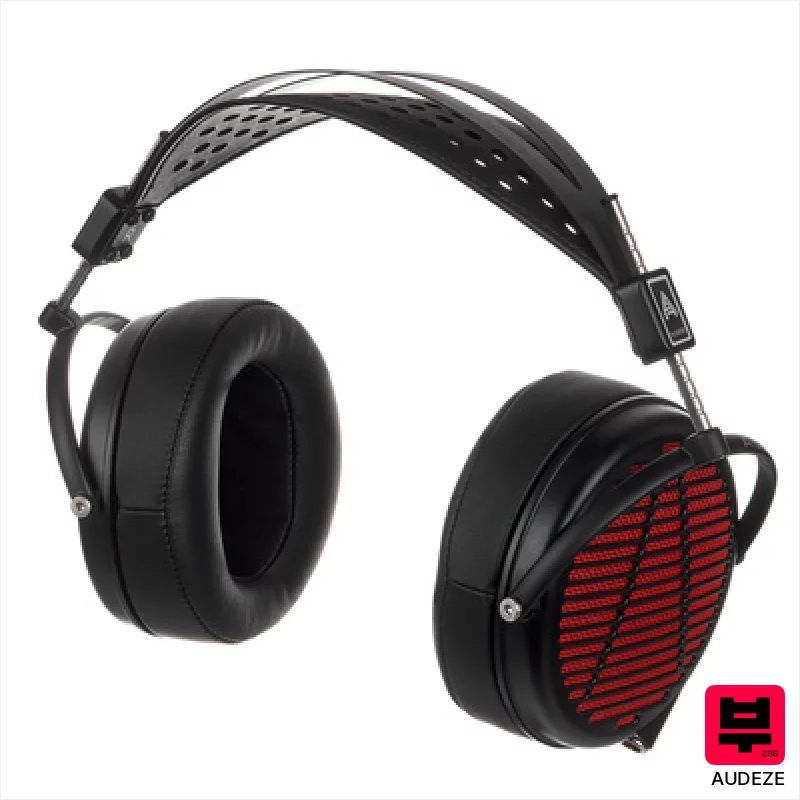
Audeze LCD-GX
- • Planar drivers deliver exceptional detail and transient response.
- • Magnesium housing provides a lightweight yet rigid and durable build.
- • Detachable mic offers flexibility for studio and gaming use.
- • Open-back design creates a wide, natural soundstage for monitoring.
- • The open-back design isn't ideal for noise isolation or casual listening.
- • 20 Ohm impedance requires a decent headphone amplifier for optimal performance.
- • Premium-priced, representing a significant investment for many users.
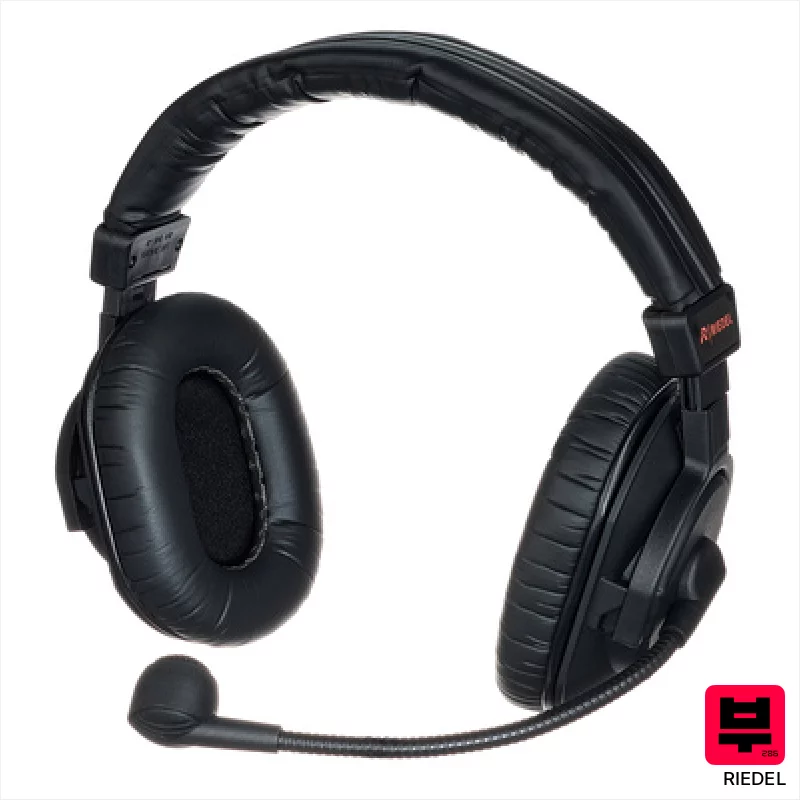
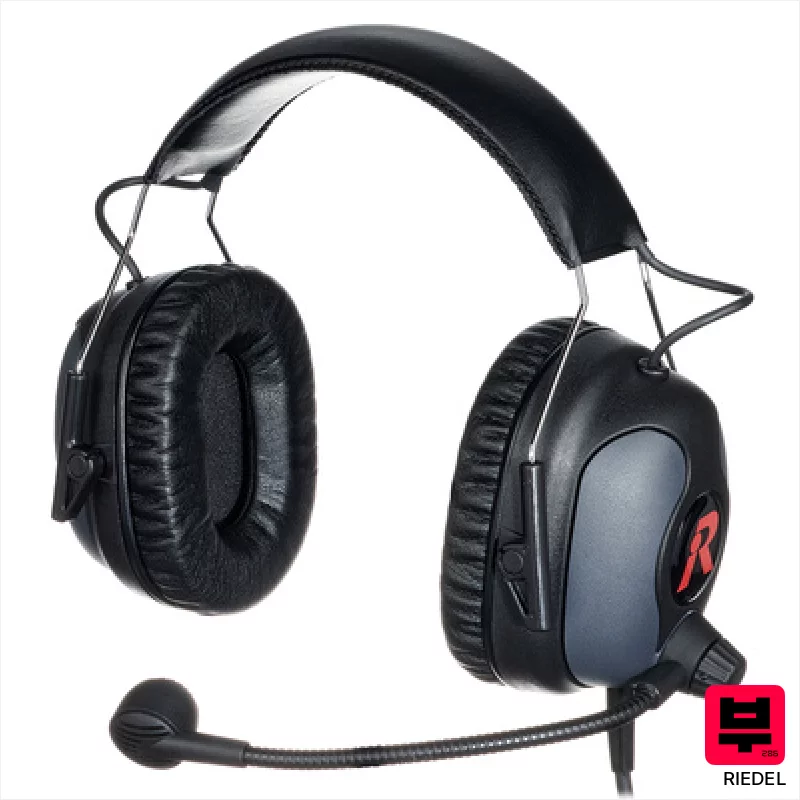
Riedel Pro-D2 XLR4F
- • Robust German engineering ensures exceptional durability and long-term reliability.
- • Neodymium magnets deliver powerful, clear audio reproduction across a wide frequency range.
- • Hypercardioid mic pattern minimizes background noise, ideal for noisy environments.
- • 270° rotating boom provides adaptable comfort and precise mic positioning.
- • The weight (286g) can cause fatigue during extended use, especially for smaller users.
- • Limited frequency response in the microphone range restricts nuanced vocal detail.
- • Premium-priced, placing it beyond the reach of budget-conscious users.
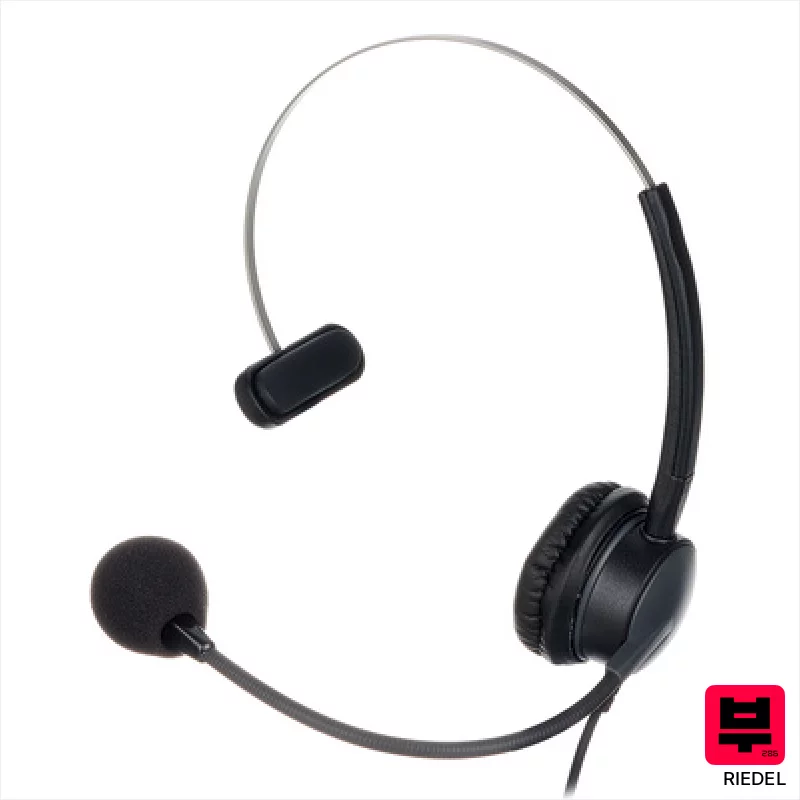
Riedel Max-D2 XLR4F
- • Robust German engineering ensures exceptional durability under demanding conditions.
- • Hypercardioid mic rejects off-axis noise, crucial for loud environments.
- • Effective hearing protection minimizes fatigue during extended use at events.
- • 270° rotating boom provides comfortable, adaptable positioning for all users.
- • The 400g weight can be fatiguing during prolonged wear, especially for smaller users.
- • 300 Ohm impedance requires a powerful headphone amplifier for optimal performance.
- • Hypercardioid pattern demands precise mic placement to avoid signal drop.
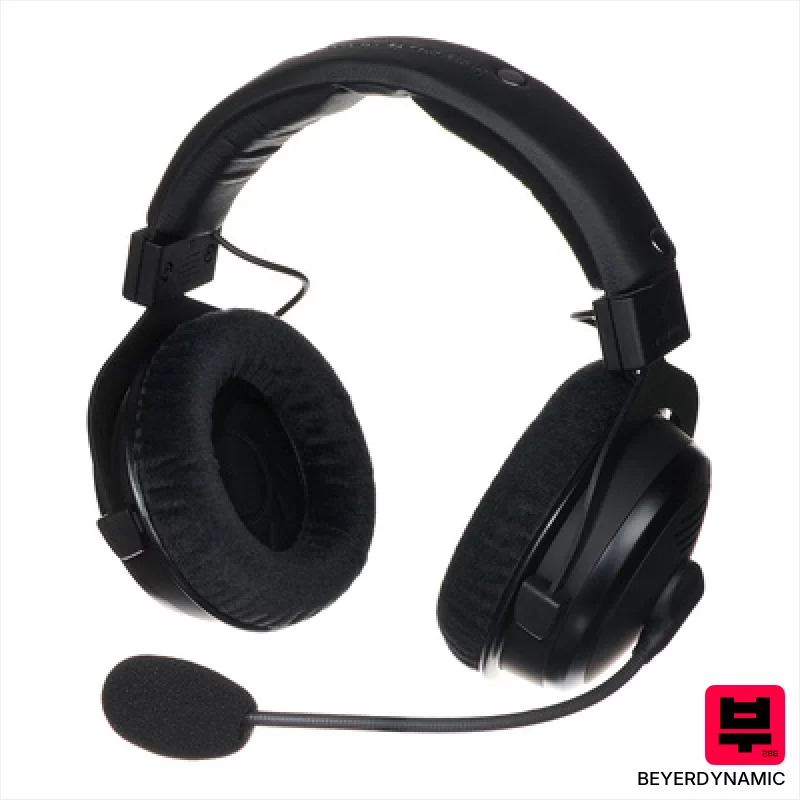
Riedel AIR-D1 XLR4F
- • Exceptional build quality; German engineering shines through.
- • Coolmax ear cushions offer superior comfort during extended use.
- • Hypercardioid mic rejects off-axis noise effectively for clean audio.
- • Rotatable boom provides adaptable positioning for right or left-handed users.
- • High impedance earpiece requires a powerful headphone amplifier for optimal sound.
- • Microphone frequency response lacks extreme high-end sparkle for certain vocal styles.
- • The weight, while not excessive, can be noticeable during prolonged wear.
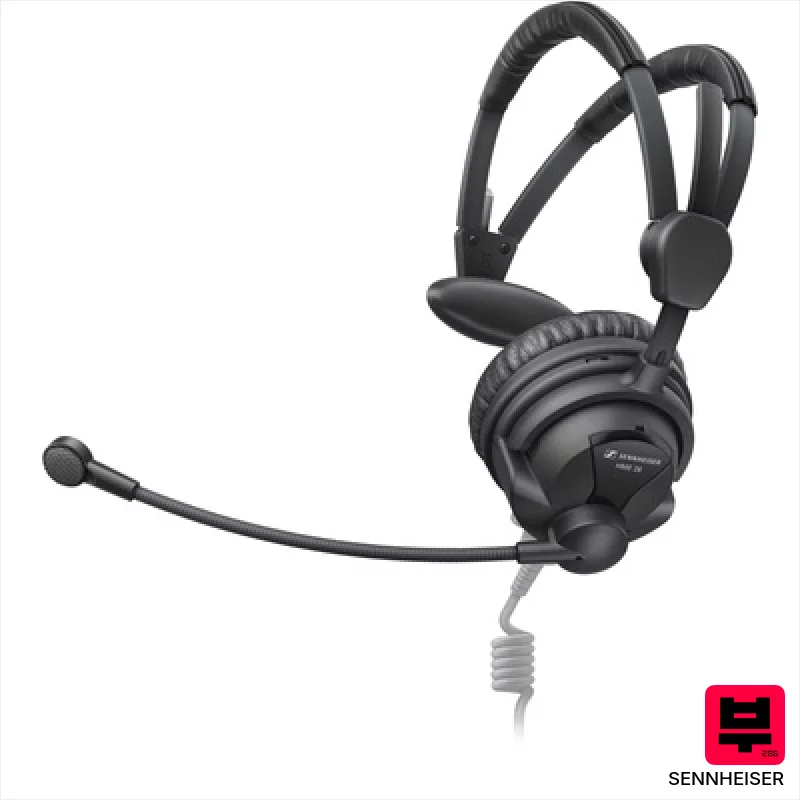
beyerdynamic MMX 330 Pro
- • Velour ear pads offer exceptional comfort for extended gaming sessions.
- • Open-back design delivers a surprisingly wide and natural soundstage.
- • Cardioid mic effectively isolates voice, minimizing background noise.
- • Solid build quality with Beyerdynamic’s signature robustness and attention to detail.
- • The 318g weight can feel fatiguing during very long use.
- • Open-back design leaks audio, not ideal for shared spaces.
- • Limited versatility beyond gaming and multimedia applications.
Sennheiser HME 26 S
- • Robust dynamic driver delivers clear, focused vocal capture.
- • ActiveGuard limiter protects hearing and equipment effectively.
- • Closed-back design provides excellent isolation for noisy environments.
- • Comfortable, one-ear design minimizes fatigue during extended use.
- • Cable not included; a significant omission at this price point.
- • Hyper-cardioid mic is sensitive; requires careful mic technique.
- • Limited headphone frequency response compared to dedicated audiophile headphones.

Sennheiser HME 27 (2024)
- • Excellent dynamic headphone clarity for critical monitoring.
- • Integrated ActiveGuard prevents sudden peaks, protecting hearing.
- • Cardioid mic isolates well, minimizing room noise effectively.
- • Robust construction feels durable, hinting at professional longevity.
- • Cable not included feels like an unnecessary omission at this price.
- • Closed-back design can introduce a sense of isolation during extended use.
- • Requires phantom power, limiting compatibility with some interfaces.
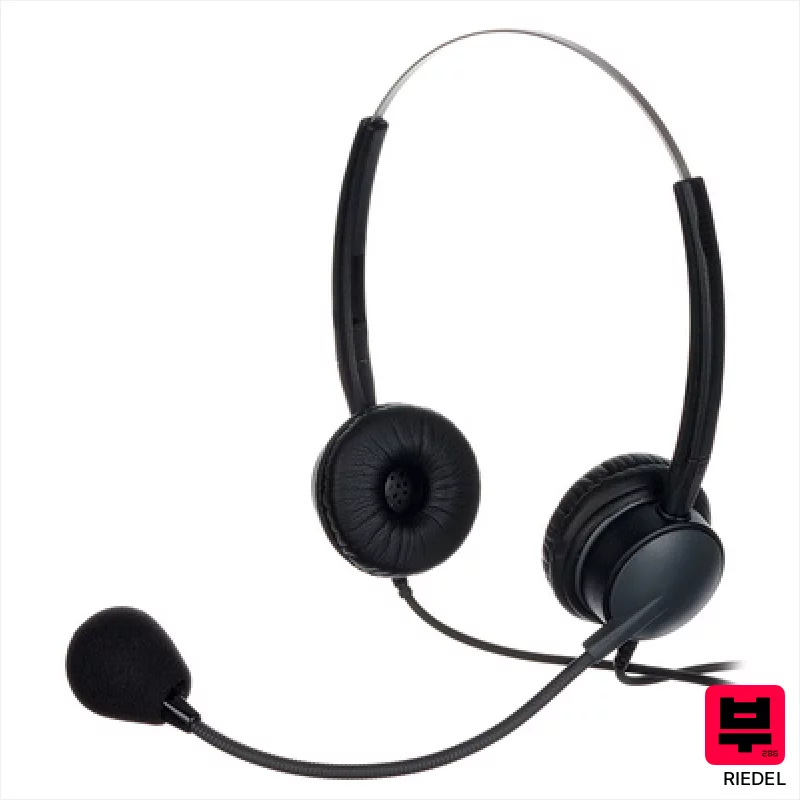
Riedel AIR-D2 XLR4F
- • Exceptional clarity and detail in both audio and mic signals.
- • Coolmax ear cushions offer extended comfort during long sessions.
- • Robust German engineering ensures long-term reliability and durability.
- • Hypercardioid mic rejects off-axis noise effectively for clean recordings.
- • Relatively heavy for extended wear, may fatigue some users.
- • Hypercardioid pattern demands precise mic placement for optimal results.
- • Limited frequency response for microphone, impacting nuanced vocal capture.

Sennheiser HMD 26 S
- • Robust, all-steel headband provides excellent long-term durability.
- • Dynamic mic delivers clear, focused vocal capture with good proximity effect.
- • ActiveGuard limiter protects hearing and equipment from sudden peaks.
- • Supra-aural design offers better isolation than full-ear headphones.
- • Wired connectivity lacks flexibility for modern, mobile workflows.
- • Single-sided design limits stereo monitoring capabilities.
- • Microphone's hyper-cardioid pattern demands careful mic technique.
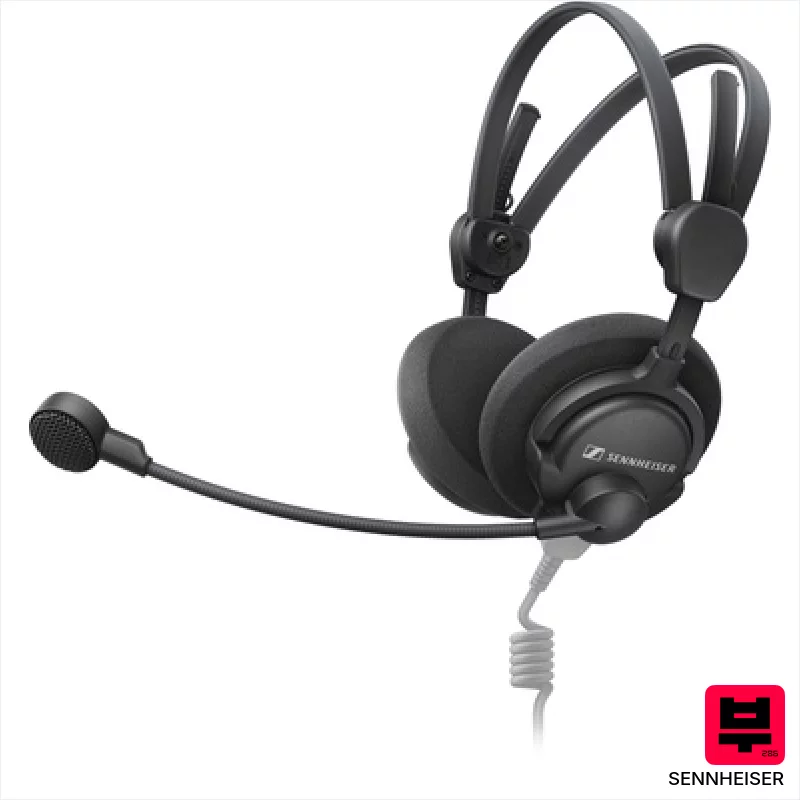
Sennheiser HMD 46
- • Robust dynamic mic delivers clear, intelligible voice communication.
- • Open-back design provides a surprisingly natural, spacious headphone sound.
- • ActiveGuard limiter protects hearing from sudden loud bursts, a crucial safety feature.
- • Durable construction suggests longevity and suitability for demanding environments.
- • The 200 Ohm impedance requires a powerful headphone amplifier for optimal performance.
- • Lack of a included cable is an odd omission for this price point.
- • Hyper-cardioid mic is sensitive; prone to picking up background noise.
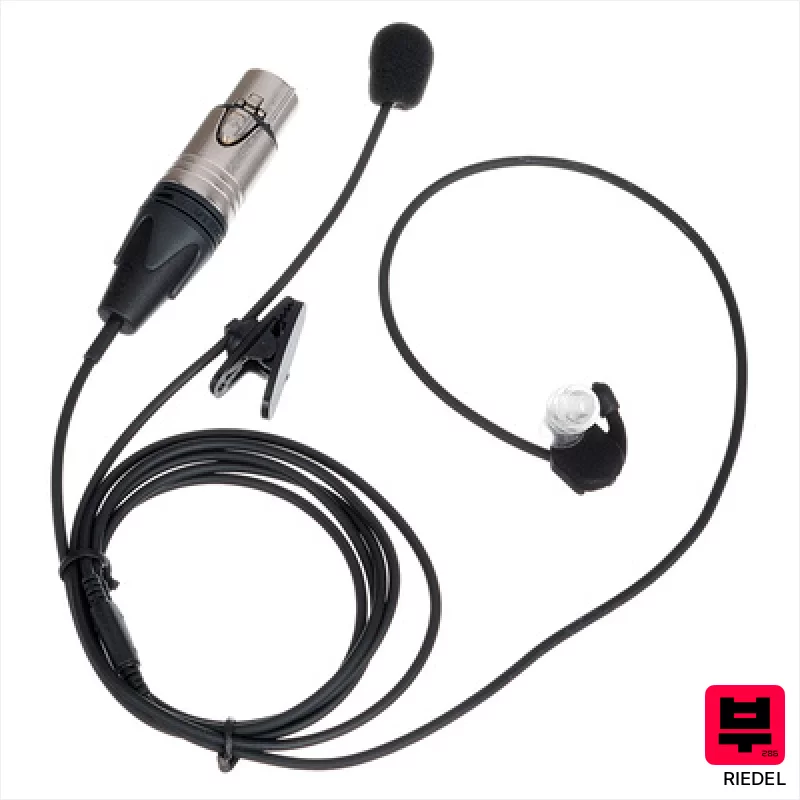
Riedel TAC-E1R XLR4F
- • Excellent noise reduction crucial for demanding broadcast environments.
- • Bolero system integration simplifies complex comms workflows considerably.
- • Lightweight design (53g) minimizes fatigue during extended use.
- • Flexible boom arm allows precise mic placement for clear voice capture.
- • Limited frequency response (200Hz-5000Hz) restricts audio fidelity for music applications.
- • 780/1450 Ohm impedance requires a powerful headphone amplifier.
- • Omnidirectional mic picks up background noise if not used carefully.

Sennheiser HMD 300
- • Robust build quality with durable headband and earcup materials.
- • Dynamic headphone drivers deliver a surprisingly balanced and detailed sound.
- • Hyper-cardioid mic excels at isolating vocals in noisy environments.
- • ActiveGuard limiter protects hearing and prevents unwanted peaks effectively.
- • Wired-only design limits mobility and versatility in modern setups.
- • Heavier than many other headset options, potentially fatiguing during long sessions.
- • Hyper-cardioid mic is highly sensitive, requiring careful mic technique.
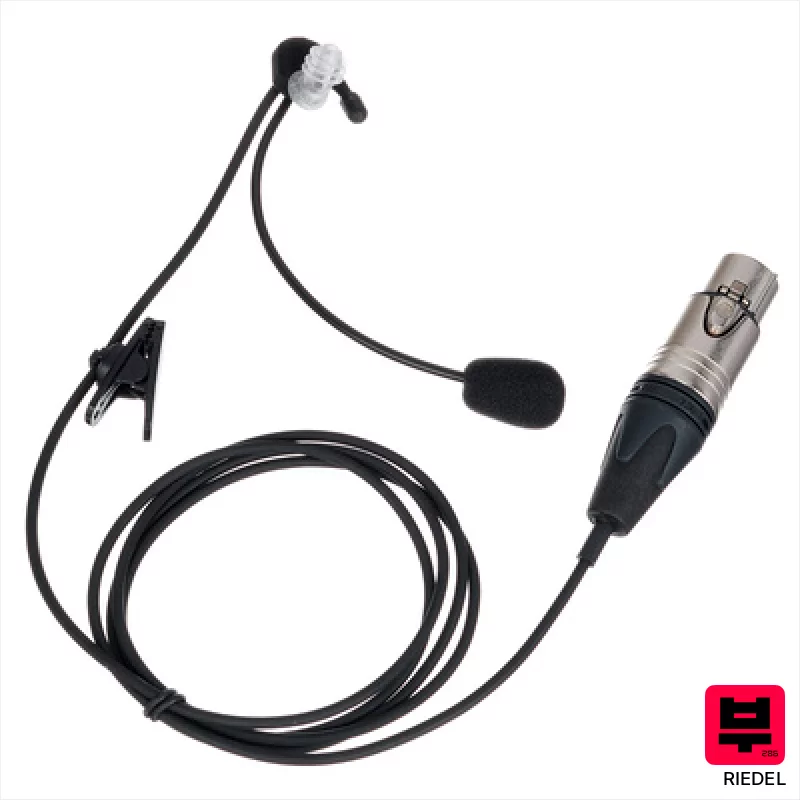
Riedel RUN-E1L XLR4F
- • Excellent noise reduction for demanding broadcast environments.
- • Bolero system integration simplifies complex intercom setups.
- • Lightweight design (53g) minimizes fatigue during long shifts.
- • Omnidirectional mic captures clear voice even with movement.
- • Limited frequency response in earpiece restricts high-fidelity audio enjoyment.
- • Left-sided design restricts user choice and potential comfort.
- • High impedance requires a compatible, quality headphone amplifier.
How to Choose the Best Headphone/Microphone Combinations
Clarity & Intelligibility
This isn't about a warm, vintage vibe. We need to hear every syllable, every nuance of inflection. Muffled or indistinct communication is useless.
Low Latency
High latency is a killer for real-time interaction - it's distracting and makes it impossible to have a natural conversation. Wired connections are generally better, but low-latency wireless options are improving.
Noise Floor
A quiet microphone and headphones are paramount. Any hiss or background rumble will bury your voice and make it harder to hear.
Comfort & Durability
You might be wearing these for hours. Cheap plastic construction and uncomfortable earcups are a recipe for misery, especially on stage or during long sessions.
Frequency Response Balance
While clarity is key, a completely flat response can sound clinical. A slight emphasis in the upper mids helps articulation, but avoid harshness - that ice-picky top end just sounds brittle.
Buying Guide
Don't chase the hype. A super-expensive mic paired with cheap, muddy headphones won't sound better than a mid-range mic and a well-chosen pair of closed-back cans. Wireless options are convenient, but be prepared for potential latency issues and battery life limitations. For tracking vocals, a condenser mic offers more detail, but for rehearsals, a dynamic mic's ruggedness and rejection of background noise are more valuable. Ultimately, prioritize clarity and comfort; you can always tweak EQ later.
Our Methodology
We're not looking at frequency response charts here. We've spent countless hours A/B'ing these setups in real-world scenarios - tracking vocals, playing along to click tracks, and even trying to have conversations in a chaotic band rehearsal. We're judging these pairings on how well they translate your voice and instructions, not just on how "pretty" they sound in isolation.

