
Best Headphone/Microphone Combinations for Aviation 2026
So, you're flying and need to communicate clearly, whether you're a pilot, air traffic controller, or just a serious aviation enthusiast. It's not just about hearing; it's about understanding in a noisy environment. A mismatched headphone and mic setup can turn a critical comm into a frustrating guessing game - and that's a recipe for disaster. Let's break down some solid combinations to get you crystal clear audio.
Last updated: July 22, 2026 • Next update: July 29, 2026
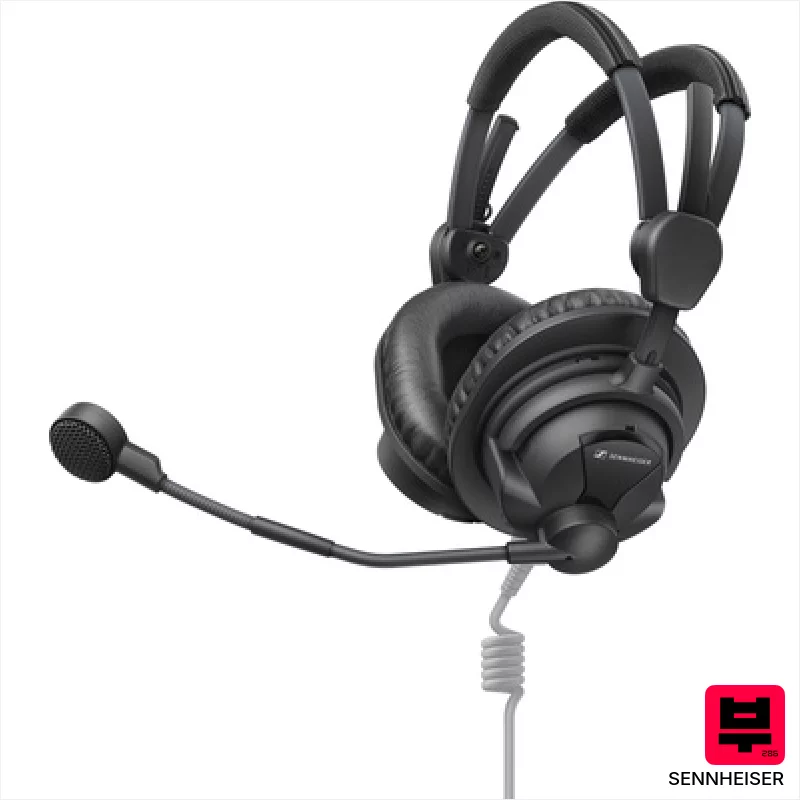
Sennheiser HMD 27
- • Robust build quality with durable headband and earcup materials.
- • Dynamic headphone drivers deliver a surprisingly detailed and balanced sound.
- • Hyper-cardioid mic excels at isolating vocals in noisy environments.
- • ActiveGuard limiter protects hearing and prevents sudden audio spikes.
- • Wired connection lacks the convenience of wireless options.
- • Significant weight may cause discomfort during extended use.
- • Limited versatility; primarily designed for professional communication, not casual listening.
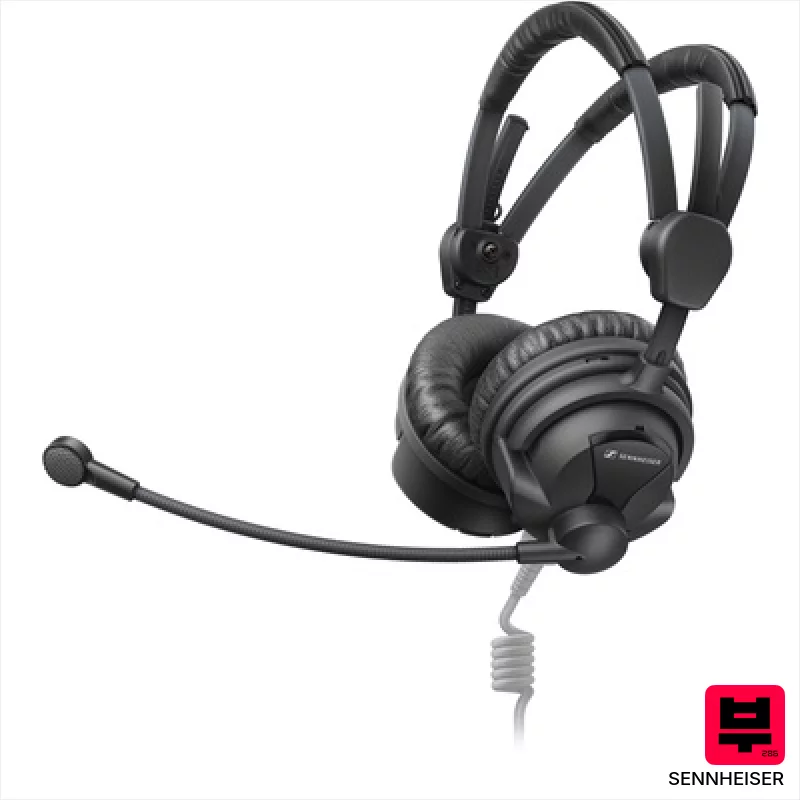
Sennheiser HME 26
- • Robust dynamic headphone drivers deliver clear, fatigue-resistant audio.
- • Integrated ActiveGuard protects hearing, crucial for long recording sessions.
- • Condenser mic captures detailed vocals with excellent transient response.
- • Comfortable on-ear design minimizes pressure during extended use.
- • Cable not included; a frustrating omission at this price point.
- • Closed-back design can feel isolating for some users.
- • Requires phantom power, limiting compatibility with some interfaces.

Sennheiser HMD 26 S
- • Robust, all-steel headband provides excellent long-term durability.
- • Dynamic mic delivers clear, focused vocal capture with good proximity effect.
- • ActiveGuard limiter protects hearing and equipment from sudden peaks.
- • Supra-aural design offers better isolation than full-ear headphones.
- • Wired connectivity lacks flexibility for modern, mobile workflows.
- • Single-sided design limits stereo monitoring capabilities.
- • Microphone's hyper-cardioid pattern demands careful mic technique.
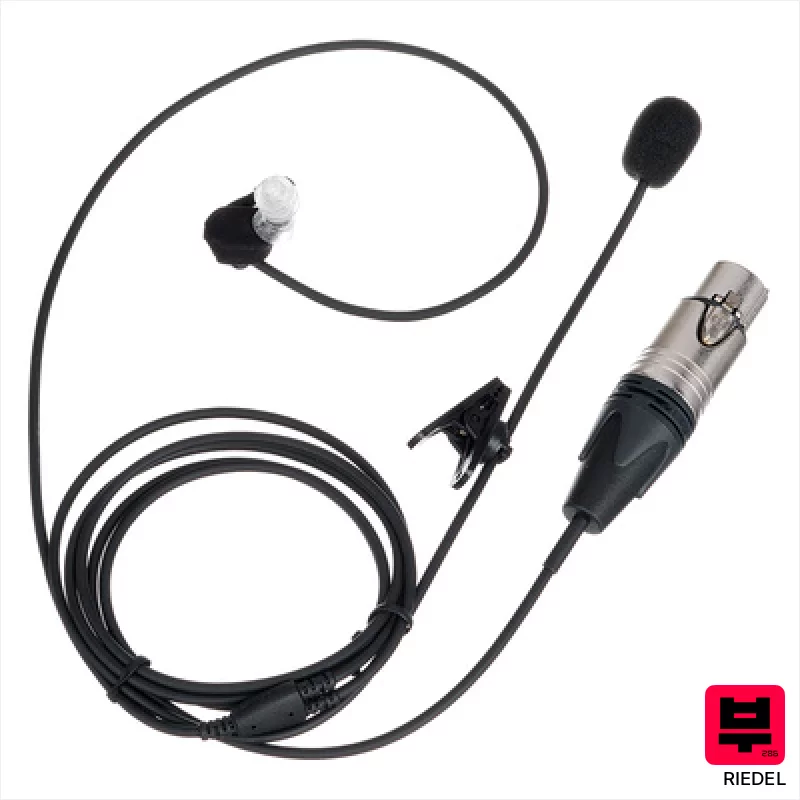
Riedel TAC-E1L XLR4F
- • Robust construction with durable materials for demanding environments.
- • Clear vocal reproduction thanks to the tailored 200-5000Hz earpiece frequency range.
- • Effective noise cancellation excels in loud, professional settings.
- • Flexible boom arm allows for precise mic placement and comfortable wear.
- • Limited frequency response in earpiece restricts broader audio fidelity.
- • 780/1450 Ohm impedance requires a powerful amplifier for optimal performance.
- • Left-sided design limits versatility for users needing a right-ear configuration.
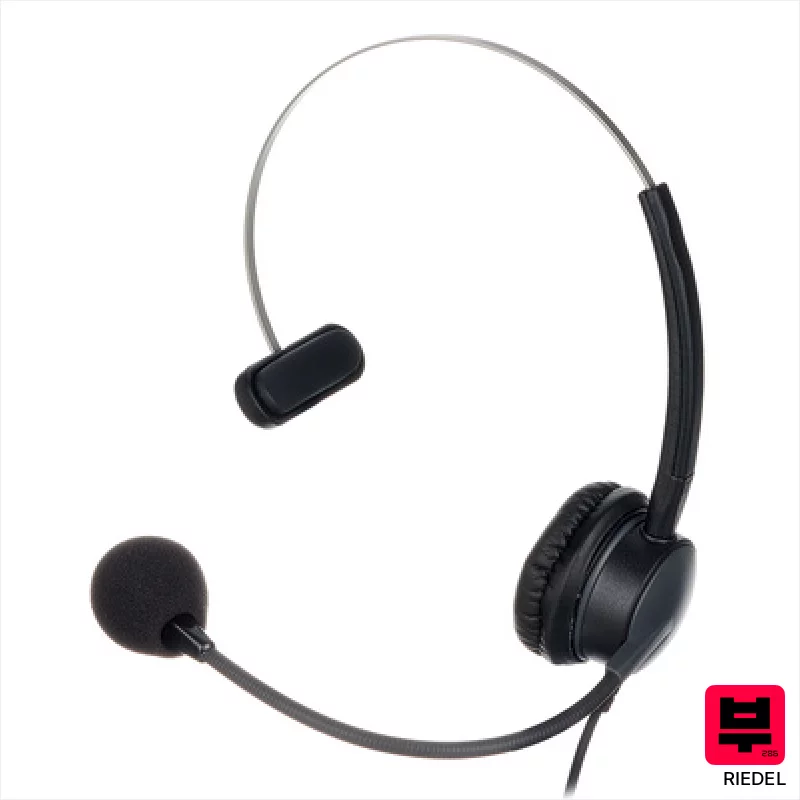
Riedel AIR-D1 XLR4F
- • Exceptional build quality; German engineering shines through.
- • Coolmax ear cushions offer superior comfort during extended use.
- • Hypercardioid mic rejects off-axis noise effectively for clean audio.
- • Rotatable boom provides adaptable positioning for right or left-handed users.
- • High impedance earpiece requires a powerful headphone amplifier for optimal sound.
- • Microphone frequency response lacks extreme high-end sparkle for certain vocal styles.
- • The weight, while not excessive, can be noticeable during prolonged wear.
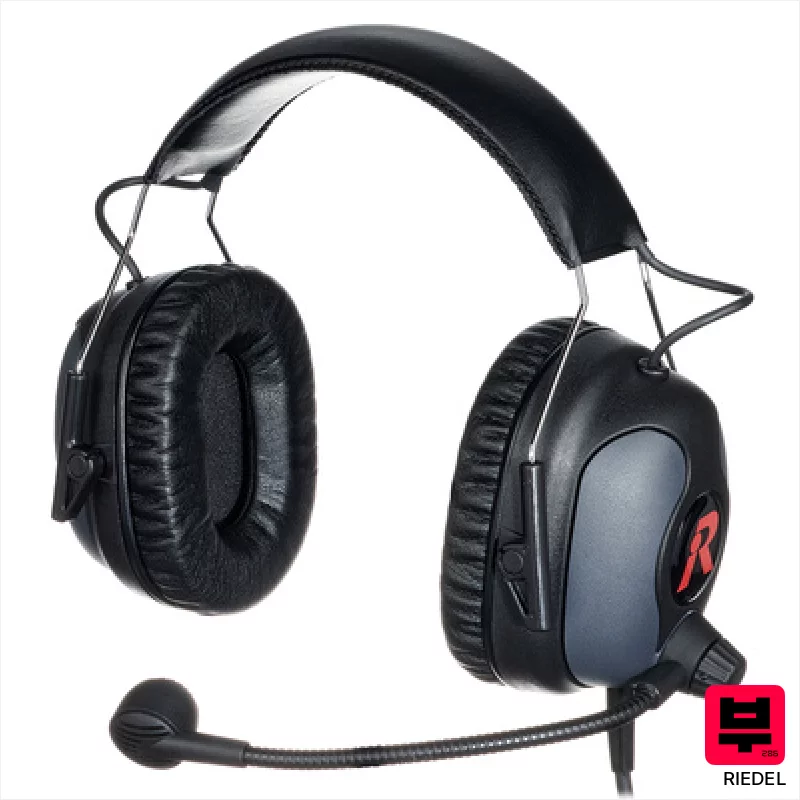
Riedel Max-D2 XLR4F
- • Robust German engineering ensures exceptional durability under demanding conditions.
- • Hypercardioid mic rejects off-axis noise, crucial for loud environments.
- • Effective hearing protection minimizes fatigue during extended use at events.
- • 270° rotating boom provides comfortable, adaptable positioning for all users.
- • The 400g weight can be fatiguing during prolonged wear, especially for smaller users.
- • 300 Ohm impedance requires a powerful headphone amplifier for optimal performance.
- • Hypercardioid pattern demands precise mic placement to avoid signal drop.
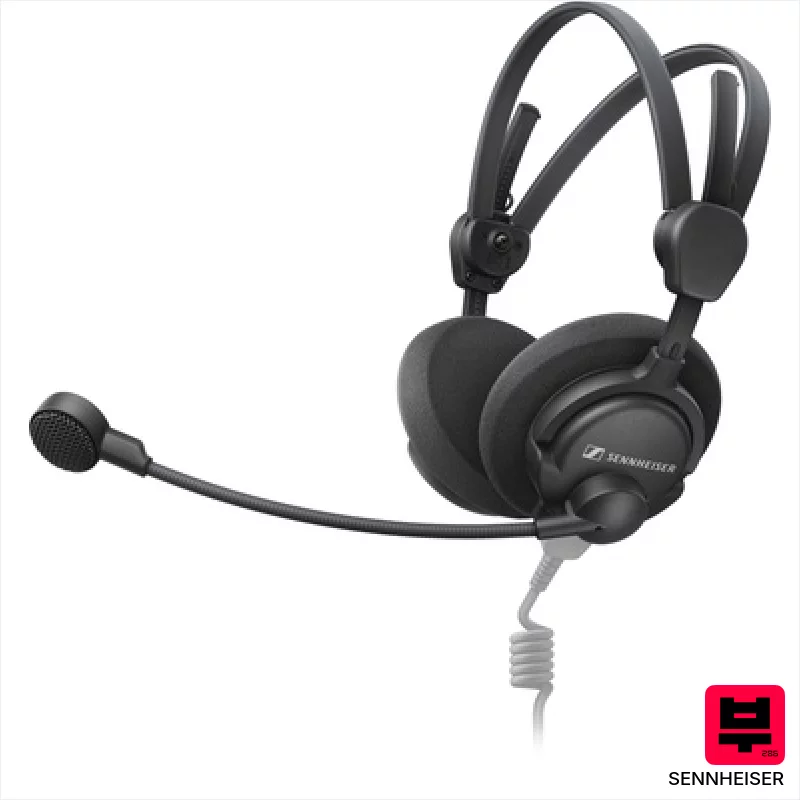
Sennheiser HMD 46
- • Robust dynamic mic delivers clear, intelligible voice communication.
- • Open-back design provides a surprisingly natural, spacious headphone sound.
- • ActiveGuard limiter protects hearing from sudden loud bursts, a crucial safety feature.
- • Durable construction suggests longevity and suitability for demanding environments.
- • The 200 Ohm impedance requires a powerful headphone amplifier for optimal performance.
- • Lack of a included cable is an odd omission for this price point.
- • Hyper-cardioid mic is sensitive; prone to picking up background noise.
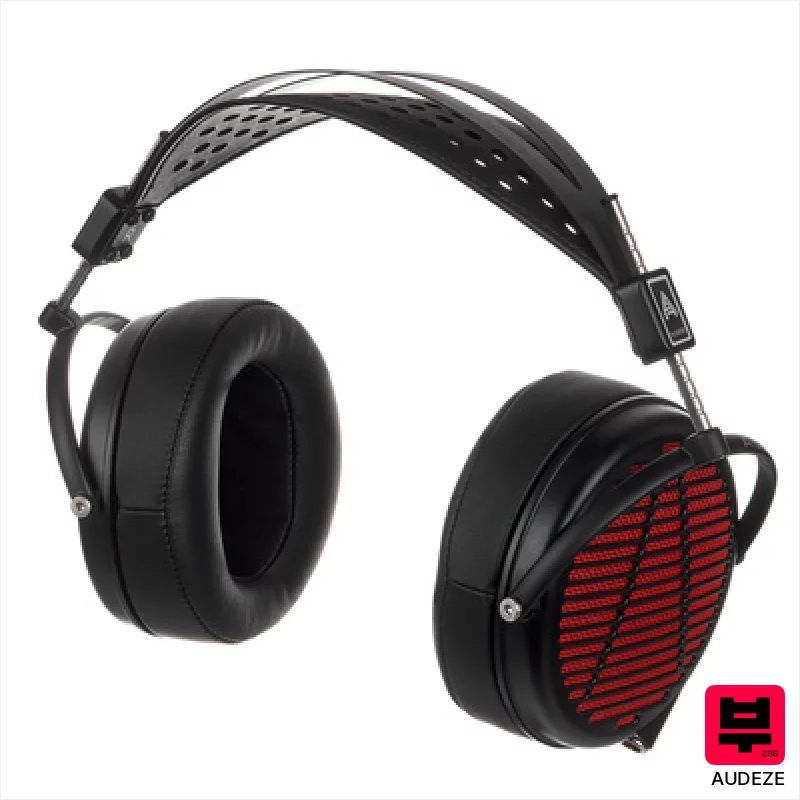
Audeze LCD-GX
- • Planar drivers deliver exceptional detail and transient response.
- • Magnesium housing provides a lightweight yet rigid and durable build.
- • Detachable mic offers flexibility for studio and gaming use.
- • Open-back design creates a wide, natural soundstage for monitoring.
- • The open-back design isn't ideal for noise isolation or casual listening.
- • 20 Ohm impedance requires a decent headphone amplifier for optimal performance.
- • Premium-priced, representing a significant investment for many users.
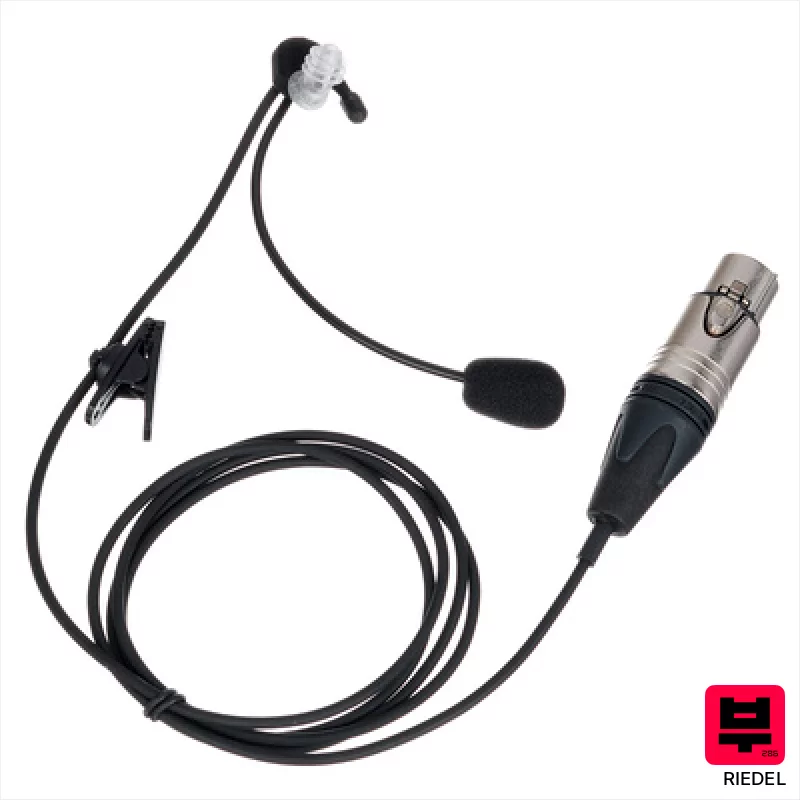
Riedel RUN-E1L XLR4F
- • Excellent noise reduction for demanding broadcast environments.
- • Bolero system integration simplifies complex intercom setups.
- • Lightweight design (53g) minimizes fatigue during long shifts.
- • Omnidirectional mic captures clear voice even with movement.
- • Limited frequency response in earpiece restricts high-fidelity audio enjoyment.
- • Left-sided design restricts user choice and potential comfort.
- • High impedance requires a compatible, quality headphone amplifier.

Riedel RUN-E1R XLR4F
- • Excellent noise rejection ideal for chaotic live broadcast environments.
- • Robust electret mic delivers clear, intelligible voice capture.
- • Comfortable, lightweight design minimizes fatigue during extended use.
- • Seamless integration with Riedel Bolero system simplifies workflow.
- • Frequency response leans towards speech clarity, lacks hi-fi audio fidelity.
- • Limited versatility outside of Riedel intercom systems; not a general-purpose headset.
- • 145 Ohm impedance may require a higher-powered amplifier for optimal volume.

AKG HSC 271 PC Set
- • Dynamic headphones deliver clear audio isolation for focused recording sessions.
- • Condenser mic captures detailed vocals and instruments with surprising clarity.
- • Swiveling mic arm allows for precise positioning and comfortable use.
- • PC cable provides convenient parallel powering for easy computer connectivity.
- • The headset design might feel bulky and less comfortable for extended wear.
- • Lack of microphone muting via the included cable is a notable omission.
- • The 300g weight can become noticeable during longer recording periods.
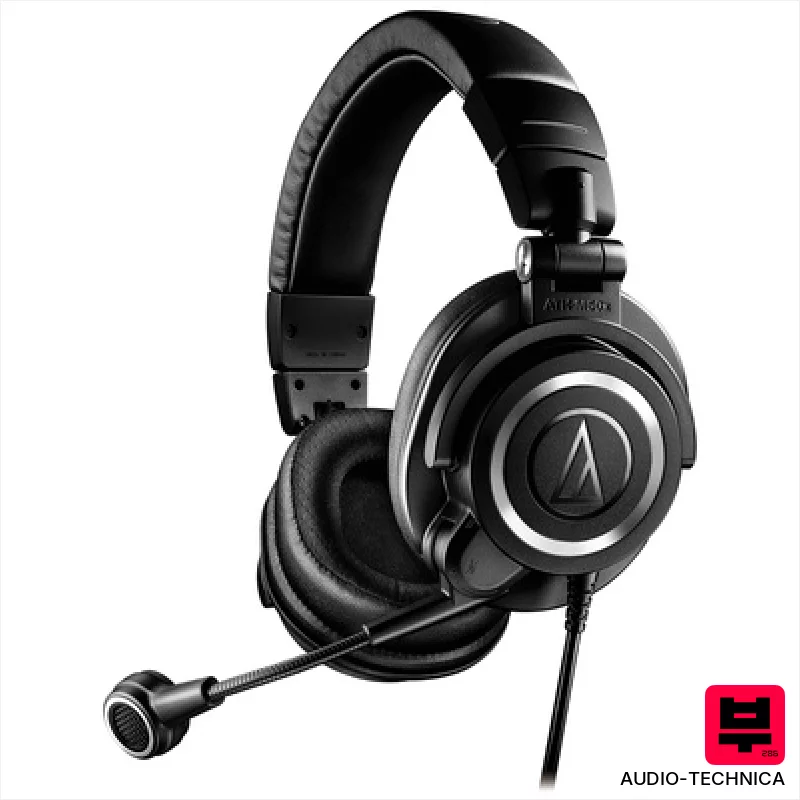
Audio-Technica ATH-M50xSTS USB
- • Excellent M50x headphone sound signature – balanced, detailed, and punchy.
- • Convenient single-cable USB setup simplifies streaming and recording.
- • Flip-up mic offers quick muting; practical for on-air personalities.
- • Built-in A/D converter delivers clean audio with minimal noise.
- • The closed-back design can feel isolating during extended use.
- • The weight, while manageable, can become noticeable over long sessions.
- • USB-A connector feels dated; USB-C adapter is a workaround.
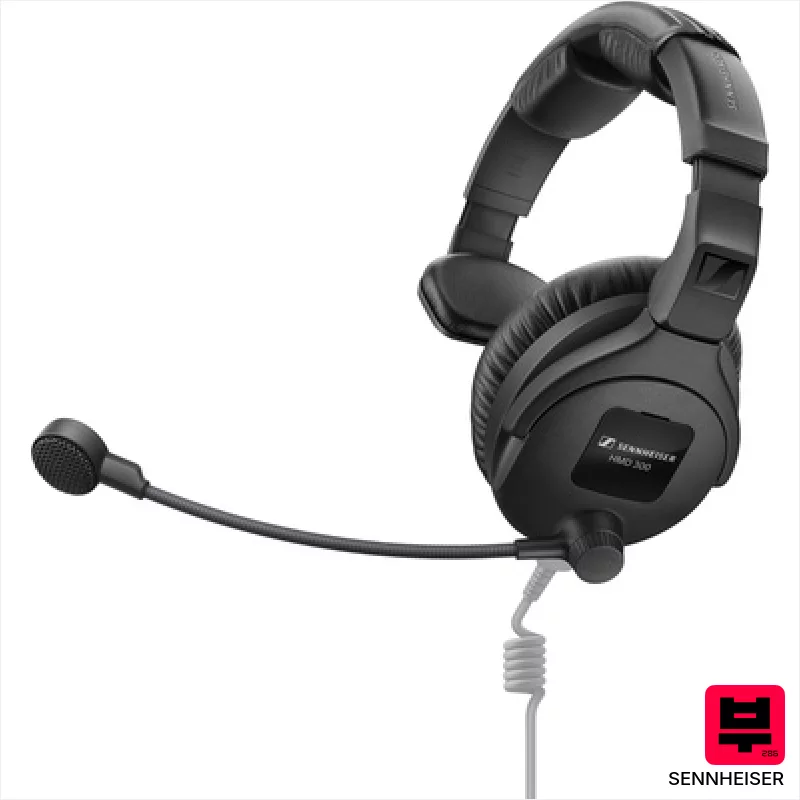
Sennheiser HMD 300 S
- • Robust dynamic mic delivers clear, focused vocal capture.
- • Closed-back headphones provide excellent isolation for tracking.
- • ActiveGuard limiter prevents clipping, safeguarding your ears and interface.
- • Solid build quality suggests longevity for studio and stage use.
- • Wired-only design lacks the convenience of wireless options.
- • Single-sided design limits headphone monitoring flexibility.
- • 300 Ohm mic impedance requires a preamp with ample headroom.
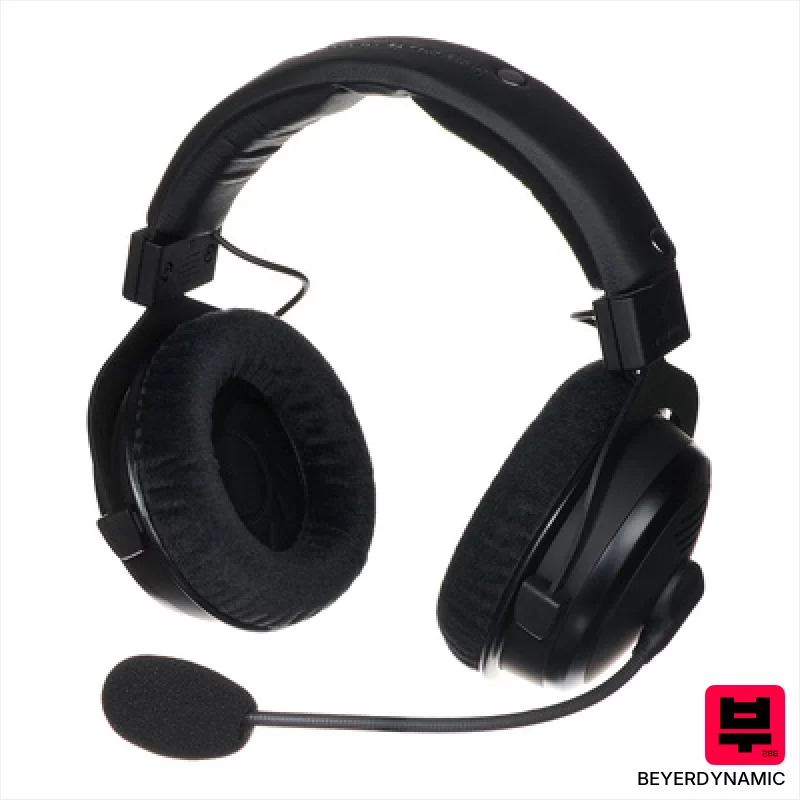
beyerdynamic MMX 330 Pro
- • Velour ear pads offer exceptional comfort for extended gaming sessions.
- • Open-back design delivers a surprisingly wide and natural soundstage.
- • Cardioid mic effectively isolates voice, minimizing background noise.
- • Solid build quality with Beyerdynamic’s signature robustness and attention to detail.
- • The 318g weight can feel fatiguing during very long use.
- • Open-back design leaks audio, not ideal for shared spaces.
- • Limited versatility beyond gaming and multimedia applications.
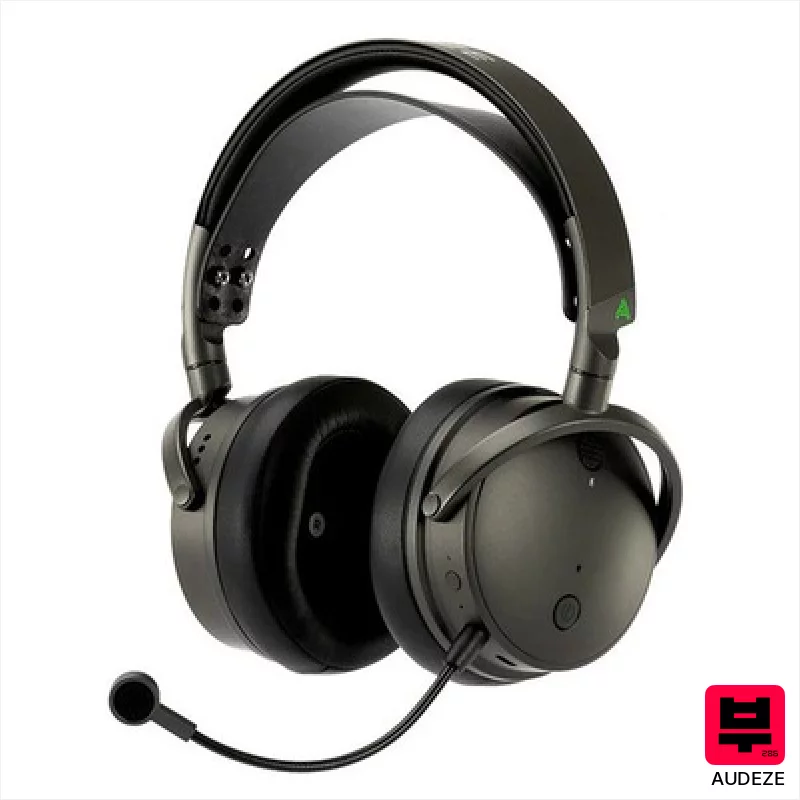
Audeze Maxwell for Xbox
- • Planar drivers deliver exceptional clarity and impactful bass response.
- • Fazor phase management improves imaging and soundstage surprisingly well.
- • Low-latency wireless connection minimizes input lag for competitive gaming.
- • Robust build quality with premium artificial leather earcups and durable headband.
- • The 90mm planar drivers make the headset noticeably heavier than typical gaming headsets.
- • Closed-back design can introduce a slightly 'boxed-in' feel compared to open-backs.
- • The hypercardioid mic, while good, might be too directional for casual group chats.
How to Choose the Best Headphone/Microphone Combinations
Clarity & Frequency Response
Aviation comms need detail. We're looking for a flat response that doesn't emphasize harsh frequencies but still provides good articulation - no ice-picky highs or muddy lows. You need to hear subtle nuances in ATC instructions.
Noise Rejection
Engine noise, wind noise, cabin chatter - it's constant. A good mic needs excellent rejection of off-axis noise, and the headphones need good passive isolation, or active noise cancellation (ANC) that doesn't color the audio.
Comfort & Durability
Long flights or shifts demand comfort. Cheap plastic will crack, and uncomfortable earcups will be a constant distraction. We're prioritizing robust construction and comfortable materials that can handle the rigors of aviation use.
Sidetone & Monitoring
Sidetone (hearing your own voice in the headphones) is crucial for avoiding overdriving the mic. A good system allows for adjustable sidetone levels and clear monitoring of transmitted audio - no one wants to sound like they're shouting.
Headphone Impedance & Mic Sensitivity
This is about compatibility. High-impedance headphones need a powerful enough amplifier in your headset. Low-sensitivity mics might need a preamp to get a strong signal - mismatched pairings result in weak or distorted audio.
Buying Guide
Don't chase the 'best' - chase the right combination for your needs. Cheaper headsets often skimp on noise rejection, leading to fatigue and miscommunication. Paying more usually gets you better materials, more accurate frequency response, and a more comfortable fit - those are all worth it when your life depends on clear communication. Consider your environment - are you flying in a noisy prop plane or a relatively quiet jet? That will heavily influence your needs.
Our Methodology
We're not relying on manufacturer specs here. We've spent countless hours in simulated cockpit environments and quiet recording studios, A/B testing these setups with real aviation scenarios in mind. We're listening for clarity, noise rejection, and how well the mics and headphones work together to cut through the background roar.

