
Best Effect Modules for Sound Design 2026
So, you're diving into modular sound design? Awesome. Forget your chorus and delay - we're talking about sculpting sounds from the ground up. This isn't about making a guitar sound fatter; it's about creating new sounds. We're going to look at effect modules that aren't just processing signals, they're integral parts of the sonic architecture itself.
Last updated: July 15, 2026 • Next update: July 22, 2026

Endorphin.es Ghost Black
- • Exceptional signal processing clarity at 32-bit/96kHz resolution.
- • Karplus-Strong synthesis via stereo delay offers unique textures.
- • Flexible M/S stereo widening dramatically enhances spatial depth.
- • Comprehensive CV control unlocks intricate modulation possibilities.
- • Steep learning curve due to routing complexity and sheer number of options.
- • Limited modulation destinations compared to larger, more expensive modules.
- • Physical size – relatively deep, requiring significant rack space.
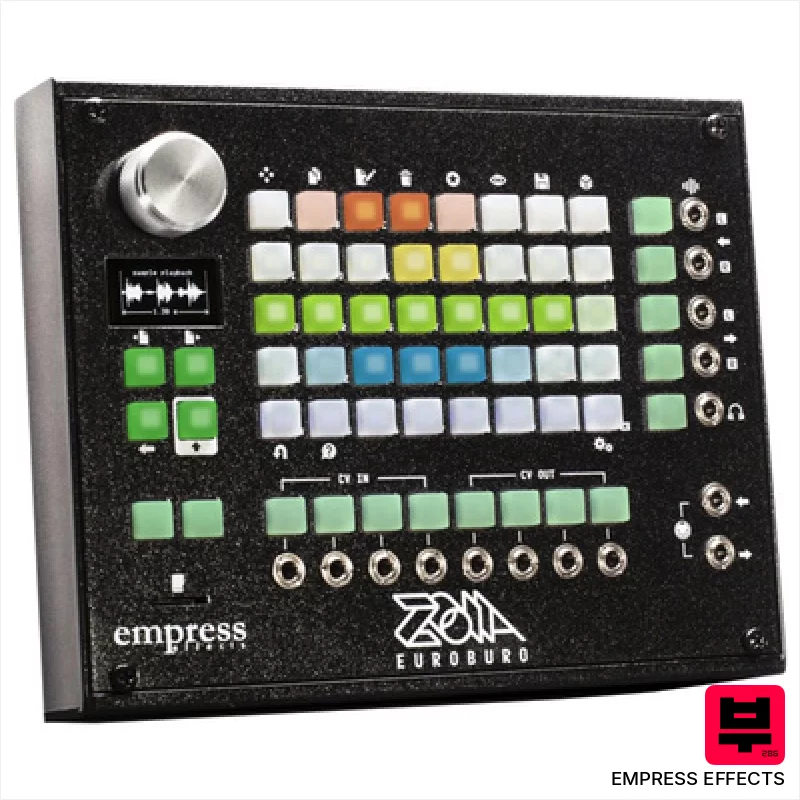
Empress Effects ZOIA Euroburo Bundle
- • Extremely flexible digital modularity allows for unique sound design.
- • Pre-built effects provide immediate gratification and inspiration.
- • Compact 34HP footprint maximizes space in Eurorack systems.
- • ZOIA Euroburo Desktop Enclosure offers a convenient, self-contained setup.
- • Steep learning curve for those unfamiliar with modular synthesis concepts.
- • Limited I/O compared to full-sized modular systems; 3.5mm jacks are a limitation.
- • Digital nature might not appeal to purists seeking analog warmth.
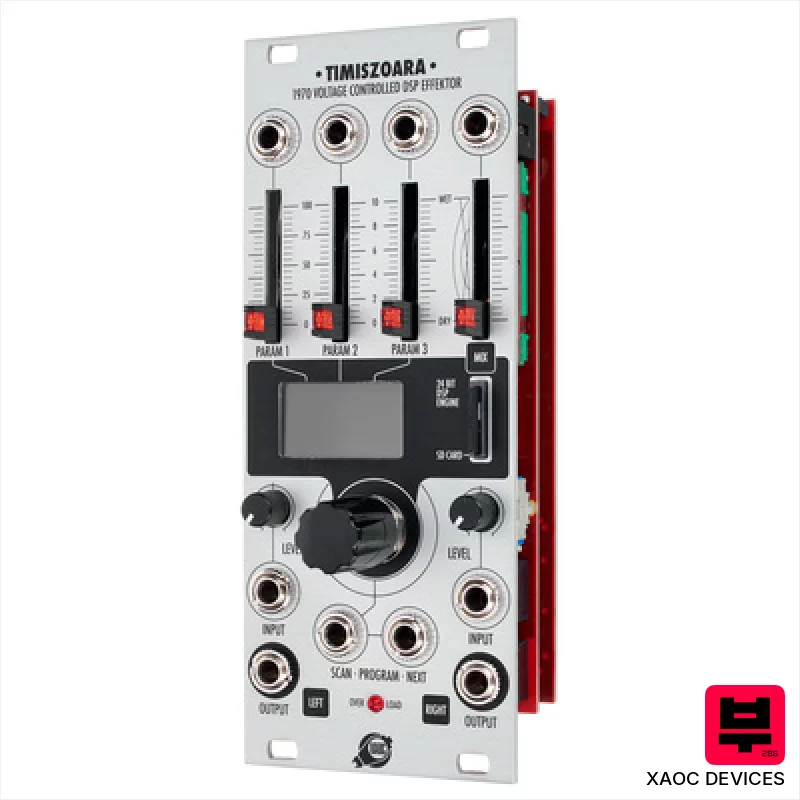
XAOC Devices Timiszoara
- • Exceptional DSP quality delivers pristine, nuanced effects.
- • Extensive preset library offers immediate sonic exploration.
- • Flexible CV control allows for dynamic, performance-driven effects.
- • Compact 10HP footprint maximizes space in tight modular setups.
- • Limited parameter editing per preset can feel restrictive.
- • OLED display, while functional, isn't the brightest in low-light conditions.
- • MicroSD card reliance for preset management is slightly inconvenient.
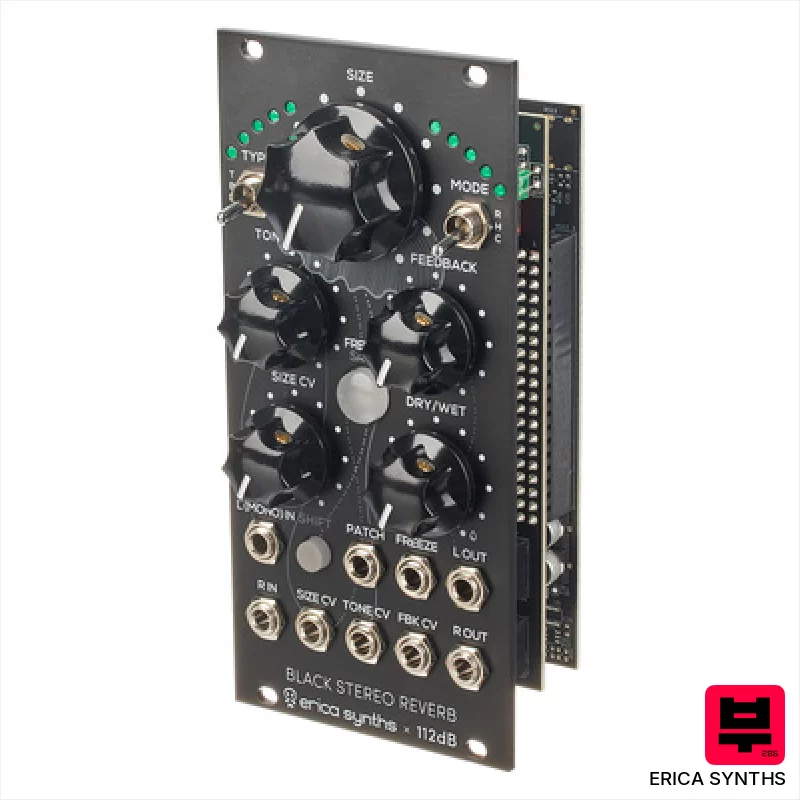
Erica Synths Black Stereo Reverb
- • Exceptional algorithm variety delivers uniquely colored reverb spaces.
- • Eurorack format allows seamless integration into modular setups.
- • Freeze function adds creative possibilities for textural soundscapes.
- • Solid build quality; Erica Synths’ reputation for robust modules shines.
- • Limited parameter control compared to dedicated reverb units.
- • Power draw might be restrictive for smaller Eurorack cases.
- • BBD algorithm can introduce noticeable noise at higher feedback settings.
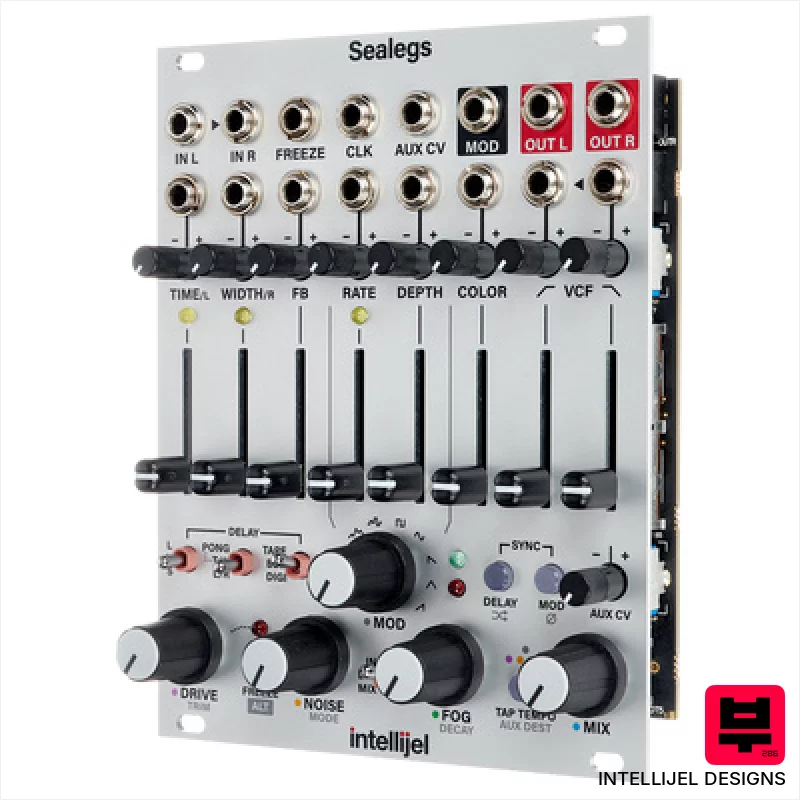
Intellijel Designs Sealegs
- • Exceptional algorithm variety delivers unique, characterful delay textures.
- • Intuitive fader-based control offers precise, immediate parameter adjustments.
- • Internal modulator provides creative rhythmic and textural possibilities.
- • Robust Intellijel build quality ensures long-term reliability and durability.
- • The interface, while intuitive, can feel cramped with so many controls.
- • Power draw is relatively high, requiring a substantial power supply.
- • Freeze function, while useful, lacks advanced features like looping.
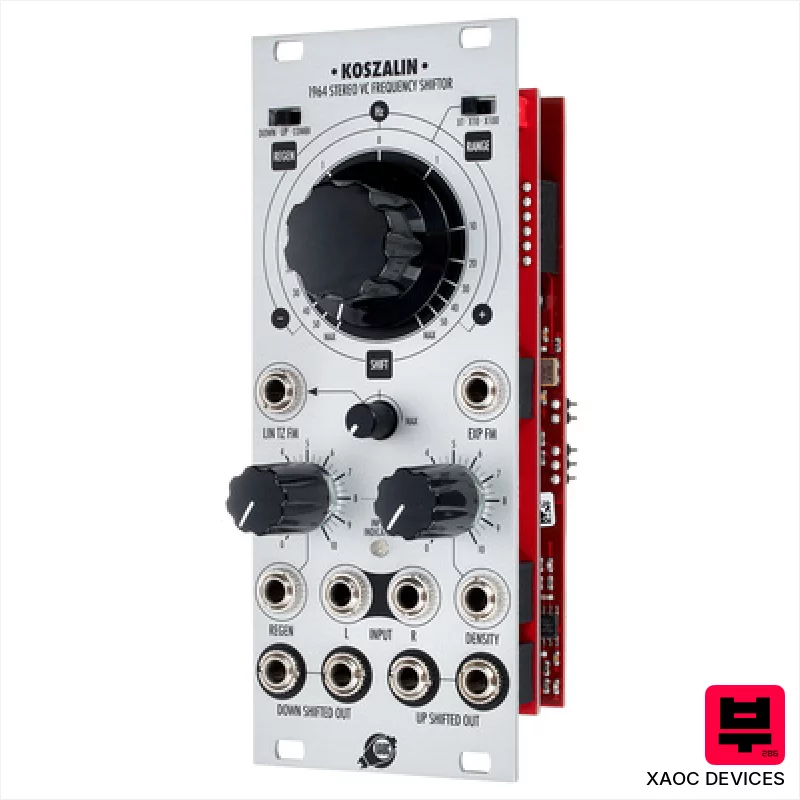
XAOC Devices Koszalin
- • Exceptional frequency shifting creates unique, evolving textures.
- • Through-Zero FM offers incredible harmonic complexity and experimentation.
- • Dense feedback modes generate powerful, chaotic soundscapes.
- • Intuitive control ranges cater to subtle shifts and aggressive modulation.
- • Limited input/output options restrict integration in complex setups.
- • Can quickly become overwhelming for users unfamiliar with FM synthesis.
- • Koszalin’s character leans heavily into experimental sound design.

Erica Synths Black Stereo Delay2
- • Versatile algorithms offer unique sonic textures for diverse applications.
- • Excellent 24-bit processing delivers clean, detailed delay signals.
- • CV inputs provide nuanced, expressive modulation capabilities.
- • Compact 12HP footprint maximizes space in crowded modular racks.
- • Limited preset storage (10) might require frequent manual adjustments.
- • Tape algorithm can exhibit subtle noise floor characteristic of analog emulation.
- • Spread control's effect can occasionally become overwhelming quickly.

Endorphin.es Ghost Silver
- • Exceptional 32-bit processing yields pristine, detailed effects.
- • Karplus-Strong synthesis via stereo delay unlocks unique textures.
- • Flexible routing and multiple CV inputs foster creative experimentation.
- • M/S processing adds impressive stereo width and depth to reverb.
- • Steep learning curve for complex signal routing and CV modulation.
- • Limited preset storage requires diligent parameter saving.
- • Physical size can be restrictive within densely populated racks.
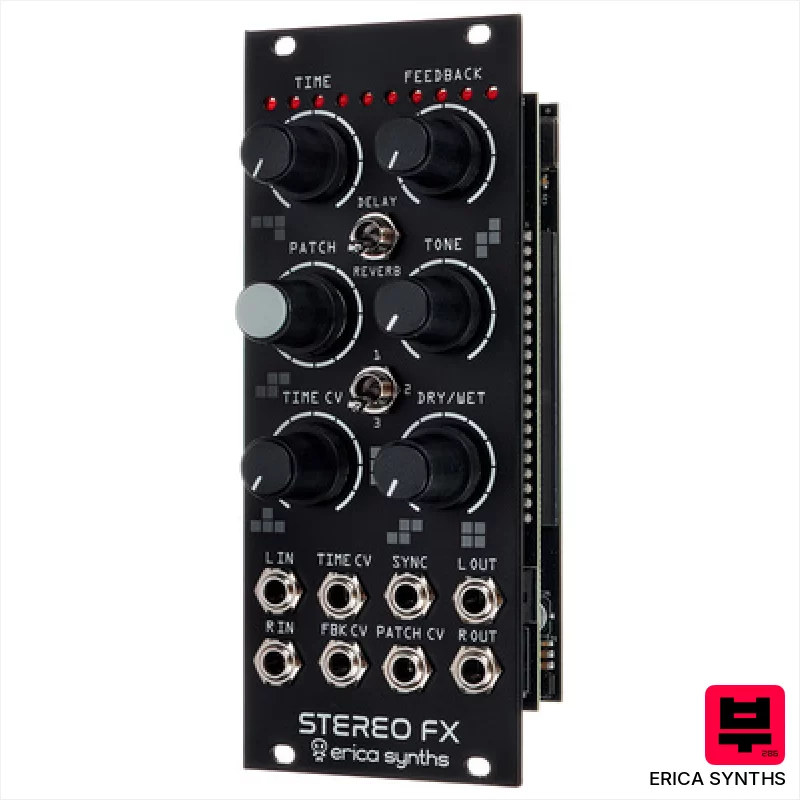
Erica Synths Drum Stereo FX
- • Excellent stereo imaging creates wide, immersive sonic spaces.
- • Flexible delay/reverb combinations offer surprising textural possibilities.
- • Tap tempo and clock sync are rock-solid for rhythmic effects.
- • Compact 10HP footprint maximizes modular space efficiency.
- • Limited preset recall feels restrictive for complex effect chains.
- • Tone control lacks nuance; shaping can be a bit abrupt.
- • Power draw, while not excessive, can impact smaller power supplies.
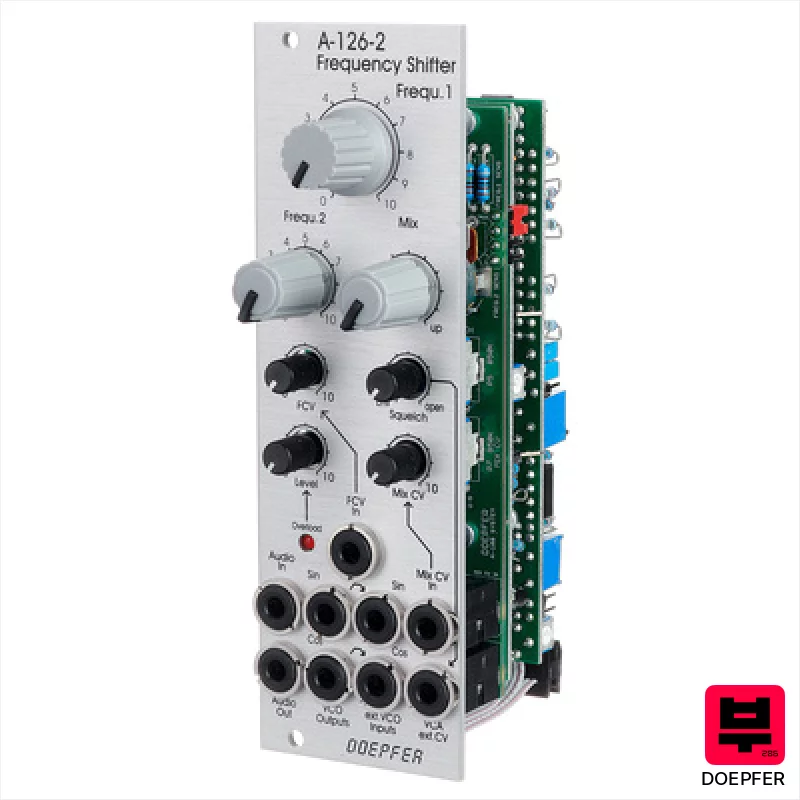
Doepfer A-126-2 Frequency Shifter
- • Excellent squelch function creates unique rhythmic textures.
- • Internal quadrature oscillator simplifies complex modulation setups.
- • Coarse/fine controls offer precise frequency shifting range.
- • Solid Doepfer build quality; feels robust and dependable.
- • 8HP footprint can be restrictive in smaller modular systems.
- • Squelch circuit can be a bit noisy at higher settings.
- • Limited modulation options beyond the included CV inputs.

Doepfer A-126-2 Frequency Shifter VE
- • Vintage Edition black panel adds a classic, refined aesthetic to any modular setup.
- • Integrated squelch/VCA creates dynamic, percussive textures instantly and intuitively.
- • Internal quadrature oscillator provides a clean, reliable signal for shifting.
- • Excellent frequency range allows for subtle detuning to wild, metallic tones.
- • 8HP footprint can be restrictive in smaller Eurorack cases.
- • Limited modulation options beyond the CV inputs may require external modules.
- • The squelch function, while creative, can be a bit finicky to dial in precisely.
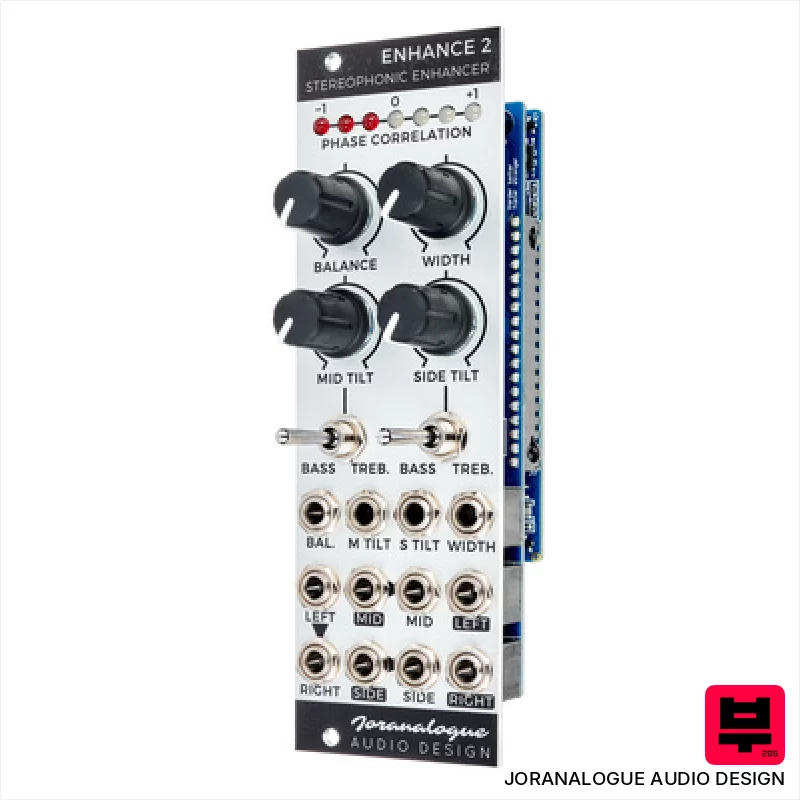
Joranalogue Audio Design Enhance 2
- • Exceptional stereo widening capabilities for a subtle or extreme effect.
- • Tilt EQ provides precise mid/side shaping for impactful tonal adjustments.
- • Correlation meter offers visual feedback for phase coherence and mono compatibility.
- • Compact 8HP footprint maximizes space in dense modular setups.
- • Limited EQ control beyond the tilt frequencies; lacks full parametric EQ.
- • 70mA power draw can be significant for smaller power supplies.
- • M/S processing isn't as flexible as dedicated, more complex modules.

OXI Instruments Meta
- • Exceptional sound quality across diverse effect types.
- • Compact 6HP form factor maximizes modular space.
- • Intuitive controls allow for dynamic live performance adjustments.
- • CV inputs unlock creative modulation possibilities for nuanced effects.
- • Limited effect selection compared to larger, dedicated effect racks.
- • 6HP size might restrict complex routing within a modular system.
- • Effect variations, while useful, could benefit from more distinct character.
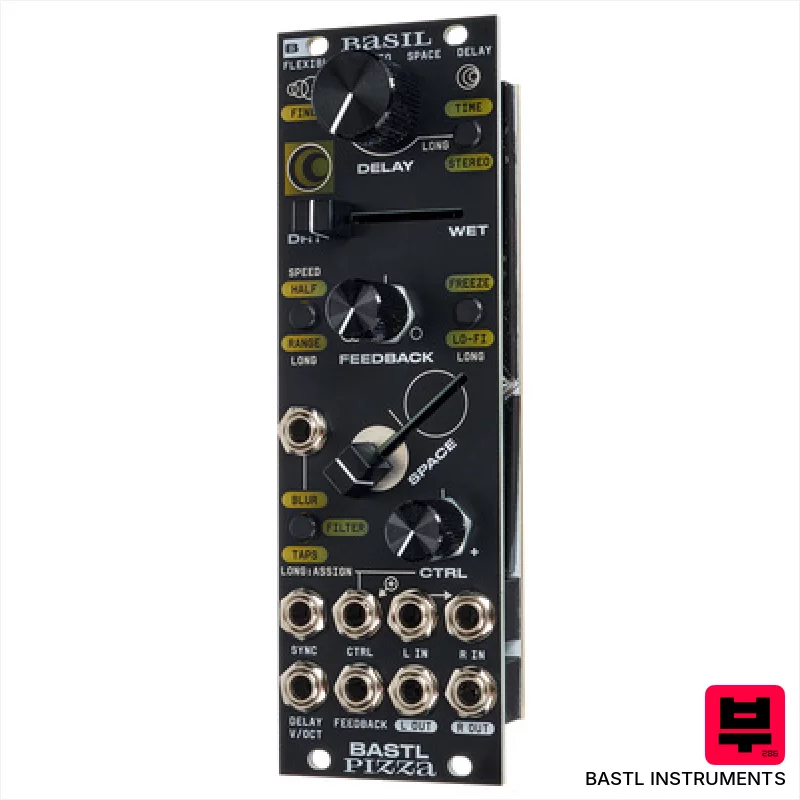
Bastl Instruments Basil
- • Unique 'freeze' mode offers surprisingly musical textures.
- • Bastl's build quality feels solid, with robust buttons and knobs.
- • Space control provides nuanced stereo manipulation beyond basic ping-pong.
- • CV inputs offer excellent modulation possibilities for evolving delays.
- • 8HP footprint can be restrictive in smaller Eurorack cases.
- • Lo-fi mode can be a bit harsh for some users' tastes.
- • Limited preset storage; relies heavily on manual tweaking.
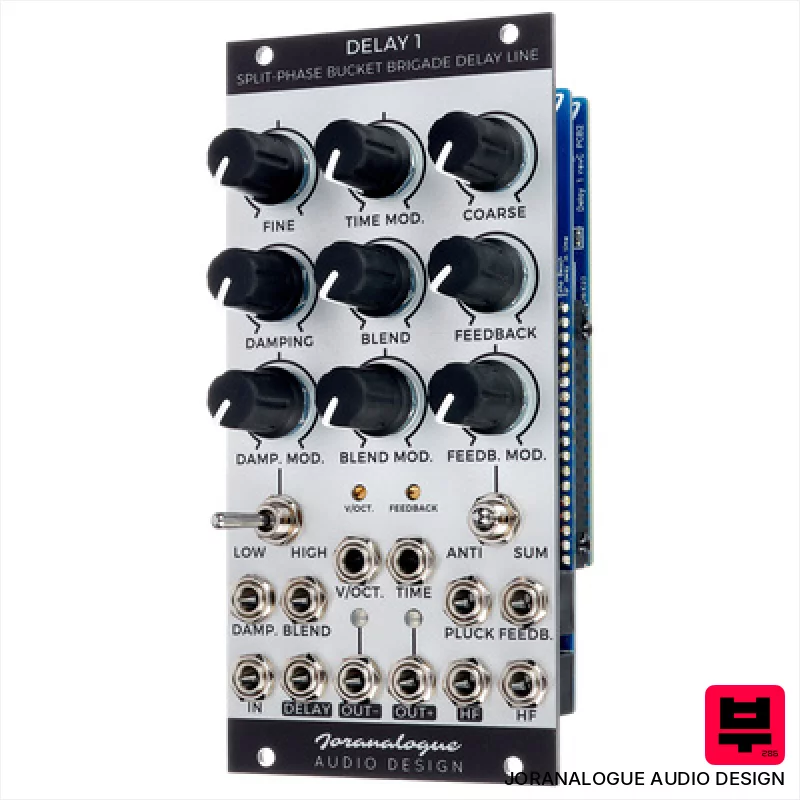
Joranalogue Audio Design Delay 1
- • Joranalogue's BBD chip delivers warm, authentic analog delay tones.
- • Extensive CV control offers deep modulation possibilities for creative sound design.
- • Damping filter with low/high-pass options shapes delay character effectively.
- • Compact 12U width makes it ideal for densely populated Eurorack racks.
- • Limited delay time range compared to digital alternatives, restricting longer echoes.
- • Feedback control can quickly become unruly, requiring careful calibration.
- • Power consumption is relatively high, impacting available headroom.
How to Choose the Best Effect Modules
Texture Generation
This isn't just about tone; it's about creating evolving, complex textures. Granular synthesis, wavetables, and spectral processors are king here - modules that can morph and mangle the input signal beyond recognition are gold.
Modulation Capabilities
Sound design demands movement and evolution. Look for modules with extensive modulation inputs - LFOs, envelope followers, sequencers - to breathe life into your creations and avoid static, lifeless sounds.
Feedback Paths
Controlled feedback is essential for creating chaotic, industrial, or otherworldly sounds. Modules with internal or external feedback loops, and the ability to modulate those loops, are incredibly versatile.
Unique Distortion Characteristics
Forget your standard overdrive. We want distortion that goes beyond simple clipping - wavefolding, saturation with complex harmonic content, bit crushing that doesn't just sound digital but interesting. The goal is to add character, not just volume.
Signal Routing Flexibility
Modular systems thrive on complex routing. Modules that allow for flexible signal paths - multiple inputs/outputs, tapestries, cross-modulation - offer the greatest creative potential and allow you to build truly unique signal chains.
Buying Guide
Don't chase the latest, most expensive module just because it looks cool. Seriously. A well-chosen, simpler module can be far more inspiring than a complex one you don't understand. Watch out for modules that claim to do everything - those are usually compromises. A good reverb might be expensive, but a cheap one just sounds... cheap. It's better to build a small, focused system than a sprawling mess of underperforming modules.
Our Methodology
We don't just look at specs here. We've spent countless hours patching these modules into various modular systems, comparing them head-to-head with each other and with industry-standard plugins. It's about how they feel to use, how they interact with other modules, and ultimately, what they bring to the table in a real-world sound design context - whether that's for film, game audio, or just weird noise experiments in your bedroom.

