 AudioFu
↓ 47%since Aug 14
Behringer Modamp Module 1005
Ring Modulator, Crossfade Modules
$37€33Check ↗
AudioFu Charts · October 2026
20 charts, 950 models — including Filter Modules, Mixer, Attenuator Modules and Oscillator Modules. Each chart is ranked by the AudioFu Index: what musicians actually buy, how many finishes the maker keeps, and where the price is heading. Pick a chart to see the full ranking.
Last updated: October 15, 2026

101 modelsfrom $31median $207
See the chart →
96 modelsfrom $28median $156
See the chart →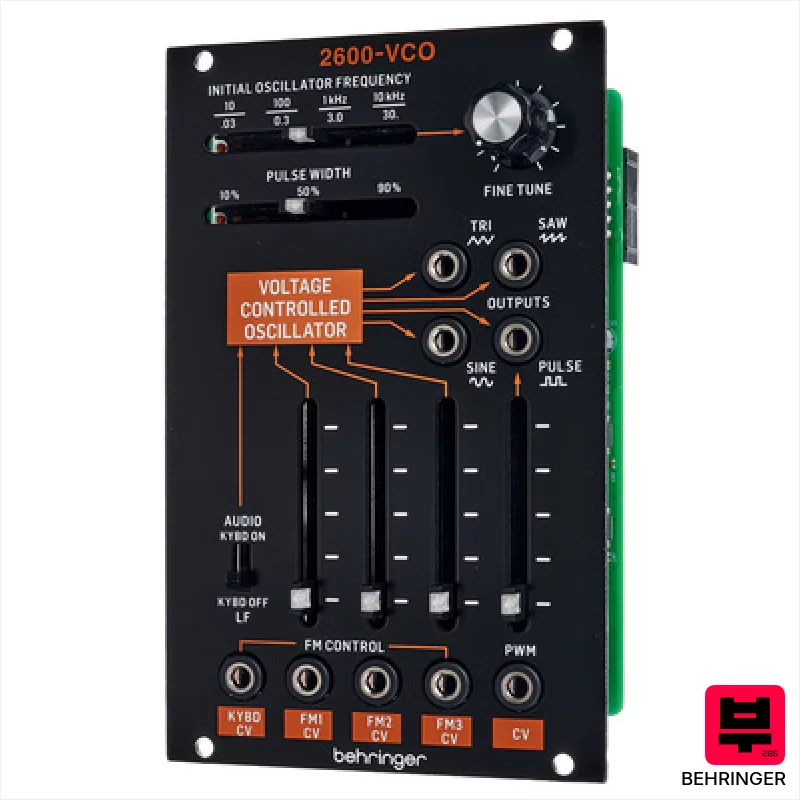
81 modelsfrom $44median $290
See the chart →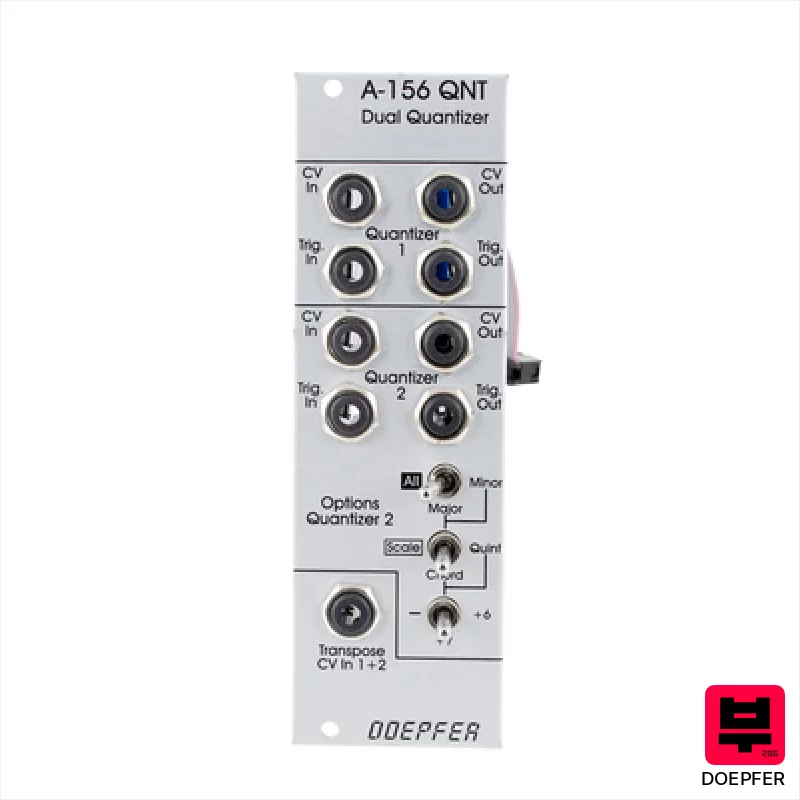
78 modelsfrom $22median $133
See the chart →
72 modelsfrom $17median $129
See the chart →
69 modelsfrom $21median $290
See the chart →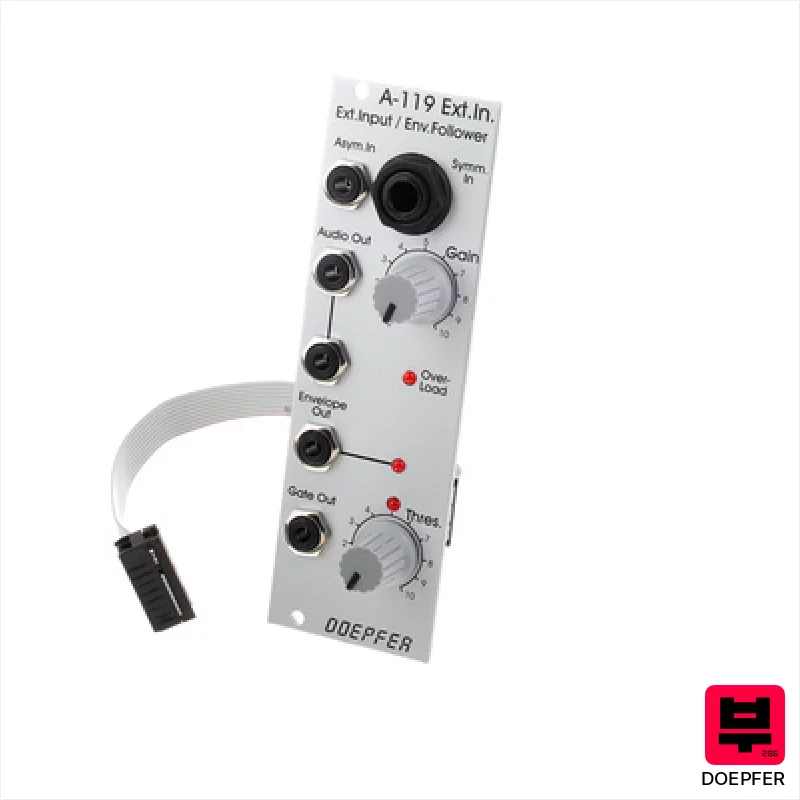
68 modelsfrom $27median $188
See the chart →
61 modelsfrom $37median $218
See the chart →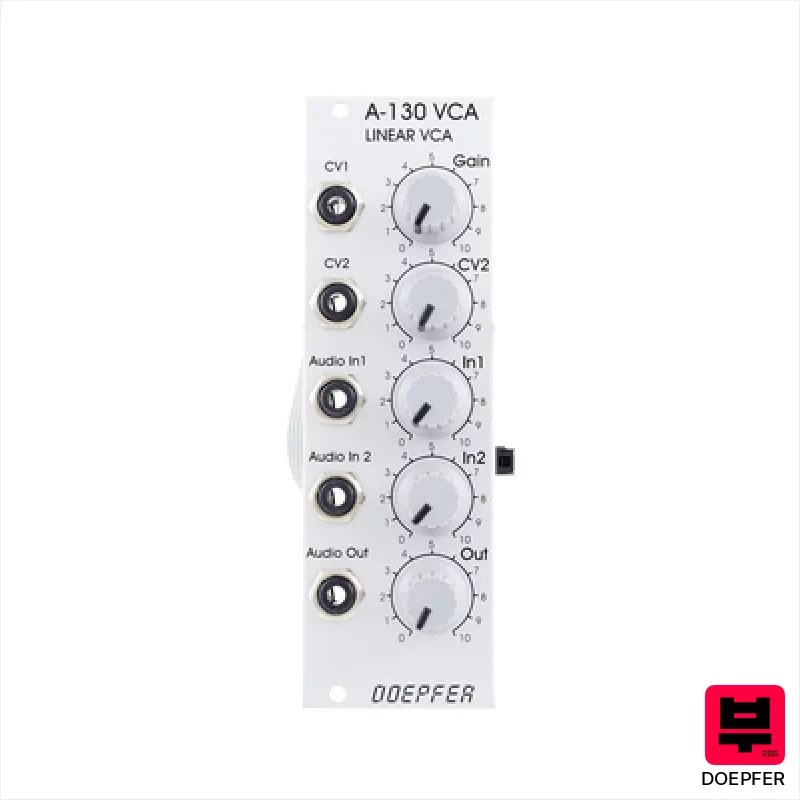
43 modelsfrom $24median $167
See the chart →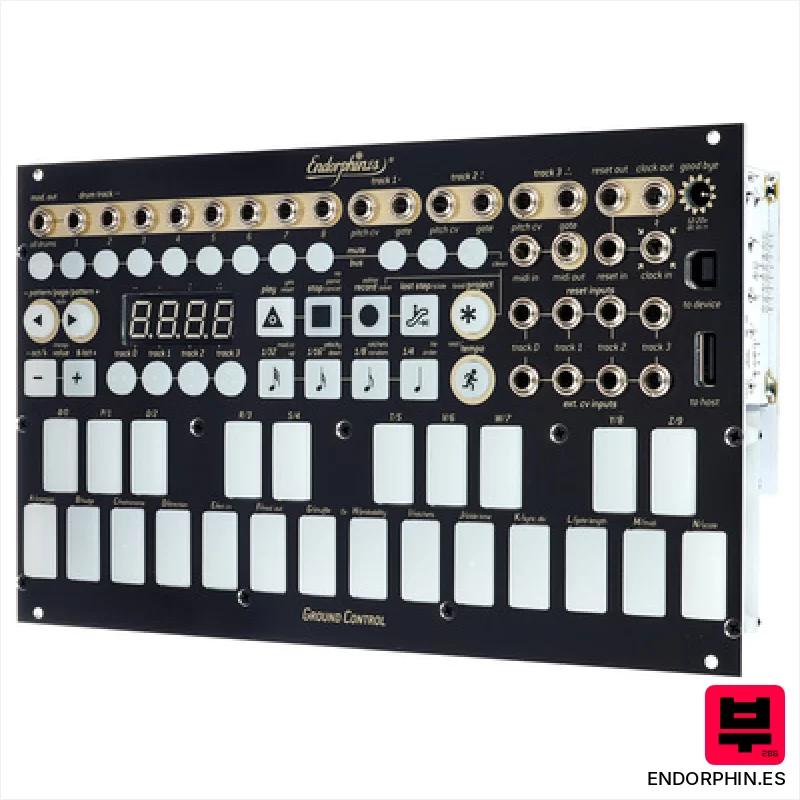
42 modelsfrom $49median $402
See the chart →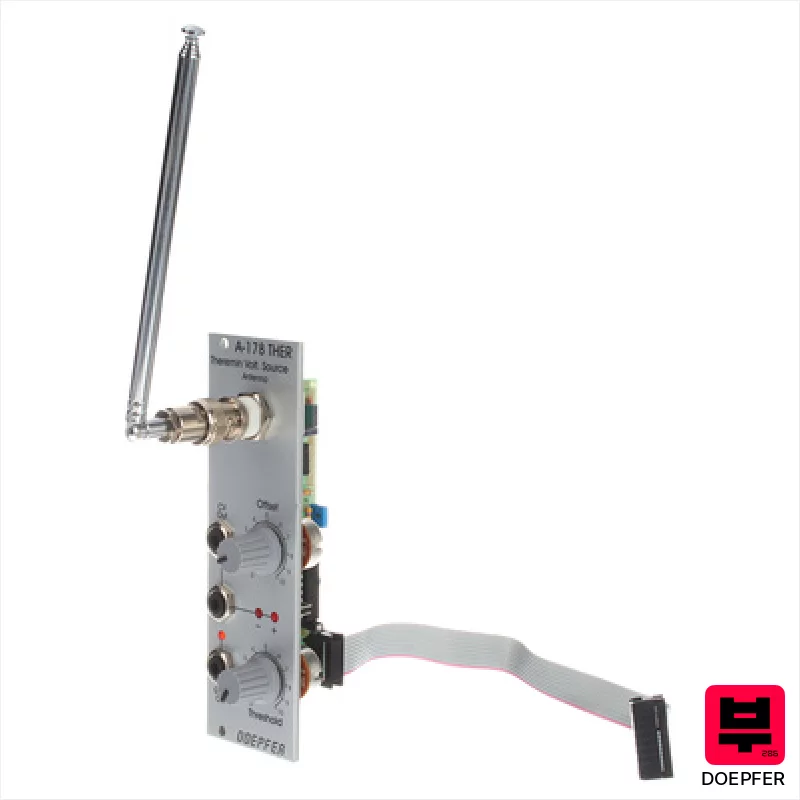
40 modelsfrom $24median $245
See the chart →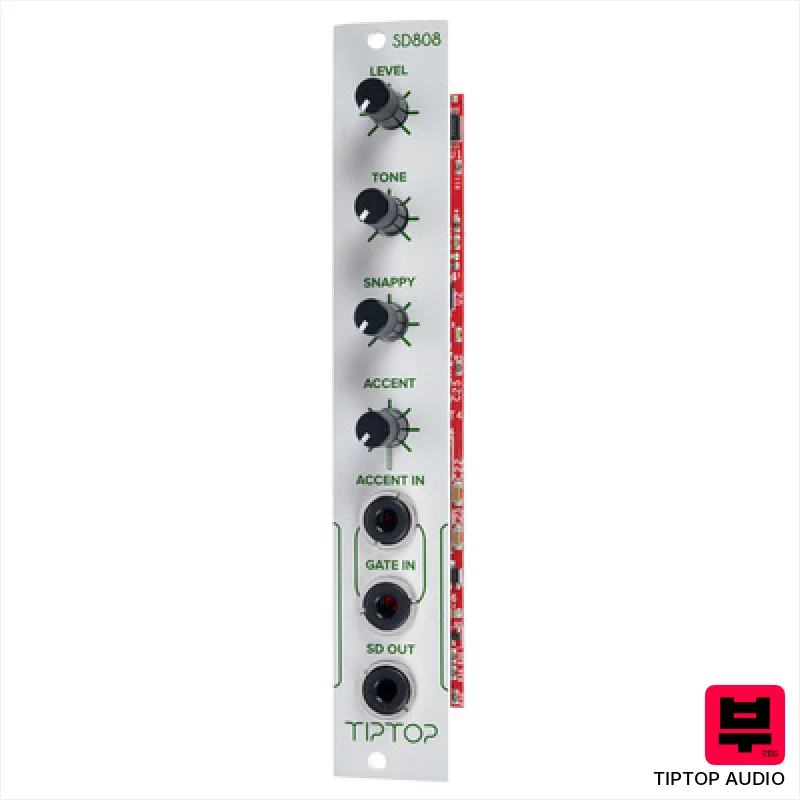
35 modelsfrom $103median $234
See the chart →
29 modelsfrom $14median $54
See the chart →
25 modelsfrom $74median $167
See the chart →
23 modelsfrom $62median $245
See the chart →
21 modelsfrom $54median $156
See the chart →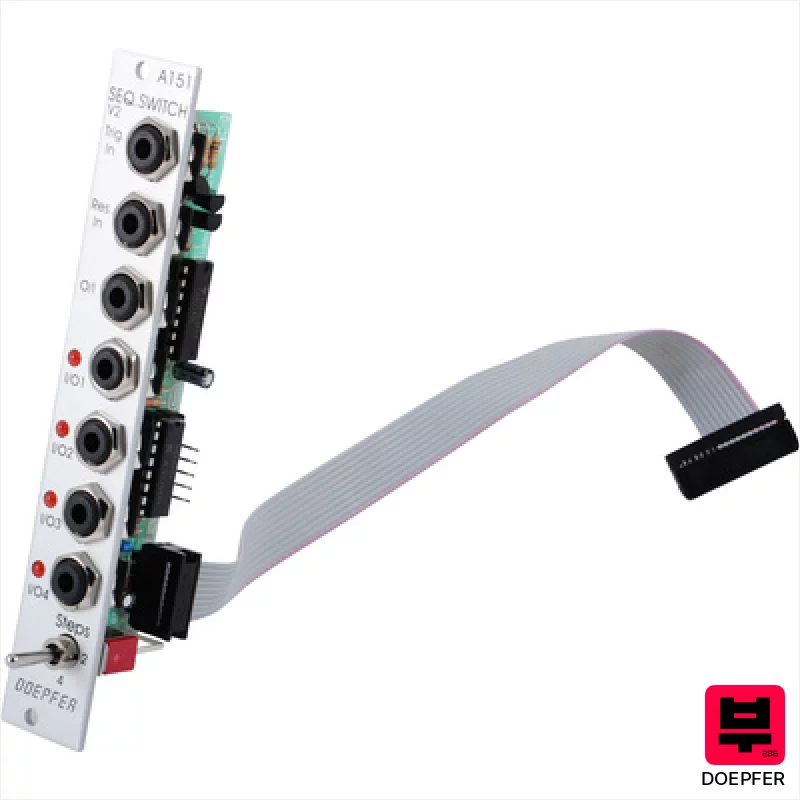
20 modelsfrom $37median $123
See the chart →
19 modelsfrom $60median $391
See the chart →
14 modelsfrom $21median $128
See the chart →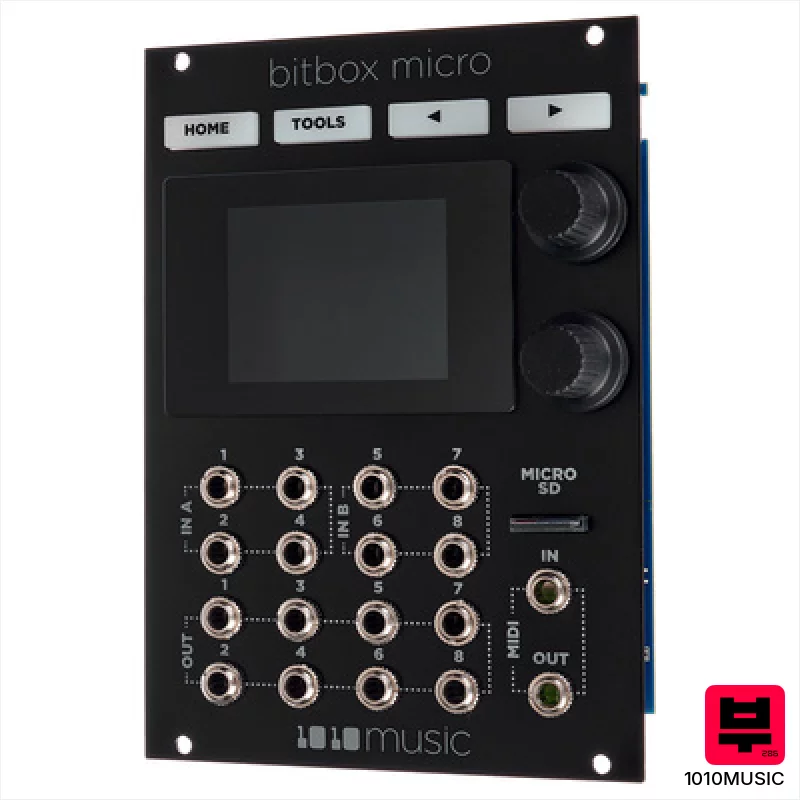
13 modelsfrom $279median $547
See the chart →Biggest cuts since we started tracking in August, among the models people actually buy.
Ring Modulator, Crossfade Modules
Noise Modules
Multiple, Divider Modules
Oscillator Modules
Filter Modules
Oscillator Modules
Various Modules
Envelope Modules
Trigger, CV Sequencer
Multiple, Divider Modules
There are several types of modular synthesizers designed for different musical styles and applications. Each type offers unique characteristics in terms of sound, playability, and suitability for various genres.
For beginners, we recommend starting with the most versatile and user-friendly options. These provide a good foundation for learning while being forgiving of technique imperfections.
Consider your musical style, playing experience, budget, and intended use. Each category excels in specific areas - some are better for certain genres, skill levels, or performance contexts.
The main differences lie in construction, sound characteristics, playability, and typical applications. Some focus on versatility, others on specific tonal qualities or playing techniques.
Absolutely! Many musicians own multiple types to suit different musical situations. Starting with one type and expanding your collection over time is a common and practical approach.