
Best Doepfer Effect Modules 2026
Alright, so you're diving into the Doepfer world of Eurorack effects? Smart move. Doepfer's effect modules aren't about flashy gimmicks; they're about rock-solid functionality and a distinct sonic character that's been shaping modular sounds for decades. If you're looking for something that'll sit well in a mix, rather than fight for space, Doepfer's a place to start.
Last updated: September 28, 2026
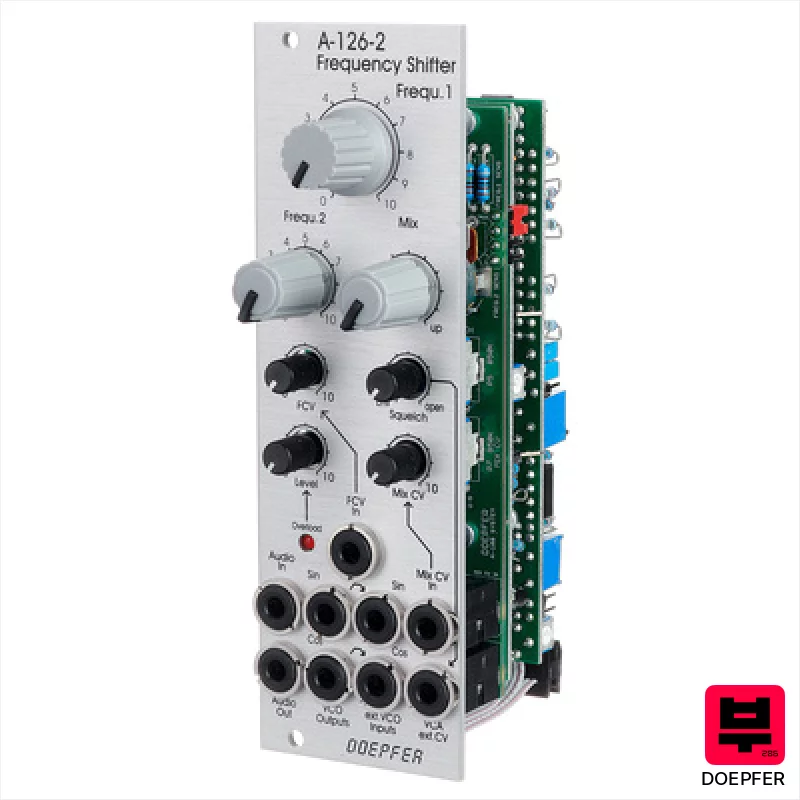
Doepfer A-126-2 Frequency Shifter
- • Excellent squelch function creates unique rhythmic textures.
- • Internal quadrature oscillator simplifies complex modulation setups.
- • Coarse/fine controls offer precise frequency shifting range.
- • Solid Doepfer build quality; feels robust and dependable.
- • 8HP footprint can be restrictive in smaller modular systems.
- • Squelch circuit can be a bit noisy at higher settings.
- • Limited modulation options beyond the included CV inputs.
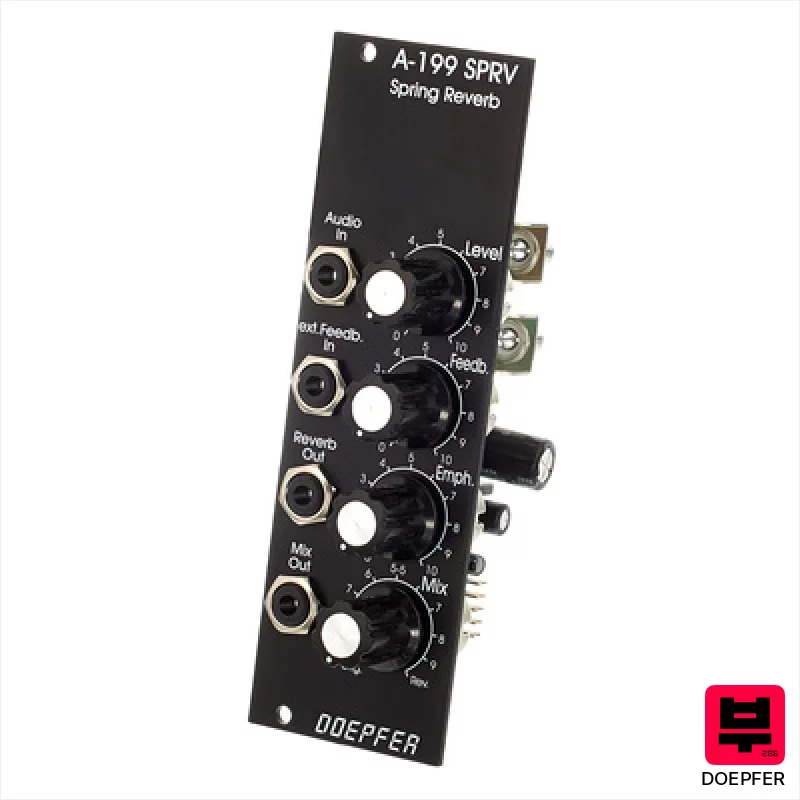
Doepfer A-199 Spring Reverb Module VE
- • Excellent recreation of classic spring reverb's characteristic 'boing' and decay.
- • Three separate springs offer a wider range of reverb tones than simpler designs.
- • Compact 8HP footprint makes it ideal for densely populated modular racks.
- • Doepfer's build quality ensures reliable performance and longevity in a modular environment.
- • Limited tonal shaping beyond feedback and mix; lacks advanced filtering or modulation.
- • Spring reverb inherently has a 'lo-fi' character; not suitable for pristine, clean sounds.
- • Power draw of 80mA (+12V) can be significant for power-constrained systems.

Doepfer A-188-1D Vintage Edition
- • Vintage BBD sound, authentically recreates classic brigade effects
- • Solid Doepfer build quality with robust black front panel
- • Compact 14HP footprint fits easily into most modular systems
- • 4096 BBD stages provide a deep, lush, and complex delay
- • Power hungry, requiring a substantial current draw from your PSU
- • Limited control parameters compared to modern delay modules
- • Vintage BBD sound isn't for everyone; can be muddy or dark

Doepfer A-189-1
- • 16 modes offer surprising sonic textures and rhythmic complexity.
- • Doepfer’s robust construction ensures long-term reliability in a modular environment.
- • Compact 8HP footprint maximizes space in dense modular setups.
- • CV control over bit shifting allows for dynamic, evolving soundscapes.
- • Limited input/output options restrict integration with some systems.
- • The interface can feel abstract and require a learning curve.
- • Relatively low power headroom may strain power supplies in large racks.
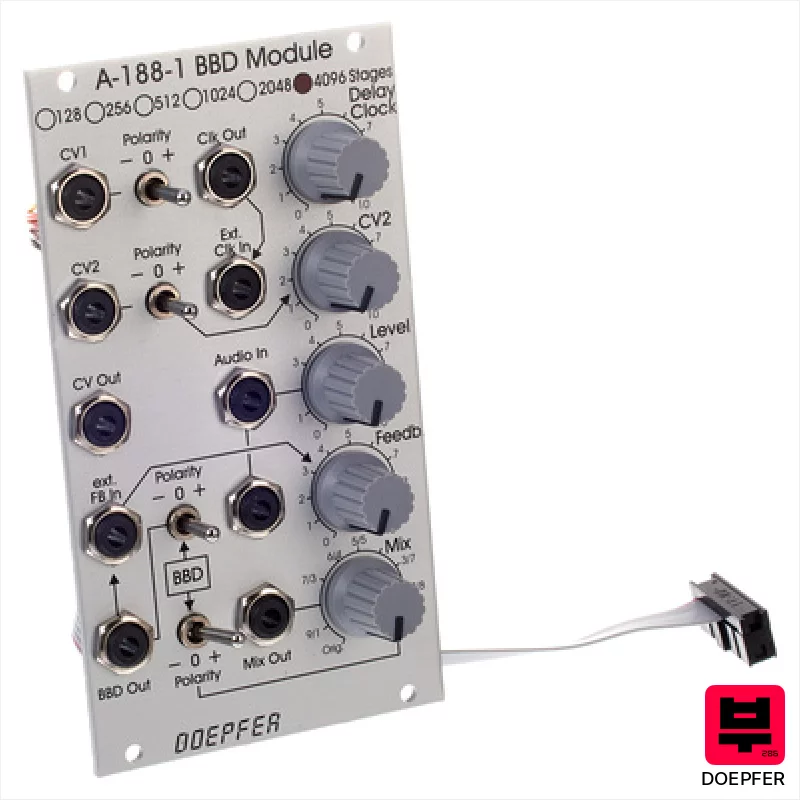
Doepfer A-188-1D
- • Unique BBD character offers warmth and organic texture
- • Voltage-controlled clock provides expressive delay time modulation
- • Polarity switches on CV inputs offer versatile control options
- • Feedback circuit enables self-oscillation for unique soundscapes
- • BBDs introduce noise and drift, requiring careful gain staging
- • Limited delay time compared to modern digital delays
- • Module size (HP) can be restrictive in smaller modular systems
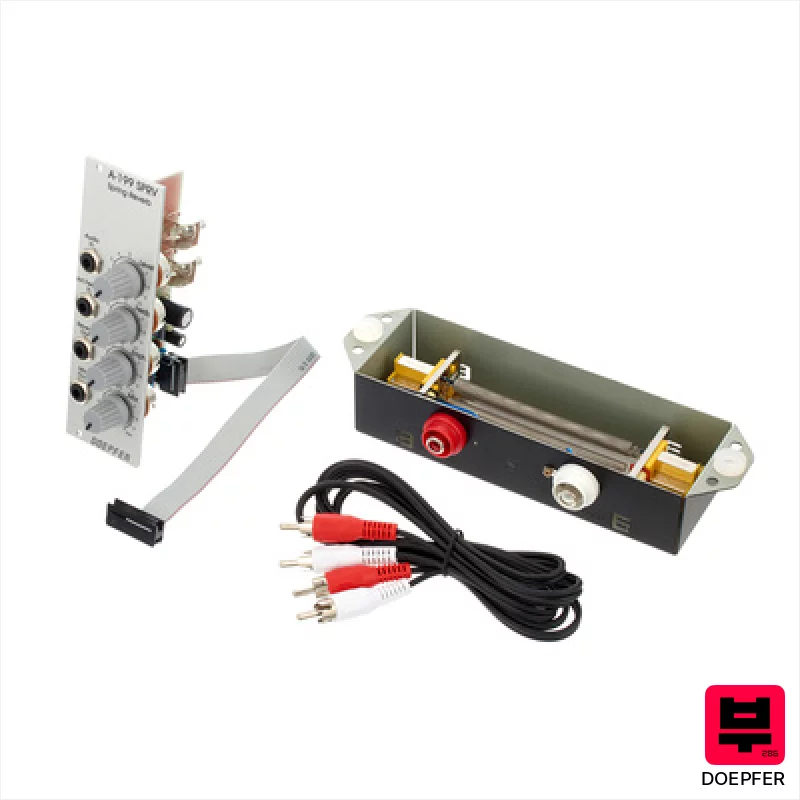
Doepfer A-199 Spring Reverb Module
- • Authentic spring reverb character, surprisingly lush and organic sound.
- • Compact 8HP footprint maximizes modular space efficiency.
- • Three separate springs offer nuanced tonal variations and feedback control.
- • Doepfer's solid build quality ensures long-term reliability and durability.
- • Limited modulation options restrict dynamic reverb manipulation.
- • Power draw is relatively high for a single module.
- • Spring reverb inherently lacks the clarity of digital alternatives.
Effect Modules by the numbers
Measured across all 67 models in this category, so «wide», «short» or «expensive» mean something you can check.
How to Choose the Best Effect Modules
Heritage & Design Philosophy
Doepfer's early designs prioritized reliability and a 'clean' signal path. This isn't about boutique, hand-wired exotica - it's about well-engineered, predictable behavior, which is invaluable when you're building a complex patch.
Tone Characteristics
Expect a generally 'musical' response. Doepfer reverbs have a warmth and sustain that's less airy and more like a vintage spring reverb blended with a plate. Delays often have a slightly darker character, avoiding that brittle, ice-picky top end you find in some other modules.
Build Quality
The panels are robust - they'll take a beating on the road. The pots are generally solid, though earlier versions can develop a bit of scratchiness over time with heavy use. It's not top-tier boutique build, but it's reliable and durable for gigging.
Modulation Capabilities
Doepfer effects often include built-in modulation options - LFOs, feedback loops - allowing for dynamic, evolving textures without needing additional modules. This can save space and simplify patching, especially for beginners.
Integration with Doepfer Ecosystem
If you're already invested in Doepfer's A100 series, these effects modules integrate seamlessly. Power requirements are well-defined, and the overall aesthetic creates a cohesive visual and sonic landscape.
Buying Guide
Doepfer effect modules are often found on the used market, which is where you'll usually get the best value. Early models (pre-2010) sometimes have slightly different component choices, which can subtly alter the tone - nothing drastic, but worth noting. While the build is generally solid, check those pots for smoothness before you commit; a scratchy pot can be a real pain on stage. Don't expect a ton of features - these are about doing a few things really well.
How This List Is Built
We don't play these instruments — we're a catalog, not a review desk, and we'd rather say so than pretend otherwise. This page covers 6 of 67 effect modules from the Thomann catalogue, which is the largest single source of specification data in this category: 6 in detail, the rest listed with their specifications.
Position is computed, not curated. We parse the manufacturer's own description into actual values — nut width, scale, fret count, fingerboard radius, size, alloy — and rank on them: how many specifications a model has published, how many of them are measurable numbers, and how precisely it meets this page's criterion. A product image adds a little. Price is not a ranking signal: it tells you nothing about whether a neck fits your hand. The same inputs always produce the same order, so nothing here is shuffled to look fresh.
What this list is good for: narrowing a category down to a shortlist by spec and budget. What it isn't: a substitute for hearing an instrument. Before you buy, read hands-on reviews and, where you can, play it. Full methodology.

