
Best Effect Modules for Audio Manipulation 2026
So, you're diving into audio manipulation with your modular rig? Forget the standard reverb and delay - we're talking about sculpting sounds, creating textures, and generally warping reality. These aren't your typical effects; they're tools for sonic architects. Let's break down the modules that'll actually let you do what you're hearing in your head, not just add some chorus.
Last updated: July 15, 2026 • Next update: July 22, 2026

Endorphin.es Ghost Silver
- • Exceptional 32-bit processing yields pristine, detailed effects.
- • Karplus-Strong synthesis via stereo delay unlocks unique textures.
- • Flexible routing and multiple CV inputs foster creative experimentation.
- • M/S processing adds impressive stereo width and depth to reverb.
- • Steep learning curve for complex signal routing and CV modulation.
- • Limited preset storage requires diligent parameter saving.
- • Physical size can be restrictive within densely populated racks.
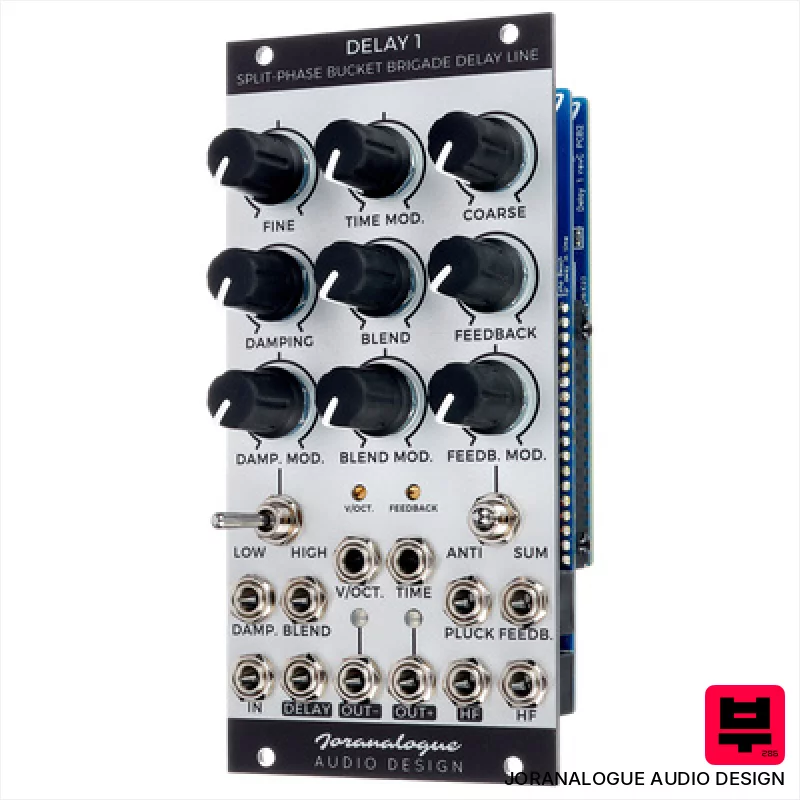
Joranalogue Audio Design Delay 1
- • Joranalogue's BBD chip delivers warm, authentic analog delay tones.
- • Extensive CV control offers deep modulation possibilities for creative sound design.
- • Damping filter with low/high-pass options shapes delay character effectively.
- • Compact 12U width makes it ideal for densely populated Eurorack racks.
- • Limited delay time range compared to digital alternatives, restricting longer echoes.
- • Feedback control can quickly become unruly, requiring careful calibration.
- • Power consumption is relatively high, impacting available headroom.

Erica Synths Black Stereo Delay2
- • Versatile algorithms offer unique sonic textures for diverse applications.
- • Excellent 24-bit processing delivers clean, detailed delay signals.
- • CV inputs provide nuanced, expressive modulation capabilities.
- • Compact 12HP footprint maximizes space in crowded modular racks.
- • Limited preset storage (10) might require frequent manual adjustments.
- • Tape algorithm can exhibit subtle noise floor characteristic of analog emulation.
- • Spread control's effect can occasionally become overwhelming quickly.

Endorphin.es Ghost Black
- • Exceptional signal processing clarity at 32-bit/96kHz resolution.
- • Karplus-Strong synthesis via stereo delay offers unique textures.
- • Flexible M/S stereo widening dramatically enhances spatial depth.
- • Comprehensive CV control unlocks intricate modulation possibilities.
- • Steep learning curve due to routing complexity and sheer number of options.
- • Limited modulation destinations compared to larger, more expensive modules.
- • Physical size – relatively deep, requiring significant rack space.
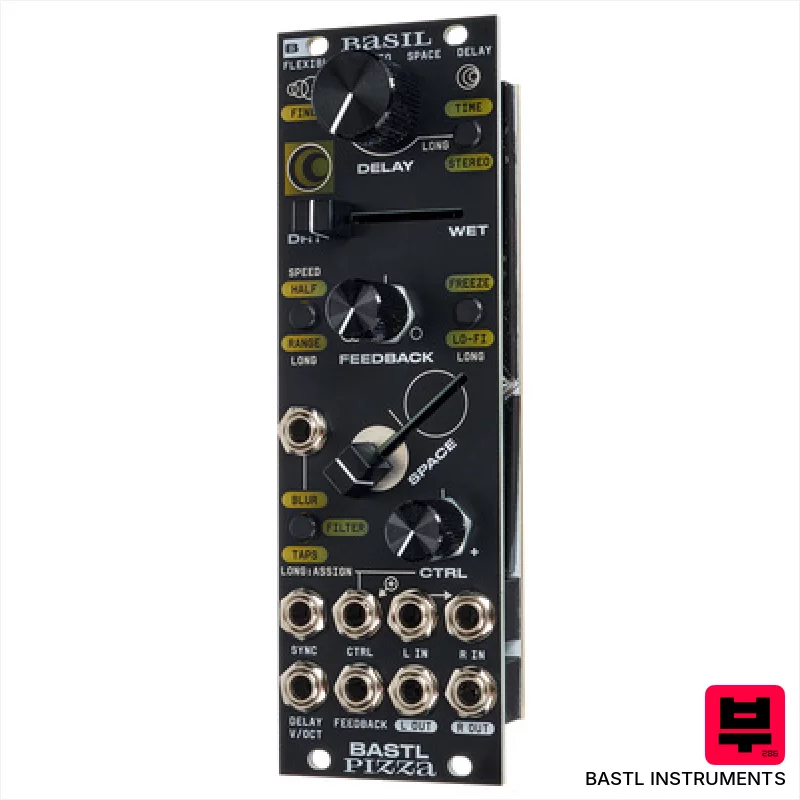
Bastl Instruments Basil
- • Unique 'freeze' mode offers surprisingly musical textures.
- • Bastl's build quality feels solid, with robust buttons and knobs.
- • Space control provides nuanced stereo manipulation beyond basic ping-pong.
- • CV inputs offer excellent modulation possibilities for evolving delays.
- • 8HP footprint can be restrictive in smaller Eurorack cases.
- • Lo-fi mode can be a bit harsh for some users' tastes.
- • Limited preset storage; relies heavily on manual tweaking.

Doepfer A-126-2 Frequency Shifter VE
- • Vintage Edition black panel adds a classic, refined aesthetic to any modular setup.
- • Integrated squelch/VCA creates dynamic, percussive textures instantly and intuitively.
- • Internal quadrature oscillator provides a clean, reliable signal for shifting.
- • Excellent frequency range allows for subtle detuning to wild, metallic tones.
- • 8HP footprint can be restrictive in smaller Eurorack cases.
- • Limited modulation options beyond the CV inputs may require external modules.
- • The squelch function, while creative, can be a bit finicky to dial in precisely.
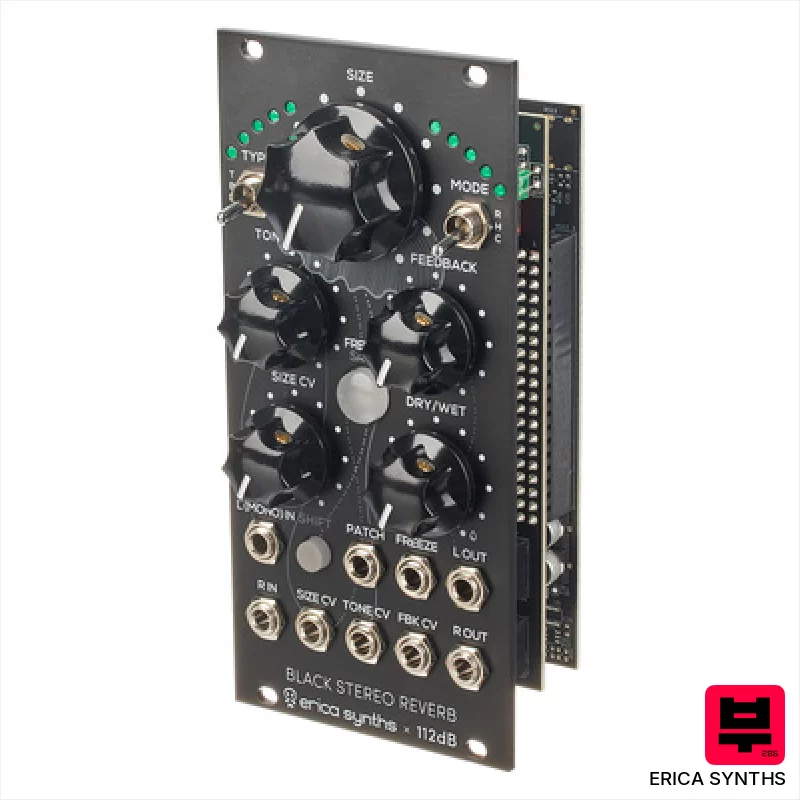
Erica Synths Black Stereo Reverb
- • Exceptional algorithm variety delivers uniquely colored reverb spaces.
- • Eurorack format allows seamless integration into modular setups.
- • Freeze function adds creative possibilities for textural soundscapes.
- • Solid build quality; Erica Synths’ reputation for robust modules shines.
- • Limited parameter control compared to dedicated reverb units.
- • Power draw might be restrictive for smaller Eurorack cases.
- • BBD algorithm can introduce noticeable noise at higher feedback settings.
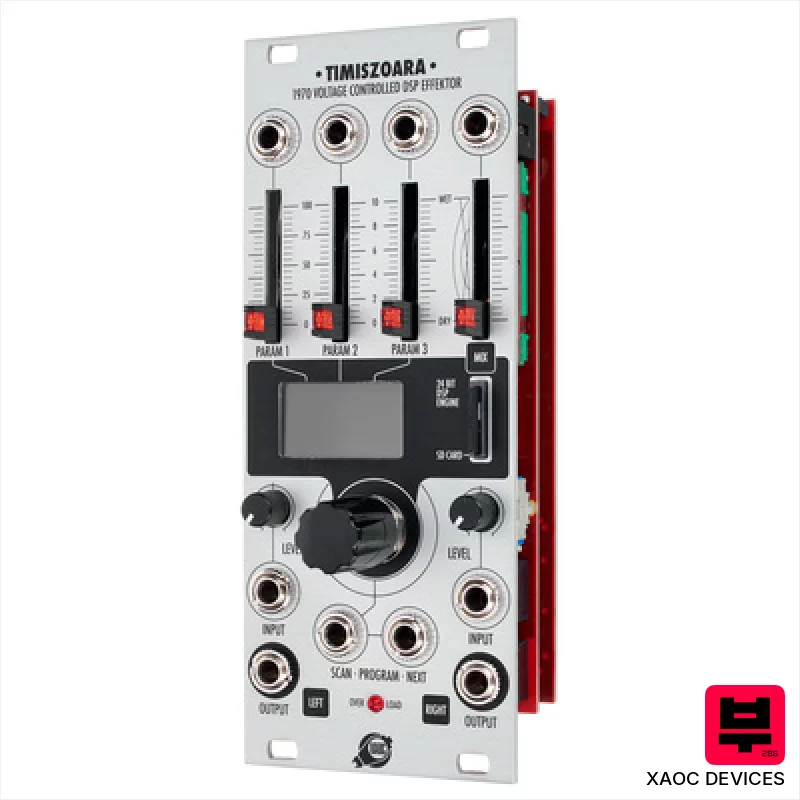
XAOC Devices Timiszoara
- • Exceptional DSP quality delivers pristine, nuanced effects.
- • Extensive preset library offers immediate sonic exploration.
- • Flexible CV control allows for dynamic, performance-driven effects.
- • Compact 10HP footprint maximizes space in tight modular setups.
- • Limited parameter editing per preset can feel restrictive.
- • OLED display, while functional, isn't the brightest in low-light conditions.
- • MicroSD card reliance for preset management is slightly inconvenient.
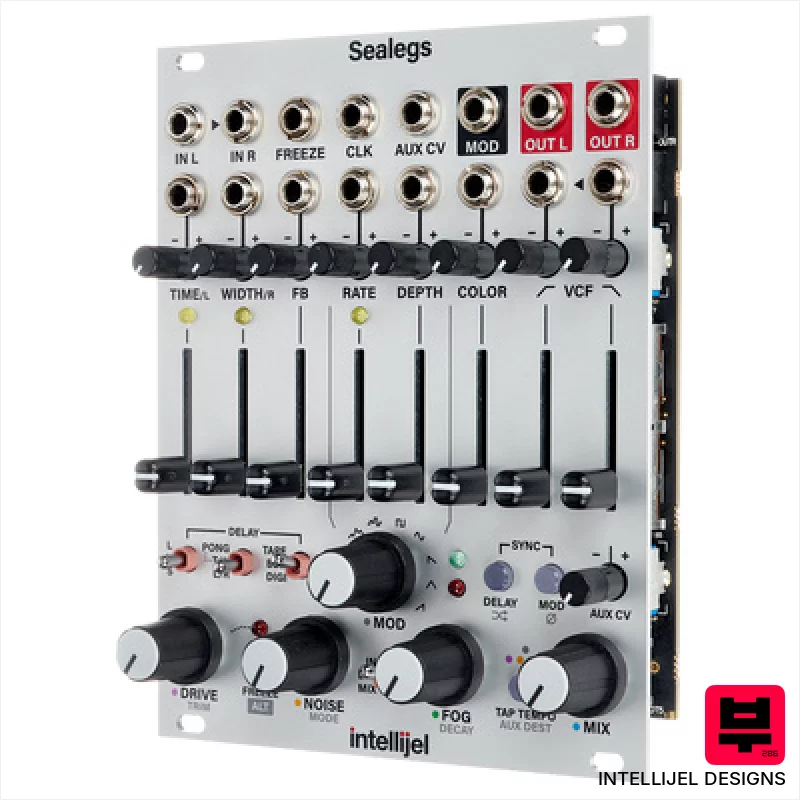
Intellijel Designs Sealegs
- • Exceptional algorithm variety delivers unique, characterful delay textures.
- • Intuitive fader-based control offers precise, immediate parameter adjustments.
- • Internal modulator provides creative rhythmic and textural possibilities.
- • Robust Intellijel build quality ensures long-term reliability and durability.
- • The interface, while intuitive, can feel cramped with so many controls.
- • Power draw is relatively high, requiring a substantial power supply.
- • Freeze function, while useful, lacks advanced features like looping.
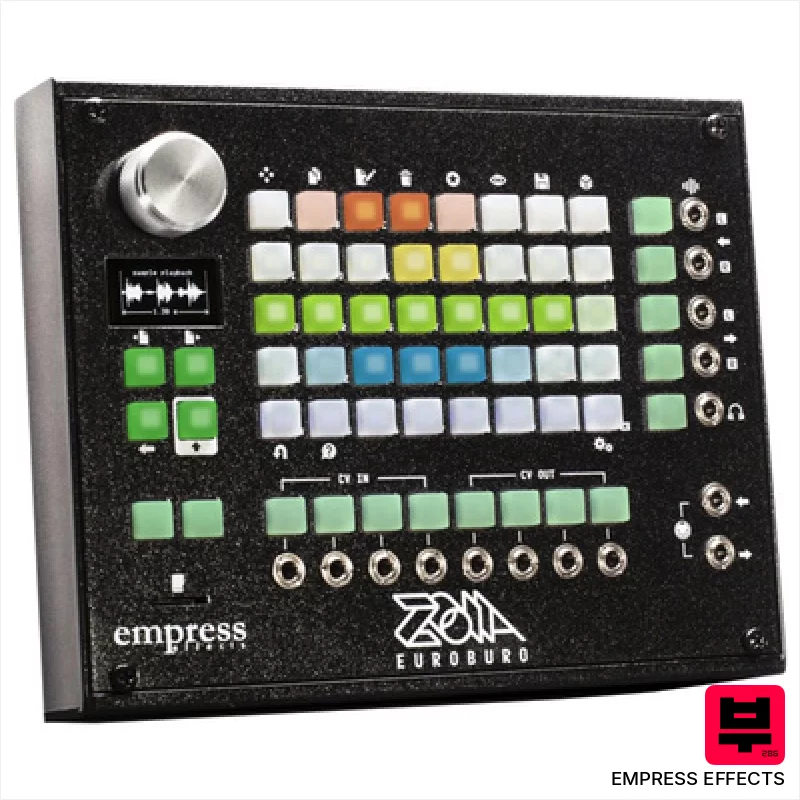
Empress Effects ZOIA Euroburo Bundle
- • Extremely flexible digital modularity allows for unique sound design.
- • Pre-built effects provide immediate gratification and inspiration.
- • Compact 34HP footprint maximizes space in Eurorack systems.
- • ZOIA Euroburo Desktop Enclosure offers a convenient, self-contained setup.
- • Steep learning curve for those unfamiliar with modular synthesis concepts.
- • Limited I/O compared to full-sized modular systems; 3.5mm jacks are a limitation.
- • Digital nature might not appeal to purists seeking analog warmth.

OXI Instruments Meta
- • Exceptional sound quality across diverse effect types.
- • Compact 6HP form factor maximizes modular space.
- • Intuitive controls allow for dynamic live performance adjustments.
- • CV inputs unlock creative modulation possibilities for nuanced effects.
- • Limited effect selection compared to larger, dedicated effect racks.
- • 6HP size might restrict complex routing within a modular system.
- • Effect variations, while useful, could benefit from more distinct character.
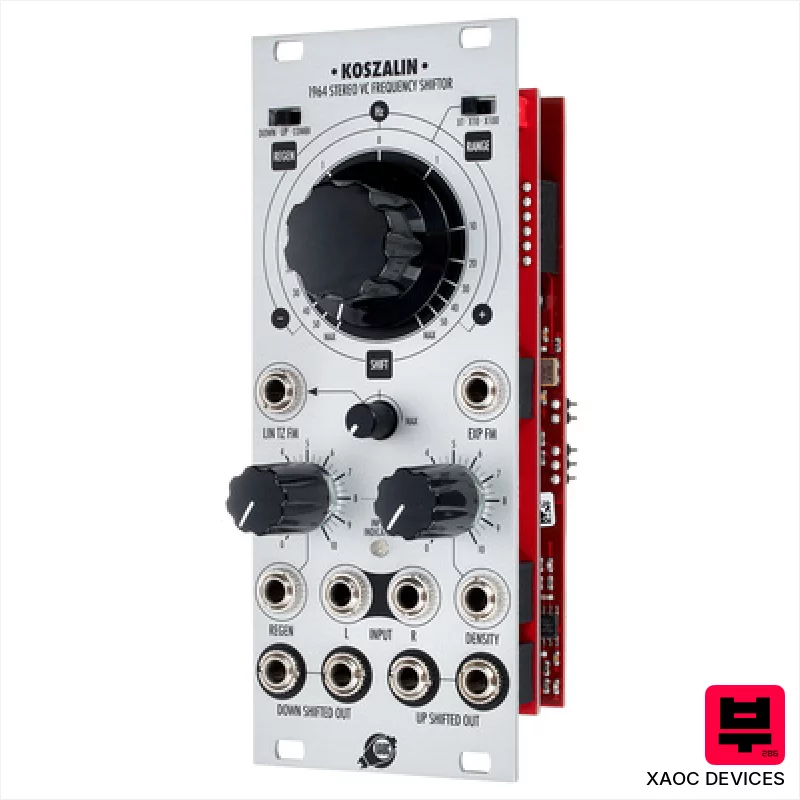
XAOC Devices Koszalin
- • Exceptional frequency shifting creates unique, evolving textures.
- • Through-Zero FM offers incredible harmonic complexity and experimentation.
- • Dense feedback modes generate powerful, chaotic soundscapes.
- • Intuitive control ranges cater to subtle shifts and aggressive modulation.
- • Limited input/output options restrict integration in complex setups.
- • Can quickly become overwhelming for users unfamiliar with FM synthesis.
- • Koszalin’s character leans heavily into experimental sound design.

Cosmotronic Messor
- • Excellent transient shaping capabilities for punchy drums and percussive elements.
- • Integrated sidechain filter offers unique tonal sculpting possibilities.
- • CV control over key parameters allows for dynamic and expressive manipulation.
- • Saturation stage adds warmth and character when subtle compression isn't enough.
- • 8 TE width can be restrictive in smaller Eurorack cases.
- • Limited headroom compared to higher-end stereo compressors.
- • Attack times, while adjustable, can feel slightly sluggish at the slower end.
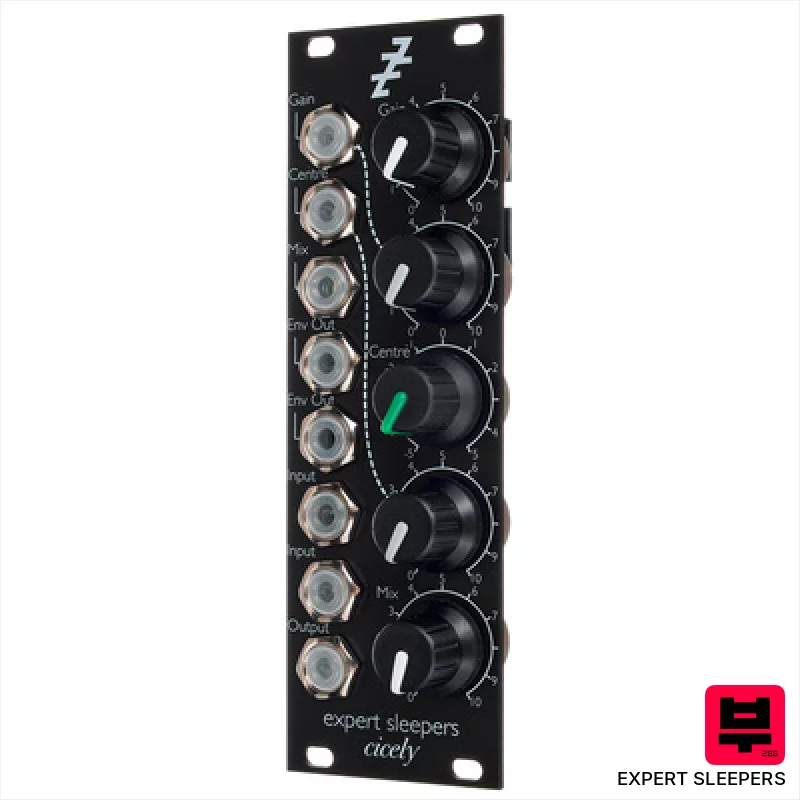
Expert Sleepers Cicely
- • Octavia fuzz provides unique, harmonically rich distortion.
- • Envelope follower offers creative modulation possibilities.
- • Compact 8HP footprint maximizes modular space efficiency.
- • Well-built module with Expert Sleepers' signature robust construction.
- • Limited gain range compared to dedicated distortion modules.
- • Mix control can be a little too sensitive for subtle blending.
- • Envelope follower’s response can be a bit slow for very fast transients.
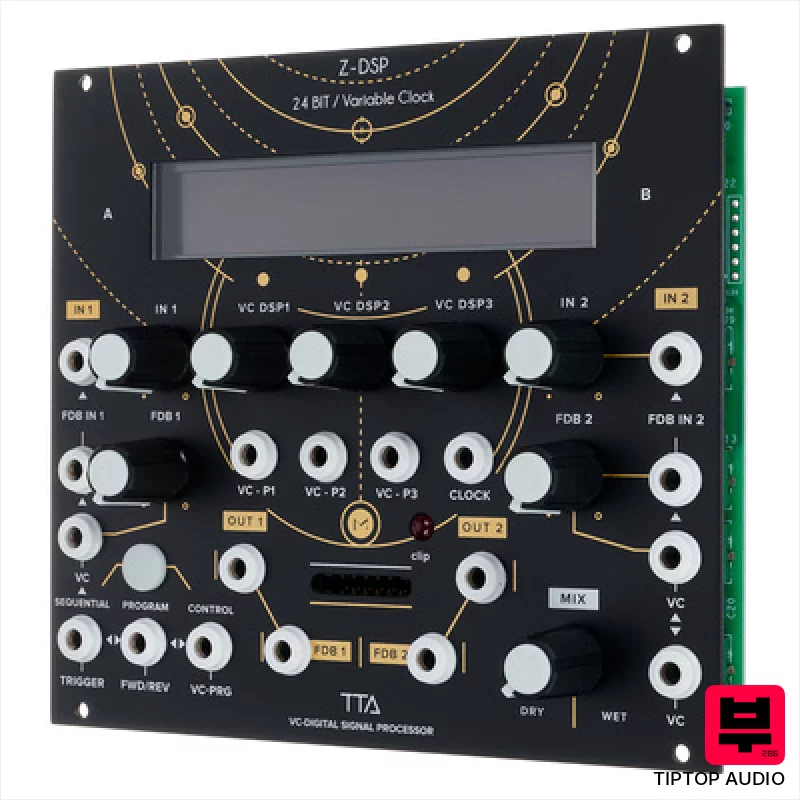
Tiptop Audio Z-DSP NS Black
- • Exceptional 24-bit resolution delivers pristine, detailed audio quality.
- • Cartridge system offers incredible flexibility and future-proofing for effects.
- • High output level avoids gain-staging headaches in complex modular setups.
- • Compact 28HP footprint maximizes space in tight Eurorack cases.
- • Cartridge cost adds up quickly for extensive effect experimentation.
- • Limited onboard memory may restrict complex user-created DSP programs.
- • Steeper learning curve for those unfamiliar with DSP concepts and CV modulation.
How to Choose the Best Effect Modules
Granular Processing
This is ground zero for audio manipulation. You need modules that can slice, stretch, and rearrange your audio into tiny grains, offering control over pitch, time, and density. Think turning a single vocal syllable into a shimmering cloud.
Spectral Manipulation
Going beyond simple filtering, spectral processors analyze the frequency content and allow for dynamic shifting, blurring, or even creating entirely new harmonics. It's how you get those bizarre, otherworldly textures.
Modulation Matrixing
The more modulation destinations and sources you have, the more complex and evolving your sounds can become. Look for modules that let you cross-modulate everything-LFOs, envelopes, even audio signals themselves-for unpredictable results.
Time Stretching/Pitch Shifting Algorithms
Cheap algorithms sound like digital mud. The good ones retain clarity and musicality even at extreme settings. This is critical for creating everything from subtle shimmer to glitchy stutters.
Feedback Capabilities
Controlled feedback loops are essential for creating drones, textures, and evolving soundscapes. The ability to modulate the feedback path is a huge bonus, allowing for self-oscillating mayhem.
Buying Guide
Audio manipulation modules often demand a premium. You're paying for complex algorithms and high-quality components. Be wary of modules that promise a lot but have limited modulation options or muddy sound. Sometimes a combination of simpler, well-designed modules will outperform a single 'jack-of-all-trades' unit. Don't chase the latest buzzword; focus on what sounds good to you and how it fits your workflow.
Our Methodology
We're not basing this list on spec sheets or marketing hype. We've spent years patching these modules into everything from sprawling Eurorack systems to tiny tabletop setups. Our evaluations are based on real-world use - can it cut through a band mix? Does it inspire creative experimentation? Does it actually sound good after hours of tweaking?

