
Best Intech Studio DAW Controllers 2026
Let's be honest, staring at a mouse to nudge a fader just kills the vibe. If you're serious about getting a tactile feel for your mixes and really sculpting sounds, a DAW controller is essential. Intech Studio has quietly been making some seriously solid controllers, and they're worth a closer look - especially if you're tired of the flimsy plastic feel of some of the bigger names.
Last updated: September 24, 2026
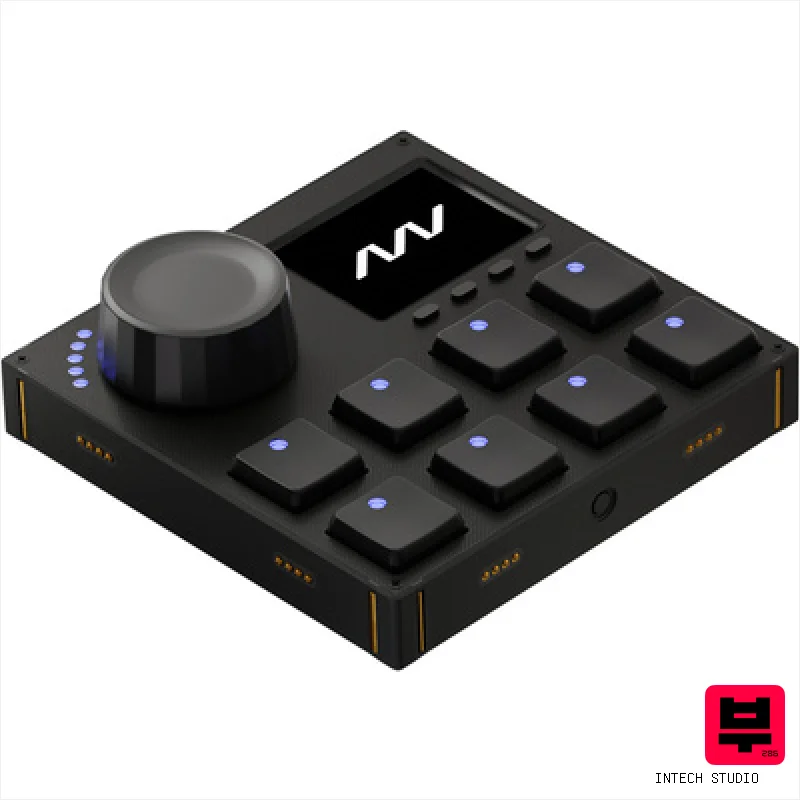
Intech Studio Grid Series 3 VSN1 Screen Rgt
- • Gateron hall effect switches offer smooth, consistent key feel.
- • MX-style shafts provide a familiar and sturdy typing experience.
- • 320 x 240 pixel LCD screen shows clear information easily.
- • Magnetic interface allows flexible modular connection in any direction.
- • No faders or knobs are listed in the official description.
- • No pad surface or drum pad features are mentioned in specs.
- • Weight is very light at only 0.220 kg for a controller.
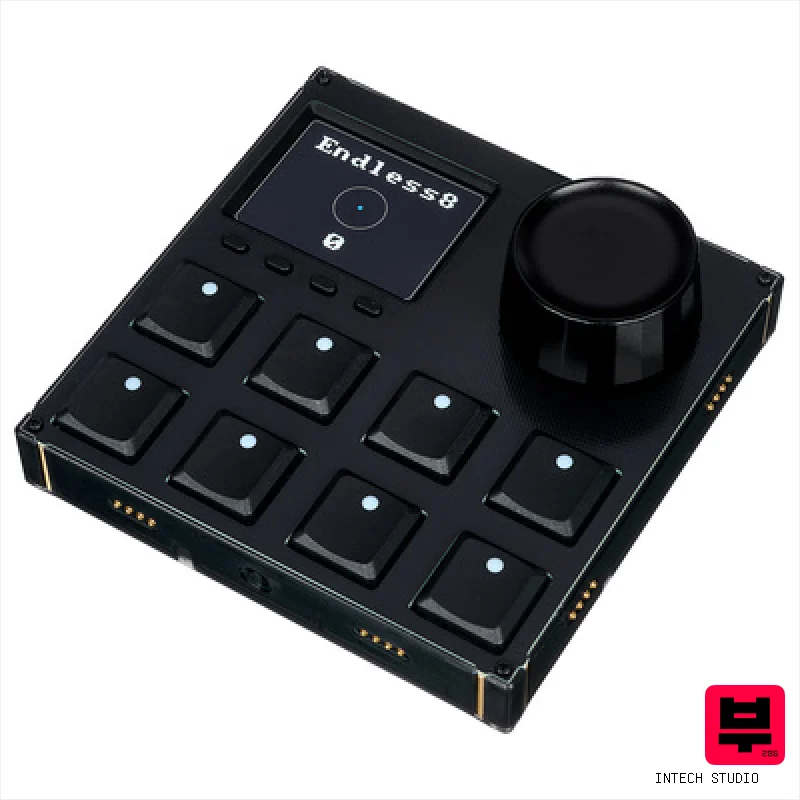
Intech Studio Grid Series 3 VSN1 Screen Left
- • Gateron hall effect key switches offer smooth, consistent touch feel
- • MX-style shafts provide a familiar and comfortable playing experience
- • Modular magnetic interface connects controllers in any direction easily
- • 320 x 240-pixel LCD screen has excellent viewing angles for all users
- • No faders, knobs, or pads are mentioned in the description
- • Current consumption of 250 mA might be higher than ultra-low models
- • Weight of 0.220 kg is light, which could feel unstable during heavy use
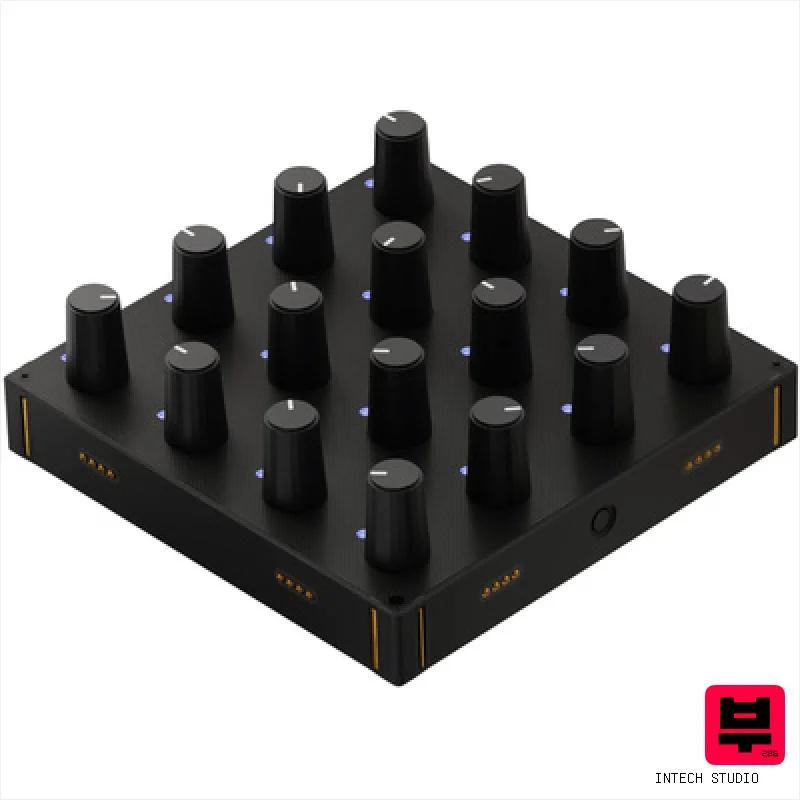
Intech Studio Grid Series 3 PO16 Linear
- • Metal shafts allow smooth, easy rotation on all 16 knobs.
- • Modular USB-C design lets you stack up to eight units easily.
- • Customizable RGB LEDs provide clear visual feedback for each control.
- • Compact 38mm height saves space on crowded mixing desks.
- • USB cable is not included in the box.
- • No faders or pads are present for other mixing tasks.
- • Single power/data cable limits flexibility for complex setups.
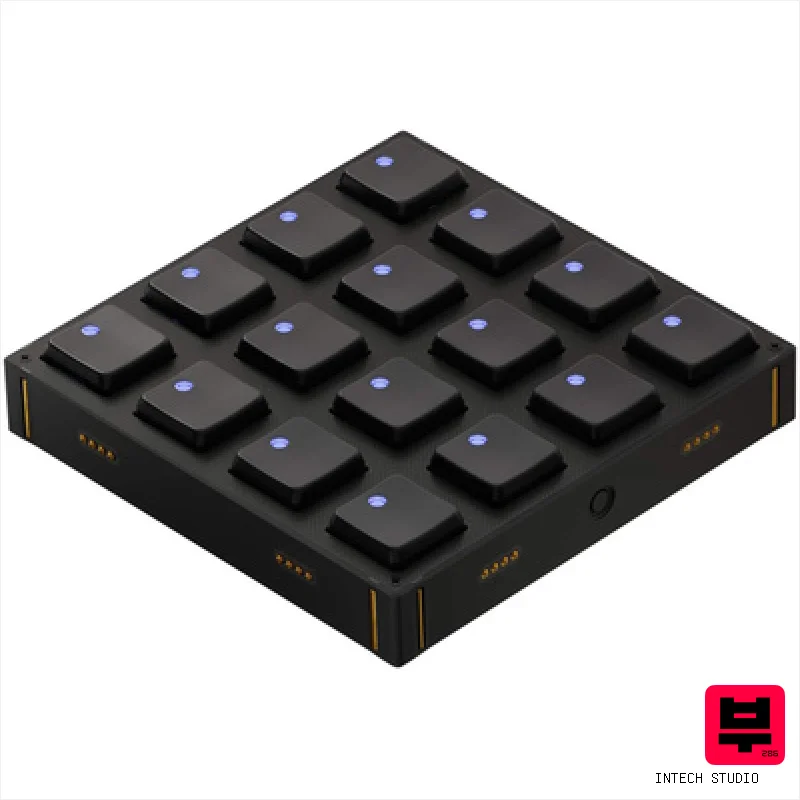
Intech Studio Grid Series 3 BU16 Mechanical
- • Four-by-four grid layout fits small desks perfectly
- • Interchangeable caps let you customize the look
- • Magnetic links let you stack modules easily
- • Single USB cable handles power and data
- • No faders or knobs for mixing control
- • USB cable is missing from the box
- • Only sixteen buttons for complex tasks
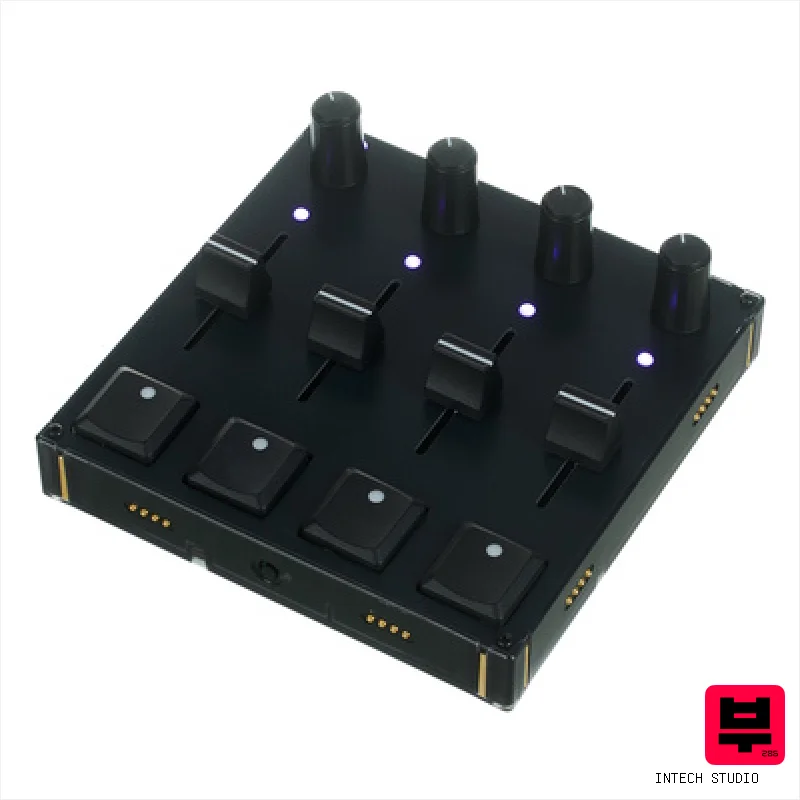
Intech Studio Grid Series 3 PBF4 Lin Mechan
- • Gateron Hall effect buttons for reliable clicks
- • Metal shafts on faders and knobs feel solid
- • Magnetic links connect modules easily in any way
- • Single USB cable powers and transfers data for eight units
- • No USB cable included in the box
- • No specific sound quality or character described
- • Only four control surfaces total on the unit
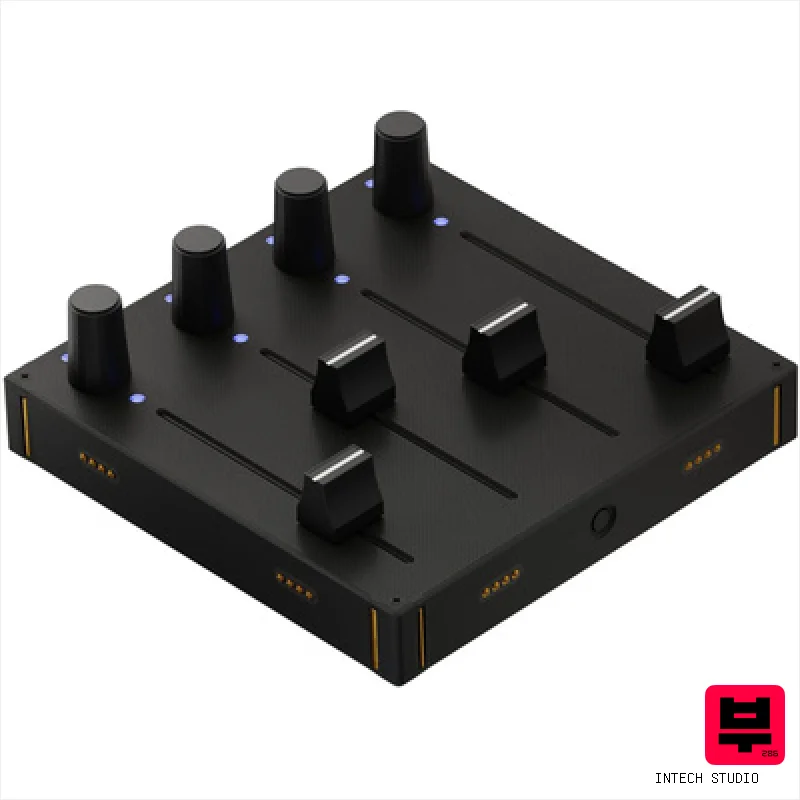
Intech Studio Grid Series 3 EF44 Detent
- • Four large linear audio faders for precise mixing
- • Four detent encoders with 20 stops per turn
- • Modular USB-C design linking up to eight units
- • Compact 38mm height fits small studio desks
- • USB cable is not included in the box
- • Only power and data transfer via one cable
- • Limited to linear faders, no rotary knobs
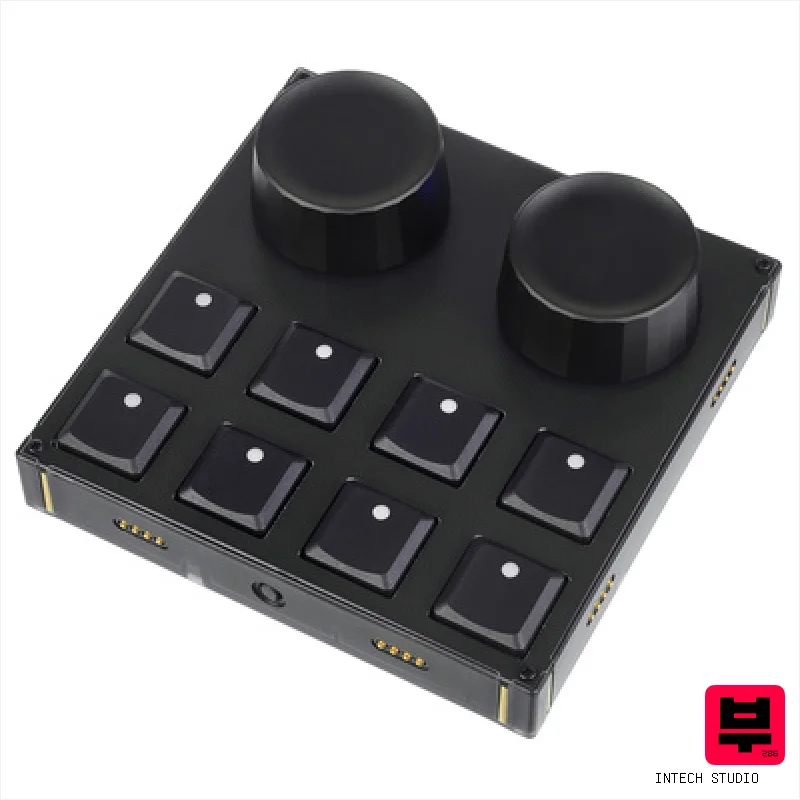
Intech Studio Grid Series 3 TEK2 Mechanical
- • Hot-swappable buttons let you change switches without tools.
- • Eight dynamic Gatheron Hall-HE buttons offer real tactile feel.
- • Magnetic coupling joins multiple controllers in any direction.
- • Single USB cable handles both power and data transfer.
- • USB cable is not included in the box.
- • Lack of knobs or faders limits mixing control.
- • Compact size feels small for serious studio work.
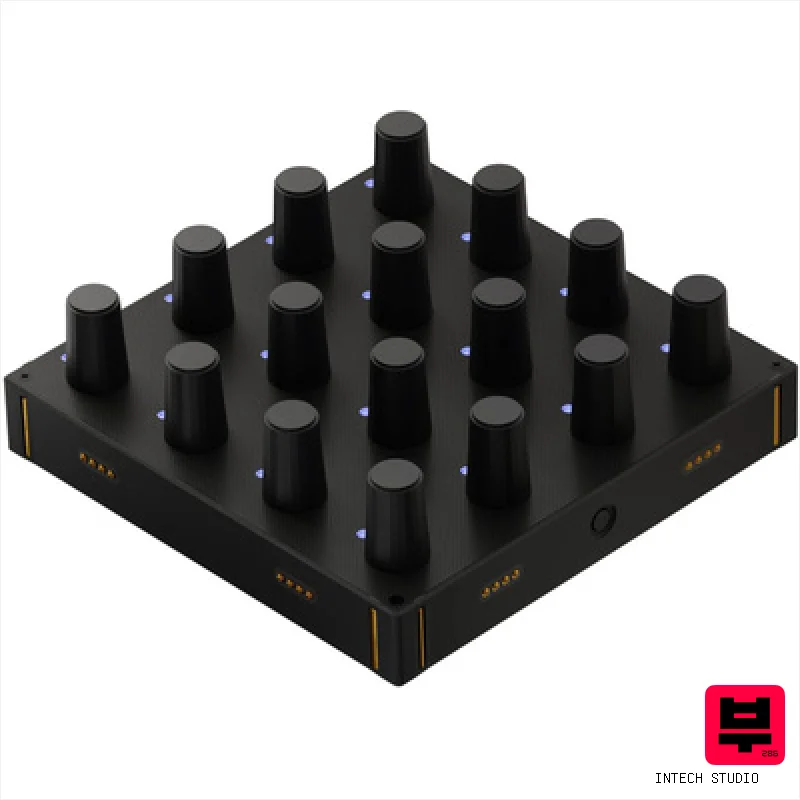
Intech Studio Grid Series 3 EN16 Detent
- • 16 encoders with 20 detents per full turn
- • Modular USB-C design linking eight units easily
- • Adjustable encoder speed for precise control
- • Sturdy build with magnetic coupling system
- • No faders or pads included in this unit
- • USB cable required separately from the device
- • Power consumption higher than typical passive gear
DAW Controllers by the numbers
Measured across all 103 models in this category, so «wide», «short» or «expensive» mean something you can check.
How to Choose the Best DAW Controllers
Build Quality
Intech's controllers aren't going to feel as premium as some of the boutique options, but they're a step above the budget plastic fare. The metal chassis feels robust, and the faders have a reassuring weight to them - you can tell they're built for gigging, not just for a desktop demo. It's a sweet spot for reliability.
Fader Accuracy & Feel
This is where Intech shines. Their faders have a surprisingly smooth, analog-like feel despite being optical. They track accurately, and the lack of that digital 'jumpiness' you get with some controllers makes subtle EQ adjustments a joy. It's a huge improvement for mixing vocals or dialing in a synth pad.
Customization
The Intech software is surprisingly deep. You can map pretty much anything to the knobs, faders, and buttons, going beyond the standard channel strips to control plugin parameters or even MIDI effects. This level of customization makes them adaptable to any workflow, from orchestral scoring to gritty electronic production.
Layout & Ergonomics
The layout is logical and intuitive, avoiding the crammed feeling you get with some controllers trying to cram too many features into a small space. The button placement feels natural, and the overall design prioritizes comfortable, long-session mixing. It's something you'll appreciate during those late-night tracking sessions.
Value for Money
Let's face it, high-end controllers are expensive. Intech offers a really compelling balance between features, build quality, and price. You're getting a lot of functionality without breaking the bank - a huge win for working musicians.
Buying Guide
Don't expect the absolute highest-end materials or a flawlessly polished aesthetic. Intech's strength is in providing solid performance at a reasonable price. Pay attention to the number of faders and knobs you actually need; more isn't always better if it just adds clutter. And download the software and experiment with the mapping options - that's where you'll really unlock their potential.
How This List Is Built
We don't play these instruments — we're a catalog, not a review desk, and we'd rather say so than pretend otherwise. This page covers 8 of 103 daw controllers from the Thomann catalogue, which is the largest single source of specification data in this category: 8 in detail, the rest listed with their specifications.
Position is computed, not curated. We parse the manufacturer's own description into actual values — nut width, scale, fret count, fingerboard radius, size, alloy — and rank on them: how many specifications a model has published, how many of them are measurable numbers, and how precisely it meets this page's criterion. A product image adds a little. Price is not a ranking signal: it tells you nothing about whether a neck fits your hand. The same inputs always produce the same order, so nothing here is shuffled to look fresh.
What this list is good for: narrowing a category down to a shortlist by spec and budget. What it isn't: a substitute for hearing an instrument. Before you buy, read hands-on reviews and, where you can, play it. Full methodology.

