
Best MXR Compressor Pedals 2026
Alright, let's talk MXR compressors. They've been a workhorse for guitarists and bassists for decades, and for good reason. That classic Dyna Comp sound - that almost gated, compressed sustain - is instantly recognizable, and it's been the backbone of countless tones, from country chicken pickin' to stadium rock. But MXR's gone beyond the Dyna Comp, so let's break down the best they offer and what you're really getting into.
Last updated: October 8, 2026
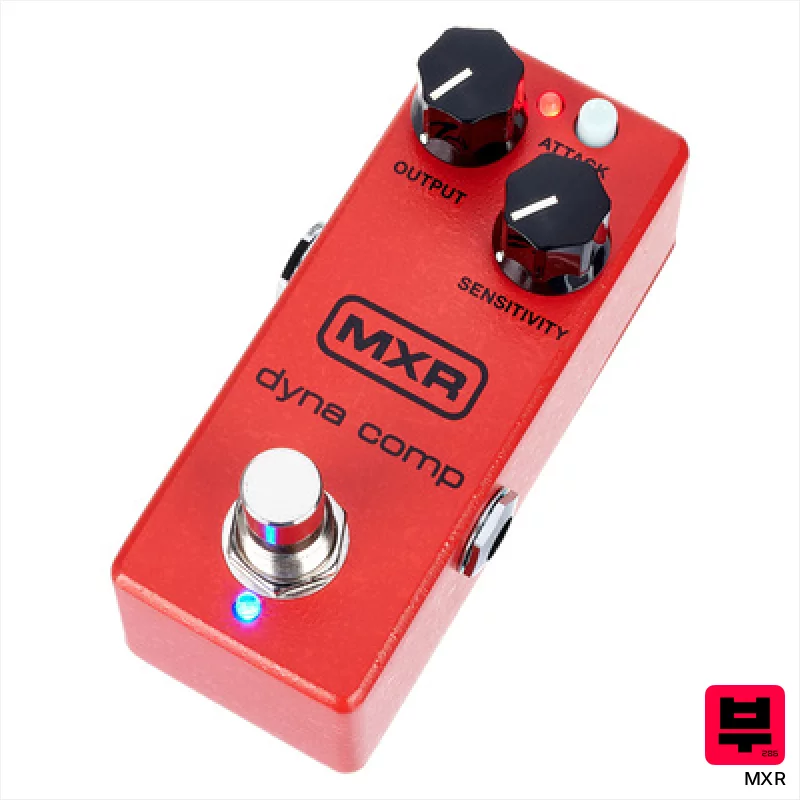
MXR M291 Dyna Comp Mini
- • CA3080 'Metal Can' IC delivers notably quieter operation than older versions.
- • Mini size makes it exceptionally pedalboard-friendly for tight setups.
- • Classic Dyna Comp squish and sustain, instantly recognizable and usable.
- • True bypass preserves your signal integrity when the compression isn't needed.
- • Limited control set; dialing in subtle compression can be tricky.
- • Lack of blend control restricts tonal shaping and naturalness.
- • Requires a dedicated power supply; battery operation isn't an option.
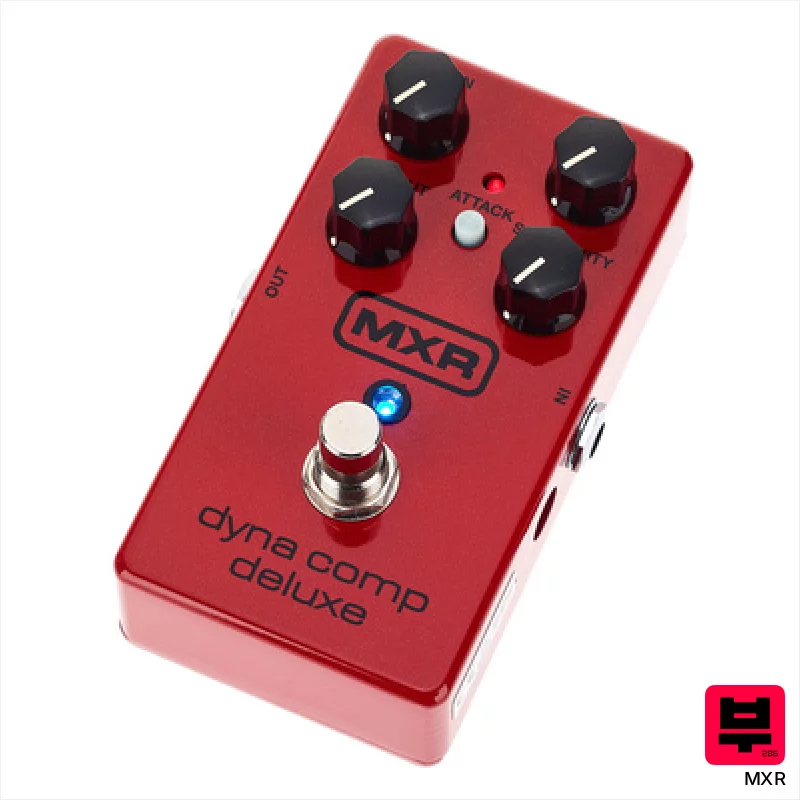
MXR M 228 Dyna Comp Deluxe
- • CA3080 IC delivers signature Dyna Comp character and warmth
- • Clean aperture provides subtle parallel compression capabilities
- • Attack switch offers versatile response for various playing styles
- • Robust metal enclosure ensures durability for gigging musicians
- • Can be overly aggressive if sensitivity isn't carefully adjusted
- • Tone control's impact is subtle, limiting tonal shaping
- • Limited blend control restricts parallel compression flexibility
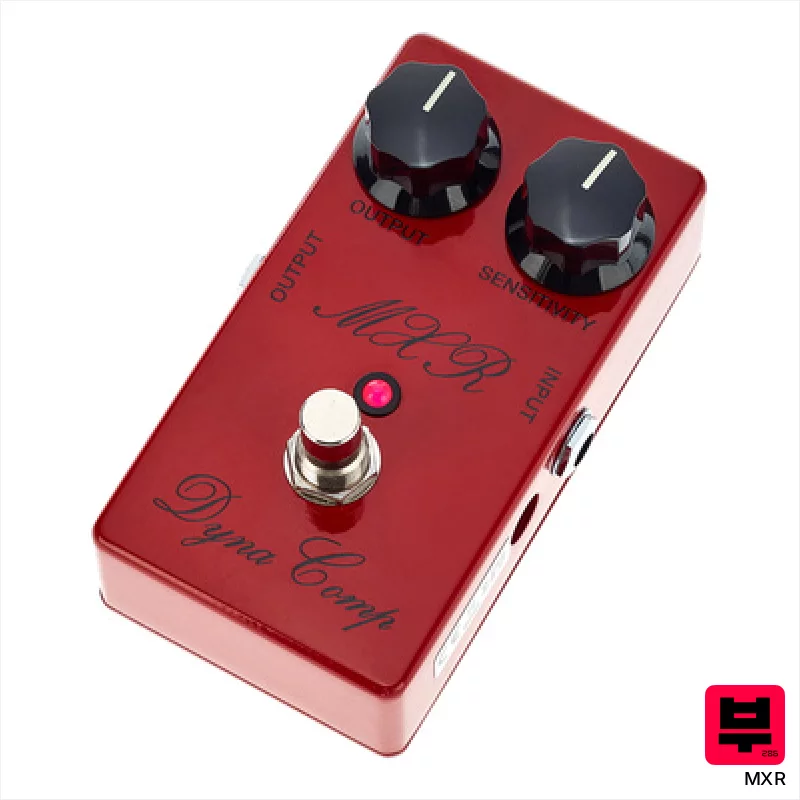
MXR Custom Shop Script Dyna Comp
- • CA3080 chip delivers that classic, aggressive Dyna Comp squash
- • Metal enclosure feels incredibly robust and roadworthy
- • True bypass preserves your signal integrity when disengaged
- • Sensitivity control offers nuanced compression shaping possibilities
- • Limited control set may feel restrictive for modern compression needs
- • Can be overly aggressive if not carefully dialed, requiring finesse
- • Lack of blend control can make re-amping tricky without external mixing

MXR Supercomp M132
- • Improved sensitivity control offers far more nuanced compression shaping.
- • Attack time adjustment provides a wider range of sonic textures, from subtle to aggressive.
- • Robust, all-metal enclosure ensures exceptional durability for stage and studio use.
- • Classic MXR build quality: reliable, consistent performance over years of use.
- • Can be overly aggressive if attack and sensitivity aren’t dialed in carefully.
- • Lacks a blend control, limiting ability to retain dry signal character.
- • Limited versatility compared to more modern, feature-rich compressors.

MXR Dyna comp 1976
- • Classic 'transparent' compression, preserves original tone remarkably well
- • Robust metal enclosure; feels incredibly solid and reliable
- • Simple controls make it easy to dial in usable settings quickly
- • Distinctive 'squash' characteristic great for funk and country tones
- • Can be overly aggressive if sensitivity isn't carefully adjusted
- • Limited control – no blend or mix functionality restricts tonal shaping
- • True bypass isn't as clean as some modern, buffered bypass designs
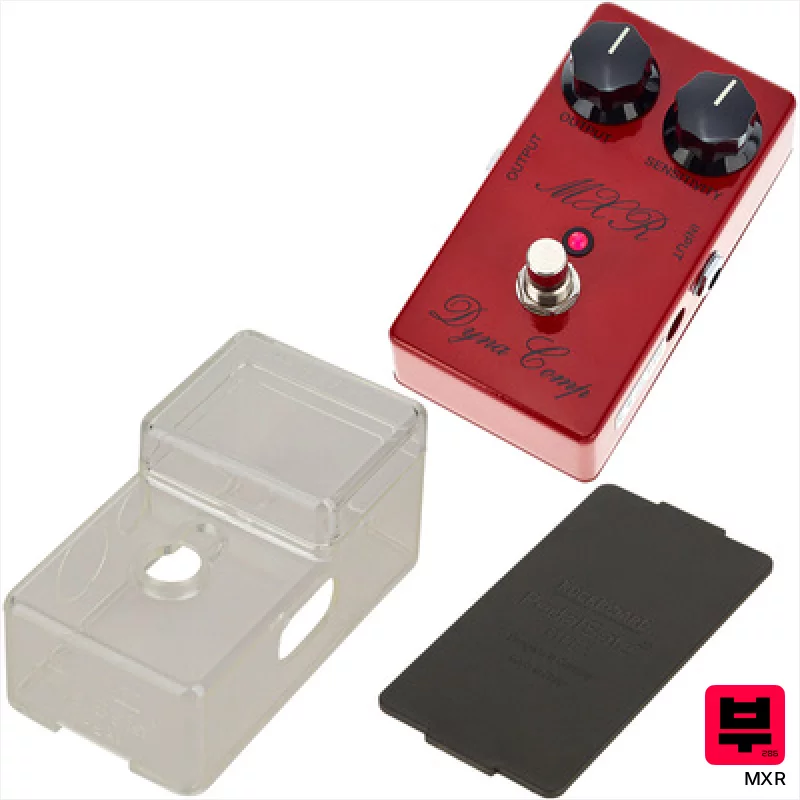
MXR Script Dyna Bundle PS A1
- • CA3080 chip delivers authentic 70s Dyna Comp character
- • Metal enclosure provides robust build and roadworthiness
- • True bypass preserves signal integrity when disengaged
- • Protective cover shields pedal from dust and accidental damage
- • Limited control set compared to modern, more versatile compressors
- • Power supply not included, adds to initial investment
- • Can be overly aggressive if sensitivity isn’t dialed in carefully
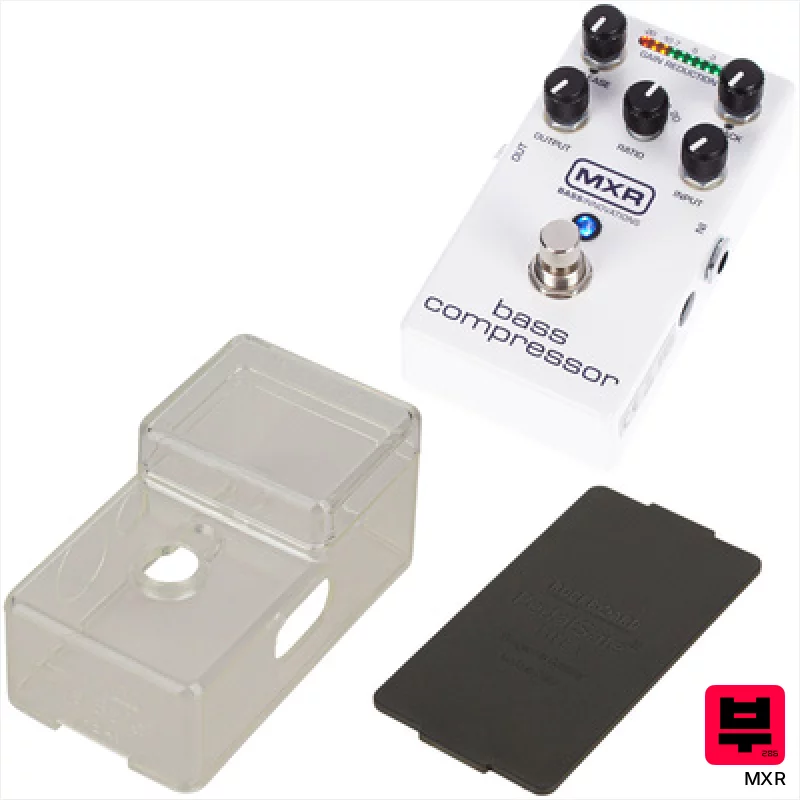
MXR Bass Comp Bundle PS A1
- • Rockboard cover offers excellent protection from road wear and dust
- • MXR’s CHT ensures transparent compression without harsh artifacts
- • M87’s attack/release controls offer precise dynamic shaping
- • Robust metal housing and true bypass ensure reliability and tonal integrity
- • The power supply isn't included, adding to the overall expense
- • Limited blend control can restrict natural bass tone integration
- • The footprint, while manageable, may be tight on smaller pedalboards
Compressor Pedals by the numbers
Measured across all 72 models in this category, so «wide», «short» or «expensive» mean something you can check.
How to Choose the Best Compressor Pedals
Heritage/Signature Sound
The Dyna Comp's almost-too-compressed sustain is a vibe. It's not for everyone, but it's undeniably iconic. Newer MXR compressors aim for more transparent compression, but that Dyna Comp DNA is still present in some way.
Dynamic Range & Articulation
How much of your playing does the compressor actually preserve? Too much compression smashes everything into a muddy blob. Good MXR comps allow for some nuance, letting your pick attack and note decay shine through, especially when you dial back the settings.
Tone Color & Transparency
Does the compressor add its own character, or does it largely disappear? The older Dyna Comp definitely colors the tone - a little bit of that midrange honk - which can be cool, but also limit versatility. Modern MXR compressors strive for cleaner compression.
Build Quality & Reliability
MXR pedals have generally been pretty solid over the years. The stompbox chassis are robust, and the footswitches are usually reliable for gigging. Still, older units can develop issues, so check pots and footswitches when buying used.
Control Flexibility
The Dyna Comp's simplicity is part of its charm, but it can also be frustrating. Newer MXR compressors offer more control - attack time, release, ratio - allowing you to tailor the compression to your specific needs and instrument.
Buying Guide
Look, the Dyna Comp is a classic for a reason, but it's a specific flavor. If you're chasing pristine, transparent compression, it's probably not your best bet. Newer models like the Micro Comp or the Carbon Copy Bass Compressor offer more versatility. Used MXR compressors are plentiful, but check those pots - they can get scratchy. Don't expect miracles from the cheapest options; you'll often trade off headroom and clean compression for price.
How This List Is Built
We don't play these instruments — we're a catalog, not a review desk, and we'd rather say so than pretend otherwise. This page covers 7 of 72 compressor pedals from the Thomann catalogue, which is the largest single source of specification data in this category: 7 in detail, the rest listed with their specifications.
Position is computed, not curated. We parse the manufacturer's own description into actual values — nut width, scale, fret count, fingerboard radius, size, alloy — and rank on them: how many specifications a model has published, how many of them are measurable numbers, and how precisely it meets this page's criterion. A product image adds a little. Price is not a ranking signal: it tells you nothing about whether a neck fits your hand. The same inputs always produce the same order, so nothing here is shuffled to look fresh.
What this list is good for: narrowing a category down to a shortlist by spec and budget. What it isn't: a substitute for hearing an instrument. Before you buy, read hands-on reviews and, where you can, play it. Full methodology.

