
Best Compressor Pedals Under $200 2026
So, you want to tame those unruly dynamics and add some serious glue to your tone without breaking the bank? A compressor pedal isn't a luxury anymore; it's a tool. Finding a good one under $200 requires a little digging, but trust me, it's possible to get a compressor that'll make your bass thump harder or your lead lines cut through the mix without sounding like a digital mess. Let's break down the best options.
Last updated: October 8, 2026
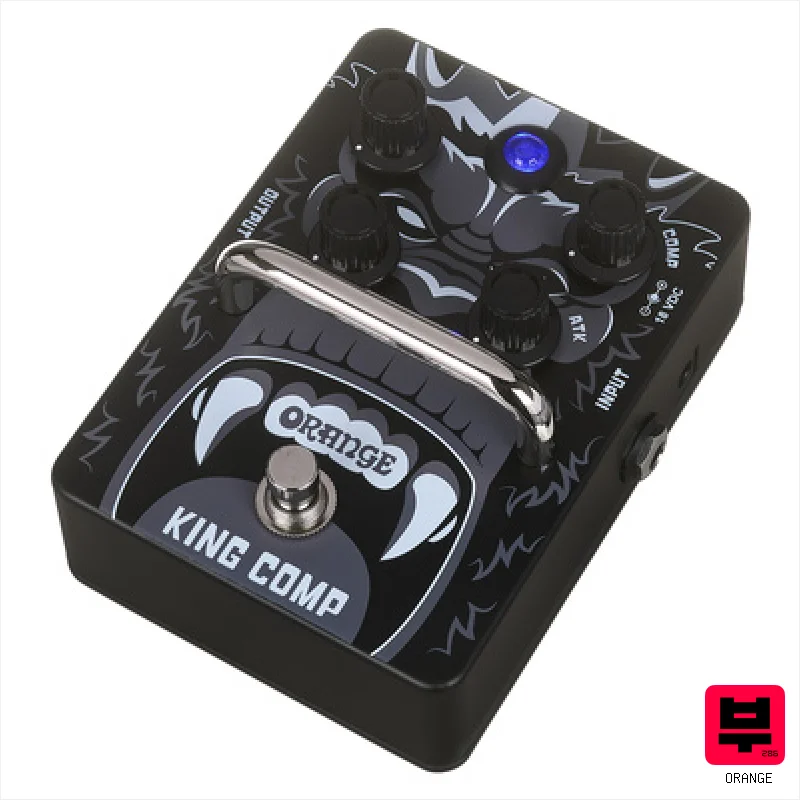
Orange King Comp
- • Adds warmth and brilliance to the guitar tone
- • Provides powerful sustain for long solos
- • Uses a Class-A VCA compression circuit
- • Includes a dedicated power supply in the box
- • No blend control to mix dry and wet signal
- • Missing a standard pedal bypass feature
- • Fixed power supply limits voltage options
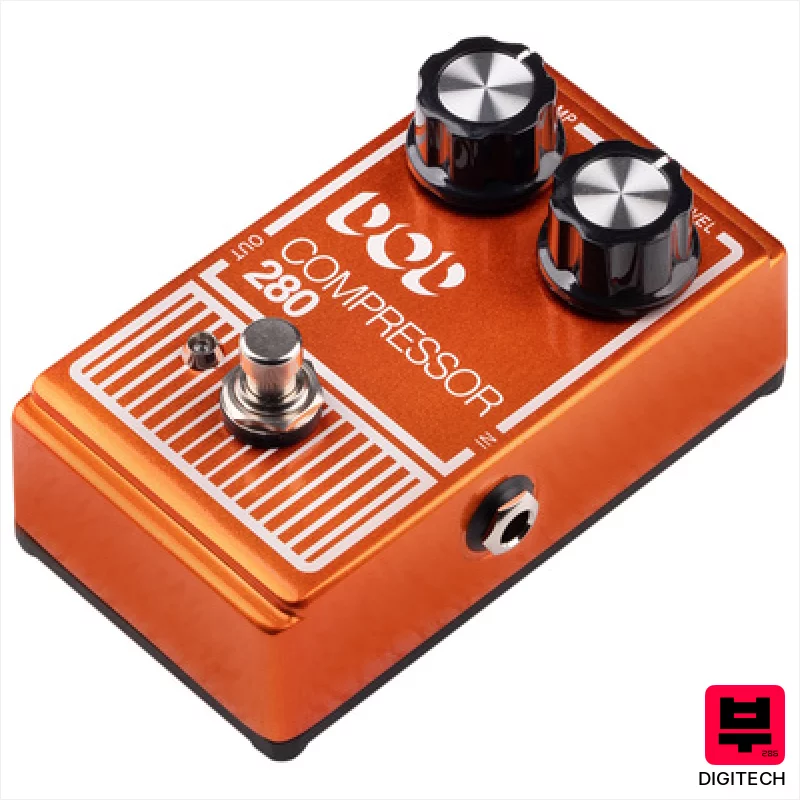
Digitech DOD Compressor 280
- • Robust aluminum enclosure feels solid and durable for gigging.
- • Classic DOD compression character – smooth sustain and punch.
- • True bypass preserves your signal when the pedal's off.
- • Improved components offer a cleaner, more reliable compression.
- • Limited control range; dialing in subtle compression is tricky.
- • Lack of a blend knob restricts tonal flexibility significantly.
- • 9V DC power supply not included; adds to the overall cost.

Harley Benton Custom Line CS-5 Compressor
- • Solid, heavy-duty enclosure feels surprisingly robust for the price.
- • Attack and Sustain controls offer decent shaping of compression.
- • True bypass ensures signal integrity when the effect is off.
- • Provides a noticeable leveling effect, useful for taming dynamics.
- • The sustain control can be a bit too sensitive, leading to pumping.
- • Limited tonal shaping beyond basic compression parameters.
- • Power adapter not included; a common, but still inconvenient, omission.
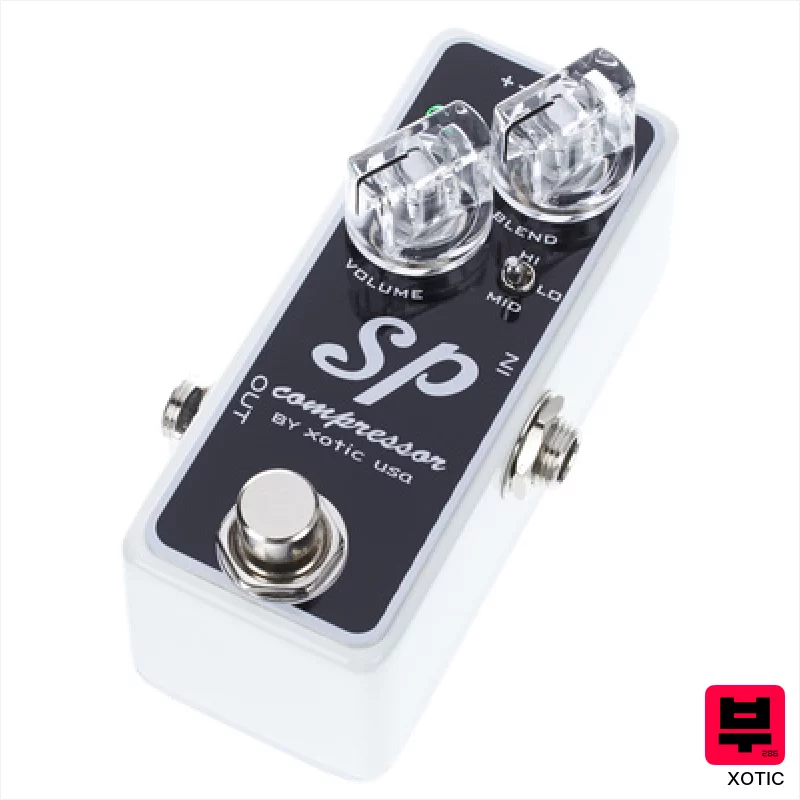
Xotic SP Compressor
- • Faithful Ross recreation captures that iconic, smooth compression.
- • Mix knob provides seamless blending with dry signal for nuanced control.
- • Compact size and true bypass make it pedalboard-friendly.
- • DIP switches allow fine-tuning of attack for varied compression styles.
- • Limited control set compared to more modern, feature-rich compressors.
- • The Ross-style compression can be overly subtle for aggressive playing.
- • No external power adapter included; battery operation is an option.
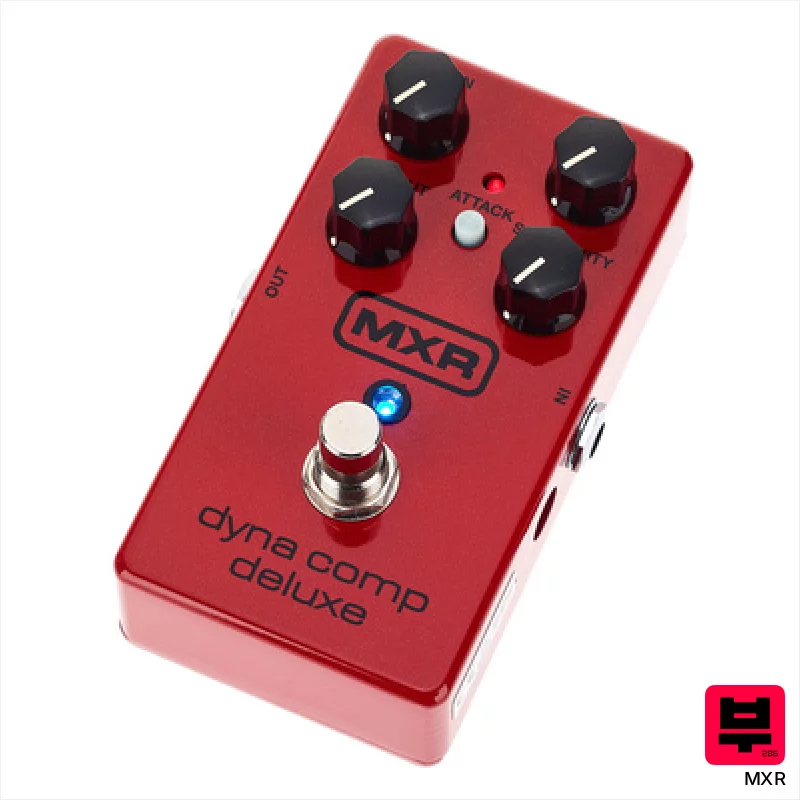
MXR M 228 Dyna Comp Deluxe
- • CA3080 IC delivers signature Dyna Comp character and warmth
- • Clean aperture provides subtle parallel compression capabilities
- • Attack switch offers versatile response for various playing styles
- • Robust metal enclosure ensures durability for gigging musicians
- • Can be overly aggressive if sensitivity isn't carefully adjusted
- • Tone control's impact is subtle, limiting tonal shaping
- • Limited blend control restricts parallel compression flexibility
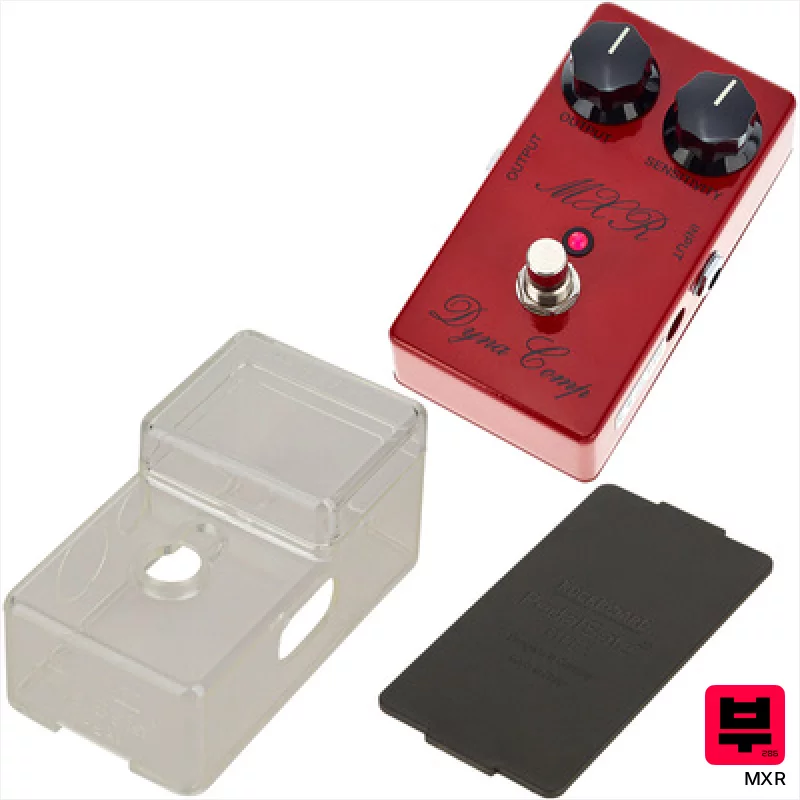
MXR Script Dyna Bundle PS A1
- • CA3080 chip delivers authentic 70s Dyna Comp character
- • Metal enclosure provides robust build and roadworthiness
- • True bypass preserves signal integrity when disengaged
- • Protective cover shields pedal from dust and accidental damage
- • Limited control set compared to modern, more versatile compressors
- • Power supply not included, adds to initial investment
- • Can be overly aggressive if sensitivity isn’t dialed in carefully

Boss CP-1X Compressor
- • MDP technology preserves clarity and dynamics beautifully
- • Multi-band compression offers precise tonal shaping
- • Boss’s renowned durability ensures gig-ready reliability
- • Compact size makes it pedalboard-friendly without compromise
- • Limited control range compared to high-end studio compressors
- • Can sound sterile if overused – requires careful tweaking
- • Relies on a standard 9V power supply, potential for noise
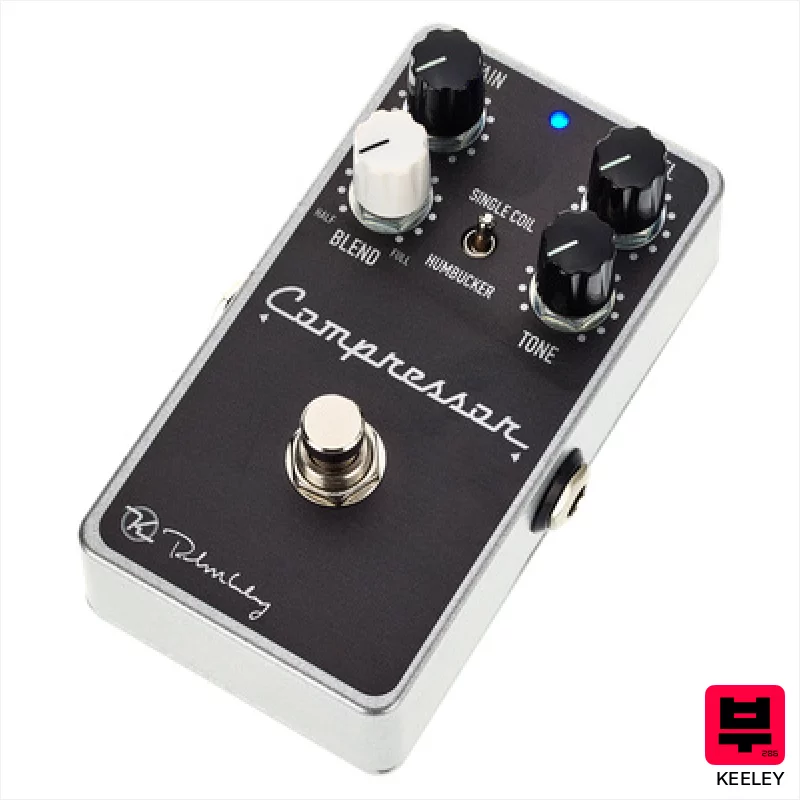
Keeley Compressor Plus
- • Excellent dynamic control, preserves transient peaks effectively
- • Blend control offers subtle to aggressive parallel compression
- • Single-coil/humbucker switch is genuinely useful for tonal tailoring
- • Metal enclosure feels robust, hinting at long-term durability
- • Blend control can be a bit sensitive, requiring careful adjustment
- • Limited control range compared to some higher-end compressors
- • Relatively large footprint for a single effect pedal
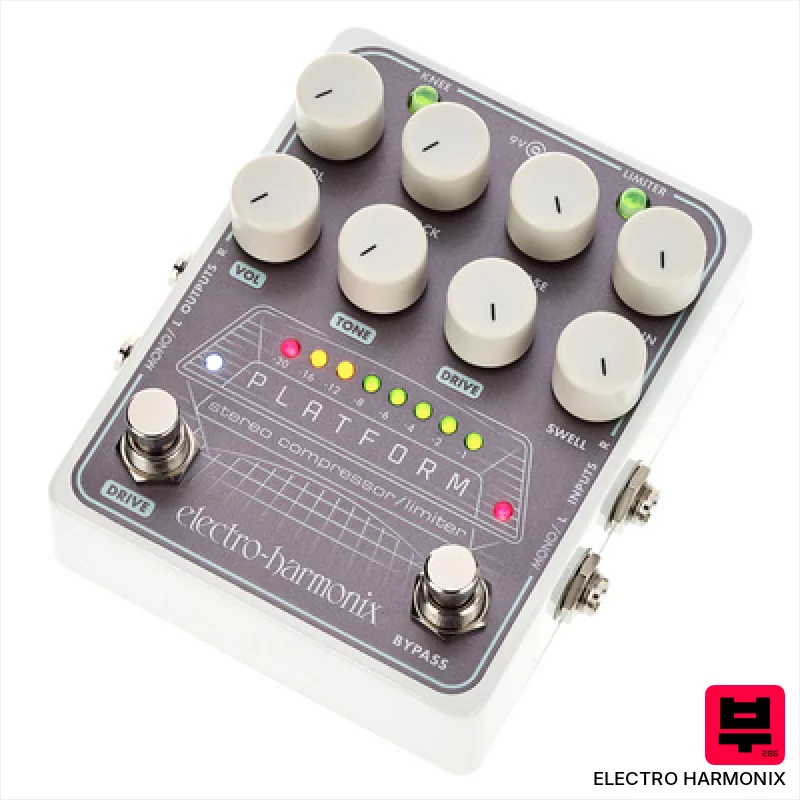
Electro Harmonix Platform Compressor/Limiter
- • Versatile drive circuit adds tonal complexity beyond compression
- • Swell function creates unique, evolving string-like textures
- • Solid build quality with a robust metal enclosure
- • Comprehensive LED metering provides precise gain reduction feedback
- • The Drive control can get muddy quickly at higher settings
- • Attack and Release controls can be a bit sensitive to fine-tune
- • The footprint is a bit larger than some competing compressor pedals
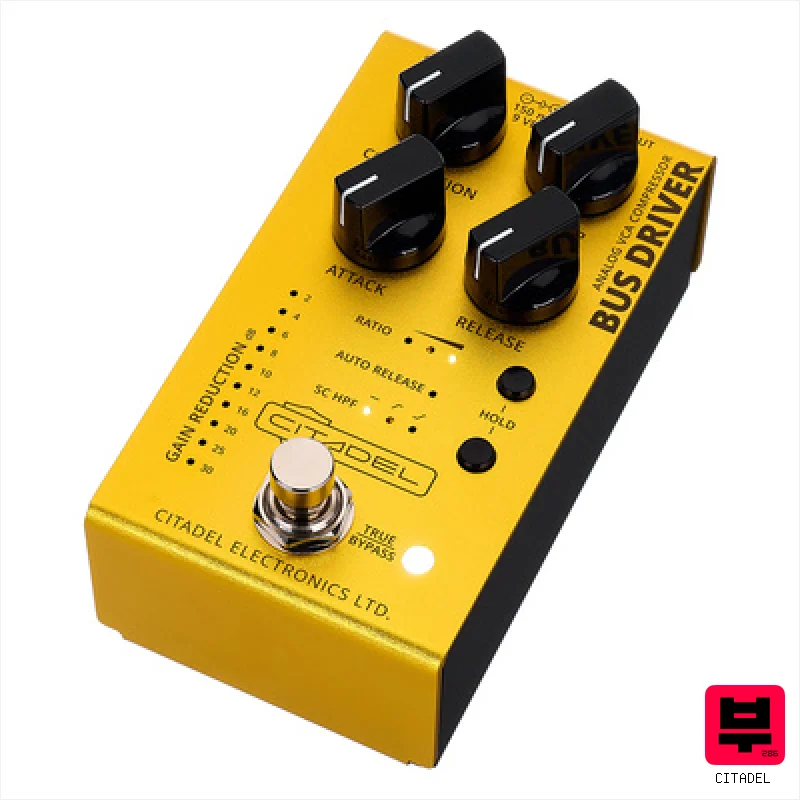
Citadel Bus Driver
- • Transparent or heavy compression in one pedal
- • Automatic release matches input dynamics
- • Clear LED bar shows gain reduction
- • SSL console inspired sound character
- • No active power supply listed
- • No physical blend or mix knob
- • No stated physical dimensions
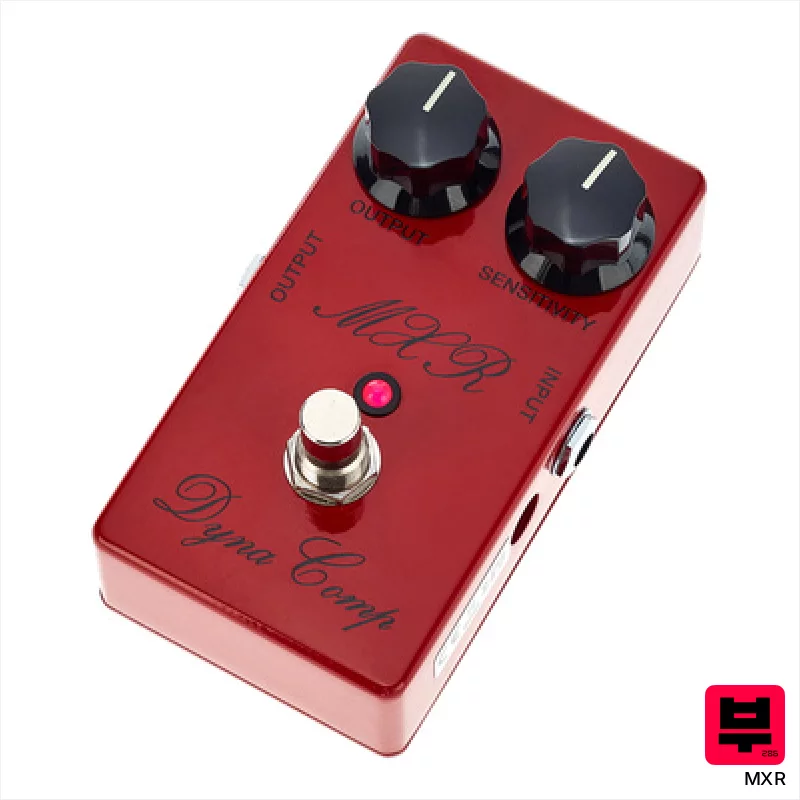
MXR Custom Shop Script Dyna Comp
- • CA3080 chip delivers that classic, aggressive Dyna Comp squash
- • Metal enclosure feels incredibly robust and roadworthy
- • True bypass preserves your signal integrity when disengaged
- • Sensitivity control offers nuanced compression shaping possibilities
- • Limited control set may feel restrictive for modern compression needs
- • Can be overly aggressive if not carefully dialed, requiring finesse
- • Lack of blend control can make re-amping tricky without external mixing
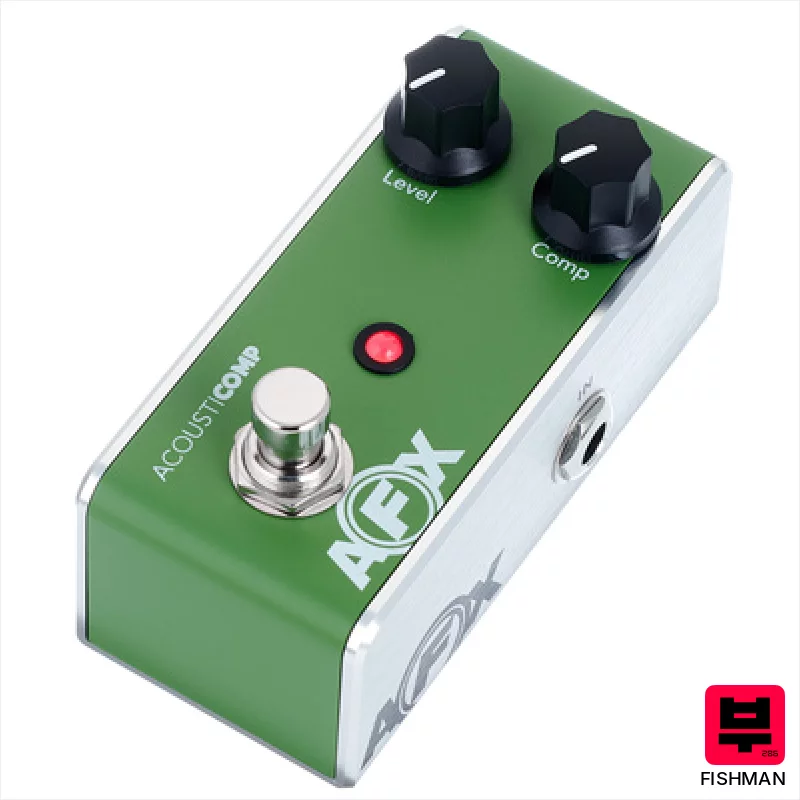
Fishman AFX AcoustiComp Mini Comp
- • Compact size ideal for travel and pedalboard space saving.
- • Fishman's signature transparent compression avoids 'squashing' dynamics.
- • True/Buffered bypass ensures signal integrity in any setup.
- • Robust enclosure feels solid, suggesting good longevity.
- • Limited control set restricts detailed compression shaping.
- • No battery operation adds power supply dependency.
- • Lack of blend control limits integration with dry signal.
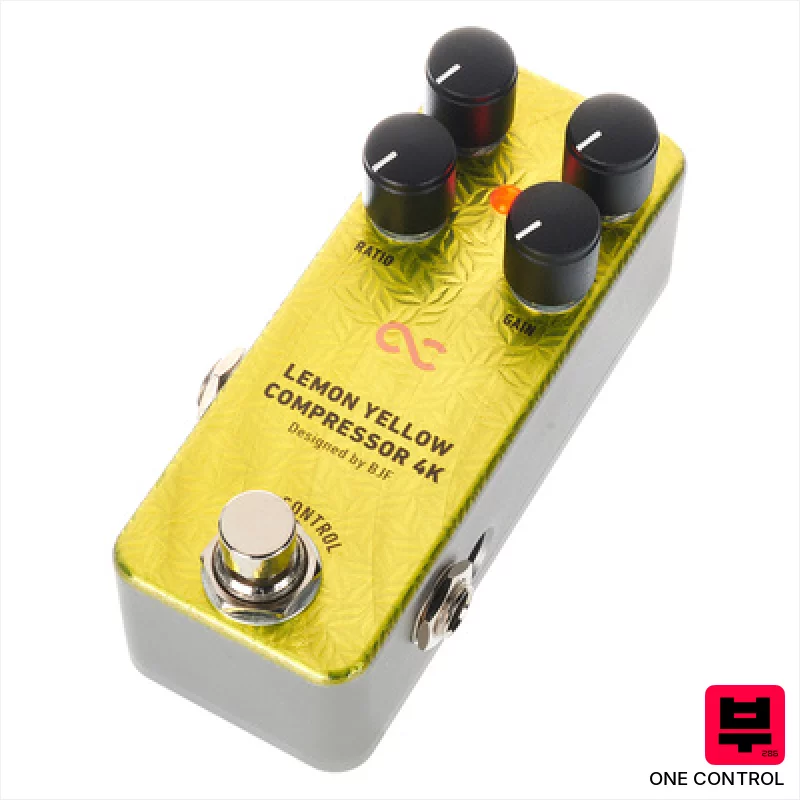
One Control Lemon Yellow Compressor 4K
- • BJF’s design yields transparent compression, preserving natural tone
- • Aluminum enclosure feels robust, hinting at solid build quality
- • Blend control offers excellent tonal flexibility and parallel compression
- • Compact size makes it pedalboard-friendly for most setups
- • Limited control set might feel restrictive for advanced compression users
- • Power supply not included, adding to the initial investment
- • Relatively high price point compared to simpler compressor pedals
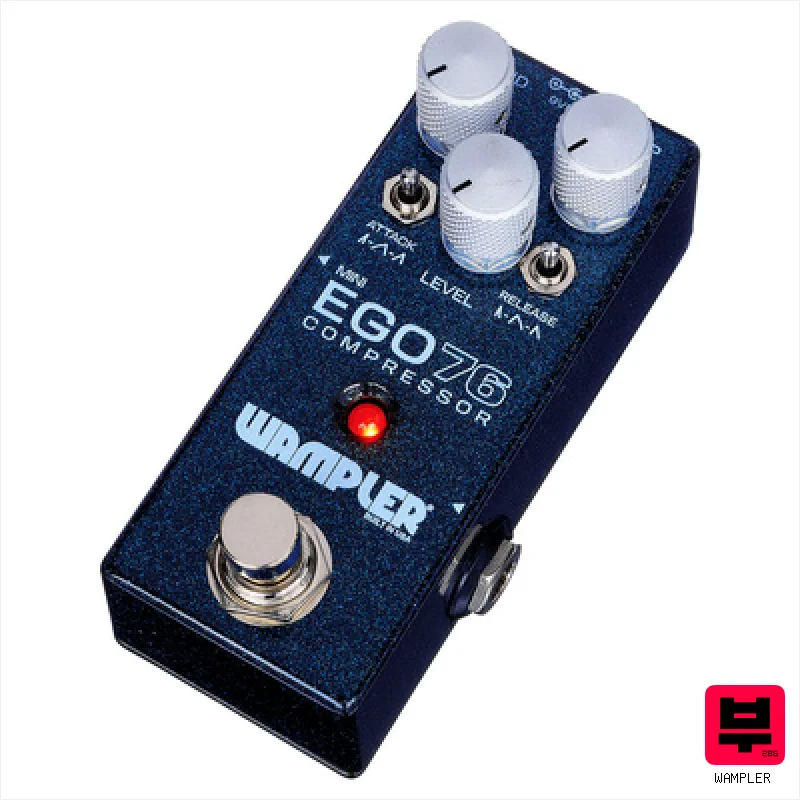
Wampler Mini Ego 76 Compressor
- • Replicates the famous 1176 Peak Limiter circuit exactly.
- • Includes dedicated parallel clean blend control for mixing.
- • Built with preamp stages that match the original sound.
- • Ultra-compact size fits easily in any small pedalboard.
- • Mains adapter is not included with the unit.
- • No battery power option available for the pedal.
- • Lacks multiple compression modes beyond the classic 1176.
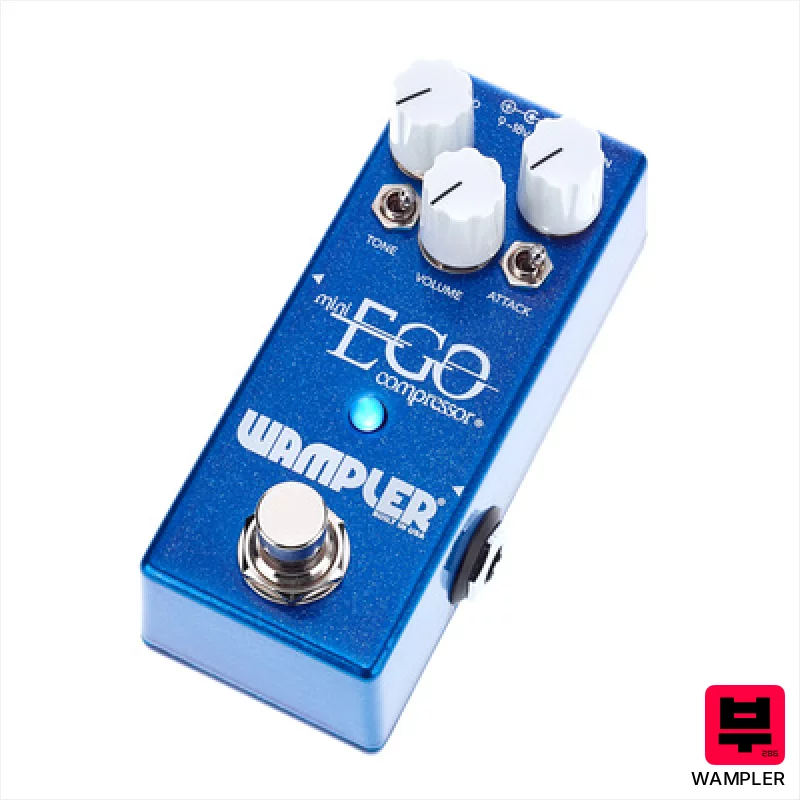
Wampler Mini Ego Compressor
- • Excellent transparency with subtle sustain enhancement
- • Blend knob offers unparalleled dynamic control and naturalness
- • Compact size makes it incredibly pedalboard-friendly
- • Robust construction with high-quality components ensures longevity
- • Limited control set compared to full-size Ego Compressor
- • Lack of battery operation restricts portability
- • May require careful tweaking to avoid overly compressed sounds
Every compressor pedals that matches
34 models match this page. The 15 above are covered in detail; the rest are listed here with their published specifications.
| # | Model | Specifications | Price |
|---|---|---|---|
| 16 | Keeley Compressor Mini | not published | $144 |
| 17 | MXR M291 Dyna Comp Mini | not published | $129 |
| 18 | JHS Pedals 3 Series Compressor | not published | $127 |
| 19 | MXR Supercomp M132 | not published | $126 |
| 20 | Electro Harmonix Pico Platform Compressor/Lim. | not published | $122 |
| 21 | MXR Dyna comp 1976 | not published | $122 |
| 22 | Boss CS-3 Compression Sustainer | not published | $121 |
| 23 | Fender Bassman Compressor | not published | $106 |
| 24 | Electro Harmonix Tone Corset | not published | $99 |
| 25 | Mooer Yellow Comp Bundle PS K1 RB | not published | $89 |
| 26 | Mooer Yellow Comp | not published | $69 |
| 27 | Tone City Comp Engine - Compressor | not published | $55 |
| 28 | Nux Sculpture Compressor | not published | $51 |
| 29 | Flamma FC21 Optical Compressor | not published | $33 |
| 30 | Harley Benton Dynamic Compressor | not published | $33 |
| 31 | tc electronic Forcefield Compressor | not published | $32 |
| 32 | Yuer RF-10 Series Dyna Compressor | not published | $29 |
| 33 | Behringer CS400 | not published | $21 |
| 34 | Behringer CL9 Compressor Limiter | not published | $21 |
Compressor Pedals by the numbers
Measured across all 34 models in this category, so «wide», «short» or «expensive» mean something you can check.
How to Choose the Best Compressor Pedals
Attack/Release Controls
These are crucial. Too fast, and you'll squash all your natural feel. Too slow, and it won't do much at all. Budget compressors often have limited adjustability here, so finding one with even a little range is key.
Noise Floor
Compression inherently amplifies noise. Cheap compressors can get surprisingly noisy, especially with higher gain settings. Listen carefully for hiss or hum - it'll bleed into recordings and be painfully obvious on stage.
Dynamic Range
This is the difference between the quietest and loudest sounds the compressor handles. Limited dynamic range means you'll hear more pumping and artifacts when you hit hard notes. Expect some trade-offs in this price range.
Transparency vs. Character
Some compressors are designed to be 'transparent,' meaning they're supposed to subtly even out your dynamics without coloring the tone. Others have a distinct character - a vintage vibe, a mid-forward honk, etc. Budget options tend to lean towards character, which isn't always a bad thing.
Build Quality
Let's be honest, plastic enclosures and flimsy pots are common at this price point. While they might work, they won't survive a thousand gigs. Check reviews for reports of reliability issues.
Buying Guide
At this budget, you're making compromises. Don't expect studio-grade transparency - most of these will impart some sonic character. Pay close attention to the attack and release controls - even a little flexibility makes a huge difference. And honestly, if you're a bassist, prioritize a compressor that can handle low-end frequencies without getting muddy - that's where a lot of cheaper units fall short.
How This List Is Built
We don't play these instruments — we're a catalog, not a review desk, and we'd rather say so than pretend otherwise. This page covers 34 compressor pedals from the Thomann catalogue, which is the largest single source of specification data in this category: 15 in detail, the rest listed with their specifications.
Position is computed, not curated. We parse the manufacturer's own description into actual values — nut width, scale, fret count, fingerboard radius, size, alloy — and rank on them: how many specifications a model has published, how many of them are measurable numbers, and how precisely it meets this page's criterion. A product image adds a little. Price is not a ranking signal: it tells you nothing about whether a neck fits your hand. The same inputs always produce the same order, so nothing here is shuffled to look fresh.
What this list is good for: narrowing a category down to a shortlist by spec and budget. What it isn't: a substitute for hearing an instrument. Before you buy, read hands-on reviews and, where you can, play it. Full methodology.

