
Best Compressor Pedals for Beginner 2026
So, you're thinking about a compressor pedal? Smart move. They're not just for studio pros; a good compressor can smooth out your playing, add sustain, and help you cut through the mix - even if you're just gigging in a local bar. But let's be honest, the sheer number of options can be overwhelming, especially when you're starting out. This guide cuts through the noise and gets you to a compressor that'll actually improve your playing.
Last updated: October 8, 2026

Harley Benton Custom Line CS-5 Compressor
- • Solid, heavy-duty enclosure feels surprisingly robust for the price.
- • Attack and Sustain controls offer decent shaping of compression.
- • True bypass ensures signal integrity when the effect is off.
- • Provides a noticeable leveling effect, useful for taming dynamics.
- • The sustain control can be a bit too sensitive, leading to pumping.
- • Limited tonal shaping beyond basic compression parameters.
- • Power adapter not included; a common, but still inconvenient, omission.
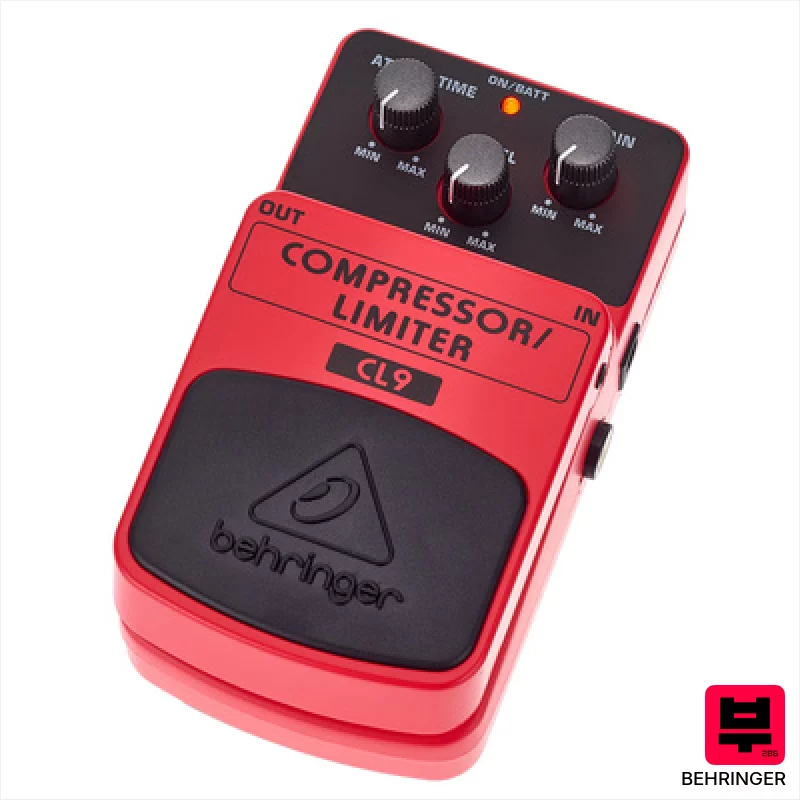
Behringer CL9 Compressor Limiter
- • Remarkably effective compression for a budget-friendly pedal
- • Offers surprisingly tight, percussive bass and guitar tones
- • Simple controls allow for quick dialing-in of desired compression
- • Compact size makes it easy to integrate into crowded pedalboards
- • Plastic enclosure feels noticeably less robust than higher-end units
- • Limited control over ratio and knee makes it less versatile
- • Basic circuitry won’t match the sonic complexity of premium compressors

Behringer CS400
- • Remarkably effective compression for a budget pedal
- • Simple controls allow for quick, usable settings
- • Surprisingly quiet operation, minimal hiss for the price
- • Provides sustain and evenness to weaker signals
- • Plastic enclosure feels noticeably cheap and fragile
- • Limited control flexibility compared to higher-end compressors
- • Tone control is broad and lacks precise shaping ability
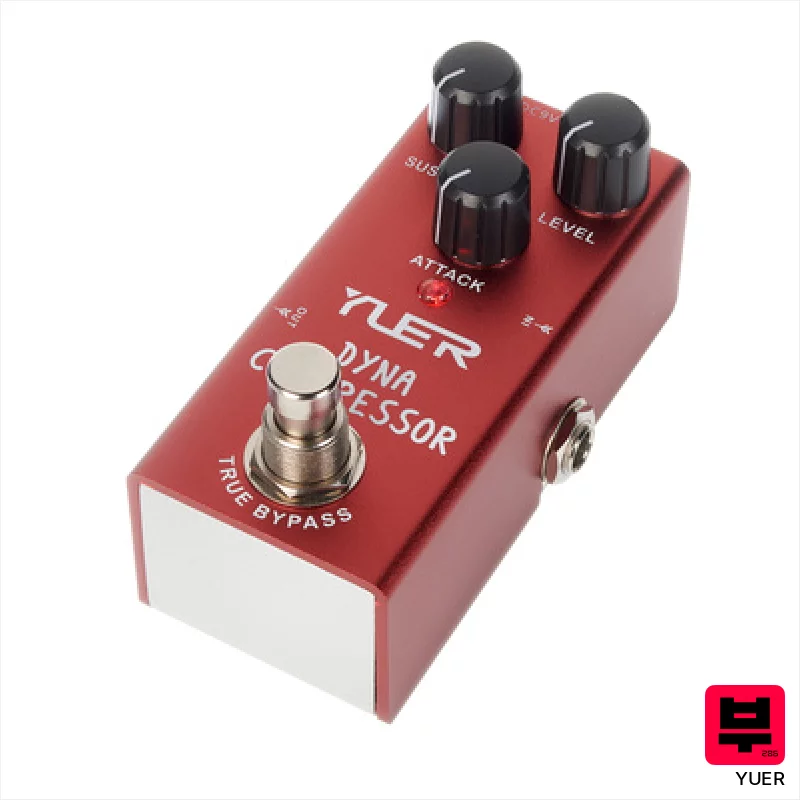
Yuer RF-10 Series Dyna Compressor
- • Compact aluminum housing feels surprisingly robust for the price.
- • Faithful recreation of the classic grey R-style compressor sound.
- • Low noise floor minimizes unwanted hiss and artifacts.
- • Simple controls allow for quick dialing-in of compression.
- • Lacks blend/mix control, limiting tonal flexibility.
- • No battery operation adds inconvenience for gigging musicians.
- • Limited headroom; may compress excessively with high gain inputs.
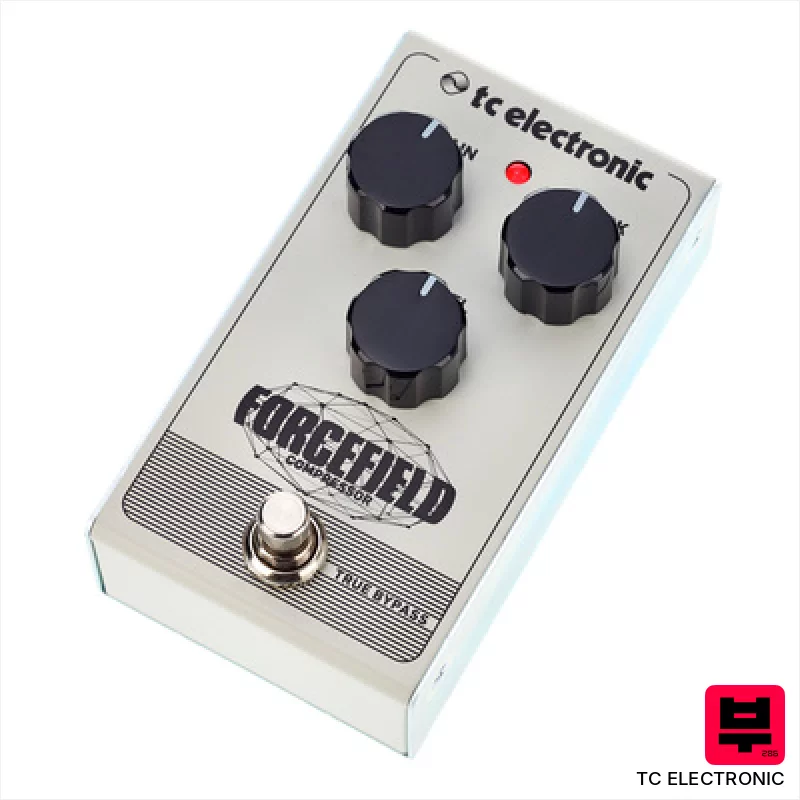
tc electronic Forcefield Compressor
- • Extremely compact, ideal for pedalboard space constraints
- • Simple controls offer immediate, usable compression settings
- • True bypass preserves your signal when unengaged
- • Affordable entry point into tc electronic's compressor technology
- • Limited control flexibility compared to more complex compressors
- • Battery power necessitates frequent replacements or external power supply
- • Small size may make it less comfortable for players with larger hands
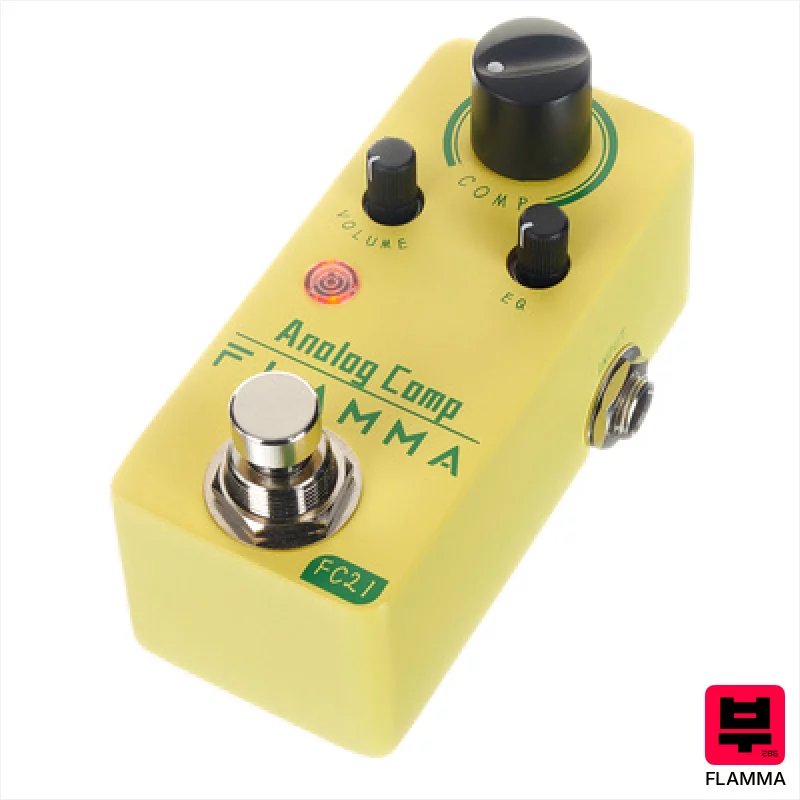
Flamma FC21 Optical Compressor
- • Solid metal housing offers surprising durability for the price.
- • Optical compression delivers a smooth, musical response, great for evening dynamics.
- • Simple, intuitive controls allow quick dialing in of compression.
- • Compact size makes it ideal for crowded pedalboards.
- • Lack of blend control limits versatility for parallel compression techniques.
- • Power supply dependency adds another cable to your setup.
- • EQ control is basic; lacks nuanced tonal shaping options.
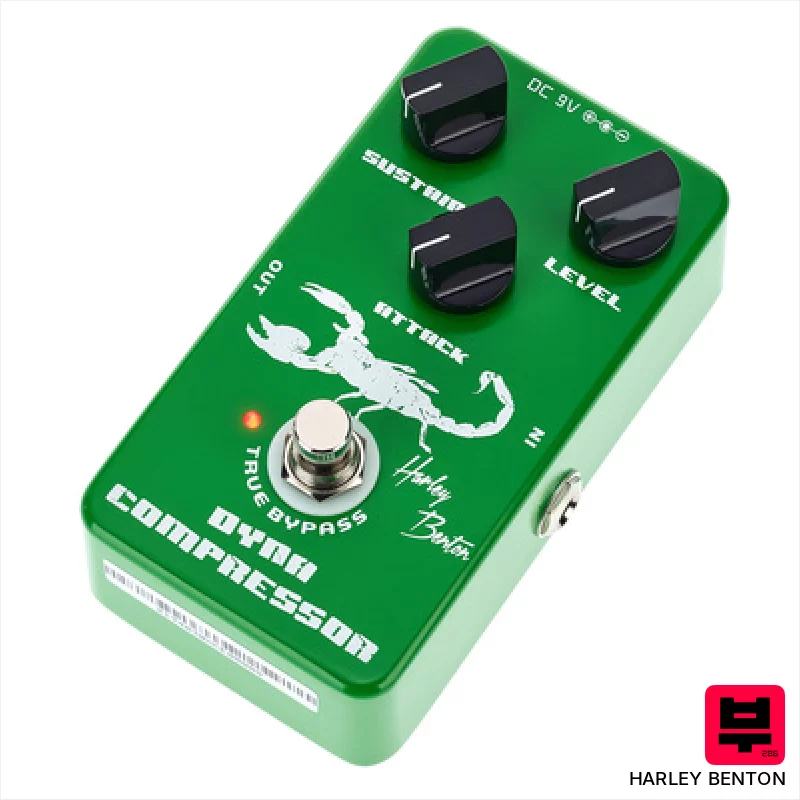
Harley Benton Dynamic Compressor
- • Surprisingly transparent compression, preserves natural guitar tone
- • Simple controls offer immediate, usable settings
- • True bypass ensures signal integrity when disengaged
- • Extremely affordable, an incredible value for the price
- • Plastic enclosure feels a bit flimsy, lacks robustness
- • Limited control flexibility compared to higher-end compressors
- • 9V battery operation can be inconvenient for regular use
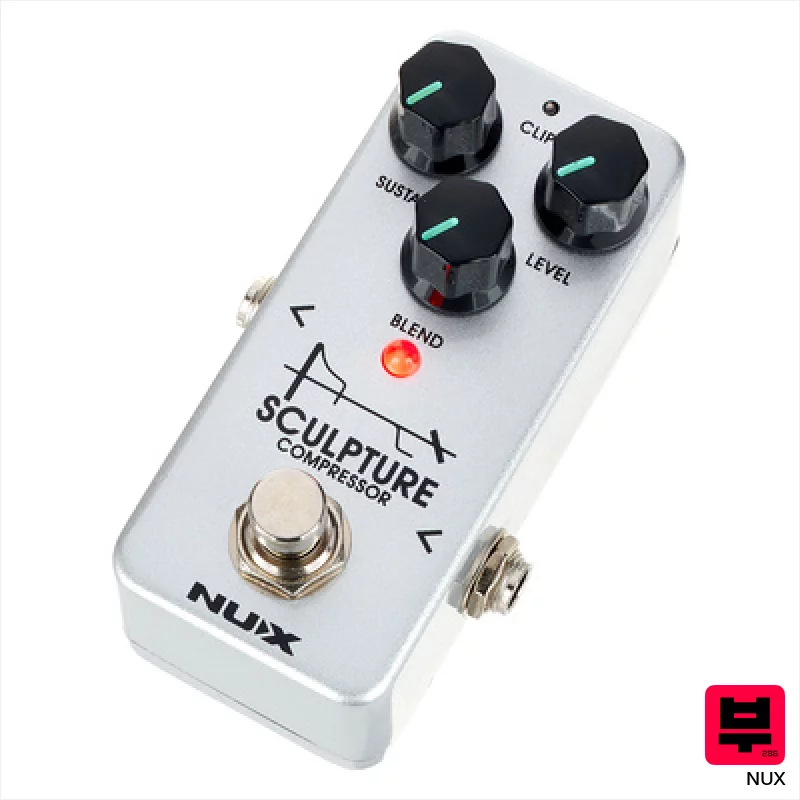
Nux Sculpture Compressor
- • Surprisingly transparent compression for clean tones.
- • Clip mode adds subtle grit, useful for thickening.
- • Blend control allows for parallel compression techniques.
- • Compact size is pedalboard-friendly, saving valuable space.
- • Plastic enclosure feels noticeably cheap and less durable.
- • Limited control set compared to higher-end compressors.
- • Power supply not included; adds to the overall cost.

Tone City Comp Engine - Compressor
- • OTA design delivers a unique, warm compression character reminiscent of vintage studio gear.
- • Metal housing feels surprisingly robust for its price point, suggesting decent durability.
- • True bypass ensures signal integrity when the compressor isn't engaged.
- • Compact size makes it pedalboard-friendly, crucial for smaller setups.
- • Lacks blend control, limiting tonal flexibility compared to more advanced compressors.
- • No battery operation adds a layer of inconvenience for gigging musicians.
- • OTA design can be a bit noisy at higher compression settings.
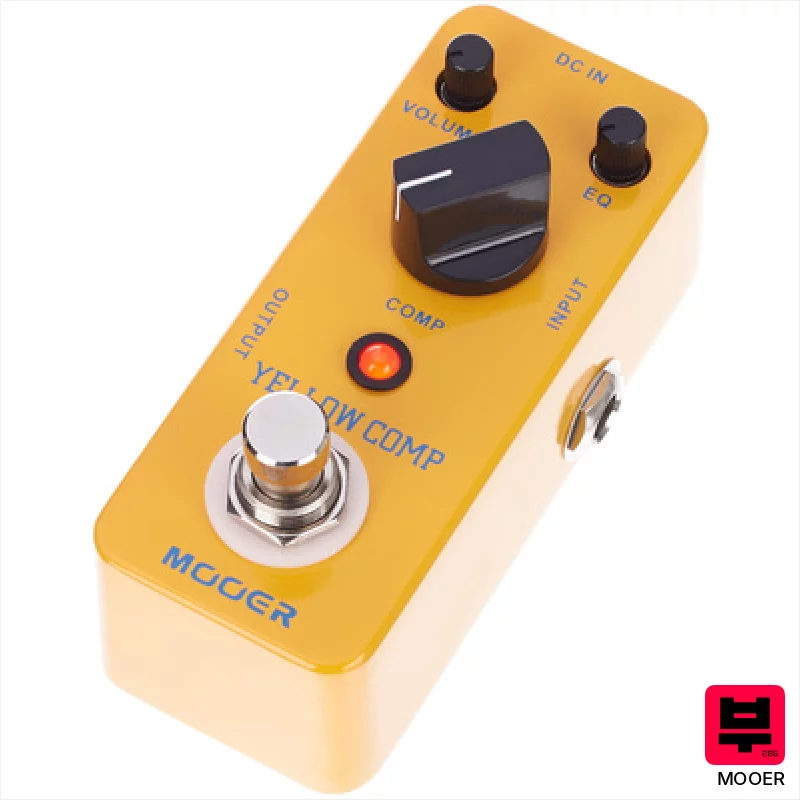
Mooer Yellow Comp
- • Optical compression delivers smooth, transparent dynamics shaping
- • Compact size makes it incredibly pedalboard-friendly
- • True bypass preserves your signal when unengaged
- • Simple controls offer immediate, usable compression settings
- • EQ control is basic, limiting tonal shaping options
- • Plastic enclosure feels less robust than metal alternatives
- • No blend control restricts parallel compression possibilities
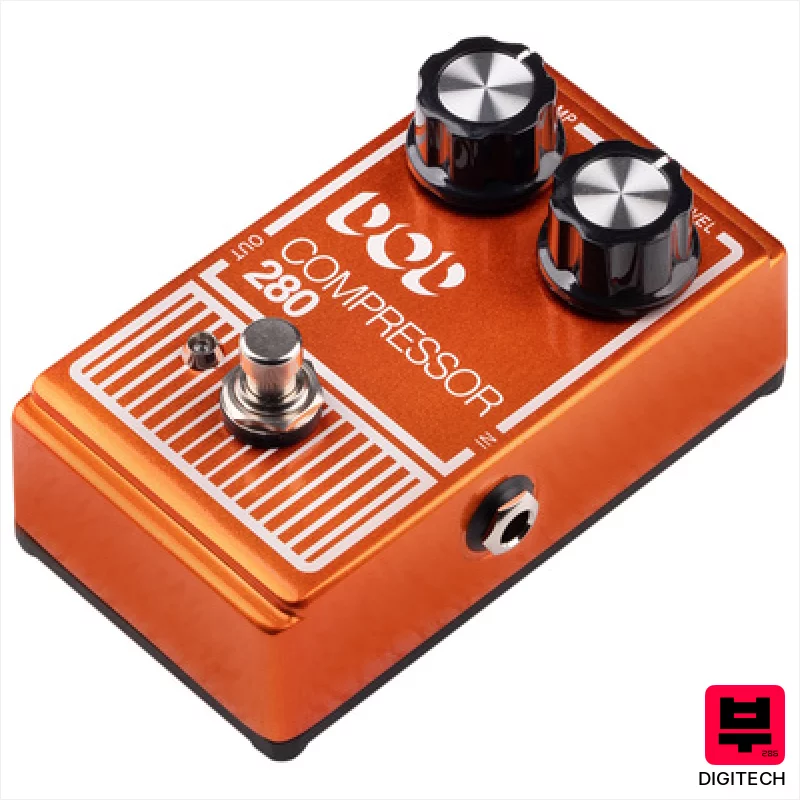
Digitech DOD Compressor 280
- • Robust aluminum enclosure feels solid and durable for gigging.
- • Classic DOD compression character – smooth sustain and punch.
- • True bypass preserves your signal when the pedal's off.
- • Improved components offer a cleaner, more reliable compression.
- • Limited control range; dialing in subtle compression is tricky.
- • Lack of a blend knob restricts tonal flexibility significantly.
- • 9V DC power supply not included; adds to the overall cost.
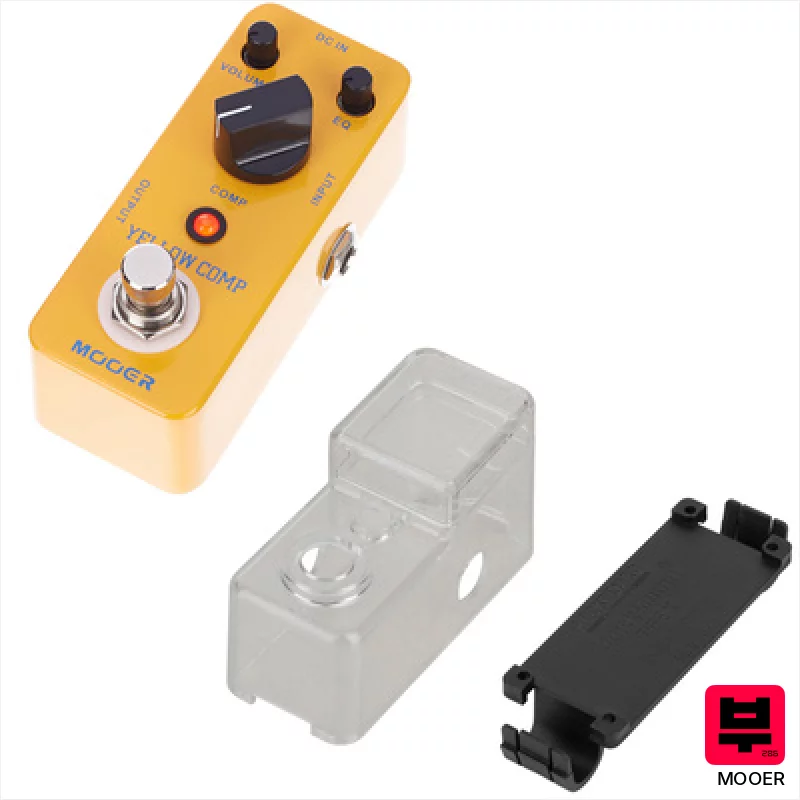
Mooer Yellow Comp Bundle PS K1 RB
- • Compact size makes it pedalboard-friendly, even with limited space
- • Optical compression offers a smooth, musical response
- • Rockboard cover provides excellent protection and secure mounting
- • Affordable entry point into compressor pedal territory
- • Plastic housing feels less robust than metal alternatives
- • EQ control is basic, limiting tonal shaping options
- • Requires a separate 9V power supply, adding to overall cost
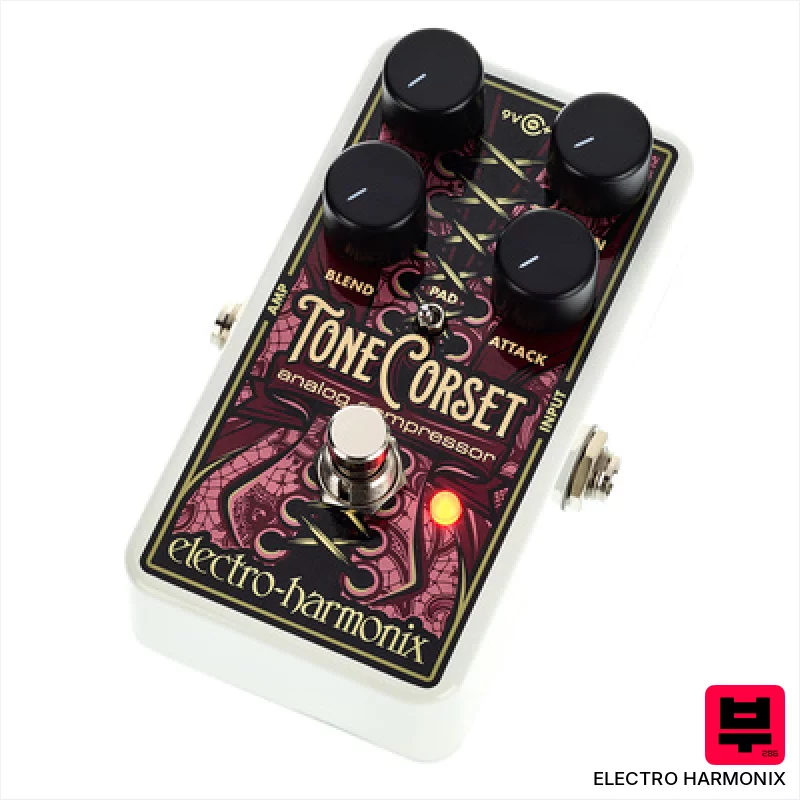
Electro Harmonix Tone Corset
- • Simple interface yields immediate, usable compression settings.
- • Blend control offers transparent gain stacking or parallel compression.
- • True bypass preserves signal integrity when unengaged.
- • Compact size fits easily into pedalboards without taking up excessive space.
- • Attack control can be a little too sensitive for subtle compression.
- • Limited control set might frustrate users seeking highly nuanced compression.
- • 9V battery operation isn't ideal for gigging, adapter recommended.

Fender Bassman Compressor
- • Solid aluminum housing provides excellent road durability.
- • RMS compression delivers smooth, musical dynamic control.
- • Simple two-ratio design avoids overwhelming compression complexity.
- • Pad switch handles high-output active basses effectively.
- • Limited control range compared to higher-end compressor pedals.
- • Relatively basic feature set lacks advanced blend options.
- • The aluminum housing, while robust, adds noticeable weight.

Boss CS-3 Compression Sustainer
- • Subtle compression preserves natural dynamics, avoiding a squashed feel
- • Tone control effectively combats compression artifacts, maintaining clarity
- • Attack control allows shaping of transient response, versatile for various genres
- • Durable all-metal construction ensures reliability for gigging and studio use
- • Limited control set compared to more advanced compressors
- • Can introduce a subtle 'pumping' effect at higher sustain settings
- • Lacks a blend control for parallel compression techniques
Every compressor pedals that matches
72 models match this page. The 15 above are covered in detail; the rest are listed here with their published specifications.
Compressor Pedals by the numbers
Measured across all 72 models in this category, so «wide», «short» or «expensive» mean something you can check.
How to Choose the Best Compressor Pedals
Playability
A compressor shouldn't feel like a science experiment. Easy-to-understand controls and a responsive feel are key for beginners who are just learning how compression affects their tone.
Feature Complexity
Too many knobs and switches can be paralyzing. We prioritized pedals with a streamlined interface, focusing on the core functions of threshold, ratio, attack, and release.
Learning Curve
A steep learning curve means frustration. We looked for pedals that offer a relatively intuitive experience, allowing you to dial in usable tones quickly without needing an engineering degree.
Noise Floor
Cheap compressors can get noisy, especially when pushed. We paid close attention to the noise floor - you don't want your compressor adding hiss and hum to your signal.
Dynamic Range Preservation
A good compressor shouldn't suck the life out of your tone. It needs to maintain some of the natural dynamics and articulation of your playing, just smoothed out, not flattened.
Buying Guide
Don't fall for the hype. A lot of boutique compressors cost a fortune and offer subtle nuances that a beginner won't appreciate. Look for something in the $100-$200 range to start - you'll get a solid performer without breaking the bank. Be wary of pedals with overly complex metering; it's often a distraction. It's better to learn the basics of compression than chase a fancy display.
How This List Is Built
We don't play these instruments — we're a catalog, not a review desk, and we'd rather say so than pretend otherwise. This page covers 72 compressor pedals from the Thomann catalogue, which is the largest single source of specification data in this category: 15 in detail, the rest listed with their specifications.
Position is computed, not curated. We parse the manufacturer's own description into actual values — nut width, scale, fret count, fingerboard radius, size, alloy — and rank on them: how many specifications a model has published, how many of them are measurable numbers, and how precisely it meets this page's criterion. A product image adds a little. Price is not a ranking signal: it tells you nothing about whether a neck fits your hand. The same inputs always produce the same order, so nothing here is shuffled to look fresh.
What this list is good for: narrowing a category down to a shortlist by spec and budget. What it isn't: a substitute for hearing an instrument. Before you buy, read hands-on reviews and, where you can, play it. Full methodology.

