
Best Broadcast Microphones Under $2,000 2026
So, you need a broadcast mic but your budget isn't screaming 'Studio A' levels of cash? Totally get it. We've all been there - needing that professional vocal sound for podcasts, streaming, or voiceovers without blowing your gig money. This list dives into the best broadcast microphones you can realistically snag for under $2000, focusing on what you actually get for your investment.
Last updated: April 11, 2026
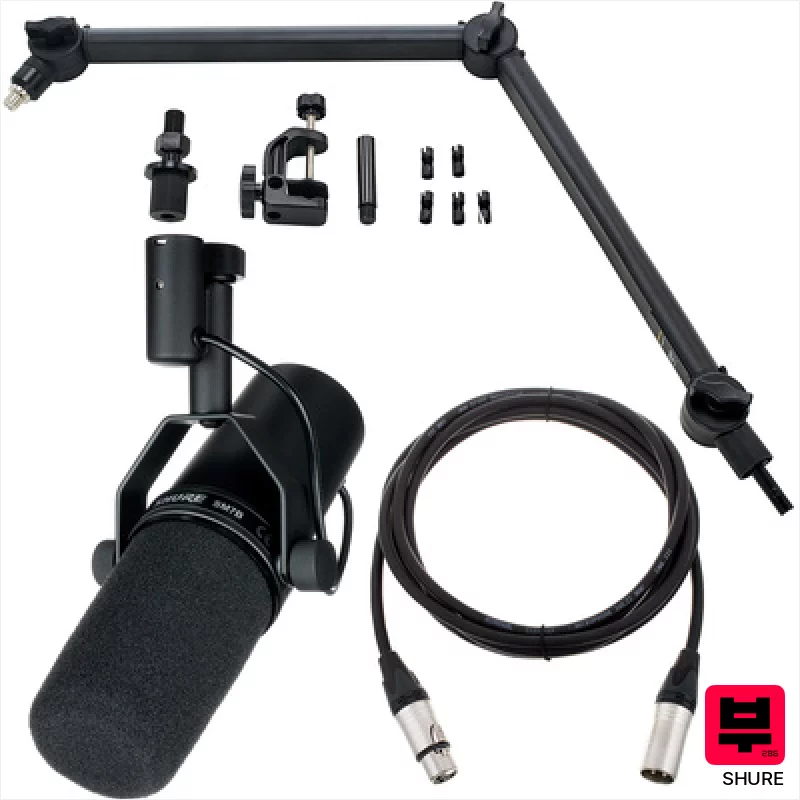
Shure SM 7 B Podcast Bundle
- • Exceptional off-axis rejection minimizes room noise effectively.
- • The included Roadworx arm provides stable, adjustable positioning.
- • Bass roll-off switch tames low-frequency rumble for cleaner recordings.
- • Solid aluminum arm construction feels robust and professional.
- • Requires a substantial preamp for optimal gain and low noise.
- • The weight makes it less portable and requires a sturdy base.
- • Cardioid pattern limits versatility for multi-microphone setups.

Rode PodMic USB - PSA-1 Bundle
- • Robust ceramic coating offers excellent scratch resistance and a premium feel.
- • The integrated DSP provides surprisingly clean and usable audio with minimal fuss.
- • USB-C connectivity simplifies setup and offers reliable, modern digital connection.
- • Cardioid pattern effectively isolates vocals, minimizing room noise for clearer recordings.
- • The microphone's weight (nearly 2lbs) can be fatiguing during extended recording sessions.
- • Limited frequency response compared to studio condensers; lacks high-end sparkle.
- • While versatile, it's primarily optimized for spoken word, not ideal for nuanced instruments.

Rode PodMic Swivel Mic Arm Bundle
- • Robust all-metal housing provides exceptional durability for demanding use.
- • Swivel arm offers excellent positioning flexibility for precise mic placement.
- • Cardioid pattern effectively minimizes room noise and unwanted background sounds.
- • Integrated pop filters significantly reduce plosives for cleaner recordings.
- • Limited frequency response compared to condenser microphones for nuanced detail.
- • The heavy build might require a sturdy desk or mounting solution.
- • XLR connectivity requires an audio interface or mixer for operation.
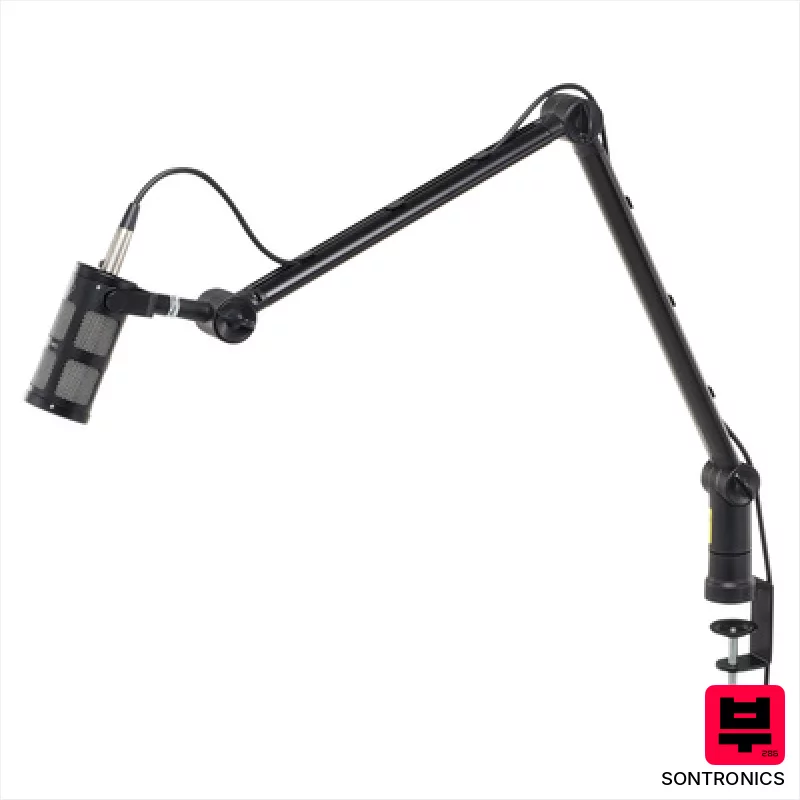
Sontronics Voicecasting Pack Black
- • Dynamic mic's supercardioid pickup isolates vocals well, minimizing room noise.
- • Elevate boom arm’s powder-coated aluminum feels robust and offers stable positioning.
- • Integrated pop protection reduces plosives, improving vocal clarity immediately.
- • The included cables offer both XLR and USB connectivity for flexibility.
- • Supercardioid pattern demands careful mic placement to avoid off-axis coloration.
- • While versatile, the mic's dynamic nature lacks the sensitivity for quiet sources.
- • The Elevate arm, while sturdy, can feel a bit bulky on smaller desks.
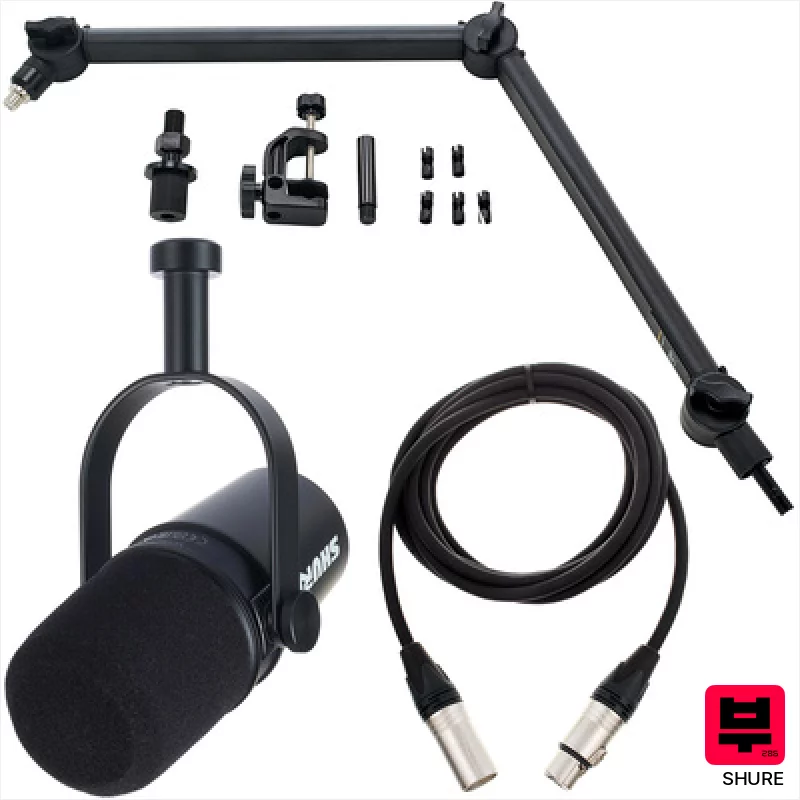
Shure MV7 X Podcast Bundle
- • The MV7X's dynamic capsule delivers a surprisingly clean, broadcast-ready vocal tone.
- • Roadworx arm provides rock-solid stability and excellent cable management.
- • XLR output unlocks professional audio interfaces and higher-quality preamps.
- • Included cable is a nice touch, eliminating immediate setup hurdles.
- • Limited frequency response compared to condenser mics; less high-end detail.
- • Aluminum arm, while sturdy, can pick up vibrations if not properly isolated.
- • The MV7X's design, while stylish, can be a bit bulky on smaller desks.

Earthworks Audio Ethos Black
- • Exceptional clarity and detail across the frequency spectrum.
- • Robust stainless steel build feels incredibly solid and durable.
- • Supercardioid pattern effectively rejects off-axis noise sources.
- • Integrated windscreen minimizes plosives and wind noise exceptionally well.
- • Supercardioid pattern demands precise mic technique and placement.
- • The weight (almost 1 lb) can be fatiguing during extended use.
- • Limited polar pattern options restrict versatility for some applications.
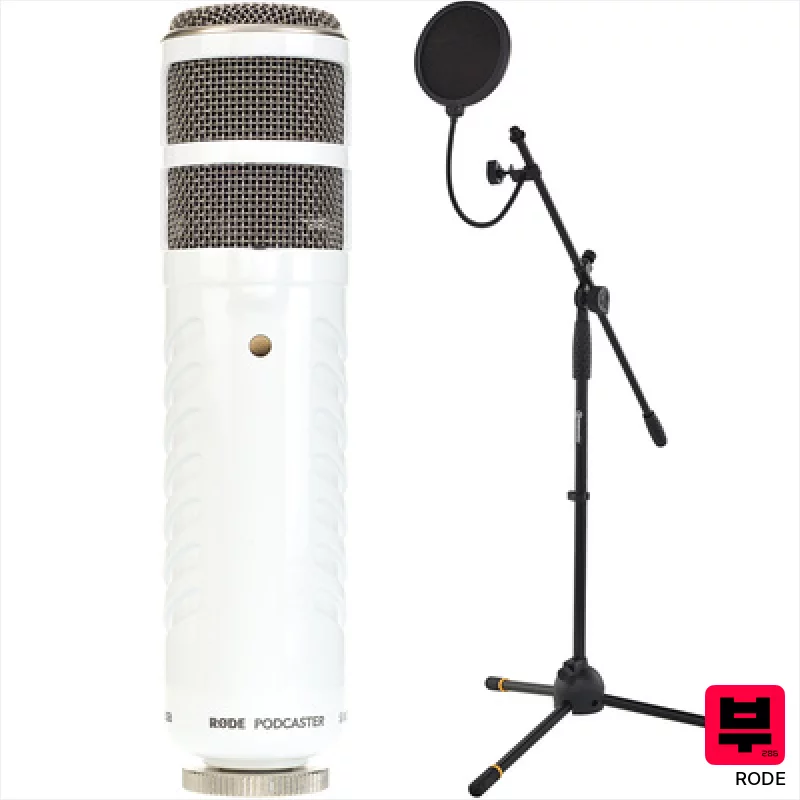
Rode Podcaster Bundle
- • Solid build quality for a budget-friendly USB mic.
- • The included stand is surprisingly stable for its plastic construction.
- • Built-in headphone amp eliminates the need for an external interface.
- • Cardioid pattern excels at isolating vocals in less-than-ideal spaces.
- • Limited frequency response compared to higher-end condenser mics.
- • Plastic stand base feels a bit flimsy for heavier setups.
- • USB-only connectivity restricts use with professional audio interfaces.
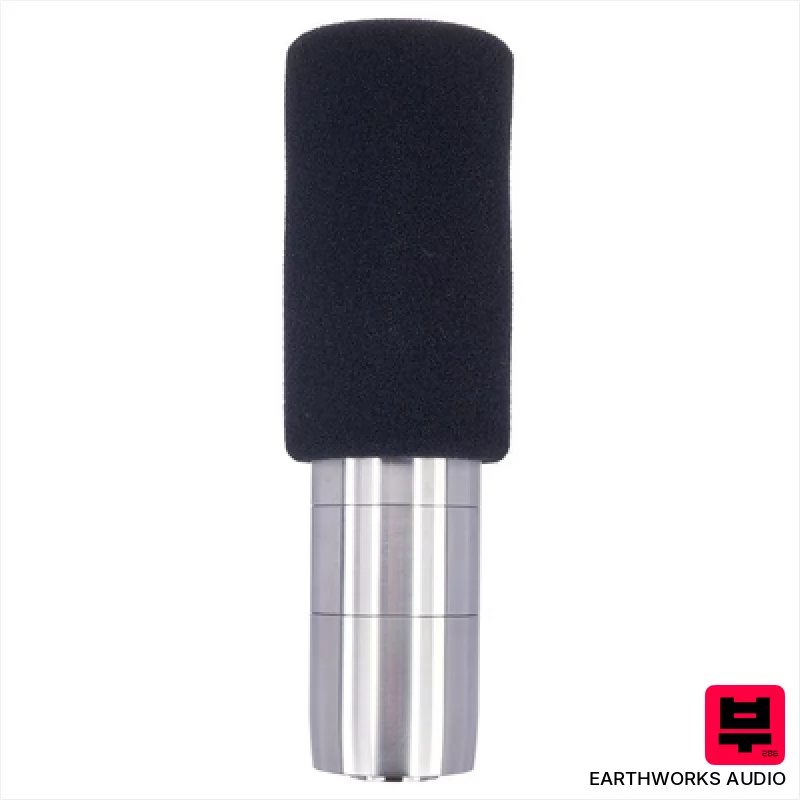
Earthworks Audio Ethos
- • Exceptional clarity and detail across the frequency spectrum.
- • Robust stainless steel build feels incredibly solid and durable.
- • The multi-stage windscreen effectively tames plosives and breath noise.
- • Surprisingly forgiving sweet spot for a supercardioid pattern.
- • The stainless steel construction makes it noticeably heavy for extended handheld use.
- • Supercardioid pattern demands careful mic placement to avoid feedback.
- • Limited tonal character; excels at neutrality, not coloration.
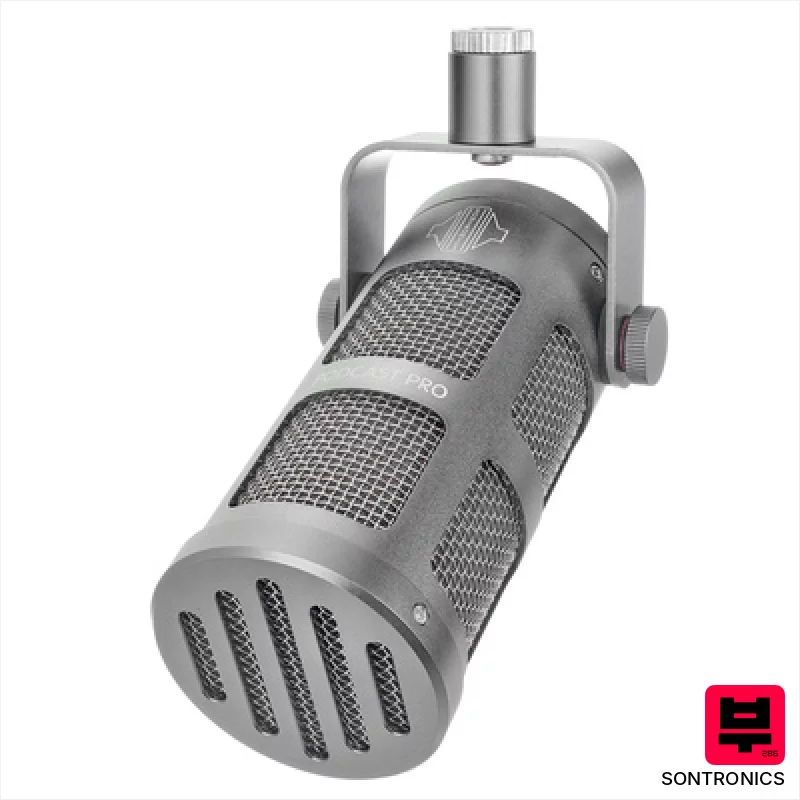
Sontronics Podcast Pro - Cosmic Grey
- • Solid build quality; the metal housing feels premium and durable.
- • Supercardioid pattern excels at isolating vocals in untreated rooms.
- • Integrated pop screen minimizes plosives without external accessories.
- • Warm, present vocal tone; suits spoken word and voice acting well.
- • 600 Ohm impedance requires a preamp or interface for optimal gain.
- • Supercardioid pattern demands precise mic placement for best results.
- • Limited frequency response compared to condenser microphones for broader applications.

Rode PodMic USB
- • Robust ceramic coating resists scratches, a significant upgrade.
- • Excellent off-axis rejection minimizes room noise effectively.
- • Integrated DSP offers convenient, usable audio enhancements.
- • USB-C connectivity provides reliable, modern digital connection.
- • Heavy build (896g) can be fatiguing in long recording sessions.
- • Cardioid pattern limits versatility for multi-mic setups.
- • DSP processing, while good, may not satisfy experienced engineers.

the t.bone MB 88U Dual Bundle
- • Surprisingly robust plastic clip offers secure mic mounting
- • Dual XLR/USB connectivity provides maximum flexibility for users
- • Compact tripod stand is genuinely portable and functional
- • Cardioid pattern effectively rejects room noise for cleaner recordings
- • Plastic construction feels budget, lacks premium feel and durability
- • Frequency response lacks high-end sparkle, sounds slightly muted
- • Sensitivity is fairly low, requiring preamp gain adjustments
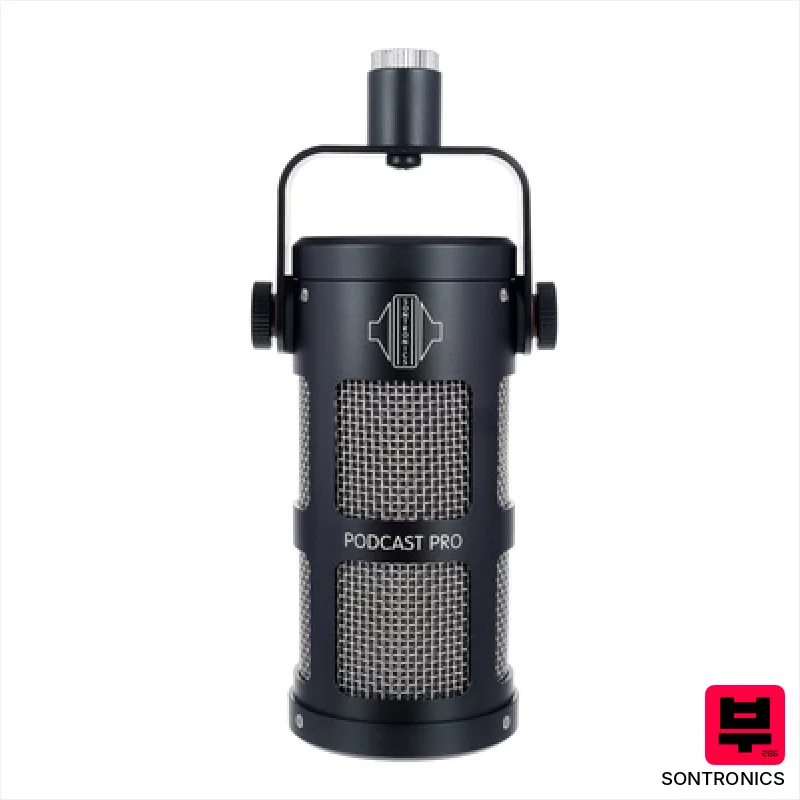
Sontronics Podcast Pro - Black
- • Solid build quality with a robust metal housing, feels substantial in hand
- • Supercardioid pattern offers excellent isolation from room noise
- • Integrated pop filter minimizes plosives effectively, improving vocal clarity
- • Surprisingly detailed sound for a dynamic mic – captures nuances well
- • 600 Ohm impedance requires a decent preamp for optimal gain and signal
- • Supercardioid pattern demands careful mic placement to avoid off-axis coloration
- • Limited versatility; best suited for close-mic vocal applications

Heil Sound PR20UT
- • Excellent off-axis rejection minimizes room noise and feedback.
- • The tailored mid-range presence is exceptionally flattering for vocals.
- • Robust construction with a zinc die-cast body ensures stage durability.
- • Rear attenuation significantly reduces bleed from behind, useful for live settings.
- • High impedance requires a suitable preamp or impedance matching transformer.
- • The large diaphragm can be sensitive to plosives, benefit from a pop filter.
- • Somewhat heavy, may be fatiguing for extended handheld use.
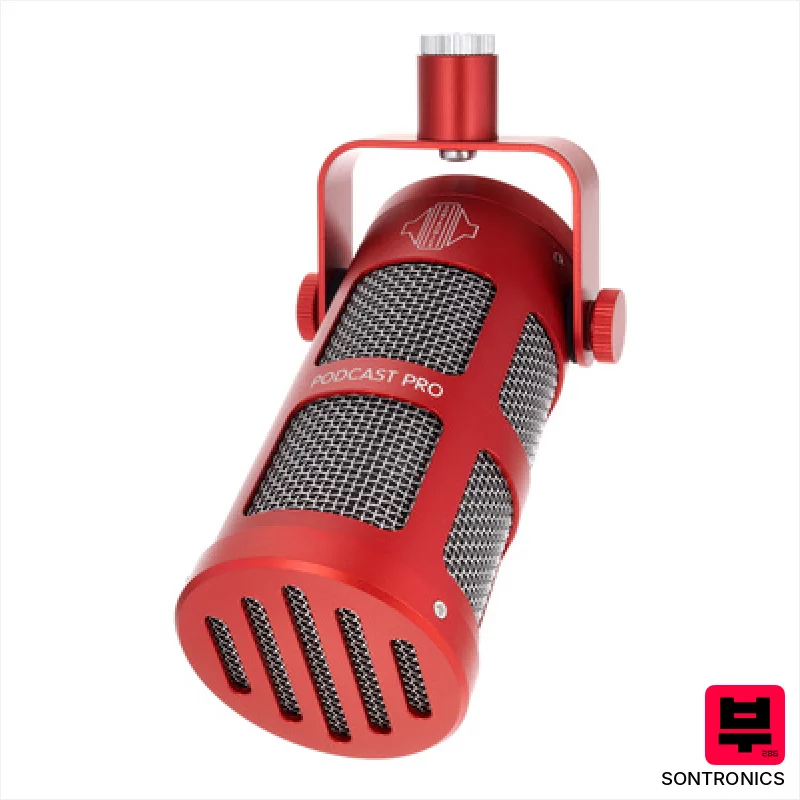
Sontronics Podcast Pro - Red
- • Solid build quality with a robust metal housing, feels premium
- • Supercardioid pattern effectively rejects background noise
- • Integrated pop filter minimizes plosives for cleaner recordings
- • Warm, present vocal tone suitable for voice-over work
- • High impedance requires a preamp or impedance matching device
- • Supercardioid's narrow pickup pattern demands precise mic placement
- • Red finish might not suit every studio aesthetic
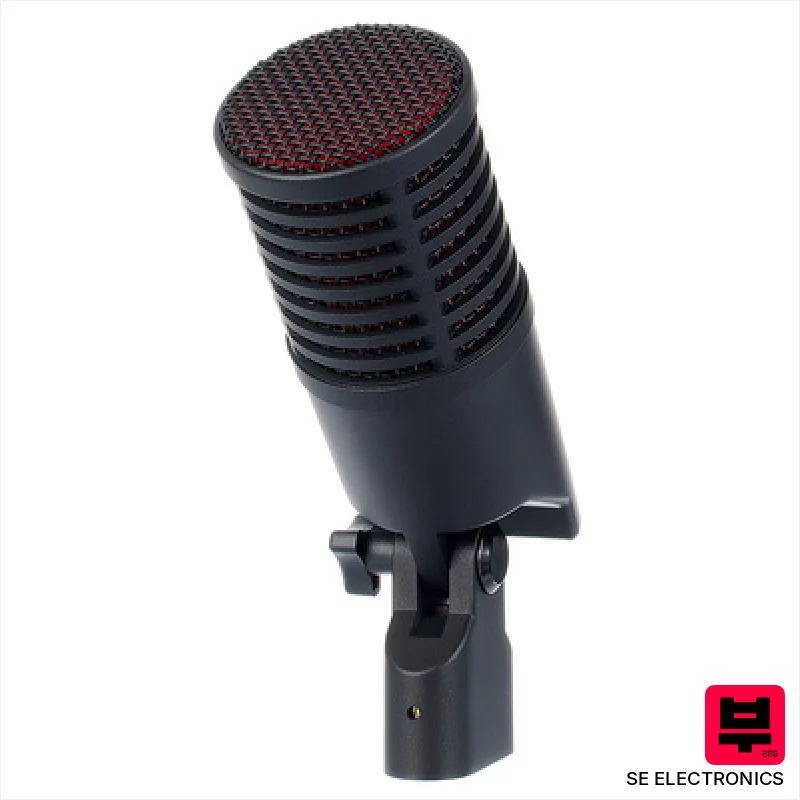
SE Electronics DynaCaster DCM 8
- • Excellent off-axis rejection minimizes room noise effectively.
- • Integrated preamp offers significant gain for quieter voices.
- • Bass filtering provides useful control over low-frequency rumble.
- • Robust metal construction feels surprisingly solid for the price.
- • The integrated preamp's boost can introduce noise at higher gain settings.
- • Cardioid pattern limits versatility for multi-mic recording scenarios.
- • Frequency response, while adequate, lacks the finesse of higher-end mics.
How to Choose the Best Broadcast Microphones
Frequency Response
A broad, relatively flat response is ideal for broadcast, but a slight presence bump around 3-5kHz can help vocals cut through the mix without sounding harsh. Watch out for overly hyped highs that can sound brittle.
Sensitivity
Higher sensitivity means you can use less preamp gain, which reduces noise. This is crucial for quieter vocals or instruments. A low self-noise figure (dBU) is your friend.
Polar Pattern
Cardioid is the workhorse for most broadcast applications - it rejects room noise and focuses on the sound source. Figure-8 can be useful for interviews or duets, but requires more careful mic placement.
Build Quality & Durability
Let's be honest, you might be hauling this mic to gigs. Solid construction and a decent shock mount are essential to avoid unwanted rumble and keep it lasting.
Off-Axis Rejection
How well does the mic reject sounds coming from the sides and rear? Poor off-axis rejection means more room noise bleeding into your recording - a real headache to clean up later.
Buying Guide
Under $2000, you're looking at mostly dynamic and condenser microphones. Dynamics are tougher and more forgiving, great for less-than-ideal recording environments, but condensers offer more detail and nuance. Don't expect pristine, studio-grade performance at this price point - there will be compromises. A slightly colored sound can often be a good thing for broadcast, adding character, but be aware of what you're getting. Spend a little extra on a decent mic pre or interface to really unlock the mic's potential - a cheap preamp will muddy the signal.
How This List Is Built
We don't play these instruments — we're a catalog, not a review desk, and we'd rather say so than pretend otherwise. This page ranks 15 broadcast microphones from the Thomann catalogue, which is the largest single source of specification data in this category.
Position is computed, not curated. Four signals, in order of weight: how completely the manufacturer documents the instrument (number of published specifications), where it sits in the price range, how specific the model designation is — which filters out generic accessories — and whether a product image exists. The same inputs always produce the same order, so nothing here is shuffled to look fresh.
What this list is good for: narrowing a category down to a shortlist by spec and budget. What it isn't: a substitute for hearing an instrument. Before you buy, read hands-on reviews and, where you can, play it. Full methodology.

