AudioFu Chart · October 2026
Best Broadcast Microphones for Professional 2026
The top pick is Earthworks Audio Ethos Black ($628). RODE PodMic Cardioid Dynamic Podcasting Microphone gives you the most for the money at $199. Ranked by the AudioFu Index from 21 models across 10 brands, prices checked every night.
Last updated: October 22, 2026
Top 10
Full detail for the 10 highest AudioFu Index scores. Every other model is listed below.
-
The Ethos Black is a broadcast mic powerhouse – seriously clean and detailed. It's perfect for voiceovers, podcasting, and streaming where pristine audio is paramount and you're willing to work the mic angle. The build quality feels like it’ll last a lifetime.
Pros
- Exceptional clarity and detail across the frequency spectrum.
- Robust stainless steel build feels incredibly solid and durable.
- Supercardioid pattern effectively rejects off-axis noise sources.
Cons
- Supercardioid pattern demands precise mic technique and placement.
- The weight (almost 1 lb) can be fatiguing during extended use.
41AudioFu
IndexStableno change since Aug 17Aug 17$628 now$628€559 at Thomann · in stockCheck price ↗ -
Shure SM7B Cardioid Dynamic Microphone
SM 7 B Podcast Bundle · Shure
118 for sale on Reverb1 finish at Thomann
- Size8"
The SM 7B is a broadcast standard for a reason. It's a workhorse mic that delivers incredibly clear, intimate vocals, especially when you’re battling background noise. Perfect for podcasters, streamers, and voice-over artists who need a professional, broadcast-quality sound without a ton of post-processing.
Pros
- Exceptional off-axis rejection minimizes room noise effectively.
- The included Roadworx arm provides stable, adjustable positioning.
- Bass roll-off switch tames low-frequency rumble for cleaner recordings.
Cons
- Requires a substantial preamp for optimal gain and low noise.
- The weight makes it less portable and requires a sturdy base.
42AudioFu
IndexStableno change since Aug 17Aug 17$527 now$527€469 at Thomann · in stockCheck price ↗ -
Audio-Technica BP40 Large Diaphragm Dynamic Broadcast Microphone
BP40 · Audio-Technica
12 for sale on Reverb1 finish at Thomann
The BP40 is a workhorse broadcast mic. Its hypercardioid pickup and robust build make it ideal for podcasters, streamers, or anyone needing clear vocal isolation in less-than-perfect acoustic spaces – just be mindful of your gain levels and mic placement.
Pros
- Robust zinc die-cast construction feels incredibly solid and durable
- Hypercardioid pattern excels at isolating vocals in noisy environments
- Switchable low-cut filter effectively tames proximity effect and rumble
Cons
- High sensitivity demands careful gain staging to avoid unwanted noise
- Hypercardioid pattern requires precise mic placement for optimal results
43AudioFu
IndexStableno change since Aug 17Aug 17$398 now$398€354 at Thomann · in stockCheck price ↗ -
Shure MV7X Cardioid Dynamic Podcast Microphone
MV7X · Shure
44 for sale on Reverb2 finishes at Thomann
- Size8"
- Weight0.55 kg
The MV7X is a solid step up from the original MV7, offering a more professional feel and sound. It's fantastic for solo podcasters, streamers, and vocalists who want a reliable mic with good noise rejection without needing a full-blown studio. The hybrid connectivity makes it super adaptable, too.
Pros
- Excellent off-axis rejection minimizes room noise effectively.
- Robust metal construction feels significantly more premium than the MV7.
- USB/XLR hybrid offers flexibility for various recording setups.
Cons
- Cardioid pattern limits stereo recording versatility; not ideal for group vocals.
- Frequency response, while usable, lacks the extended highs of some competitors.
75AudioFu
IndexStableno change since Aug 17Aug 17$219 now$219€195 at Thomann · in stockCheck price ↗ -
RODE PodMic Cardioid Dynamic Podcasting Microphone
PodMic USB · Rode
57 for sale on Reverb3 finishes at Thomann
- Size8"
The PodMic USB is a solid choice for podcasters and streamers who want a broadcast-quality sound without a complex setup. The build quality feels premium, and the integrated DSP helps achieve a polished sound straight out of the box – it’s a fantastic entry point into the world of professional-sounding vocal recordings.
Pros
- Robust ceramic coating resists scratches, a significant upgrade.
- Excellent off-axis rejection minimizes room noise effectively.
- Integrated DSP offers convenient, usable audio enhancements.
Cons
- Heavy build (896g) can be fatiguing in long recording sessions.
- Cardioid pattern limits versatility for multi-mic setups.
77AudioFu
IndexStableno change since Aug 17Aug 17$199 now$199€177 at Thomann · in stockCheck price ↗ -
sE Electronics V7 Handheld Supercardioid Dynamic Microphone
V7 ENG · sE Electronics
157 for sale on Reverb1 finish at Thomann
This mic feels like a workhorse built for reporters on the street. The metal body keeps it stable, and the built-in foam stops wind from ruining your audio. It is a solid choice for interviews where you need clear sound without extra accessories.
Pros
- Solid metal housing prevents handling noise.
- Super-cardioid pattern rejects side sounds.
- Integrated windscreen stops wind noise.
Cons
- No maximum SPL rating is listed.
- Heavy 320 grams for field work.
63AudioFu
IndexStableno change since Aug 17Aug 17$167 now$167€149 at Thomann · in stockCheck price ↗ -
The PR31 BW is a fantastic broadcast mic that punches way above its class. It’s got a really solid, natural sound that’s especially great for voiceovers, podcasting, and even vocals with a bit of grit. If you need a dependable, professional-grade mic without the premium price tag, this is a solid choice.
Pros
- Excellent off-axis rejection minimizes room noise effectively.
- The dynamic capsule delivers a surprisingly detailed and articulate sound.
- Robust all-metal construction feels exceptionally durable and professional.
Cons
- Can be slightly dark sounding, requiring EQ for brighter vocal styles.
- Higher impedance necessitates a good preamp for optimal performance.
37AudioFu
IndexStableno change since Aug 17Aug 17$325 now$325€289 at Thomann · in stockCheck price ↗ -
The PR30 is a seriously capable broadcast mic. It's got that Heil Sound clarity and punch, making it a fantastic choice for podcasters, streamers, and voice actors who need a mic that can handle a dynamic delivery. It's a workhorse that'll serve you well for years.
Pros
- Robust construction with a zinc alloy body, feels built to last
- Heil’s custom dynamic element delivers clear vocals with excellent proximity effect
- Handles loud sources exceptionally well, great for podcasting and voiceovers
Cons
- Somewhat heavy, may require a sturdy stand for stability
- Cardioid-only pattern limits versatility for multi-mic recording setups
37AudioFu
IndexStableno change since Aug 17Aug 17$336 now$336€299 at Thomann · in stockCheck price ↗ -
The PR35 is a seriously capable handheld mic, offering a surprising amount of detail and clarity for a dynamic. It’s a fantastic choice for vocalists who need a durable, reliable mic that cuts through a loud stage mix – think rock, pop, and even some spoken word applications. The build quality is excellent, and the included accessories are a nice touch.
Pros
- Robust rubberized body handles stage abuse exceptionally well
- The integrated high-pass filter tames boomy lows effectively
- Cardioid pattern offers excellent isolation in live settings
Cons
- Can be slightly heavy for extended handheld use
- Lacks the extended high-frequency response of condenser microphones
37AudioFu
IndexStableno change since Aug 17Aug 17$336 now$336€299 at Thomann · in stockCheck price ↗ -
RODE Podcaster USB Dynamic Microphone
Podcaster Bundle · Rode
26 for sale on Reverb1 finish at Thomann
- Size8"
- Weight1.46 kg
The Rode Podcaster Bundle is a great entry point for podcasters, streamers, and voice-over artists. It's a simple, all-in-one solution with a decent sound that's easy to set up, making it perfect for beginners who don't want to get bogged down in complex audio interfaces.
Pros
- Solid build quality for a budget-friendly USB mic.
- The included stand is surprisingly stable for its plastic construction.
- Built-in headphone amp eliminates the need for an external interface.
Cons
- Limited frequency response compared to higher-end condenser mics.
- Plastic stand base feels a bit flimsy for heavier setups.
All 21 broadcast microphones
Same index, same nightly prices — compact. Colour options of one model share a row. Tap a photo to zoom.
- 11
sE Electronics DynaCaster DCM 8sE Electronics35Stable$291€259$291€259Check ↗
- 12
RODE Reporter Omnidirectional Handheld Interview MicrophoneReporter · Rode50↓ 2.8%$158€141$158€141Check ↗
- 13
Rode PodMic USB - PSA-1+ BundleRode30↑ 9.8%$302€269$302€269Check ↗
- 14
Sontronics Podcast Pro - RedSontronics · 2 finishes42Stable$179€159$179€159Check ↗
- 15
Sontronics Podcast Pro - GreySontronics36Stable$174€155$174€155Check ↗
- 16
Rode PodMic Swivel Mic Arm BundleRode33Stable$156€139$156€139Check ↗
- 17
Heil Sound PR20UTHeil Sound37Stable$122€109$122€109Check ↗
- 18
Audio-Technica AT2040 Hypercardioid Dynamic MicrophoneAT2040 · Audio-Technica57Stable$107€95$107€95Check ↗
- 19
Maono PD100 Podcast MicMaono40Stable$37€33$37€33Check ↗
- 20
Superlux E431USuperlux33Stable$49€44$49€44Check ↗
- 21
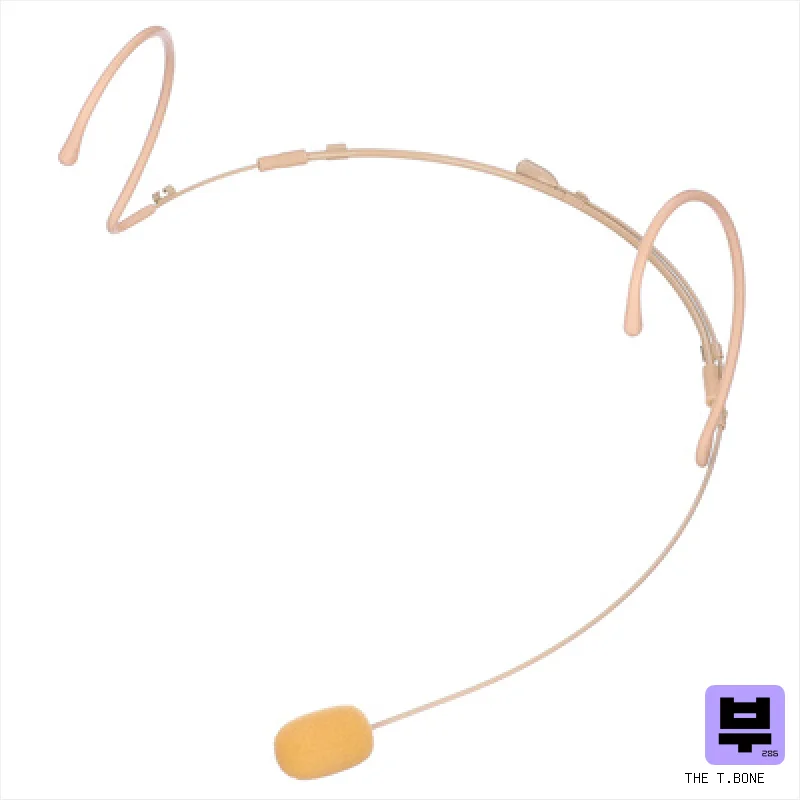
the t.bone MB 88U Dual Bundlethe t.bone24Stable$55€49$55€49Check ↗
Broadcast Microphones by the numbers
Measured across all 26 models we track, not a sample.
Median $199 — half of all broadcast microphones here cost less.
median of 9 models · 8"–8"
median of 6 models · 0.55 kg–1.52 kg
How to choose the best broadcast microphones
Polar Pattern Versatility
Dynamic mics are common, but a switchable pattern (cardioid, figure-8, omni) is essential for adapting to different recording situations. Think tracking a choir versus a solo vocal - you need flexibility.
Transient Response & Detail
You need to capture the subtle attack of a vocal or the breathiness of a narrator. A muddy, slow mic will bury your performance in the mix. We're looking for clarity and articulation, even when pushed hard.
Headroom and Distortion Characteristics
That sweet spot where you can crank the input without harsh digital clipping or unpleasant analog distortion. It's not about avoiding distortion entirely, but about it being musical and controllable.
Off-Axis Rejection
How well does the mic reject sounds coming from the sides and rear? This is crucial for minimizing room noise and bleed from other instruments, especially in less-than-ideal acoustic environments.
Build Quality & Reliability
Road-worthy construction is vital if you're gigging. Cheap mics will fail under pressure - loose connections, fragile capsules, and noisy preamps are a recipe for disaster.
Buying guide
So, you're stepping up your game - podcasting, streaming, voiceover work, maybe even tracking vocals with a level of detail that demands more than a USB mic. Broadcast mics aren't just about 'sounding good'; they're about capturing nuance, handling dynamic range, and letting your personality shine through. Forget the marketing hype - we're talking about mics that can handle a screaming lead vocal or a quiet, intimate spoken word piece with equal grace. This isn't for bedroom karaoke; it's for professionals.
Don't fall for the 'vintage vibe' trap. While some classic mics are fantastic, many modern designs offer superior performance for the money. Spending more doesn't always guarantee a better sound, but it does usually buy you better components and a more robust build.
Be honest about your needs - a hyper-sensitive tube mic might be overkill for a simple podcast, and a dynamic mic with a narrow sweet spot might struggle with a dynamic vocalist. It's a trade-off - more features mean more complexity and a steeper learning curve.
How the AudioFu Index works
Five measured signals and nothing else — no stars from strangers, no “tested by experts” we didn’t do. The weights are fixed and public. We don’t play these instruments; we measure the market around them.
This chart covers 26 broadcast microphones from the Thomann catalogue. Before you buy, read hands-on reviews and, where you can, play it. Full methodology.
AudioFu earns a commission when you buy through our Thomann links. It never changes the order — the index does.
- Demand40%
How many of this exact model are for sale on Reverb right now — what musicians actually buy and resell.
- Lineup20%
How many finishes Thomann stocks — makers expand the models that sell.
- Price15%
Where the price has moved since we started tracking in August.
- Specs15%
How completely the maker documents it.
- Maker10%
How deep the brand’s range is in this category.
Questions
What's the difference between a broadcast mic and a studio mic?
Broadly, broadcast mics prioritize off-axis rejection and a more forgiving sound to handle less-than-perfect acoustic environments. Studio mics often aim for the absolute most detail, assuming a treated room and a skilled engineer.
Do I really need a tube mic?
Tube mics can offer a warmer, more 'vintage' tone, but they're also more fragile, require more power, and are generally more expensive. A good FET mic can sound just as good, especially if you're not chasing a specific sonic aesthetic.
What about USB broadcast mics?
While convenient, USB mics often compromise on audio quality and flexibility. For professional work, an XLR connection and a dedicated audio interface are almost always the better choice - you'll have far more control and headroom.
How important is the preamp?
Crucially important. A great mic paired with a noisy or low-headroom preamp will sound awful. Invest in a decent preamp - it's as vital as the mic itself.
What's 'proximity effect' and why should I care?
Proximity effect is the increase in low-end response as you get closer to the mic. It can add warmth and fullness, but also muddy the low-end if not managed - experiment with your distance to find the sweet spot.