AudioFu Chart · October 2026
Best Broadcast Microphones Under $300 2026
The top pick is RODE PodMic Cardioid Dynamic Podcasting Microphone ($199). Maono PD100 Podcast Mic gives you the most for the money at $37. Ranked by the AudioFu Index from 14 models across 9 brands, prices checked every night.
Last updated: October 22, 2026
Top 10
Full detail for the 10 highest AudioFu Index scores. Every other model is listed below.
-
RODE PodMic Cardioid Dynamic Podcasting Microphone
PodMic USB · Rode
57 for sale on Reverb3 finishes at Thomann
- Size8"
The PodMic USB is a solid choice for podcasters and streamers who want a broadcast-quality sound without a complex setup. The build quality feels premium, and the integrated DSP helps achieve a polished sound straight out of the box – it’s a fantastic entry point into the world of professional-sounding vocal recordings.
Pros
- Robust ceramic coating resists scratches, a significant upgrade.
- Excellent off-axis rejection minimizes room noise effectively.
- Integrated DSP offers convenient, usable audio enhancements.
Cons
- Heavy build (896g) can be fatiguing in long recording sessions.
- Cardioid pattern limits versatility for multi-mic setups.
77AudioFu
IndexStableno change since Aug 17Aug 17$199 now$199€177 at Thomann · in stockCheck price ↗ -
Shure MV7X Cardioid Dynamic Podcast Microphone
MV7X · Shure
44 for sale on Reverb2 finishes at Thomann
- Size8"
- Weight0.55 kg
The MV7X is a solid step up from the original MV7, offering a more professional feel and sound. It's fantastic for solo podcasters, streamers, and vocalists who want a reliable mic with good noise rejection without needing a full-blown studio. The hybrid connectivity makes it super adaptable, too.
Pros
- Excellent off-axis rejection minimizes room noise effectively.
- Robust metal construction feels significantly more premium than the MV7.
- USB/XLR hybrid offers flexibility for various recording setups.
Cons
- Cardioid pattern limits stereo recording versatility; not ideal for group vocals.
- Frequency response, while usable, lacks the extended highs of some competitors.
75AudioFu
IndexStableno change since Aug 17Aug 17$219 now$219€195 at Thomann · in stockCheck price ↗ -
sE Electronics V7 Handheld Supercardioid Dynamic Microphone
V7 ENG · sE Electronics
157 for sale on Reverb1 finish at Thomann
This mic feels like a workhorse built for reporters on the street. The metal body keeps it stable, and the built-in foam stops wind from ruining your audio. It is a solid choice for interviews where you need clear sound without extra accessories.
Pros
- Solid metal housing prevents handling noise.
- Super-cardioid pattern rejects side sounds.
- Integrated windscreen stops wind noise.
Cons
- No maximum SPL rating is listed.
- Heavy 320 grams for field work.
63AudioFu
IndexStableno change since Aug 17Aug 17$167 now$167€149 at Thomann · in stockCheck price ↗ -
Audio-Technica AT2040 Hypercardioid Dynamic Microphone
AT2040 · Audio-Technica
27 for sale on Reverb1 finish at Thomann
- Size8"
The AT2040 is a surprisingly capable broadcast mic for the price. Its dynamic nature and tight pattern make it ideal for podcasters, streamers, or voice-over artists in less-than-perfect acoustic environments – just be mindful of mic placement. It won’t replace a high-end studio condenser, but it's a solid, reliable workhorse.
Pros
- Excellent rejection of background noise thanks to the hypercardioid pattern.
- The integrated windscreen and shockmount noticeably reduce handling noise.
- Robust build quality; feels solid and durable for frequent use.
Cons
- Hypercardioid pattern demands careful mic placement; less forgiving than cardioid.
- Limited frequency response compared to condenser microphones; lacks high-end sparkle.
-
RODE Reporter Omnidirectional Handheld Interview Microphone
Reporter · Rode
14 for sale on Reverb1 finish at Thomann
The Rode Reporter is a solid, no-frills broadcast mic built for on-location work. Its omnidirectional pattern and durable construction make it ideal for interviews, podcasts, or reporting where you need a reliable, clear signal without excessive processing. It’s a great choice for broadcasters and content creators prioritizing durability and natural sound over studio-level polish.
Pros
- Robust cast metal housing provides excellent durability for field use
- Omnidirectional pickup captures natural room ambience effectively
- Low sensitivity minimizes background noise in challenging environments
Cons
- Limited polar pattern choice restricts adaptability for certain recording scenarios
- Higher output impedance may require a preamp for optimal signal level
50AudioFu
Index↓ 2.8%since Aug 17 · lowest so far$163 · Aug 17$158 now$158€141 at Thomann · in stockCheck price ↗ -
The Podcast Pro is a surprisingly capable dynamic mic, especially for podcasters and voice-over artists working in less-than-ideal acoustic environments. Its tight pattern and built-in pop filter help you get a clean, professional sound without excessive post-processing. It’s a great choice for those wanting a broadcast-quality vocal mic without the premium price tag.
Pros
- Solid build quality with a robust metal housing, feels substantial in hand
- Supercardioid pattern offers excellent isolation from room noise
- Integrated pop filter minimizes plosives effectively, improving vocal clarity
Cons
- 600 Ohm impedance requires a decent preamp for optimal gain and signal
- Supercardioid pattern demands careful mic placement to avoid off-axis coloration
-
- Weight0.7 kg
The Maono PD100 is a surprisingly capable entry-level dynamic mic. It's great for beginners, streamers on a budget, or anyone needing a basic, focused vocal pickup – just be prepared to feed it a little more gain than you might be used to. Don't expect studio-grade detail, but it's hard to argue with the value.
Pros
- Solid metal housing provides surprising durability for the price.
- Cardioid pattern effectively isolates vocals, minimizing room noise.
- Integrated pop filter reduces plosives without needing an external accessory.
Cons
- Sensitivity is quite low, requiring a preamp for optimal gain.
- Limited frequency range lacks detail for nuanced audio applications.
-
RODE Podcaster USB Dynamic Microphone
Podcaster Bundle · Rode
26 for sale on Reverb1 finish at Thomann
- Size8"
- Weight1.46 kg
The Rode Podcaster Bundle is a great entry point for podcasters, streamers, and voice-over artists. It's a simple, all-in-one solution with a decent sound that's easy to set up, making it perfect for beginners who don't want to get bogged down in complex audio interfaces.
Pros
- Solid build quality for a budget-friendly USB mic.
- The included stand is surprisingly stable for its plastic construction.
- Built-in headphone amp eliminates the need for an external interface.
Cons
- Limited frequency response compared to higher-end condenser mics.
- Plastic stand base feels a bit flimsy for heavier setups.
-
The PR20UT is a workhorse mic; it's a fantastic all-rounder, especially for vocalists and drummers who need a mic that can handle both stage and studio. Heil’s signature smooth mids make it incredibly forgiving, and the robust build means it'll take a beating on the road. It's a surprisingly affordable option for a mic delivering this much quality.
Pros
- Excellent off-axis rejection minimizes room noise and feedback.
- The tailored mid-range presence is exceptionally flattering for vocals.
- Robust construction with a zinc die-cast body ensures stage durability.
Cons
- High impedance requires a suitable preamp or impedance matching transformer.
- The large diaphragm can be sensitive to plosives, benefit from a pop filter.
37AudioFu
IndexStableno change since Aug 17Aug 17$122 now$122€109 at Thomann · in stockCheck price ↗ -
The Podcast Pro is a surprisingly capable mic for the price. It’s a real winner for podcasters and voiceover artists working in less-than-ideal acoustic environments – that supercardioid pattern is a lifesaver. Just be aware you'll need a decent preamp to get the most out of it.
Pros
- Solid build quality; the metal housing feels premium and durable.
- Supercardioid pattern excels at isolating vocals in untreated rooms.
- Integrated pop screen minimizes plosives without external accessories.
Cons
- 600 Ohm impedance requires a preamp or interface for optimal gain.
- Supercardioid pattern demands precise mic placement for best results.
All 14 broadcast microphones
Same index, same nightly prices — compact. Colour options of one model share a row. Tap a photo to zoom.
- 11
sE Electronics DynaCaster DCM 8sE Electronics35Stable$291€259$291€259Check ↗
- 12
Superlux E431USuperlux33Stable$49€44$49€44Check ↗
- 13
Rode PodMic Swivel Mic Arm BundleRode33Stable$156€139$156€139Check ↗
- 14
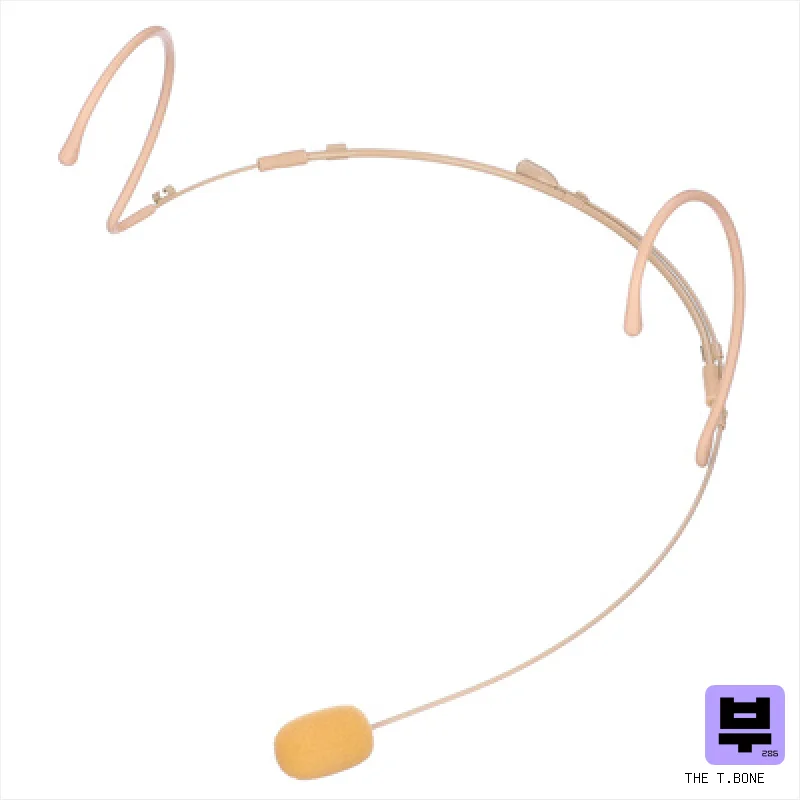
the t.bone MB 88U Dual Bundlethe t.bone24Stable$55€49$55€49Check ↗
Broadcast Microphones by the numbers
Measured across all 17 models we track, not a sample.
Median $158 — half of all broadcast microphones here cost less.
median of 6 models · 8"–8"
How to choose the best broadcast microphones
Frequency Response
Forget the graphs; we're talking about the actual sonic character. Do you want a bright, airy top end, or a warmer, more intimate sound? A boosted low-end can add thump, but too much can muddy the mix.
Polar Pattern
Cardioid is the workhorse for most broadcast stuff - it picks up what's in front and rejects what's behind. But check if you need omni for a more natural room sound, or figure-8 for interviews.
Sensitivity & Self-Noise
A sensitive mic captures quieter sounds, but also picks up more room noise. Low self-noise is critical for clean recordings - you don't want hiss in your vocals.
Build Quality & Durability
Gigs happen. Rehearsals get chaotic. A mic that can take a little abuse without falling apart is worth its weight in gold. Metal bodies are generally tougher than plastic.
Transient Response & Detail
Can the mic accurately capture the nuances of a vocal performance or the pluck of a guitar string? A mic with good transient response will feel more 'real' and less processed.
Buying guide
So, you need a broadcast mic but your budget's looking tighter than a Les Paul's neck pocket? Been there. Getting a decent vocal or instrument take for streaming, podcasting, or even a low-budget music video doesn't have to bankrupt you. We've hunted down the best mics you can realistically get for under $300 that won't make your recordings sound like they were tracked through a tin can.
At this price point, you're making compromises. Don't expect a vintage Neumann - you'll be looking at mostly dynamic mics or condenser mics with smaller capsules. Watch out for mics that are overly bright - that harsh high-end can be fatiguing to listen to and difficult to EQ.
A slightly darker, more forgiving sound is often easier to work with, especially if your recording environment isn't perfectly treated.
How the AudioFu Index works
Five measured signals and nothing else — no stars from strangers, no “tested by experts” we didn’t do. The weights are fixed and public. We don’t play these instruments; we measure the market around them.
This chart covers 17 broadcast microphones from the Thomann catalogue. Before you buy, read hands-on reviews and, where you can, play it. Full methodology.
AudioFu earns a commission when you buy through our Thomann links. It never changes the order — the index does.
- Demand40%
How many of this exact model are for sale on Reverb right now — what musicians actually buy and resell.
- Lineup20%
How many finishes Thomann stocks — makers expand the models that sell.
- Price15%
Where the price has moved since we started tracking in August.
- Specs15%
How completely the maker documents it.
- Maker10%
How deep the brand’s range is in this category.
Questions
What's the difference between a dynamic and condenser mic for broadcast?
Dynamic mics are tougher and handle high SPLs (loud sounds) better - great for streaming vocals or recording a loud amp. Condenser mics are generally more sensitive and detailed, giving you a more 'open' sound, but they need phantom power and are a bit more fragile.
Do I need phantom power?
Only if you're using a condenser mic. Dynamic mics get power from your preamp directly; condensers require 48V phantom power from your interface or mixer.
Can I use any mic stand?
Most likely, yes. Standard 5/8" thread is pretty universal. You might need an adapter if your stand has a different thread size.
What about a pop filter? Is that essential?
Absolutely. Plosives (those harsh 'p' and 'b' sounds) can ruin a vocal take. A pop filter is cheap insurance against that.
What if my recordings still sound noisy?
Check your gain staging - too much gain amplifies noise. Also, make sure you're using a decent audio interface or mixer with low noise floor. Room acoustics also play a big role - even a blanket fort can help!