
Best Active Subwoofers for Large Venues 2026
So, you're running sound for a band at a club that holds 500 people, or maybe even a legit concert hall? Forget those little 10" or 12" subs you're used to - you need serious low-end reinforcement that doesn't just rattle the floor, but actually feels like a live performance. Getting the right active sub for a large venue isn't just about dB levels; it's about delivering a powerful, articulate low end that cuts through the mix and doesn't turn your kick drum into a muddy mess. Let's break down what you need to look for.
Last updated: July 15, 2026 • Next update: July 22, 2026

Seeburg Acoustic Line G Sub 1801dp
- • Baltic birch construction ensures exceptional rigidity and durability.
- • Neodymium woofer delivers tight, powerful bass response with reduced weight.
- • DSP with FPGA processing provides incredible flexibility and precise tuning.
- • Cardioid pattern option effectively minimizes stage bleed for focused sound.
- • Premium-priced, representing a significant investment for smaller venues.
- • Size and weight (46kg) make transport and setup challenging for one person.
- • Limited preset options might restrict customization for highly specific applications.

Seeburg Acoustic Line G Sub 1802dp
- • Baltic birch construction with polyurea coating provides exceptional durability and road-worthiness.
- • The dual 18” neodymium drivers deliver seriously deep, impactful low-frequency extension.
- • DSP with DPLMx FPGA processing offers precise control and exceptionally clean sound.
- • Cardioid preset allows for focused bass reinforcement and stage monitoring flexibility.
- • The substantial weight (82kg) makes transportation and setup a two-person job.
- • Premium-priced, placing it outside the reach of budget-conscious users or smaller venues.
- • Limited connectivity beyond the core audio and network options may restrict some integration scenarios.
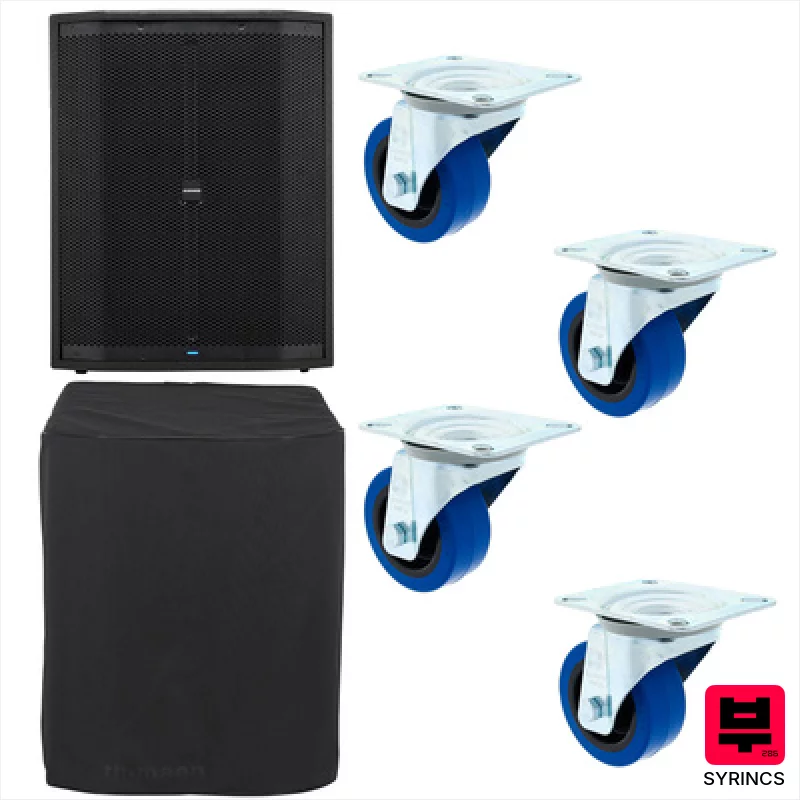
Syrincs D18 Sub Wheel CVR Bundle
- • Robust multiplex housing offers excellent durability for gigging.
- • Compression driver adds clarity and punch beyond typical subwoofers.
- • Class D amplification provides efficient power and headroom.
- • Casters (optional) significantly improve portability for frequent transport.
- • 41kg weight makes solo transport challenging, even with casters.
- • 30Hz low-end extension might be limited for extreme sub-bass applications.
- • Crossover frequency options are somewhat basic for complex system tuning.
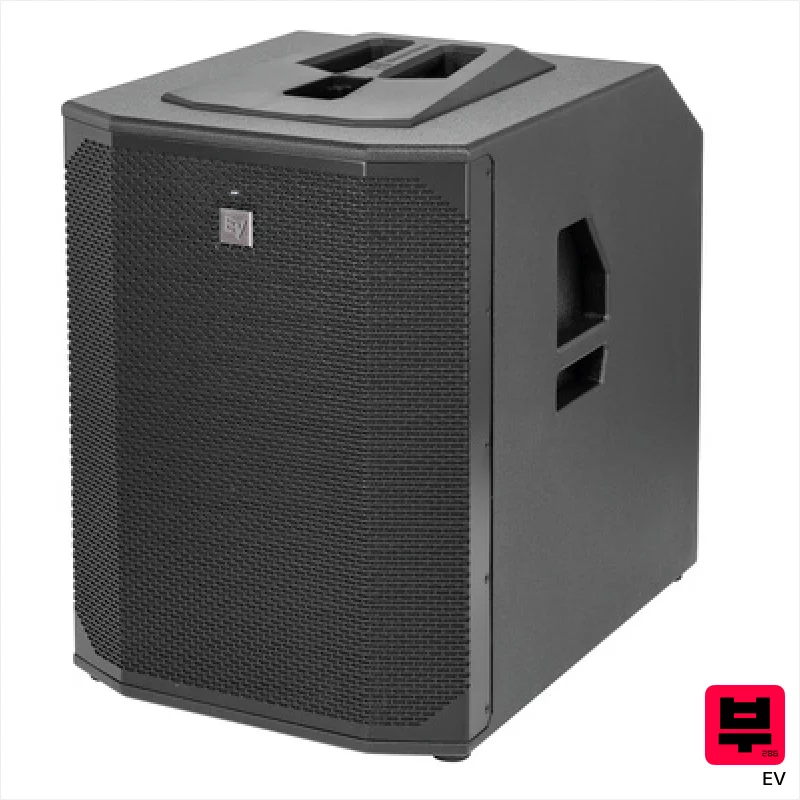
EV EVOLVE 70 Sub
- • Robust 15” woofer delivers impactful low-end extension and clarity.
- • Integrated DSP provides excellent driver protection and optimized EQ presets.
- • XLR/TRS combo inputs offer versatile connectivity for diverse signal sources.
- • Sub Out and Mix Out facilitate seamless integration into larger PA systems.
- • Significant weight (26.8kg) makes transport and setup a two-person job.
- • Limited frequency response above 160Hz necessitates pairing with full-range speakers.
- • Premium-priced point may be prohibitive for budget-conscious users.
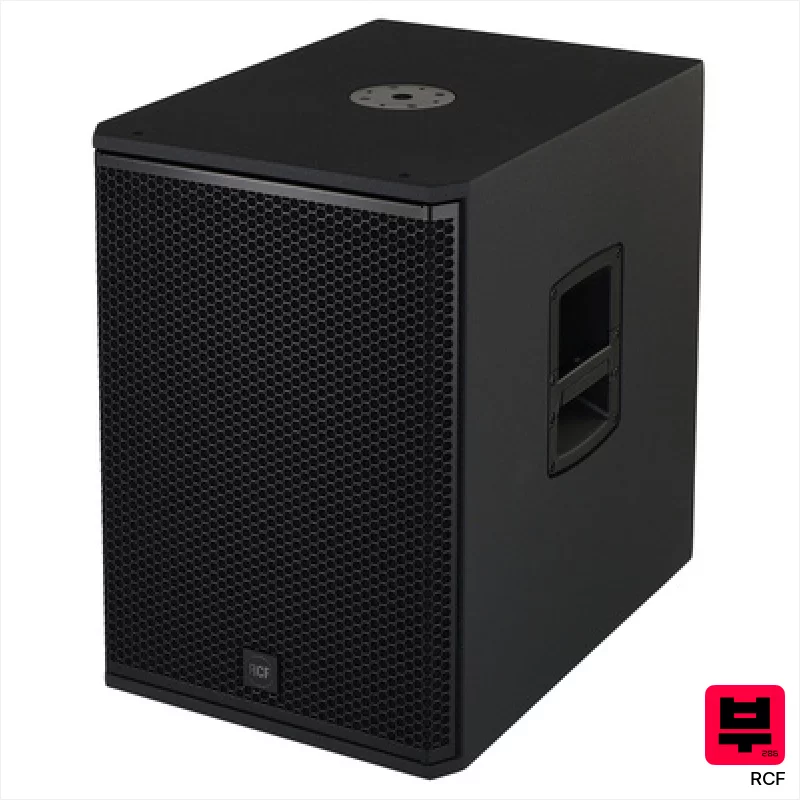
RCF Sub 905-AS MK3
- • Birch multiplex housing provides exceptional rigidity and resonance control.
- • The digital amplifier delivers clean, powerful output with impressive headroom.
- • Active equalization and adjustable crossover offer precise sonic tailoring.
- • Power Twist connector ensures a secure and reliable power connection.
- • At 31.3 kg, it's a substantial unit, demanding careful handling and transport.
- • The frequency range, while deep, might limit its suitability for some higher-frequency genres.
- • While versatile, its design leans towards live sound reinforcement, less ideal for studio monitoring.

DAS Audio Altea-S15A
- • Birch multiplex housing provides excellent resonance damping and durability.
- • Class D amplification delivers efficient power with minimal heat generation.
- • Cardioid presets offer focused sound projection for stage monitoring needs.
- • Robust construction feels solid, suggesting long-term reliability in demanding gigs.
- • 30kg weight makes transport a challenge without proper equipment or assistance.
- • Limited frequency extension below 40Hz might be a drawback for electronic music.
- • While versatile, it's primarily a sub, requiring a full PA system for complete coverage.
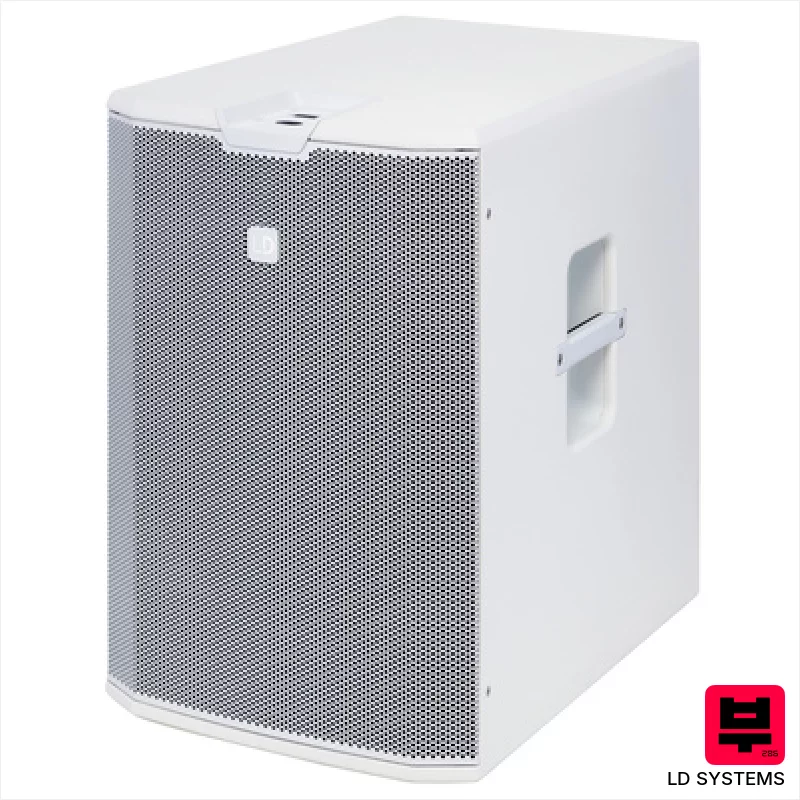
LD Systems Maui 44 G2 W Subwoofer
- • Robust Class-D amp delivers serious power and headroom.
- • 15” woofer provides impactful low-end extension and clarity.
- • Cardioid pattern option aids stage monitoring and feedback control.
- • Neodymium driver offers efficient power usage and reduced weight compared to ferrite.
- • Significant weight makes transport and setup a two-person job.
- • Limited EQ control compared to more complex PA systems.
- • White finish may not suit all stage aesthetics or preferences.

HK Audio Linear 5 MKII 118 Sub HPA
- • Birch multiplex construction offers exceptional resonance and durability.
- • Powerful Class D amplifier delivers clean, impactful low-end reproduction.
- • Comprehensive DSP provides precise control over sonic characteristics and protection.
- • Cardioid directivity options enhance stage monitoring and reduce feedback.
- • Significant weight makes transportation and setup a two-person job.
- • Premium-priced, representing a substantial investment for smaller venues.
- • Limited versatility for very high-frequency focused applications.

LD Systems Maui 28 G3 Subwoofer
- • Robust Class D amp delivers significant headroom and clean bass.
- • Cardioid pattern option minimizes stage vibrations and feedback.
- • 12” woofer provides a tight, well-defined low-end response.
- • Solid build quality; feels durable enough for regular gigging.
- • Size and weight make transport a challenge for solo performers.
- • Limited frequency response above 200Hz necessitates pairing with satellites.
- • Lacks integrated DSP for advanced EQ or limiting options.
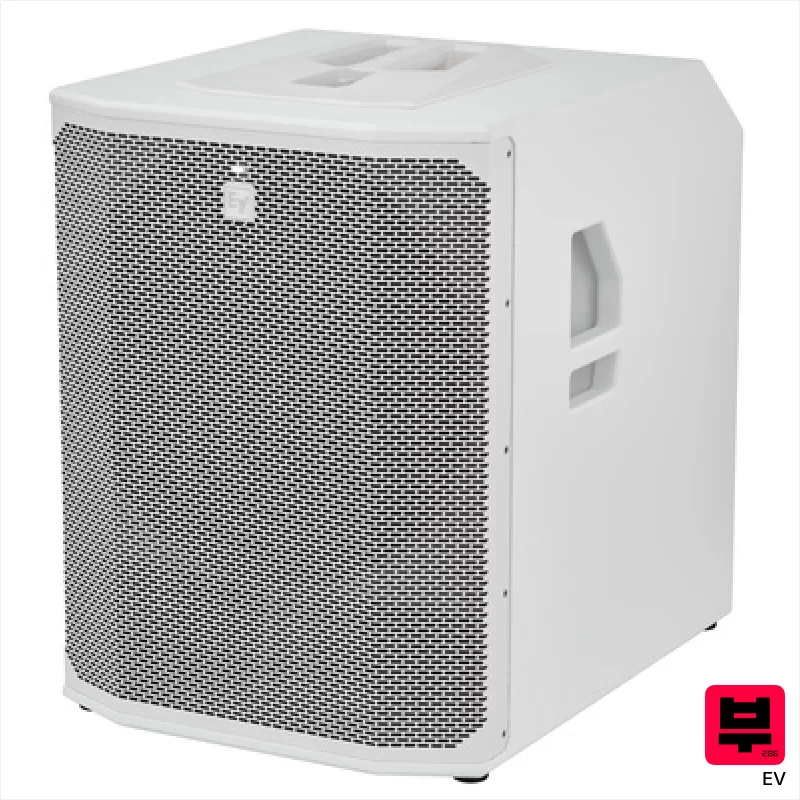
EV EVOLVE 90 Sub White
- • Robust 18” woofer delivers impactful, deep low-end extension.
- • XLR/TRS combo jacks offer flexible connectivity for various sources.
- • AES/EBU connectivity enables high-resolution digital audio transfer.
- • Cardioid pattern option provides directional control for stage monitoring.
- • Significant weight makes transport and setup a two-person job.
- • Limited frequency response above 160Hz necessitates pairing with satellite speakers.
- • White finish can be impractical for some stage environments and prone to marking.

LD Systems Maui 11 G3 W Subwoofer
- • Robust Class D amp delivers impressive headroom and clarity.
- • Cardioid pattern option minimizes stage feedback effectively.
- • The 11.6” woofer provides surprisingly deep, controlled low-end response.
- • Solid MDF construction feels durable and ready for gigging.
- • Weight makes transport a challenge for solo performers or smaller vehicles.
- • Limited frequency extension above 200Hz necessitates pairing with full-range speakers.
- • White finish may not suit all stage aesthetics or user preferences.
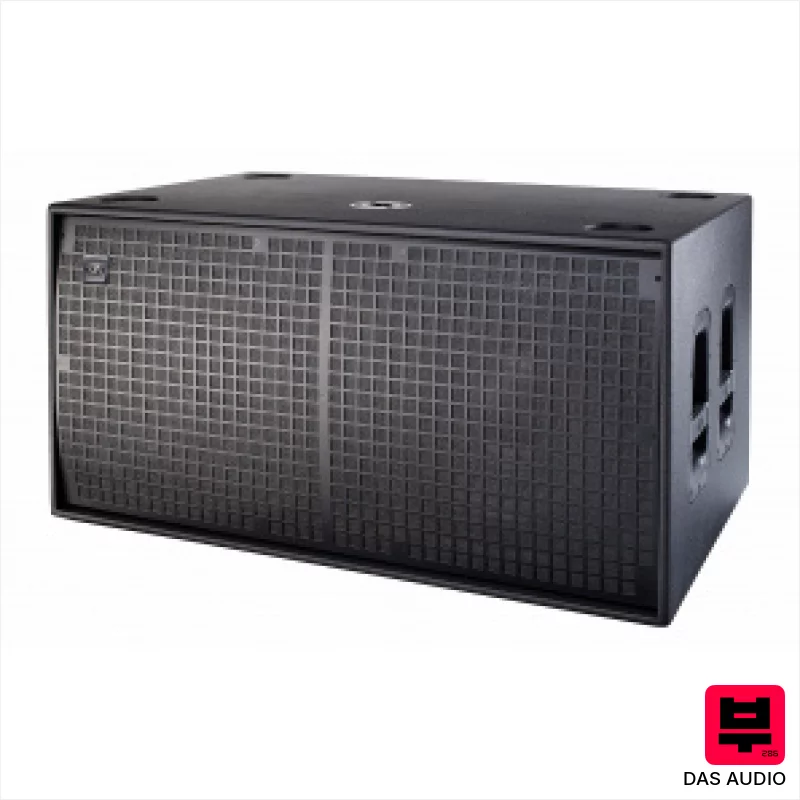
DAS Audio EVENT-218A
- • Birch plywood construction offers exceptional rigidity and resonance control.
- • Powerful Class-D amplification delivers clean, impactful low-end reproduction.
- • Integrated DSP with FIR filters provides precise tonal shaping and protection.
- • Rigging hardware simplifies installation and deployment in live sound scenarios.
- • The substantial weight makes transportation and handling a two-person job.
- • Limited frequency response above 125Hz restricts its use as a full-range solution.
- • Premium-priced, representing a significant investment for smaller operations.

LD Systems Maui 44 G2 Subwoofer
- • Robust 15” woofer delivers impactful low-end extension.
- • Cardioid pattern option minimizes stage feedback effectively.
- • Class-D amp provides efficient power with low distortion.
- • Solid build quality; feels substantial and roadworthy.
- • Significant weight makes transport a two-person job regularly.
- • Limited connectivity compared to some competitors in its class.
- • High-end price point might be prohibitive for smaller acts.
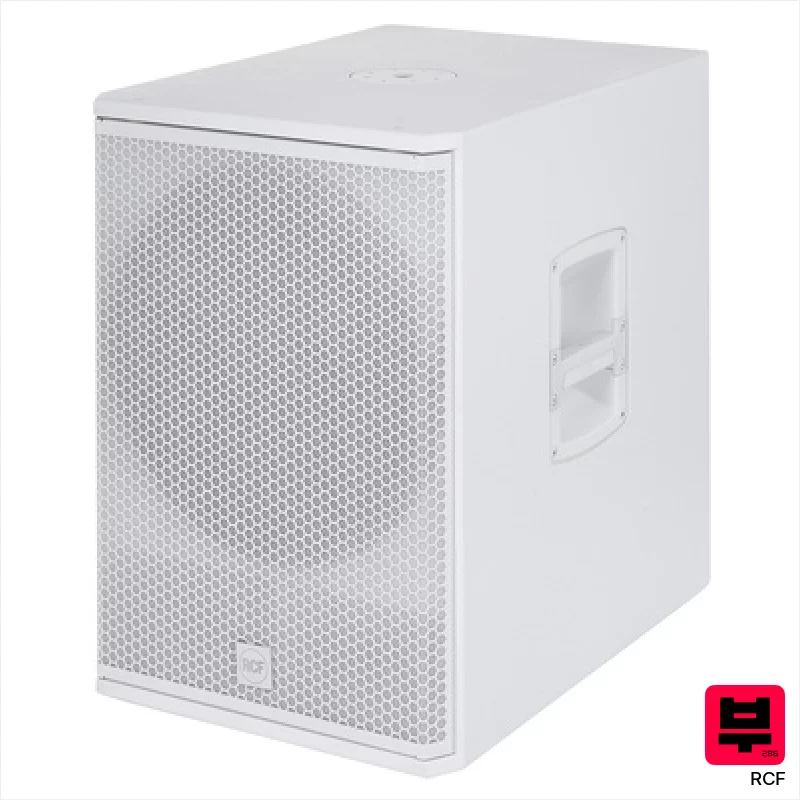
RCF Sub 15-AX W
- • Powerful Class-D amp delivers substantial low-end impact and headroom.
- • The 15” woofer with a 3” voice coil handles serious power without distortion.
- • Comprehensive DSP with 8-band EQ allows precise tonal shaping and customization.
- • Robust construction and integrated handles facilitate easy transport and setup.
- • The weight (26kg) makes it less ideal for solo performers or frequent travel.
- • White finish can be a practical drawback in some stage environments.
- • Limited versatility for extremely nuanced acoustic or classical applications.
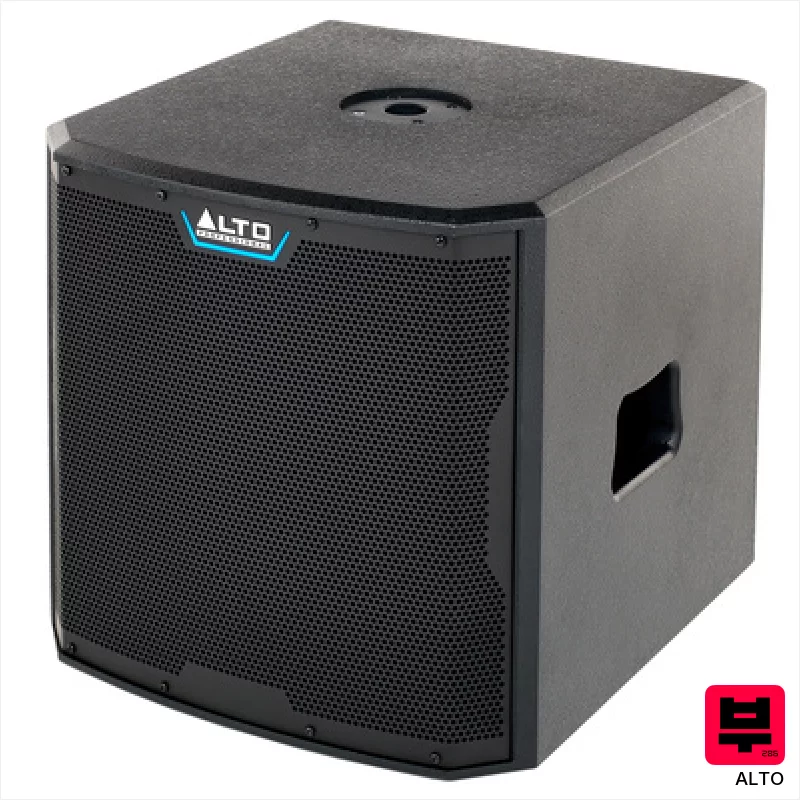
Alto TS 12S Subwoofer
- • Robust MDF construction offers surprising rigidity for the price.
- • High peak power provides serious headroom for larger venues.
- • The integrated stand flange simplifies setup and transport.
- • Phase inversion switch offers flexibility in system alignment.
- • The MDF, while reinforced, isn't as dense as premium birch ply.
- • Limited DSP options compared to higher-end competitors.
- • The weight, while manageable, will require two people for frequent moves.
How to Choose the Best Active Subwoofers
Driver Size & Configuration
Larger drivers (18" or bigger) are a must for moving serious air in a large space. Look for dual-driver designs for increased output and improved low-frequency extension - that's where you get the real 'thump' that fills the room.
Frequency Response & Low-End Extension
You want a sub that goes deep, ideally reaching down to 30Hz or even lower. This isn't just about feeling the bass; it's about adding body and weight to the entire mix - especially for genres like rock, metal, or electronic music where sub-bass frequencies are crucial.
Power Handling & Headroom
Large venues demand serious power. Look for subs with amplifiers that can deliver clean, undistorted power even when pushed hard. Headroom is your friend - it's what allows the sub to handle unexpected peaks without clipping and sounding harsh.
DSP & Processing
Modern active subs often include built-in DSP for things like EQ, phase alignment, and high-pass filters. These tools can be invaluable for shaping the low-end response and integrating the sub seamlessly with the rest of your PA system. Don't underestimate the value of a good FIR filter.
Port Design & Acoustic Loading
The way the enclosure is designed - whether it's vented, sealed, or bandpass - significantly impacts the sub's tonal characteristics. Vented designs generally offer more output, while sealed designs tend to be tighter and more controlled. It's a trade-off, and it depends on the room.
Buying Guide
Don't chase the highest dB number; focus on a sub that delivers clean, articulate low-end. Cheaper subs often cut corners on driver quality, resulting in muddy, undefined bass and a lack of headroom. Paying a bit more for a reputable brand with a good reputation for reliability and sound quality will save you headaches down the road - trust me, replacing a blown sub mid-gig is not a good look. Consider the venue's acoustics; a highly reflective room will require different settings than a more damped space.
Our Methodology
We aren't just looking at spec sheets here. We've spent countless hours running these subs through live sound checks, A/B'ing them against other options in comparable systems, and listening critically for things like transient response and overall tonal balance. We've also considered how these subs perform under pressure - can they handle a full band gig for hours without overheating or distorting? That's the kind of real-world testing that matters.

