
Best Schertler Acoustic Guitar Amps 2026
So, you're looking for an acoustic amp that actually sounds like an acoustic amp, and not just a PA speaker with a guitar input? You've probably been through the usual suspects, and found them lacking that natural warmth and articulation. Schertler is a name you need to know - these amps aren't the cheapest, but they're built for serious players who demand a faithful representation of their instrument's voice, whether you're gigging, recording, or just practicing at home.
Last updated: April 11, 2026

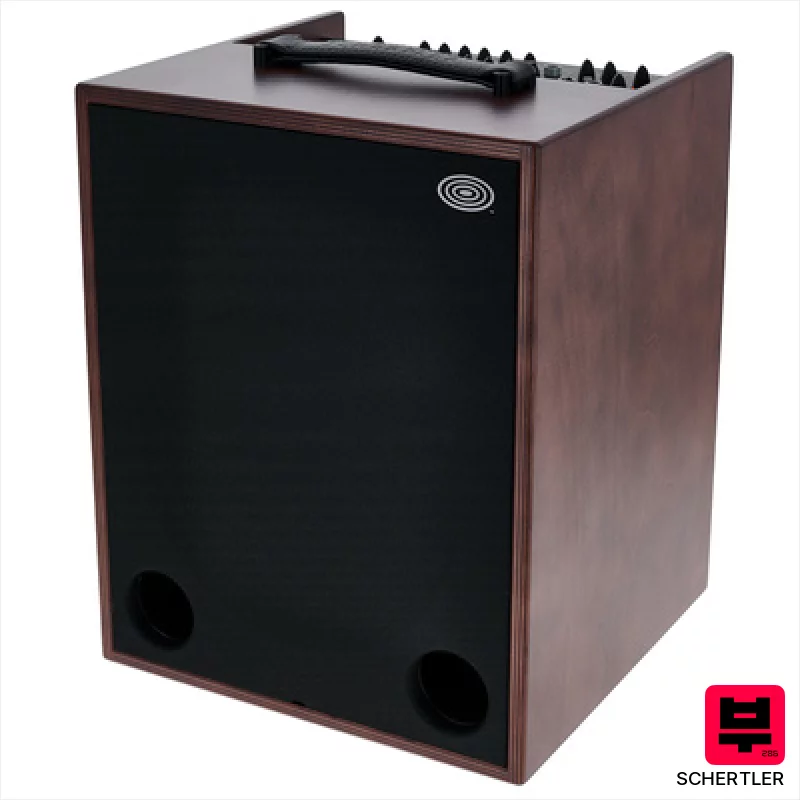
Schertler Roy X Wood
- • Schertler’s Class A preamp delivers exceptionally clean, dynamic amplification.
- • Wood enclosure contributes to a warmer, more natural acoustic tone.
- • Versatile channel options cater to diverse instruments and microphone setups.
- • Robust plywood construction ensures durability for gigging musicians.
- • The weight makes it less than ideal for frequent transport or smaller stages.
- • Premium-priced, representing a significant investment for many acoustic players.
- • Limited EQ control compared to some competitors, requiring external processing for extreme tonal shaping.
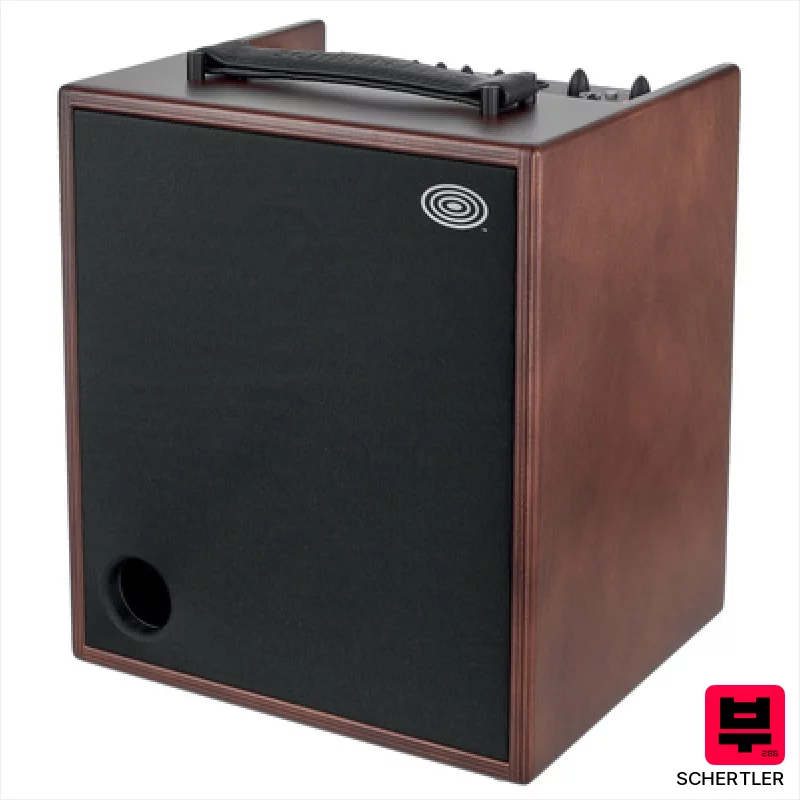
Schertler UNICO X
- • Class A preamp delivers exceptionally clean, dynamic, and responsive amplification.
- • Bass reflex design provides surprisingly deep and controlled low-frequency extension.
- • Five channels offer substantial routing flexibility for diverse acoustic setups.
- • High-quality speaker and tweeter combination ensures clarity across the entire frequency spectrum.
- • The all-tube design can be sensitive to environment and may require more maintenance.
- • Relatively heavy build makes it less ideal for frequent gigging or portability.
- • Limited EQ control on some channels might necessitate external processing for specific tonal shaping.
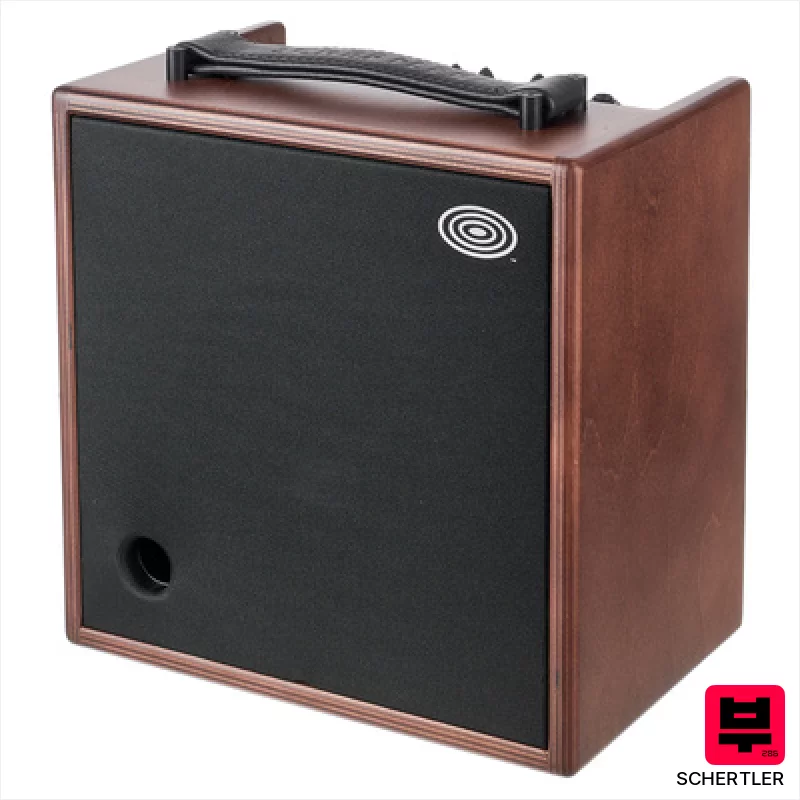
Schertler David X Wood
- • Birch enclosure delivers a warm, resonant acoustic tone.
- • Class A amplification provides clean headroom and dynamic response.
- • Versatile channel options suit solo performers and small ensembles.
- • Compact size and balanced XLR output ideal for stage use.
- • Limited headroom compared to higher-wattage amps for larger venues.
- • Digital reverb, while usable, lacks the depth of dedicated units.
- • 12mm birch construction, while good, isn't as robust as thicker hardwoods.
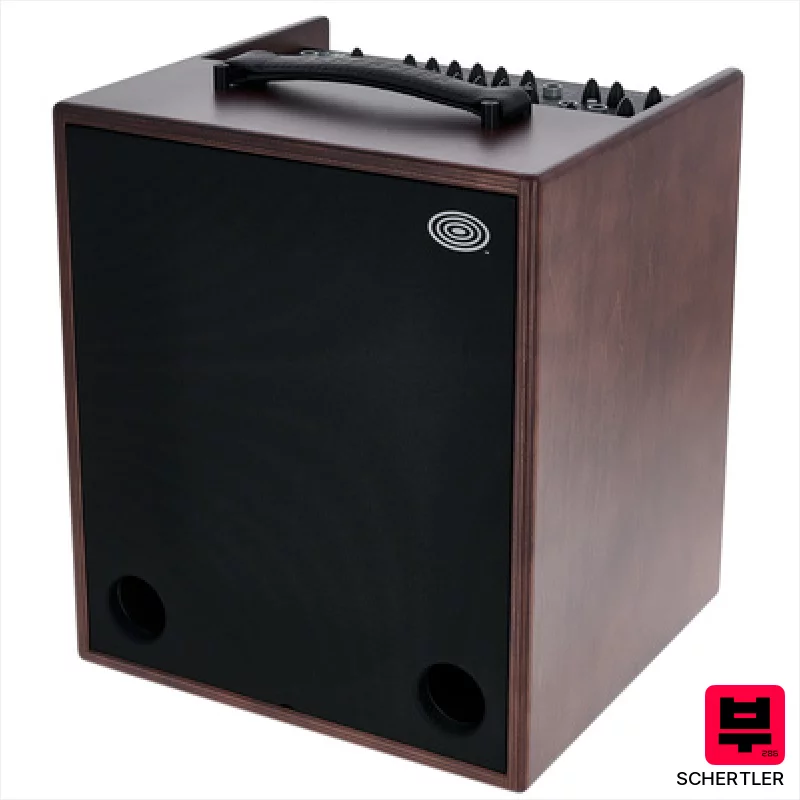
Schertler Giulia X Wood
- • Plywood enclosure delivers a warm, naturally pleasing acoustic tone.
- • Class A preamp ensures pristine, low-noise amplification of delicate signals.
- • Balanced XLR input with 24V phantom power handles high-end microphones easily.
- • Compact size and lightweight design (7.5kg) make it gig-ready and portable.
- • 5.5in speaker limits maximum volume for larger venues or loud bands.
- • Limited EQ controls may require external processing for extensive tonal shaping.
- • Wood finish, while attractive, is susceptible to scratches and dings.
Schertler JAM X
- • Class A preamp delivers exceptionally clean, dynamic acoustic tone with minimal coloration.
- • Versatile five-channel design accommodates microphones, instruments, and auxiliary inputs.
- • Optimized 8” woofer/1” tweeter provides surprisingly full-bodied sound for its size.
- • Built-in effects, particularly the decay reverb, are genuinely usable and musical.
- • The unit’s weight makes it less ideal for frequent gigging or transport.
- • Five channels, while flexible, can be a bit complex for simpler acoustic setups.
- • The Mid Frequency control on some channels feels less precise than desired.
How to Choose the Best Acoustic Guitar Amps
Heritage & Design
Schertler's roots are in classical amplification - they've been building amps for acoustic instruments for decades. This focus on natural tone and accurate reproduction is baked into their design philosophy, unlike some brands that started with PA speakers and retrofitted guitar features.
D.A.S. Technology
Schertler's Dynamic Acoustic System (D.A.S.) is their signature. It's a multi-channel, bi-amplification system that intelligently adjusts EQ and headroom based on the input signal, resulting in a remarkably consistent and transparent sound across a wide range of playing volumes. It's not just marketing hype; it genuinely makes a difference.
Tone Characteristics
Expect a very natural, uncolored sound - the emphasis is on letting your guitar's inherent tone shine. There's a warmth and richness in the midrange that's often missing in brighter amps, and the highs are sparkly without being harsh or ice-picky. The low-end is surprisingly present without being muddy, providing a nice thump when you need it.
Build Quality
These are solid, well-built amps. The cabinets are typically made from Baltic birch plywood, which is noticeably more robust than the cheaper MDF you often find. The components are high-quality, and they're clearly designed to withstand the rigors of gigging - though the TMT series, being more compact, can feel a little less substantial.
Connectivity & Features
Schertler amps offer a good range of connectivity options, including XLR and TRS inputs/outputs for direct recording, effects loops, and multiple speaker outputs for expansion. The built-in tuners are a nice convenience, though not a deal-breaker for most players.
Buying Guide
Schertler amps aren't cheap - you're paying for that uncompromising commitment to natural tone and solid construction. The Dynacord-powered models offer more headroom and clean power for louder stages, while the smaller TMT series are great for smaller gigs and practice. Don't expect a ton of built-in effects; Schertler's philosophy is to amplify your existing tone, not color it - so factor in the cost of pedals if you rely on those.
How This List Is Built
We don't play these instruments — we're a catalog, not a review desk, and we'd rather say so than pretend otherwise. This page ranks 5 acoustic guitar amps from the Thomann catalogue, which is the largest single source of specification data in this category.
Position is computed, not curated. Four signals, in order of weight: how completely the manufacturer documents the instrument (number of published specifications), where it sits in the price range, how specific the model designation is — which filters out generic accessories — and whether a product image exists. The same inputs always produce the same order, so nothing here is shuffled to look fresh.
What this list is good for: narrowing a category down to a shortlist by spec and budget. What it isn't: a substitute for hearing an instrument. Before you buy, read hands-on reviews and, where you can, play it. Full methodology.

