
Best Acoustic Guitar Amps for Small Venues 2026
So, you're playing coffee shops, bars, or small clubs and your acoustic needs some serious amplification? Forget about miking up - it's a recipe for feedback and frustration. An acoustic amp isn't just about making it louder; it's about preserving the natural warmth and articulation of your instrument while cutting through a room with drums and vocals. Let's break down the best options for small venue gigs, where clarity and reliable headroom are everything.
Last updated: July 22, 2026 • Next update: July 29, 2026

Udo Roesner Da Capo 75
- • Excellent dynamic range for nuanced acoustic performance.
- • Udo Roesner's signature clean, balanced amplification sound.
- • Compact, bass-reflex design provides surprising low-end response.
- • Versatile connectivity with DI, aux, and effects loop options.
- • Footswitch sold separately – a frustrating omission at this price.
- • 8” coaxial speaker limits ultimate low-frequency extension.
- • Limited effect selection, though high-quality for what’s offered.
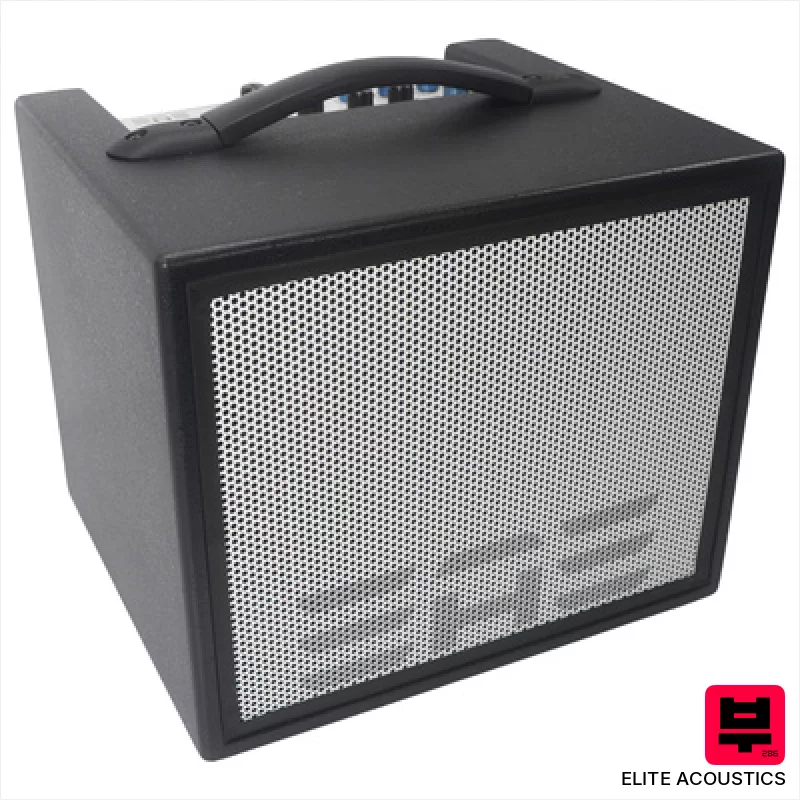
Elite Acoustics A1-8 PB Acoustic Amplifier
- • Excellent clarity from the silk dome tweeters, surprisingly full sound.
- • Battery power offers true portability for gigs and practice.
- • Versatile effects section expands sonic possibilities beyond basic amplification.
- • Solid build quality; the closed housing feels robust and durable.
- • The 8” woofer may lack serious low-end for larger venues.
- • Limited headroom at higher volumes; can introduce distortion.
- • The EQ, while present, isn’t exceptionally detailed or refined.

Acus One Ferdi 10 Blackwood
- • Blackwood enclosure offers a surprisingly warm, resonant character for an amp.
- • Compression on channel one is genuinely useful, taming dynamics effectively.
- • The 1” compression driver delivers crisp highs without harshness, surprisingly clean.
- • Versatile three-channel design easily handles vocals, instruments, and loops.
- • Relatively heavy; portability will be a consideration for gigging musicians.
- • EQ, while flexible, might feel a bit basic for complex tonal sculpting.
- • Limited effects options; best used as a clean platform for external pedals.
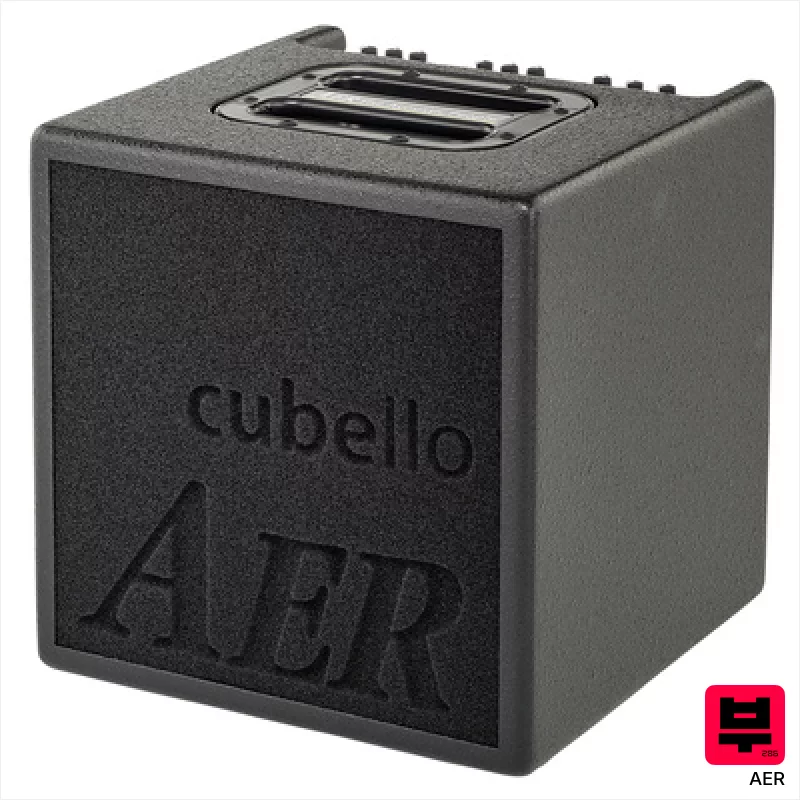
AER Cubello
- • Excellent clean tone, remarkably transparent for acoustic amplification.
- • Compact, closed-back design minimizes unwanted resonances.
- • Versatile EQ controls offer precise shaping for vocals and instruments.
- • Robust build quality; feels solid and durable despite its size.
- • Limited headroom at higher volumes; best suited for smaller gigs.
- • 8” speaker restricts low-end extension compared to larger amps.
- • Closed-back design can slightly dampen the natural acoustic projection.
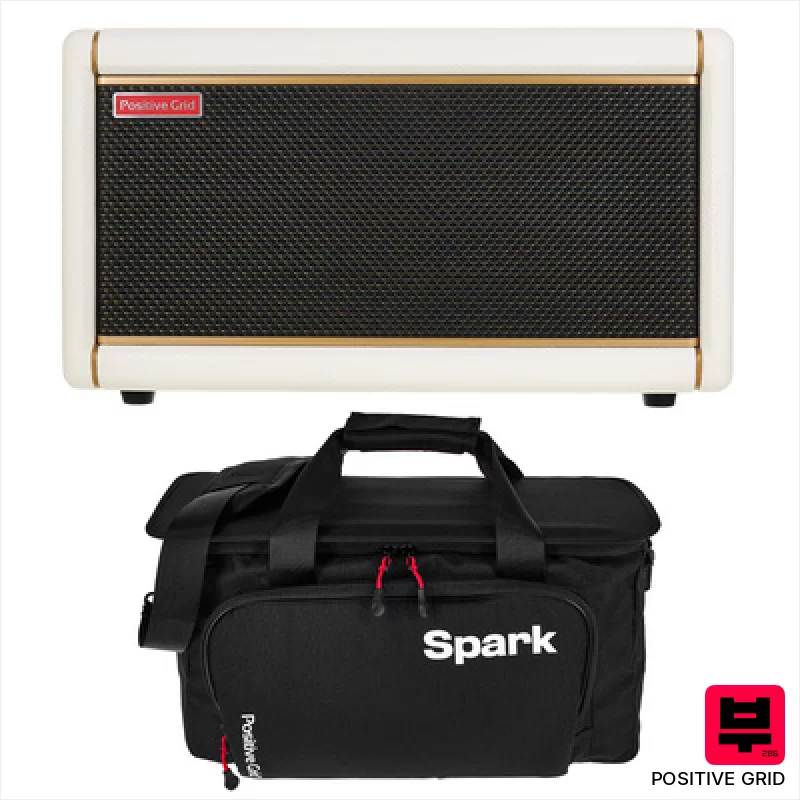
Positive Grid Spark 2 PW w/Bag
- • Excellent Bluetooth speaker integration for jamming and casual listening.
- • Spark AI simplifies sound discovery, especially for beginners.
- • The onboard looper is surprisingly robust for practice and songwriting.
- • Portable battery operation offers impressive flexibility for mobile use.
- • Limited channel flexibility; one main channel restricts complex layering.
- • The 'Sonic IQ' algorithm can occasionally produce sterile, processed tones.
- • Angled speakers might not provide optimal stereo imaging in all environments.

Fishman 70th Loudbox Mini Bluet LTD BK
- • Compact size belies surprising power and headroom for acoustic gigs.
- • Bluetooth connectivity offers convenient backing track or loop integration.
- • Fishman’s renowned preamp delivers clean, articulate tone with warmth.
- • The included cover is a thoughtful touch, protecting the amp during transport.
- • The 6.5” speaker limits low-end response, especially for bass-heavy material.
- • Limited EQ control on the mic channel feels restrictive for vocalists.
- • While portable, 9.6kg is still a noticeable weight for extended travel.

Hanika DaCapo 75 Riegelnuss
- • Riegelnuss wood provides a warm, resonant aesthetic and pleasing feel.
- • Udo Rösner modification suggests enhanced sonic clarity and response.
- • Dedicated DI output simplifies live performance and recording workflows.
- • Bass reflex design delivers surprising low-end extension for its size.
- • Flamed nut wood, while beautiful, can be susceptible to humidity changes.
- • 75 watts might be limiting for very loud stage environments.
- • Limited EQ controls offer less sculpting flexibility than some competitors.
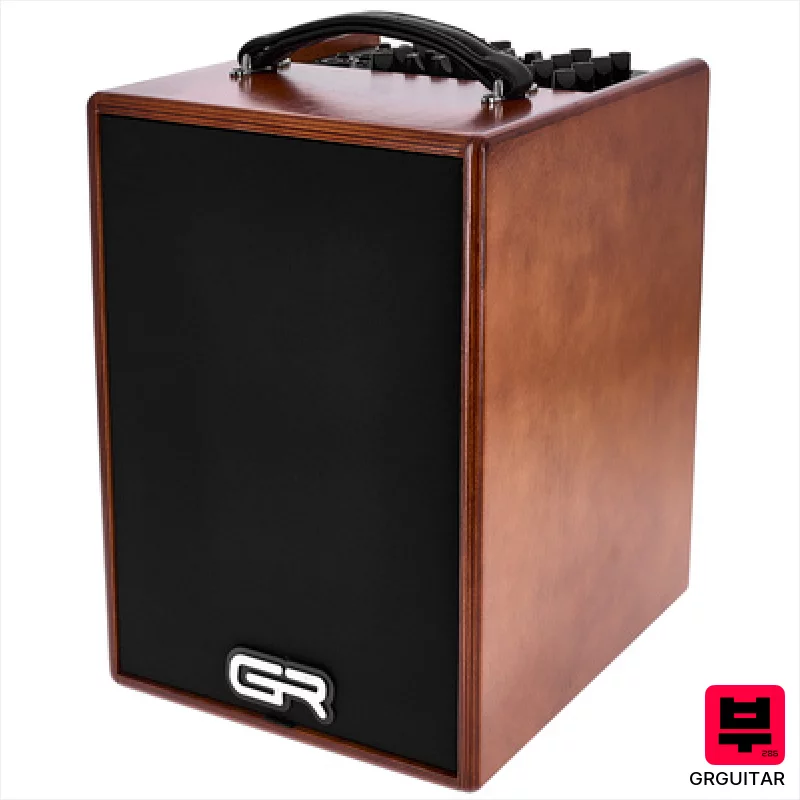
GRGuitar WDAC8 Acoustic Combo Wood
- • Solid wood enclosure minimizes resonance and adds warmth to the amplified tone.
- • Bi-amped design delivers clear highs and powerful lows, avoiding muddiness.
- • The electronic crossover provides precise frequency separation for balanced sound.
- • Comprehensive effects suite offers versatile sonic shaping possibilities for various genres.
- • The front-firing bass reflex port can be prone to feedback in smaller, untreated rooms.
- • While versatile, the 8” speaker might lack ultimate low-end extension for very large acoustic instruments.
- • The weight, while not extreme, makes it less ideal for frequent gigging or transport.

Joyo BSK-80 Bundle
- • Battery power offers excellent portability for gigs or practice.
- • Dual channels accommodate both acoustic guitar and microphone input.
- • The 3” tweeter adds clarity and sparkle to the overall sound.
- • Built-in effects (chorus, reverb, delay) offer creative sound shaping.
- • The closed cabinet design might lack the open airiness of some acoustic amps.
- • At 14.2kg, it's fairly heavy, limiting truly easy portability.
- • While versatile, the effects are more 'good enough' than truly high-end.
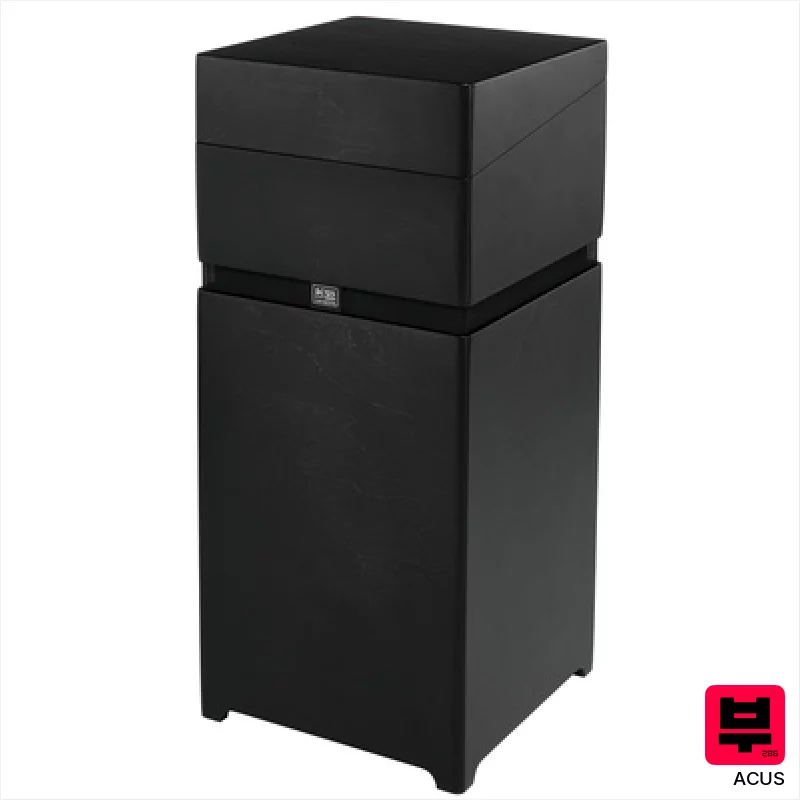
Acus Allaround 10 Blackwood
- • Blackwood cabinet delivers a warm, resonant aesthetic and acoustic properties.
- • Coaxial speaker design provides surprisingly wide and even sound dispersion.
- • The 3D bass reflex system genuinely adds depth without muddiness.
- • Bluetooth connectivity with EQ offers convenient versatility for backing tracks.
- • 50 watts might be limiting for larger stages or louder ensembles.
- • The minimalist design, while elegant, lacks some practical input labeling.
- • Power bank operation is limited to 15 watts; significantly reduced power.

Acus One Ferdi 4 Blackwood
- • Cherry plywood housing offers a surprisingly warm, resonant tone.
- • The 4” woofer delivers a full low-end for acoustic instruments.
- • Integrated reverb is usable and adds subtle depth without muddiness.
- • Compact size and lightweight design (2.4kg) makes it highly portable.
- • Single channel limits flexibility for complex setups or multiple instruments.
- • The 40W power may be limiting for larger venues or louder ensembles.
- • Plywood construction, while sonically pleasing, may not be as durable as solid wood.
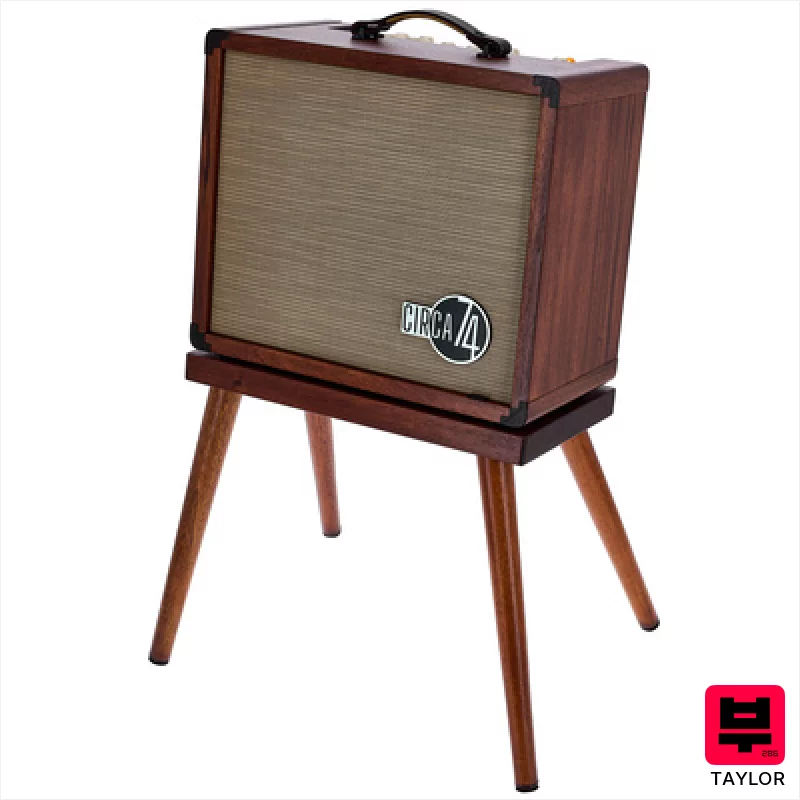
Taylor Amp Circa 74 AV150-10
- • Mahogany enclosure delivers a warm, vintage-inspired sonic character.
- • Dual channels offer flexibility for guitar and vocal amplification.
- • 10” speaker provides surprisingly full-bodied sound for its size.
- • Integrated stand adds convenience and aesthetic appeal for stage use.
- • 150 Watts might be limiting for very loud stage environments.
- • EQ is basic; lacks more sophisticated shaping options.
- • Bluetooth connectivity could be more stable or feature advanced codec support.
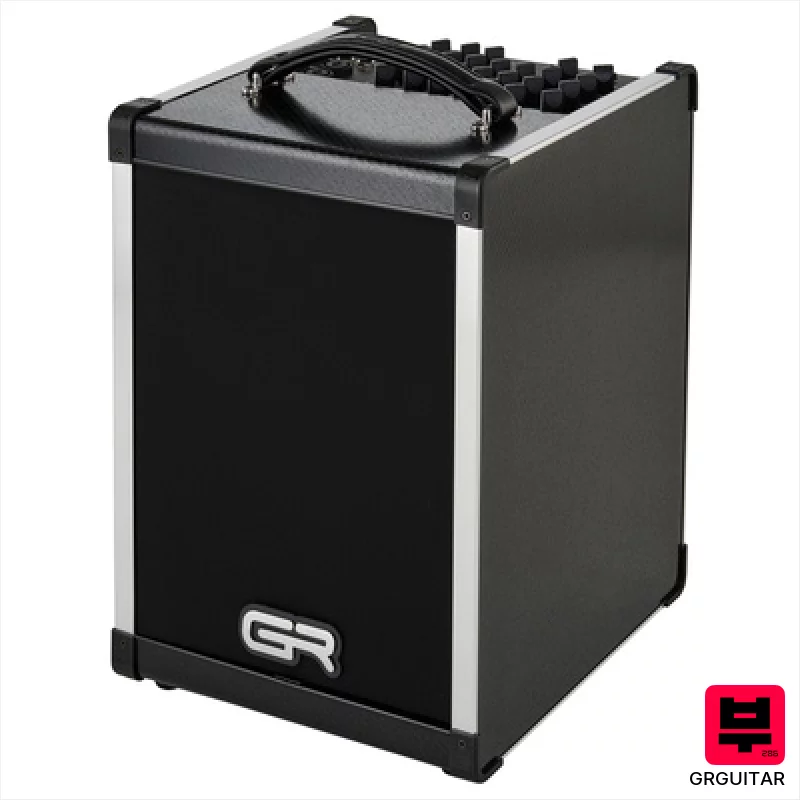
GRGuitar BFAC8 lightweight fiber Acoust
- • Lightweight fiber construction dramatically reduces stage fatigue.
- • Italian craftsmanship evident in the solid build and attention to detail.
- • Bi-amped design delivers clear highs and powerful, controlled lows.
- • The electronic crossover ensures a balanced and articulate frequency response.
- • Limited channel flexibility compared to more complex mixing consoles.
- • Fiber construction, while lightweight, might feel less robust than traditional wood.
- • Effect selection, while diverse, might feel somewhat basic for seasoned users.

Joyo BSK-150 Black
- • Excellent built-in effects; reverb, chorus, and delay are surprisingly usable.
- • Battery operation provides impressive portability and flexibility for gigs.
- • Tiltable housing and tripod mount offer convenient stage placement options.
- • The looper and drum patterns are genuinely useful for practice and performance.
- • Tweeter quality might lack the refinement of higher-end acoustic amps.
- • EQ controls, while numerous, could benefit from more precise adjustments.
- • While versatile, the 150W power might be limiting for larger venues.

Taylor Koa Circa 74 Amp + Stand
- • Stunning Koa enclosure provides resonant acoustic character.
- • Dual channels offer exceptional flexibility for guitar and vocal pairing.
- • 150W RMS power easily handles stage volume and projection.
- • Custom Koa stand complements aesthetics and provides stable placement.
- • Limited European availability creates potential acquisition challenges.
- • Premium-priced, restricting accessibility for budget-conscious musicians.
- • EQ is basic; lacks advanced shaping options for nuanced tones.
How to Choose the Best Acoustic Guitar Amps
Tonal Character
A good acoustic amp shouldn't drastically alter your guitar's natural tone. We're looking for amps that capture the warmth of mahogany, the sparkle of spruce, and provide a natural, uncolored foundation - not a hyped-up, overly bright sound. That 'fat midrange honk' is a plus, especially when cutting through a mix.
Headroom & Clean Breakup
Small venues are often loud. You need an amp with enough headroom to handle the volume without introducing unwanted distortion or compression. That sweet spot where it starts to breakup slightly can be a vibe, but it needs to be controllable.
EQ & Effects
Simple EQ controls (bass, mid, treble) are essential for dialing in your tone. Built-in effects like reverb and chorus are nice to have, but quality matters - cheap digital reverb sounds like a tin can. Consider how flexible the amp is for shaping your sound.
Pickup Compatibility
Different acoustic pickups have different voicing. Some amps handle piezo pickups better than others, while others shine with magnetic soundholes. The amp's preamp needs to be able to handle the signal without clipping or sounding harsh, especially with brighter pickups.
Portability & Durability
Gigging means hauling gear. Weight and size matter, as does build quality. A flimsy amp isn't going to last long on the road, and lugging a heavy beast around gets old fast.
Buying Guide
Don't fall for marketing hype about "studio-quality" tone on a budget. Cheaper amps often cut corners on components, resulting in a muddy low-end and harsh high frequencies. Spend a bit more for a reputable brand with decent EQ controls and a clean preamp - it's an investment in your sound and your sanity. Look for a balanced frequency response and consider how the amp will interact with your specific pickup system.
Our Methodology
We've spent the last few months putting a bunch of acoustic amps through their paces - both in a controlled studio environment and, crucially, plugged into a full band setup at local gigs. We're not just looking at specs; we're listening for that sweet spot where the amp enhances your guitar's voice without adding unwanted coloration or muddying the low end. It's about how it feels to play, and how it translates to a live audience.

