
Best AER Acoustic Guitar Amps 2026
Alright, so you're looking to amplify your acoustic? It's a tricky beast - you want naturalness, warmth, and articulation, not a brittle, processed sound. Aer amps have been quietly carving out a serious reputation for nailing that balance, and for good reason. They've got a heritage rooted in high-end pro audio, and it shows in the results - they're a different breed than your typical acoustic amp.
Last updated: April 11, 2026

AER Compact 60 IV Oak Natural
- • Solid oak cabinet provides exceptional resonance and a premium feel
- • AER’s renowned clean amp character excels for nuanced acoustic tones
- • Dual 8-inch speakers deliver surprising power and full-frequency response
- • Versatile channel options cater to both acoustic and vocal sources
- • The oak cabinet adds considerable weight, making transport cumbersome
- • Limited EQ control on Channel 2 restricts advanced tonal sculpting
- • Premium-priced, may be a barrier for budget-conscious performers

AER Compact Classic Pro
- • Exceptional clarity for classical and nylon string tones.
- • Optimized 2-way speaker system delivers impressive frequency range.
- • Flexible parametric EQ allows precise tonal shaping.
- • DI output with selectable pre/post routing is gig-ready.
- • Premium-priced, a significant investment for most players.
- • Closed housing can slightly dampen the natural acoustic resonance.
- • Aux RCA inputs feel dated compared to modern connectivity options.

AER Compact 60 Slope IV
- • Exceptional clarity and warmth thanks to AER's unique Class-D amp design
- • Slope IV voicing provides versatile tonal options for fingerstyle and flatpicking
- • Robust, slanted cabinet design minimizes feedback in live performance settings
- • Excellent built-in effects, especially the chorus and reverb, are genuinely usable
- • Premium-priced, a significant investment for an acoustic amp
- • Limited headroom at higher volumes; best suited for smaller stages or ensembles
- • Channel 2’s EQ is basic, lacking the flexibility of Channel 1
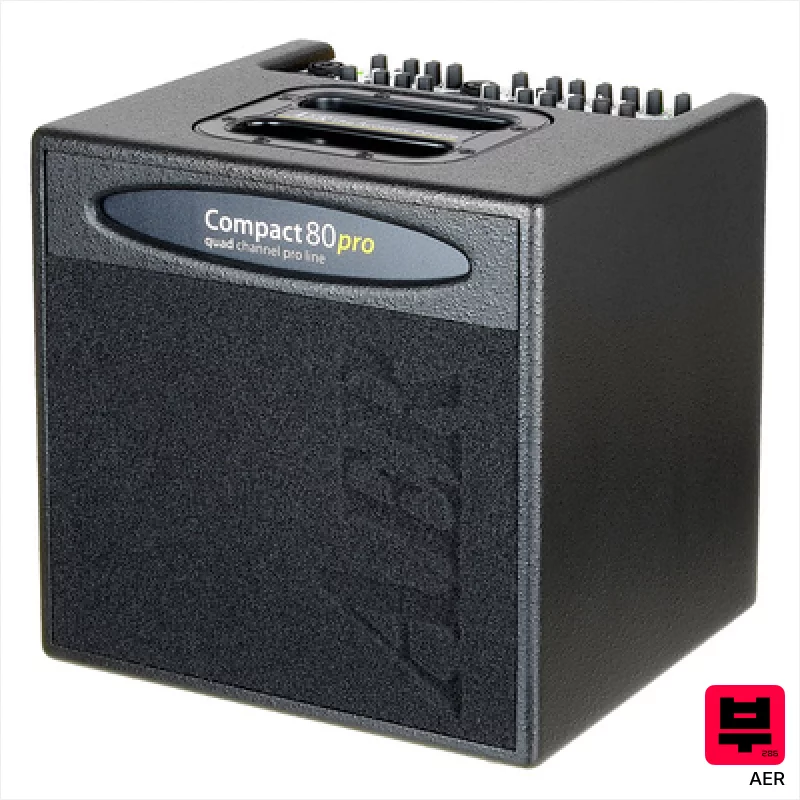
AER Compact 80 Pro
- • Four channels offer exceptional flexibility for complex stage setups and duo performances.
- • AER's custom 8” dual-cone speakers deliver surprisingly full and balanced acoustic tone.
- • The bass reflex cabinet design provides genuinely improved low-end response for its size.
- • Individual EQ on most channels allows precise tonal shaping for each instrument/vocal.
- • The 80-watt output, while sufficient for many, may struggle in larger venues.
- • Relatively heavy for a 'compact' amp, making transport a consideration for solo artists.
- • Channel 3 lacks a dedicated midrange EQ control, limiting some tonal sculpting options.

AER Compact Mobile2
- • Excellent dynamic range, handles both fingerstyle and strumming beautifully
- • Battery life is genuinely impressive for a powered amp
- • Dual channels offer flexibility for duo performances or mic'd vocals
- • Build quality is superb – feels rock solid and ready for the road
- • Relatively heavy for a 'mobile' amp, transport can be a chore
- • EQ options on Channel 1 feel slightly limited for complex tonal shaping
- • Premium-priced, a significant investment for many acoustic players
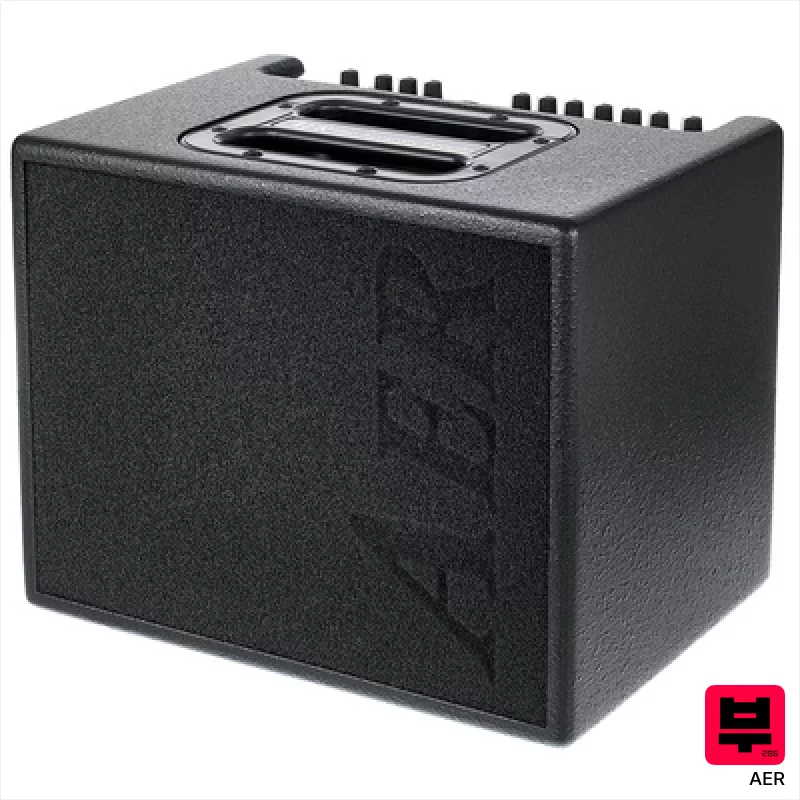
AER Compact 60 IV BK
- • Exceptional clarity and warmth; AER's signature sound shines through.
- • Compact size belies surprising power and headroom for acoustic instruments.
- • Versatile EQ and effects offer considerable tonal shaping possibilities.
- • Robust build quality; the enclosure feels incredibly solid and durable.
- • The 8-inch twin cone speaker limits deep bass response at higher volumes.
- • Premium-priced; a significant investment compared to more basic acoustic amps.
- • Limited channel separation; blending can be challenging without external processing.
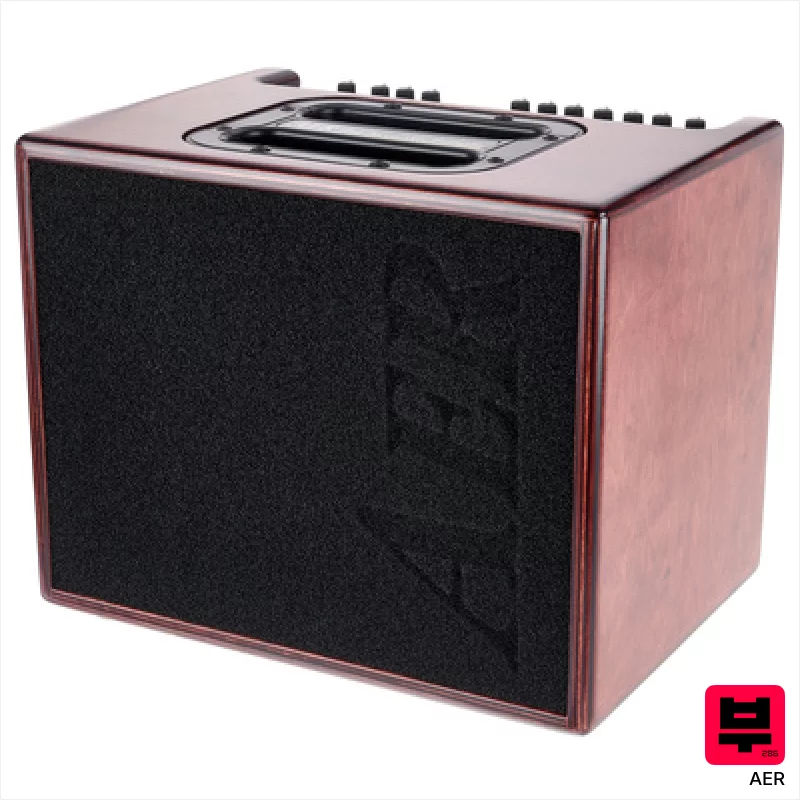
AER Compact 60 PMH
- • Mahogany cabinet delivers a warm, resonant acoustic foundation.
- • Twin cone speakers provide surprisingly full and even frequency response.
- • Versatile 2-channel design handles both acoustic and vocal mics effectively.
- • Compact size and included gig bag make it easily portable for gigging.
- • Limited headroom at higher volumes; best suited for smaller to mid-sized stages.
- • EQ isn't as flexible as some higher-end acoustic amps.
- • While portable, 6.5 kg can still be a bit heavy for extended carry.

AER Compact XL
- • Exceptional clarity and warmth due to AER’s unique Class D amplification.
- • Versatile channel options accommodate both dynamic and condenser microphones.
- • Compact size and lightweight design for easy portability on gigs.
- • Effective built-in effects offer immediate sonic enhancement without external pedals.
- • Premium-priced, representing a significant investment for many acoustic performers.
- • Limited EQ control on Channel 2 compared to the more flexible Channel 1.
- • RCA input feels somewhat dated in a modern, digital-focused environment.
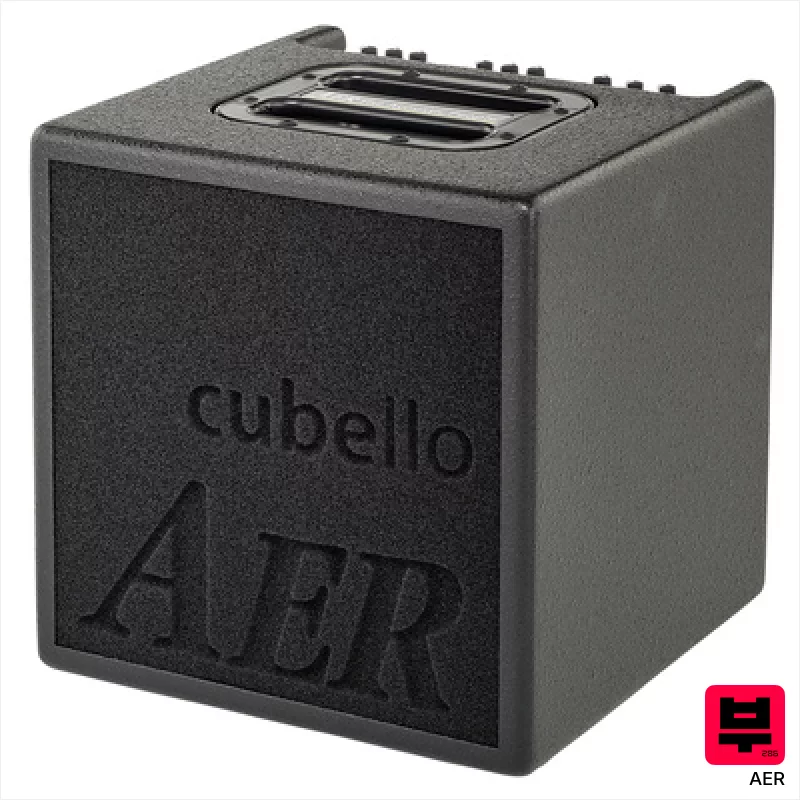
AER Cubello
- • Excellent clean tone, remarkably transparent for acoustic amplification.
- • Compact, closed-back design minimizes unwanted resonances.
- • Versatile EQ controls offer precise shaping for vocals and instruments.
- • Robust build quality; feels solid and durable despite its size.
- • Limited headroom at higher volumes; best suited for smaller gigs.
- • 8” speaker restricts low-end extension compared to larger amps.
- • Closed-back design can slightly dampen the natural acoustic projection.
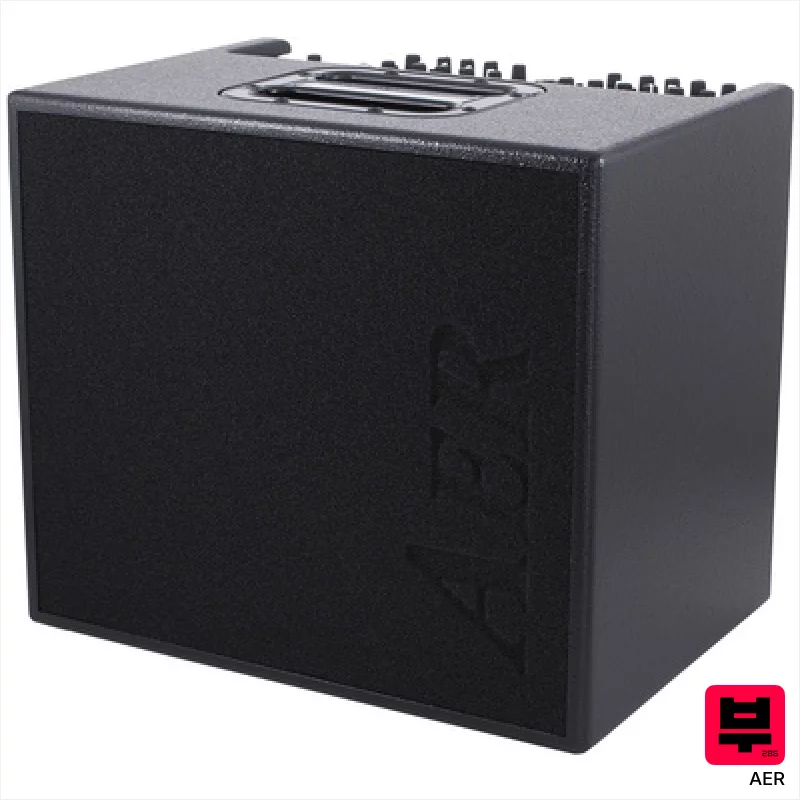
AER Domino 2.A
- • Exceptional clarity and warmth, thanks to AER's analog signal path.
- • Robust, road-worthy build quality with a surprisingly compact form factor.
- • Versatile channel options accommodate diverse acoustic and vocal sources.
- • Tweeter adds sparkling high-end detail without harshness; very natural.
- • Premium-priced, putting it out of reach for casual acoustic players.
- • Limited low-end extension compared to larger, powered sub combos.
- • The digital effects, while useful, aren't the core strength; AER's analog processing is.
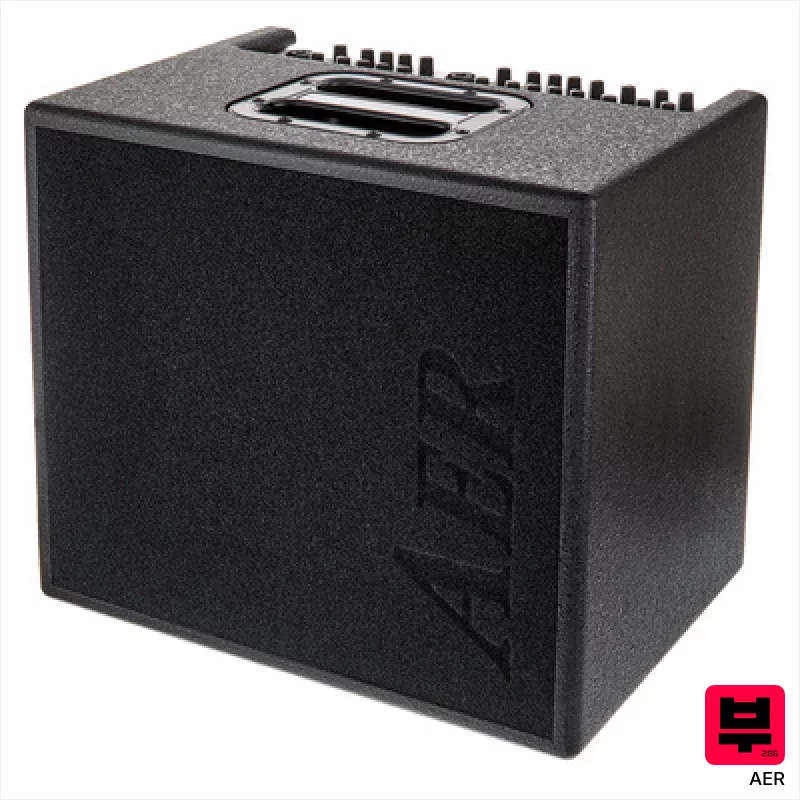
AER Domino 3
- • Exceptional clarity and warmth thanks to AER’s analog signal path
- • The four channels offer remarkable flexibility for diverse acoustic setups
- • Robust build quality with durable cabinet construction and reliable components
- • Integrated effects board provides a surprising range of usable tones on the fly
- • Premium-priced, representing a significant investment for most players
- • Relatively heavy, making transport and gigging a bit cumbersome
- • Limited headroom at higher volumes compared to some larger amps

AER Alpha
- • Exceptional clarity and natural acoustic tone reproduction
- • Compact and lightweight for easy transport and stage use
- • Versatile XLR input handles dynamic mics and piezo pickups equally well
- • Color switch adds subtle tonal variations for performance
- • Single channel limits complex layering or effects routing
- • Limited power may struggle with very large stages or loud bands
- • EQ is basic; lacks mid-sweep or more sophisticated shaping
How to Choose the Best Acoustic Guitar Amps
Heritage & Design
Aer was initially a PA speaker company, and that engineering expertise shines through. Their focus isn't just on acoustic amplification; it's on reproducing the natural sound of your guitar with incredible accuracy - a level of detail most acoustic amps miss.
DSP & Modeling
The built-in DSP isn't just for adding reverb. Aer's 'Solo' and 'Band' modes genuinely shape the tone to help you cut through different environments. Solo mode is phenomenal for fingerstyle work, adding warmth and presence without muddiness. Band mode gives you that needed edge for rehearsals.
Speaker Technology
Aer uses custom-designed neodymium speakers that are lightweight and deliver surprising power. The voicing leans towards a natural, balanced response - no harsh highs or scooped mids. They handle dynamic playing beautifully, with excellent transient response.
Connectivity & Features
Beyond the usual EQ and effects, Aer amps offer flexible connectivity options, including XLR inputs and outputs for studio integration. The aux input is actually useful for backing tracks or looping, and the headphone output is great for late-night practice without annoying the neighbors.
Build Quality
These aren't built like your bargain-bin amps. The enclosures are solid, the components feel premium, and the overall construction feels built to withstand the rigors of gigging. It's an investment, but it shows.
Buying Guide
Aer amps aren't cheap, but you're paying for a level of sonic accuracy and build quality that's hard to find elsewhere. The smaller models (like the Alpha) are fantastic for bedroom practice and smaller gigs, while the larger units (like the HR) are a serious contender for stage work. Don't expect earth-shattering volume from the smaller models - headroom is decent, but they're not designed to be sledgehammers. Consider your typical playing environment and volume needs carefully.
How This List Is Built
We don't play these instruments — we're a catalog, not a review desk, and we'd rather say so than pretend otherwise. This page ranks 12 acoustic guitar amps from the Thomann catalogue, which is the largest single source of specification data in this category.
Position is computed, not curated. Four signals, in order of weight: how completely the manufacturer documents the instrument (number of published specifications), where it sits in the price range, how specific the model designation is — which filters out generic accessories — and whether a product image exists. The same inputs always produce the same order, so nothing here is shuffled to look fresh.
What this list is good for: narrowing a category down to a shortlist by spec and budget. What it isn't: a substitute for hearing an instrument. Before you buy, read hands-on reviews and, where you can, play it. Full methodology.

