
Best Fender Acoustic Guitar Amps 2026
So, you're looking to amplify your acoustic? Fender isn't the first brand that springs to mind for most folks, but they've been quietly building some surprisingly capable acoustic amps over the years. Forget the tweed and overdrive - we're talking about getting a natural, balanced acoustic tone that cuts through a mix, whether you're gigging in a coffee shop or laying down tracks in the studio. Let's dive into what Fender brings to the acoustic amp game.
Last updated: April 11, 2026
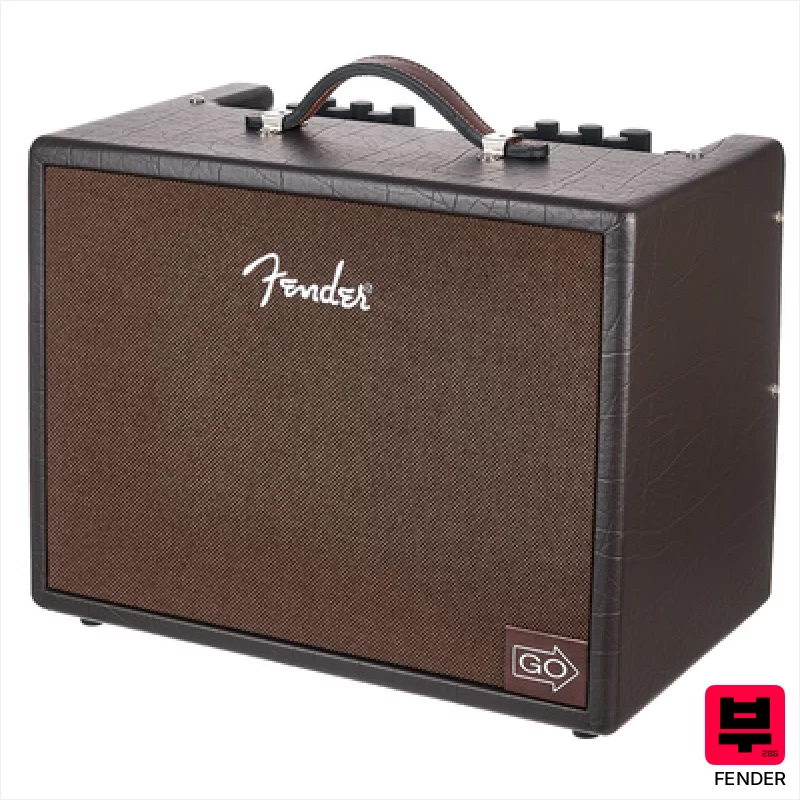
Fender Acoustic Junior GO
- • Excellent clean headroom for acoustic instruments and vocals
- • The compression tweeter provides surprisingly crisp highs without harshness
- • Battery operation offers genuine portability and stage convenience
- • Intuitive controls and a good selection of usable digital effects
- • The 8-inch speaker limits low-end extension, especially for bass-heavy instruments
- • Lack of a footswitch complicates effect switching during performance
- • The dark brown finish might not appeal to everyone's aesthetic preference
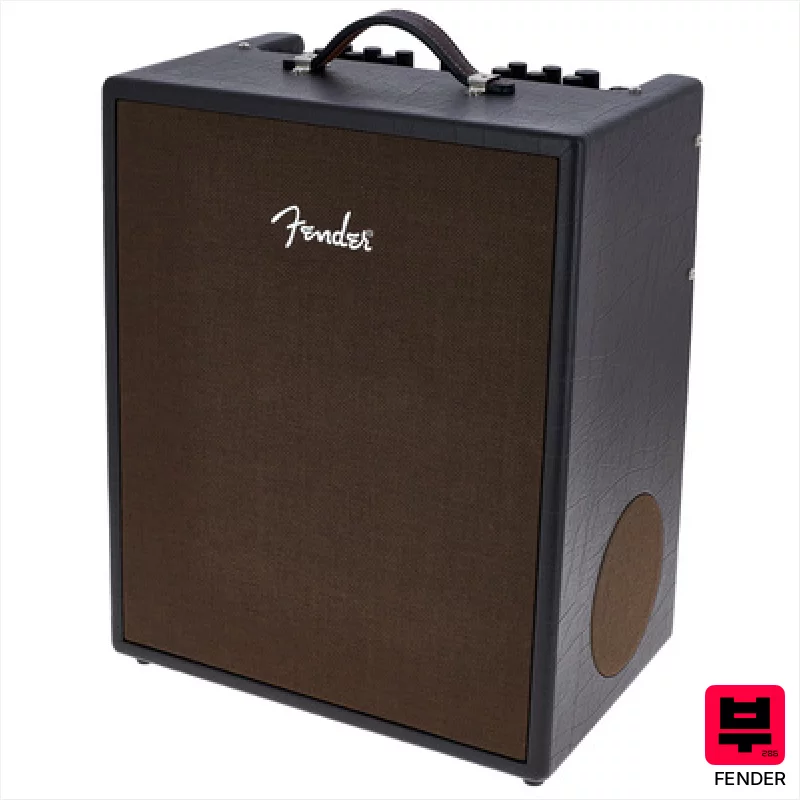
Fender Acoustic SFX II
- • Excellent clarity thanks to the hi-fi compression tweeter.
- • Versatile effects suite covers a wide range of acoustic needs.
- • Solid build quality; feels robust and durable for gigging.
- • Bluetooth connectivity adds modern convenience for backing tracks.
- • Limited headroom at higher volumes; can get fizzy.
- • Relatively heavy for transport, especially for solo performers.
- • Midrange can be slightly scooped, requiring EQ adjustments.
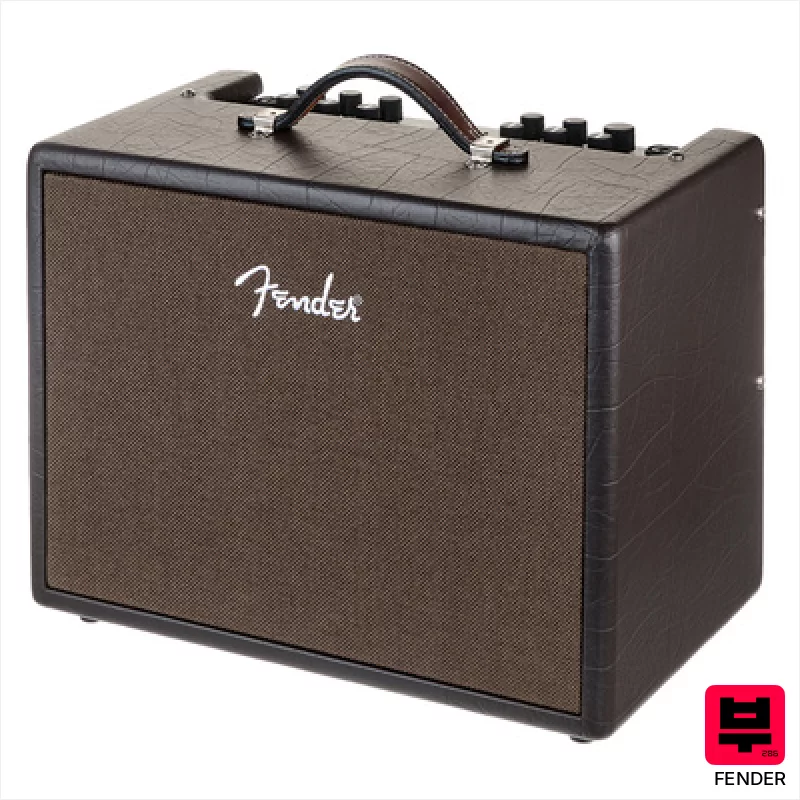
Fender Acoustic Junior
- • Excellent clean tone, ideal for vocal amplification and fingerstyle playing
- • Compact size and lightweight design (6.8 kg) enhance portability
- • Built-in effects provide usable textures without external pedals
- • XLR inputs allow for professional microphone connectivity and mixing
- • EQ range is somewhat limited for truly shaping complex acoustic sounds
- • Bluetooth connectivity is a nice touch, but lacks advanced codec support
- • Limited headroom at higher volumes; may struggle with louder ensembles
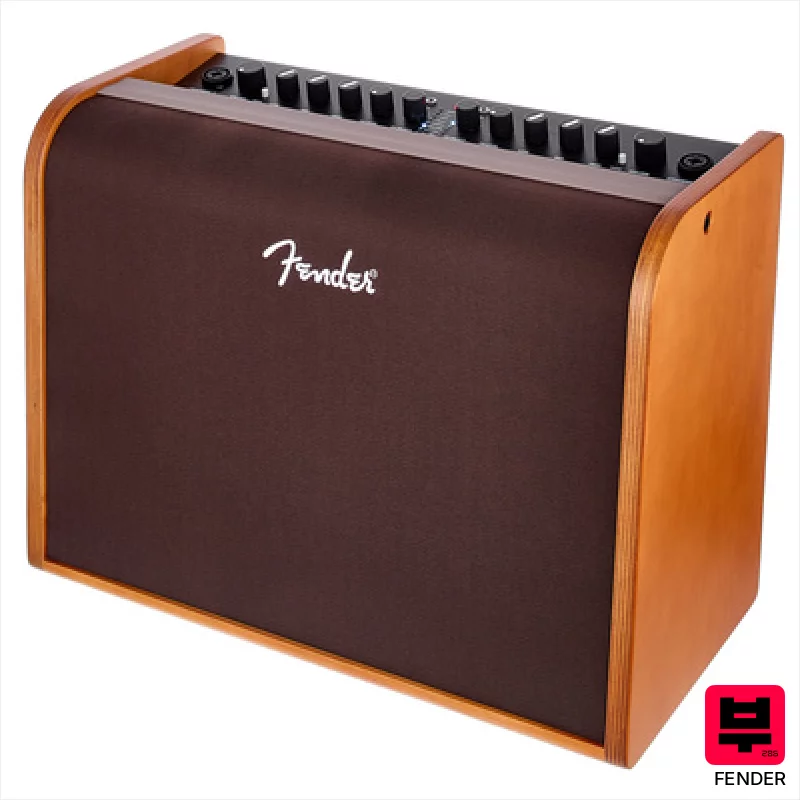
Fender ACOUSTIC 100
- • Excellent clean headroom for acoustic and vocal amplification
- • Whizzer cone speaker delivers surprisingly full and natural tone
- • Dual channels with phase switch offer flexibility for stereo setups
- • Bluetooth connectivity adds modern convenience for backing tracks or streaming
- • 8-inch speaker limits low-end extension for bass-heavy styles
- • Limited effects selection compared to higher-end acoustic amps
- • Footswitch sold separately adds to the overall investment
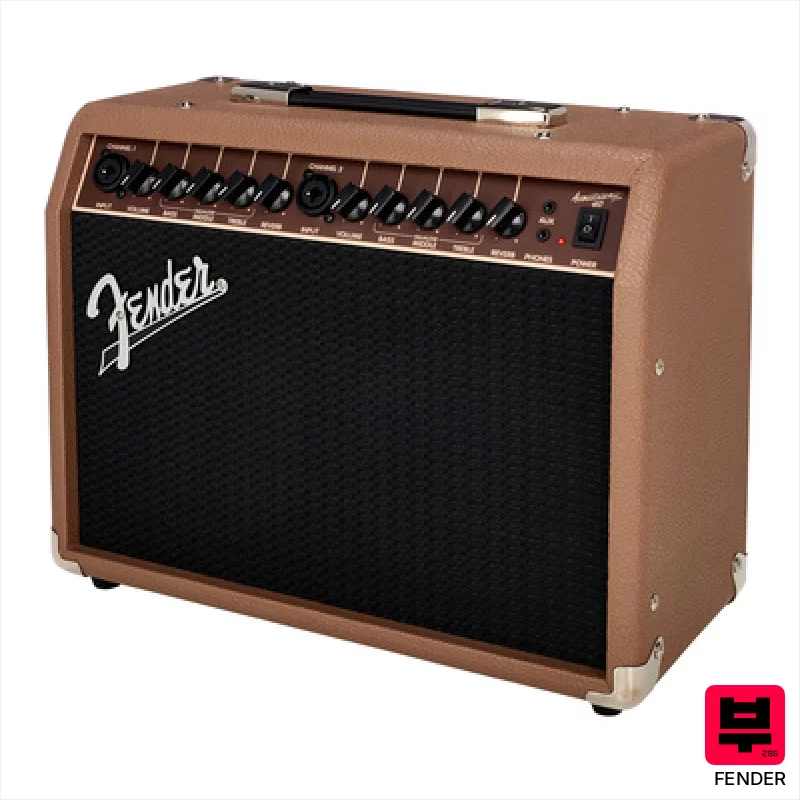
Fender Acoustasonic 40
- • Excellent clarity and warmth thanks to the Whizzer cone speakers.
- • Compact size makes it highly portable for gigging musicians.
- • Versatile EQ controls offer shaping for diverse acoustic instruments.
- • XLR input with phantom power expands mic options for vocalists.
- • Limited power output may struggle with louder band settings.
- • Speaker size restricts low-end extension compared to larger amps.
- • No built-in effects beyond reverb; requires external pedals for variety.

Fender Acoustasonic 15
- • Compact design ideal for small gigs and practice
- • Dedicated channel with XLR input for vocal mics
- • Fender’s voicing delivers a warm, balanced acoustic tone
- • Chorus effect adds subtle shimmer and depth
- • Limited power output struggles with larger venues
- • Speaker size restricts low-end extension at higher volumes
- • EQ controls are basic, lacking precise shaping options
How to Choose the Best Acoustic Guitar Amps
Tone Character
Fender's acoustic amps tend to be a bit more 'hi-fi' than some of the warmer, vintage-voiced competitors. You'll get clarity and articulation, but often with a slightly less 'woody' vibe. It's a clean, detailed sound that's great for fingerstyle or vocal-heavy performances, but might need some EQ tweaking for a more aggressive strumming style.
Built-in Effects
Many Fender acoustic amps include reverb and chorus. The reverb is usually decent - usable, not mind-blowing - but the chorus can sometimes sound a little generic. Don't rely on them to replace your dedicated pedalboard, but they're handy for adding a touch of ambience on the fly.
EQ and Voicing
Fender amps often have a multi-band EQ and some form of pickup voicing control. These are essential for dialing in a balanced sound that doesn't sound harsh or muddy, and the voicing controls can help compensate for different pickup types (undercarriage, soundhole, etc.).
Headroom and Power
Acoustic amps don't need a ton of wattage, but you want enough headroom to avoid breakup when playing with a band. Fender's models generally offer adequate headroom for most gigging situations, though pushing them too hard can reveal a slightly brittle high-end.
Build Quality
Fender's build quality is generally solid, but some of the more budget-friendly models use simpler construction and less premium components. Expect durable enclosures, but the speaker cones themselves might not be the highest-end - something to consider if you're a heavy hitter.
Buying Guide
Don't expect a Fender acoustic amp to give you that warm, woody 'vintage' vibe. They're geared towards clarity and articulation, which is great for certain styles, but might not be what you want for bluegrass or blues. Spend a bit more for a model with a good EQ section and a decent speaker - those cheap ones can sound thin and brittle pushed even a little bit. Ultimately, try before you buy if you can - acoustic amps are hugely dependent on your guitar and playing style.
How This List Is Built
We don't play these instruments — we're a catalog, not a review desk, and we'd rather say so than pretend otherwise. This page ranks 6 acoustic guitar amps from the Thomann catalogue, which is the largest single source of specification data in this category.
Position is computed, not curated. Four signals, in order of weight: how completely the manufacturer documents the instrument (number of published specifications), where it sits in the price range, how specific the model designation is — which filters out generic accessories — and whether a product image exists. The same inputs always produce the same order, so nothing here is shuffled to look fresh.
What this list is good for: narrowing a category down to a shortlist by spec and budget. What it isn't: a substitute for hearing an instrument. Before you buy, read hands-on reviews and, where you can, play it. Full methodology.

