
Best Acoustic Guitar Amps for Coffee Shops 2026
So, you're playing coffee shops? That's a sweet gig, but it's a tonal minefield. You need an acoustic amp that's more than just a glorified speaker - it needs to coax warmth and articulation out of your guitar, cut through the clatter of espresso machines, and not sound brittle when you're playing fingerstyle. Forget about stadium tones; we're chasing intimacy and clarity here.
Last updated: July 22, 2026 • Next update: July 29, 2026
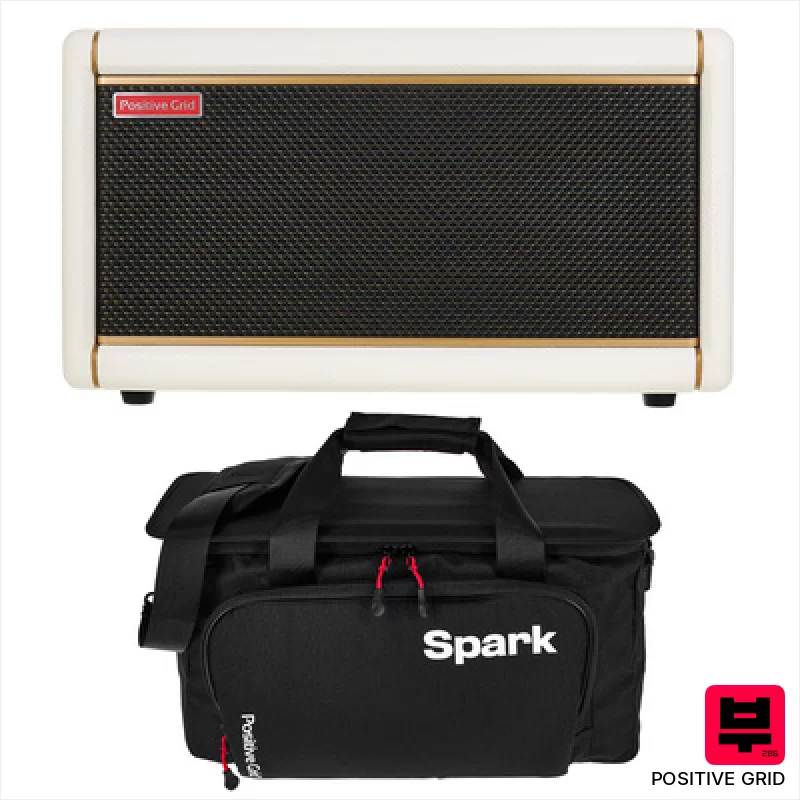
Positive Grid Spark 2 PW w/Bag
- • Excellent Bluetooth speaker integration for jamming and casual listening.
- • Spark AI simplifies sound discovery, especially for beginners.
- • The onboard looper is surprisingly robust for practice and songwriting.
- • Portable battery operation offers impressive flexibility for mobile use.
- • Limited channel flexibility; one main channel restricts complex layering.
- • The 'Sonic IQ' algorithm can occasionally produce sterile, processed tones.
- • Angled speakers might not provide optimal stereo imaging in all environments.
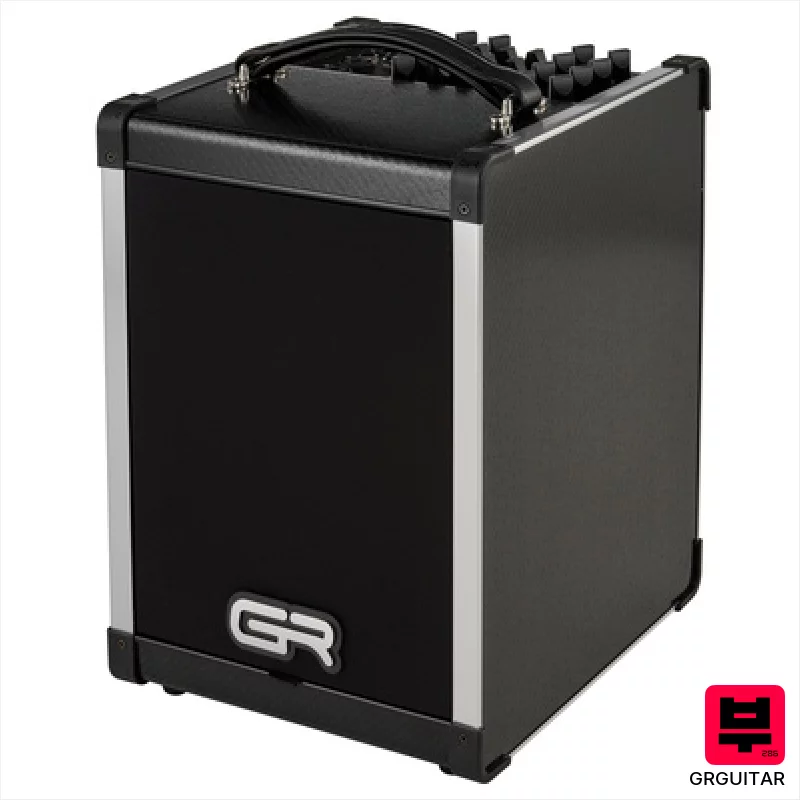
GRGuitar BFAC6 Acoustic Combo Light
- • Italian craftsmanship delivers a surprisingly refined aesthetic and build quality.
- • Bi-amped design ensures clear separation of lows and highs for balanced acoustic tones.
- • Compact size and lightweight (4kg) make it highly portable for gigging musicians.
- • Electronic crossover and bass reflex port enhance low-end response, adding warmth to acoustic sounds.
- • Single effect is limiting; serious players will likely want more tonal shaping options.
- • 3-band EQ, while functional, lacks the precision of more sophisticated multi-band systems.
- • While portable, the 6” woofer may struggle to fill larger venues effectively.

Taylor Koa Circa 74 Amp + Stand
- • Stunning Koa enclosure provides resonant acoustic character.
- • Dual channels offer exceptional flexibility for guitar and vocal pairing.
- • 150W RMS power easily handles stage volume and projection.
- • Custom Koa stand complements aesthetics and provides stable placement.
- • Limited European availability creates potential acquisition challenges.
- • Premium-priced, restricting accessibility for budget-conscious musicians.
- • EQ is basic; lacks advanced shaping options for nuanced tones.
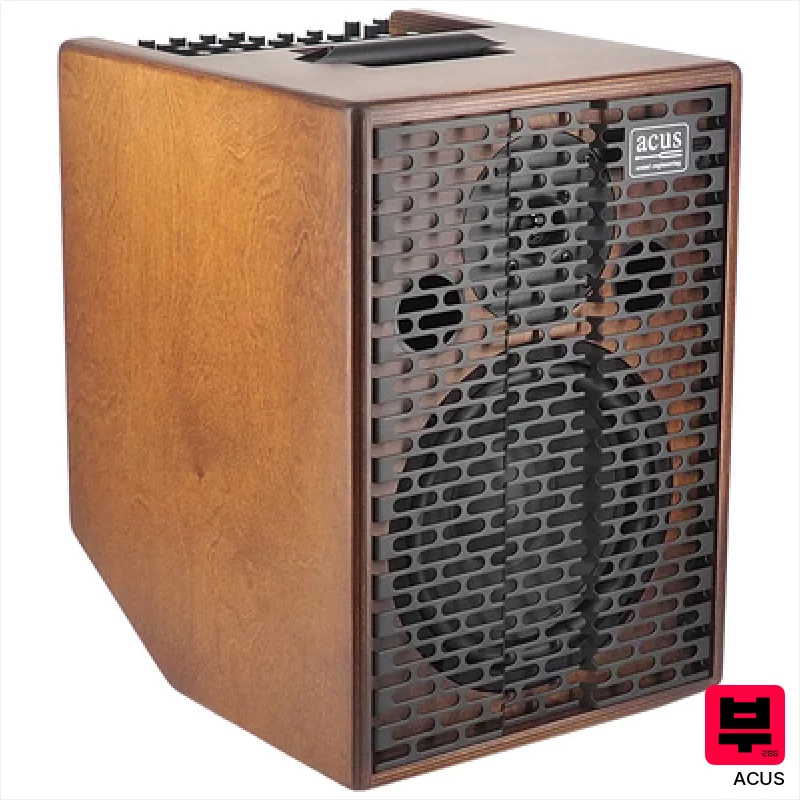
Acus Ferdi 8 Simon
- • Three channels offer exceptional flexibility for varied acoustic setups.
- • Compressor on channel 1 is genuinely useful for vocal or instrument leveling.
- • 8” woofer delivers surprising warmth and low-end response for its size.
- • Direct outputs (XLR & TRRS) are a thoughtful addition for stage or recording.
- • The 3-band EQ, while functional, lacks the precision of a parametric EQ.
- • Relatively heavy for a combo amp, transport could be a challenge for solo performers.
- • AUX channel EQ is basic; limited sculpting for external sources.

Joyo BSK-150 Black
- • Excellent built-in effects; reverb, chorus, and delay are surprisingly usable.
- • Battery operation provides impressive portability and flexibility for gigs.
- • Tiltable housing and tripod mount offer convenient stage placement options.
- • The looper and drum patterns are genuinely useful for practice and performance.
- • Tweeter quality might lack the refinement of higher-end acoustic amps.
- • EQ controls, while numerous, could benefit from more precise adjustments.
- • While versatile, the 150W power might be limiting for larger venues.
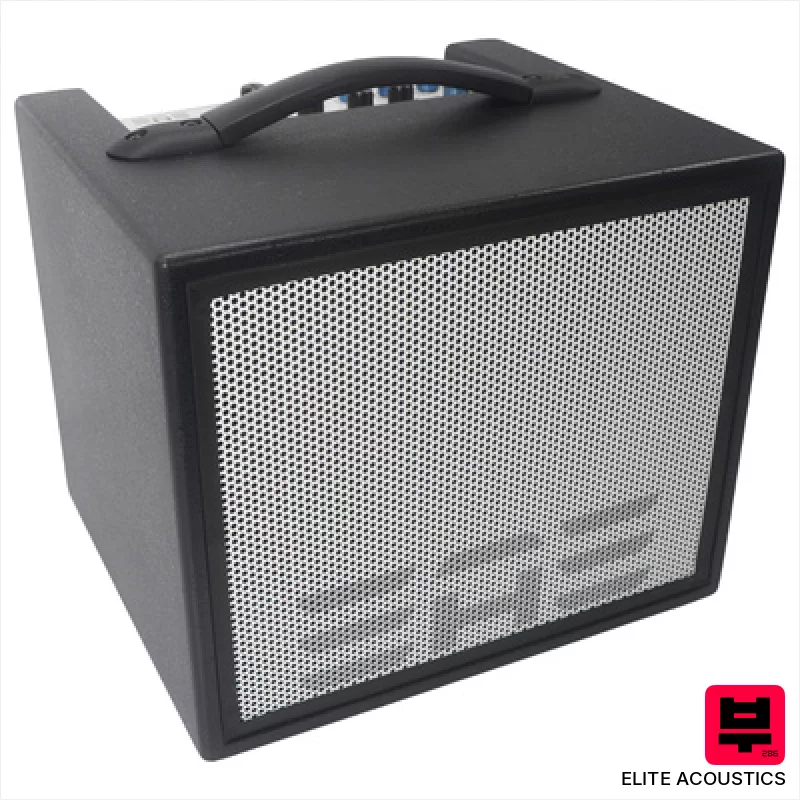
Elite Acoustics A1-8 PB Acoustic Amplifier
- • Excellent clarity from the silk dome tweeters, surprisingly full sound.
- • Battery power offers true portability for gigs and practice.
- • Versatile effects section expands sonic possibilities beyond basic amplification.
- • Solid build quality; the closed housing feels robust and durable.
- • The 8” woofer may lack serious low-end for larger venues.
- • Limited headroom at higher volumes; can introduce distortion.
- • The EQ, while present, isn’t exceptionally detailed or refined.

Acus One Ferdi 8 Cherrywood
- • Cherrywood cabinet delivers warm resonance and pleasing aesthetics.
- • Compressor on Channel 1 offers excellent dynamic control for vocals or quiet passages.
- • Versatile three-channel design handles mics and instruments with ease.
- • Broad 40Hz-20kHz frequency response captures a wide range of acoustic tones.
- • 140 watts might be excessive for solo acoustic performers; potential for overkill.
- • Cherrywood finish, while beautiful, can be susceptible to scratches and dings.
- • Aux channel EQ is limited to 2-band, restricting fine-tuning options.

Hanika DaCapo 75 Riegelnuss
- • Riegelnuss wood provides a warm, resonant aesthetic and pleasing feel.
- • Udo Rösner modification suggests enhanced sonic clarity and response.
- • Dedicated DI output simplifies live performance and recording workflows.
- • Bass reflex design delivers surprising low-end extension for its size.
- • Flamed nut wood, while beautiful, can be susceptible to humidity changes.
- • 75 watts might be limiting for very loud stage environments.
- • Limited EQ controls offer less sculpting flexibility than some competitors.

Acus One Ferdi 10 Cherrywood
- • Cherrywood cabinet offers a warm, resonant visual and sonic character.
- • Compression on channel 1 provides excellent dynamic control for vocals or fingerstyle.
- • The 1” compression driver delivers crisp highs without harshness or brittleness.
- • Versatile 3-channel design easily accommodates multiple instruments or microphones.
- • Cherrywood finish, while beautiful, can be susceptible to scratches and dents.
- • The 250W power might be overkill for smaller, quieter acoustic gigs.
- • The compact size, while convenient, limits low-end extension compared to larger amps.

Acus One Ferdi 5 Blackwood
- • Blackwood cabinet offers a surprisingly warm, resonant character.
- • Compressor on Channel 1 is genuinely useful for vocal or instrument taming.
- • 3-band EQ per channel provides nuanced tonal shaping capabilities.
- • Versatile input options accommodate mics, instruments, and auxiliary sources.
- • The 5” woofer limits low-end extension; may need a sub for full-band coverage.
- • Relatively heavy for transport, not ideal for frequent gigging.
- • FX section is basic; more serious users will want external pedals.
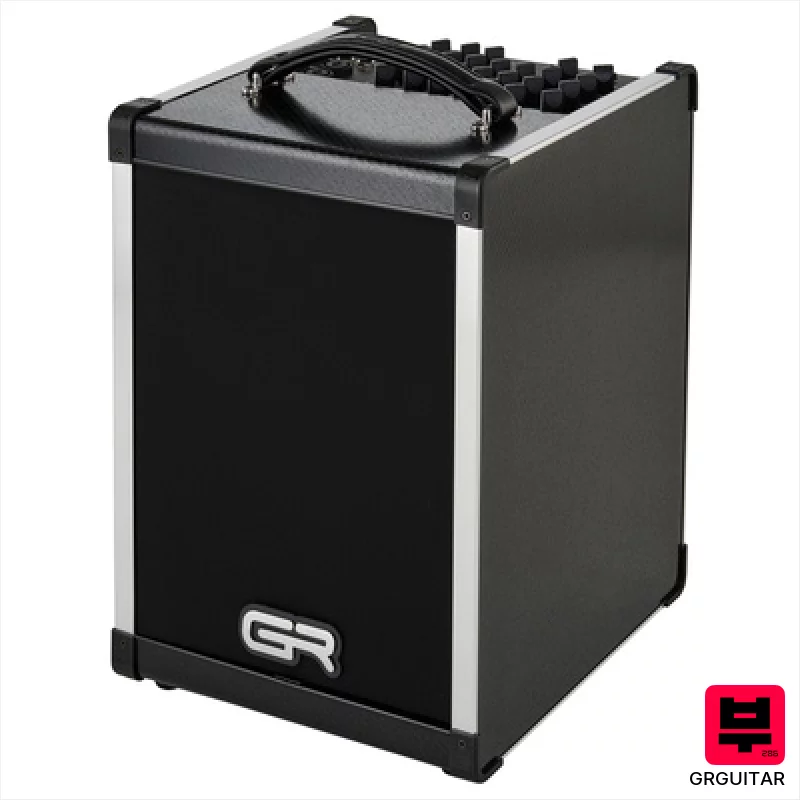
GRGuitar BFAC8 lightweight fiber Acoust
- • Lightweight fiber construction dramatically reduces stage fatigue.
- • Italian craftsmanship evident in the solid build and attention to detail.
- • Bi-amped design delivers clear highs and powerful, controlled lows.
- • The electronic crossover ensures a balanced and articulate frequency response.
- • Limited channel flexibility compared to more complex mixing consoles.
- • Fiber construction, while lightweight, might feel less robust than traditional wood.
- • Effect selection, while diverse, might feel somewhat basic for seasoned users.

Acus One Ferdi 10 Blackwood
- • Blackwood enclosure offers a surprisingly warm, resonant character for an amp.
- • Compression on channel one is genuinely useful, taming dynamics effectively.
- • The 1” compression driver delivers crisp highs without harshness, surprisingly clean.
- • Versatile three-channel design easily handles vocals, instruments, and loops.
- • Relatively heavy; portability will be a consideration for gigging musicians.
- • EQ, while flexible, might feel a bit basic for complex tonal sculpting.
- • Limited effects options; best used as a clean platform for external pedals.

Udo Roesner Da Capo 75
- • Excellent dynamic range for nuanced acoustic performance.
- • Udo Roesner's signature clean, balanced amplification sound.
- • Compact, bass-reflex design provides surprising low-end response.
- • Versatile connectivity with DI, aux, and effects loop options.
- • Footswitch sold separately – a frustrating omission at this price.
- • 8” coaxial speaker limits ultimate low-frequency extension.
- • Limited effect selection, though high-quality for what’s offered.
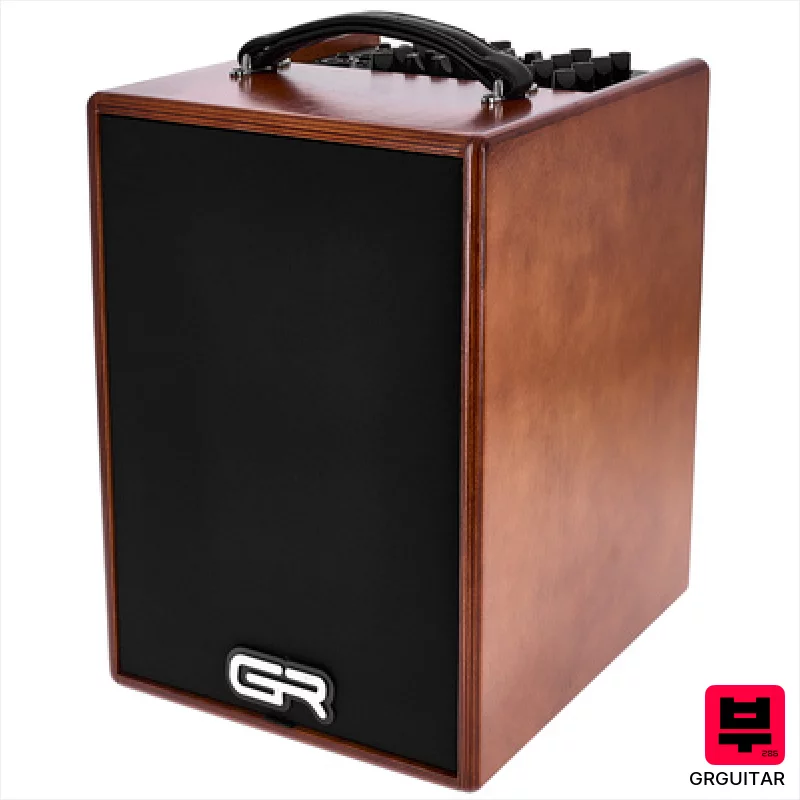
GRGuitar WDAC8 Acoustic Combo Wood
- • Solid wood enclosure minimizes resonance and adds warmth to the amplified tone.
- • Bi-amped design delivers clear highs and powerful lows, avoiding muddiness.
- • The electronic crossover provides precise frequency separation for balanced sound.
- • Comprehensive effects suite offers versatile sonic shaping possibilities for various genres.
- • The front-firing bass reflex port can be prone to feedback in smaller, untreated rooms.
- • While versatile, the 8” speaker might lack ultimate low-end extension for very large acoustic instruments.
- • The weight, while not extreme, makes it less ideal for frequent gigging or transport.

Acus One Ferdi 5 Cherrywood
- • Cherrywood cabinet adds warmth and a touch of visual elegance.
- • Compressor on Channel 1 offers excellent dynamic control for vocals or instruments.
- • Versatile 3-channel design accommodates multiple performers or instruments.
- • Direct output facilitates easy recording and live performance integration.
- • 70 Watts might feel limiting for larger venues or band settings.
- • The EQ, while comprehensive, could benefit from a more precise parametric control.
- • Cherrywood finish, while attractive, may be susceptible to scratches and wear.
How to Choose the Best Acoustic Guitar Amps
Tonal Character
Coffee shops demand warmth, not ice-pick treble. We're looking for amps that emphasize the fundamental frequencies and have a natural, woody character - a touch of that fat midrange honk is a plus, but avoid anything overly bright or harsh. Too much high-end just sounds brittle in that environment.
Feedback Rejection
This is critical. A small room with hard surfaces? Feedback is your enemy. Good amps have effective notch filters or feedback suppression-something you will need to tweak.
Versatility & EQ
You might be playing solo, with a duo, or even a small band. A flexible EQ section (especially a mid-sweep) lets you dial in a sound that cuts through, but also works with other instruments. A little reverb is almost essential too.
Portability
Coffee shops aren't known for their massive stages or roadies. Weight and size matter - you want something you can comfortably move and set up quickly.
Headroom & Cleanliness
You don't need huge power, but you need enough headroom to avoid harsh breakup when you strum a little harder. A clean, articulate signal is the foundation for everything else.
Buying Guide
Don't fall for the 'acoustic amp' hype. Many are just glorified PA speakers with a fancy name. Budget amps often sacrifice tonal quality for price, meaning you'll be wrestling with brittle highs and a weak low-end. Spending a little more on a reputable brand - Fishman, Bose, AER - will get you a better-voiced amp with more forgiving EQ and better feedback rejection, which are worth every penny for a consistent gig.
Our Methodology
We're not crunching spec sheets here. We spent weeks plugging guitars - everything from a beaten-up Yamaha to a prized Martin - into each amp, A/B'ing against each other, and, most importantly, simulating a real coffee shop environment: low stage lighting, background noise, and a critical audience of latte drinkers. We're listening for what actually translates to a giggable, usable sound.

