
Best Acus Acoustic Guitar Amps 2026
Let's be honest, amplifying an acoustic guitar cleanly isn't easy. You need more than just a glorified PA speaker; you need something that preserves the woodiness, the nuances of your playing, and actually makes you sound better on stage. Acus has been quietly building a reputation for doing just that for a while now, and if you're tired of your acoustic getting lost in the mix or sounding sterile, it's worth a serious look.
Last updated: July 22, 2026 • Next update: July 29, 2026

Acus One Ferdi 10 Cherrywood
- • Cherrywood cabinet offers a warm, resonant visual and sonic character.
- • Compression on channel 1 provides excellent dynamic control for vocals or fingerstyle.
- • The 1” compression driver delivers crisp highs without harshness or brittleness.
- • Versatile 3-channel design easily accommodates multiple instruments or microphones.
- • Cherrywood finish, while beautiful, can be susceptible to scratches and dents.
- • The 250W power might be overkill for smaller, quieter acoustic gigs.
- • The compact size, while convenient, limits low-end extension compared to larger amps.
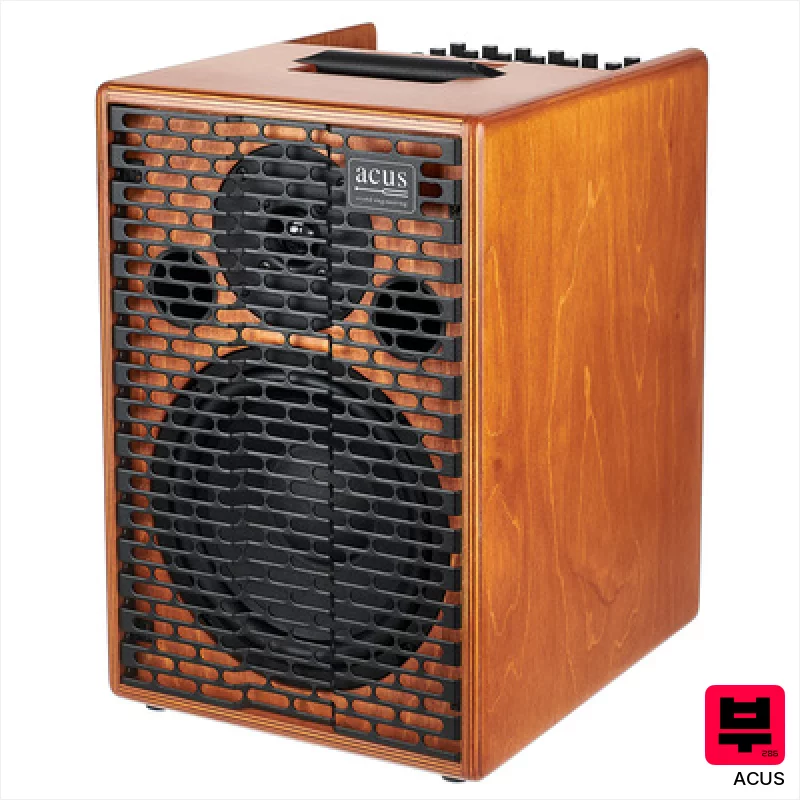
Acus OneforStreet 8 Cherrywood
- • Cherrywood cabinet offers a warm, resonant aesthetic and improved projection.
- • Battery operation provides exceptional portability for gigging and practice.
- • Dual speaker design (8in woofer + ring tweeter) delivers surprisingly full frequency response.
- • XLR inputs with phantom power cater to a wide range of acoustic instrument sources.
- • 90W might be limiting for very large venues or loud band situations.
- • Reliance on Makita batteries (not included) adds to initial investment and complexity.
- • Limited EQ controls might require external processing for complex tonal shaping.

Acus Oneforstreet 5 Cherrywood
- • Cherrywood housing provides a warm, resonant acoustic character.
- • Battery operation offers exceptional portability for gigging and outdoor use.
- • Dual channels allow for simultaneous mic and instrument input flexibility.
- • Italian craftsmanship ensures a solid, well-built, and reliable amplifier.
- • 40 watts might feel limiting for larger venues or louder ensembles.
- • The digital reverb, while functional, lacks the depth of a dedicated unit.
- • Reliance on Makita batteries adds an extra expense and potential compatibility consideration.
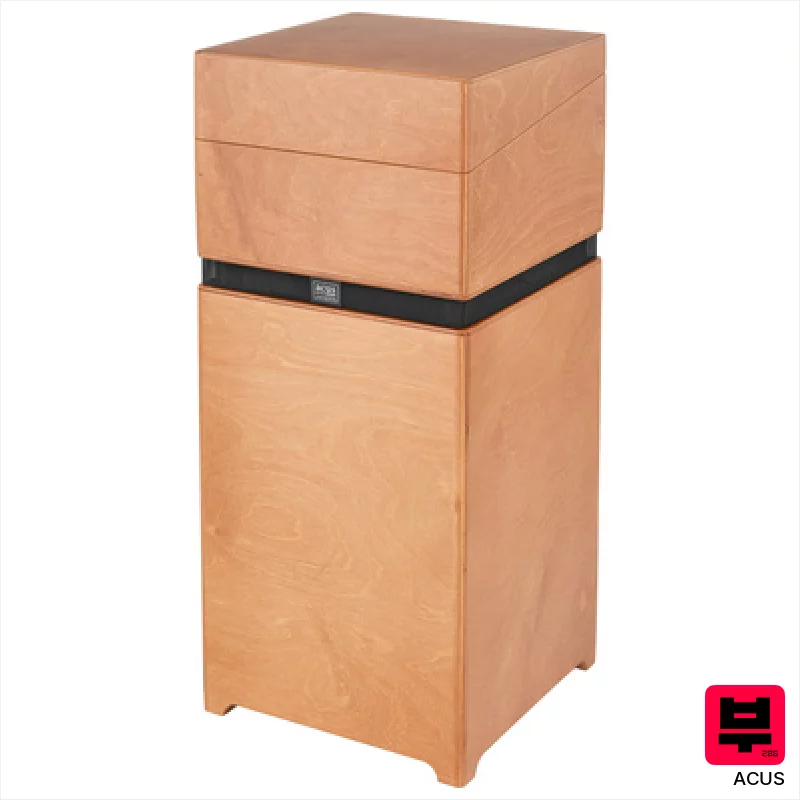
Acus Allaround 10 Cherrywood
- • Cherrywood cabinet adds warmth, visual appeal and sonic resonance
- • Silka coaxial speaker delivers surprisingly full and even sound
- • Bluetooth connectivity offers convenient playback and recording options
- • Compact size and battery power provide excellent portability and flexibility
- • Cherrywood finish may be susceptible to scratches and dings
- • Limited EQ controls offer less sculpting flexibility than some amps
- • 50W power might be insufficient for very large stage environments
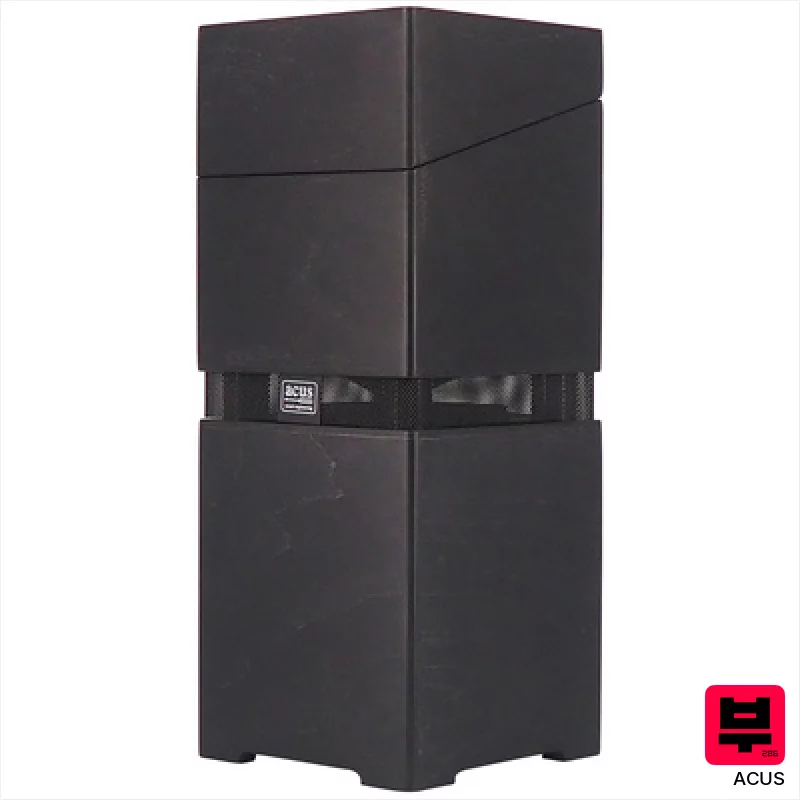
Acus Allaround 4 Blackwood
- • Blackwood cabinet offers a surprisingly warm aesthetic and resonance.
- • Coaxial speaker design delivers a remarkably wide and even soundstage.
- • Bluetooth connectivity with EQ provides convenient practice and performance options.
- • Compact size and power bank compatibility enable excellent portability.
- • EQ is limited to a basic 2-band configuration; lacks finer control.
- • Maximum SPL of 87dB might be insufficient for very loud stage environments.
- • The minimalist design, while elegant, hides potential speaker limitations at higher volumes.
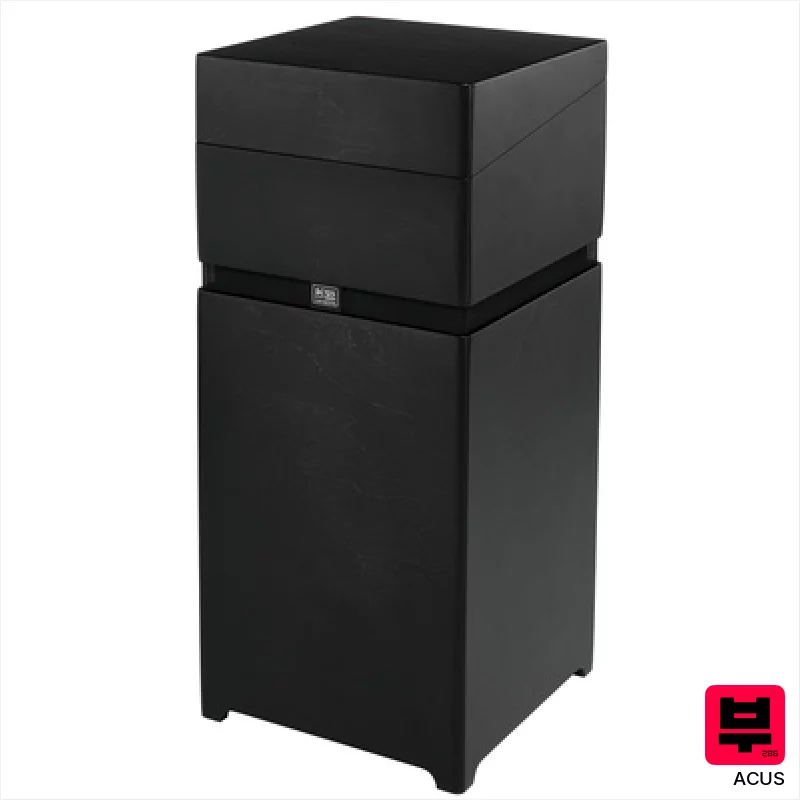
Acus Allaround 10 Blackwood
- • Blackwood cabinet delivers a warm, resonant aesthetic and acoustic properties.
- • Coaxial speaker design provides surprisingly wide and even sound dispersion.
- • The 3D bass reflex system genuinely adds depth without muddiness.
- • Bluetooth connectivity with EQ offers convenient versatility for backing tracks.
- • 50 watts might be limiting for larger stages or louder ensembles.
- • The minimalist design, while elegant, lacks some practical input labeling.
- • Power bank operation is limited to 15 watts; significantly reduced power.

Acus One Ferdi 8 Cherrywood
- • Cherrywood cabinet delivers warm resonance and pleasing aesthetics.
- • Compressor on Channel 1 offers excellent dynamic control for vocals or quiet passages.
- • Versatile three-channel design handles mics and instruments with ease.
- • Broad 40Hz-20kHz frequency response captures a wide range of acoustic tones.
- • 140 watts might be excessive for solo acoustic performers; potential for overkill.
- • Cherrywood finish, while beautiful, can be susceptible to scratches and dings.
- • Aux channel EQ is limited to 2-band, restricting fine-tuning options.

Acus One Ferdi 5 Cherrywood
- • Cherrywood cabinet adds warmth and a touch of visual elegance.
- • Compressor on Channel 1 offers excellent dynamic control for vocals or instruments.
- • Versatile 3-channel design accommodates multiple performers or instruments.
- • Direct output facilitates easy recording and live performance integration.
- • 70 Watts might feel limiting for larger venues or band settings.
- • The EQ, while comprehensive, could benefit from a more precise parametric control.
- • Cherrywood finish, while attractive, may be susceptible to scratches and wear.
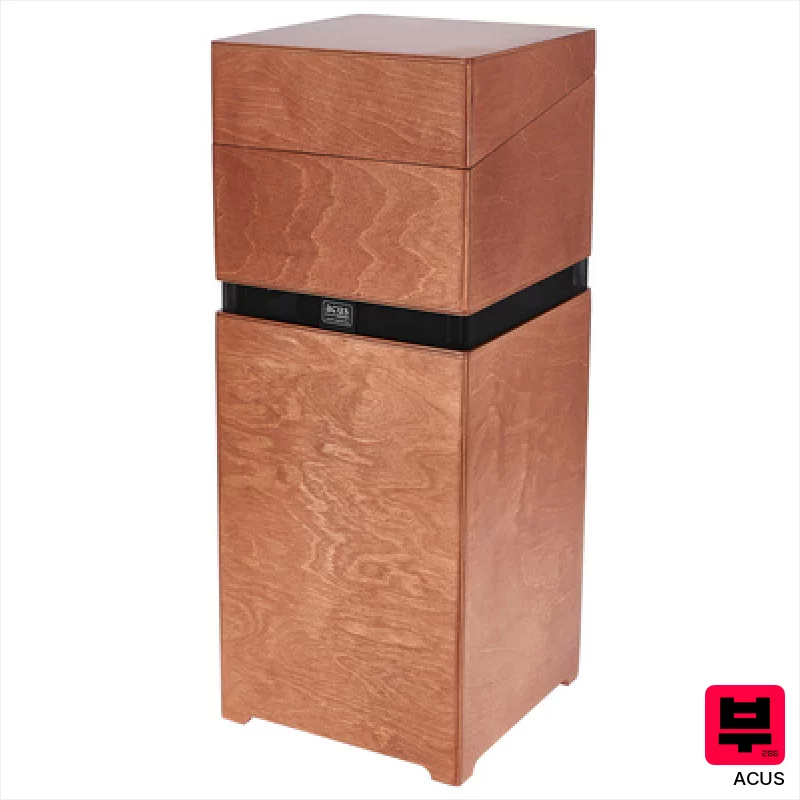
Acus Allaround 8 Cherrywood
- • Cherrywood cabinet adds warmth and a premium aesthetic.
- • Coaxial speaker design provides surprisingly wide, even sound dispersion.
- • 3D bass reflex porting delivers a fuller, more defined low-end response.
- • Flexible power options cater to both stage and casual practice scenarios.
- • Limited EQ controls offer less tonal shaping flexibility than more complex amps.
- • Relatively heavy for a portable acoustic amp, may be cumbersome for some.
- • Power bank operation offers reduced wattage, impacting performance at louder volumes.
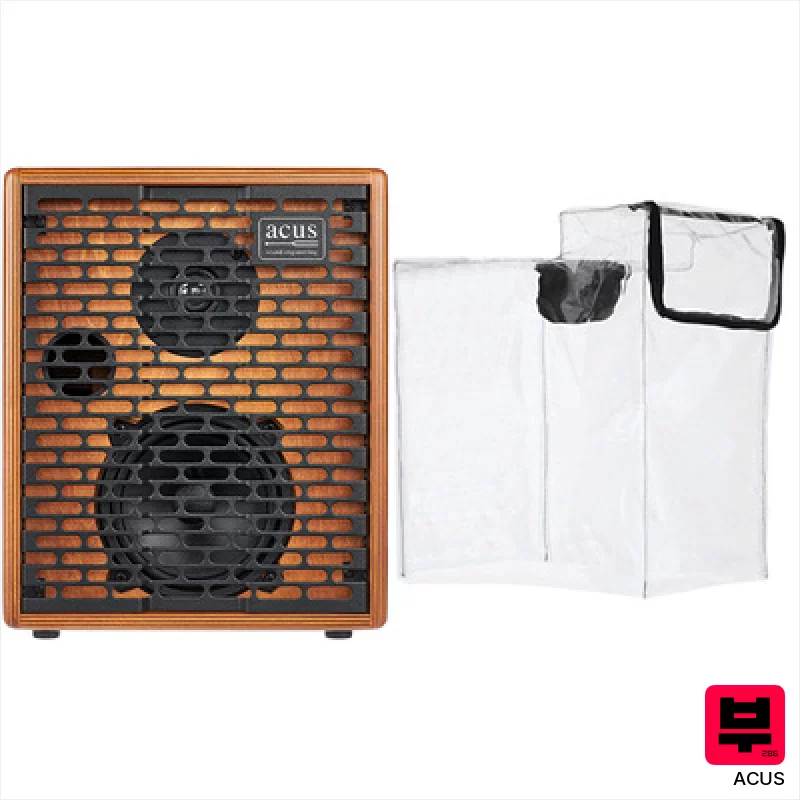
Acus Oneforstreet 5 Cherryw. Bundle
- • Cherrywood housing provides a warm, resonant tone and attractive aesthetic.
- • Battery operation with 7-hour life offers true portability for gigs and practice.
- • Dual-channel design with individual EQ and FX send provides tonal flexibility.
- • Balanced XLR output facilitates easy integration with PA systems and recording setups.
- • 40 watts may be limiting for larger venues or louder ensembles.
- • Reliance on Makita batteries introduces a potential ongoing expense.
- • Cherrywood finish, while beautiful, might be susceptible to scratches.

Acus One Ferdi 10 Blackwood
- • Blackwood enclosure offers a surprisingly warm, resonant character for an amp.
- • Compression on channel one is genuinely useful, taming dynamics effectively.
- • The 1” compression driver delivers crisp highs without harshness, surprisingly clean.
- • Versatile three-channel design easily handles vocals, instruments, and loops.
- • Relatively heavy; portability will be a consideration for gigging musicians.
- • EQ, while flexible, might feel a bit basic for complex tonal sculpting.
- • Limited effects options; best used as a clean platform for external pedals.

Acus One Ferdi 8 Blackwood
- • Blackwood cabinet adds warmth, richness to the overall tone.
- • Compressor on channel 1 is surprisingly musical and transparent.
- • Versatile channel options suit solo performers and small ensembles.
- • Direct output provides clean, professional recording capabilities.
- • Limited headroom at higher volumes; can get muddy quickly.
- • Relatively heavy for transport; not ideal for frequent gigging.
- • EQ could benefit from a parametric option for finer adjustments.
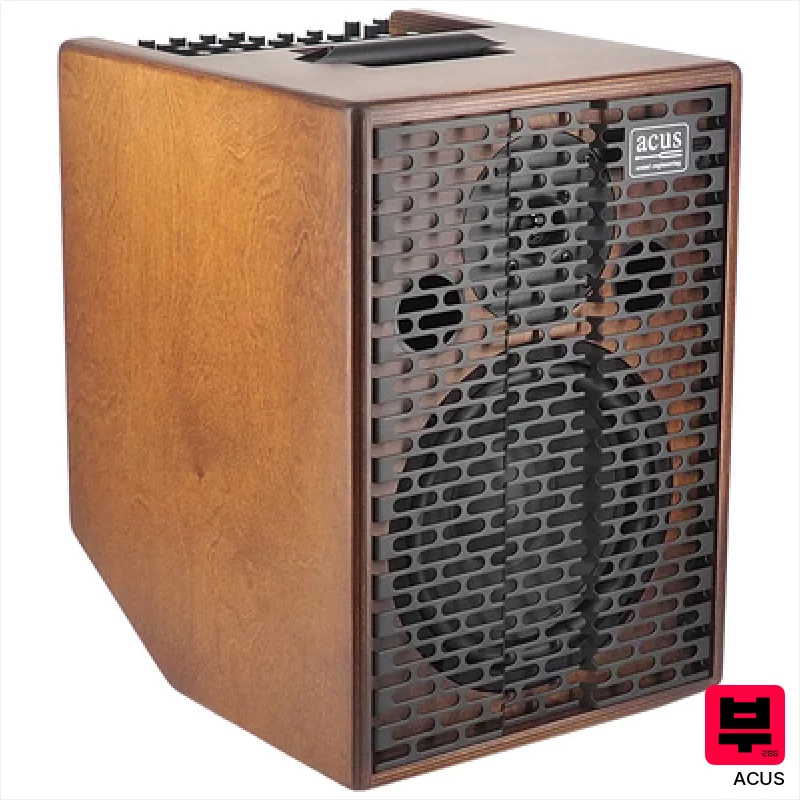
Acus Ferdi 8 Simon
- • Three channels offer exceptional flexibility for varied acoustic setups.
- • Compressor on channel 1 is genuinely useful for vocal or instrument leveling.
- • 8” woofer delivers surprising warmth and low-end response for its size.
- • Direct outputs (XLR & TRRS) are a thoughtful addition for stage or recording.
- • The 3-band EQ, while functional, lacks the precision of a parametric EQ.
- • Relatively heavy for a combo amp, transport could be a challenge for solo performers.
- • AUX channel EQ is basic; limited sculpting for external sources.
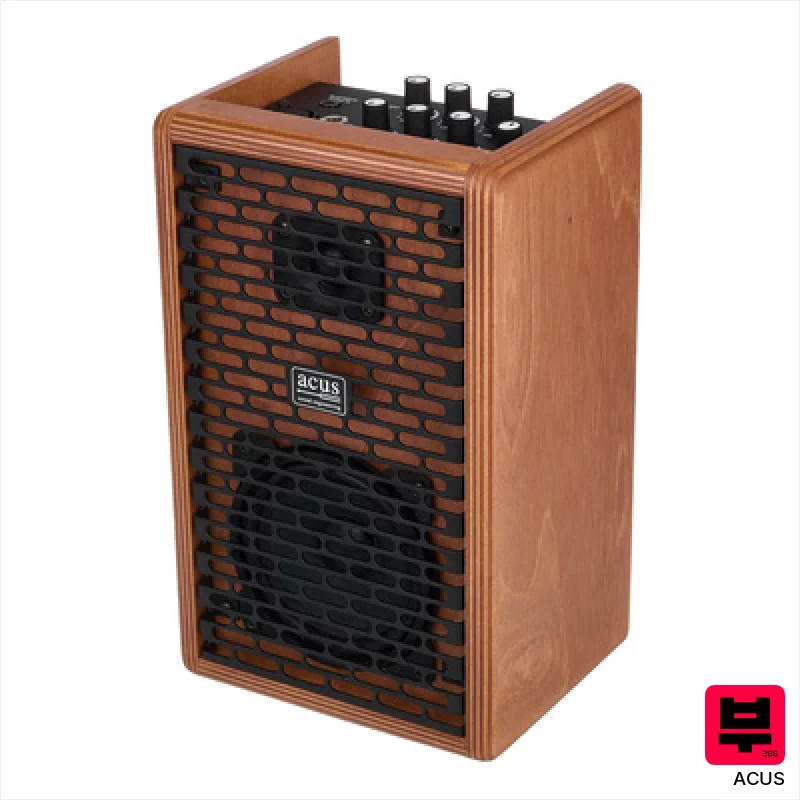
Acus One Ferdi 4 Cherrywood
- • Cherrywood housing provides a warm, resonant aesthetic and decent damping.
- • Compact size and lightweight design (2.4kg) makes it very portable.
- • Dual speaker setup (woofer/tweeter) delivers surprisingly full frequency response.
- • Bluetooth connectivity and USB-C power option offer modern convenience.
- • Plywood construction, while affordable, may lack the premium feel of solid wood.
- • Single channel limits flexibility for complex setups or multiple instruments.
- • 40 watts might be limiting for larger venues or louder ensembles.

Acus Allaround 4 Cherrywood
- • Cherrywood cabinet adds warmth and visual appeal.
- • 360-degree dispersion creates surprisingly full room sound.
- • Compact size and dual power options offer excellent portability.
- • Coaxial speaker design delivers surprisingly clear and balanced tone.
- • EQ is limited to just two bands, restricting tonal shaping.
- • Power bank operation severely limits wattage for larger venues.
- • Microphone input lacks phantom power for condenser mics.
How to Choose the Best Acoustic Guitar Amps
Heritage & Design Philosophy
Acus amps are rooted in a desire to amplify acoustic instruments faithfully. They don't try to be something they're not - no distortion channels or fancy effects. It's about transparency and letting the guitar's natural voice shine, which is a refreshing contrast to some of the more feature-bloated options out there.
Tone Characteristics
The signature Acus sound is warm and full, with a pronounced but controlled low-midrange thump that really helps cut through a band mix. It's not overly bright or sparkly; instead, it's a more natural, balanced tone that emphasizes the wood and string interaction. You get a lovely sustain and a real sense of depth.
Build Quality & Reliability
These are solid, workhorse amps. The cabinets are well-constructed, the components feel robust, and they're built to withstand the rigors of gigging. You're paying for longevity here - not the cheapest materials, but something that'll hold up to years of use.
Headroom & Dynamics
Acus amps handle dynamics incredibly well. They respond beautifully to your playing nuances - a gentle strum sounds delicate, a hard attack delivers punch without harshness. They maintain clarity even at higher volumes, avoiding that muddy breakup you get with some cheaper amps pushed too hard.
Pickup Compatibility
Acus amps are remarkably forgiving with different pickup systems. Whether you're using a K&K Mini, a Fishman Natural, or a magnetic soundhole pickup, the Acus generally delivers a pleasing and balanced response. However, very bright or harsh pickups might still benefit from some EQ tweaking.
Buying Guide
Acus isn't the cheapest option, and you're paying for that commitment to sonic purity and robust build. Don't expect a ton of extra features; this is about the core amplification task. If you're primarily playing solo or in quieter settings, a smaller Acus might suffice, but for band work, consider stepping up to a model with more headroom to avoid clipping. Also, be mindful of your pickup voicing - some brighter pickups might need a little EQ adjustment to tame them.
Our Methodology
We're not about spec sheets here. We put these amps through the ringer - bedroom practice, band rehearsals where they're battling a drummer, and even a few studio sessions to see how they fare when mic'd. We A/B'd them against industry standards, paying close attention to how they handle dynamics and different pickup voicings. The goal is to give you the straight dope on what these amps actually sound and feel like.

