AudioFu
AudioFu Chart · October 2026
Best 500 Series Components Under $500 2026
The top pick is Fredenstein Bento 6S 6-Slot Powered 500 Series Frame ($373). Harrison Audio Comp 500 Series Compressor Module gives you the most for the money at $268. Ranked by the AudioFu Index from 48 models across 17 brands, prices checked every night.
Last updated: October 12, 2026
Top 10
Full detail for the 10 highest AudioFu Index scores. Every other model is listed below.
-
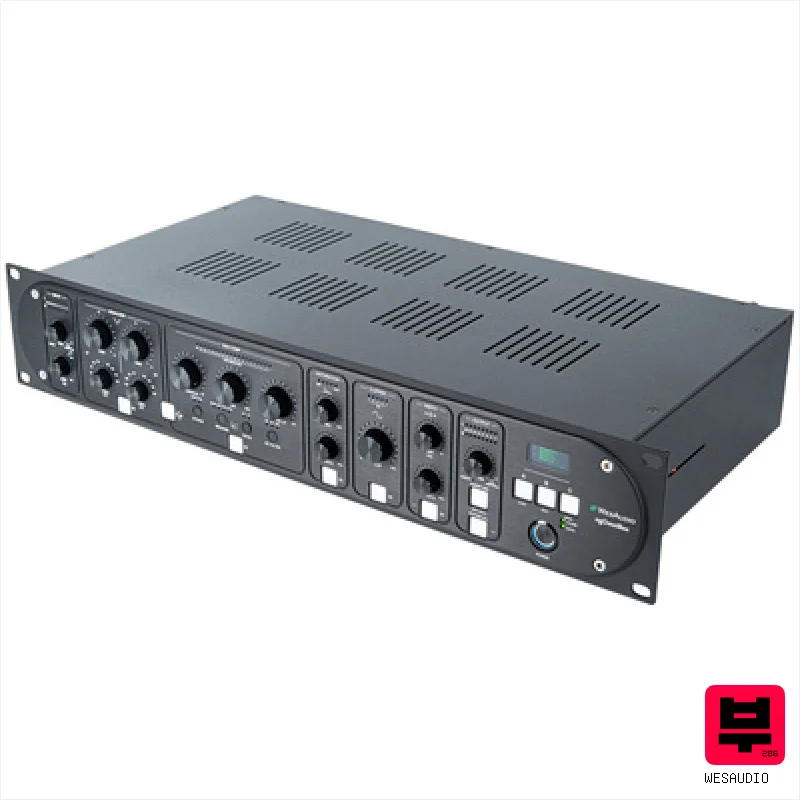
Fredenstein Bento 6S 6-Slot Powered 500 Series Frame
Bento 6SB · Fredenstein
5 for sale on Reverb4 finishes at Thomann
- Size19"
The Fredenstein Bento 6SB is a seriously well-built 500-series rack. Its internal power supply is remarkably quiet, and the rear-panel routing is a clever touch for keeping your signal chain tidy. This is a great option for engineers and producers looking to build a compact, high-quality API 500 system without breaking the bank.
Pros
- Robust steel chassis offers excellent module protection.
- Integrated power supply delivers exceptionally clean, low-noise operation.
- Rear-panel switching simplifies routing and reduces cable clutter significantly.
Cons
- Rack kit is a separate purchase, adding to overall investment.
- Limited to 6 modules; expansion requires another chassis.
68AudioFu
Index↓ 4.6%since Aug 14 · lowest so far$391 · Aug 14$373 now$373€333 at Thomann · in stockCheck price ↗ -
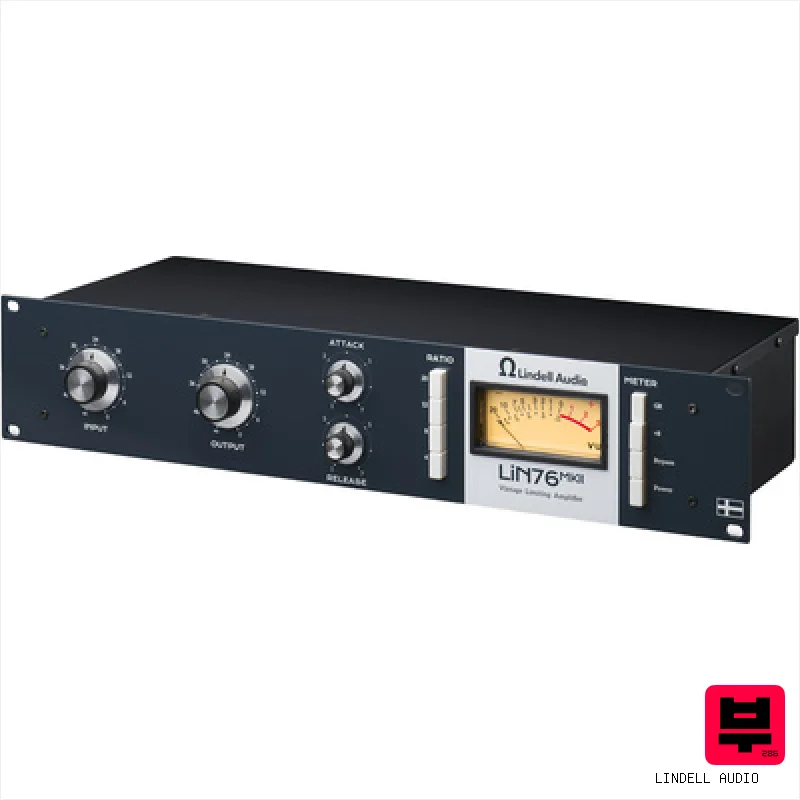
Lindell Audio PEX-500 Passive EQ 500 Series Module
PEX-500 · Lindell Audio
9 for sale on Reverb2 finishes at Thomann
The PEX-500 is a fantastic way to inject that classic Pultec warmth and character into your mixes without getting bogged down in complex parameters. It's a real workhorse for engineers tracking vocals, guitars, or anything needing a touch of vintage vibe – especially those aiming for a retro soul, R&B, or classic rock sound.
Pros
- Transformer coupling delivers a warm, vintage Pultec-inspired coloration.
- Hybrid gain stage adds subtle harmonic richness and perceived loudness.
- Simple, stepped controls ensure predictable and repeatable EQ settings.
Cons
- Limited frequency range compared to fully parametric EQs.
- Stepped controls lack the finesse for precise surgical EQ moves.
59AudioFu
Index↓ 5.3%since Aug 14 · lowest so far$425 · Aug 14$402 now$402€359 at Thomann · in stockCheck price ↗ -
Cranborne Audio Camden 500 Series Microphone Preamp
Camden 500 · Cranborne Audio
18 for sale on Reverb1 finish at Thomann
The Camden 500 is a seriously clean and capable preamp. It's perfect for engineers and musicians who need a transparent front-end with a touch of character when needed. The DI is a real bonus for recording acoustic instruments or bass directly.
Pros
- Exceptional transparency preserves subtle mic nuances.
- Discrete saturation offers genuinely usable tonal shaping.
- BJT DI circuit delivers a warm, articulate direct signal.
Cons
- Requires a 500 series rack, increasing overall system cost.
- Saturation circuits, while good, might be too subtle for some.
57AudioFu
Index↓ 1.0%since Aug 14 · lowest so far$447 · Aug 14$443 now$443€395 at Thomann · in stockCheck price ↗ -
Harrison Audio Comp 500 Series Compressor Module
Comp · Harrison Audio
6 for sale on Reverb1 finish at Thomann
This Harrison Audio Comp is a seriously good-sounding compressor, plain and simple. It's got that classic Harrison warmth and a really intuitive feel thanks to the program-dependent attack. If you're tracking vocals, guitars, or anything needing a touch of vintage glue, this is a fantastic choice – especially for engineers chasing a polished, analog vibe without fuss.
Pros
- THAT2180 VCA delivers clean, musical compression.
- Programme-dependent attack offers natural, responsive dynamics.
- Harrison's signature sonic character adds warmth and polish.
Cons
- Limited control compared to more complex, multi-band compressors.
- 500 format requires a frame, adding to overall system cost.
53AudioFu
Index↓ 44.3%since Aug 14 · lowest so far$481 · Aug 14$268 now$268€239 at Thomann · in stockCheck price ↗ -
Harrison Audio 32Cpre+ 500 Series Microphone Preamp Module
32Cpre+ · Harrison Audio
6 for sale on Reverb1 finish at Thomann
The 32Cpre+ delivers that classic Harrison console vibe in a compact 500 format. It’s a fantastic choice for engineers and producers seeking a warm, musical preamp for vocals, guitars, or bass, especially if you appreciate a slightly vintage, rounded sound. This is a premium-priced option that nails a specific sonic character – it's not a 'do-everything' preamp, but it excels at what it does.
Pros
- Jensen transformer imparts Harrison's signature warmth and subtle harmonic enhancement.
- DI input offers a surprisingly clean and robust direct recording option.
- HP/LP filters provide useful tonal shaping and noise reduction capabilities.
Cons
- Limited routing options compared to more complex 500 series modules.
- Gain range, while sufficient, might be restrictive for exceptionally low-output mics.
53AudioFu
Index↓ 42.5%since Aug 14 · lowest so far$817 · Aug 14$470 now$470€419 at Thomann · in stockCheck price ↗ -
Fredenstein Bento 2 Horizontal 2-Slot Powered 500 Series Rack
Bento 2 · Fredenstein
4 for sale on Reverb1 finish at Thomann
- Size19"
The Fredenstein Bento 2 is a seriously well-built little rack for anyone just diving into 500 series modules or needing a compact, reliable solution for a specific processing chain. It's a no-nonsense unit, prioritizing functionality and build quality over flashy features. If you’re a producer or engineer looking for a dependable 2-slot home for your favorite modules, this is a solid choice.
Pros
- Solid steel chassis offers exceptional durability for studio use
- Flexible routing options simplify complex signal chains significantly
- Comprehensive power delivery handles a wide range of 500 modules
Cons
- Limited to two modules restricts modular system expansion
- Power supply, while versatile, can be a potential point of failure
52AudioFu
IndexStableno change since Aug 14Aug 14$275 now$275€245 at Thomann · in stockCheck price ↗ -
Heritage Audio Lang 312L 500-Series Microphone Preamp
LANG 312L · Heritage Audio
10 for sale on Reverb1 finish at Thomann
The LANG 312L is a seriously good-sounding preamp, especially if you're tracking drums or guitars and want that classic NY studio vibe. Those transformers really add something special, giving your signals a real weight and presence – it’s a fantastic addition for anyone chasing that vintage, punchy tone.
Pros
- CineMag output transformer delivers a warm, authoritative low-end.
- HS-880 op-amp provides exceptional transient response and clarity.
- 2622 LANG input transformer handles ribbon mics exceptionally well.
Cons
- Limited to a single channel, restricting multi-mic recording scenarios.
- 500 series format requires a frame, adding to overall system cost.
52AudioFu
IndexStableno change since Aug 14Aug 14$447 now$447€399 at Thomann · in stockCheck price ↗ -
Lindell Audio 6X-500 Mic Pre / EQ 500 Series Module
6X-500 · Lindell Audio
6 for sale on Reverb1 finish at Thomann
The Lindell 6X-500 is a fantastic grab for anyone chasing that classic, slightly colored preamp sound. It’s a real workhorse for tracking vocals, guitars, or adding some vintage warmth to drum buses – especially if you're into a Pultec-inspired EQ vibe. It's a well-built, affordable option that fills a specific niche beautifully.
Pros
- Discrete transformer-coupled design delivers a warm, vintage tone.
- Passive Pultec-style EQ offers musical, gentle shaping.
- Generous 65dB gain handles weak signals with ease.
Cons
- EQ bandwidth options are limited compared to fully parametric EQs.
- Transformer saturation can become fatiguing in very clean recordings.
50AudioFu
Index↓ 5.4%since Aug 14 · lowest so far$414 · Aug 14$391 now$391€349 at Thomann · in stockCheck price ↗ -
Heritage Audio OST-4 V2.0 4-Slot 500 Series Frame
OST-4 V2 · Heritage Audio
4 for sale on Reverb1 finish at Thomann
- Weight1 kg
The OST-4 V2 is a solid, no-nonsense 500 series frame. It's built like a tank and the On Slot power delivery is a real boon for sensitive modules, preventing those annoying power-related gremlins. Ideal for engineers building a focused, high-quality signal chain without needing a massive rack.
Pros
- Robust sheet steel chassis provides excellent module protection
- On Slot technology ensures clean, stable power to each module
- Aluminum front panel looks and feels premium, resists wear
Cons
- Limited to four modules; expansion requires additional frames
- External power supply adds to clutter and potential noise issues
50AudioFu
IndexStableno change since Aug 14Aug 14$414 now$414€369 at Thomann · in stockCheck price ↗ -
Fredenstein Bento 8 Pure Analog 8-Slot 500 Series Rack
Bento 8 Pure Analog · Fredenstein
3 for sale on Reverb1 finish at Thomann
- Size19"
The Fredenstein Bento 8 is a seriously well-built 500 series rack. The rear-panel routing is a game-changer for complex setups, and the robust power supply gives you headroom. This is perfect for engineers and producers who want a clean, reliable, and flexible foundation for their 500 series ecosystem.
Pros
- Solid steel chassis provides exceptional stability and dampens noise.
- Rear-panel routing simplifies complex signal chains significantly.
- Dual voltage rails (+/-16V/+48V) expand module compatibility.
Cons
- The 3U height might be restrictive in some studio racks.
- Limited to API 500 format, restricting module choices.
50AudioFu
IndexStableno change since Aug 14Aug 14$481 now$481€429 at Thomann · in stockCheck price ↗
All 48 500 series components
Same index, same nightly prices — compact. Colour options of one model share a row. Tap a photo to zoom.
- 11
Lindell Audio 7X-500 500 Series FET Compressor Module7X-500 · Lindell Audio48Stable$402€359$402€359Check ↗
- 12
Lindell Audio 7X500VIN Vintage Series 500 Series Compressor Module7X-500 Vintage Edition · Lindell Audio48↓ 4.8%$447€399$447€399Check ↗
- 13
Fredenstein Artistic Comp Plus 500 Series FET Compressor ModuleArtistic Comp Plus · Fredenstein46↓ 3.1%$249€222$249€222Check ↗
- 14
Fredenstein Blank Panel GoldFredenstein · 2 finishes43Stable$19€17$19€17Check ↗
- 15
Harrison Audio MR3eq 500 Series Equalizer ModuleMR3eq · Harrison Audio43↓ 44.3%$268€239$268€239Check ↗
- 16
SPL DeS 500-Series De Esser ModuleDeS · SPL43Stable$414€369$414€369Check ↗
- 17
Lindell Audio 506 Power Mk2 6-Space 500 Series Rack506 Power MKII · Lindell Audio43↓ 11.1%$447€399$447€399Check ↗
- 18
thingyfab Blank Panel 500 Rosewoodthingyfab42↓ 23.3%$11€10$11€10Check ↗
- 19
Fredenstein Artistic MicPre Plus 500 Series Microphone Preamp ModuleArtistic MicPre SE · Fredenstein42Stable$111€99$111€99Check ↗
- 20
Drawmer MQ-1Drawmer42Stable$391€349$391€349Check ↗
- 21
Drawmer FC1 FET CompressorDrawmer42Stable$447€399$447€399Check ↗
- 22
Drawmer OC1 Opto CompressorDrawmer42Stable$447€399$447€399Check ↗
- 23
Midas Microphone Preamplifier 502 V2Midas41↓ 18.9%$154€137$154€137Check ↗
- 24
SPL HPmSPL41Stable$414€369$414€369Check ↗
- 25
Fredenstein Bento 2 Pure Analog 2-Slot 500-Series FrameBento 2 Pure Analog · Fredenstein40↓ 3.3%$324€289$324€289Check ↗
- 26
HLABS EQ169HLABS40Stable$402€359$402€359Check ↗
- 27
Lindell Audio 6X-500 VIN "Vintage Edition" Mic Pre / EQ 500 Series…6X-500 Vintage Edition · Lindell Audio40↓ 4.9%$436€389$436€389Check ↗
- 28
Fredenstein Artistic Mic Pre PlusFredenstein39↓ 1.8%$241€215$241€215Check ↗
- 29
Midas L10 Legend 10-Slot Rackmount 500 Series ChassisLegend L10 · Midas39↓ 3.7%$289€258$289€258Check ↗
- 30
Lindell Audio 503 PowerLindell Audio39↓ 5.1%$335€299$335€299Check ↗
- 31
API Audio Blank Panel 500er 5B1API Audio38Stable$25€22$25€22Check ↗
- 32
Fredenstein Bento 2 Pure Analog ExtensionFredenstein37↑ 2.1%$223€199$223€199Check ↗
- 33
Midas L6 Legend 6-Slot Powered 500 Series FrameLegend L6 · Midas37Stable$224€200$224€200Check ↗
- 34
SSL 500-Series SiX ChannelSSL37↓ 2.9%$369€329$369€329Check ↗
- 35
Behringer 73 500-Series Microphone Preamp73 · Behringer36↓ 10.0%$231€206$231€206Check ↗
- 36
Golden Age Audio Project Comp-554Golden Age Audio36↓ 7.0%$447€399$447€399Check ↗
- 37
thingyfab Blank Panel 500 Bamboothingyfab35Stable$11€10$11€10Check ↗
- 38
thingyfab Blank Panel 500 Vintage Comp.thingyfab35Stable$22€20$22€20Check ↗
- 39
thingyfab Blank Panel 500 Reverbthingyfab35Stable$22€20$22€20Check ↗
- 40
thingyfab Blank Panel 500 Preampthingyfab35Stable$22€20$22€20Check ↗
- 41
Golden Age Audio Project Pre-573 MKIIIGolden Age Audio35↓ 4.7%$319€285$319€285Check ↗
- 42
SPL TDxSPL34Stable$436€389$436€389Check ↗
- 43
Golden Age Audio Premier Pre-573Golden Age Audio34↓ 2.4%$458€409$458€409Check ↗
- 44
Radial Engineering X-AMP 500Radial Engineering33Stable$414€369$414€369Check ↗
- 45
Heritage Audio HABPNL 500 Series Blank PanelHABPNL · Heritage Audio32Stable$21€19$21€19Check ↗
- 46
Rodec K7 AdapterRodec32Stable$201€179$201€179Check ↗
- 47
Roadworx Blank Panel 500Roadworx31Stable$6€6$6€6Check ↗
- 48
Fredenstein Rack-Kit Bento 6Fredenstein23Stable$44€39$44€39Check ↗
500 Series Components by the numbers
Measured across all 51 models we track, not a sample.
Median $335 — half of all 500 series components here cost less.
median of 6 models · 0.38 kg–0.8 kg
How to choose the best 500 series components
Tone Character
This is the big one. Does it add something unique? Is it a usable vibe, or just a novelty? We're looking for modules that inspire and solve problems, not just sit there.
Build Quality
At this price point, compromises are inevitable. But we're checking for flimsy pots, noisy connections, and overall construction that suggests it'll survive a gig. A module that craps out mid-set is worthless.
Noise Floor
Clean headroom is precious, and a noisy module can bury subtle details. We're listening for hiss, hum, and unwanted artifacts that muddy the signal.
Usability
A complex interface isn't always a good thing. We're prioritizing modules that are intuitive to use, even under pressure - like when you're trying to dial in a sound between songs.
Versatility
Can it do more than one thing well? A module that can handle a subtle boost, a distorted lead, and a decent reverb is more valuable than a specialist that does one thing marginally better.
Buying guide
Alright, let's talk 500 series. Building a rack can get expensive fast, but you don't need to drop five grand to get some decent color. This list focuses on modules that give you real sonic character without breaking the bank - we're aiming for under $500 each, and I'll tell you what you're really getting for your money. It's about maximizing vibe, not chasing specs.
Real talk: $500 limits your choices. You'll likely be making trade-offs - maybe the pots aren't the smoothest, or the build isn't rock-solid. Don't expect boutique-level components; these are workhorse modules.
Prioritize tone character over fancy features; a great-sounding distortion is more valuable than a reverb with a million parameters you'll never touch.
How the AudioFu Index works
Five measured signals and nothing else — no stars from strangers, no “tested by experts” we didn’t do. The weights are fixed and public. We don’t play these instruments; we measure the market around them.
This chart covers 51 500 series components from the Thomann catalogue. Before you buy, read hands-on reviews and, where you can, play it. Full methodology.
AudioFu earns a commission when you buy through our Thomann links. It never changes the order — the index does.
- Demand40%
How many of this exact model are for sale on Reverb right now — what musicians actually buy and resell.
- Lineup20%
How many finishes Thomann stocks — makers expand the models that sell.
- Price15%
Where the price has moved since we started tracking in August.
- Specs15%
How completely the maker documents it.
- Maker10%
How deep the brand’s range is in this category.
Questions
Are there any true 'bargains' in the 500 series?
Absolutely. Some smaller manufacturers are offering incredible value. But do your research - read reviews, watch demos, and understand what you're getting into. New companies often have quirks to work out.
Can I get a decent preamp under $500?
It's tough, but possible. Expect a simpler preamp - fewer features, potentially more noise. Focus on finding one with a character you like - a warm tube vibe or a clean, aggressive sound for drums.
What about EQ? Is a good EQ possible at this price?
You can find usable EQs, but don't expect surgical precision. These will be more about broad shaping and character rather than pinpoint adjustments. Look for modules with musical curves - something that sounds good without overthinking it.
Are there any modules I should avoid?
Anything with overwhelmingly negative reviews regarding reliability. A cheap module that dies on you is more trouble than it's worth. It's better to spend a little more for something proven.
What about power supply compatibility?
Crucial. Make sure any module you buy is compatible with your 500 series frame's power requirements. Running a module underpowered will lead to noise and instability - trust me, I've been there.