AudioFu
AudioFu Chart · October 2026
Best Harrison Audio 500 Series Components 2026
The top pick is Harrison Audio D510r Chassis ($895). Harrison Audio Comp 500 Series Compressor Module gives you the most for the money at $268. Ranked by the AudioFu Index from 4 models, prices checked every night.
Last updated: October 12, 2026
Top 4
Full detail for the 4 highest AudioFu Index scores. Every other model is listed below.
-
- Size19"
- Weight4.7 kg
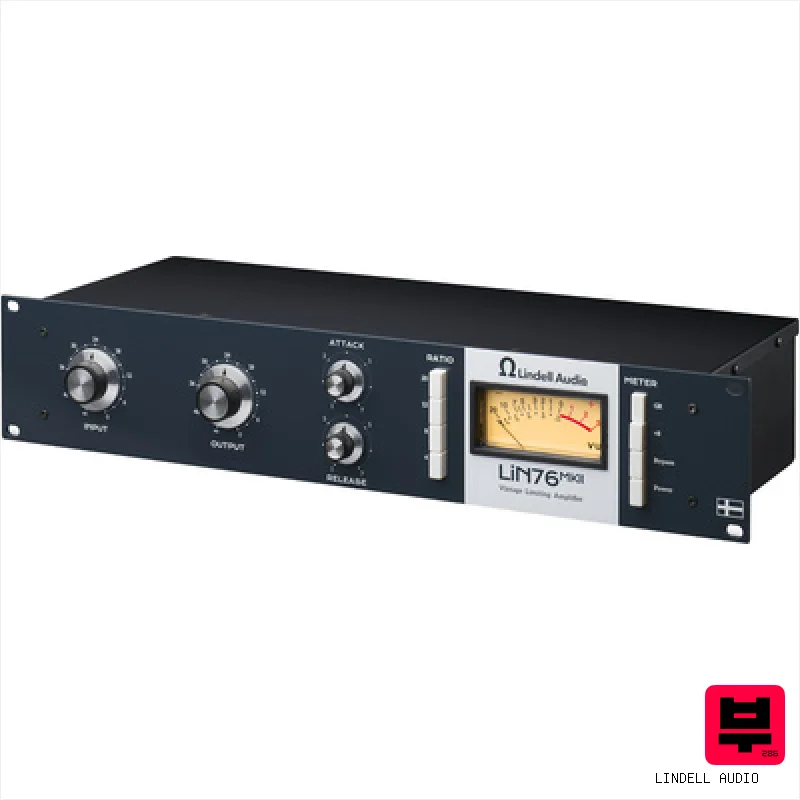
The Harrison D510r is a seriously well-built 500 series chassis, designed for studios prioritizing clean, reliable power and expandability. It’s a great foundation for building a custom signal chain, especially if you’re already invested in the Harrison sound and want to add Dante connectivity down the line. This is ideal for engineers and producers wanting a professional, expandable core for their studio.
Pros
- Robust steel construction ensures long-term reliability and stability
- Harrison’s signature clean power delivery minimizes noise and distortion
- Expandable Dante interface offers future-proofed digital integration
Cons
- Premium-priced, requiring a significant investment for a bare chassis
- Limited internal routing capabilities necessitate external patching solutions
66AudioFu
Index↓ 20.0%since Aug 14 · lowest so far$1,119 · Aug 14$895 now$895€799 at Thomann · in stockCheck price ↗ -
Harrison Audio Comp 500 Series Compressor Module
Comp · Harrison Audio
6 for sale on Reverb1 finish at Thomann
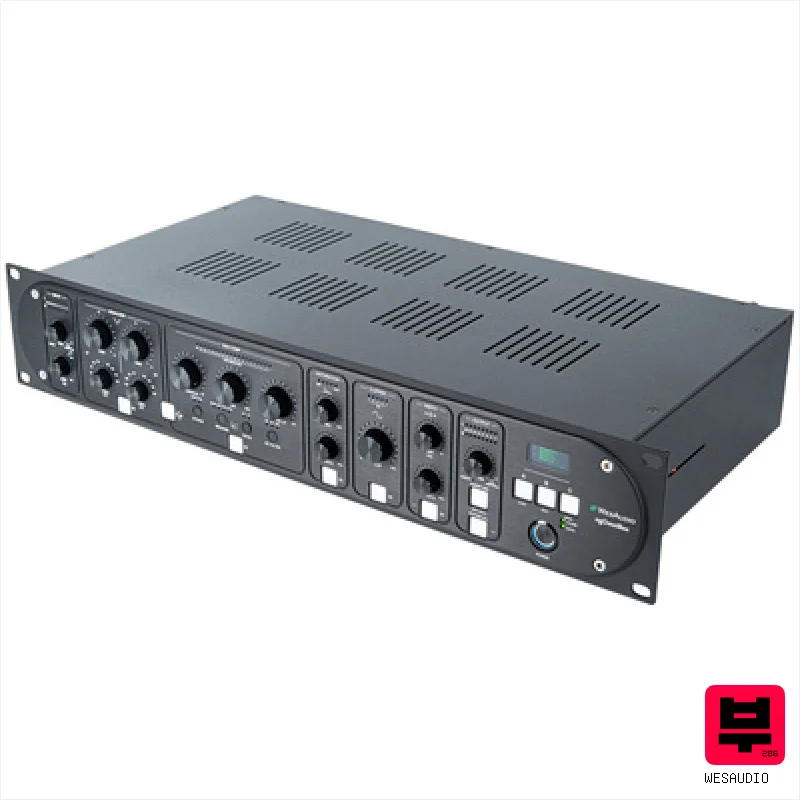
This Harrison Audio Comp is a seriously good-sounding compressor, plain and simple. It's got that classic Harrison warmth and a really intuitive feel thanks to the program-dependent attack. If you're tracking vocals, guitars, or anything needing a touch of vintage glue, this is a fantastic choice – especially for engineers chasing a polished, analog vibe without fuss.
Pros
- THAT2180 VCA delivers clean, musical compression.
- Programme-dependent attack offers natural, responsive dynamics.
- Harrison's signature sonic character adds warmth and polish.
Cons
- Limited control compared to more complex, multi-band compressors.
- 500 format requires a frame, adding to overall system cost.
53AudioFu
Index↓ 44.3%since Aug 14 · lowest so far$481 · Aug 14$268 now$268€239 at Thomann · in stockCheck price ↗ -
Harrison Audio 32Cpre+ 500 Series Microphone Preamp Module
32Cpre+ · Harrison Audio
6 for sale on Reverb1 finish at Thomann
The 32Cpre+ delivers that classic Harrison console vibe in a compact 500 format. It’s a fantastic choice for engineers and producers seeking a warm, musical preamp for vocals, guitars, or bass, especially if you appreciate a slightly vintage, rounded sound. This is a premium-priced option that nails a specific sonic character – it's not a 'do-everything' preamp, but it excels at what it does.
Pros
- Jensen transformer imparts Harrison's signature warmth and subtle harmonic enhancement.
- DI input offers a surprisingly clean and robust direct recording option.
- HP/LP filters provide useful tonal shaping and noise reduction capabilities.
Cons
- Limited routing options compared to more complex 500 series modules.
- Gain range, while sufficient, might be restrictive for exceptionally low-output mics.
53AudioFu
Index↓ 42.5%since Aug 14 · lowest so far$817 · Aug 14$470 now$470€419 at Thomann · in stockCheck price ↗ -
Harrison Audio MR3eq 500 Series Equalizer Module
MR3eq · Harrison Audio
2 for sale on Reverb1 finish at Thomann
The Harrison MR3eq is a seriously good-sounding EQ – that classic Harrison vibe, really. It's perfect for adding polish to vocals, guitars, or anything needing a touch of analog warmth. If you're chasing that vintage console tone without the console, this is a great starting point.
Pros
- Harrison's signature warmth and musicality shine through.
- Proportional Q offers excellent flexibility for subtle or aggressive shaping.
- HP filter with resonance adds character and useful tonal options.
Cons
- Limited to a single channel – not ideal for complex stereo processing.
- EQ range, while musical, might be restrictive for extreme surgical cuts.
43AudioFu
Index↓ 44.3%since Aug 14 · lowest so far$481 · Aug 14$268 now$268€239 at Thomann · in stockCheck price ↗
500 Series Components by the numbers
Measured across all 176 models we track, not a sample.
median of 18 models · 19"–19"
median of 24 models · 0.38 kg–6.4 kg
How to choose the best 500 series components
Heritage & Tone
Harrison's heritage is baked into these modules. They're aiming for that characteristic Harrison 'console glue' - a subtle saturation and harmonic richness that makes things sound bigger and more cohesive, particularly in the midrange. It's not a harsh distortion, more like a gentle thickening, which is fantastic for guitars or vocals that need a little extra presence.
Transformer Design
Harrison uses custom-wound transformers in most of their 500 modules. These aren't just for show; they impart a subtle warmth and color, a low-end thump that adds weight and definition. You'll hear it when tracking bass, or when you're trying to make a snare drum cut through a dense mix.
Build Quality
The construction is solid. These feel like they're built to withstand the rigors of gigging and studio use. The pots are smooth, the jacks are robust, and the overall impression is one of quality - a welcome change from some of the flimsy 500 modules out there.
EQ Characteristics
The EQ in Harrison's 500 modules isn't surgical; it's musical. It's got a gentler curve, a less aggressive tone that's perfect for subtle shaping and sweetening. Think of it as a refinement tool, not a scalpel - it's great for adding a little air to vocals or taming harshness in guitars.
Headroom & Dynamics
These modules offer surprisingly good headroom before breakup. You can push them without getting into unpleasant distortion, which is crucial for tracking loud sources like drums or amplifiers. The way they handle transients is also noteworthy; they retain the punch and attack while adding warmth.
Buying guide
Alright, let's talk Harrison Audio 500 series. You're chasing that classic analog console vibe, that warmth and character that's been missing from your digital setup, right? Harrison's 500 series isn't trying to be a clone of anything else; they're bringing that authentic Harrison sound - that slightly rounded, harmonically rich tone - into a compact format. If you're tired of sterile, hyper-accurate recordings, these are worth a serious look.
Look, Harrison 500 modules aren't the cheapest on the market. You're paying for that signature Harrison tone and the build quality that comes with it. Don't expect pinpoint accuracy; they're designed to add character.
If you're after clinical transparency, look elsewhere. But if you're after that vintage console vibe and a little extra sonic mojo, these are a solid investment.
How the AudioFu Index works
Five measured signals and nothing else — no stars from strangers, no “tested by experts” we didn’t do. The weights are fixed and public. We don’t play these instruments; we measure the market around them.
This chart covers 6 500 series components from the Thomann catalogue (of 176 in the category). Before you buy, read hands-on reviews and, where you can, play it. Full methodology.
AudioFu earns a commission when you buy through our Thomann links. It never changes the order — the index does.
- Demand40%
How many of this exact model are for sale on Reverb right now — what musicians actually buy and resell.
- Lineup20%
How many finishes Thomann stocks — makers expand the models that sell.
- Price15%
Where the price has moved since we started tracking in August.
- Specs15%
How completely the maker documents it.
- Maker10%
How deep the brand’s range is in this category.
Questions
Are Harrison 500 modules worth the price compared to other brands?
It depends. If you're after a specific 'Harrison' sound, absolutely. If you're just looking for a generic EQ or compressor, there are cheaper options. Consider what you value: heritage, tone, and build quality versus pure functionality.
Do I need a power supply?
Yep, these are 500 series, so they require a compatible 500 rack or power supply. Don't skimp on the power supply either; a bad one can negatively impact the sound and reliability of your modules.
Can I use these modules on a digital audio workstation (DAW)?
Of course! They're analog processors; they work with anything. Use them as inserts during tracking or as mix bus processors to add some warmth and glue to your stereo image.
Are these modules easy to integrate into an existing 500 rack?
They should be. Standard spacing and power requirements. Just make sure your rack can handle the current draw, especially if you're chaining multiple modules.
What's the difference between the different Harrison 500 modules?
Each module has a specific purpose - EQ, compressor, mic preamp. The EQ modules generally have that signature Harrison 'console' tone, while the preamps offer a cleaner, more transparent sound, though still with that characteristic Harrison warmth.