
Best Chandler Limited 500 Series Components 2026
Alright, let's talk Chandler Limited 500 series modules. If you're chasing that vintage, thick, and undeniably expensive vibe, Chandler's your starting point. They don't just emulate classic gear, they're built by people who genuinely understand how that gear worked - and how to improve upon it. Forget sterile digital clean; we're talking about adding character and grit that'll make your tracks breathe.
Last updated: July 22, 2026 • Next update: July 29, 2026
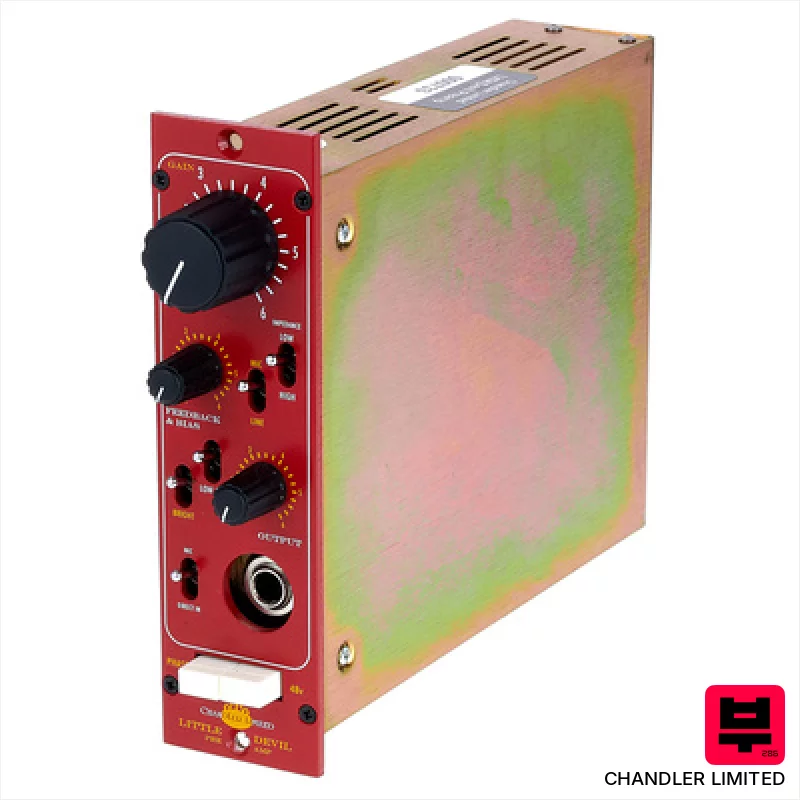
Chandler Limited Little Devil Preamp
- • Chandler’s signature germanium character adds a unique warmth and harmonic richness.
- • Switchable impedance offers incredible flexibility tailoring the preamp to various microphone types.
- • Robust build quality with premium components ensures longevity and reliability.
- • Front-panel DI input provides a convenient and high-quality direct recording option.
- • Limited to a single channel, making it unsuitable for stereo or multi-mic setups.
- • The feedback/bias control requires careful adjustment to avoid unwanted distortion.
- • Premium-priced, making it a significant investment for home studios.
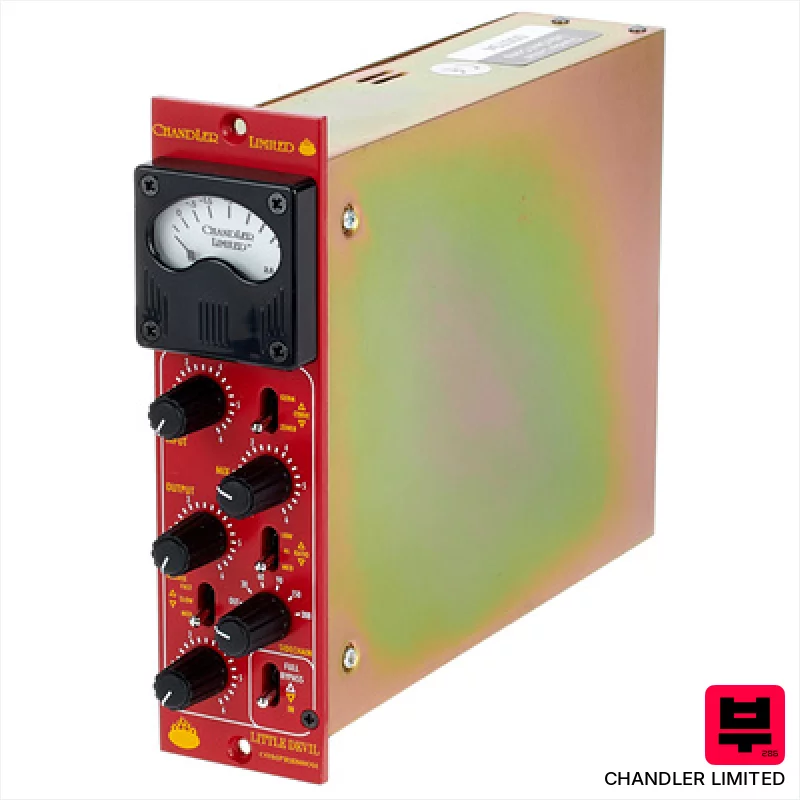
Chandler Limited Little Devil Compressor
- • Exceptional transient shaping with Zener/Germanium knee options
- • Chandler's signature germanium warmth and subtle saturation
- • Versatile sidechain filter effectively tames unruly low frequencies
- • Robust API 500 format construction ensures long-term reliability
- • Can be overly aggressive on delicate material without careful adjustment
- • Limited ratio options restrict precise gain reduction control
- • High-end price point puts it out of reach for budget-conscious users
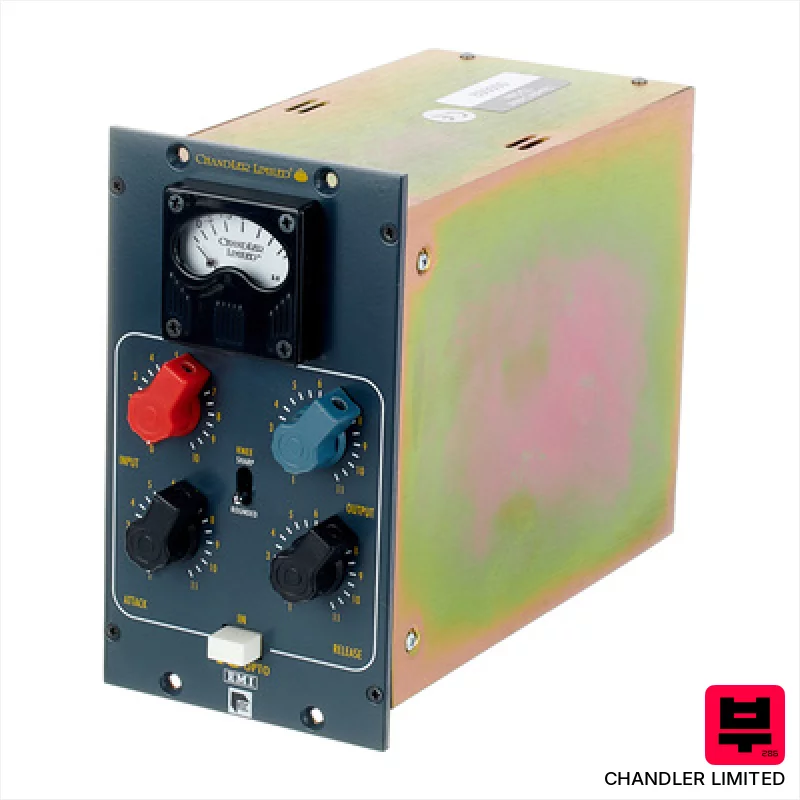
Chandler Limited TG Opto Compressor
- • Authentic TG1 Limiter character, beautifully recreating a classic console sound
- • Smooth, musical compression even at high gain reduction levels
- • Excellent build quality with robust metal chassis and high-grade components
- • Flexible stepped controls offer precise tailoring of compression characteristics
- • Two 500-series slots require significant rack space for a single channel
- • Opto compression can be less precise than VCA or FET designs
- • Premium-priced, representing a significant investment for many studios

Chandler Limited TG2 500 Preamp
- • Chandler’s recreation of the classic TG1 preamp’s vibe is exceptional.
- • Robust build quality with premium components; feels incredibly solid.
- • The phase switch is genuinely useful for taming unruly vocals or guitars.
- • Significant headroom; handles hot signals without excessive distortion.
- • Limited flexibility compared to more modern, multi-mode preamps.
- • The TG2’s character is very specific; may not suit all applications.
- • Can be a premium-priced investment for a single-channel module.
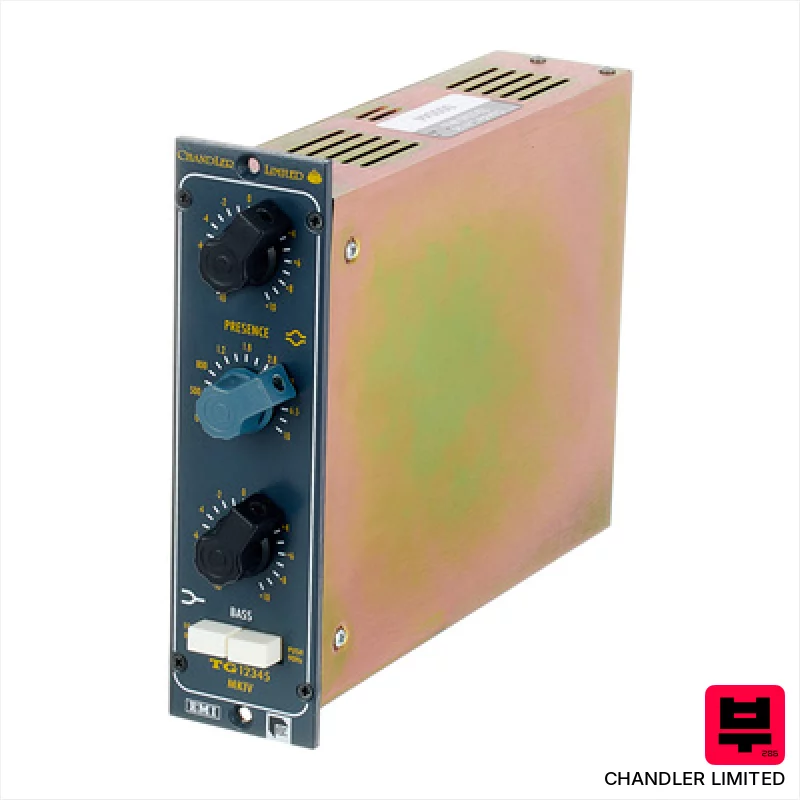
Chandler Limited TG12345 MKIV EQ
- • Exceptional vintage Neve-inspired EQ character, incredibly musical
- • Discrete Class A circuitry delivers warmth and harmonic richness
- • The 'Presence' EQ band is truly unique, adding vocal clarity
- • Robust build quality with premium components; feels like a tank
- • Limited flexibility compared to more modern, parametric EQs
- • Can be quite power hungry, impacting 500 series rack headroom
- • High-end price point restricts accessibility for many studios
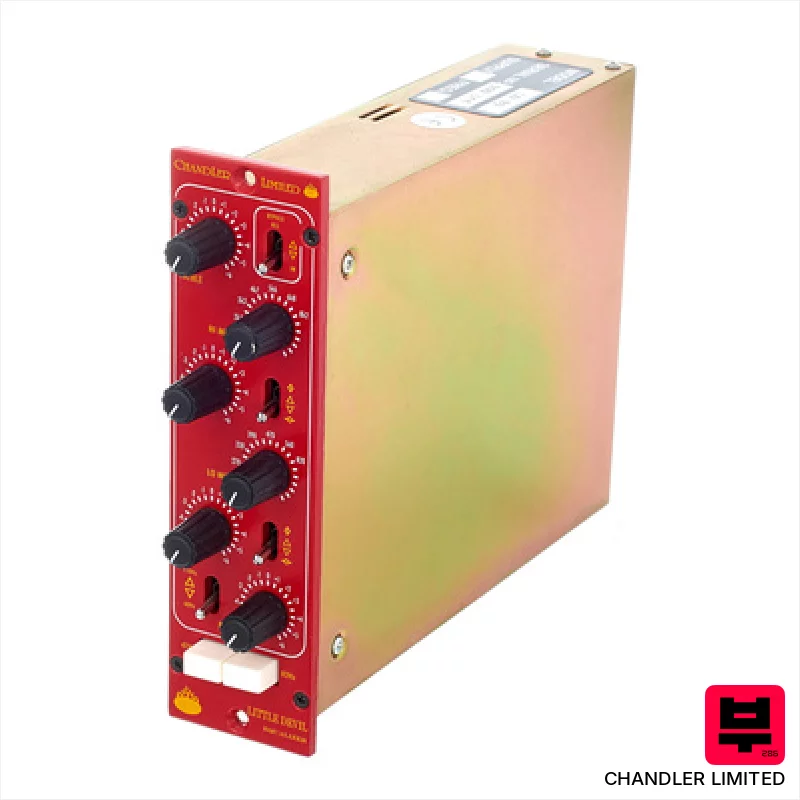
Chandler Limited Little Devil EQ
- • Exceptional inductor-based EQ delivers classic British console warmth.
- • Flexible filtering options provide nuanced tonal shaping capabilities.
- • Robust API 500 format ensures compatibility with existing racks.
- • Discrete design emulates the coveted sonic signature of vintage consoles.
- • Premium-priced, making it a significant investment for smaller studios.
- • Limited to mono operation; no stereo processing capabilities.
- • Relatively narrow frequency range compared to some modern EQs.
How to Choose the Best 500 Series Components
Heritage & Design
Chandler's roots are deep in the classic Neve, API, and Fairchild designs. They're not just recreating circuits; they're reverse-engineering and subtly tweaking them for modern applications, often incorporating hand-wound transformers that make a massive difference in that low-midrange warmth.
Tone Characteristics
That's the "fat midrange honk" everyone's after. It's not just about low-end thump; it's about a rich harmonic content that adds sustain and body to instruments. Vocals sit better, guitars cut through a dense mix without sounding harsh, and drums have a satisfying punch - it's a very specific, and very desirable, sonic signature.
Transformer Magic
Chandler's obsessive use of custom-wound transformers isn't just for show. They fundamentally shape the tone, adding a subtle saturation and a pleasing, almost organic distortion when you really push them. This is what gives them that 'expensive' sound - it's hard to fake.
Build Quality
These modules are built like tanks. Thick PCBs, robust knobs, and that satisfyingly heavy feel speak to a commitment to longevity. You're not buying something that's going to fall apart after a few gigs; these are built to last a career.
Component Selection
It's the details that matter. Chandler doesn't skimp on the components - they use high-quality resistors, capacitors, and op-amps that contribute to the overall sonic performance and stability. This reduces noise and improves headroom, letting you push the modules harder without unwanted artifacts.
Buying Guide
Chandler 500 modules are an investment, no doubt. Don't expect a 'plug and play' experience - they require careful gain staging and a good understanding of how they interact with your signal chain. Watch out for 'clone' modules; the genuine article is instantly recognizable by the build quality and that unmistakable Chandler sonic character. If you're serious about adding genuine vibe and character to your recordings, Chandler is worth the splurge.
Our Methodology
We don't just look at specs here. We've spent countless hours A/B'ing Chandler modules against their vintage counterparts, tracking drums, laying down vocals, and pushing them to their limits in both studio and live settings. We're evaluating how these modules feel and, most importantly, how they sound in real-world scenarios - not just on a pristine test bench.

