
Best Epiphone 4-String Basses 2026
Alright, so you're in the market for an Epiphone 4-string bass? Smart move. They've been quietly delivering serious value for years, offering a ton of Gibson thump at a fraction of the price. We're not talking about budget instruments here, though - Epiphone's upped their game considerably, and a good one can hold its own with gear costing twice as much. Let's break down what makes them tick.
Last updated: April 11, 2026
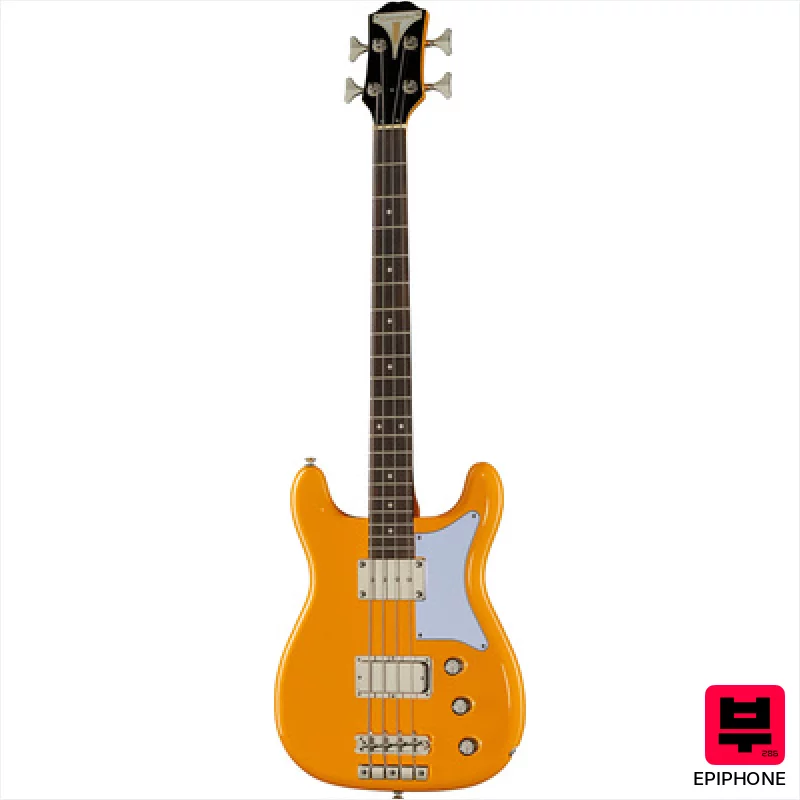
Epiphone Newport Bass California Coral
- • Mahogany body delivers warm, resonant low-end tones.
- • TB Pro humbucker provides powerful, articulate bridge output.
- • Indian Laurel fingerboard offers smooth playability and pleasing aesthetics.
- • Historic Tune-O-Matic bridge enhances sustain and tuning stability.
- • California Coral finish might not appeal to all aesthetic preferences.
- • Glued-in neck limits high-end upgrade potential compared to bolt-on.
- • Scale length slightly shorter, impacting low-B string definition at extreme volumes.
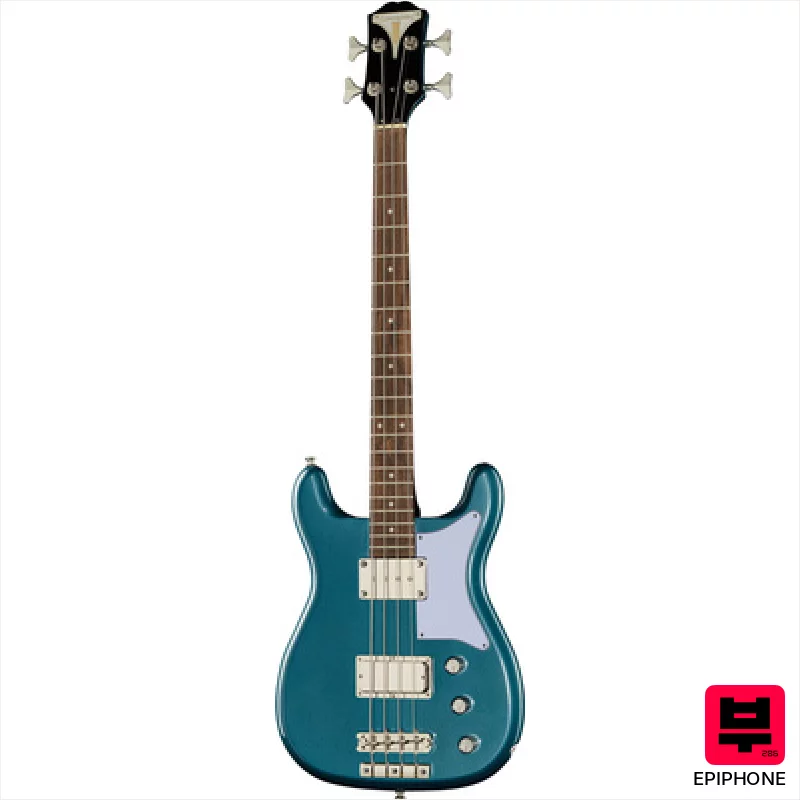
Epiphone Newport Bass Pacific Blue
- • Mahogany body provides warm, resonant low-end tones.
- • TB Pro humbucker delivers thick, powerful bridge tones.
- • Indian laurel fingerboard offers a smooth, comfortable playing experience.
- • Blend control allows for versatile tonal shaping between pickups.
- • Mahogany construction can make it a bit heavier than some basses.
- • Pacific Blue finish, while striking, might not suit all tastes.
- • Tone controls, while functional, lack the refinement of higher-end basses.
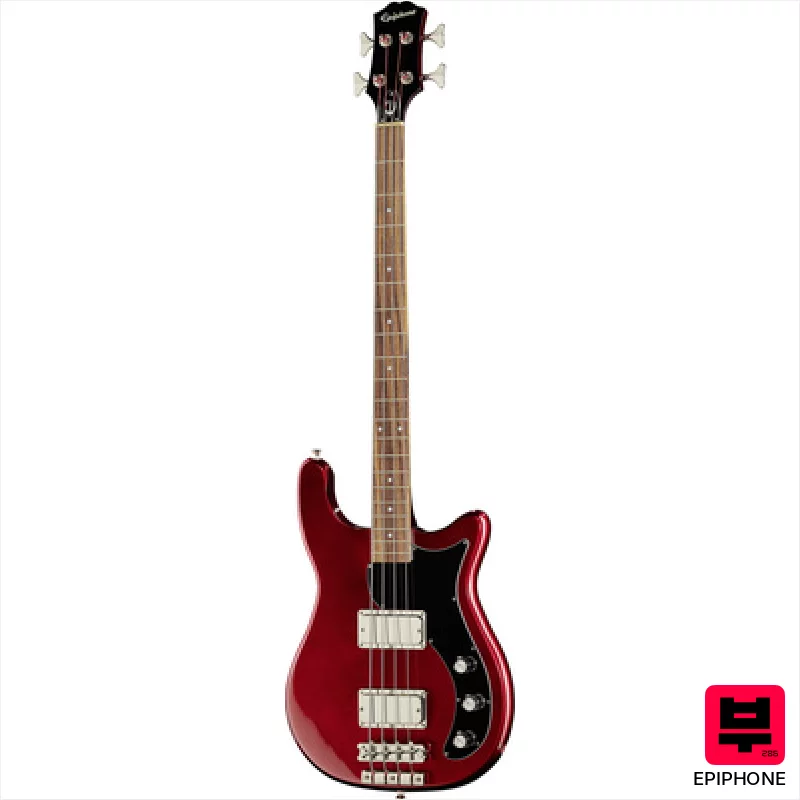
Epiphone Embassy Bass Sparkling Burgund
- • Mahogany body delivers a warm, resonant, and woody low-end.
- • ProBucker 760 pickups offer a thick, punchy tone ideal for vintage styles.
- • The Medium C neck profile is comfortable and playable for a wide range of players.
- • Historic tailpiece and Tune-O-Matic bridge contribute to a vintage aesthetic and improved sustain.
- • Mahogany body may make it slightly heavier than basses with different woods.
- • While versatile, the pickups lean towards a more classic tone, limiting extreme modern sounds.
- • Indian Laurel fretboard, while good, isn’t as premium feeling as rosewood or ebony.
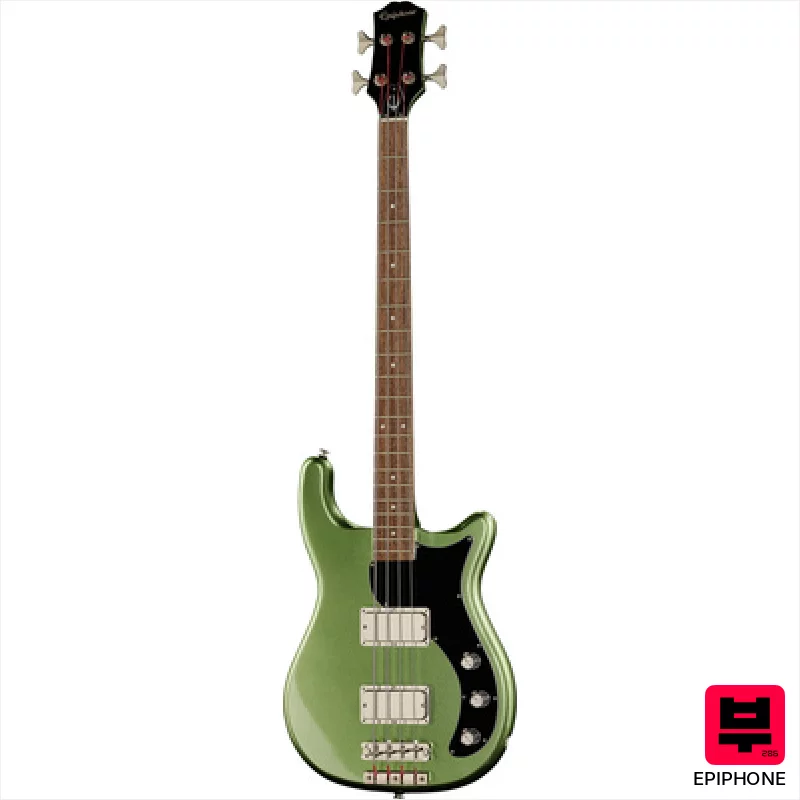
Epiphone Embassy Bass Wanderlust Green
- • Mahogany body provides warm, resonant low-end tones.
- • Indian Laurel fretboard offers a smooth, articulate playing experience.
- • ProBucker pickups deliver a thick, vintage-inspired growl.
- • Historic tailpiece adds a touch of vintage aesthetics and solid tuning stability.
- • Mahogany body can make it feel a little heavier than some basses.
- • Wanderlust Green finish might be polarizing for some players’ tastes.
- • Blend control’s effectiveness is somewhat limited compared to higher-end basses.
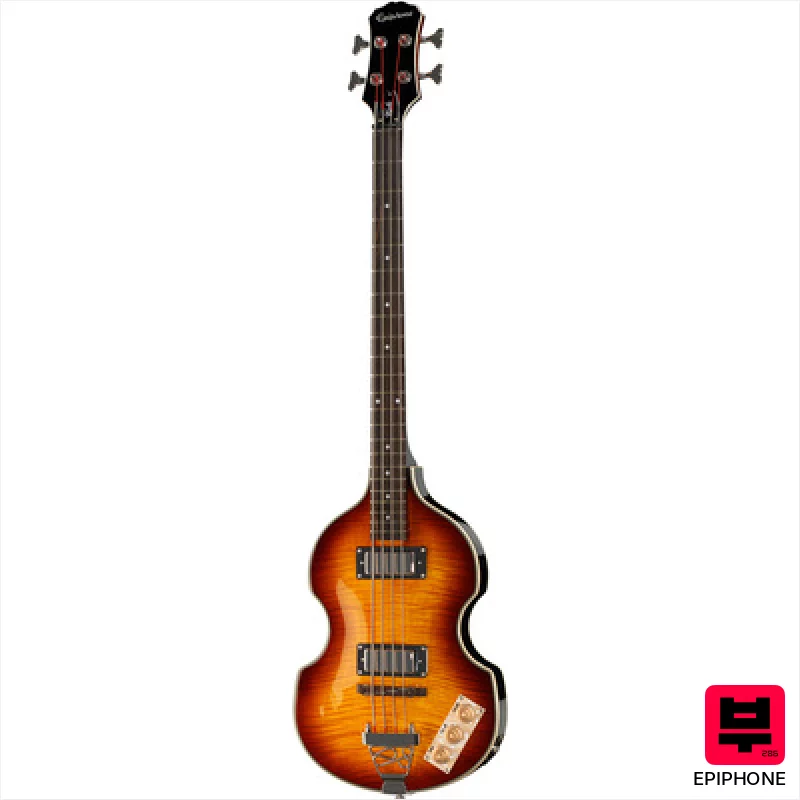
Epiphone Viola Bass
- • Maple body delivers a focused, punchy tone characteristic of vintage basses.
- • NYR/NYT humbuckers offer a surprisingly versatile range of sounds, from mellow to growly.
- • Short scale (30.5 in) provides comfortable playability, especially for smaller hands or beginners.
- • Pau Ferro fingerboard offers a smooth playing experience and a touch of warmth.
- • Maple construction can sound a little 'boxy' without careful EQ adjustments.
- • Limited tonal versatility compared to basses with more pickup options or active electronics.
- • The shorter scale may feel cramped for bassists accustomed to longer scales.

Epiphone Embassy Bass Graphite Black
- • Mahogany body delivers a warm, resonant low-end with excellent sustain.
- • ProBucker 760 pickups offer a surprisingly articulate and powerful vintage tone.
- • Medium C neck profile is comfortable and accessible for a wide range of players.
- • Indian Laurel fretboard provides a smooth playing experience and pleasing tonal character.
- • Graphite Black finish, while striking, can be a fingerprint magnet.
- • Mahogany body may make it slightly heavier than some bass guitars.
- • Blend control could offer more nuanced tonal shaping for advanced users.
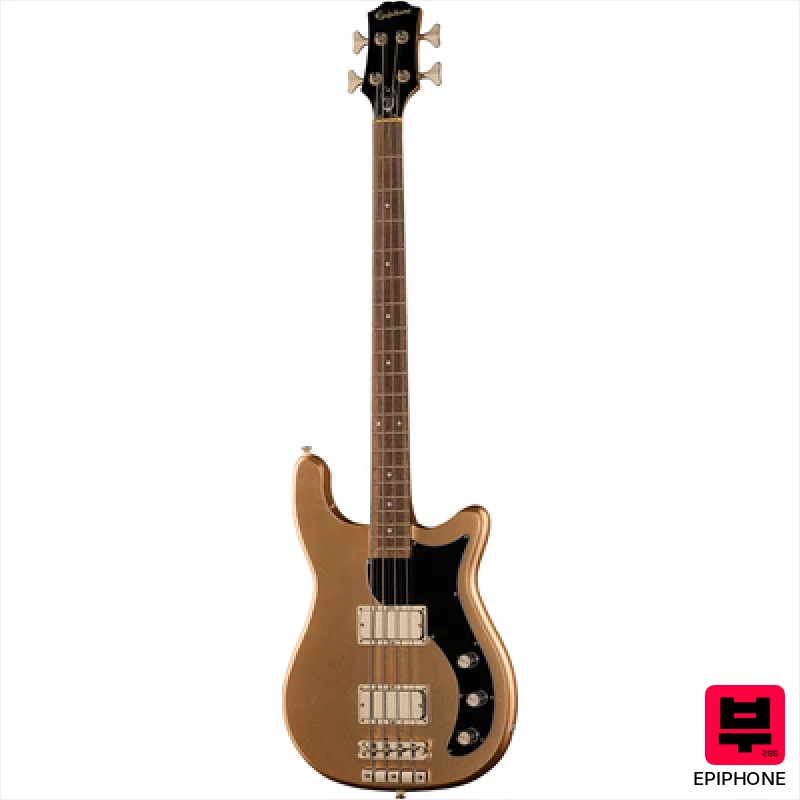
Epiphone Embassy Bass Smoked Almond
- • Mahogany body delivers warm, resonant low-end tones
- • ProBucker 760 pickups offer a vintage-inspired growl and punch
- • Medium C neck profile is comfortable for extended playing sessions
- • Historic tailpiece adds a touch of vintage aesthetic and solid string termination
- • Mahogany body can make it feel a little heavier than some basses
- • Smoked Almond finish might not appeal to all aesthetic preferences
- • Blend control's effectiveness can be limited with these pickups
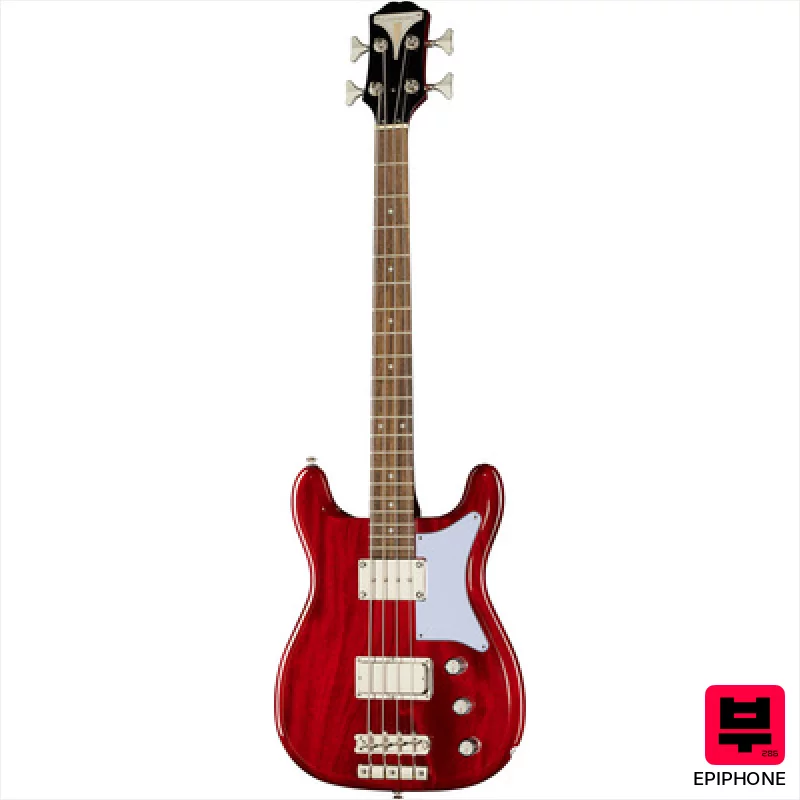
Epiphone Newport Bass Cherry
- • Mahogany body delivers warm, resonant low-end tones.
- • TB Pro humbucker provides powerful, articulate bridge tone.
- • Indian Laurel fingerboard offers a smooth, comfortable playing experience.
- • Blend control allows for versatile tonal shaping, from mellow to aggressive.
- • Mahogany construction can make it feel slightly heavier than modern basses.
- • Neck profile might be too thick for players preferring a slimmer feel.
- • Single coil pickup lacks the punch of higher-end vintage designs.
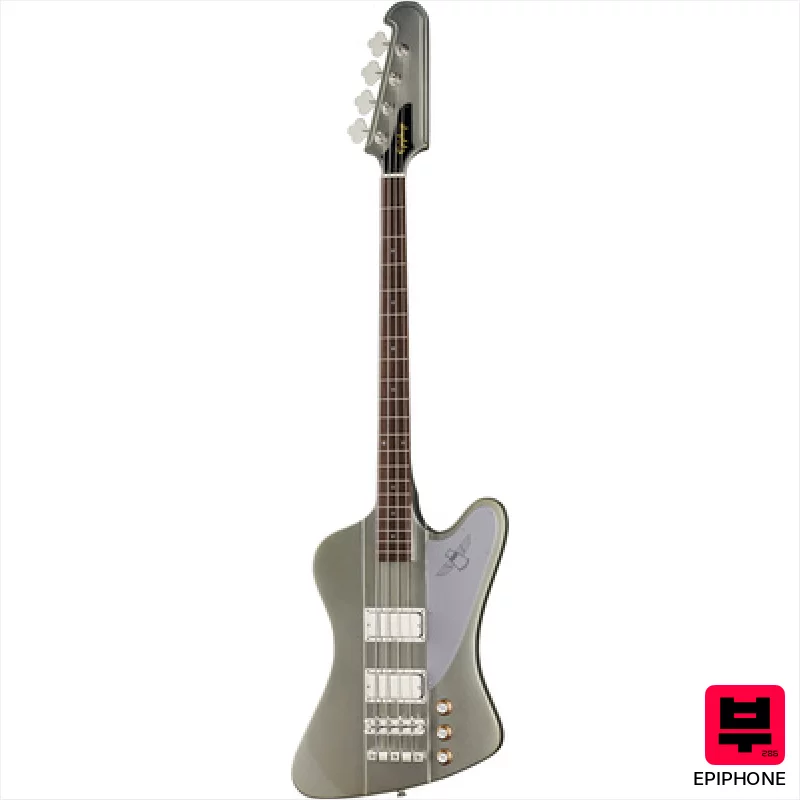
Epiphone Thunderbird '64 Bass SM
- • Nine-ply mahogany/walnut body delivers a uniquely thick, resonant tone.
- • ProBucker 760 pickups provide a powerful, vintage-voiced growl with great clarity.
- • Rounded neck profile offers comfortable playability, even for extended sessions.
- • Solid nickel hardware adds a touch of vintage aesthetic and reliable performance.
- • The substantial body construction makes this bass noticeably heavier than many alternatives.
- • While versatile, its tone leans towards rock/blues, limiting extreme genre flexibility.
- • The Indian laurel fingerboard, while good, isn't quite as premium as ebony.
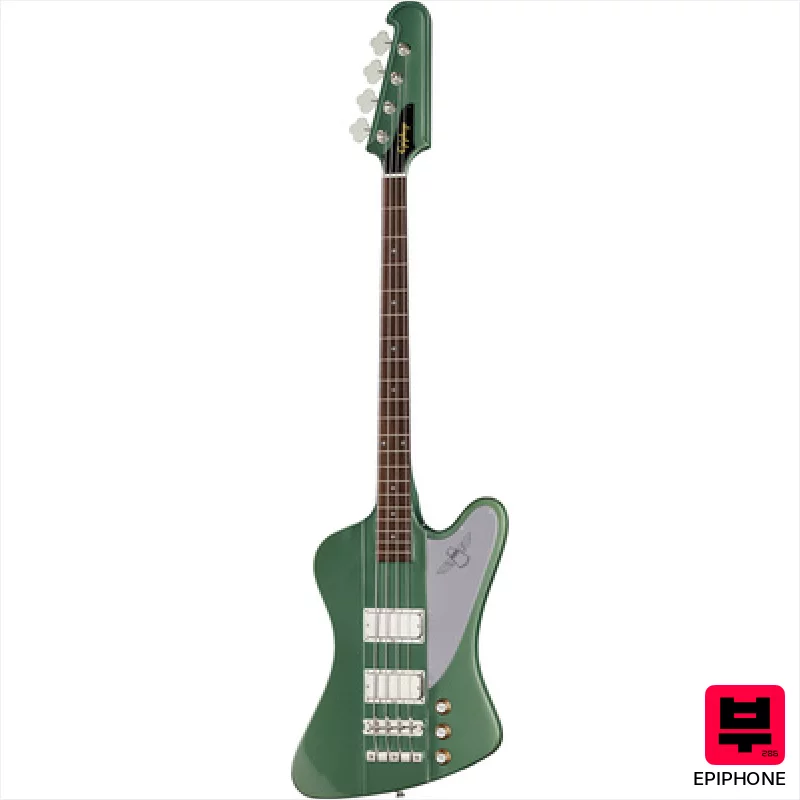
Epiphone Thunderbird '64 Bass IG
- • Nine-ply mahogany/walnut body delivers exceptional sustain and warmth.
- • ProBucker 760 pickups offer a thick, vintage-inspired tone with growl.
- • Rounded neck profile provides comfortable playability for extended gigs.
- • Indian laurel fingerboard offers a snappy, articulate feel and bright tone.
- • The substantial body construction results in a noticeably heavier instrument.
- • Inverness Green finish, while iconic, might not appeal to all players' tastes.
- • Limited tonal versatility compared to more modern, active bass designs.
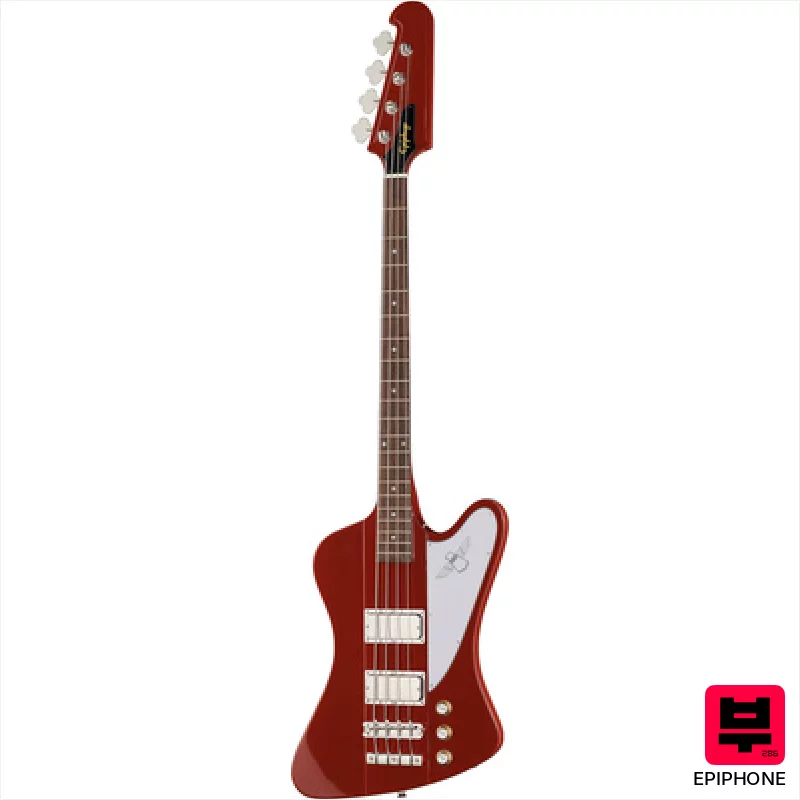
Epiphone Thunderbird '64 Bass ER
- • Nine-ply mahogany/walnut body delivers a unique, resonant, and powerful low-end.
- • ProBucker 760 pickups offer a thick, vintage-voiced tone with surprising clarity.
- • Rounded neck profile provides comfortable playability, even for extended playing sessions.
- • Indian laurel fingerboard offers a smooth feel and good note definition across the neck.
- • The substantial body construction makes it noticeably heavier than many modern basses.
- • The Thunderbird's distinctive shape limits its versatility for more nuanced playing styles.
- • Nickel hardware, while aesthetically pleasing, might show wear more quickly than chrome.
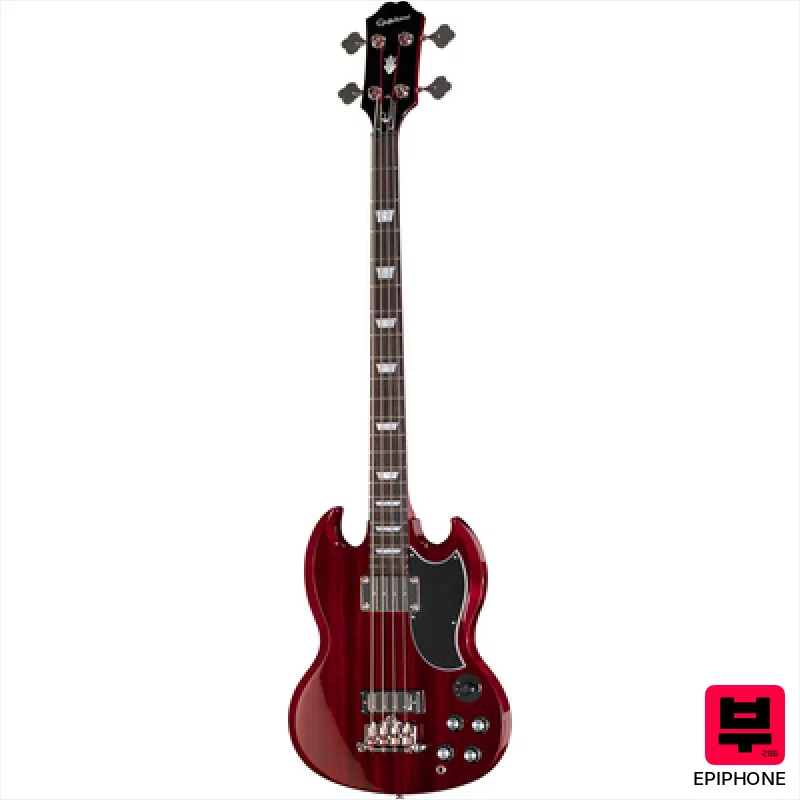
Epiphone EB-3 CH
- • Mahogany body delivers a warm, resonant, and woody tonal foundation.
- • Sidewinder humbucker provides a thick, growly low-end perfect for rock.
- • Slim taper neck profile offers comfortable and fast playing feel for most hands.
- • Rosewood fretboard adds clarity and a touch of vintage warmth to the tone.
- • Limited tonal versatility; excels in rock but struggles with clean, modern sounds.
- • Mahogany body can make the bass feel somewhat heavier than basses with alder.
- • Hardware, while functional, isn’t quite on par with premium-priced instruments.

Epiphone EB-3 EB
- • Mahogany body delivers warm, resonant, and sustain-rich tones.
- • Sidewinder humbucker provides thick, aggressive low-end growl.
- • Set-in neck construction enhances sustain and comfortable playability.
- • Rosewood fretboard adds a touch of vintage warmth and feel.
- • Limited pickup versatility compared to basses with more varied configurations.
- • Mahogany body can make it feel a bit weighty for extended playing sessions.
- • Rosewood fretboard may require more frequent oiling to prevent dryness.
How to Choose the Best 4-String Basses
Heritage & Design
Epiphone's lineage is undeniable. They're essentially offering Gibson designs at a more accessible price point, inheriting that classic look and feel-though expect some inevitable compromises. The aesthetic is a big part of the appeal, especially if you're after that vintage vibe.
Tonewood & Construction
While often using mahogany bodies and maple necks (or combinations thereof), Epiphone's wood selection isn't always top-shelf. You'll find some solid construction, but don't expect the same grain density or resonance you'd get with a higher-end Gibson. The finish quality can also vary-some are surprisingly good, others show minor flaws.
Pickup Voicing & Electronics
Epiphone pickups have come a long way. Early models were often muddy, but modern versions (especially on the Pro series) offer a surprisingly articulate and punchy tone. They can cover a lot of ground, from that classic Motown thump to a more aggressive rock growl, but they might lack the nuanced detail of boutique pickups.
Neck Profile & Playability
This is crucial. Epiphone offers a range of neck profiles - from slim and modern to thicker, vintage-style shapes. A comfortable neck is essential for long gigs or recording sessions, and the action (string height) is usually manageable, though a professional setup is often recommended to truly optimize playability.
Value Proposition
This is Epiphone's killer app. You're getting a recognizable design, decent build quality, and usable tone at a price that won't break the bank. It's a fantastic starting point for beginners, but even experienced players can find a lot to love in an Epiphone bass, especially if they're on a budget.
Buying Guide
Don't expect a flawless instrument - Epiphone is a value brand. Look closely for finish imperfections and check the neck for straightness. Spending a bit more on a Pro series model often gets you better hardware (better tuners, better pickups) and a more consistent build. A professional setup is almost always worth it to optimize playability and intonation.
How This List Is Built
We don't play these instruments — we're a catalog, not a review desk, and we'd rather say so than pretend otherwise. This page ranks 13 4-string basses from the Thomann catalogue, which is the largest single source of specification data in this category.
Position is computed, not curated. Four signals, in order of weight: how completely the manufacturer documents the instrument (number of published specifications), where it sits in the price range, how specific the model designation is — which filters out generic accessories — and whether a product image exists. The same inputs always produce the same order, so nothing here is shuffled to look fresh.
What this list is good for: narrowing a category down to a shortlist by spec and budget. What it isn't: a substitute for hearing an instrument. Before you buy, read hands-on reviews and, where you can, play it. Full methodology.

