
Best Yamaha 4-String Basses 2026
Let's be honest, you're probably looking at Yamahas because you've heard they're reliable workhorses. But Yamaha's been building basses for a long time, and they've got some seriously cool instruments beyond just the TRBX174. We're diving into the best 4-string Yamaha basses - from vintage classics to modern contenders - to help you find something that'll actually inspire you to lay down a groove, not just hold its tune.
Last updated: April 11, 2026

Yamaha TRBX 604FM Caramel Brown
- • Alder body provides excellent resonance and sustain.
- • Maple/Mahogany neck offers a comfortable feel and warmth.
- • Alnico V pickups deliver powerful, articulate low-end tones.
- • Balance control offers significant tonal shaping flexibility.
- • Caramel Brown finish might not appeal to all aesthetic preferences.
- • While versatile, it leans towards modern rock/pop, less suited for upright-style playing.
- • The active circuitry can drain batteries if not used judiciously.

Yamaha TRBX604FM Dark Red Burst
- • Alder body provides a balanced, articulate tone with good sustain.
- • Flamed maple top adds visual appeal and a touch of brightness to the sound.
- • 5-piece maple/mahogany neck offers stability and a comfortable, fast feel.
- • Alnico double coil pickups deliver a punchy, modern tone with ample output.
- • Rosewood fingerboard might feel a bit dry for some players’ preferences.
- • The dark red burst finish can be prone to fingerprints and smudging.
- • While versatile, it leans towards modern styles, less suited for truly vintage tones.
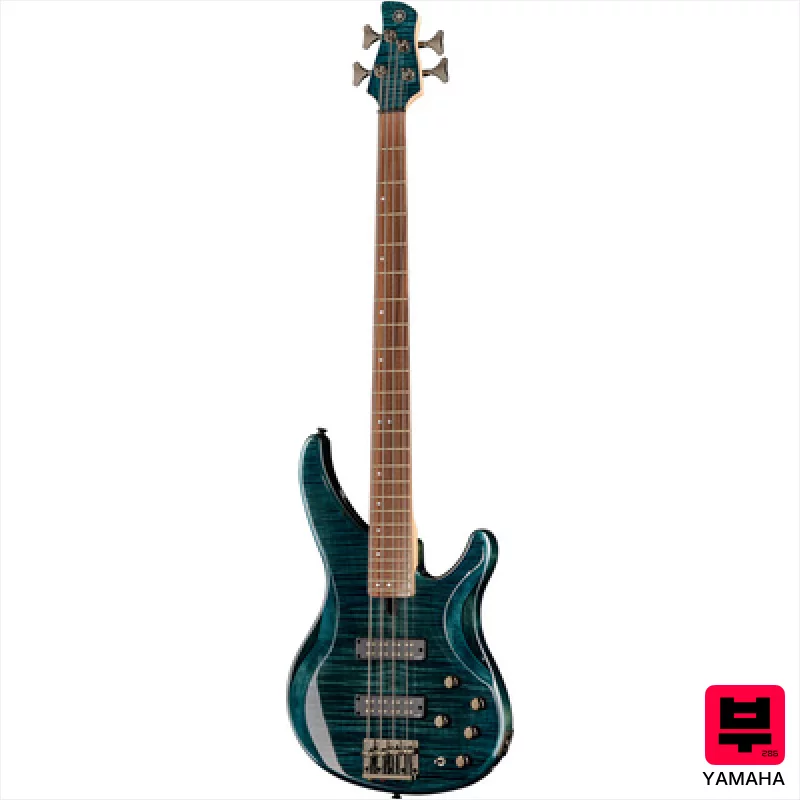
Yamaha TRBX 604FM Indigo Blue
- • Alder body provides a balanced, resonant tone with good sustain.
- • Maple/Mahogany neck offers comfortable playability and warmth.
- • Alnico double coils deliver a powerful, articulate sound with a modern edge.
- • 3-band EQ allows for substantial tonal shaping and customization.
- • Flamed maple top is cosmetic; doesn't significantly impact tone.
- • Rosewood fretboard might feel a bit dry for some players.
- • Slightly heavier than some basses, might fatigue during long gigs.
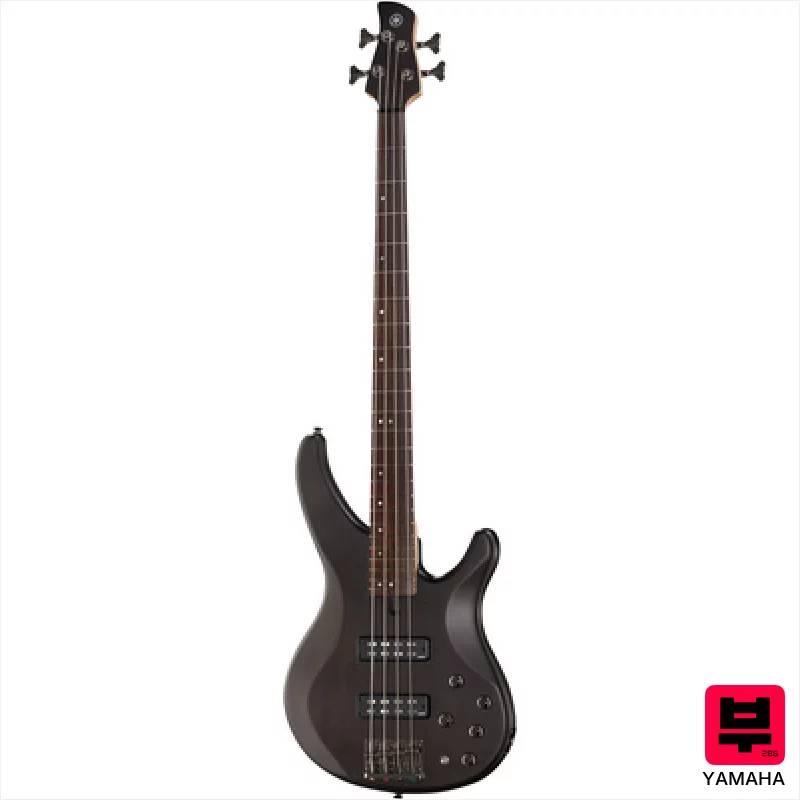
Yamaha TRBX 504 TBL
- • Mahogany body provides a warm, resonant, and controlled low-end.
- • 5-piece maple/mahogany neck offers stability and a comfortable, fast feel.
- • Alnico humbuckers deliver a versatile, punchy tone suitable for many genres.
- • Active/passive switch allows tonal flexibility, from aggressive to vintage warmth.
- • Translucent Black finish can show fingerprints and minor blemishes easily.
- • Rosewood fretboard might feel a bit dry to some players; conditioning recommended.
- • Bolt-on neck construction, while stable, lacks the sustain of a neck-through design.
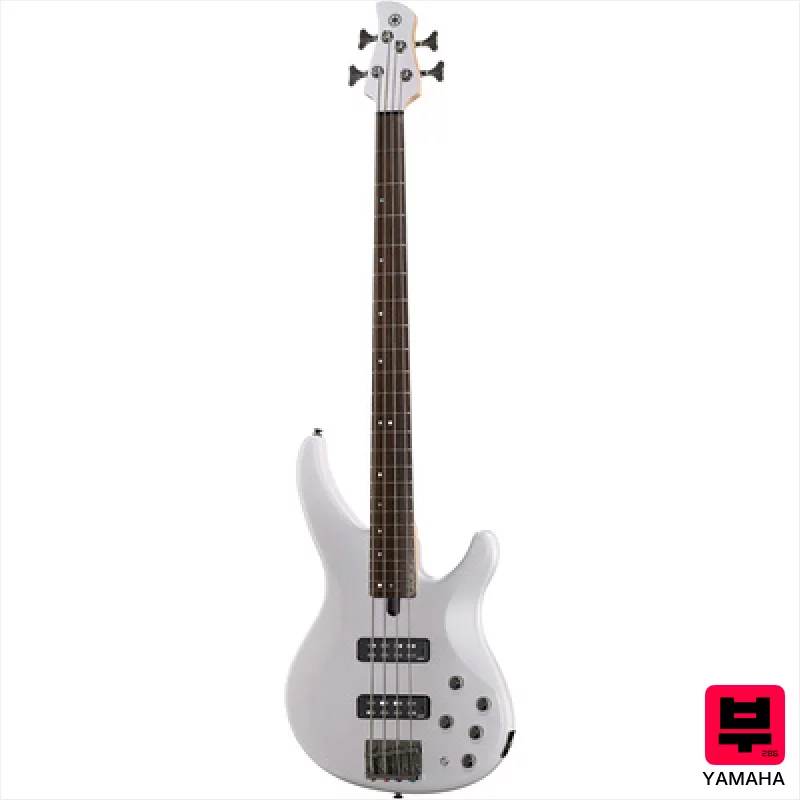
Yamaha TRBX 504 TWH
- • Mahogany body provides a warm, resonant, and surprisingly punchy low-end.
- • 5-piece maple/mahogany neck offers stability and a comfortable, modern feel.
- • Yamaha Alnico humbuckers deliver a versatile tone, from growl to smooth sustain.
- • Active/passive switch allows for tonal flexibility, adapting to various playing styles.
- • Translucent White finish can be prone to fingerprints and smudging.
- • Long scale (864mm) might feel slightly unwieldy for players with smaller hands.
- • Rosewood fretboard, while nice, isn’t the fastest for shredding compared to ebony.
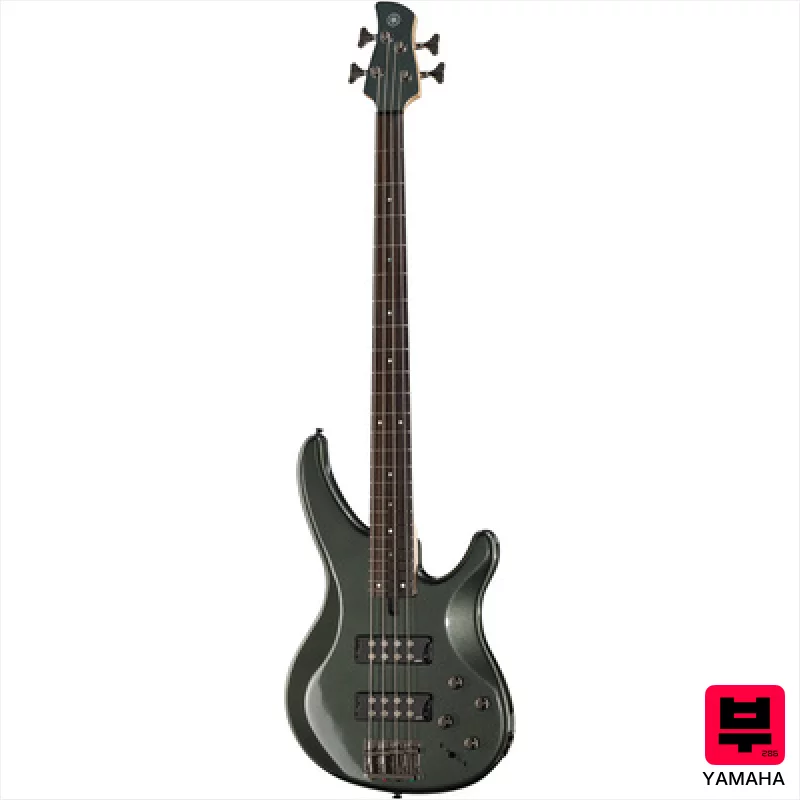
Yamaha TRBX 304 MGR
- • Mahogany body delivers warm, resonant tones with a focused low-end.
- • 5-piece maple/mahogany neck offers stability and a comfortable, fast feel.
- • Ceramic humbuckers provide a punchy, aggressive tone suitable for various genres.
- • Performance EQ is surprisingly effective for shaping your sound on the fly.
- • Mahogany body can make it a bit heavier than some basses; consider a strap.
- • 2-band EQ is limited compared to more complex onboard electronics.
- • Hardware, while functional, feels a little basic for the price point.

Yamaha TRBX 304 FBL
- • Mahogany body delivers a warm, resonant low-end foundation.
- • 5-piece maple/mahogany neck offers stability and a comfortable feel.
- • Ceramic pickups provide a punchy, modern tone suitable for diverse genres.
- • Performance EQ switch offers surprising tonal flexibility for the price.
- • Rosewood fretboard can feel a bit dry compared to alternatives like ebony.
- • Bolt-on neck construction lacks the sustain of a neck-through design.
- • The 2-band EQ, while functional, is limited for nuanced tone shaping.
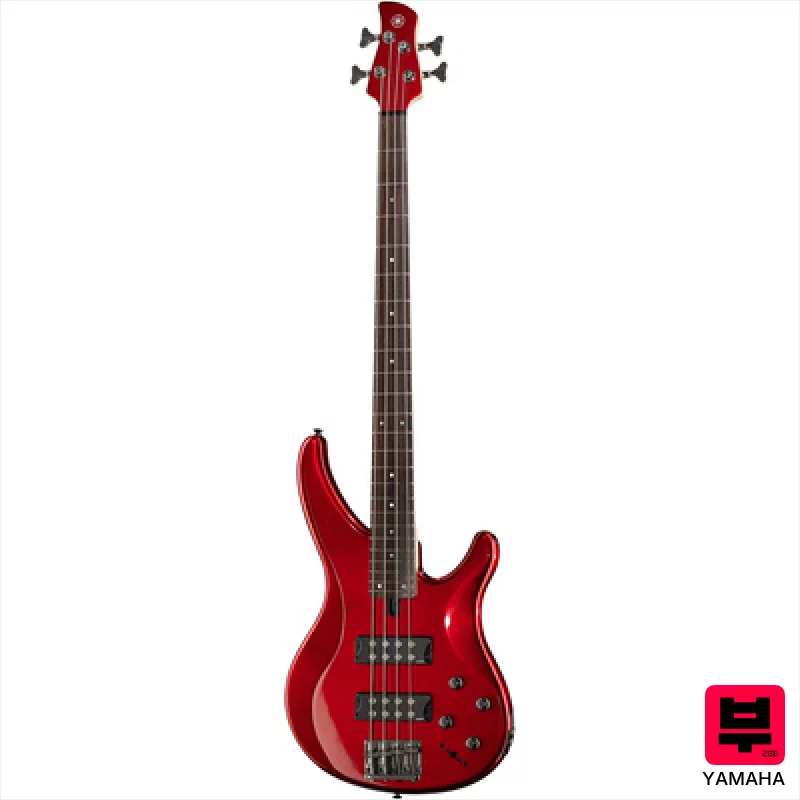
Yamaha TRBX 304 CAR
- • Mahogany body delivers a warm, resonant low-end tone.
- • 5-piece maple/mahogany neck provides excellent stability and feel.
- • Ceramic humbuckers offer a thick, punchy sound with good clarity.
- • Performance EQ is surprisingly effective for quick tonal adjustments.
- • Mahogany body can make it a bit heavier than some basses.
- • 2-band EQ is limited compared to more complex bass preamps.
- • Candy Apple Red finish might not appeal to all players.
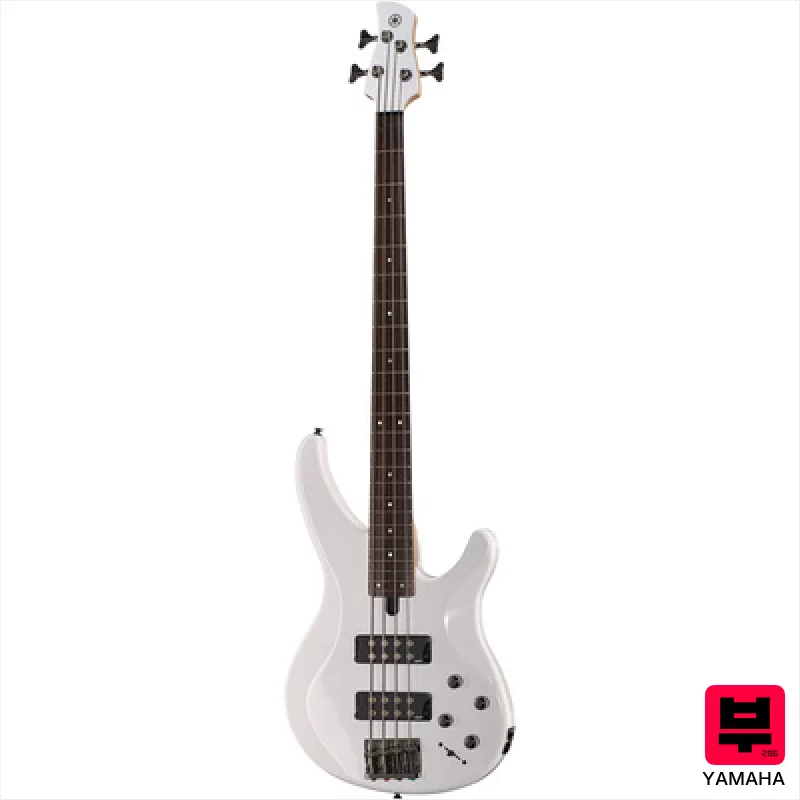
Yamaha TRBX 304 WH
- • Mahogany body provides warm, resonant low-end frequencies.
- • 5-piece maple/mahogany neck offers excellent stability and feel.
- • Ceramic humbuckers deliver a punchy, modern tone with clarity.
- • Performance EQ is surprisingly effective for diverse playing styles.
- • Mahogany body can make it feel slightly heavier than some basses.
- • The 2-band EQ is basic; lacks tonal flexibility for complex sounds.
- • Dalbergia Latifolia fretboard, while nice, isn't as premium as ebony.
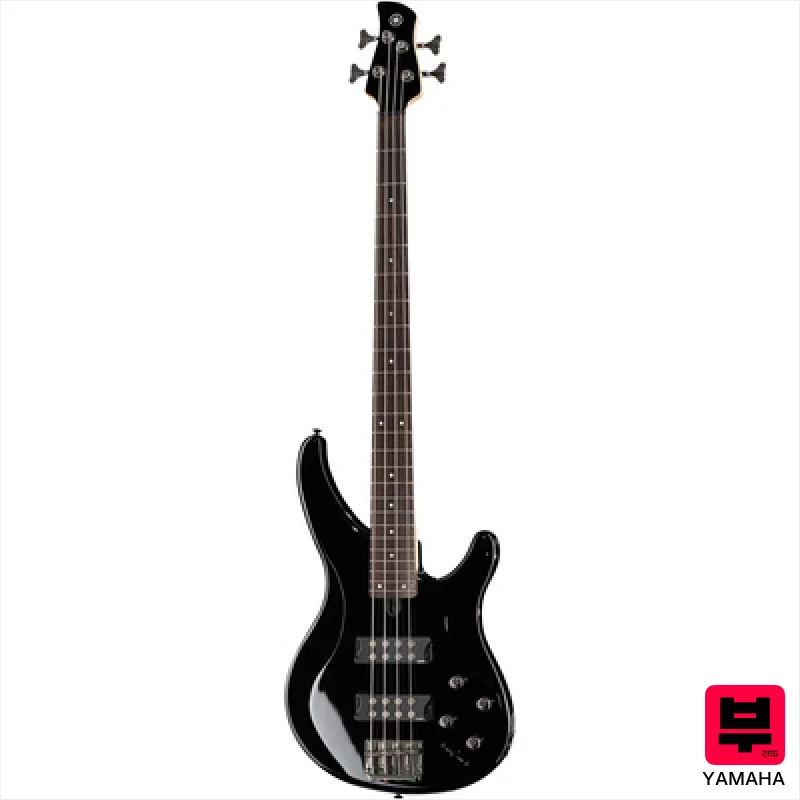
Yamaha TRBX 304 BL
- • Mahogany body provides a warm, resonant, and surprisingly punchy low-end.
- • 5-piece maple/mahogany neck offers excellent stability and a comfortable feel.
- • Ceramic humbuckers deliver a powerful, articulate tone with plenty of growl.
- • Performance EQ toggle switch adds welcome tonal versatility for different playing styles.
- • Hardware, while functional, feels a bit basic for the price point.
- • The bolt-on neck construction lacks the inherent warmth of a set-neck bass.
- • While versatile, it’s not a chameleon; excels in rock/pop, less so in jazz.
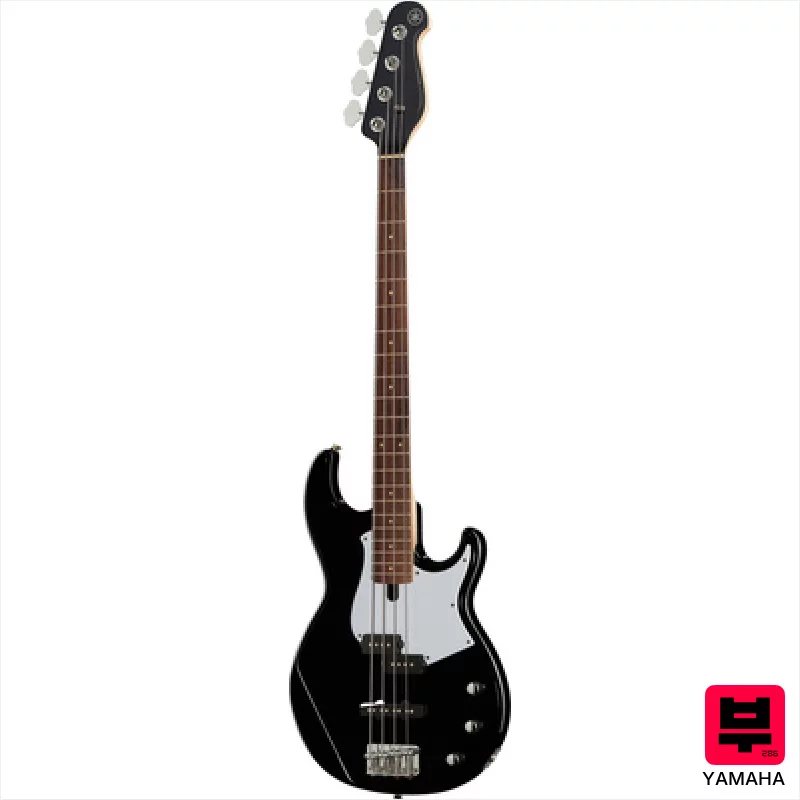
Yamaha BB234 BK
- • Alder body provides a balanced, articulate tone with good sustain.
- • Bolt-on neck offers a snappy response and comfortable, familiar feel.
- • Split coil/single coil pickup combo delivers versatile tones, from mellow to punchy.
- • Vintage-style bridge improves string stability and contributes to a classic bass vibe.
- • Rosewood fretboard might feel a little dry for some players, requiring occasional oiling.
- • Bolt-on construction, while comfortable, lacks the resonance of a neck-through design.
- • Limited pickup options restrict extreme tonal sculpting compared to higher-end basses.
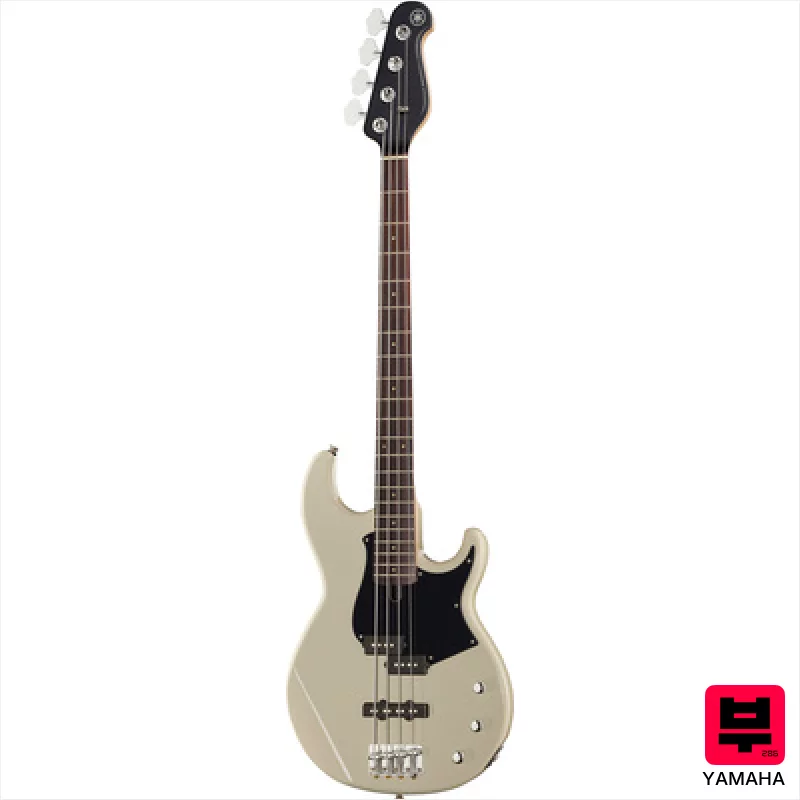
Yamaha BB234 VW
- • Alder body provides a balanced, resonant tone with good sustain
- • Bolt-on neck offers a snappy, responsive feel favored by many players
- • Split coil/single coil pickup combination delivers versatility for various genres
- • Vintage-style bridge enhances string vibration and classic bass tone
- • Bolt-on neck construction lacks the warmth of a set-neck design
- • Rosewood fretboard can show wear more quickly than ebony or maple
- • Long scale can feel slightly less comfortable for players with smaller hands
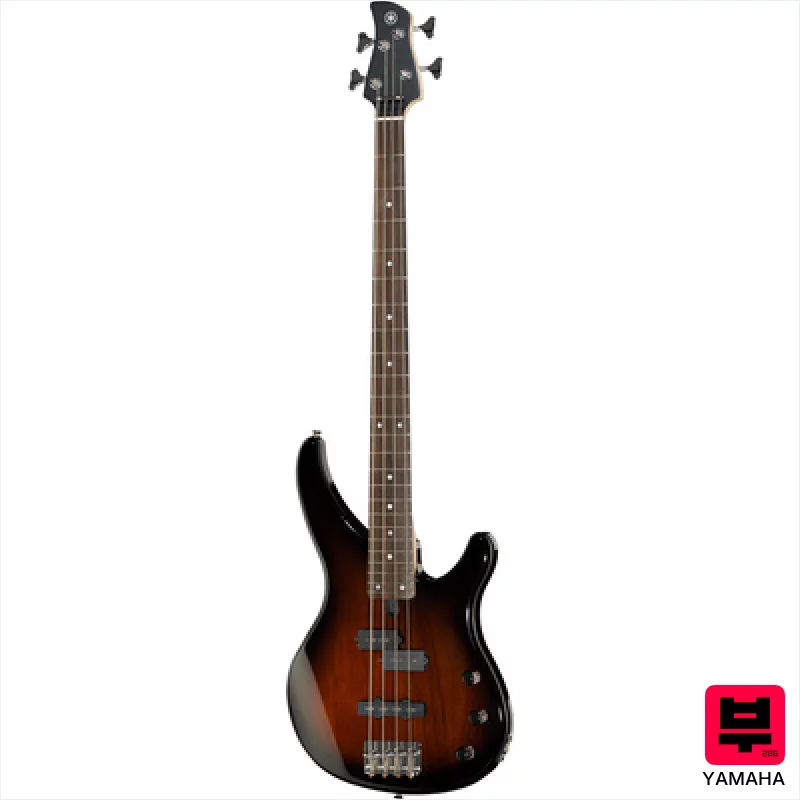
Yamaha TRBX 174 OVS
- • Mahogany body delivers a warm, resonant, and surprisingly punchy low-end.
- • Maple neck provides excellent sustain and a comfortable, fast playing experience.
- • Split coil/single coil pickup combination offers versatile tonal options.
- • Yamaha’s hardware provides reliable tuning stability and solid construction for the price.
- • Mahogany body can feel a bit heavy after extended playing sessions.
- • Rosewood fingerboard might feel a bit dry for some players, requiring occasional oiling.
- • While versatile, it lacks the extreme clarity of higher-end, boutique pickups.
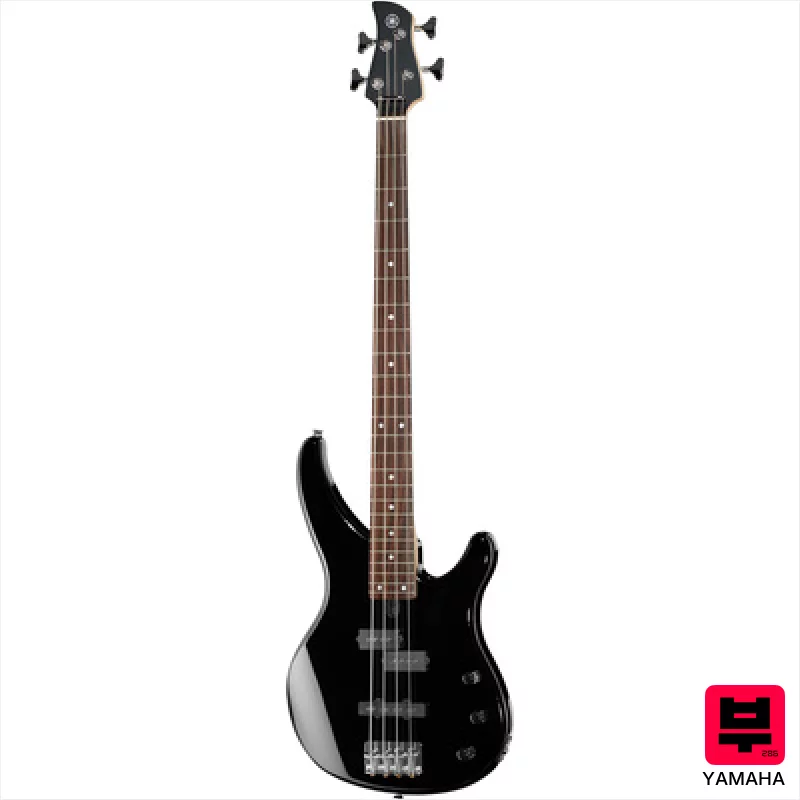
Yamaha TRBX 174 BL
- • Mahogany body delivers a warm, focused low-end response.
- • Bolt-on maple neck provides a snappy, articulate feel for quick playing.
- • Split coil/single coil pickup combo offers surprising tonal flexibility.
- • Rosewood fretboard adds a touch of vintage warmth and comfortable playability.
- • Mahogany body can make it slightly heavier than some basses.
- • Rosewood fretboard may require occasional oiling to prevent dryness.
- • Hardware, while functional, isn't premium-grade, limiting upgrade potential.
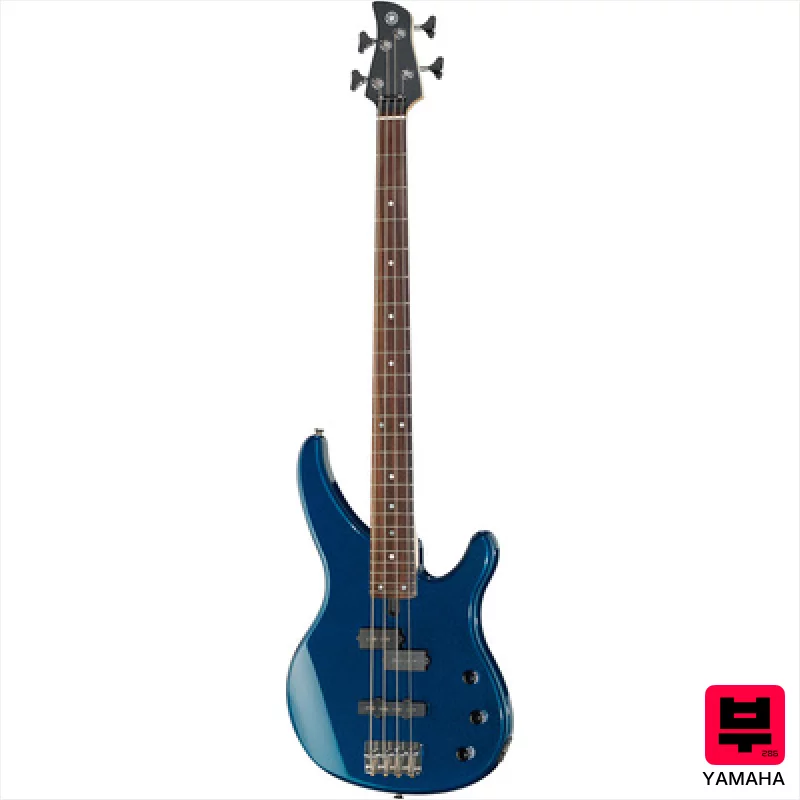
Yamaha TRBX 174 DBM
- • Alder body delivers a balanced, articulate tone with good sustain
- • Bolt-on maple neck offers a snappy, responsive feel ideal for faster playing
- • Split coil/single coil pickup combo provides versatile tonal options
- • Sonokeling fretboard adds warmth and a smooth playing experience
- • Bolt-on neck construction lacks the resonance of a set-neck design
- • Hardware, while functional, feels a bit budget-oriented for experienced players
- • Dark blue metallic finish might not appeal to all aesthetic preferences
How to Choose the Best 4-String Basses
Build Quality
Yamaha consistently nails the fundamentals. Their necks are straight, frets are well-dressed, and hardware is robust. You're not getting exotic tonewoods, but you're getting a bass that'll survive a tour bus and stay in tune.
Tone Voicing
Yamaha basses tend to be versatile, but their 'sweet spot' often lies in a balanced, fundamental-rich tone. You won't find a bass that screams for attention - they're designed to support the music, which is a huge strength for session work or bands where everyone needs room to breathe.
Neck Profile
Yamaha offers a range of neck profiles, from slim and shred-friendly to thicker, more vintage-feeling options. This impacts playability massively, so finding a neck that feels comfortable in your hand is crucial.
Pickup Clarity & Articulation
Yamaha pickups, while often not 'boutique' level, are generally clear and articulate, allowing for a wide range of playing styles. They don't typically have that overly-saturated, scooped-mids sound you find on some other basses - which can be a plus or a minus depending on your taste.
Value Proposition
Yamaha consistently delivers a lot of bang for your buck. You're getting a well-built instrument that's reliable and sounds good, without breaking the bank. The trade-off is often less flashy aesthetics or exotic materials, but that's a worthwhile compromise for the long haul.
Buying Guide
Don't expect a Yamaha bass to be a tone monster straight out of the box. They often benefit from a setup - a little tweak to the action and intonation can make a world of difference. The cheaper models might have basic hardware that could be upgraded down the line, but honestly, they're solid enough to gig with. Prioritize playability over aesthetics - a comfortable neck is worth more than fancy binding.
How This List Is Built
We don't play these instruments — we're a catalog, not a review desk, and we'd rather say so than pretend otherwise. This page ranks 15 4-string basses from the Thomann catalogue, which is the largest single source of specification data in this category.
Position is computed, not curated. Four signals, in order of weight: how completely the manufacturer documents the instrument (number of published specifications), where it sits in the price range, how specific the model designation is — which filters out generic accessories — and whether a product image exists. The same inputs always produce the same order, so nothing here is shuffled to look fresh.
What this list is good for: narrowing a category down to a shortlist by spec and budget. What it isn't: a substitute for hearing an instrument. Before you buy, read hands-on reviews and, where you can, play it. Full methodology.

