
Best 4-String Basses Under $500 2026
So you need a bass, but your wallet's looking a little thin? Don't sweat it - you can absolutely get a playable, gig-worthy 4-string for under $500. It's not about chasing boutique tone, it's about finding something that delivers solid fundamentals and won't fall apart mid-set. We're focusing on instruments that offer the most 'bang for your buck' - basses you can actually use, not just look at.
Last updated: April 11, 2026

Höfner Club Bass Ignition SE BK w/Bag
- • Spruce top adds warmth and clarity to the distinctive Höfner tone.
- • Maple body provides surprising resonance and sustain for a semi-hollow.
- • Original Höfner Staple pickups deliver that instantly recognizable, vintage growl.
- • Gig bag and certificate of authenticity add value and collector appeal.
- • 76cm scale length can feel cramped for players with larger hands.
- • Semi-hollow body makes it more prone to feedback at higher volumes.
- • Rosewood fretboard might feel a little dry to some players.
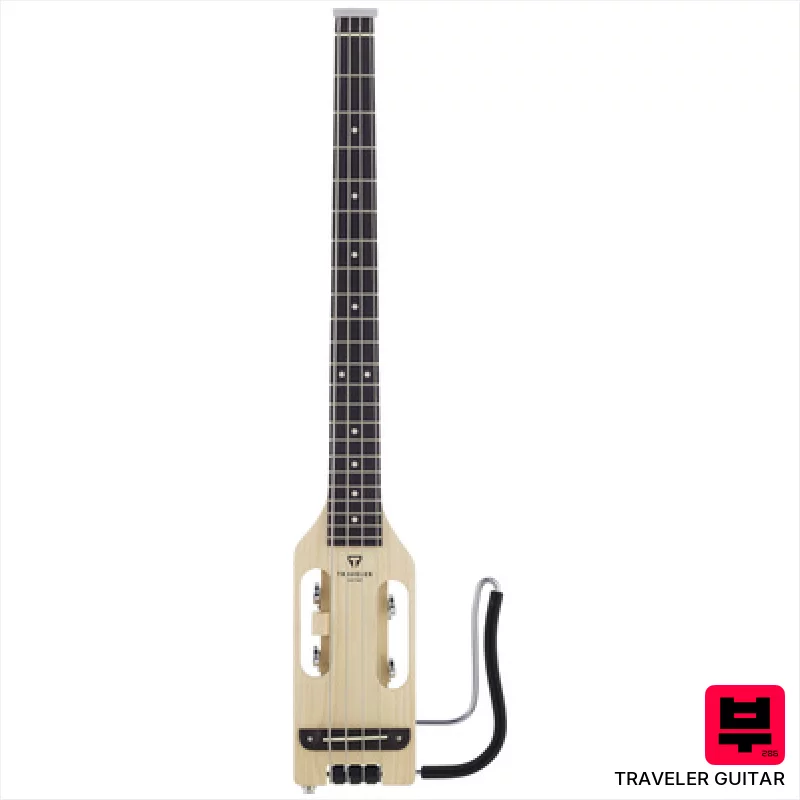
Traveler Guitar Ultra Light Bass Maple Natural
- • Maple body delivers a bright, articulate tone with surprising sustain
- • Neck-through construction enhances resonance and improves upper fret access
- • Lightweight design (1.6 kg) makes it supremely comfortable for travel and extended playing
- • Shadow piezo pickups offer a surprisingly natural and defined acoustic-electric response
- • Passive electronics limit tonal shaping options compared to active basses
- • Walnut fretboard, while pleasant, isn't as slick or durable as ebony
- • Undersaddle piezo pickups can exhibit a slightly 'quacky' sound if not EQ’d carefully

Höfner Club Bass Ignition SE S w/Bag
- • Flamed maple body provides a surprisingly resonant and attractive aesthetic.
- • Original Höfner Staple pickups deliver that instantly recognizable, vintage 'Beatles' tone.
- • Compact scale length (76cm) makes it exceptionally comfortable for smaller players or travel.
- • Included gig bag offers decent protection and convenient transport – a nice bonus.
- • Rosewood fretboard may show some minor fret sprout with heavier playing styles.
- • Semi-acoustic construction limits versatility; not ideal for modern, high-gain genres.
- • Nickel-plated hardware can be prone to tarnishing over time if not properly cared for.
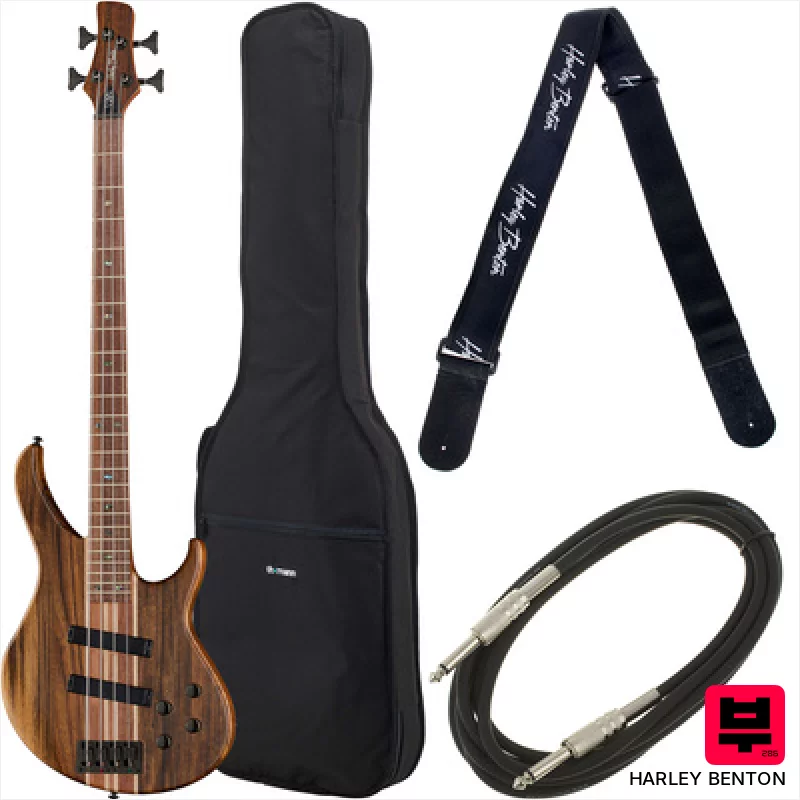
Harley Benton HBZ-2004 Deluxe Series Bundle
- • 7-piece neck construction yields excellent stability and sustain
- • Ovangkol sides add warmth and complexity to the tone
- • Active EQ provides substantial tonal shaping capabilities
- • Die-cast tuners offer reliable tuning stability, a step above typical budget hardware
- • Mahogany/maple construction may result in a heavier instrument
- • Ceramic pickups lack the nuanced vintage character of alnico alternatives
- • Black walnut fretboard may show wear quicker than rosewood or ebony
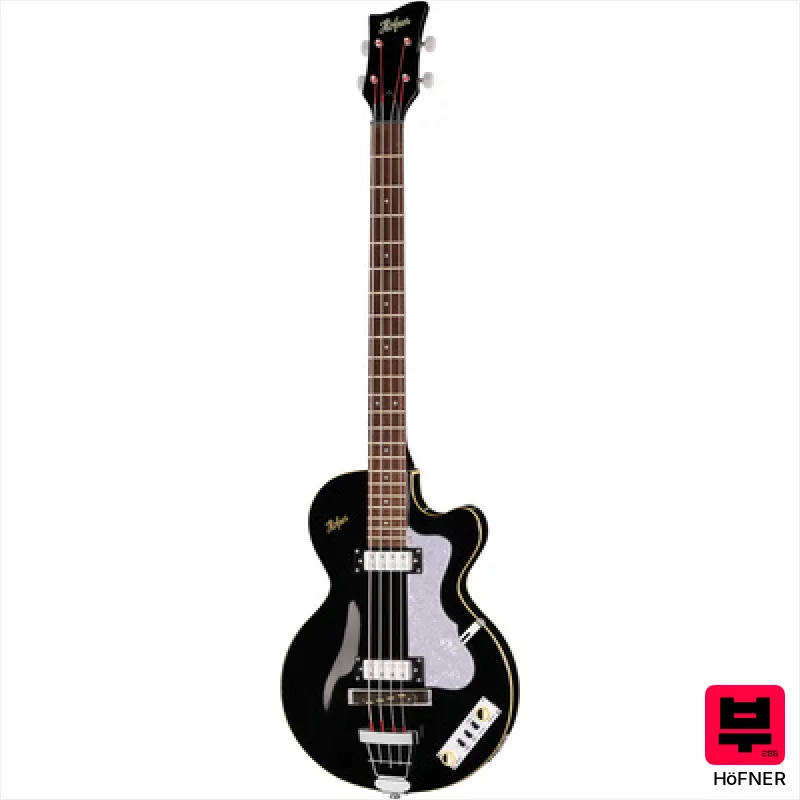
Höfner Club Bass Ignition SE Black
- • Spruce top provides a surprisingly bright and articulate tone.
- • Maple body offers solid resonance and sustain.
- • Original Höfner Staple pickups deliver that instantly recognizable vintage growl.
- • Compact scale makes it incredibly comfortable for smaller hands and travel.
- • Rosewood fingerboard can feel a bit dry without proper conditioning.
- • Semi-hollow construction makes it prone to feedback at higher volumes.
- • Limited tonal versatility compared to more modern bass designs.

Harley Benton HBZ-2004 Deluxe Series w/Bag
- • Ovangkol sides add a touch of class and warmth to the tone
- • 7-piece neck construction enhances stability and sustain
- • Active EQ provides tonal shaping flexibility for modern sounds
- • Die-cast tuners offer reliable tuning stability, crucial for longer gigs
- • Mahogany/maple neck might feel a bit thick for players with smaller hands
- • Ceramic pickups lean towards a brighter, more modern tone, limiting vintage flexibility
- • Ovangkol can be prone to dryness, requiring occasional conditioning
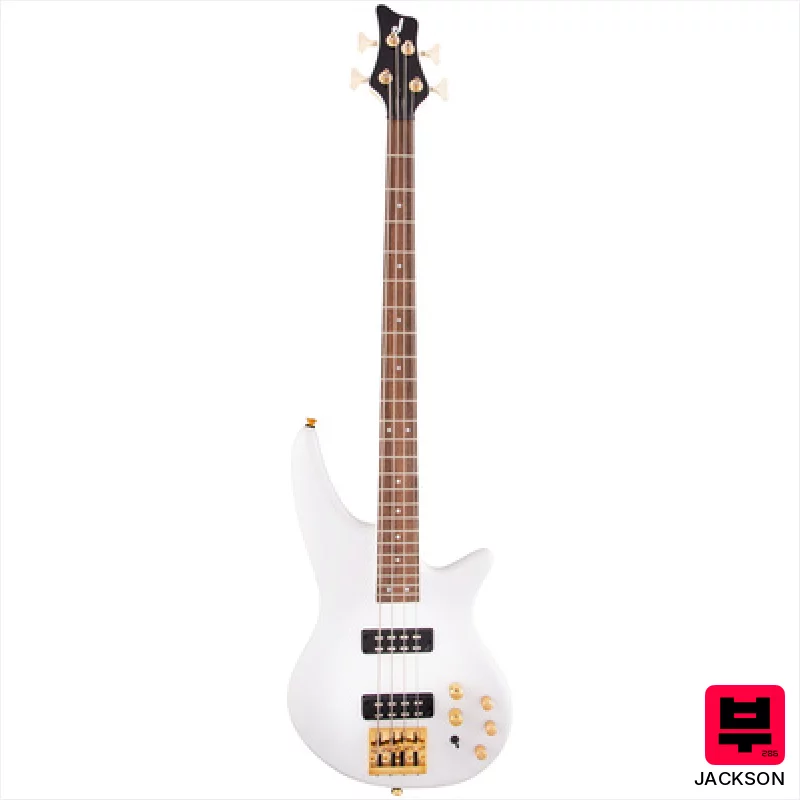
Jackson JS3 Spectra Bass Snow White
- • Poplar body offers a balanced, resonant tone with surprising sustain.
- • Bolt-on maple neck provides a snappy feel and easy playability.
- • Jackson medium-output humbuckers deliver a thick, punchy low-end.
- • HiMass bridge enhances stability and improves note definition.
- • Poplar body can be a bit prone to finish checking with heavy use.
- • Plastic nut may benefit from an upgrade for improved tuning stability.
- • The compound radius can feel unusual initially for players used to a consistent radius.
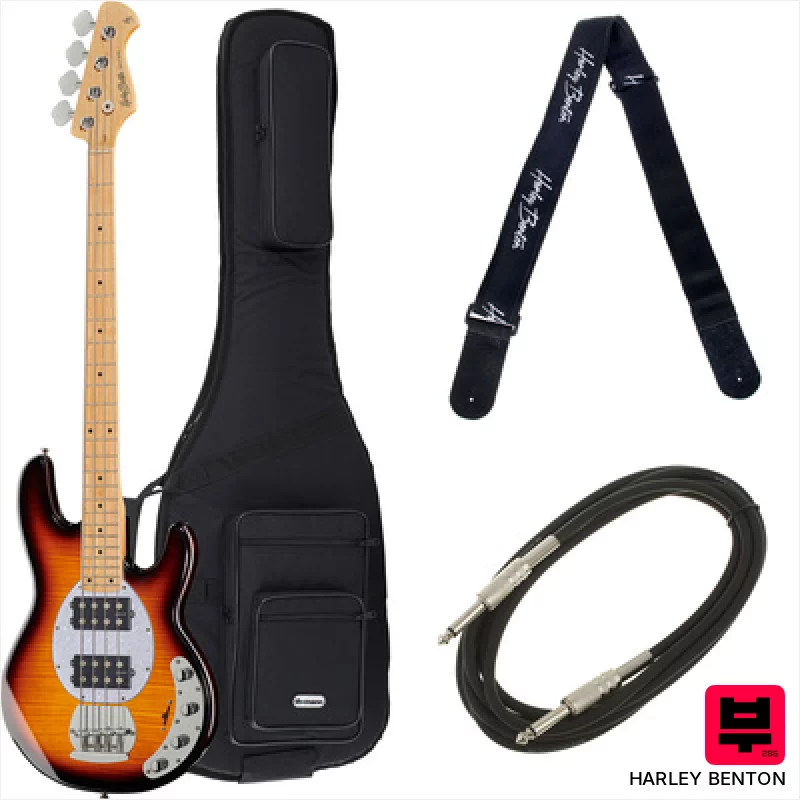
Harley Benton MM-84A SB Deluxe Series Bundle
- • Roswell pickups deliver surprisingly punchy, versatile tones with coil-splitting.
- • Canadian maple neck provides a comfortable 'D' profile and stable feel.
- • Deluxe gig bag offers excellent protection and convenient portability.
- • Flamed maple top adds a touch of visual appeal beyond a basic bass.
- • Poplar body, while functional, lacks the resonance of more premium woods.
- • Bolt-on neck construction, while stable, limits high-end sustain potential.
- • Hardware, while 'DLX', might show wear faster than higher-grade components.
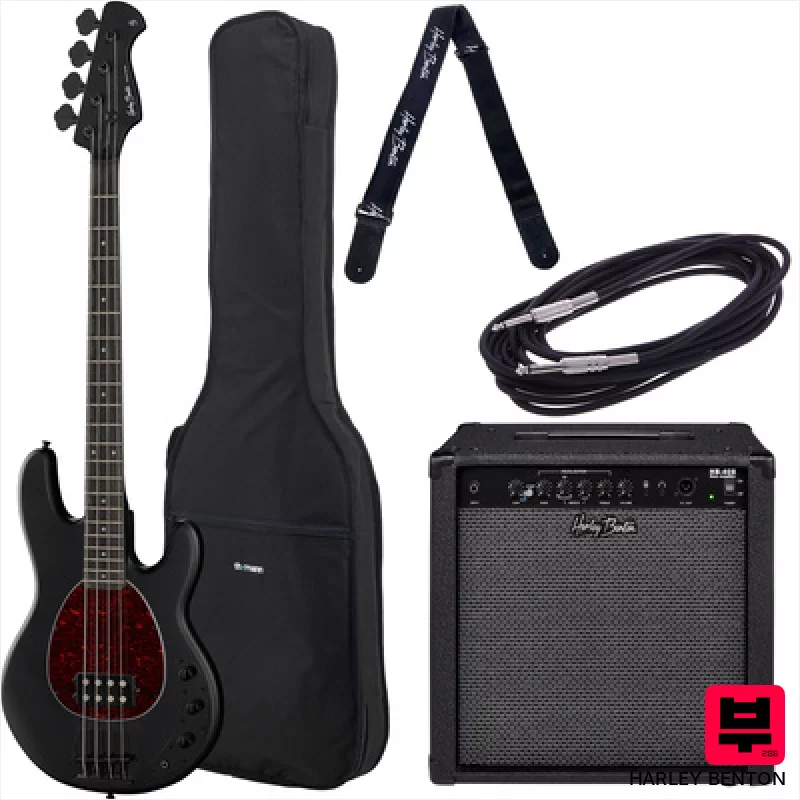
Harley Benton MB-4 SBK Deluxe Series Set 2
- • Poplar body offers a balanced, resonant tone with surprising warmth.
- • Bolt-on neck provides a snappy, responsive feel favored by many players.
- • Humbucker with coil split adds versatility – cleans to gritty growl.
- • HB-40B amp delivers surprisingly decent tone and integrated compression.
- • Bolt-on construction lacks the sustain of a neck-through design.
- • Roseacer fretboard might feel a bit smoother than some prefer.
- • Die-cast hardware, while functional, isn’t premium-grade.
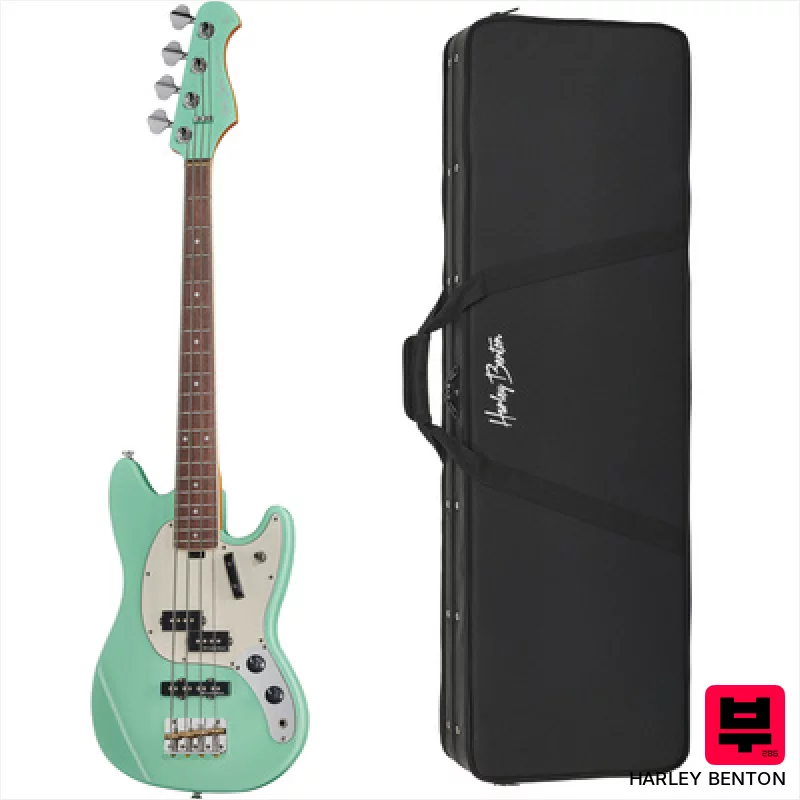
Harley Benton MV-4MSB Seafoam Green w/Case
- • Alder body provides a warm, resonant foundation for a balanced tone.
- • Caramelized maple neck offers exceptional smoothness and sustain.
- • Custom VJB-B pickups deliver a surprisingly articulate and punchy single-coil voice.
- • Sung Il bridge with brass saddles enhances clarity and note definition.
- • Bolt-on neck construction, while stable, lacks the complexity of a set-neck.
- • Graphite nut can feel slightly less 'organic' than traditional bone or tusq.
- • Seafoam green finish, while aesthetically pleasing, might not suit all tastes.

Harley Benton MV-4MSB Burgundy Mist w/Case
- • Alder body provides a balanced, resonant tone with good sustain.
- • Caramelized maple neck offers a smooth, fast feel and enhanced clarity.
- • VJB/VPB Alnico 5 pickups deliver a warm, vintage-inspired growl.
- • Sung Il bridge with brass saddles contributes to a punchy, articulate low end.
- • Bolt-on neck construction, while stable, lacks the sustain of a set neck.
- • Burgundy Mist finish might be polarizing; not universally appealing.
- • Graphite nuts can sometimes require adjustment for optimal string action.

Harley Benton RB-414CS Classic Series w/Bag
- • Okoume body provides a warm, resonant tonal foundation.
- • Amaranth fingerboard offers a smooth, fast playing experience.
- • Artec pickups deliver a surprisingly versatile, vintage-inspired tone.
- • DLX machine heads ensure stable tuning and a more refined feel.
- • Okoume can be prone to slight finish checking with heavy use.
- • The single coil bridge pickup can be noisy under high gain.
- • Super long scale might feel unwieldy for players with smaller hands.

Harley Benton RB-414BK Classic Series w/Bag
- • Okoume body offers a surprisingly resonant and warm tonal foundation.
- • Amaranth fingerboard provides a smooth, fast playing experience.
- • Artec Mini humbucker delivers a focused, articulate low-end presence.
- • DLX machine heads provide stable tuning and a more refined feel.
- • Okoume can be susceptible to dents and scratches with less careful handling.
- • The 3-way pickup selector limits tonal versatility compared to more complex controls.
- • Factory strings are serviceable, but an immediate upgrade would enhance performance.
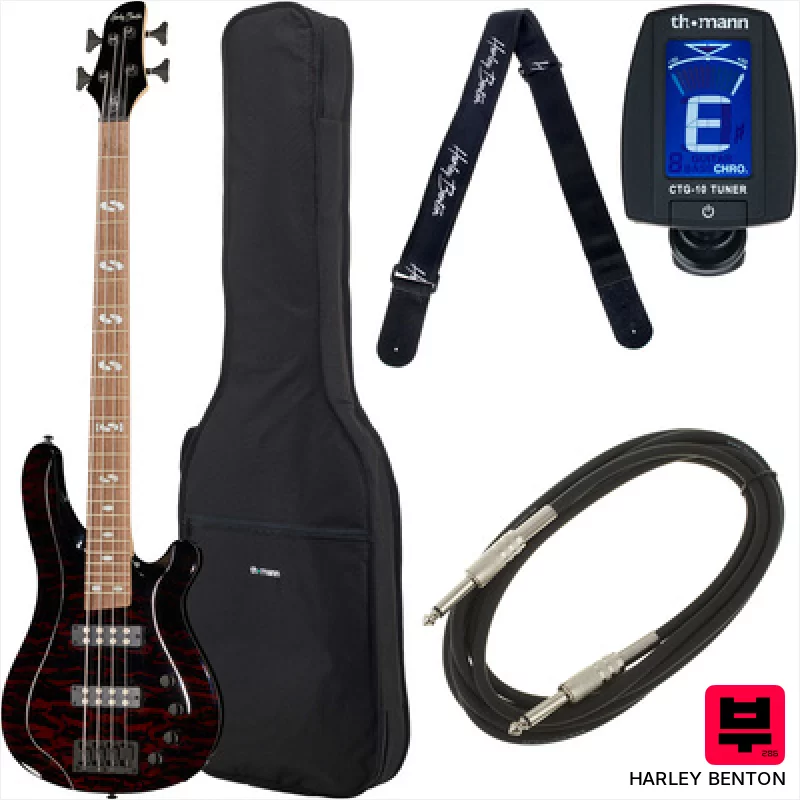
Harley Benton B-450 QTB Progressive S Bundle
- • Alder body provides a balanced, resonant tone with good sustain.
- • Active preamp boosts low-end and adds versatility for modern genres.
- • Canadian maple neck offers stability and a comfortable, modern D profile.
- • Die-cast tuners ensure reliable tuning stability, even with heavier string gauges.
- • Black walnut fretboard can feel slightly less refined than rosewood or ebony.
- • Bolt-on neck construction may lack the warmth of a set-neck design.
- • High-gloss finish can be prone to fingerprints and may require more maintenance.
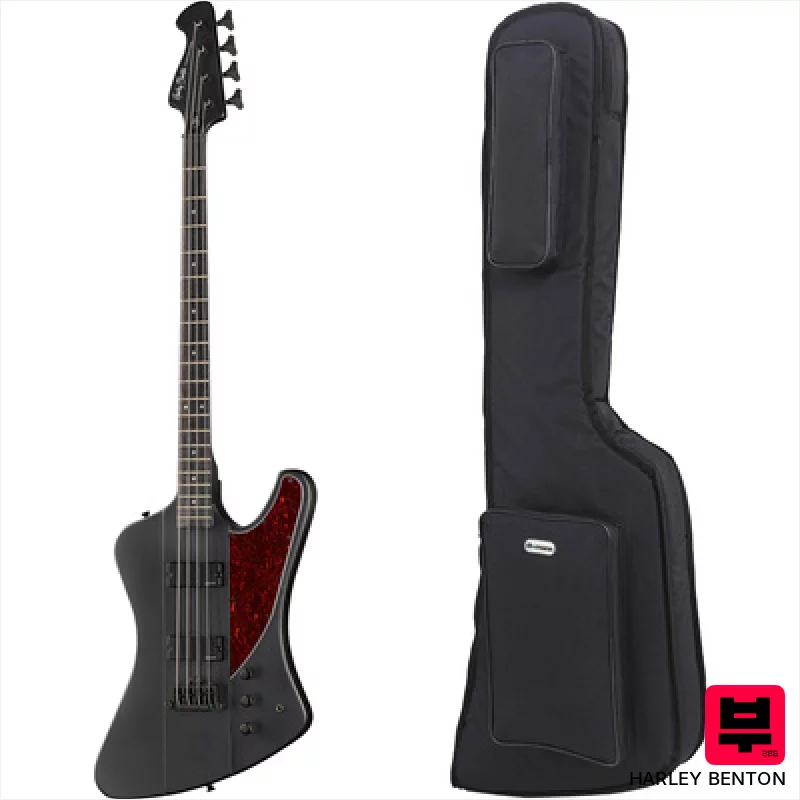
Harley Benton TB-70 SBK Deluxe Series w/Bag
- • Okoume body provides a surprisingly resonant and warm tonal foundation.
- • Roswell GB4 Mini Humbuckers deliver a thick, modern, and punchy low-end.
- • Glued-in maple neck enhances sustain and offers a comfortable playing feel.
- • Active electronics boost signal and provide greater control over tonal shaping.
- • The 'D' neck profile might feel a bit thick for players preferring slimmer options.
- • Matte black finish, while aesthetically pleasing, can be prone to fingerprints.
- • Active electronics require a power source, limiting versatility in certain situations.
How to Choose the Best 4-String Basses
Pickup Voicing
At this price point, don't expect boutique clarity. We're looking for pickups that offer a usable low-end thump and decent articulation, even when pushed, without getting muddy. A little grit can be a plus - a little breakup can add character.
Neck Profile & Action
A comfortable neck is crucial. A thick, unwieldy neck will kill your playing speed, while a profile that's too thin can feel flimsy. Low action is always a bonus, but be realistic - expect a little more buzzing on cheaper instruments.
Hardware Quality
Tuners are the first thing to go on a budget bass. Check for smooth action and reliable tuning stability. Cheap pots can also lead to crackling and intermittent signal - a major pain on stage.
Body Wood & Construction
Don't expect mahogany or figured maple. Most basses in this range will be basswood or similar - functional, but won't contribute a ton of tonal complexity. Solid body construction is preferable to a hollow or semi-hollow, for more sustain.
Overall Build Quality
Let's be honest, these basses aren't built to the same tolerances as a $1000 instrument. We're looking for reasonable fretwork (avoiding sharp fret ends) and solid construction that won't rattle apart after a few gigs.
Buying Guide
Under $500, you're making compromises. Expect a little more noise, a little less sustain, and potentially some minor setup adjustments. Don't chase 'vintage' tone - focus on reliability and a usable platform that you can tweak and upgrade later. Upgrading the pickups is a common first step if you want a more refined sound, but a good setup is essential regardless.
How This List Is Built
We don't play these instruments — we're a catalog, not a review desk, and we'd rather say so than pretend otherwise. This page ranks 15 4-string basses from the Thomann catalogue, which is the largest single source of specification data in this category.
Position is computed, not curated. Four signals, in order of weight: how completely the manufacturer documents the instrument (number of published specifications), where it sits in the price range, how specific the model designation is — which filters out generic accessories — and whether a product image exists. The same inputs always produce the same order, so nothing here is shuffled to look fresh.
What this list is good for: narrowing a category down to a shortlist by spec and budget. What it isn't: a substitute for hearing an instrument. Before you buy, read hands-on reviews and, where you can, play it. Full methodology.

