
Best 4-String Basses Under $300 2026
Alright, so you need a bass, but your wallet's feeling a little light? Don't sweat it. There's a surprising amount of playable, gig-worthy instruments under $300. We're not talking dream basses here, but we can find you something that won't make you cringe on stage or sound like a tin can in the studio - something that actually delivers that low-end thump you need. Let's find you a solid foundation without breaking the bank.
Last updated: April 11, 2026
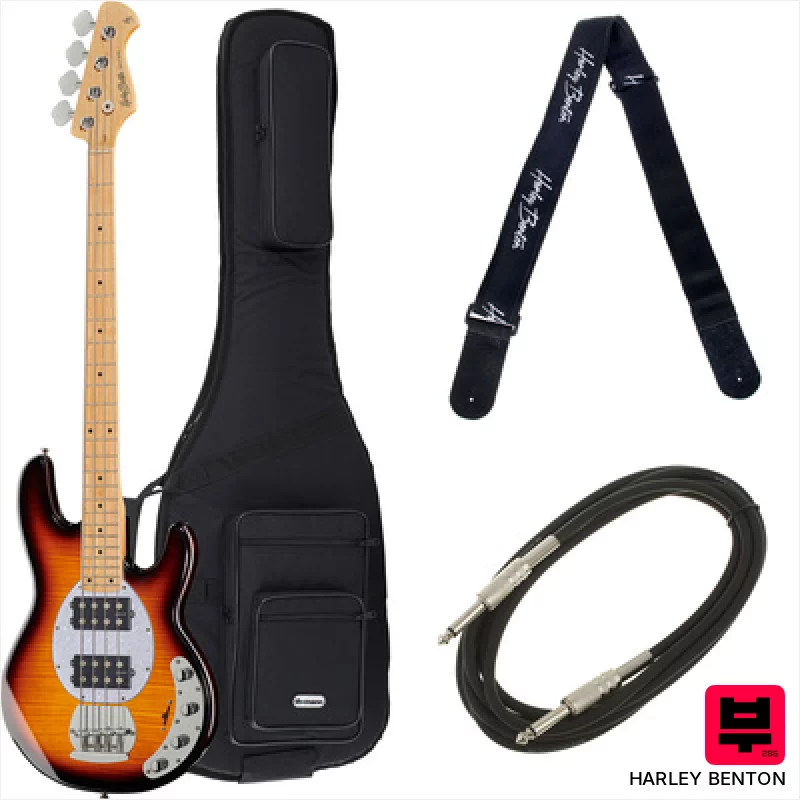
Harley Benton MM-84A SB Deluxe Series Bundle
- • Roswell pickups deliver surprisingly punchy, versatile tones with coil-splitting.
- • Canadian maple neck provides a comfortable 'D' profile and stable feel.
- • Deluxe gig bag offers excellent protection and convenient portability.
- • Flamed maple top adds a touch of visual appeal beyond a basic bass.
- • Poplar body, while functional, lacks the resonance of more premium woods.
- • Bolt-on neck construction, while stable, limits high-end sustain potential.
- • Hardware, while 'DLX', might show wear faster than higher-grade components.

Harley Benton RB-414CS Classic Series w/Bag
- • Okoume body provides a warm, resonant tonal foundation.
- • Amaranth fingerboard offers a smooth, fast playing experience.
- • Artec pickups deliver a surprisingly versatile, vintage-inspired tone.
- • DLX machine heads ensure stable tuning and a more refined feel.
- • Okoume can be prone to slight finish checking with heavy use.
- • The single coil bridge pickup can be noisy under high gain.
- • Super long scale might feel unwieldy for players with smaller hands.

Harley Benton RB-414BK Classic Series w/Bag
- • Okoume body offers a surprisingly resonant and warm tonal foundation.
- • Amaranth fingerboard provides a smooth, fast playing experience.
- • Artec Mini humbucker delivers a focused, articulate low-end presence.
- • DLX machine heads provide stable tuning and a more refined feel.
- • Okoume can be susceptible to dents and scratches with less careful handling.
- • The 3-way pickup selector limits tonal versatility compared to more complex controls.
- • Factory strings are serviceable, but an immediate upgrade would enhance performance.
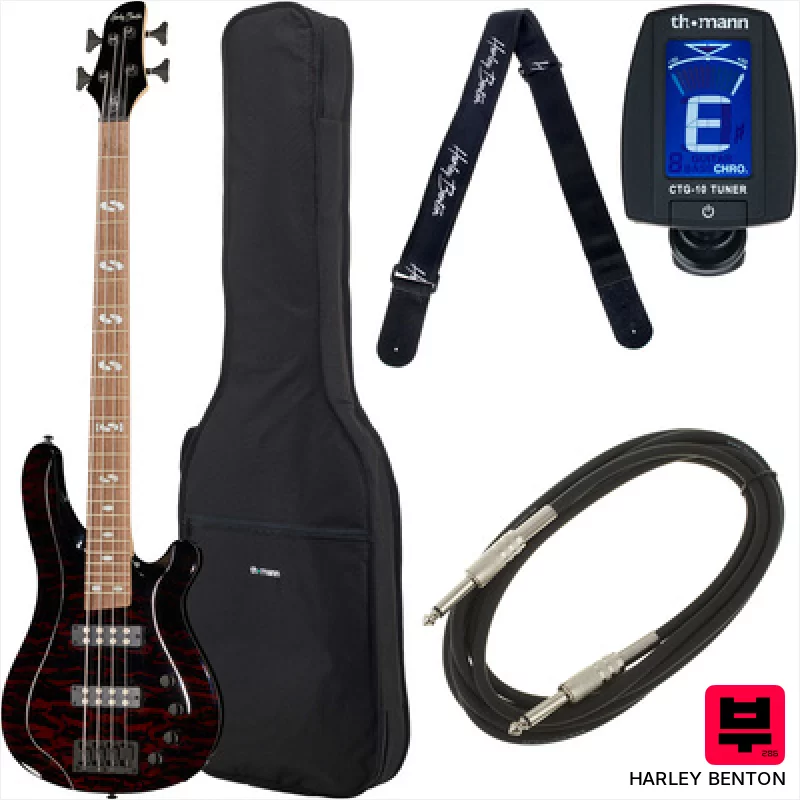
Harley Benton B-450 QTB Progressive S Bundle
- • Alder body provides a balanced, resonant tone with good sustain.
- • Active preamp boosts low-end and adds versatility for modern genres.
- • Canadian maple neck offers stability and a comfortable, modern D profile.
- • Die-cast tuners ensure reliable tuning stability, even with heavier string gauges.
- • Black walnut fretboard can feel slightly less refined than rosewood or ebony.
- • Bolt-on neck construction may lack the warmth of a set-neck design.
- • High-gloss finish can be prone to fingerprints and may require more maintenance.
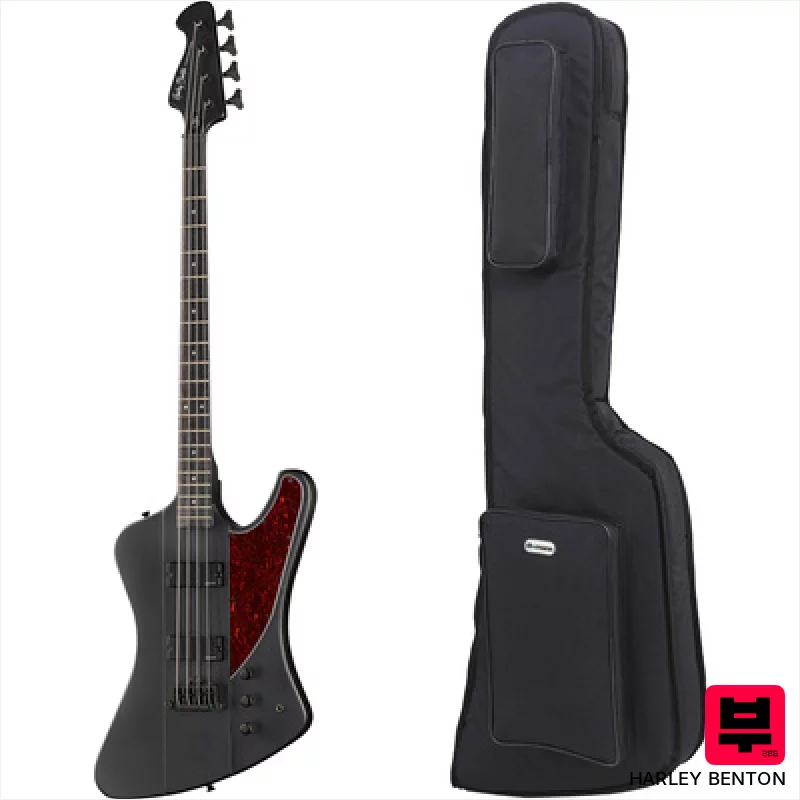
Harley Benton TB-70 SBK Deluxe Series w/Bag
- • Okoume body provides a surprisingly resonant and warm tonal foundation.
- • Roswell GB4 Mini Humbuckers deliver a thick, modern, and punchy low-end.
- • Glued-in maple neck enhances sustain and offers a comfortable playing feel.
- • Active electronics boost signal and provide greater control over tonal shaping.
- • The 'D' neck profile might feel a bit thick for players preferring slimmer options.
- • Matte black finish, while aesthetically pleasing, can be prone to fingerprints.
- • Active electronics require a power source, limiting versatility in certain situations.
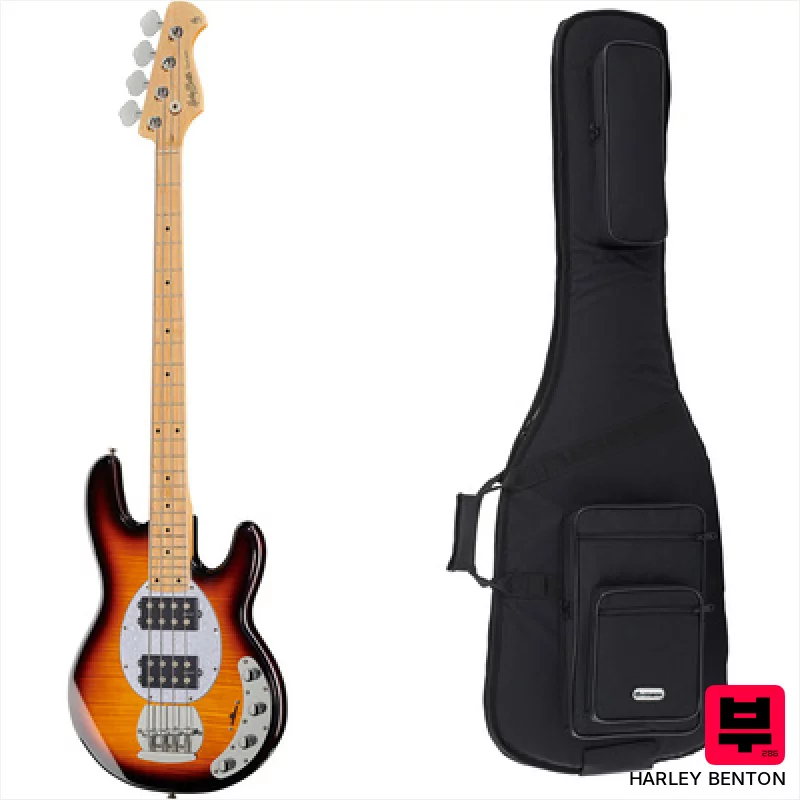
Harley Benton MM-84A SB Deluxe Series w/Bag
- • Roswell pickups deliver a surprisingly articulate and punchy MM-style tone.
- • Canadian maple neck provides a comfortable D profile and solid feel.
- • Coil-splitting offers versatility beyond a traditional humbucker bass sound.
- • Deluxe gig bag and D’Addario strings add immediate value to the package.
- • Poplar body may lack the sustain of more premium woods like Ash or Alder.
- • Bolt-on neck construction, while stable, doesn't offer the resonance of a set-neck.
- • High-gloss finish might be prone to fingerprints and require regular polishing.
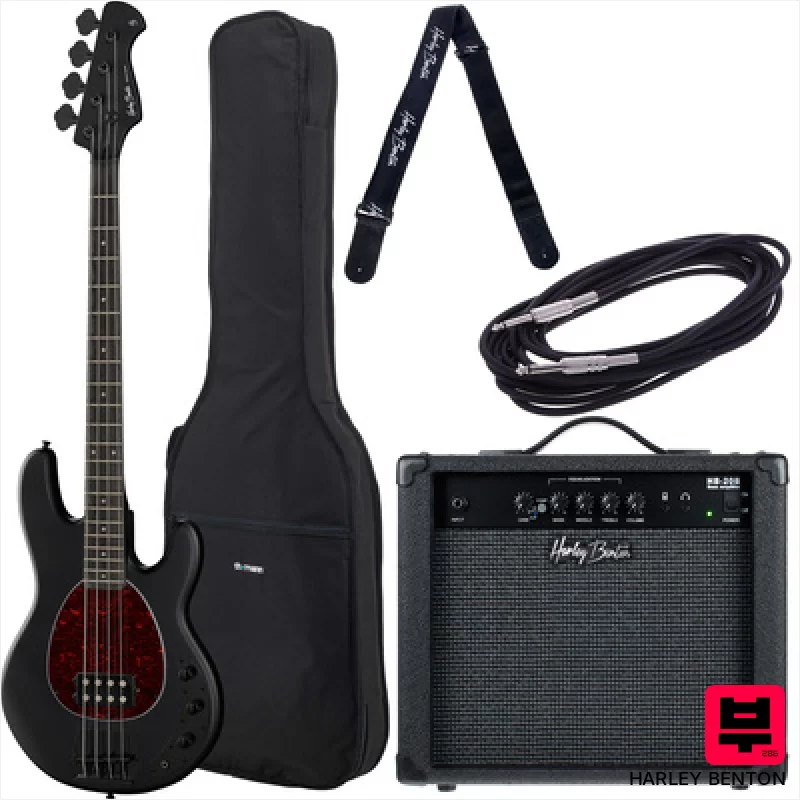
Harley Benton MB-4 SBK Deluxe Series Set 1
- • Poplar body offers a surprisingly resonant and balanced tonal foundation.
- • Bolt-on neck provides snappy response and easy playability, typical of the style.
- • Humbucker with coil split offers versatility – growl and clarity in one pickup.
- • HB-20B amp delivers decent power and surprisingly usable TEC circuit emulation.
- • Poplar body, while good, lacks the sustain of mahogany or other premium woods.
- • Bolt-on neck construction limits high-end sustain and complex overtones.
- • Die-cast tuners are functional but lack the refinement of locking tuners.
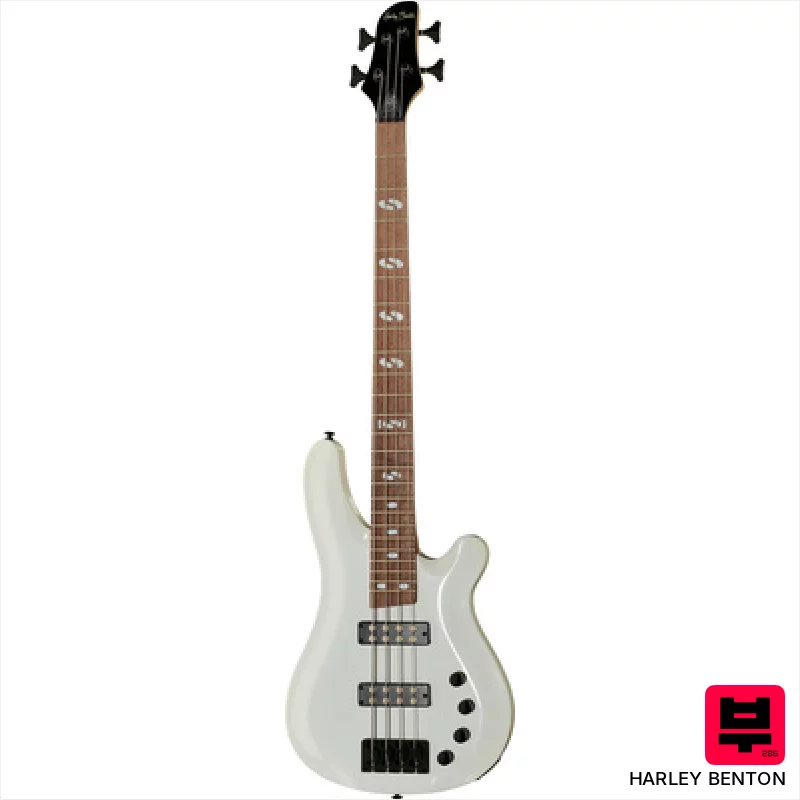
Harley Benton B-450 White Progressive Serie
- • Alder body provides a balanced, resonant tone with good sustain.
- • Modern D neck profile offers comfortable playability for a wide range of players.
- • Active preamp boosts output and adds versatility with adjustable EQ.
- • Die-cast tuners ensure stable tuning, even with aggressive playing.
- • Black walnut fretboard might feel a bit 'slick' to some players - consider seasoning.
- • Bolt-on neck construction lacks the inherent warmth of a set-neck design.
- • High-gloss finish can be prone to fingerprints and requires diligent cleaning.
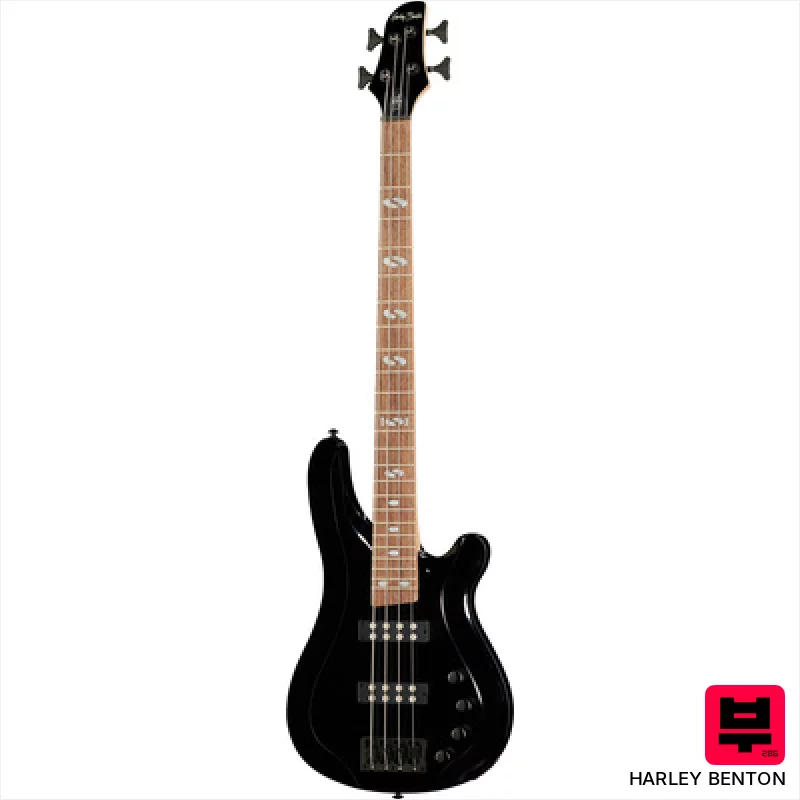
Harley Benton B-450 Black Progressive Serie
- • Alder body provides a balanced, resonant tone with good sustain.
- • Canadian maple neck offers a comfortable, modern D profile for easy playability.
- • Active preamp boosts output and adds tonal flexibility with EQ controls.
- • Die-cast tuners ensure stable tuning, even with heavier string gauges.
- • Black walnut fretboard can feel slightly softer than rosewood, requiring more care.
- • Bolt-on neck construction lacks the inherent warmth of a set-neck design.
- • High-gloss finish might show fingerprints and smudges easily.
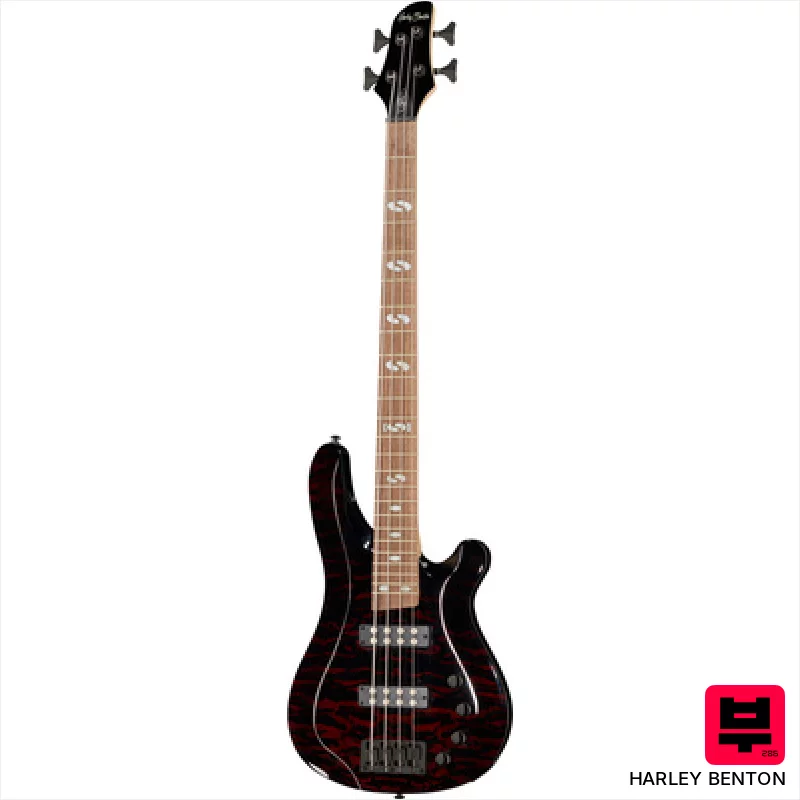
Harley Benton B-450 QTB Progressive Serie
- • Alder body provides a balanced, resonant tone with good sustain.
- • Canadian maple neck offers a comfortable, modern D profile for easy playing.
- • Active preamp boosts output and adds versatility with adjustable EQ.
- • Die-cast tuners ensure stable tuning and reliable performance.
- • Black walnut fretboard can be prone to slight stickiness in humid conditions.
- • High-gloss finish might show fingerprints and handling marks easily.
- • Bolt-on neck construction, while stable, lacks the warmth of a set-neck.

Harley Benton Beatbass VS Vintage Series
- • Arched basswood body offers a warm, resonant tone and vintage aesthetic
- • Set-in maple neck provides good sustain and comfortable playability
- • Humbucker pickups deliver a thick, punchy sound suitable for various genres
- • Chrome hardware and cream binding enhance the vintage look and feel
- • Basswood body can be prone to feedback at higher volumes without careful EQing
- • Flames maple top is a veneer, not solid, impacting tonal complexity
- • The shorter 775mm scale might feel cramped for players with larger hands
- • Diecast machine heads are functional but not high-end, potential upgrade path
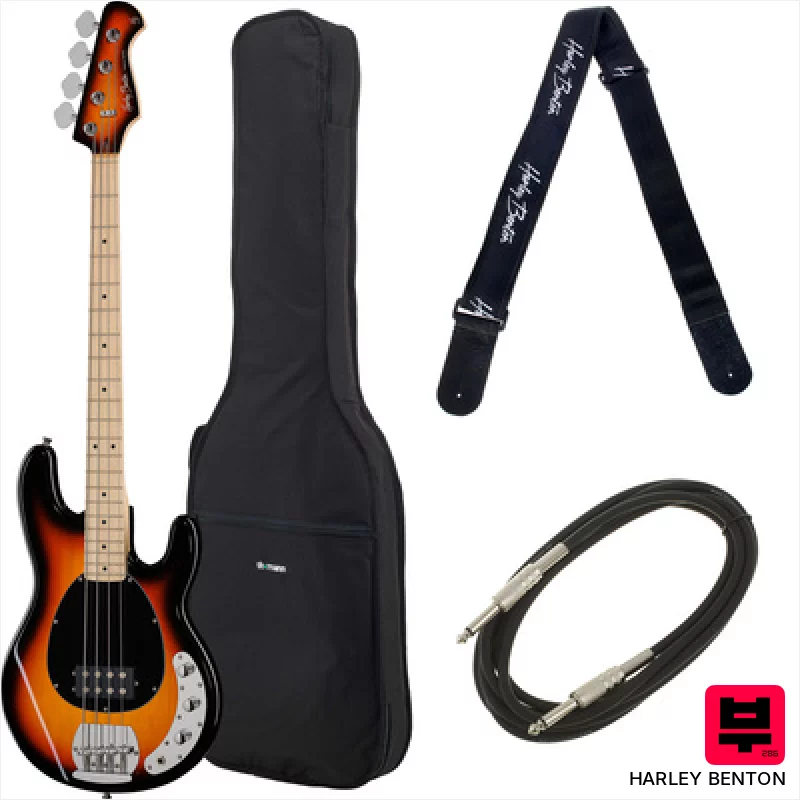
Harley Benton MB-4 SB Deluxe Series Bundle
- • Poplar body provides a surprisingly resonant and warm tonal foundation.
- • Bolt-on maple neck offers a snappy, responsive feel ideal for quick playing.
- • Humbucker with coil-split expands tonal options – from thick lows to brighter mids.
- • Diecast bridge enhances sustain and tuning stability compared to cheaper alternatives.
- • Maple fretboard can feel a little drier than rosewood for some players.
- • Bolt-on neck construction, while responsive, lacks the sustain of a neck-through design.
- • Gig bag is functional but basic; a hard case would offer far better protection.
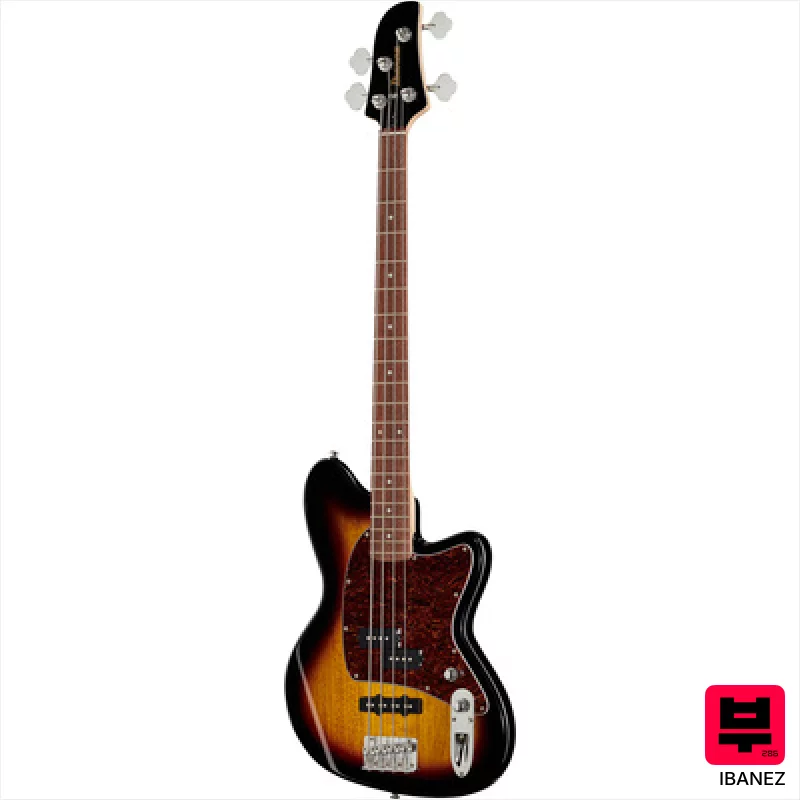
Ibanez TMB100-TFB Talman Bass
- • Jatoba fretboard offers a surprisingly snappy, articulate feel.
- • Dynamix pickups deliver a surprisingly versatile, punchy tone.
- • Bolt-on neck provides a bright, responsive attack and easy playability.
- • Tortoise pickguard adds a touch of vintage style and visual flair.
- • Poplar body, while lightweight, lacks the resonance of mahogany or ash.
- • Plastic nut can contribute to tuning instability and a less premium feel.
- • 2-band EQ is basic, limiting tonal sculpting options.
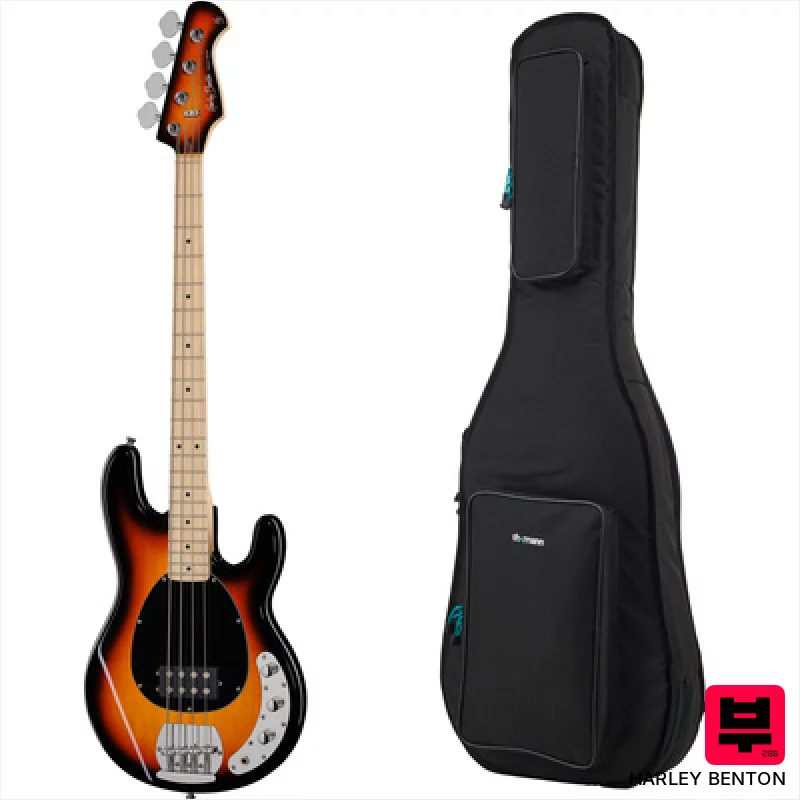
Harley Benton MB-4 SB Deluxe Series w/Bag
- • Poplar body provides a surprisingly resonant and warm tonal foundation.
- • Bolt-on maple neck offers a snappy, responsive feel ideal for quicker playing.
- • Humbucker with coil split delivers versatile tones from thick growl to bright single-coil.
- • Diecast bridge enhances sustain and tuning stability compared to cheaper alternatives.
- • Maple fretboard can feel a bit 'slick' for some; might benefit from a seasoned finish.
- • Bolt-on construction, while snappy, lacks the sustain of a neck-through design.
- • The included gig bag, while functional, is fairly basic and lacks premium protection.
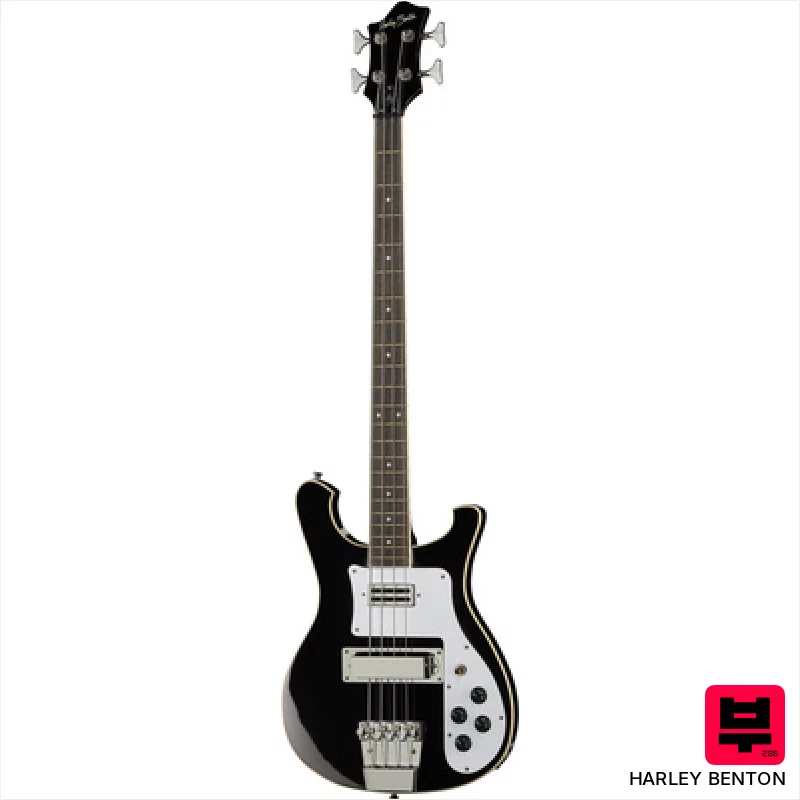
Harley Benton RB-414BK Classic Series
- • Okoume body offers a warm, resonant tone with surprising sustain.
- • Amaranth fingerboard provides a smooth, fast playing experience.
- • Artec Mini humbucker delivers a thick, vintage-inspired low end.
- • DLX machine heads offer stable tuning and a premium feel.
- • Okoume can be prone to slight finish checking with temperature changes.
- • The 3-way pickup switch limits tonal versatility somewhat.
- • Factory strings are basic and will likely be an early upgrade.
How to Choose the Best 4-String Basses
Pickups
At this price point, expect simpler designs. Look for something that provides a decent low-end response and avoids that brittle, ice-picky high-end. A little warmth is your friend - it'll cut through a mix better than something harshly bright.
Neck Profile
This is crucial for playability. A comfortable neck is everything, especially if you're gigging regularly. A thin C or D profile is generally a safe bet, but try before you buy if you can.
Hardware
Don't expect boutique tuners or a super-smooth bridge. Basic hardware will do, but check for functionality - do the tuners hold their tune? Does the bridge rattle? These are dealbreakers.
Body Wood
Often, you'll get basswood or nato. They're lightweight and resonant, but lack the tonal complexity of mahogany or alder. It's not a bad thing, just something to be aware of - it's a trade-off for affordability.
Construction Quality
Inspect the finish for flaws and check the neck joint for any gaps or movement. A solid neck joint is paramount for sustain and overall stability - a wobbly neck means headaches later.
Buying Guide
Realistically, a $300 bass will have compromises. You'll likely be dealing with simpler electronics, potentially a less refined finish, and generally more basic hardware. Don't chase 'vintage' tones - focus on finding something playable with a decent, usable voicing. Upgrading the strings is almost always a worthwhile first step to improve the overall sound and feel.
How This List Is Built
We don't play these instruments — we're a catalog, not a review desk, and we'd rather say so than pretend otherwise. This page ranks 15 4-string basses from the Thomann catalogue, which is the largest single source of specification data in this category.
Position is computed, not curated. Four signals, in order of weight: how completely the manufacturer documents the instrument (number of published specifications), where it sits in the price range, how specific the model designation is — which filters out generic accessories — and whether a product image exists. The same inputs always produce the same order, so nothing here is shuffled to look fresh.
What this list is good for: narrowing a category down to a shortlist by spec and budget. What it isn't: a substitute for hearing an instrument. Before you buy, read hands-on reviews and, where you can, play it. Full methodology.

