
Best 1/4 Violins for Young Students 2026
So, you're looking at a 1/4 size violin for a young player? It's a crucial stage - too big, and they'll struggle; too small, and they'll outgrow it quickly. Getting the right instrument isn't just about size; it's about finding something that's playable, sounds decent enough to keep them engaged, and won't break the bank while their technique is still developing. Let's cut through the noise and find something that'll actually work.
Last updated: July 8, 2026 • Next update: July 15, 2026

Alfred Stingl by Höfner THO-175-V SE Violin Set 1/4
- • Solid spruce top delivers a surprisingly resonant, warm tone.
- • Ebony fingerboard and pegs offer smooth playability and tuning stability.
- • Despiau bridge contributes to efficient sound transmission and projection.
- • Roth & Junius case provides excellent protection and portability.
- • Spirit varnish, while attractive, can be susceptible to scratches and wear.
- • Thomastik Dominant strings are decent, but a worthwhile upgrade for experienced players.
- • The carbon fiber bow, while functional, lacks the nuanced response of a higher-end wood bow.

Roth & Junius Europe Antiqued Violin Set 1/4
- • Solid spruce top provides a surprisingly resonant and clear tone.
- • European craftsmanship generally indicates good attention to detail in construction.
- • Ebony fingerboard offers a smooth playing surface for developing technique.
- • Fine tuners on the tailpiece simplify accurate intonation for younger players.
- • The included bow is likely to be a basic model, needing eventual replacement for serious study.
- • Antiqued varnish is purely cosmetic; doesn’t affect the core sound quality.
- • The case will be functional but likely lightweight and not exceptionally durable.

Gewa Ideale Violin Set 1/4 SC CB
- • Solid European tonewoods deliver a surprisingly resonant and warm tone.
- • Hand-applied varnish enhances the wood's natural acoustics and appearance.
- • Aubert bridge and Larsen Aurora strings contribute to a clear, focused sound.
- • The Gewa case with backpack straps is genuinely practical for young students.
- • The carbon fiber bow, while functional, lacks the responsiveness of a higher-grade wood bow.
- • The inlaid purfling, while visually appealing, is a detail that doesn’t impact sound quality.
- • The 1/4 size may be restrictive for taller or rapidly growing children.
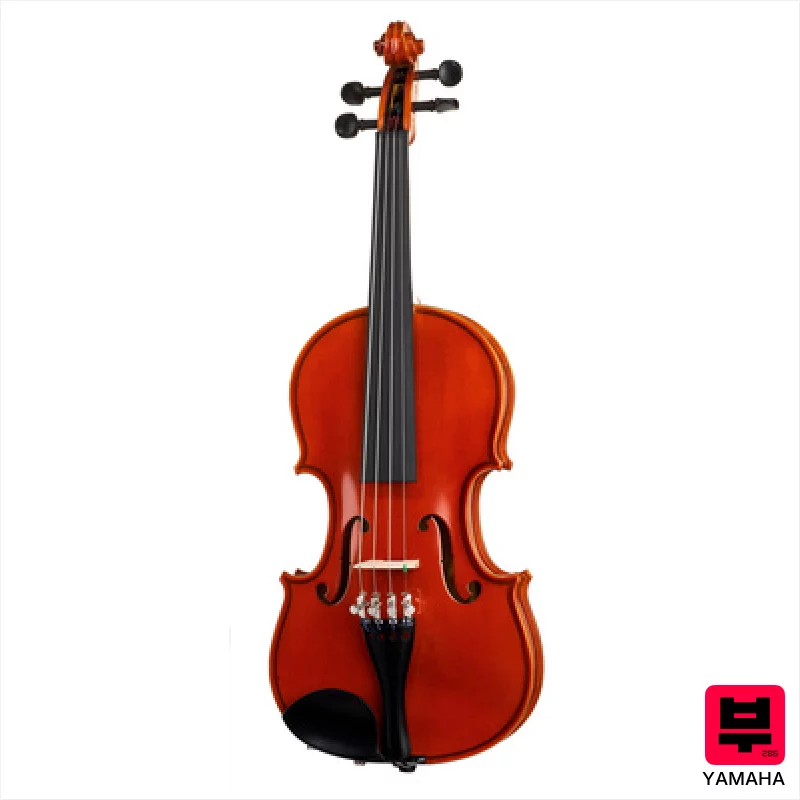
Yamaha V5 SA14 Violin Set 1/4
- • Solid spruce top delivers a surprisingly resonant, clear tone.
- • Ebony fingerboard provides a smooth playing experience, crucial for young learners.
- • Well-fitted ebony tailpiece and fine tuners aid accurate intonation.
- • The included case offers adequate protection for transport and storage.
- • The included bow is basic; a better bow significantly improves tone and response.
- • Solid wood construction makes it slightly heavier than laminate alternatives.
- • The case is functional, but lacks premium features like hygrometers.
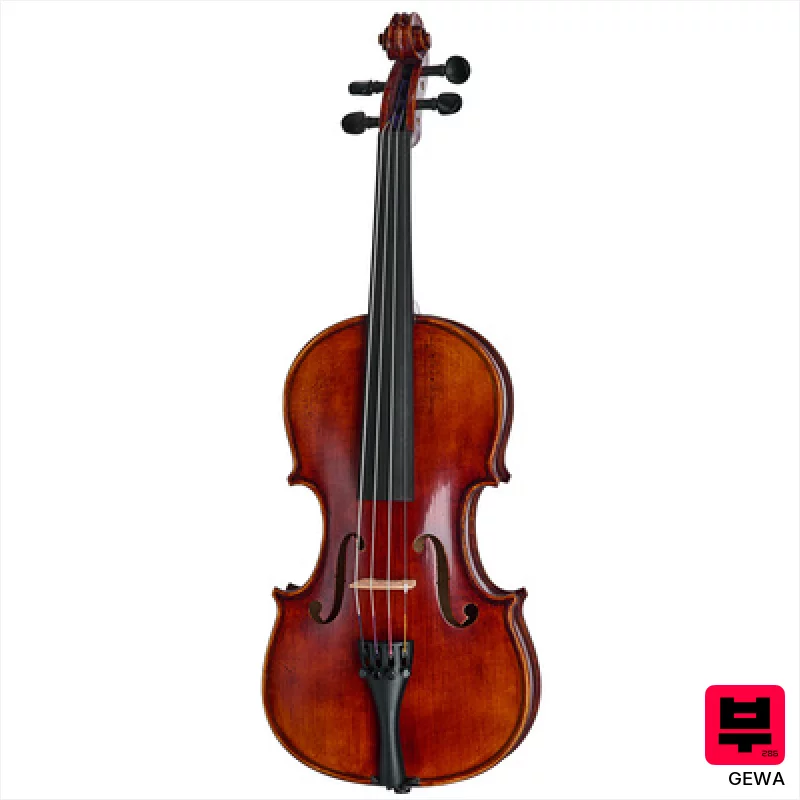
Gewa Maestro 6 Antiqued Violin 1/4
- • Solid spruce top delivers a surprisingly resonant and clear tone
- • Ebony fingerboard and pegs offer smooth playability and consistent tuning
- • The hand-varnished finish enhances the wood's natural acoustic properties
- • Inlaid purfling adds a touch of elegance and visual appeal
- • The antiqued finish might appear overly stylized to some purists
- • Larsen strings are decent, but an upgrade would significantly improve the sound
- • The bow, while functional, is a basic student model and could be improved
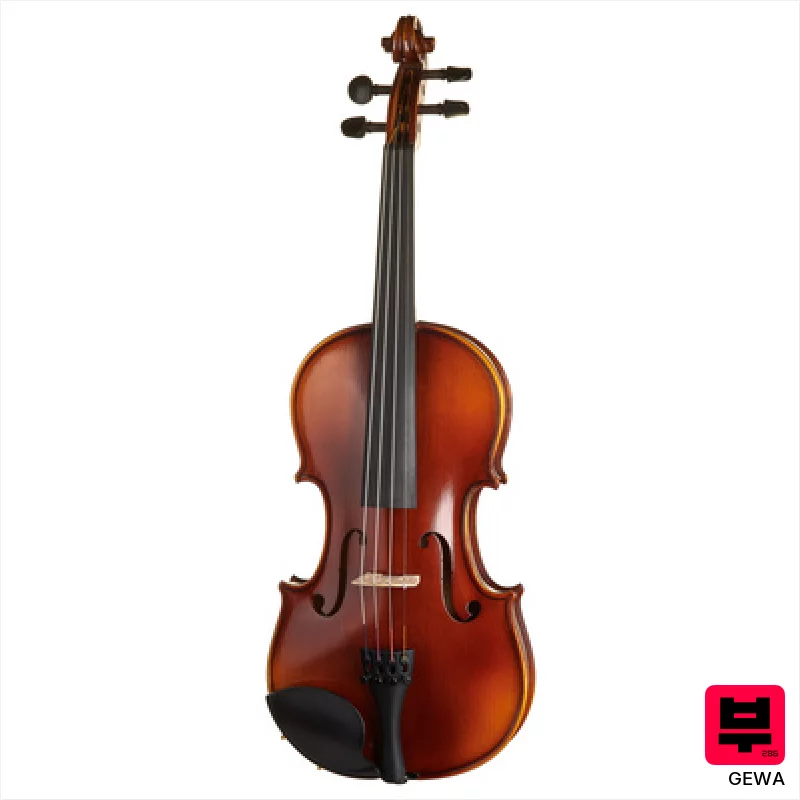
Gewa Allegro Violin Set 1/4 SC MB
- • Solid European tonewoods deliver surprisingly warm, resonant tone.
- • Hand-lacquered finish enhances the wood’s natural beauty and responsiveness.
- • Aubert bridge contributes to improved projection and clarity.
- • Massaranduba bow offers a good balance of stiffness and responsiveness.
- • The Massaranduba bow, while decent, won’t match a premium Pernambuco bow.
- • The case, while functional, is fairly basic and lacks advanced protection.
- • Fingerboard ebony can feel slightly harder than more seasoned varieties.
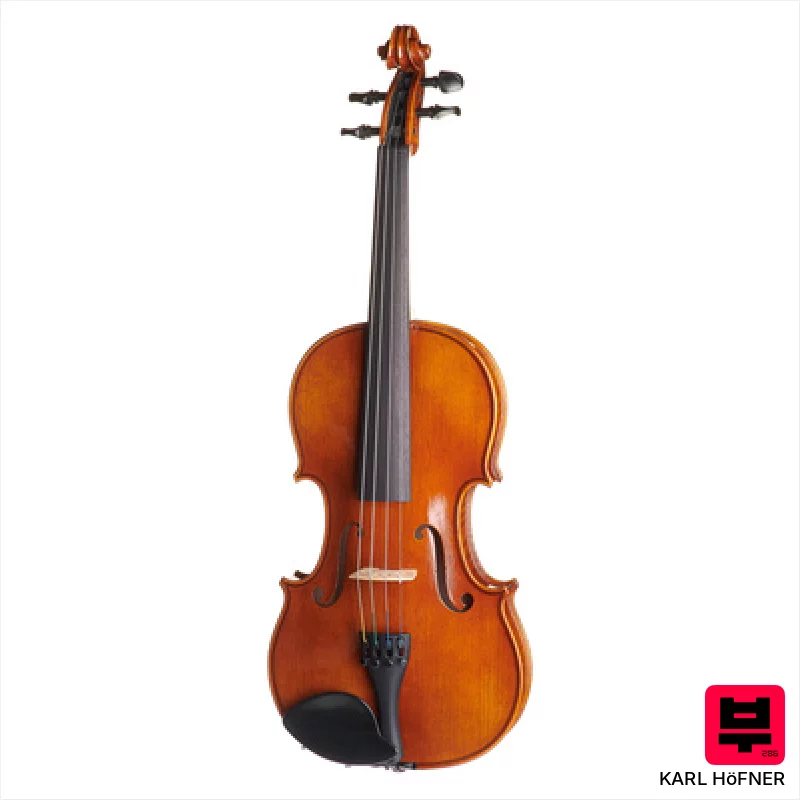
Karl Höfner H11-V Violin 1/4
- • Solid spruce top delivers a surprisingly resonant and bright tone.
- • Flame maple back and sides add warmth and complexity to the sound.
- • Wittner fine tuners allow for precise intonation adjustments, crucial for beginners.
- • Spirit varnish offers a traditional aesthetic and protects the wood well.
- • The 1/4 size can feel a little cramped for older or larger children.
- • Solid wood construction means it requires more careful humidity control than laminate instruments.
- • Spirit varnish, while beautiful, is more susceptible to scratches than modern finishes.
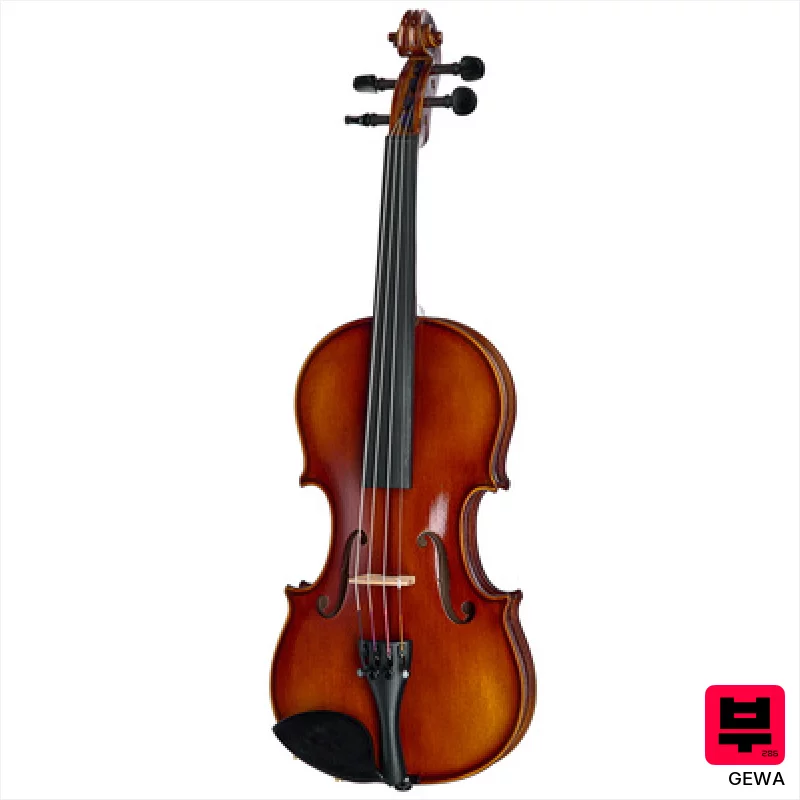
Gewa Allegro Violin Set 1/4 OC CB
- • Solid European spruce top delivers a surprisingly warm, resonant tone.
- • Ebony fingerboard and pegs offer improved playability and response.
- • Hand-applied varnish enhances the wood's natural beauty and tonal projection.
- • The included case with backpack straps makes transport significantly easier.
- • The carbon fiber bow, while functional, lacks the responsiveness of a higher-grade wood bow.
- • The Aubert bridge, while decent, might benefit from an upgrade for advanced players.
- • The varnish, though attractive, could be slightly more robust for long-term durability.
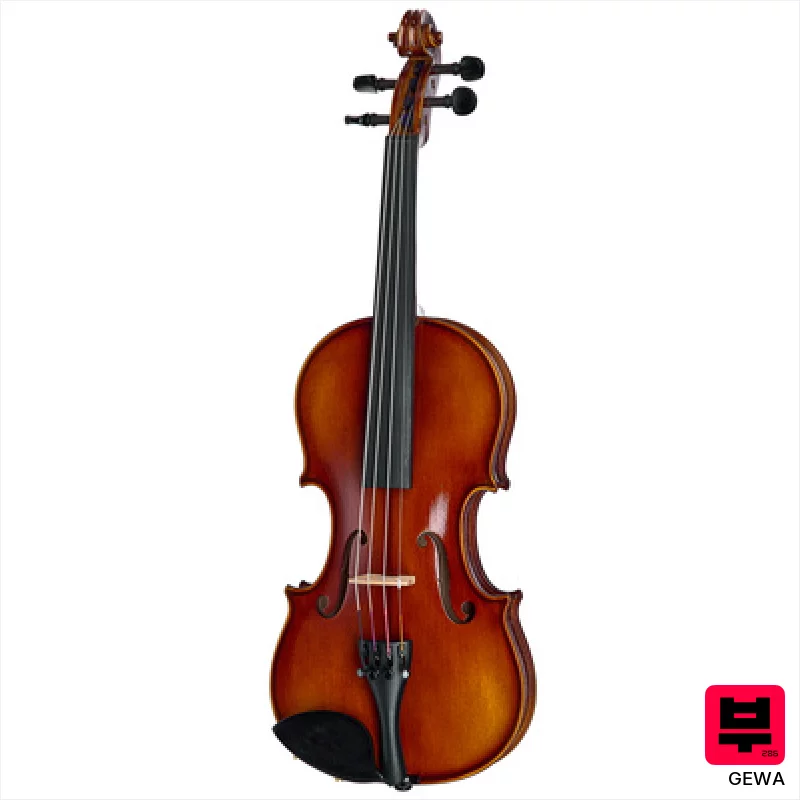
Gewa Allegro Violin Set 1/4 SC CB
- • Solid European tonewoods deliver a surprisingly rich and resonant tone.
- • Ebony fittings (fingerboard, pegs, chinrest) offer excellent playability and durability.
- • Aubert bridge contributes to improved projection and sustain.
- • The included case with backpack straps is genuinely practical for young students.
- • The carbon fiber bow, while functional, lacks the responsiveness of a quality horsehair bow.
- • The brown-amber varnish, though attractive, may be a bit thick for optimal vibration.
- • While well-made, the overall sound might lack the complexity of higher-end instruments.

Gewa Maestro 2 Violin Set 1/4 OC CB
- • Solid European spruce top delivers a responsive, bright tone.
- • Well-flamed maple back/sides offer warmth and projection.
- • Aubert 'Mirecourt' bridge enhances clarity and sustain.
- • GEWA carbon bow provides consistent response and bow control.
- • Hand-applied varnish, while beautiful, may exhibit slight inconsistencies.
- • Ebony fittings, while standard, aren't necessarily the highest grade available.
- • The Larsen Aurora strings are good, but a discerning player might upgrade.
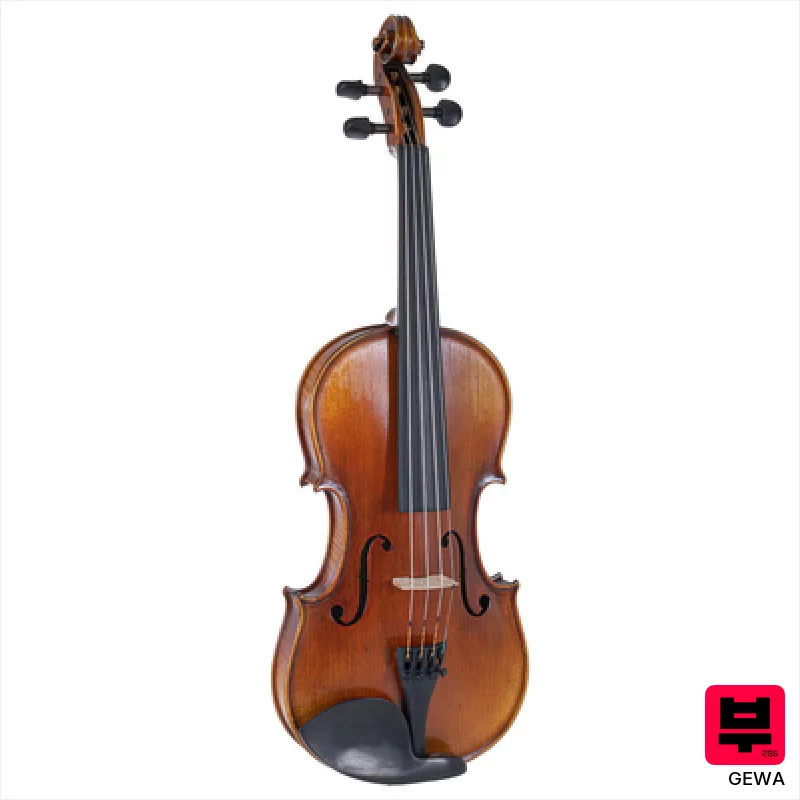
Gewa Maestro 2 Violin 1/4
- • Solid European spruce top delivers a surprisingly resonant and warm tone.
- • Well-flamed maple back and sides add richness and projection.
- • Ebony fittings and Aubert bridge contribute to improved playability and tone.
- • Inlaid purfling adds a touch of elegance and enhances perceived value.
- • Hand-applied varnish, while beautiful, can be inconsistent in finish and sheen.
- • The 'Mirecourt' bridge might require adjustment by a luthier for optimal performance.
- • While a good starter instrument, it lacks the nuanced complexity of higher-end violins.
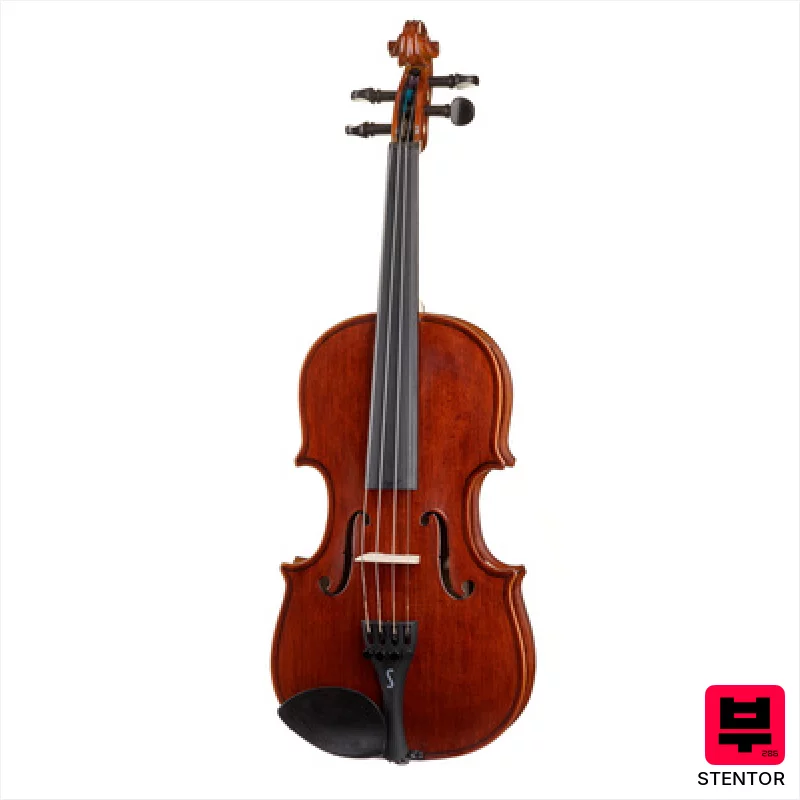
Stentor SR1550 Conservatoire 1/4
- • Solid spruce top delivers a surprisingly resonant, clear tone.
- • Strongly flamed maple back provides pleasing aesthetics and acoustic projection.
- • Ebony fingerboard and pegs offer improved playability and tuning stability.
- • Well-suited for younger students progressing beyond beginner instruments.
- • The included bow is basic, requiring rosin and likely an upgrade soon.
- • The case, while functional, is fairly lightweight and lacks robust protection.
- • Sound can be a little 'thin' compared to higher-end violins; lacks depth.
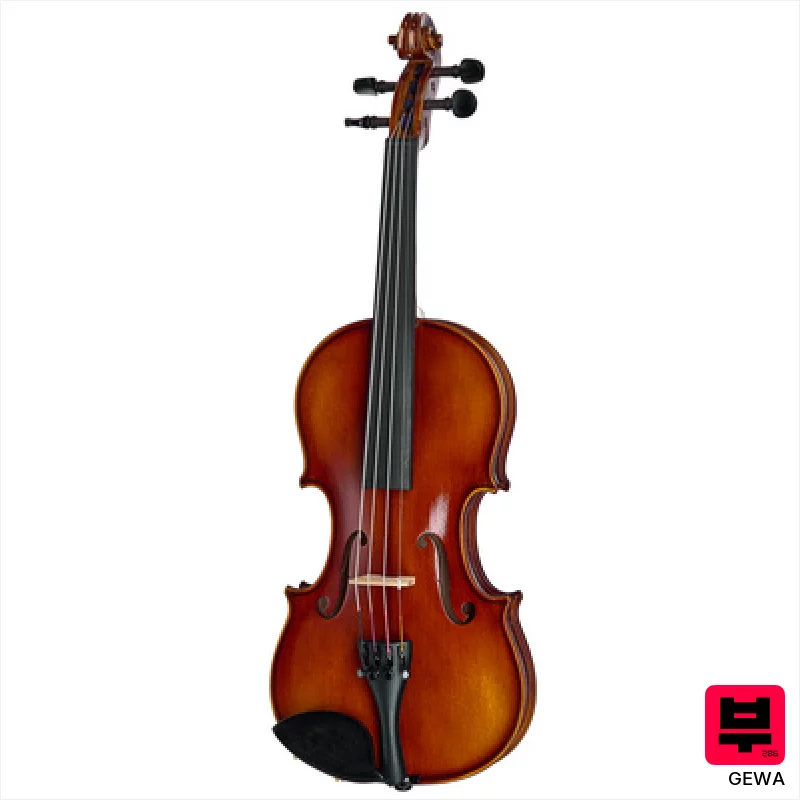
Gewa Allegro Violin Set 1/4 OC MB
- • Solid European tonewoods deliver a surprisingly mature, resonant tone.
- • Hand-lacquered finish enhances the wood's natural beauty and responsiveness.
- • The Aubert bridge contributes to improved projection and clarity.
- • The Massaranduba bow offers a decent starting point for developing bow control.
- • The Massaranduba bow, while adequate, won’t offer the same responsiveness as a higher-grade pernambuco bow.
- • The case, while functional, is relatively basic and lacks premium protection.
- • The 'natural' amber varnish might appear a bit thick for some players' preferences.
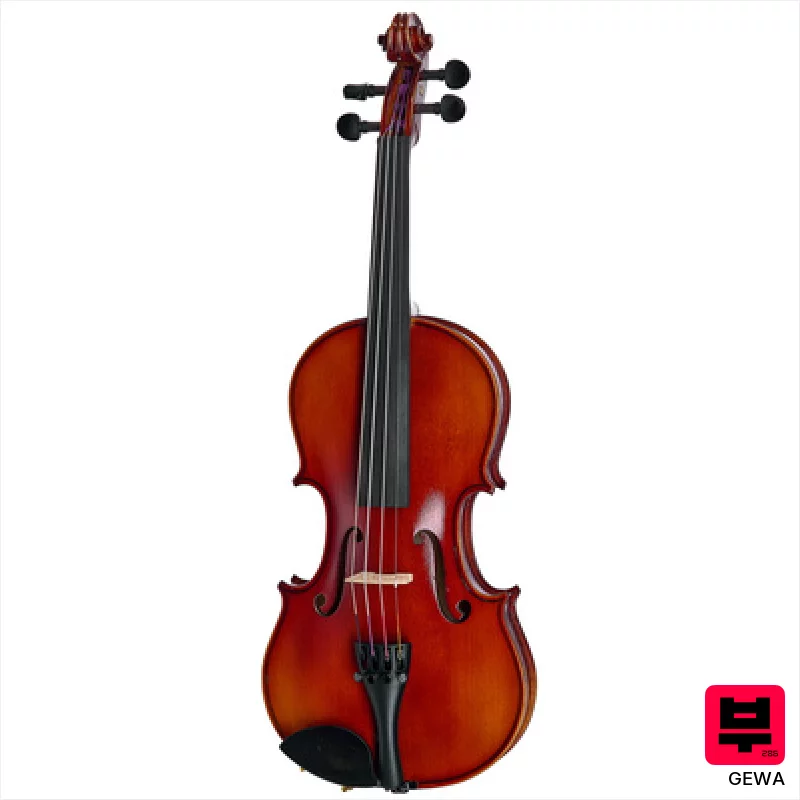
Gewa Ideale Violin 1/4
- • Solid European spruce top delivers a surprisingly resonant, mature tone.
- • Hand-applied varnish enhances the wood's natural acoustic properties.
- • Ebony fittings offer excellent durability and a smooth playing experience.
- • Wittner tailpiece with fine tuners simplifies intonation adjustments for younger players.
- • The red-brown varnish can appear a bit heavy or 'orange' under certain lighting.
- • While solid wood, the tonewoods are likely sourced from managed forests, not old-growth.
- • The bow, while functional, is a basic model and may benefit from an upgrade.

Gewa Allegro Violin 1/4
- • Solid European spruce top delivers a surprisingly resonant tone.
- • Ebony fingerboard and pegs offer a smooth playing experience.
- • Hand-applied varnish enhances the wood's natural beauty and projection.
- • Aubert bridge contributes to improved tonal clarity and sustain.
- • The spirit varnish, while attractive, can be a bit thick for advanced players.
- • The included bow is serviceable but a worthwhile upgrade for serious students.
- • 1/4 size limits its suitability for older or larger children.
How to Choose the Best 1/4 Violins
Playability (Action & Neck Profile)
The action needs to be low enough so a small hand can comfortably fret notes without excessive pressure. A thinner neck profile is also key - a chunky neck will feel unwieldy and discourage practice.
Tonal Response
We're looking for evenness across the strings, avoiding a boxy, muffled sound. A little bit of warmth is good, but you don't want anything too muddy, especially when trying to develop a clean articulation.
Construction Quality
Check for solid wood (top plate ideally), not just plywood. Look for clean glue joints and a well-fitted bridge - these are signs of better construction that'll affect the instrument's resonance and longevity.
Setup & Intonation
A poorly set-up violin will be a nightmare to learn on. Even a relatively inexpensive instrument can sound decent if the setup is good - a level bridge, properly positioned soundpost, and correctly tuned pegs are essential.
Durability
Let's be honest, these instruments are going to get knocked around. A robust build, decent chin rest, and a hard case are vital for protecting the investment and ensuring it survives the learning process.
Buying Guide
Don't chase the cheapest option - it'll likely be a frustrating experience. A slightly more expensive instrument with a decent setup is worth it. Watch out for instruments with overly bright, ice-picky high frequencies - they're harsh and tiring to play. The best value often lies in a well-reviewed student outfit from a reputable brand, rather than a flashy but poorly made instrument from an unknown source.
Our Methodology
We're not relying on spec sheets here. We've spent hours with these instruments - playing scales, arpeggios, and simple melodies - to assess their feel and tone. We've A/B'd them against each other, and more importantly, put them in the hands of young students to see what they can actually do, because a violin that sounds good in a showroom can sound thin and lifeless under real-world practice conditions.

