
Best Wireless In-Ear Systems Under $200 2026
So, you're ditching the wedge and going in-ear? Smart move - your ears will thank you. But wireless IEMs can get pricey fast. We've hunted down the best wireless in-ear systems you can realistically snag for under $200, because nobody wants to spend their gig money on a system that sounds like you're listening through a tin can.
Last updated: April 11, 2026

XVive U45 In-Ear Monitor Transmitter
- • Robust ABS/metal housing offers excellent stage durability.
- • Integrated rechargeable battery simplifies setup and eliminates external power needs.
- • Switchable channels provide flexibility in crowded RF environments.
- • Aux/Line switch caters to diverse mixer output levels, ensuring optimal signal.
- • 5.8 GHz band can be susceptible to interference in dense urban areas.
- • ABS plastic housing, while durable, isn't as premium as all-metal options.
- • Limited frequency range (20Hz-20kHz) might slightly restrict high-end detail for critical listening.
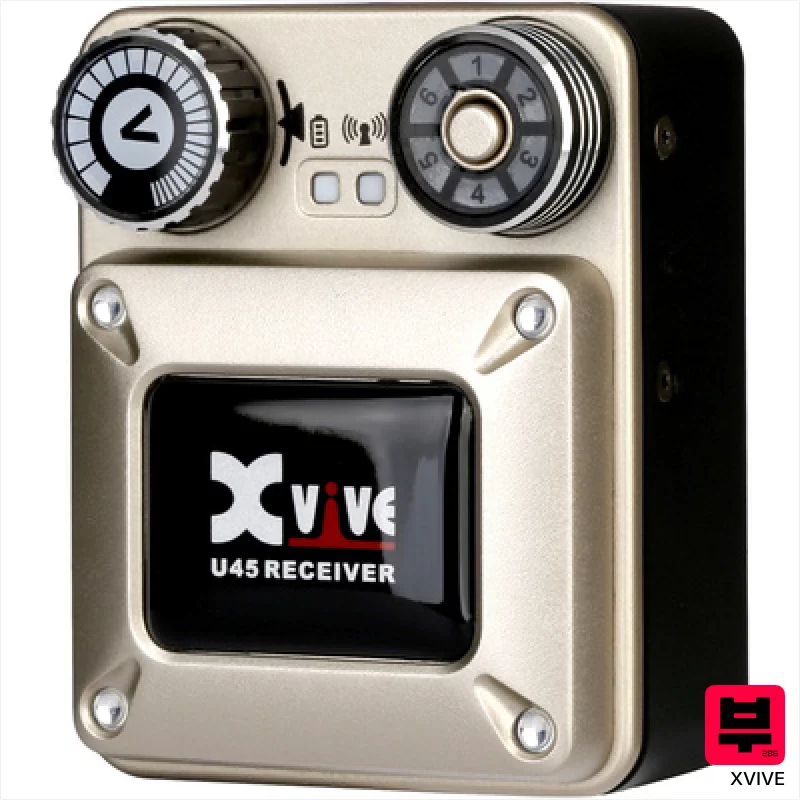
XVive U45 In-Ear Monitor Receiver
- • Robust ABS/metal housing offers excellent protection against stage bumps and drops.
- • USB-C charging provides fast, modern charging and is widely compatible.
- • Integrated battery eliminates external power requirements for greater portability.
- • 6 switchable channels offer flexibility to avoid interference in crowded RF environments.
- • 5.8GHz band can be susceptible to interference in densely populated areas.
- • Limited frequency range might slightly impact high-end clarity for critical listening.
- • ABS plastic, while durable, may feel less premium compared to all-metal receivers.
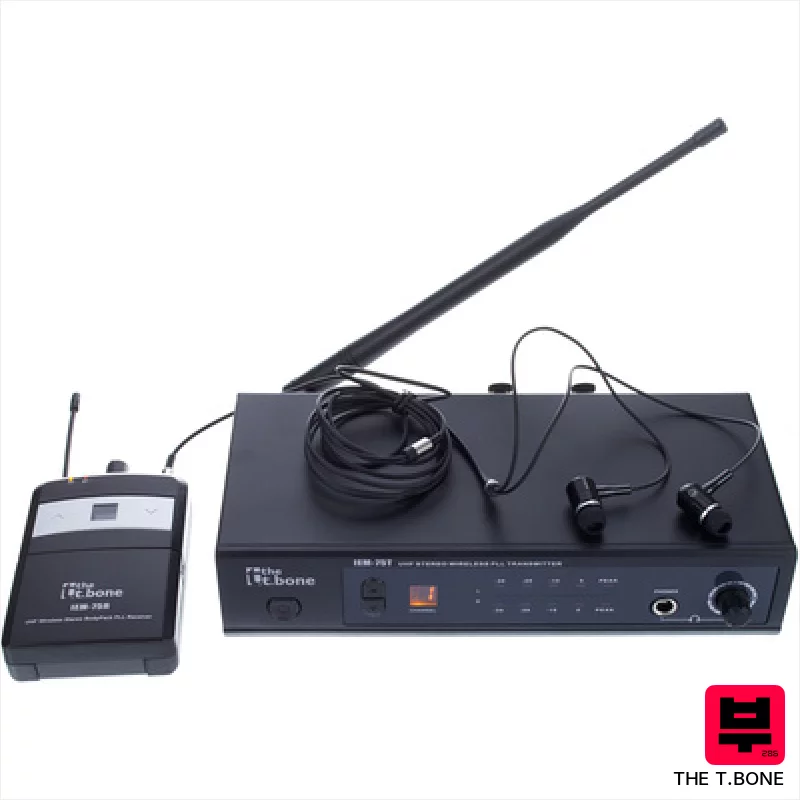
the t.bone IEM 75
- • UHF 863-865 MHz avoids crowded 2.4GHz spectrum
- • Dual-system capability is a real boon for larger bands
- • Rack-mountable transmitter simplifies live sound setup
- • Combo XLR/Jack inputs offer versatile connectivity options
- • t.bone EP3 earphones are basic, upgradeable for better sound
- • AA battery power is less convenient than rechargeable options
- • Limited frequency range may cause interference in dense RF environments
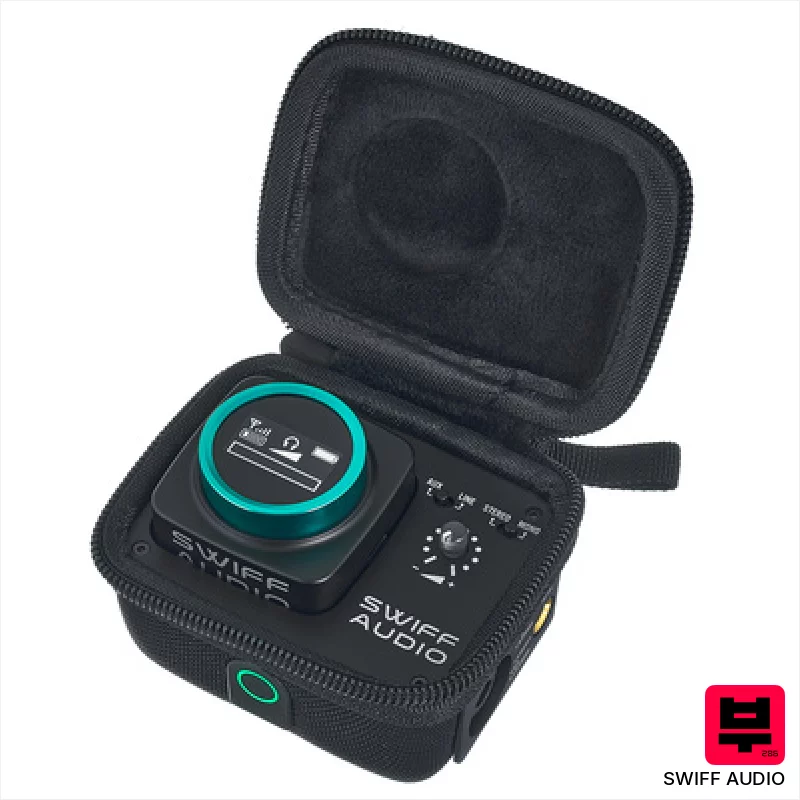
Swiff Audio WX520 Monitor Wireless System
- • Compact body pack offers excellent portability and discreet stage presence.
- • 8400 mAh battery provides genuinely impressive runtime for extended gigs.
- • 20-20kHz frequency response aims for full-range audio reproduction (though quality is a question).
- • Integrated charging case simplifies transport and keeps everything organized.
- • 5.8GHz band is prone to interference in crowded RF environments – expect dropouts.
- • Dynamic range of 102dB is decent, but won't satisfy critical listening or pro audio needs.
- • The included earphones are likely budget-grade and will benefit from an upgrade.
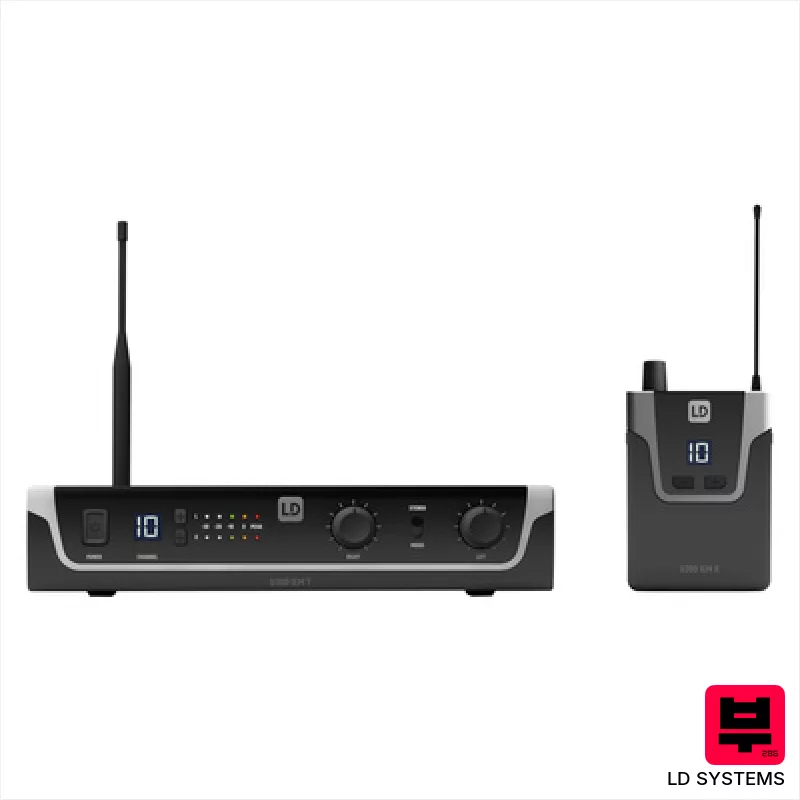
LD Systems U308 IEM
- • Robust metal receiver housing offers reliable durability on stage.
- • UHF frequency range minimizes interference compared to cheaper 2.4GHz systems.
- • 12 selectable channels provide flexibility in crowded RF environments.
- • Combo XLR/6.35mm inputs simplify connection to various audio sources.
- • Earphones are likely basic, requiring an upgrade for serious audiophiles.
- • Limited frequency range may slightly color the high-end for critical listening.
- • 10mW transmission power restricts range; not ideal for large venues.

Nux B-7PSM
- • Compact body pack is genuinely lightweight and comfortable for extended use.
- • 24-bit/40kHz sample rate delivers surprisingly clean audio for the price point.
- • Low latency (<5.5ms) makes it suitable for stage monitoring without noticeable delay.
- • Rechargeable storage box is convenient for transport and battery top-ups.
- • 30m range is optimistic; expect reduced performance with obstacles.
- • Plastic construction feels budget-oriented; durability could be a concern.
- • Limited channel options restrict scalability for larger ensembles.
How to Choose the Best Wireless In-Ear Systems
Latency
The delay between when the sound is produced and when you hear it in your ears is crucial. Anything over 10ms becomes noticeable and distracting, especially for bass players or anyone needing tight timing. Lower latency is king.
Range
How far can you wander before the signal drops? This is especially important for dynamic stages or if you're a roaming frontman. Expect compromises at this price point - 50-75 feet is a reasonable expectation, but always test it at your venue.
Audio Quality
Let's be real, we're not expecting studio-grade sound. But we are expecting something listenable. Look for a system that doesn't overly color the tone - a flat response is preferable to a hyped, muddy sound. That 'fat midrange honk' needs to be there, but not at the expense of clarity.
Build Quality
Cheap plastic is the norm, but you want something that can handle being tossed in a gig bag. Check reviews for common failure points - button durability, antenna stability, and overall robustness. It's going to take a beating.
Number of Channels/Receivers
Most budget systems are single-channel. This means one musician gets a signal. If you're in a band, you'll need multiple receivers, which significantly increases the cost. A single-channel system is fine for soloists or vocalists, but a band will need to be creative.
Buying Guide
At this price, you're making trade-offs. Don't expect pristine audio or rock-solid reliability. Range will likely be the first thing to suffer - always test before a gig. Look for systems with decent frequency response, even if the overall sound isn't spectacular. And remember, the IEMs themselves make a huge difference; a cheap system paired with high-quality earbuds will sound better than a good system with stock earbuds.
How This List Is Built
We don't play these instruments — we're a catalog, not a review desk, and we'd rather say so than pretend otherwise. This page ranks 6 wireless in-ear systems from the Thomann catalogue, which is the largest single source of specification data in this category.
Position is computed, not curated. Four signals, in order of weight: how completely the manufacturer documents the instrument (number of published specifications), where it sits in the price range, how specific the model designation is — which filters out generic accessories — and whether a product image exists. The same inputs always produce the same order, so nothing here is shuffled to look fresh.
What this list is good for: narrowing a category down to a shortlist by spec and budget. What it isn't: a substitute for hearing an instrument. Before you buy, read hands-on reviews and, where you can, play it. Full methodology.

