
Best Wireless In-Ear Systems for Turnkey Setup 2026
So, you're ditching the wired stage monitors and going wireless in-ear? Smart move - it's a game-changer for stage presence and your ears. But wading into the wireless IEM world can be overwhelming; there are frequencies to worry about, bodypacks, transmitters... It's not just about plugging in; it's about a reliable, 'turnkey' system that works before you hit the first gig. This is about systems that let you focus on the music, not troubleshooting gear.
Last updated: July 15, 2026 • Next update: July 22, 2026
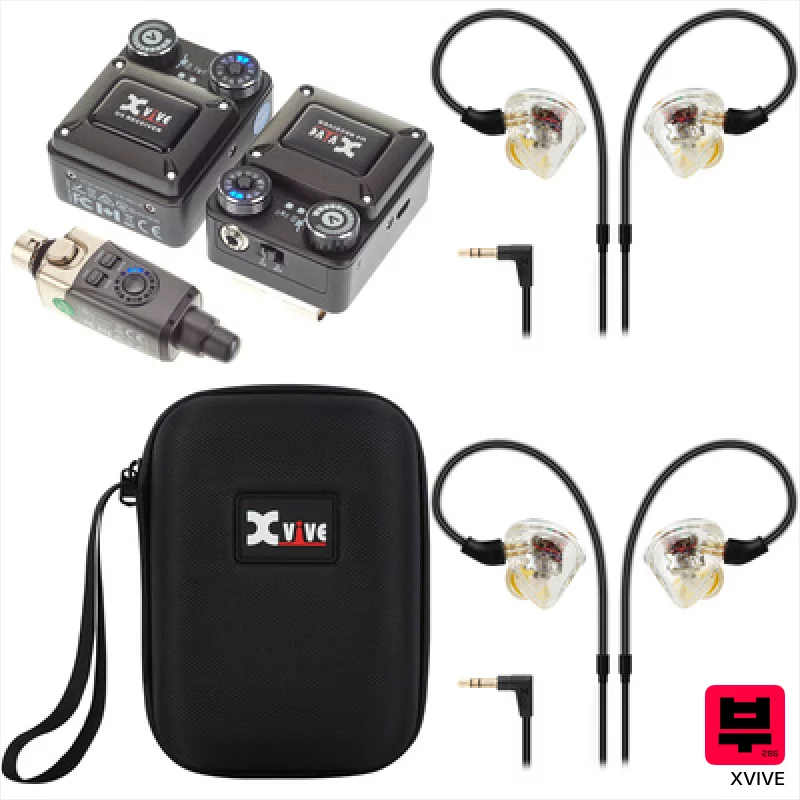
XVive U4 Wireless System Bund Set
- • Compact bodypacks offer excellent portability and discreet stage presence.
- • 2.4 GHz band provides broad global compatibility and avoids common RF interference.
- • Integrated rechargeable batteries simplify operation and eliminate external power needs.
- • High 107dB SNR ensures a clean, clear signal even in noisy environments.
- • The included earphones are likely entry-level; upgrading will significantly improve audio quality.
- • 27.5m range can be limiting for larger stages or complex venue layouts.
- • AUX/Line switch lacks true mic preamps, limiting dynamic range for vocalists.

XVive U45 In-Ear Monitor Bundle 4R
- • Simple plug-and-play operation minimizes setup time on stage.
- • 5.8 GHz band offers relatively clean operation in most environments.
- • Integrated rechargeable batteries simplify logistics and reduce cable clutter.
- • Clear, focused mono signal ensures stage mix clarity for performers.
- • 30m range is limited; expect signal drop with complex stage layouts.
- • Body packs, while light, might be uncomfortable for extended wear for some.
- • Aux/Line switch offers limited flexibility for varied signal sources.
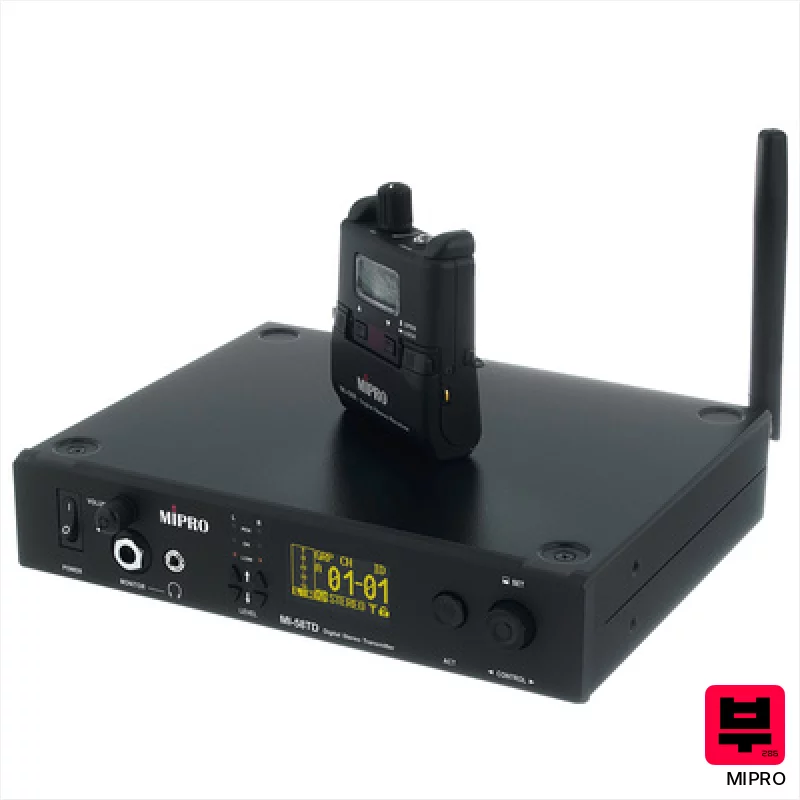
Mipro MI-58RT-DNT
- • Dante integration simplifies complex audio routing and workflows.
- • 5.8GHz digital transmission offers clean, interference-free audio.
- • OLED display provides clear, real-time information on settings.
- • Pocket receiver offers portability and discreet monitoring options.
- • E-8S earphones are basic; audiophiles will likely want to upgrade.
- • Rackmount format demands space and potentially extra hardware.
- • Limited channel count might be restrictive for large ensembles.
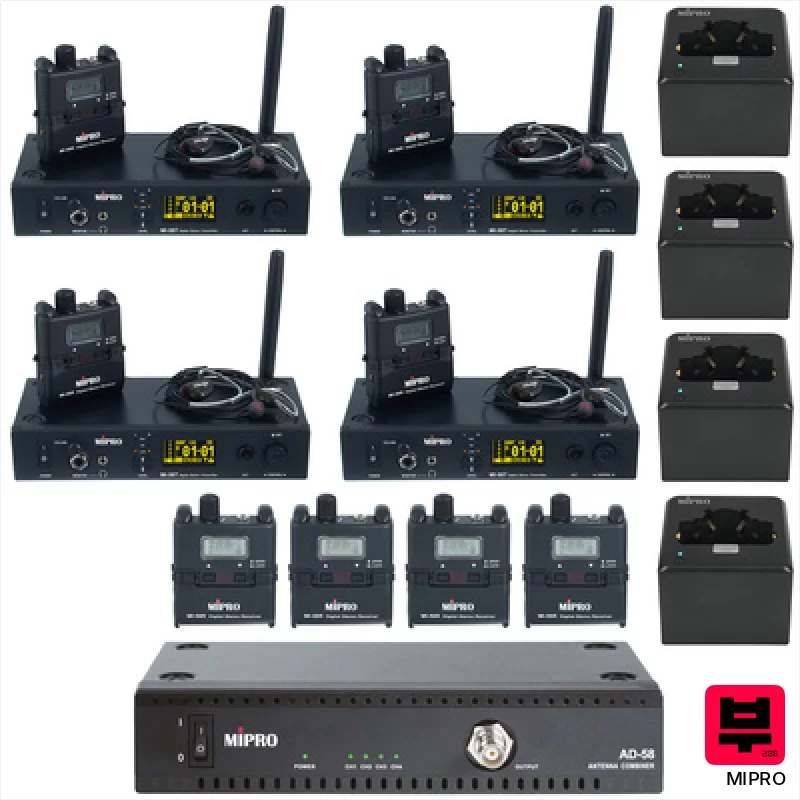
Mipro MI-58 8 CH Set
- • Antenna combiner significantly extends reliable wireless range.
- • Digital 5.8 GHz transmission offers clean, interference-free audio.
- • MI-58RT receivers offer versatile stereo/mono mixing options.
- • Included MP8 charging tray simplifies battery management and workflow.
- • The AD-58 combiner's TNC connectors might require adapters for some setups.
- • The E-8S earphones, while functional, are a basic offering and may be upgraded.
- • Premium-priced, representing a substantial investment for smaller gigs.
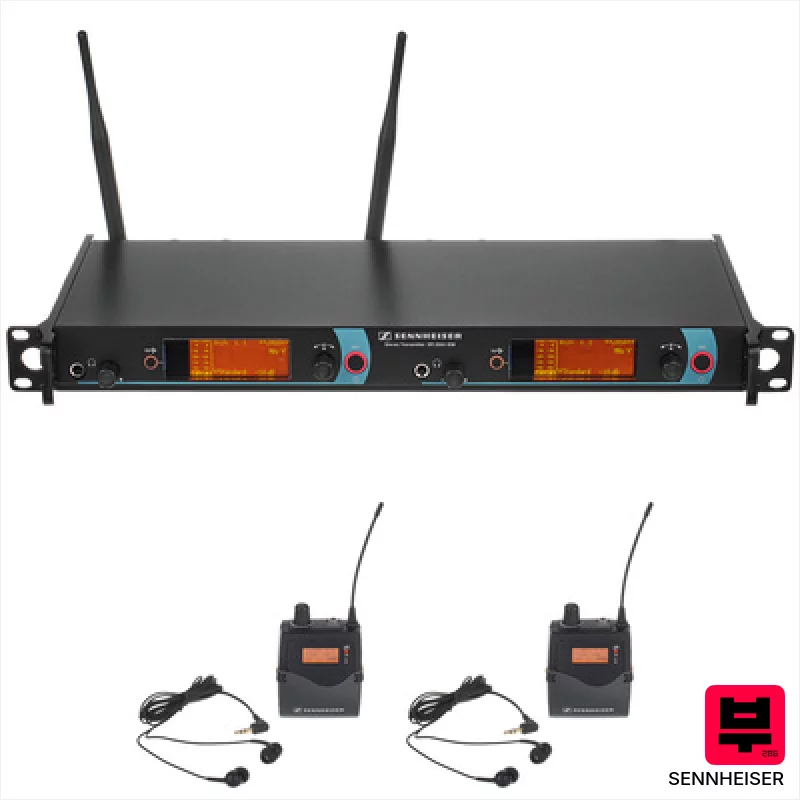
Sennheiser IEM 2000 BW Twin Bundle
- • Rock-solid 2050 transmitter build; HDX compander delivers excellent audio clarity.
- • EK 2000 receivers offer reliable, low-latency performance on stage.
- • B-Band frequency range provides ample channel availability in most regions.
- • IE 4 earphones are a solid, balanced starting point for in-ear monitoring.
- • Premium-priced system, a significant investment for smaller bands or solo artists.
- • IE 4 earphones, while decent, aren't audiophile-grade; upgrades are likely.
- • Transmitter’s 1U rack height can be restrictive in tight setups.
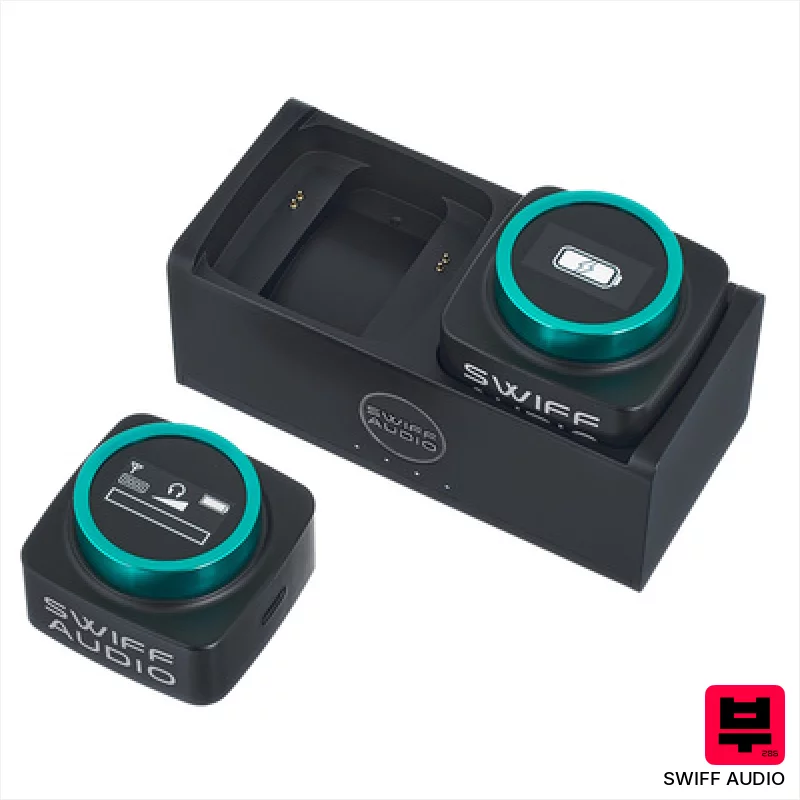
Swiff Audio WX510 Monitor Wireless System
- • Compact charging case offers convenient portability and battery top-ups.
- • 5.8 GHz ISM band ensures broad global usability without licensing issues.
- • Decent 30m range is sufficient for most stage setups and rehearsals.
- • Integrated lithium batteries simplify power management, eliminating external power needs.
- • Build quality feels noticeably budget-focused, plastic components may not withstand heavy gigging.
- • Audio clarity likely limited by the 5.8GHz band, expect some digital artifacts.
- • Receiver battery life of 6 hours might necessitate charging during longer performances.
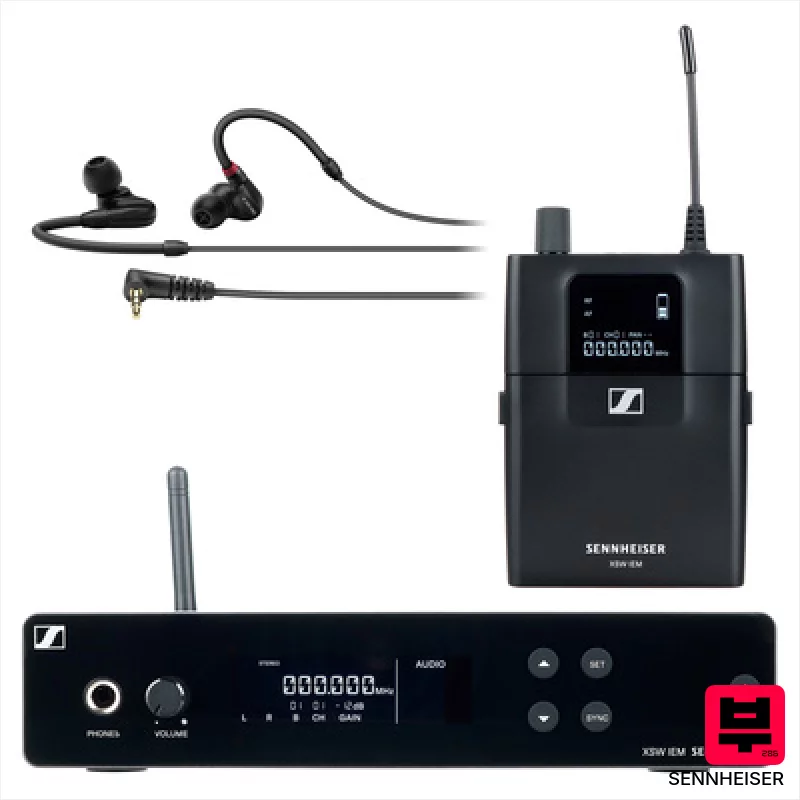
Sennheiser XSW IEM A-Band + IE100Pro Set
- • Rock-solid Sennheiser build quality; feels durable for stage use.
- • Excellent frequency response clarity for IEMs; vocals shine.
- • Infrared sync simplifies channel setup; quick and reliable.
- • IE100Pro provides balanced sound; comfortable for extended wear.
- • The A-band frequency range is limited; potential interference in crowded areas.
- • Transmitter is a bit bulky; could be more streamlined for portability.
- • IE100Pro lacks noise isolation; ambient noise can be an issue.

Mipro MI-58 Twin Set
- • Excellent low latency (<2.2ms) crucial for stage monitoring.
- • OLED display provides clear, real-time feedback on settings.
- • Dual-channel operation offers flexibility for stereo or mix-mono.
- • Rack-mountable design simplifies integration into existing PA systems.
- • E-8S earphones are serviceable, but audiophiles will likely upgrade.
- • 5.8GHz band can be susceptible to interference in crowded RF environments.
- • Limited frequency band compared to more expansive systems.
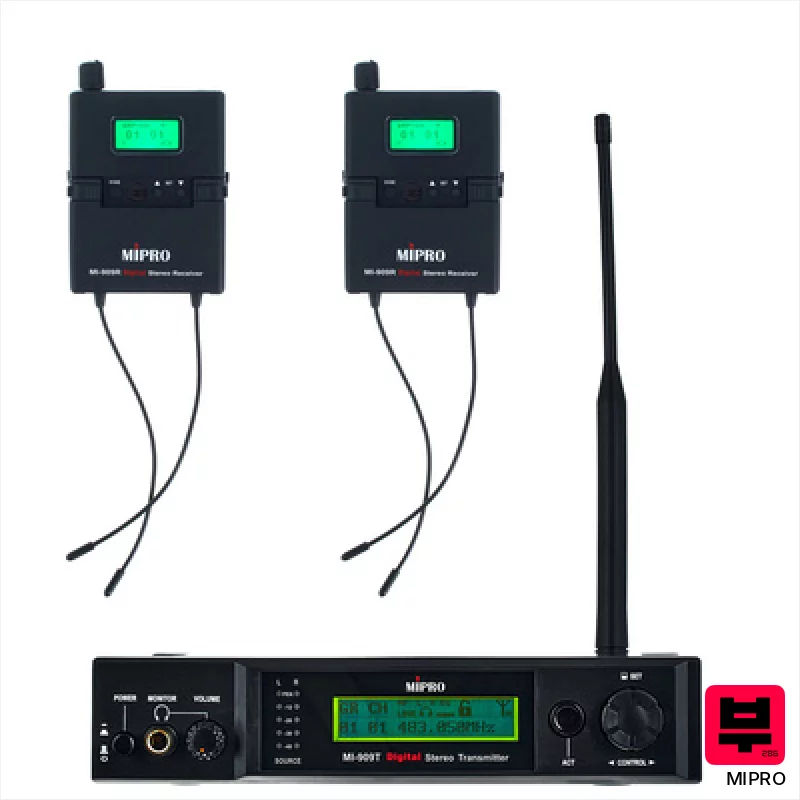
Mipro MI-909RT 5E Twin Set
- • Magnesium housing provides excellent durability for stage use.
- • PLL synthesizer ensures stable, clean signal transmission with minimal drift.
- • Auto Channel Targeting simplifies setup, crucial for busy performances.
- • Digital diversity receiver drastically reduces dropouts in challenging RF environments.
- • The included earphones are basic and may need upgrading for discerning audiophiles.
- • Limited frequency band (480-544 MHz) restricts channel availability in congested areas.
- • Higher price point places it beyond budget for casual or beginner IEM users.
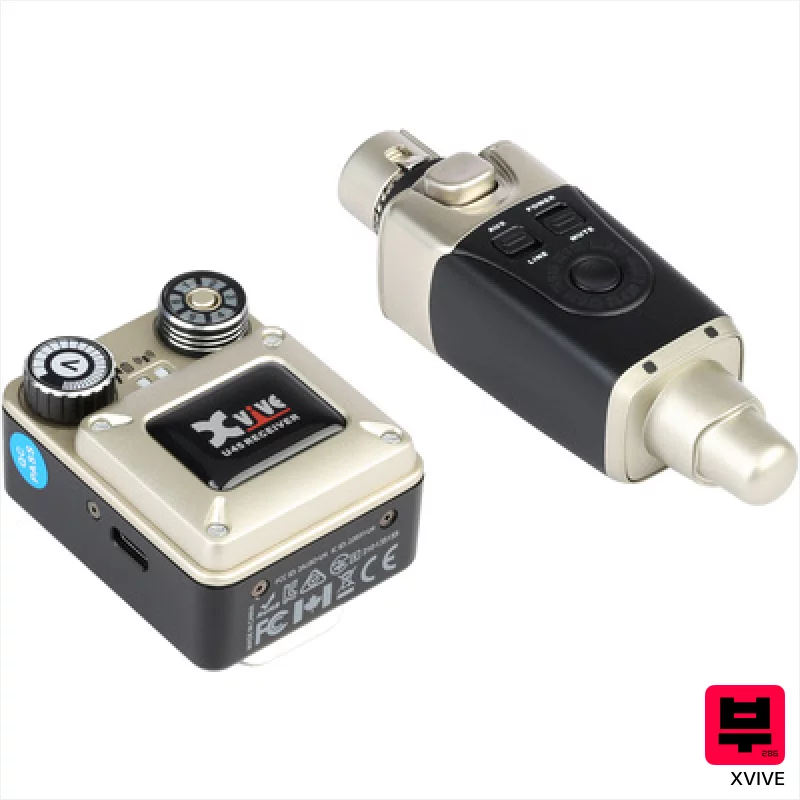
XVive U45 In-Ear Monitor Wireless
- • Robust ABS/metal housing offers surprising durability for the price.
- • 5.8 GHz ISM band ensures global compatibility without frequency headaches.
- • Aux/Line switch provides adaptable input level for varied sound sources.
- • Clear, focused mono signal minimizes stage feedback and distractions.
- • The included earphones are basic; an upgrade is highly recommended for serious use.
- • 30m range can be limiting in larger venues with significant obstructions.
- • Limited channel selection might require careful frequency coordination in crowded RF environments.
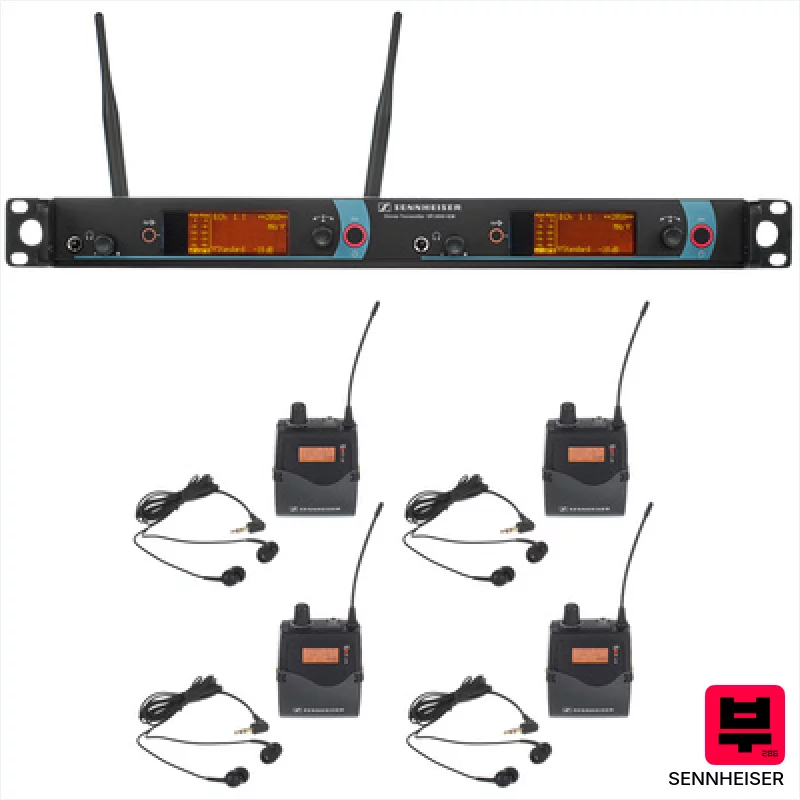
Sennheiser IEM 2000 BW Quattro Bundle
- • Rock-solid SR 2050 transmitter offers exceptional RF stability.
- • EK 2000 receivers provide reliable, low-latency performance onstage.
- • HDX compander significantly reduces noise and interference.
- • IE 4 earphones deliver a balanced, detailed sound signature.
- • The Quattro bundle is a premium-priced investment for serious performers.
- • Receiver battery life necessitates carrying spares or a charger.
- • The B-Band frequency range may require coordination in crowded RF environments.
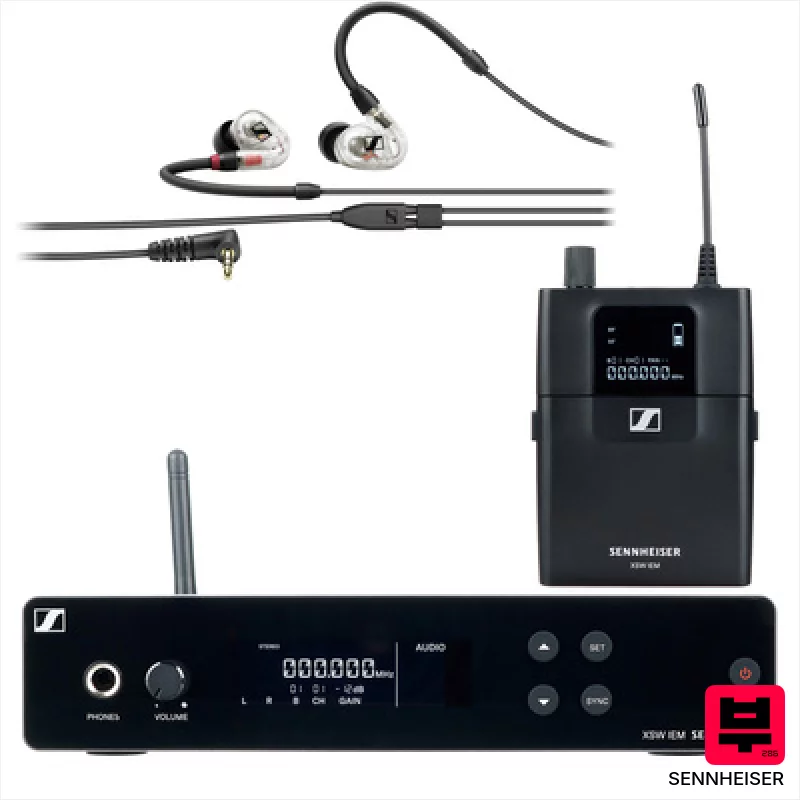
Sennheiser XSW IEM B-Band + IE100Pro Set
- • Robust B-Band frequency range minimizes interference on crowded stages.
- • IE100Pro earphones deliver Sennheiser’s signature clarity and detail.
- • Infrared sync simplifies channel setup and eliminates frustrating manual adjustments.
- • Compact receiver design makes it comfortable for extended performance use.
- • B-Band availability can be limited in certain geographic regions.
- • IE100Pro earphones, while excellent, lack advanced noise isolation features.
- • Transmitter's build, while solid, feels a bit plasticky for the price.
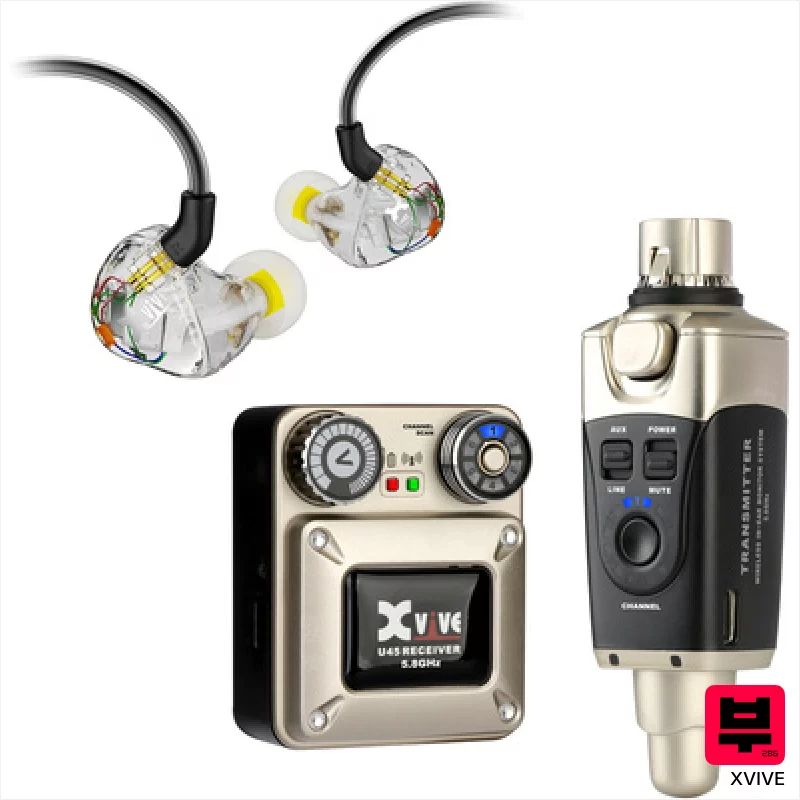
XVive U45T9 In-Ear Monitor Bundle T9
- • Simple plug-and-play operation reduces setup time significantly.
- • 5.8 GHz frequency band offers broad international compatibility.
- • Solid build quality for a budget-friendly wireless IEM system.
- • Decent 110dB SNR minimizes unwanted noise and interference.
- • Range of 30m is realistic *only* with perfect conditions; expect less.
- • Mono audio limits stereo imaging for critical listening applications.
- • Bodypack's lightweight design might feel flimsy for heavier instruments.
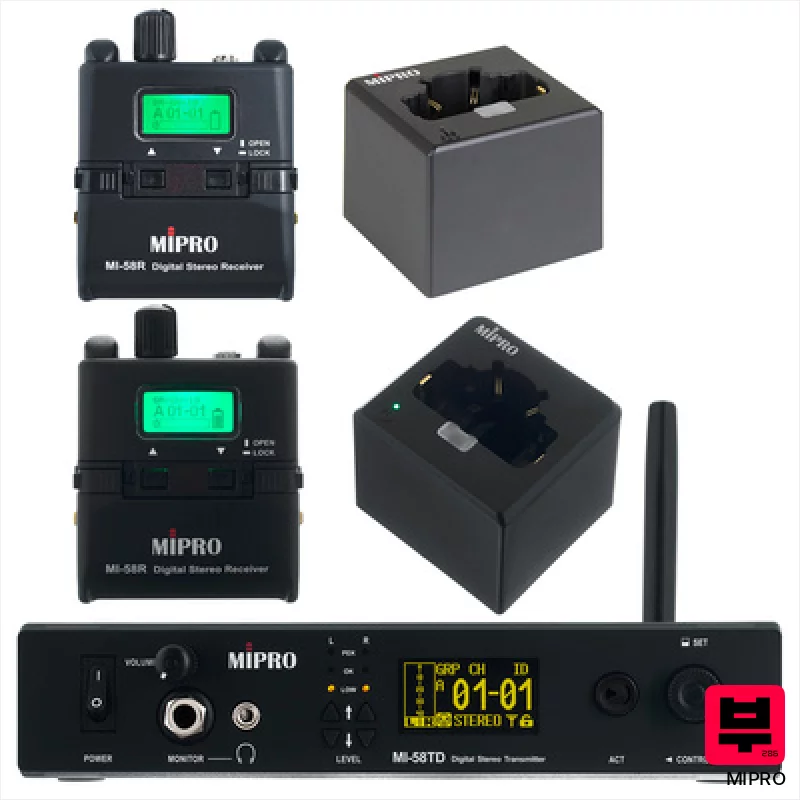
Mipro MI-58-DNT Twin Set
- • Dante integration simplifies complex audio routing significantly.
- • 5.8GHz digital transmission offers clean, interference-free audio.
- • Built-in equalizer allows for quick sound shaping on the fly.
- • Compact receiver and charging tray enhance portability and convenience.
- • The E-8S earphones are serviceable, but audiophiles might want an upgrade.
- • 5.8GHz band can be congested in densely populated areas.
- • Limited channel count compared to some higher-end systems.
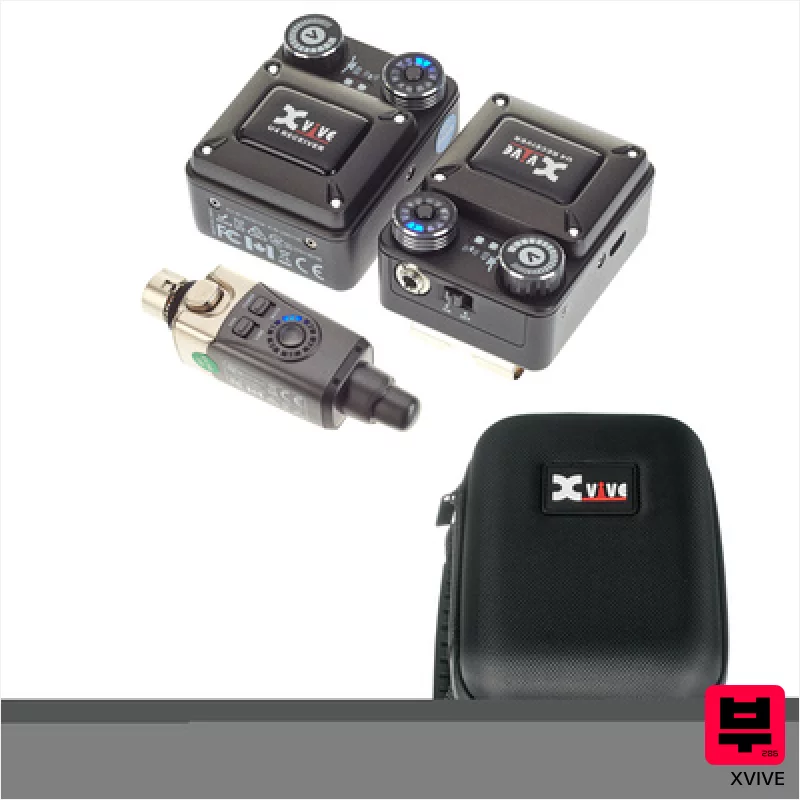
XVive U4 Wireless System Bund Bundle
- • Compact bodypack design offers excellent portability and discreet stage presence.
- • 2.4 GHz band provides reliable operation globally, minimizing interference.
- • Integrated rechargeable batteries simplify operation and eliminate external power needs.
- • AUX/Line switch offers versatility for various sound sources and mixing scenarios.
- • The included earphones are likely basic and may benefit from an upgrade for critical listening.
- • 27.5m range can be reduced by physical obstructions and signal interference.
- • While generally robust, the plastic construction feels less premium compared to higher-end systems.
How to Choose the Best Wireless In-Ear Systems
Frequency Response & Clarity
A muddy IEM system is useless. We're looking for a balanced response - you need to hear the low-end thump of the bass, the articulation of the drums, and the clarity of your vocals cutting through the mix, without a harsh, ice-picky top end. A system that adds coloration isn't ideal, either - it should be transparent.
Range & Reliability
Dropped signal mid-song? No thanks. We test range in typical live performance environments (crowded clubs, outdoor stages) and assess how consistently the signal holds up. Interference is a killer - a system that's easily affected by other wireless devices is a liability.
Ease of Setup & Operation
This is turnkey, remember? We're judging systems on how quickly you can get them working - pairing, frequency selection, and overall intuitiveness. Complicated menus and cryptic displays are a big no-no when you're trying to get a show started.
Bodypack Build & Comfort
A bodypack that's uncomfortable or prone to failure is going to ruin your show. We consider build quality, weight, and ergonomics - how it feels strapped to your body for hours on end, and how well it holds up to the inevitable bumps and bruises of gigging.
Microphone Input & Mixing Capabilities
The ability to plug in your own microphone directly into the bodypack is a huge bonus, letting you control your monitor mix. This is especially valuable for singers who need to make adjustments on the fly, or for bands with complex stage monitoring needs. The quality of the preamp in the bodypack matters too - a noisy preamp will just introduce more problems.
Buying Guide
Don't chase the 'best' specs; chase reliability and usability. Budget systems often cut corners on frequency coordination, leaving you fighting for clean airspace. Paying a bit more for a system with automatic frequency scanning and a wider bandwidth is usually worth it. Also, consider the long game: batteries, replacement parts, and the potential for future expansion - a system that's easily upgradeable will serve you better down the road.
Our Methodology
We don't just look at spec sheets here. We've spent countless hours on stage and in rehearsal rooms with these systems, A/B'ing them against traditional monitors and studio setups. We're evaluating them based on real-world performance: how they handle feedback, how reliably they transmit, how they sound with different instruments and vocals, and most importantly, how easy they are to set up and use quickly.

