AudioFu Chart · October 2026
Best Mipro Wireless In-Ear Systems 2026
The top pick is Mipro MI-58 4 CH Set ($3,033). Mipro MI-58RT-DNT gives you the most for the money at $843. Ranked by the AudioFu Index from 3 models, prices checked every night.
Last updated: October 18, 2026
Top 3
Full detail for the 3 highest AudioFu Index scores. Every other model is listed below.
-
- Size9.5"
- Weight0.836 kg
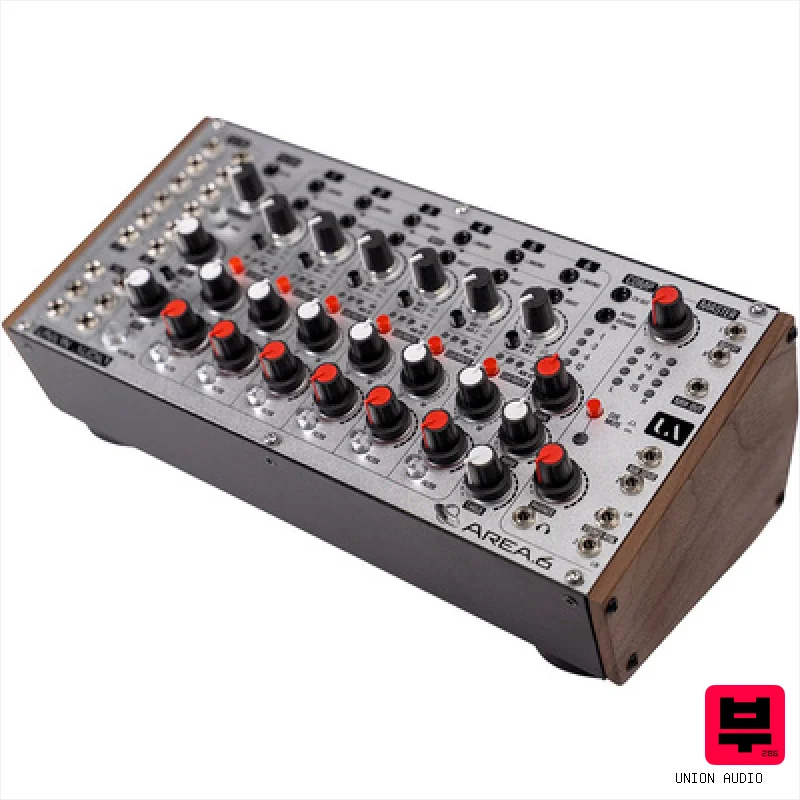
This Mipro MI-58 4-channel set is a solid choice for gigging musicians and smaller bands needing reliable in-ear monitoring. The antenna combiner is a clever addition for cleaner signals, and the low latency is a huge plus for performers needing immediate feedback. It's a premium-priced system that offers professional performance without the extreme cost of some top-tier brands.
Pros
- Excellent antenna combiner boosts signal strength for reliable performance.
- Digital transmission minimizes interference, crucial for noisy stages.
- MI-58RT receivers offer low latency, vital for stage monitoring clarity.
Cons
- The AD-58 combiner's size might be restrictive in very tight setups.
- The E-8S earphones are functional but lack premium audio isolation.
54AudioFu
IndexStableno change since Aug 17Aug 17$3,033 now$3,033€2,695 at Thomann · in stockCheck price ↗ -
- Size9.5"
The MI-909RT 5E is a solid, dependable in-ear monitoring system. It’s a great choice for working musicians, bands, and presenters who need a reliable wireless solution without the premium price tag. The build quality is impressive for the category, and the digital diversity really makes a difference in noisy environments.
Pros
- Robust magnesium housing provides excellent durability for stage use.
- Digital diversity reception truly minimizes dropouts in challenging RF environments.
- Automatic channel targeting simplifies setup, crucial for quick gigs.
Cons
- AA battery dependency can be inconvenient for long performances; consider rechargeable packs.
- Limited frequency range (480-544 MHz) restricts channel availability in congested areas.
41AudioFu
IndexStableno change since Aug 17Aug 17$1,180 now$1,180€1,049 at Thomann · in stockCheck price ↗ -
- Size9.5"
The Mipro MI-58RT-DNT is a serious step up for stage performers and production teams needing reliable, low-latency IEMs with Dante capabilities. It's a premium-priced system that bridges the gap between basic wireless packs and high-end broadcast solutions – perfect for theatre, live sound reinforcement, or any situation needing integrated digital audio routing.
Pros
- Dante integration simplifies complex audio routing and workflows.
- 5.8GHz digital transmission offers clean, interference-free audio.
- OLED display provides clear, real-time information on settings.
Cons
- E-8S earphones are basic; audiophiles will likely want to upgrade.
- Rackmount format demands space and potentially extra hardware.
38AudioFu
IndexStableno change since Aug 17Aug 17$843 now$843€749 at Thomann · in stockCheck price ↗
Wireless In-Ear Systems by the numbers
Measured across all 116 models we track, not a sample.
Median $1,180 — half of all wireless in-ear systems here cost less.
median of 70 models · 9.5"–19"
median of 6 models · 0.1 kg–0.84 kg
How to choose the best wireless in-ear systems
Build Quality
Mipro doesn't skimp on the basics. The transmitters and receivers feel solid, like they can take a beating on the road. They aren't as premium-feeling as some of the top-tier brands, but they're definitely a step above the super-cheap stuff that'll fall apart after a year.
Frequency Response & Clarity
Mipro's IEM systems tend to deliver a surprisingly clean and articulate signal. You're getting good vocal clarity and instrument separation, without a muddy low-end or harsh high-end. It's not a 'hyped' sound; it's accurate, which is what you want for monitoring.
Range & Reliability
This is where Mipro really shines. We've consistently gotten excellent range with minimal dropouts, even in crowded venues. That's a huge deal - nothing's worse than losing your monitor signal mid-song.
Channel Options & Flexibility
Mipro offers a good selection of models with varying channel options. This is crucial for avoiding interference, especially if you're playing in a venue with multiple wireless systems already in use. Having enough channels is non-negotiable.
Value for Money
Let's be honest, wireless IEMs are an investment. Mipro delivers a sweet spot - you're getting professional-level reliability and performance without paying the premium price tag associated with the big names.
Buying guide
Alright, so you're looking at going wireless in-ear? Smart move - the freedom is a game-changer, especially if you're gigging regularly or need to move around a lot. Mipro's been quietly building a reputation for solid, reliable IEM systems that don't break the bank, and they've got a serious pedigree. Let's break down why they deserve a closer look, and which models are actually worth your money.
Don't expect the absolute bleeding edge of wireless technology with Mipro. The design is a bit more utilitarian than some competitors. The biggest trade-off is often in the aesthetics - they aren't the sleekest looking systems out there.
However, if you prioritize rock-solid reliability and a clean monitoring signal over flashy design, Mipro is a seriously smart choice. Pay attention to the number of channels offered - more is always better to avoid interference.
How the AudioFu Index works
Five measured signals and nothing else — no stars from strangers, no “tested by experts” we didn’t do. The weights are fixed and public. We don’t play these instruments; we measure the market around them.
This chart covers 8 wireless in-ear systems from the Thomann catalogue (of 116 in the category). Before you buy, read hands-on reviews and, where you can, play it. Full methodology.
AudioFu earns a commission when you buy through our Thomann links. It never changes the order — the index does.
- Demand40%
How many of this exact model are for sale on Reverb right now — what musicians actually buy and resell.
- Lineup20%
How many finishes Thomann stocks — makers expand the models that sell.
- Price15%
Where the price has moved since we started tracking in August.
- Specs15%
How completely the maker documents it.
- Maker10%
How deep the brand’s range is in this category.
Questions
How does Mipro compare to Shure or Sennheiser?
Mipro offers a similar level of performance for less money. You're sacrificing a little bit of the premium build quality and some advanced features, but the core functionality - reliable wireless audio - is excellent. It's a great option if you're on a budget.
Are Mipro systems easy to set up?
Generally, yes. The menu systems are straightforward, and the auto-scan function makes finding a clear frequency channel pretty simple. It's not quite as intuitive as some of the more user-friendly systems, but it's not rocket science either.
What about battery life?
Battery life is decent, typically around 6-8 hours depending on the model and usage. It's standard for the category, so keep spare batteries or a charger handy for longer gigs.
Can I use any IEM earbuds with Mipro receivers?
Most standard IEM earbuds with a 3.5mm connector will work. Mipro often includes a few basic earbuds, but you'll probably want to upgrade to something you find more comfortable and with a better sound signature.
Are Mipro systems suitable for recording?
Absolutely. The clarity and low noise floor make them great for monitoring while tracking. Just be mindful of potential RF interference if you're recording in a complex studio environment - always scan for clear frequencies.