
Best Wireless In-Ear Systems for Multiple Users 2026
So, you're wrangling a band, choir, or a whole crew of musicians needing in-ear monitoring? Forget the single-user setups - we're talking about systems that can handle multiple performers reliably. It's a whole different ballgame; latency, frequency coordination, and the sheer number of transmitters all become critical. Let's cut through the marketing noise and find something that won't leave anyone hanging mid-song with a dead signal.
Last updated: July 15, 2026 • Next update: July 22, 2026
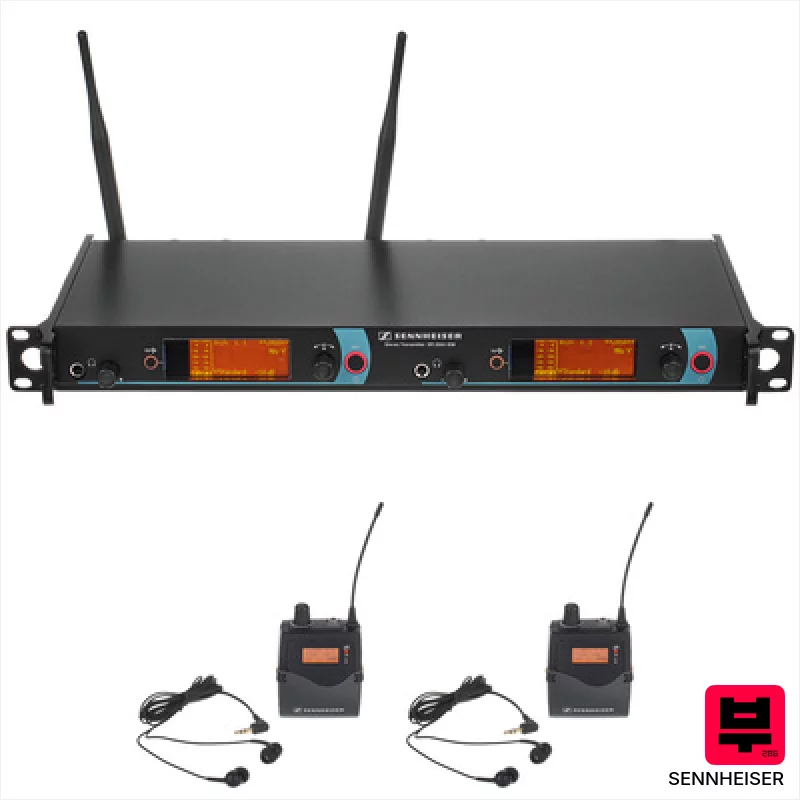
Sennheiser IEM 2000 BW Twin Bundle
- • Rock-solid 2050 transmitter build; HDX compander delivers excellent audio clarity.
- • EK 2000 receivers offer reliable, low-latency performance on stage.
- • B-Band frequency range provides ample channel availability in most regions.
- • IE 4 earphones are a solid, balanced starting point for in-ear monitoring.
- • Premium-priced system, a significant investment for smaller bands or solo artists.
- • IE 4 earphones, while decent, aren't audiophile-grade; upgrades are likely.
- • Transmitter’s 1U rack height can be restrictive in tight setups.
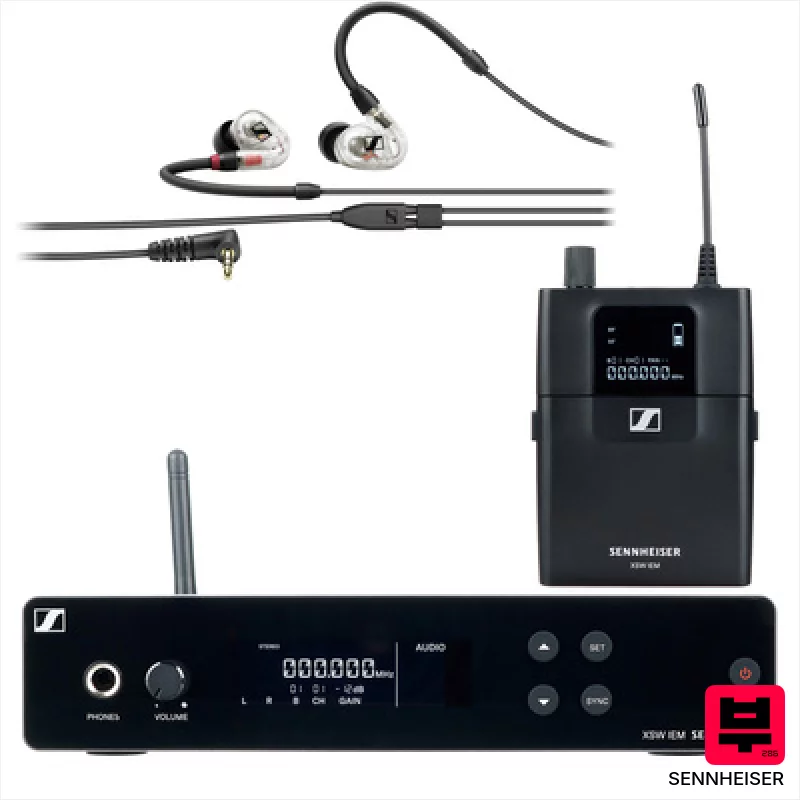
Sennheiser XSW IEM B-Band + IE100Pro Set
- • Robust B-Band frequency range minimizes interference on crowded stages.
- • IE100Pro earphones deliver Sennheiser’s signature clarity and detail.
- • Infrared sync simplifies channel setup and eliminates frustrating manual adjustments.
- • Compact receiver design makes it comfortable for extended performance use.
- • B-Band availability can be limited in certain geographic regions.
- • IE100Pro earphones, while excellent, lack advanced noise isolation features.
- • Transmitter's build, while solid, feels a bit plasticky for the price.
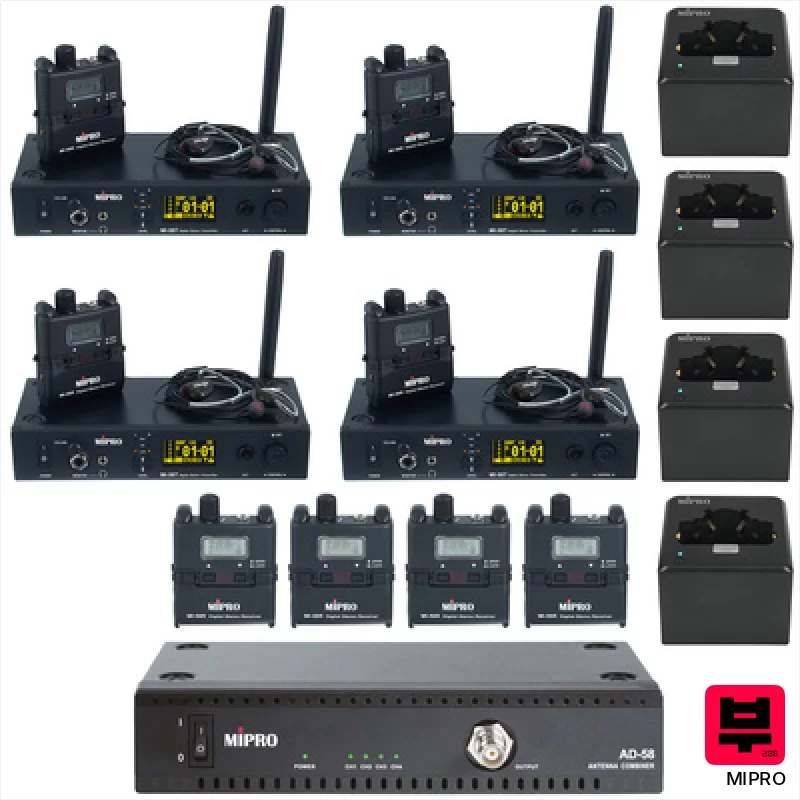
Mipro MI-58 8 CH Set
- • Antenna combiner significantly extends reliable wireless range.
- • Digital 5.8 GHz transmission offers clean, interference-free audio.
- • MI-58RT receivers offer versatile stereo/mono mixing options.
- • Included MP8 charging tray simplifies battery management and workflow.
- • The AD-58 combiner's TNC connectors might require adapters for some setups.
- • The E-8S earphones, while functional, are a basic offering and may be upgraded.
- • Premium-priced, representing a substantial investment for smaller gigs.
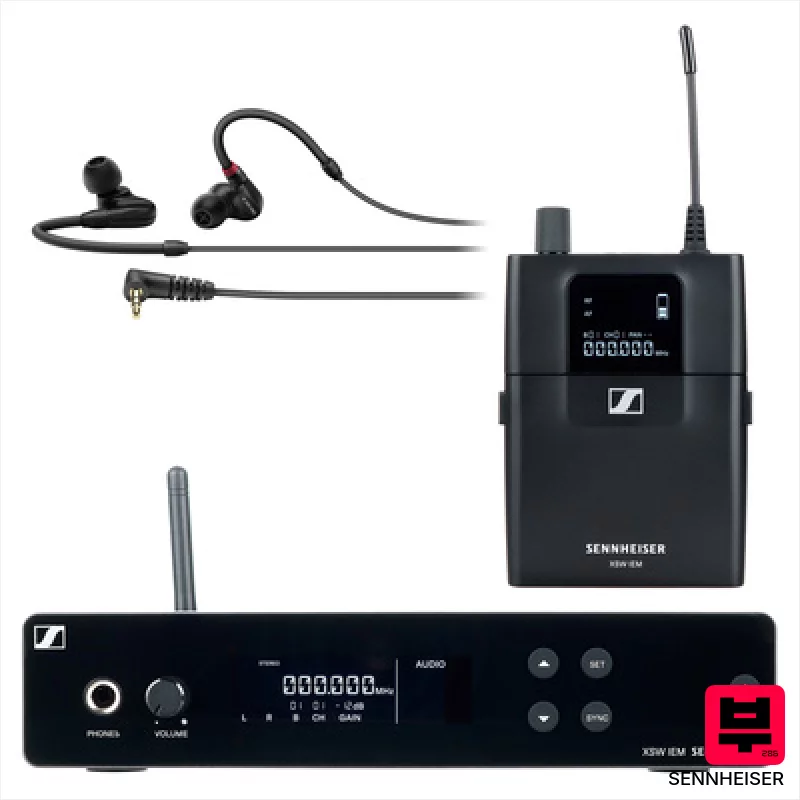
Sennheiser XSW IEM A-Band + IE100Pro Set
- • Rock-solid Sennheiser build quality; feels durable for stage use.
- • Excellent frequency response clarity for IEMs; vocals shine.
- • Infrared sync simplifies channel setup; quick and reliable.
- • IE100Pro provides balanced sound; comfortable for extended wear.
- • The A-band frequency range is limited; potential interference in crowded areas.
- • Transmitter is a bit bulky; could be more streamlined for portability.
- • IE100Pro lacks noise isolation; ambient noise can be an issue.
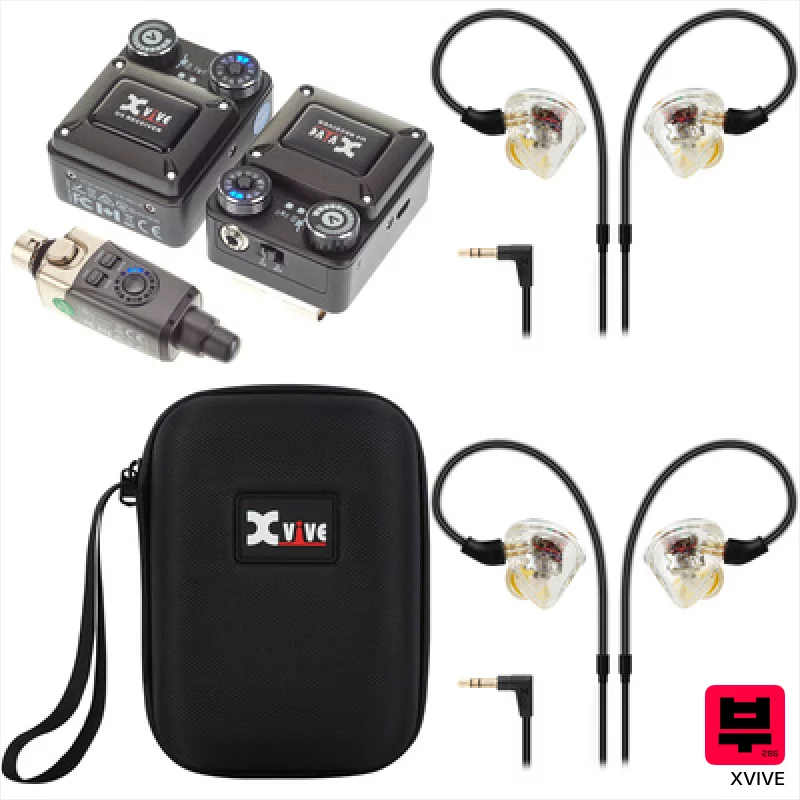
XVive U4 Wireless System Bund Set
- • Compact bodypacks offer excellent portability and discreet stage presence.
- • 2.4 GHz band provides broad global compatibility and avoids common RF interference.
- • Integrated rechargeable batteries simplify operation and eliminate external power needs.
- • High 107dB SNR ensures a clean, clear signal even in noisy environments.
- • The included earphones are likely entry-level; upgrading will significantly improve audio quality.
- • 27.5m range can be limiting for larger stages or complex venue layouts.
- • AUX/Line switch lacks true mic preamps, limiting dynamic range for vocalists.
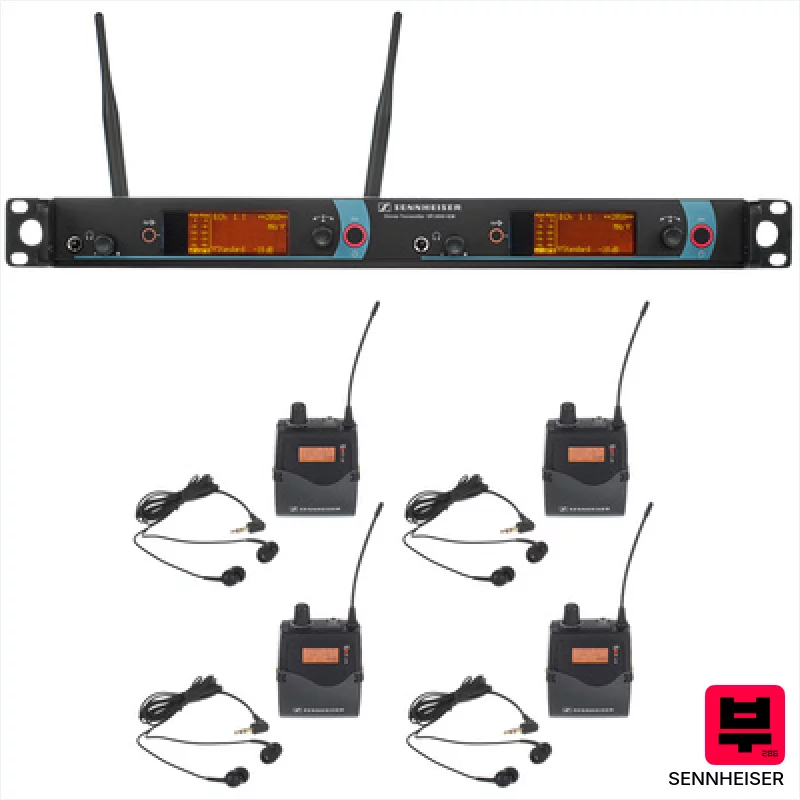
Sennheiser IEM 2000 BW Quattro Bundle
- • Rock-solid SR 2050 transmitter offers exceptional RF stability.
- • EK 2000 receivers provide reliable, low-latency performance onstage.
- • HDX compander significantly reduces noise and interference.
- • IE 4 earphones deliver a balanced, detailed sound signature.
- • The Quattro bundle is a premium-priced investment for serious performers.
- • Receiver battery life necessitates carrying spares or a charger.
- • The B-Band frequency range may require coordination in crowded RF environments.
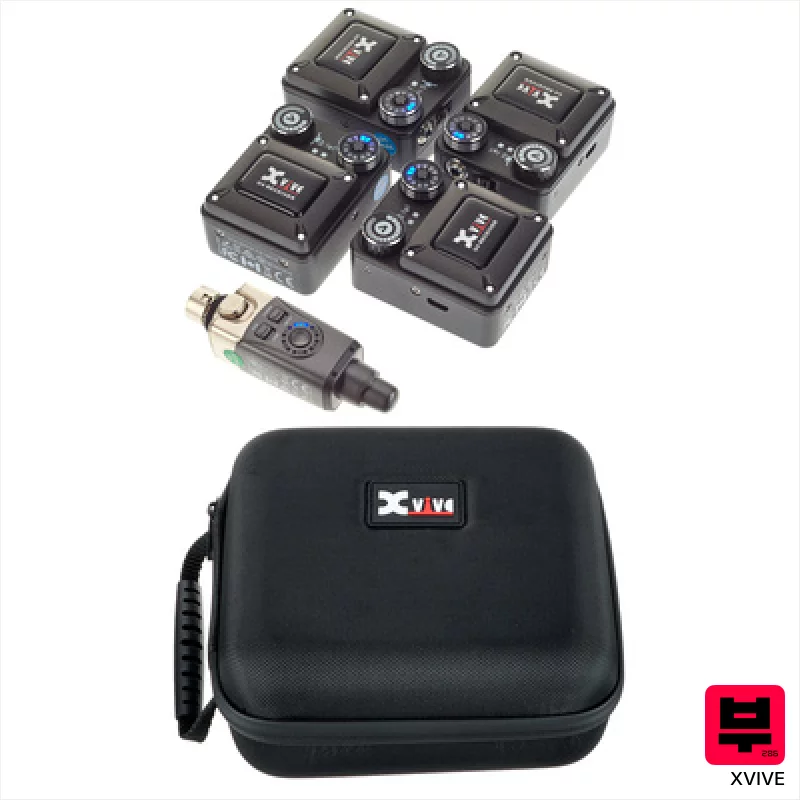
XVive U4 Wireless System Bund Bundle
- • Compact bodypacks offer excellent portability and discreet stage presence.
- • 2.4 GHz band ensures reliable operation globally, avoiding common RF interference.
- • Integrated rechargeable batteries simplify operation and eliminate battery swapping.
- • AUX/Line switch provides flexibility for various output level requirements.
- • Limited channel count (6) may become restrictive in crowded RF environments.
- • The included earphones are likely budget-grade and may need upgrading for critical listening.
- • 27.5m range is respectable but susceptible to significant reduction with obstacles.
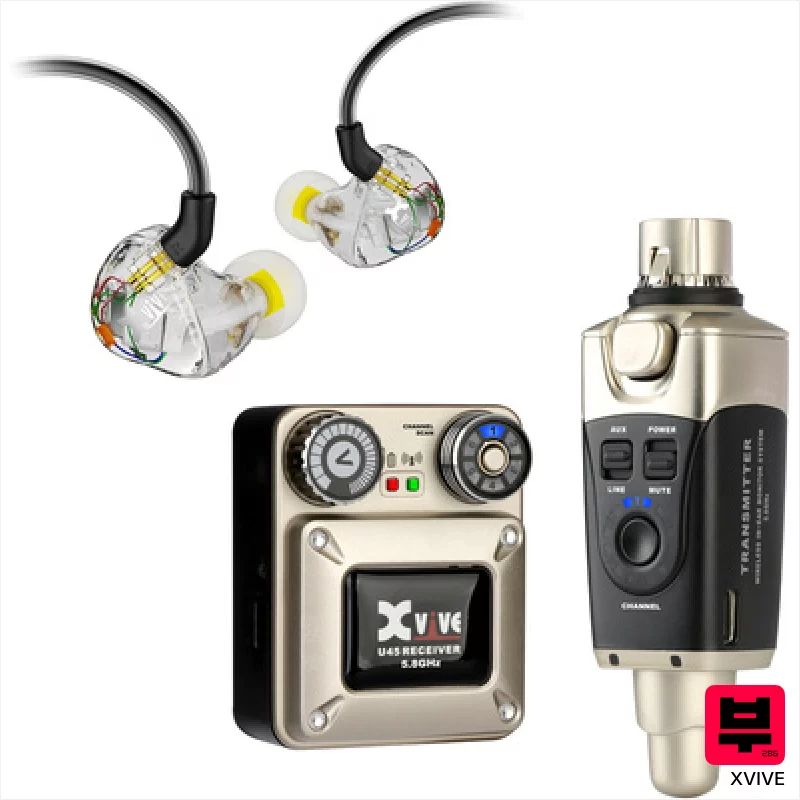
XVive U45T9 In-Ear Monitor Bundle T9
- • Simple plug-and-play operation reduces setup time significantly.
- • 5.8 GHz frequency band offers broad international compatibility.
- • Solid build quality for a budget-friendly wireless IEM system.
- • Decent 110dB SNR minimizes unwanted noise and interference.
- • Range of 30m is realistic *only* with perfect conditions; expect less.
- • Mono audio limits stereo imaging for critical listening applications.
- • Bodypack's lightweight design might feel flimsy for heavier instruments.
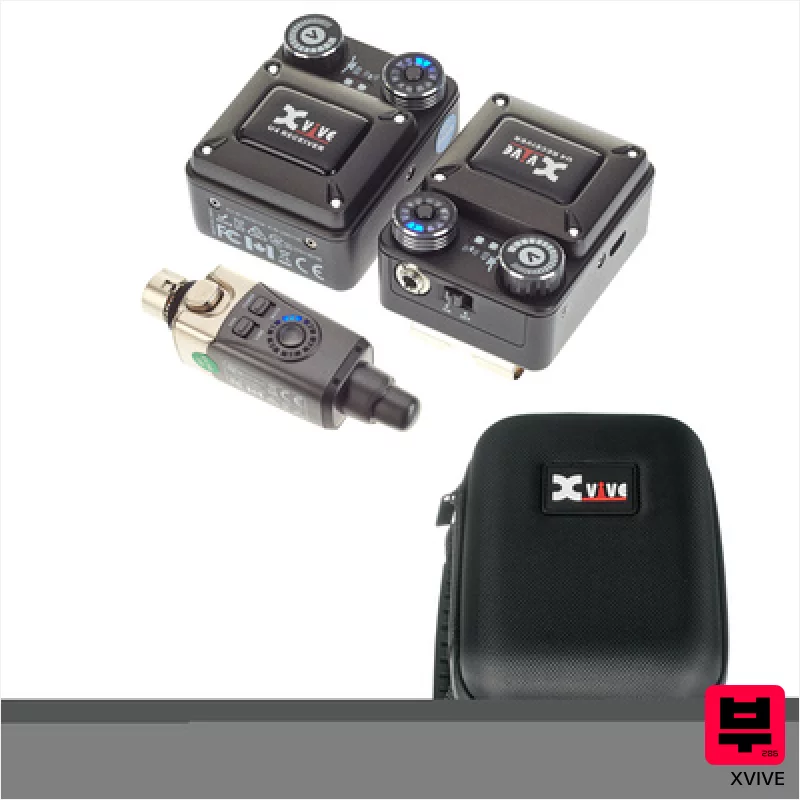
XVive U4 Wireless System Bund Bundle
- • Compact bodypack design offers excellent portability and discreet stage presence.
- • 2.4 GHz band provides reliable operation globally, minimizing interference.
- • Integrated rechargeable batteries simplify operation and eliminate external power needs.
- • AUX/Line switch offers versatility for various sound sources and mixing scenarios.
- • The included earphones are likely basic and may benefit from an upgrade for critical listening.
- • 27.5m range can be reduced by physical obstructions and signal interference.
- • While generally robust, the plastic construction feels less premium compared to higher-end systems.
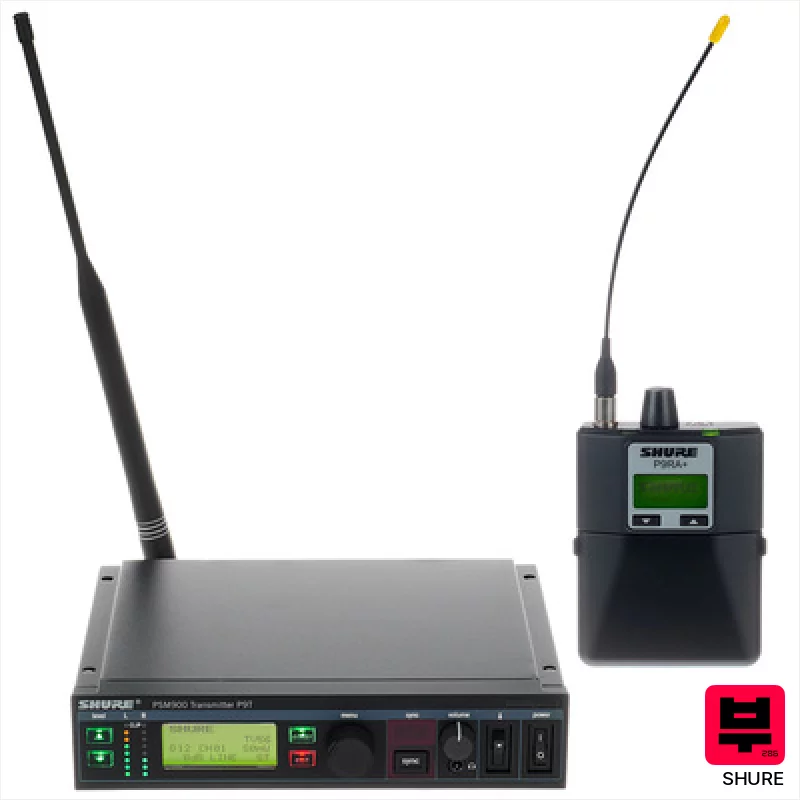
Shure PSM 900 G6E Bundle
- • Robust metal chassis offers exceptional durability for stage use.
- • Shure's Audio Reference Companding delivers remarkably clear and detailed audio.
- • The improved scan and sync simplifies frequency management, saving valuable time.
- • Rackmount included provides professional integration into existing PA systems.
- • The bundle's weight (850g) can be cumbersome for extended handheld operation.
- • G6E frequency band availability varies geographically, limiting usability in some regions.
- • Premium-priced, representing a significant investment for smaller bands or solo artists.

XVive U45 In-Ear Monitor Bundle 4R
- • Simple plug-and-play operation minimizes setup time on stage.
- • 5.8 GHz band offers relatively clean operation in most environments.
- • Integrated rechargeable batteries simplify logistics and reduce cable clutter.
- • Clear, focused mono signal ensures stage mix clarity for performers.
- • 30m range is limited; expect signal drop with complex stage layouts.
- • Body packs, while light, might be uncomfortable for extended wear for some.
- • Aux/Line switch offers limited flexibility for varied signal sources.
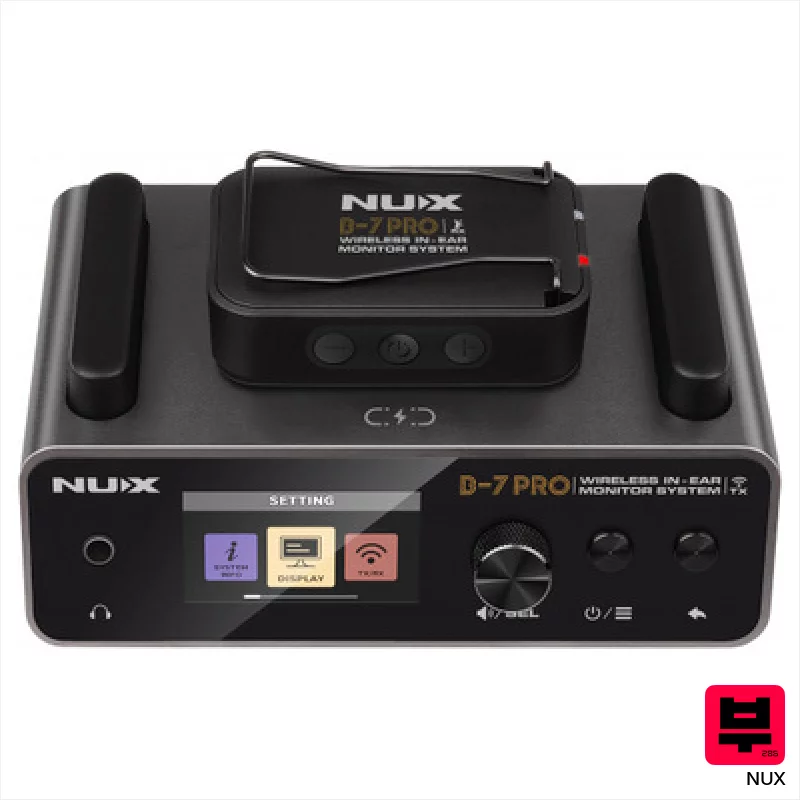
Nux B-7 Pro In-Ear-Monitoring
- • Automatic pairing simplifies setup, a huge time-saver on stage.
- • 2.4GHz digital transmission minimizes interference, crucial for crowded venues.
- • Low latency (7.3ms) ensures near-real-time monitoring, vital for tight performances.
- • Integrated charging system on the transmitter is convenient and reduces cable clutter.
- • Build quality feels somewhat plasticky; might not withstand heavy road use.
- • 50m range is decent, but susceptible to signal drop with obstacles.
- • Earphones provided are basic; serious users will likely want to upgrade.
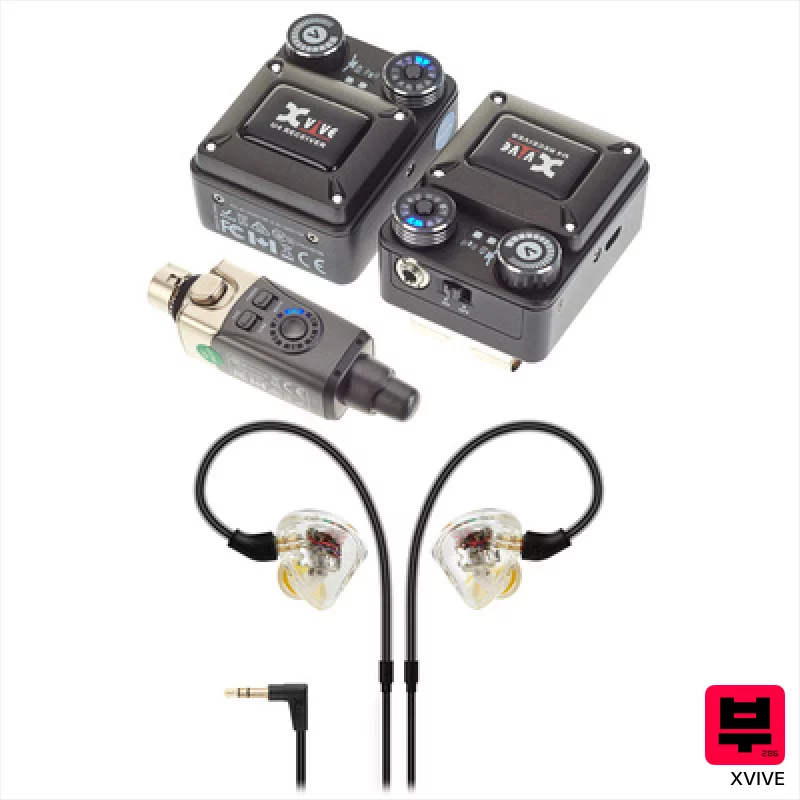
XVive U4 Wireless System Bund Bundle
- • Compact bodypacks offer excellent portability for stage or rehearsal.
- • 2.4 GHz band provides reliable global operation avoiding interference.
- • 6 switchable channels offer flexibility in crowded RF environments.
- • AUX/Line switch caters to diverse audio source levels.
- • The included earphones are likely basic and may benefit from an upgrade.
- • 27.5m range is respectable, but can be impacted by venue construction.
- • Bodypack battery life may require mid-set charging for extended performances.
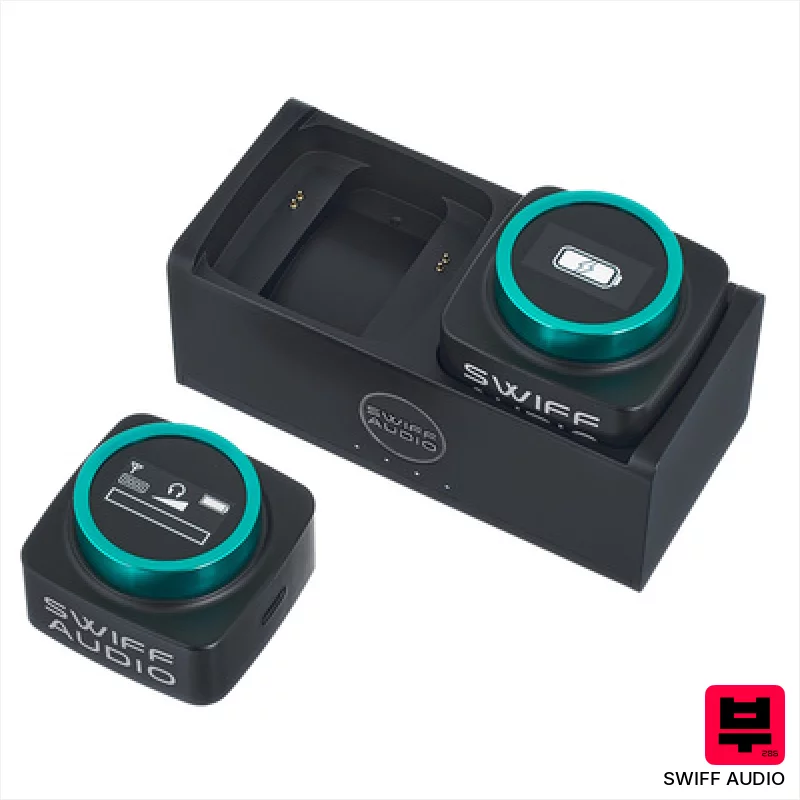
Swiff Audio WX510 Monitor Wireless System
- • Compact charging case offers convenient portability and battery top-ups.
- • 5.8 GHz ISM band ensures broad global usability without licensing issues.
- • Decent 30m range is sufficient for most stage setups and rehearsals.
- • Integrated lithium batteries simplify power management, eliminating external power needs.
- • Build quality feels noticeably budget-focused, plastic components may not withstand heavy gigging.
- • Audio clarity likely limited by the 5.8GHz band, expect some digital artifacts.
- • Receiver battery life of 6 hours might necessitate charging during longer performances.
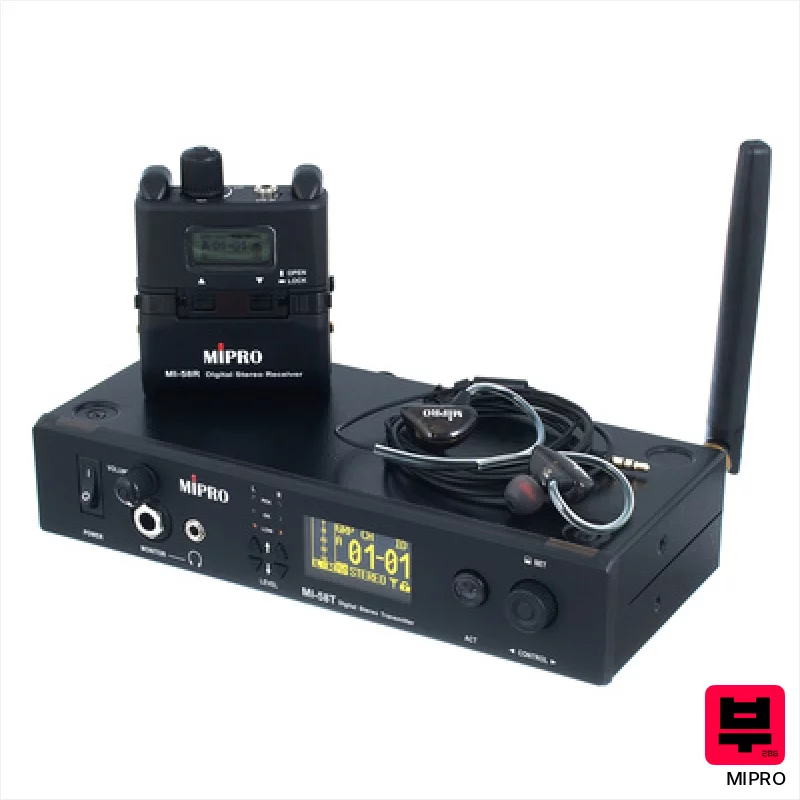
Mipro MI-58RT
- • Digital 5.8GHz offers cleaner, less congested wireless audio performance.
- • OLED display provides clear, real-time feedback on transmitter levels and settings.
- • Rack-mountable design and remote I/O offer professional integration options.
- • The included E-8S earphones offer decent sound isolation and comfortable fit for stage use.
- • 5.8GHz band can still be susceptible to interference in densely populated areas.
- • E-8S earphones, while adequate, aren’t audiophile-grade and may lack detail.
- • Limited channel count compared to higher-end systems; may struggle in large venues.
How to Choose the Best Wireless In-Ear Systems
Frequency Coordination
This is the big one for multiple users. Automatic systems are convenient, but manual override is crucial for dense RF environments - think crowded festivals or venues with lots of other gear. A system that can't find clear frequencies will just fail, and that's not an option when you've got a dozen people relying on it.
Latency
Noticeable latency kills the feel. We're talking sub-2ms here. Anything more and you'll be fighting the signal, especially for drummers and anyone needing tight ensemble playing. It's not just about technical specs; it's about how it feels to play.
Dynamic Range & Headroom
Multiple users often mean a wider range of volume levels. A system with weak headroom will clip easily, resulting in a muddy, compressed sound. You need a system that can handle quiet passages with detail and loud passages without distortion. That 'fat midrange honk' gets lost in clipping.
Transmitter Battery Life & Charging
Seriously, nothing's worse than a transmitter dying mid-set. Look for systems with realistic battery life claims and consider options with charging docks or multiple batteries. Don't get caught short.
Receiver & Transmitter Robustness
Gigs can be rough. Dropped transmitters, sweat, humidity - it all takes a toll. A sturdy build quality and reliable components are essential for long-term reliability. Cheap plastic transmitters crack, and that's a showstopper.
Buying Guide
For multiple users, you're paying for reliability and coordination. Automatic frequency management is nice, but a manual override is a must. Don't skimp on battery life - a few extra bucks for spares is a worthwhile investment. Be wary of systems claiming to support a huge number of users; often, the performance degrades significantly as you add more transmitters.
Our Methodology
We don't just look at spec sheets here. We've put these systems through the wringer - band rehearsals, live gigs, and even studio tracking - to see how they hold up under pressure. Our evaluations are based on real-world performance: how easily they set up, how well they handle interference, and, most importantly, how the audio sounds - the clarity, the detail, and whether the tone color shifts under different conditions.

